“Our nation was born in genocide when it embraced the doctrine that the original American, the Indian, was an inferior race. Even before there were large numbers of Negroes on our shore, the scar of racial hatred had already disfigured colonial society. From the sixteenth century forward, blood flowed in battles over racial supremacy. We are perhaps the only nation which tried as a matter of national policy to wipe out its indigenous population. Moreover, we elevated that tragic experience into a noble crusade. Indeed, even today we have not permitted ourselves to reject or feel remorse for this shameful episode. Our literature, our films, our drama, our folklore all exalt it. Our children are still taught to respect the violence which reduced a red-skinned people of an earlier culture into a few fragmented groups herded into impoverished reservations.”
Dr. Martin Luther King, Jr. in Why We Can’t Wait, 1963
genocide the deliberate killing of a large group of people, especially those of a particular ethnic group or nation.
ecocide destruction of the natural environment, especially when willfully done.
Genocide is usually about what happened in the past. Sometimes what is happening in the moment.
What comes to me this morning is our current refusal to significantly implement changes to address climate change, i.e. ecocide, will lead to the genocide of future generations. Actually millions are dying now from environmental chaos.
Future genocide
Is this a message that might help create change now to avoid genocide in the future?
COLEMAN, FLORIDA – Leonard Peltier, Turtle Mountain Band of Chippewa Indians, who is incarcerated at the U.S. Penitentiary in Coleman, Florida, for his 1977 conviction in connection with a shootout with U.S. government forces, where two FBI agents and one young American Indian lost their lives.
Peltier, who is considered a political prisoner of war by many, released this statement on Thanksgiving through the Leonard Peltier Defense Committee:
The year of 2019 is coming to a close and with it, comes the day most Americans set aside as a day for Thanksgiving. As I let my mind wander beyond the steel bars and concrete walls, I try to imagine what the people who live outside the prison gates are doing, and what they are thinking. Do they ever think of the Indigenous people who were forced from their homelands? Do they understand that with every step they take, no matter the direction, that they are walking on stolen land? Can they imagine, even for one minute, what it was like to watch the suffering of the women, the children and babies and yes, the sick and elderly, as they were made to keep pushing west in freezing temperatures, with little or no food? These were my people and this was our land. There was a time when we enjoyed freedom and were able to hunt buffalo and gather the foods and sacred medicines. We were able to fish and we enjoyed the clean clear water! My people were generous, we shared everything we had, including the knowledge of how to survive the long harsh winters or the hot humid summers. We were appreciative of the gifts from our Creator and remembered to give thanks on a daily basis. We had ceremonies and special dances that were a celebration of life.
With the coming of foreigners to our shores, life as we knew it would change drastically. Individual ownership was foreign to my people. Fences?? Unheard of, back then. We were a communal people and we took care of each other. Our grandparents weren’t isolated from us! They were the wisdom keepers and story tellers and were an important link in our families. The babies? They were and are our future! Look at the brilliant young people who put themselves at risk, fighting to keep our water and environment clean and safe for the generations yet to come. They are willing to confront the giant, multi-national corporations by educating the general public of the devastation being caused. I smile with hope when I think of them. They are fearless and ready to speak the truth to all who are willing to listen. We also remember our brothers and sisters of Bolivia, who are rioting, in support of the first Indigenous President, Evo Morales. His commitment to the people, the land, their resources and protection against corruption is commendable. We recognize and identify with that struggle so well.
So today, I thank all of the people who are willing to have an open mind, those who are willing to accept the responsibility of planning for seven generations ahead, those who remember the sacrifices made by our ancestors so we can continue to speak our own language, practice our own way of thankfulness in our own skin, and that we always acknowledge and respect the Indigenous linage that we carry.
For those of you who are thankful that you have enough food to feed your families, please give to those who aren’t as fortunate. If you are warm and have a comfortable shelter to live in, please give to those who are cold and homeless, if you see someone hurting and in need of a kind word or two, be that person who steps forward and lends a hand. And especially, when you see injustice anywhere, please be brave enough to speak up to confront it.
I want to thank all who are kind enough to remember me and my family in your thoughts and prayers. Thank you for continuing to support and believe in me. There isn’t a minute in any day that passes without me hoping that this will be the day I will be granted freedom. I long for the day when I can smell clean fresh air, when I can feel a gentle breeze in my hair, witness the clouds as their movement hides the sun and when the moon shines the light on the path to the sacred Inipi. That would truly be a day I could call a day of Thanksgiving.
Thank you for listening to whomever is voicing my words. My Spirit is there with you.
Doksha, In the Spirit of Crazy Horse, Leonard Peltier
We begin by acknowledging that the Land between Two Rivers, where we sit and stand today, has been the traditional homeland for many independent nations. These include the Ioway and the Otoe, who were here since before recorded time. The Omaha and the Ponca were here, moving to new lands before white settlers arrived. The Pawnee used this land for hunting grounds. The Sioux, Sauk and Meskwaki were here long before European settlers came. Members of many different Indigenous nations have lived on these plains. Let us remember that we occupy their homeland and that this land was taken by force. Today, only the Meskwaki Nation, the Red Earth People, maintain their sovereignty on their land in the state of Iowa. They persevered and refused to be dispossessed of their home. Place names all over our state recognize famous Meskwaki chiefs of the 1800s like Poweshiek, Wapello, Appanoose, and Taiomah or Tama. We honor the Meskwaki Nation for their courage, and for maintaining their language, culture and spirituality. May our time together bring respectful new openings for right relationship to grow.
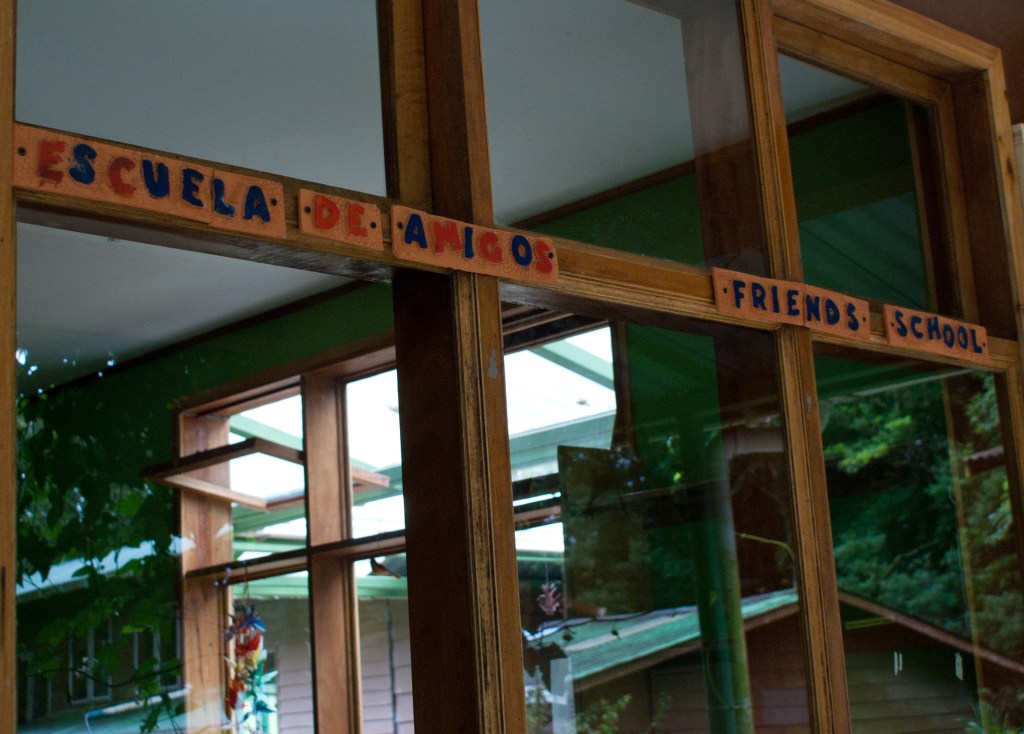
I sent yesterday’s blog post about the kid’s drawings on envelopes from Monteverde Friends School (Costa Rica) to the school. Here is the wonderful response I received.
What a joy it was to see the note you sent yesterday with the blog about the kids’ drawings on our appeal letter envelopes!
I guess you could say I am the new Tracy Cobb. I am a volunteer, visiting Monteverde more and more (3 months this time) and deciding to move here shortly. Your blog really made all the work on preparing the appeal letter – writing and printing all the letters, labels and enclosures in Colorado, bringing ~600 letters on my flight here in October, getting teachers, students, staff and Meeting members to write notes on every letter and color each envelope – feel worthwhile.
Last year I helped Tracy on the envelope stuffing and took all the U.S. letters back with me to mail at home. I got to see the smiles on the Post Office workers as they saw the envelopes. I like to think of how the envelopes create a long international trail of smiles, from those here to the Post Office, to mail carriers and as they arrive for supporters. Just a wonderful sense of spreading smiles!
Thank you once again for your blog about the letters and envelopes!
Ellen Cooney , Monteverde Friends School, Costa Rica
Monteverde
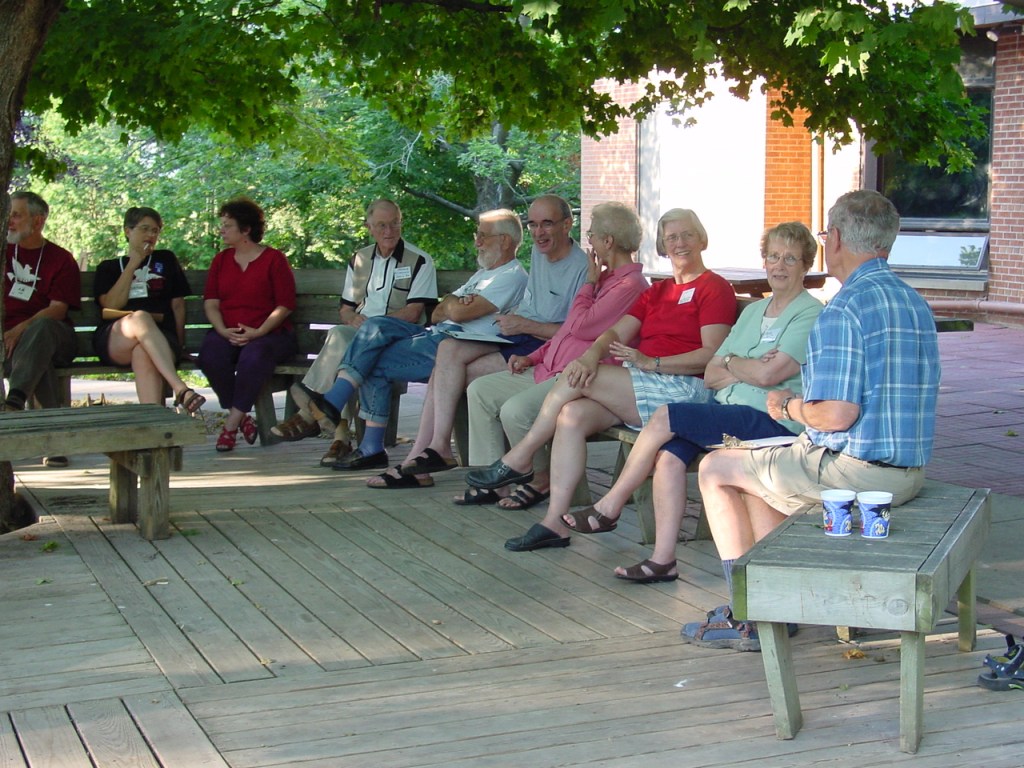
Midyear Meeting at Bear Creek
Bear Creek Meeting
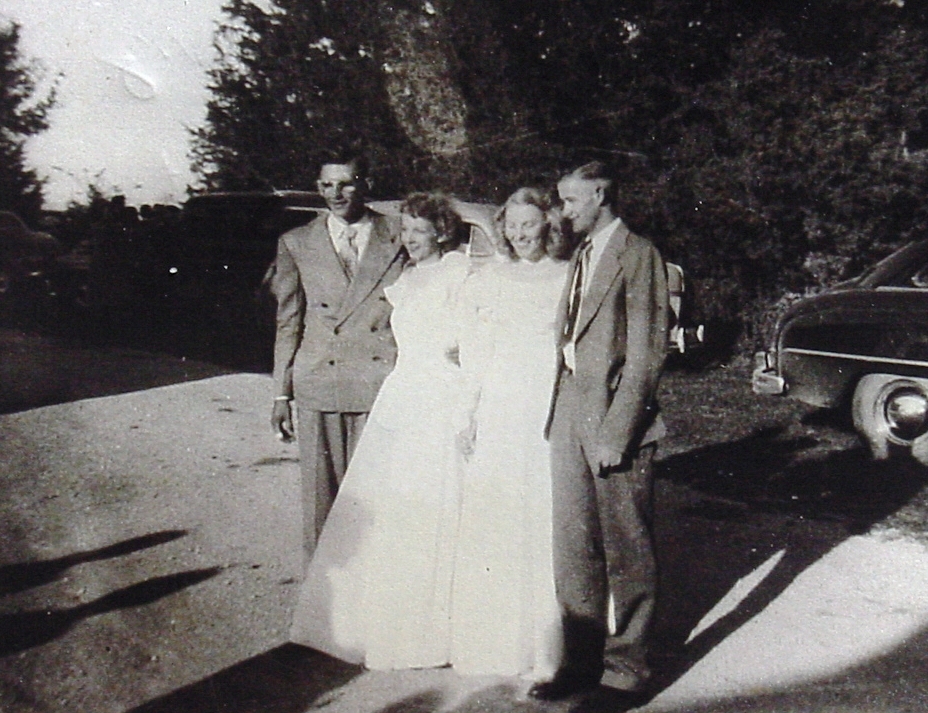
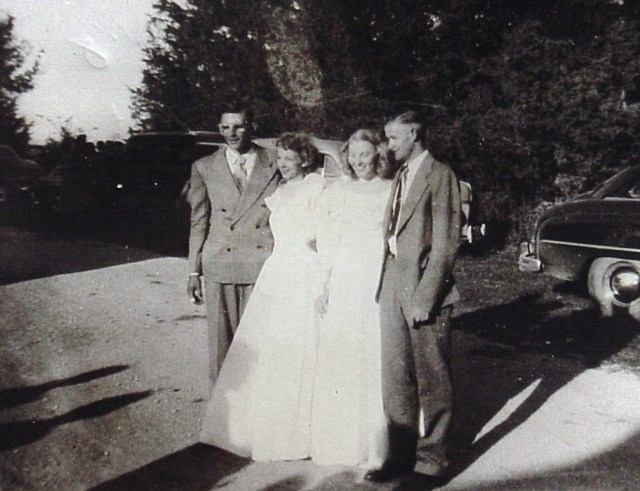
Burt and Alberta Kisling with Lucky and Wolf Guindon 1950 Bear Creek
1. One who is engaged in or experienced in battle. 2. One who is engaged aggressively or energetically in an activity, cause, or conflict http://www.thefreedictionary.com/warrior
Warrior seems an unlikely term for Quakers to use, since the word is usually thought of in terms of battles and wars, which Quakers oppose and work against.
I like the second definition above though, related to engaging energetically in a cause. Today there are many causes to choose from, with widespread conflict, injustice and oppression.
I’ve been writing a lot lately about colonization and Thanksgiving/Truthsgiving because this is a time when stories involving Native Americans might be told. Stories most likely to be quite inaccurate. These could be great opportunities to educate your friends and relatives. Obviously you would know whether that would be possible in your situation without creating great conflict.
I say great conflict because it might well be necessary to make people uncomfortable if you are going to raise these ideas. I’ve been writing about why I think this is an important time to work on decolonizing, beyond just setting the record straight. As Martin Luther King says:.
“Injustice anywhere is a threat to justice everywhere. We are caught in an inescapable network of mutuality, tied in a single garment of destiny. Whatever affects one directly, affects all indirectly.”
Martin Luther King’s Letter form a Birmingham Jail
I believe we will never make real progress toward justice in the United States until we understand and heal the fundamental injustices the country is built on.
Enslavement and oppression of African Americans
Cultural genocide and oppression of Native American
Privileges accorded to White males
Another reason is the spiritual poverty around us today. There are many sources and means of spiritual help and practice. Native ways demonstrate deep, sacred connections with Mother Earth and among all relations.
And perhaps most urgently, Indigenous spiritual and environmental ways provide some examples we might use to try to reduce the rate of environmental damage.
I think a useful approach to engage others about these things is through the use of stories. That takes the focus off individuals.
Most of us lack the stories that help imagine a future where we thrive in the midst of unstoppable ecological catastrophe.
James Allen
One of our goals could be to imagine that future.
I’d like to end by encouraging you to think of yourself as a Spiritual Warrior. This idea came to my attention from the following from my friend Joshua Taflinger.
I am inspired to share with you all more directly a post I wrote, because I consider you an established & effective nature/spiritual warrior, and believe that there is a need for the perspectives shared in the attached post to be more common thought in the minds of the many.
If you feel truth from this writing, and are inspired, I highly encourage you to re-write your own version, in your own words/perspectives, and post to your network.
With the intention of helping us all wake up, with awareness, clarity, and direction.
..spreading and weaving reality back into the world….
Joshua Taflinger
This is the post Joshua is referring to.
What has risen to the surface at Standing Rock is a physical/spiritual movement. Learn how to quiet your mind. To find the silent receptive space to receive guidance. To learn to adapt and follow the pull of synchronicity to guide you to where you will find your greatest support and strength.
What I have found in my time praying in the indigenous earth based ways, is that it’s not about putting your hands together and talking to god…. It’s about quieting and connecting with the baseline of creation, of nature. Tuning into the frequency and vibration of the natural world, the nature spirits. The beings and entities that have been in existence, for all of existence, the examples and realities of sustainability and harmony.
It’s about becoming receptive to these things. Being open and flowing with them. The spirit guides us, but we have to make ourselves receptive to feel, sense, and respond to this guidance.
Joshua Taflinger
So, you might start to think yourself a Spiritual Warrior. Since Joshua wrote that, I started thinking of myself in those terms. And I’ve found that helps keep my focus on the spiritual parts of what I work on.
Finally, Thanksgiving/Truthsgiving is upon us. I hope you might have some opportunities to engage, in a constructive and peaceful way, with your friends and relations. Some of the questions below might be helpful.
Since this is about stories, I would love to hear any stories of your experiences this Truthsgiving. You can either leave comments on this blog post or email me jakislin@outlook.com. Thank you.
One thing I’ve learned from living and working with Native peoples is to be attentive to place – to the earth beneath our feet, to all the living beings that surround us, and to the humans whose stories are embedded in the land. That’s why we began today’s service by acknowledging the Piscataway people – their history on this land and their continuing presence here today. Native peoples are asking churches and civic organizations around the country to open our services and meetings with acknowledgments like this. (see the land acknowledgement for Iowa below). It’s a way for us to recognize the Native peoples who live here today, and remember those whose ancestors lived and died here – right here. We can connect with them through the land.
Think for a moment about places on this continent that are meaningful to you…
Let your mind travel to one of those places that you know and love.
Close your eyes, picture it.
Now imagine that place as it might have been before you or your ancestors knew it, before colonists from other continents arrived.
Who were the people there, living and moving along the same rivers and shorelines and hills and valleys that you see in your mind’s eye?
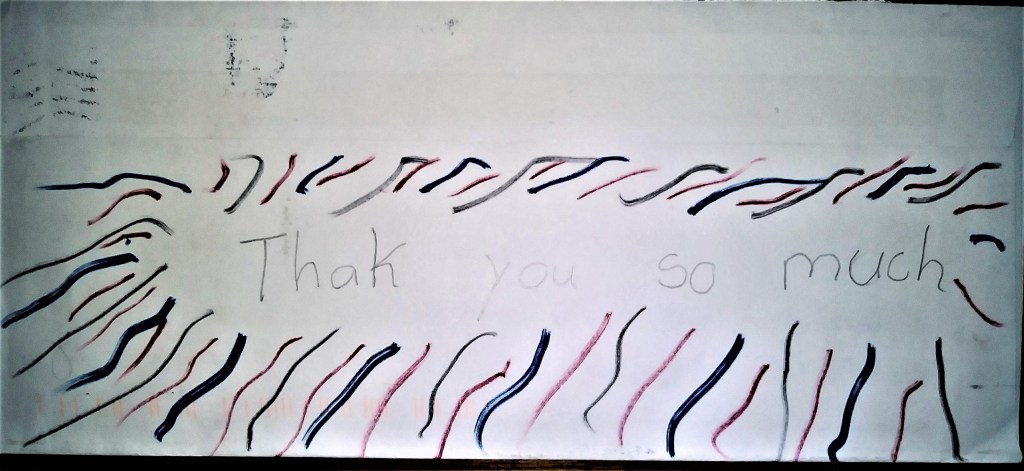
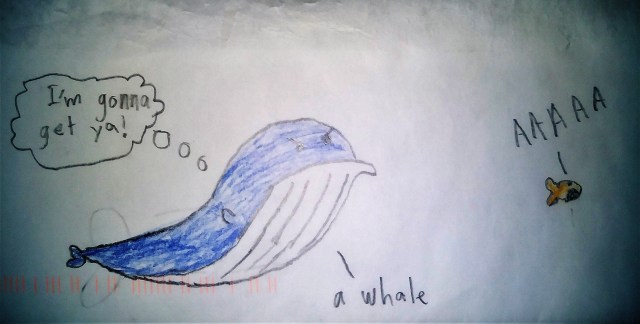
Last year I wrote about this drawing on the envelope of a letter from Monteverde Friends School, which is in Costa Rica.
Student drawing on envelope on last year’s (2018) letter from Monteverde Friends School
Soon after I received my letter, Bear Creek Friends Meeting’s clerk, Jackie Leckband, brought another envelope to meeting that had a student’s hand drawn picture on it.
Envelope to Bear Creek Friends from Monteverde Friends School (2018)
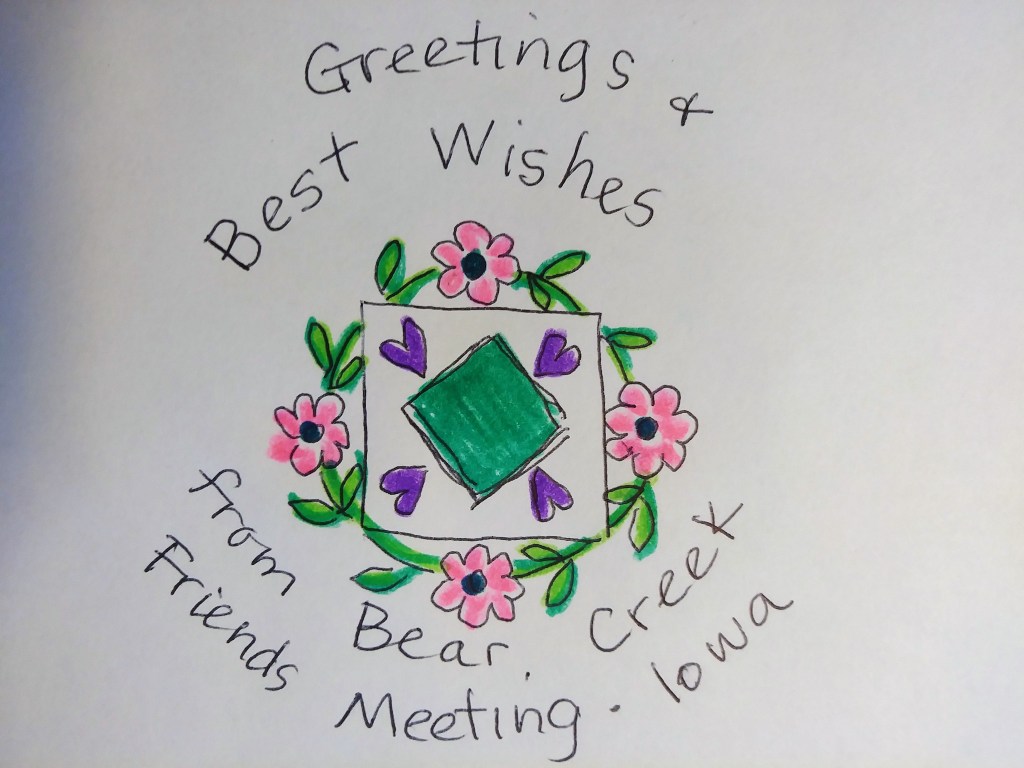
Bear Creek Meeting spent a lot of time sharing stories about our connections with Monteverde Friends. Some present had visited Montverde. Others know people who have lived, or continue to live there. As we shared these stories we thought it would be nice to reply to the drawings from the children at Monteverde, by sending back drawings from us. Some Friends were reluctant artists but I really appreciate how everyone joined in anyway. This may be one of those cases where it’s the thought that counts 🙂 The following slideshow contains the drawings we sent to Monteverde last year.
Burt and Alberta Kisling with Lucky and Wolf Guindon
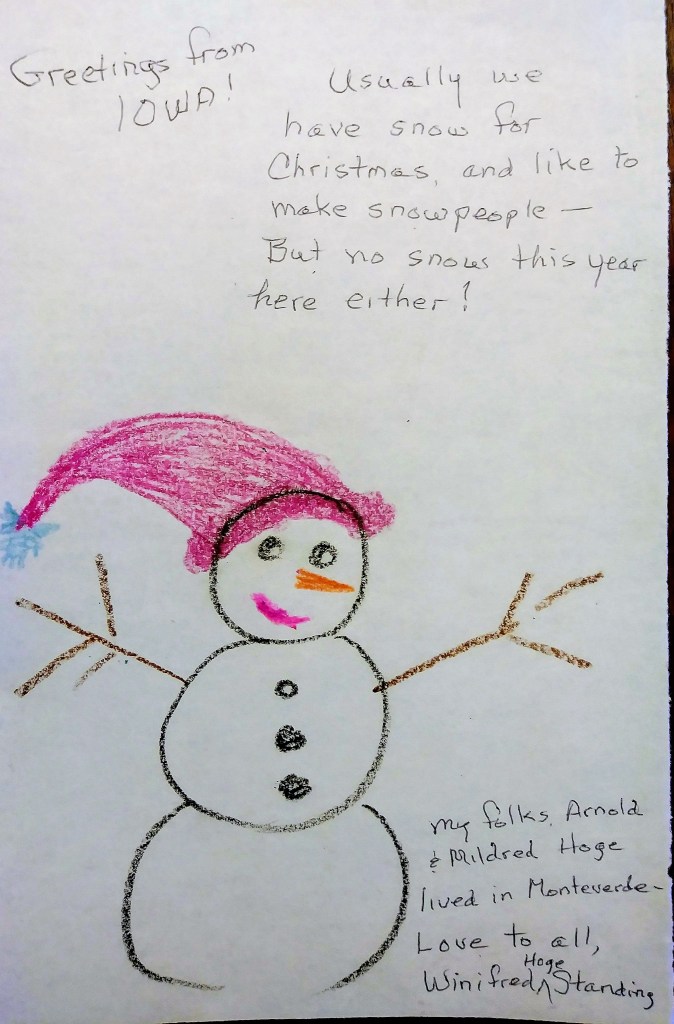
Yesterday I was delighted to receive another letter with this drawing on the envelope.
Drawing on this year’s envelope from Monteverde Friends School, Costa Rica (2019)
Inside this envelope there were two letters. This is the first letter:
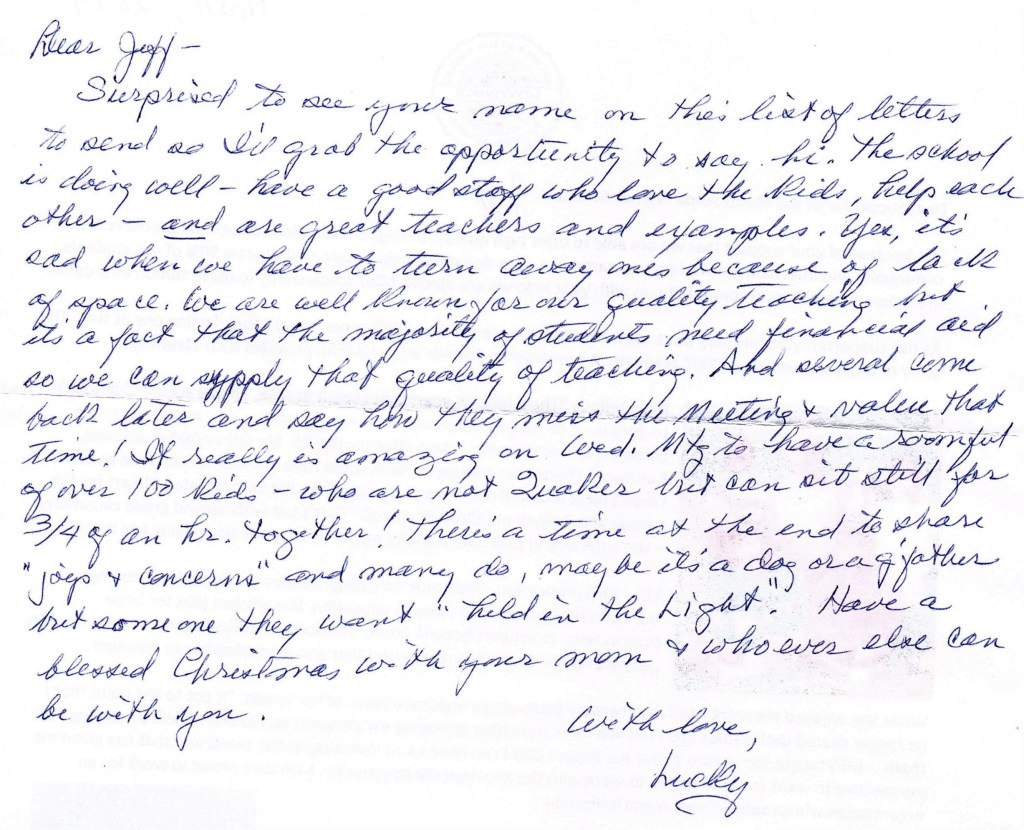
But the real treat was this second letter that was written by Lucky Guindon, who lives in Monteverde, and as explained below was my mother’s best friend as they grew up together in the Bear Creek, Iowa, Quaker community (Iowa Yearly Meeting Conservative).
from Lucky Guindon, Monteverde, Costa Rica
What follows is from the blog post I wrote last year about our connections with Monteverde Friends
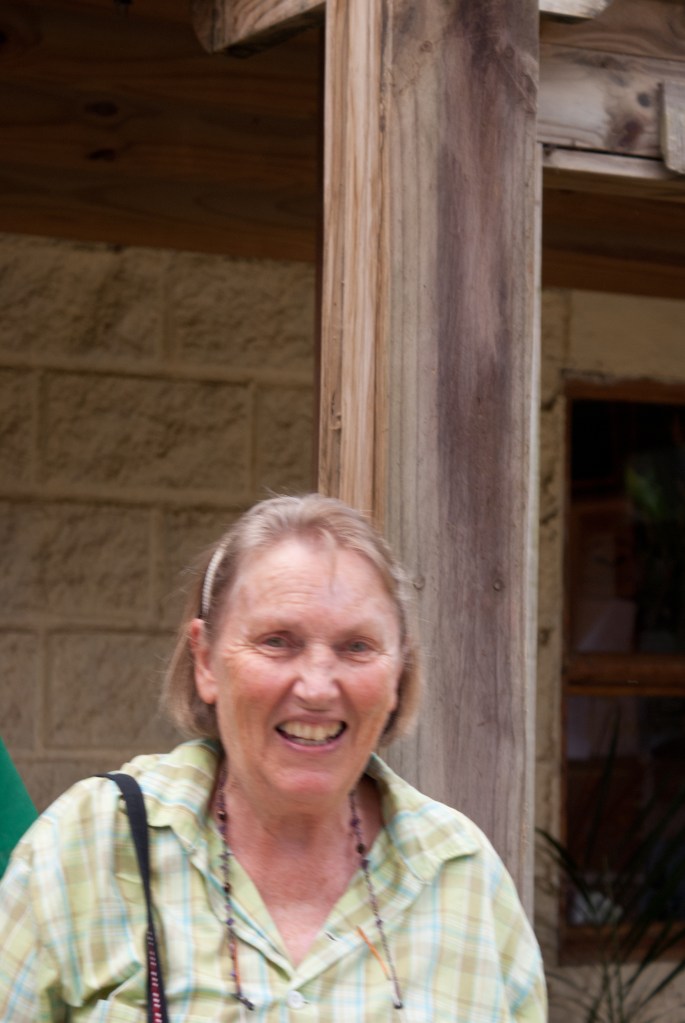
My family and Iowa Quakers have a long history with the Monteverde community in Costa Rica. It is always good to hear news of that community. Lucky (Standing) Guindon, my mother’s cousin and constant companion during their childhood, was one of the original group who went to Monteverde and lives there today. On October 14,1950, she and Wolf Guindon had a double wedding with my mother and father at Bear Creek Meeting. In 2010 I was able to travel with Mom and Dad and my sister Lisa’s family to Monteverde so we could celebrate the 60th wedding anniversaries of both couples.
Burton and Alberta Kisling, and Wolf and Lucky Guindon married at Bear Creek Friends Meeting
When I shared the blog post I wrote about the drawing on the envelope with Monteverde, I received a nice reply from Tracey Cobb, who wrote: “I told the student how impressed you were by his drawing and he was over the moon. One of the benefits of having students draw on the envelopes is to involve them in helping their school, and your note helps me to show them that their efforts really do make a difference.”
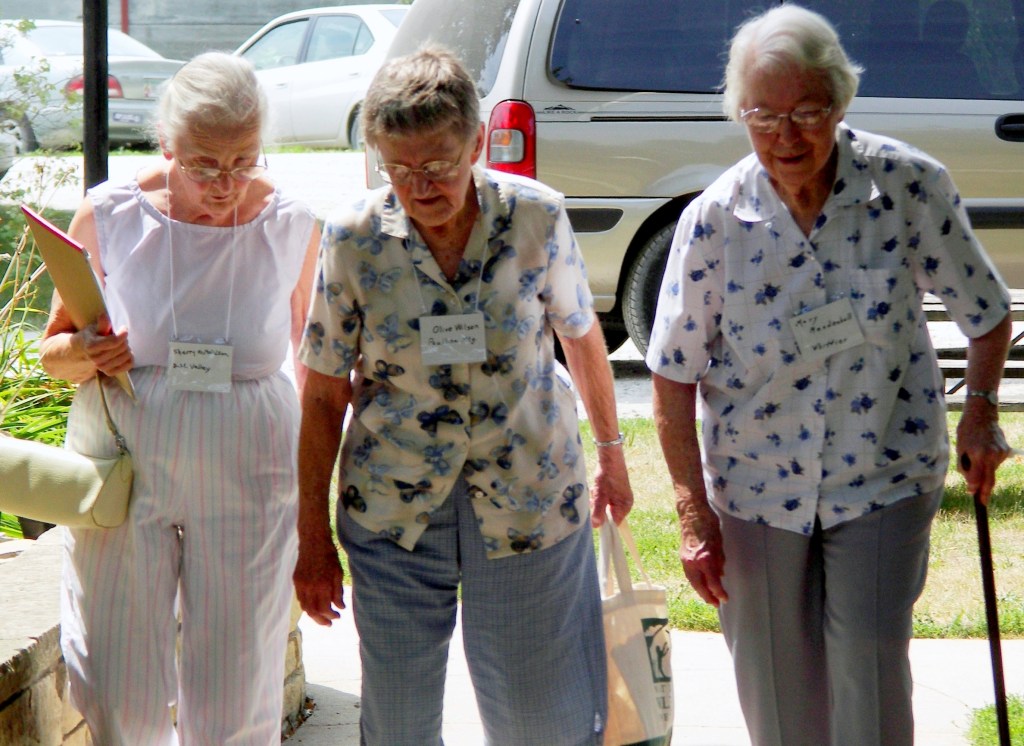
Then yesterday I received the following comment from J. Eugenio Vargas: “Sr. Jeff, it is so great to hear that the whale picture drawn by one of our students has been of inspiration for you to share more about Monteverde Friends history and connections. Every Wednesday I feel blessed by Lucky Guindon’s presence at Meeting for worship with all school. I was also happy to scroll all way down to the last picture and see Mary Mendenhall there. She must be the same Mary M. MFS Head in early 70’s. It was Mary who included me on a list of 3 Costarrican students to receive a full scholarship in 1971 so we could attend full time school there. 43 years later I was given the opportunity to be part of the school administrative team. Another blessing for me!”
Some years ago Bill Deutsch interviewed Mary Mendenhall about her experiences in Costa Rica during the annual sessions of Iowa Yearly Meeting (Conservative). One of the main reasons for this blog post today is to allow me to share that video with you and Monteverde Friends.
Interiew with Mary Mendenhall at Iowa Yearly Meeting (Conservative)
I’ve been writing a lot about colonization for awhile because Thanksgiving/Truthsgiving is a time when people may think about Native Americans: https://kislingjeff.wordpress.com/?s=decoloniz
I was glad to come across a series of articles from the American Friends Service Committee (AFSC) that discuss decolonization so you can hear about this from someone else. Denise Altvater serves as Coordinator as the Wabanaki Youth Program in Maine. She has created a supportive web of connection and communication in a region where Native Communities have been isolated and abused. With her leadership, the American Friends Service Committee’s Wabanaki Program (Maine) was instrumental in developing the first Truth and Reconciliation commission between a sovereign Tribal nation and a U.S. state and she recently has become focused on offering decolonization workshops for faith communities.
Here is the link to the video DAWNLAND that features Denise and her work with the Truth and Reconciliation commission. The video is available online during November, which is National American Indian and Alaska Native Heritage Month: https://www.pbs.org/video/dawnland-t0dsij/
Following are some excerpts from the first article in the AFSC series about decolonization, Thinking about decolonization as Thanksgiving approaches: A conversation with Denise Altvater part 1, Acting in Faith by Christina Elcock, Nov 21, 2017. Lucy Duncan is a friend of mine.
Christina Elcock: As you know, Lucy and I wanted to explore the theme of decolonization with you, particularly around the work that you do as Wabanaki Program Coordinator. Now, the holiday period is approaching and I’m interested to hear from you, what is your take on Thanksgiving?
Denise Altvater: Well, you know, I really don’t focus so much on Thanksgiving myself. We usually have seafood just because of the significance of having a turkey (an American tradition started by colonists). I think last year my husband and grandson and I went out to dinner in a restaurant, but we’re the minority in the community as far as that goes. A lot of Wabanaki people still celebrate Thanksgiving.
Lucy Duncan: Wow – really? Interesting. What would you want European-Americans to think about on Thanksgiving?
Denise Altvater: For me, I want people to focus generally everyday about this stuff [decolonization practices], every single day, and to work on it. I know that there are things like Columbus Day and Thanksgiving Day that are a good time and opportunity to have people focus on what decolonization means and how to turn around how colonization has really destroyed so many things. But, I really have become broader in my thinking than that because it just is such a daily thing for me now that when these days come up for me, it’s just another day to practice this “every single moment” thing. It isn’t any different than how I want it to be on those other days. Do you know what I mean?
Lucy Duncan: Yeah. So, what is that every single moment thing? It seems that it’s both a spiritual practice and a practice of mind. What is it like for you?
Denise Altvater: Well, in my program, the core work that I do includes decolonization, racism, and looking at colonization altogether. For me, decolonization is a framework for transforming the domination of Christianity. For me, colonization is a shift of the different parts of time. Colonization becomes parts of institutions, illegal frameworks, social services, economic structures, and all those things require social change. They act against us, the framework of oppression. So, when I work, I really have to acknowledge that racism on the individual level and colonization on the systematic level are really intertwined, they’re locked in place with each other. Anti-racism efforts are not successful if they’re not paired with decolonization practices. I used to do anti-racism work for a long, long time without doing decolonization work. I now find that it’s more effective and powerful when they pair with doing work around decolonization.
Lucy Duncan: What does that look like? How would you describe the different aspects of doing anti-racism work and decolonization work, specifically?
Denise Altvater: Well, all people of color (POC) live with the effects of both institutional and individual racism daily. The attention in the past several decades has been on individual racism, but, it’s the institutional racism that specifically excludes POC by adopting policies that result in our exclusion that is much more devastating. So, when we go and we work around racism and decolonization we, (meaning white people from here on) have to reconcile what the dominant society has done and the fact that people exist on the territory of Native people. The person with the decolonized mind can accept the past and love their present and create their future regardless of what stands in their way. As long as they understand that all of these systems are in place to devalue and eliminate all of these groups of people and they accept that, they can reconcile that within themselves, move forward and really make huge changes. We present the truth and ask that the people in our workshops accept the truth. When they do that, we can begin to move forward toward decolonizing hearts, minds, and hopefully eventually, the land.
I’ve been writing about the Thanksgiving/Truthsgiving holiday as an opportunity to talk about the true history of the relationships among White and Native peoples.
And I’ve been sharing some of my stories because I think storytelling is a way to start conversations about things people tend to have strong feelings about. Instead of a confrontation between opposing sides, focusing on a story helps guide the discussion and hopefully keeps it from getting too confrontational.
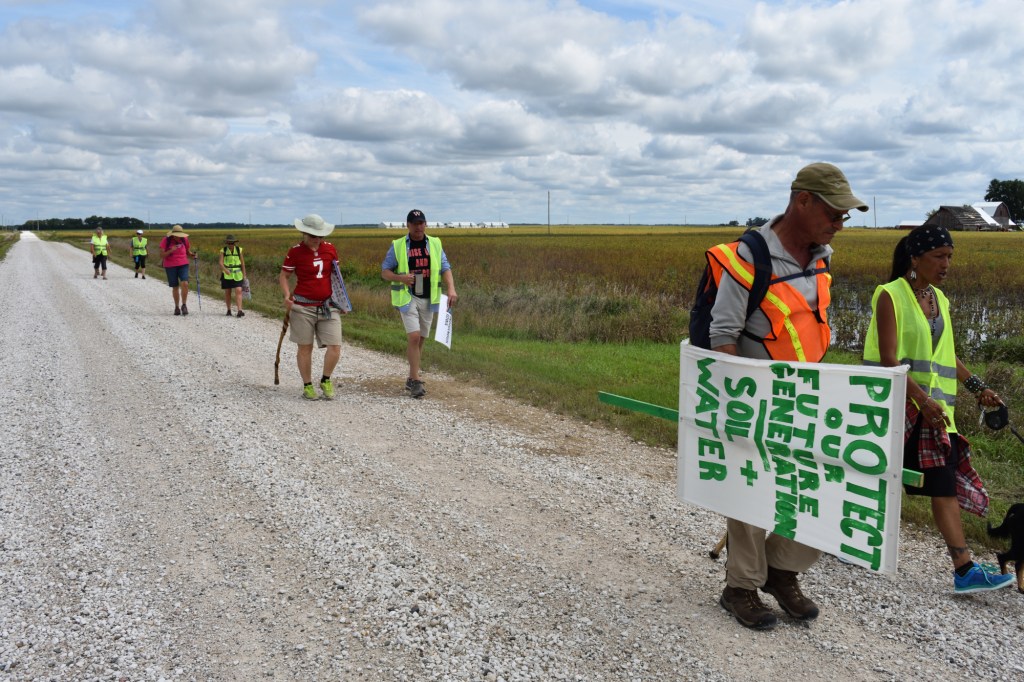
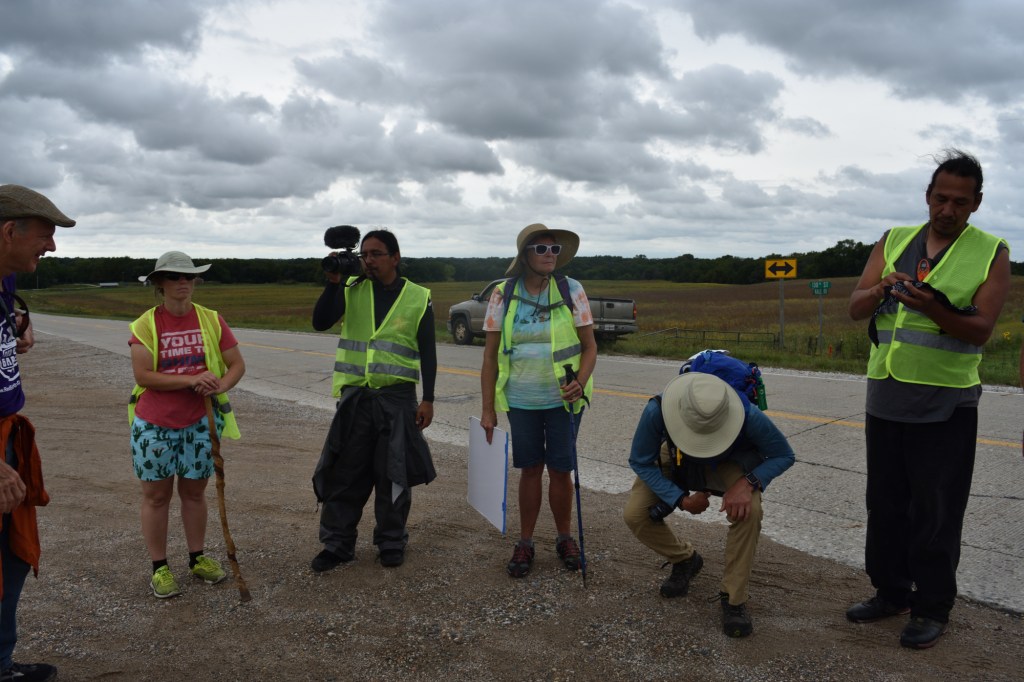
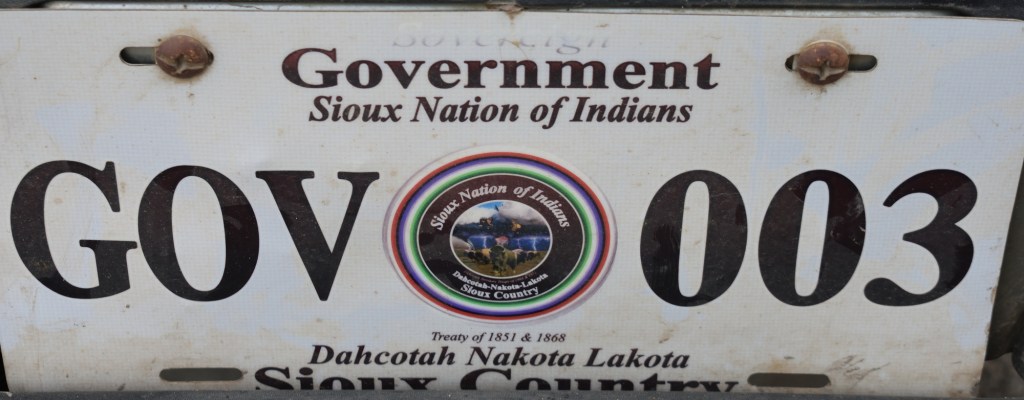
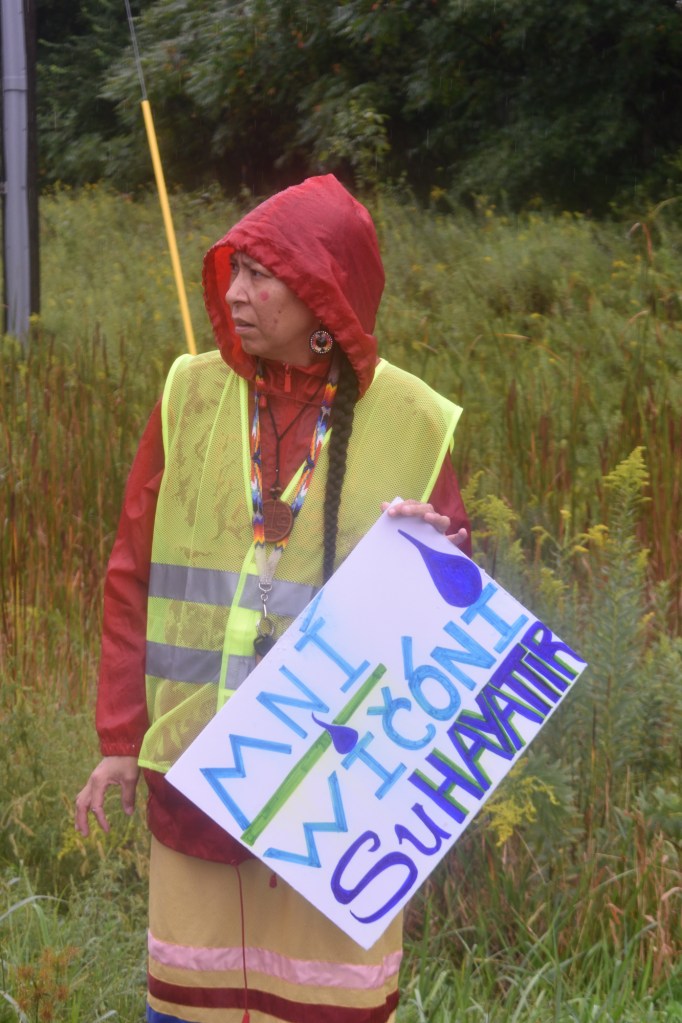
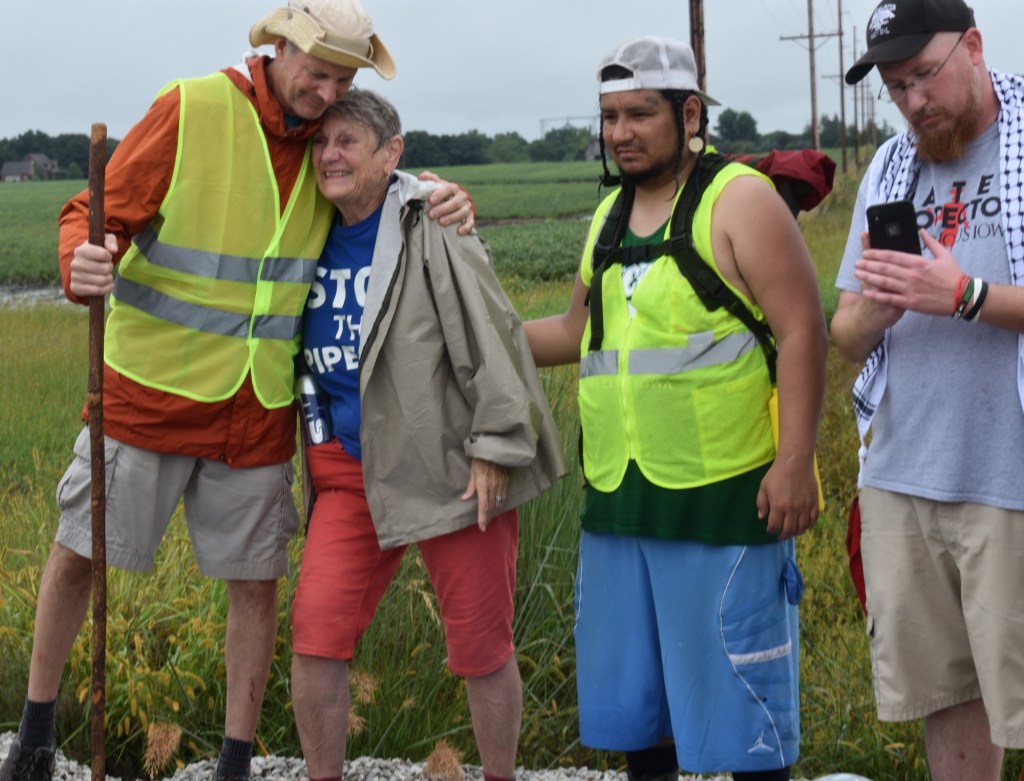
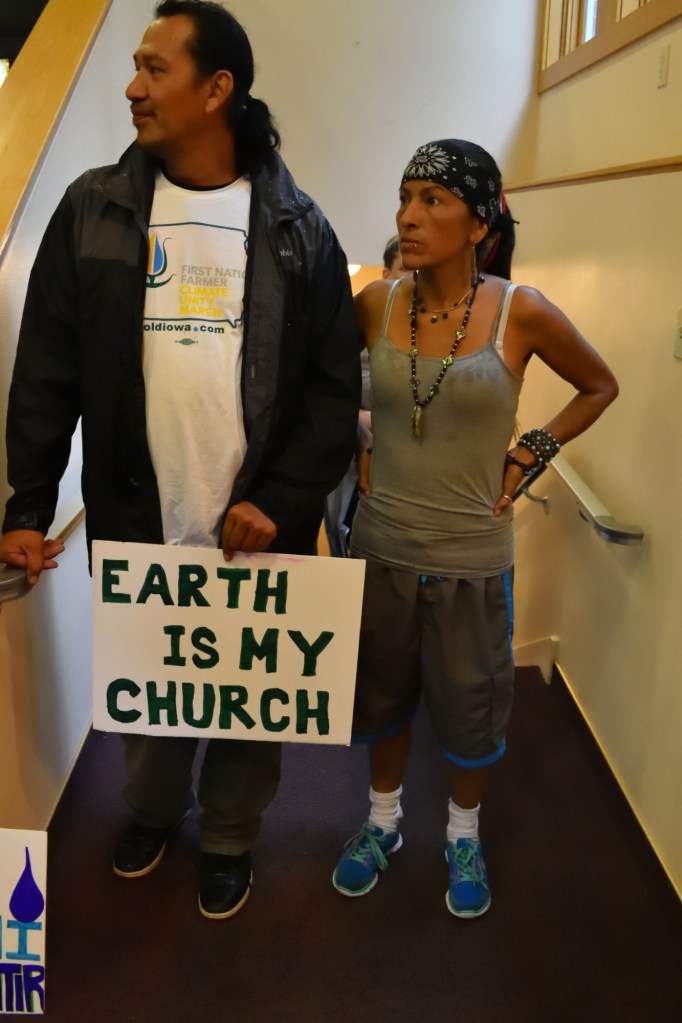
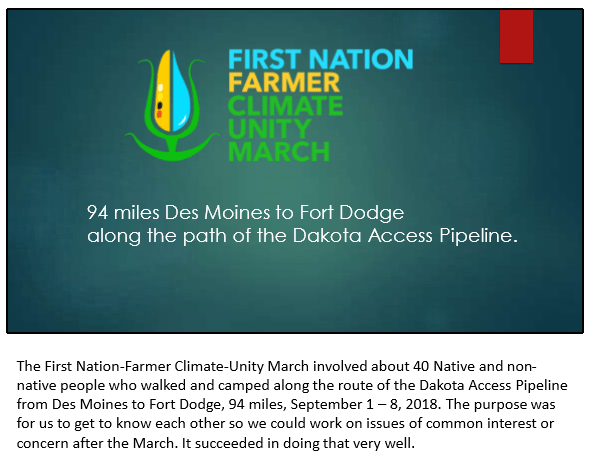
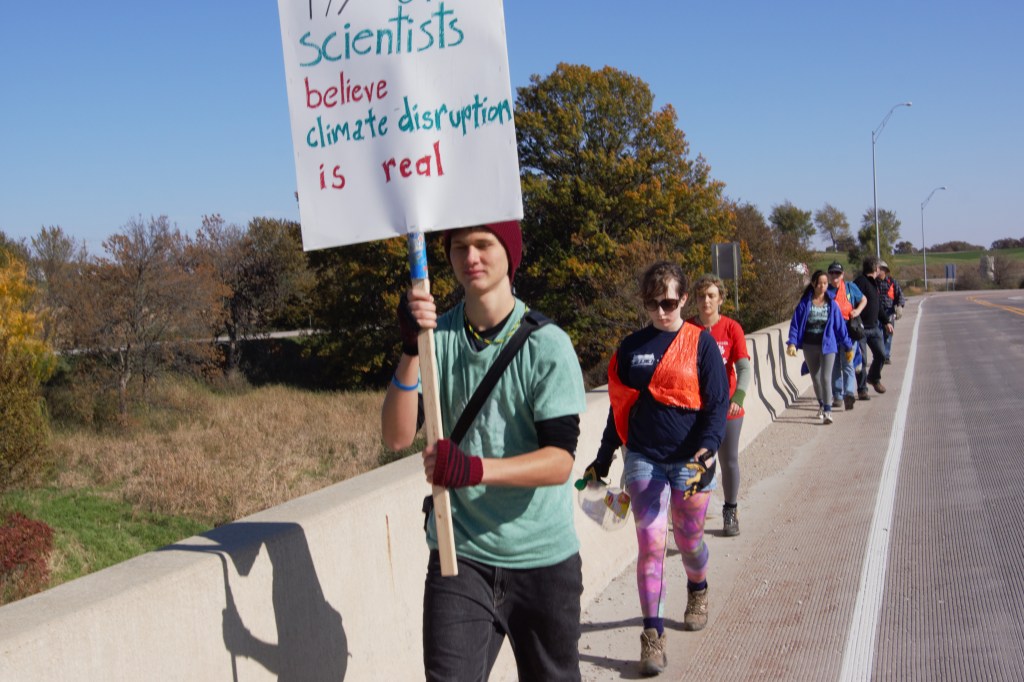
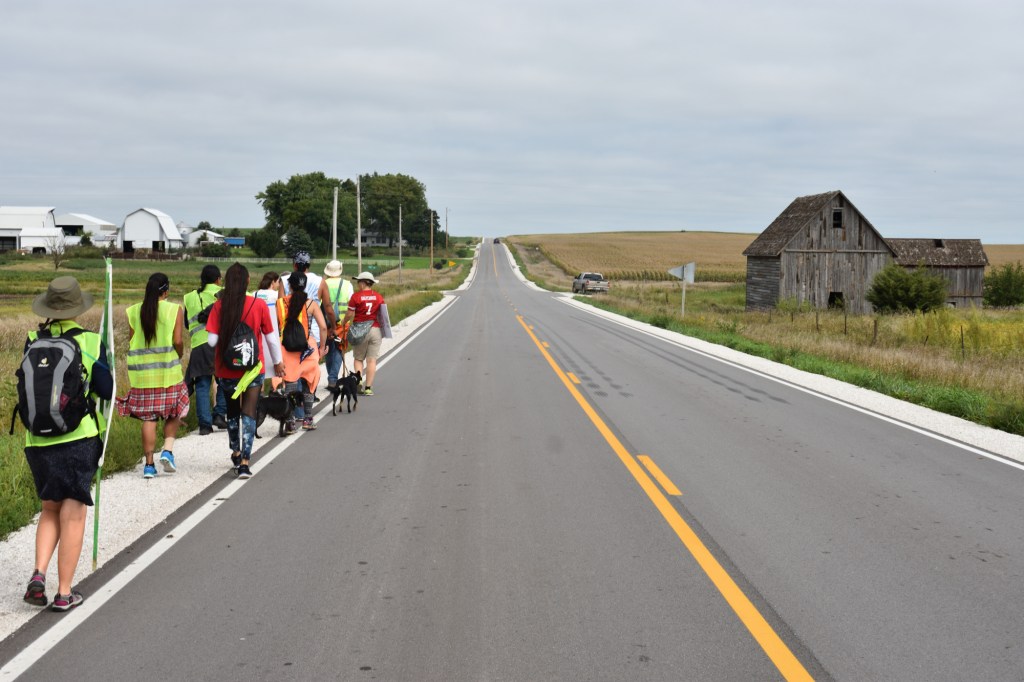
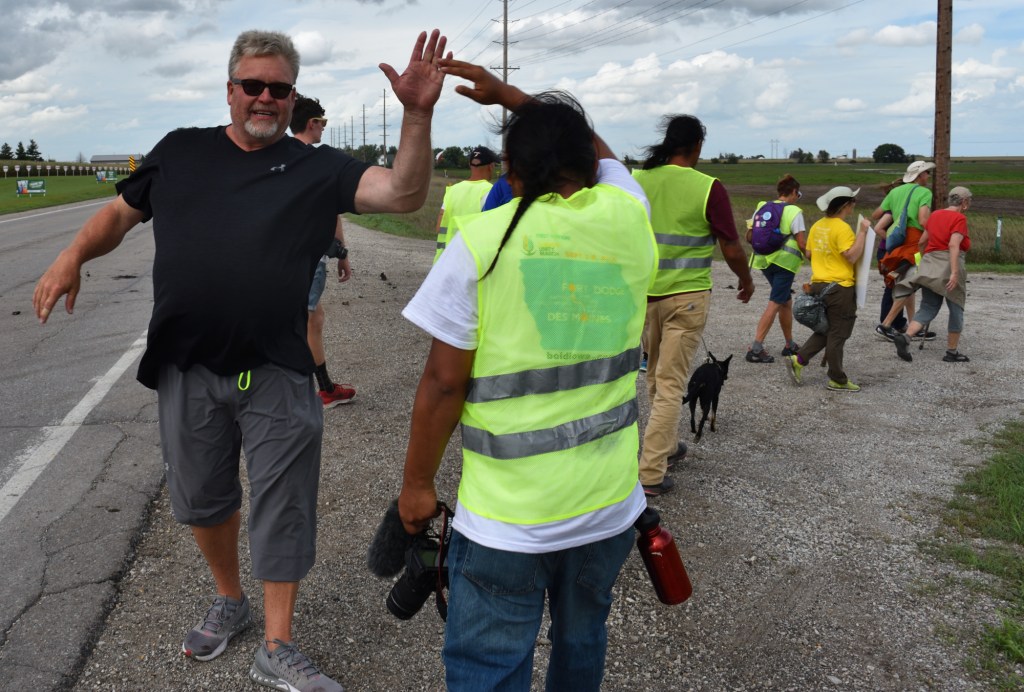
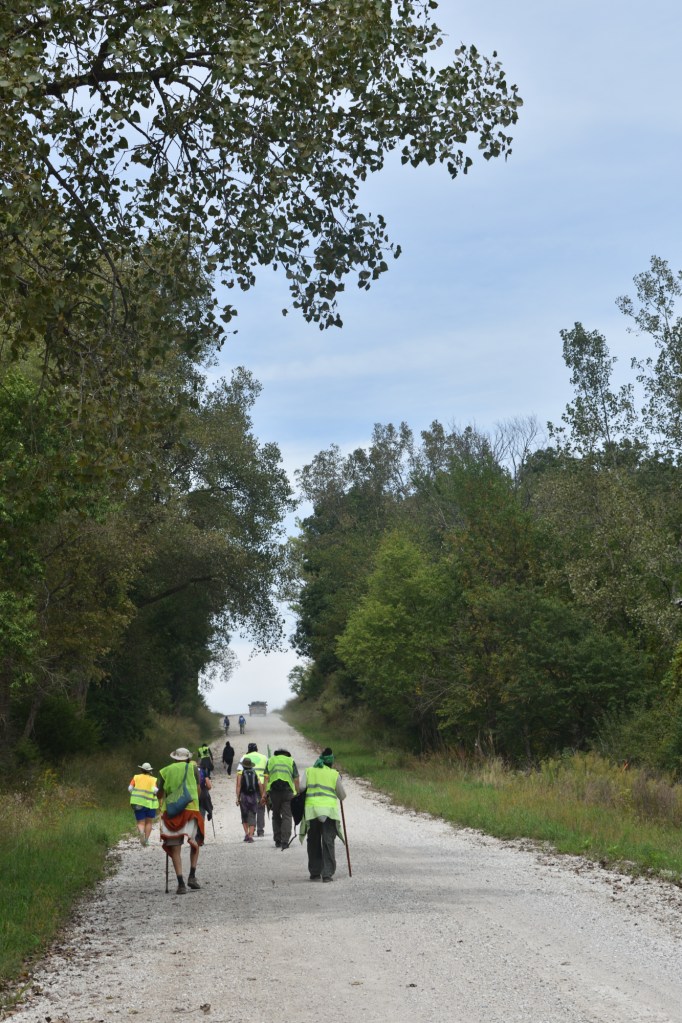
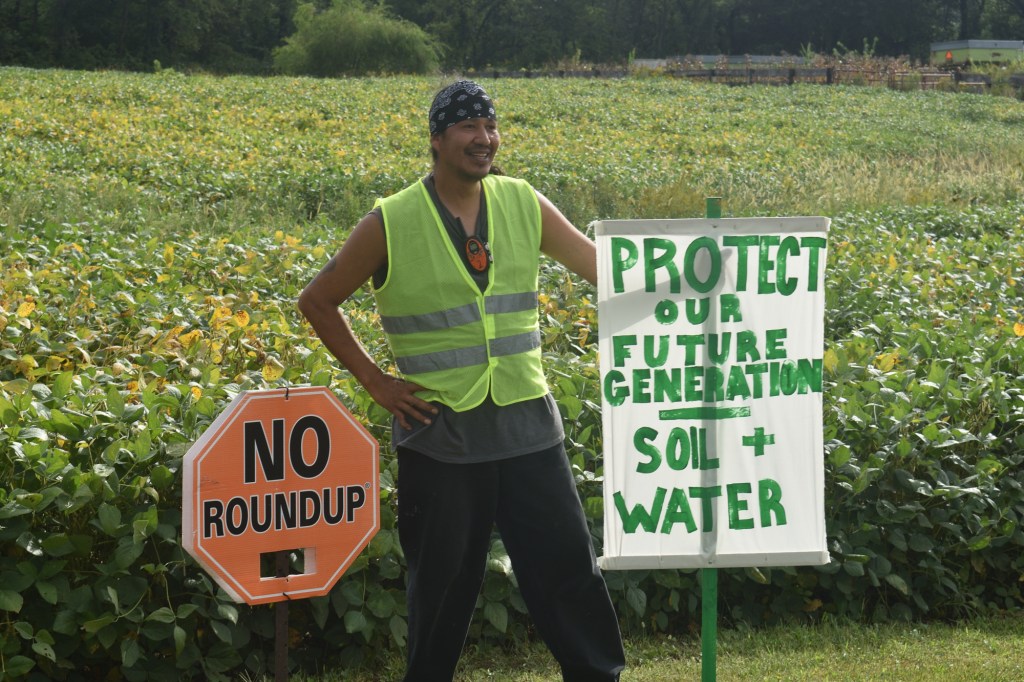
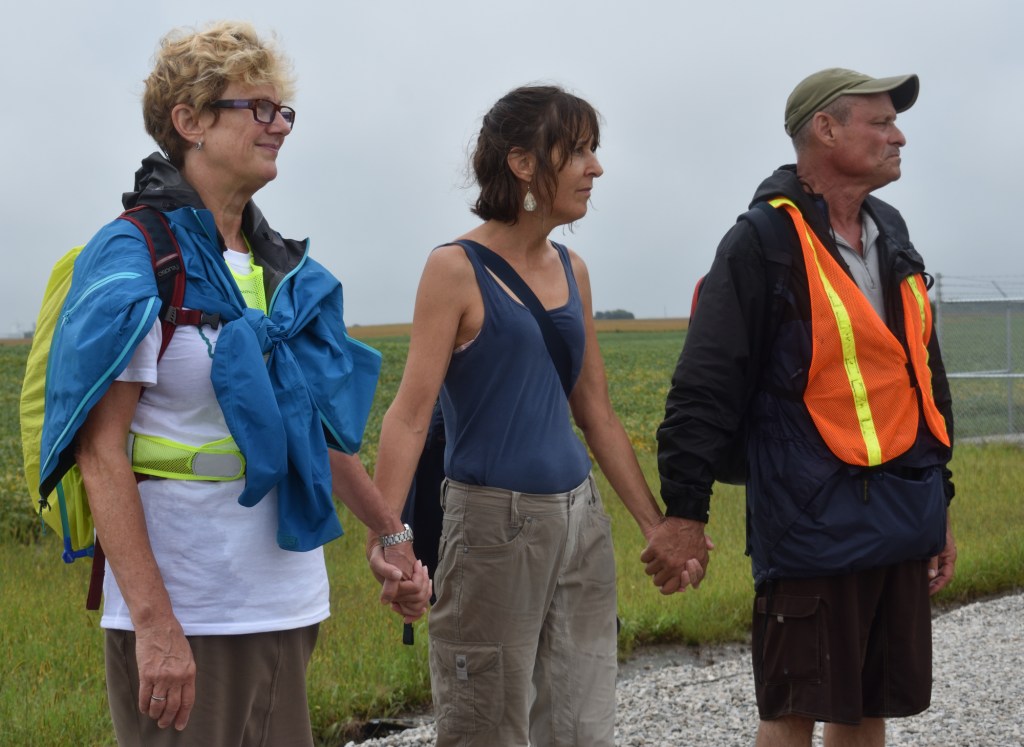
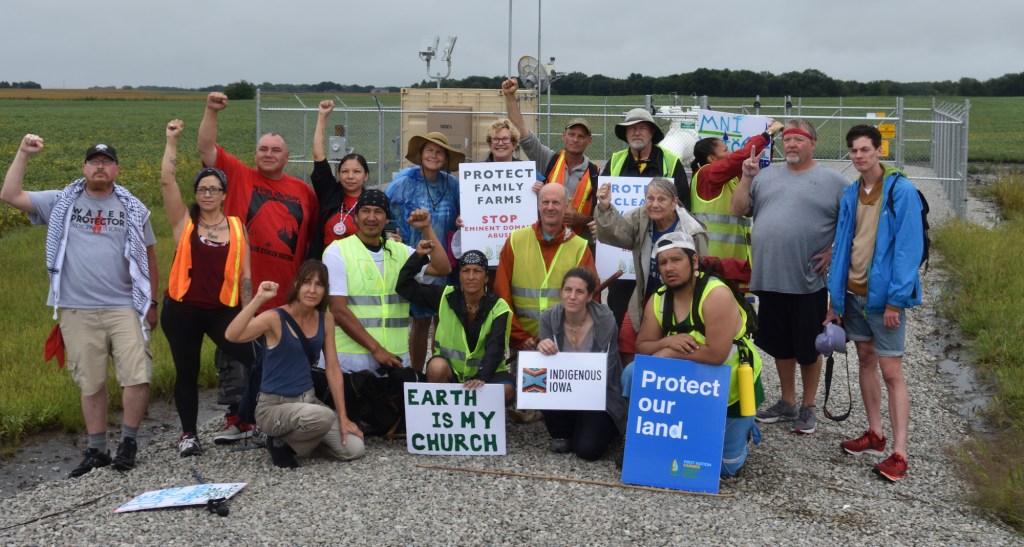
I hope there might be occasions at your family gatherings to make a little progress in decolonizing without causing too much hurt and conflict. There are a lot of resources about decolonizing at Decolonizing Quakers. My blog has a lot of stories: https://kislingjeff.wordpress.com/ You can use the SEARCH box on the right side of the blog. There are a lot of stories about the First Nation-Farmer Climate Unity March, for example.
Many people think what happened in the past doesn’t involve them, they have no responsibility. But I have learned that trauma is handed down from generation to generation. I have seen how my Native friends continue to suffer from past traumas.
While usually not as visible, White people, if they are aware of these traumas, have also suffered. If not aware, education is important. Healing can’t begin until the truth is acknowledged.
Nahko’s video at Standing Rock tells a very graphic, video story. Watching it as a group would probably stimulate some conversation. You should watch it yourself first to get an idea of whether to share it or not.
ALL THAT WE ARE IS STORY
From the moment we are born to the time we continue on our spirit journey, we are involved in the creation of the story of our time here. It is what we arrive with. It is all we leave behind. We are not the things we accumulate. We are not the things we deem important. We are story. All of us. What comes to matter then is the creation of the best possible story we can while we’re here; you, me, us, together. When we can do that and we take the time to share those stories with each other, we get bigger inside, we see each other, we recognize our kinship — we change the world one story at a time.
Richard Wagamese (October 14, 1955-March 10, 2017) Ojibwe from Wabeseemoong Independent Nations, Canada
When the order to move on comes, the Warrior looks at all the friends he has made during the time that he followed the path. He taught some to hear the bells of a drowned temple, he told others stories around the fire. His heart is sad, but he knows that his sword is sacred and that he must obey the orders of the One to whom he offered up his struggle. Then the Warrior thanks his traveling companions, takes a deep breath and continues on, laden with memories of an unforgettable journey.
Coelho, Paulo. Warrior of the Light: A Manual (p. 133). HarperCollins. Kindle Edition.
In contrast with some of the other media personnel who showed up to capture the stories of the water protectors at Standing Rock, Rivas was intentional about giving before he took. Observing tradition, he would show up with tobacco to offer before asking permission to document a person’s experience. Rivas even incorporates this into his language about the work, straying away from the traditional framework of “taking” photos — “because I don’t take. I create. I’m not taking photographs, I’m creating images.” Rivas also acknowledges that “it’s an intimate thing, when you have a camera.” A photograph belongs both to the subject and the photographer, but the subject is usually in a more vulnerable position — especially in a place like Standing Rock, where people were making sacrifices, and grappling with all sorts of issues and traumas. These wounds are communicated both with tenderness and frankness in Rivas’s work.
I could hand you a braid of sweetgrass, as thick and shining as the plait that hung down my grandmother’s back. But it is not mine to give, nor yours to take. Wiingaashk belongs to herself. So I offer, in its place, a braid of stories meant to heal our relationship with the world. This braid is woven from three strands: indigenous ways of knowing, scientific knowledge, and the story of an Anishinabekwe scientist trying to bring them together in service to what matters most. It is an intertwining of science, spirit, and story—old stories and new ones that can be medicine for our broken relationship with earth, a pharmacopoeia of healing stories that allow us to imagine a different relationship, in which people and land are good medicine for each other.
Kimmerer, Robin Wall. Braiding Sweetgrass: Indigenous Wisdom, Scientific Knowledge and the Teachings of Plants . Milkweed Editions. Kindle Edition.
Following is the announcement of the release of the video “Love Letters to God” by Nahko and Medicine for the People, January, 2017. Josué Rivas, mentioned above, worked on the video. The video is hard to watch, as armed law enforcement personnel attack unarmed people. Guns pointed into tipis. People being sprayed with water when temperatures are below freezing. Stories that you probably haven’t seen on the mainstream news media.
Calling on the tribe to share this message and the debut of our Love Letters to God video far and wide today.
Standing Rock is a dream. The epicenter for our morality and dignity. A place where dark and light communicate and they work it out.
Standing Rock is a vision. The wildest manifestation of our ancestors. The heart of humanity and the blood of the Earth. Water.
An elder said a true warrior always guards the heart of the women and for so long now we’ve forgotten about our mother. Earth is us, we are it. The ones that can heal a relationship that is wounded. The ones that pray over and over. Protect.
Our oral history is vital for our survival and when we blend it with visual art it creates a bond, a prayer. This video is a sacred offering to those that are hurting. Because we must remember that love is the root of all good. Because by giving we open up to receiving. Healing.
We offer this timepiece on a day that ushers in a new era for all protectors and people alike. An era that will need music to act as the thread between front lines and front doors.
Stay in the prayer. We stand with you. For all our relations.
Our support goes out to the independent media that has been on the ground at Standing Rock. Without them we would have been in a total black out. Their sacrifice allows us to see the truth.
Thank you Unicorn Riot Desiree Kane AdaMedia Med Mera Dr0ne2bwild Photography & Video Indigenous Rising Media Dylan McLaughlin Tomas Karmelo Amaya Josué Rivas Fotographer
Some of the responses to my recent blog posts ask why we can’t just enjoy being together and thankful at Thanksgiving (Truthsgiving) time? That, of course, is what should happen.
In addition, though, if the circumstances allow, this holiday is an opportunity to talk about what really happened, and continues to happen, to the Native people who were here before the White settlers.
Indigenous people and settlers share a history — some of us are survivors of that history, some of us benefited from it, and some of us carry both survival and benefits through our ancestors. This deep historical conflict divides all our relations from one another and ourselves. To heal and move forward from this history, we need to know what happened so that we can better recognize how to decolonize our minds, our hearts, and our actions.
The following are the goals of the Friends who are working on the ideas of decolonizing. They have created the website Decolonizing Quakers to share resources for us to use as we work on these goals.
Learn, receive, own, and act upon the truth of Quaker history with Indigenous Peoples, to explore the wounds resulting from this history for all peoples impacted, learn how to move toward healing those wounds, and engage in actions that recognize the dignity of all those concerned;
Support each other practically and spiritually as we work on this concern as individuals, and in our efforts to raise awareness within the broader Quaker community;
Offer support, information, and resources for non-Indigenous Quakers to help them discern and develop relationships of greater integrity with Indigenous Peoples, within and beyond the Quaker community;
Acknowledge, honor and respect Indigenous ways of knowing that offer non-Western/non-colonial paradigms, including potential approaches to environmental, social, economic and spiritual conditions that threaten us all;
Walk respectfully in ways that increase cultural integrity and justice for Indigenous governments, communities, and for the Earth.
We understand our call to be part of a broader call to address the spiritual distortion of racism, the societal heritage of colonization, and the domination paradigm of human beings within the Earth community.
The steering committee has met monthly since July 2018 and has wrestled with a statement of purpose that has evolved as its members have acknowledged the complex interconnectedness of issues: The North American experience shares commonalities with the dismissal and attempted erasure of Indigenous Peoples worldwide and particularly, with English-colonized countries like Australia, New Zealand, and South Africa. The work of decolonizing the mindsets, patterns, and cultural domination of those who have benefited from colonization and of decolonizing the minds, patterns, and cultural subordination and attempted erasure of those who have suffered from colonization are different, interconnected, and necessary. Some of this work needs to proceed independently without causing further injury to Indigenous Peoples by placing a burden on Native peoples to “educate” European-Americans, and yet has to proceed in relationship with and following the leadership of Native peoples.
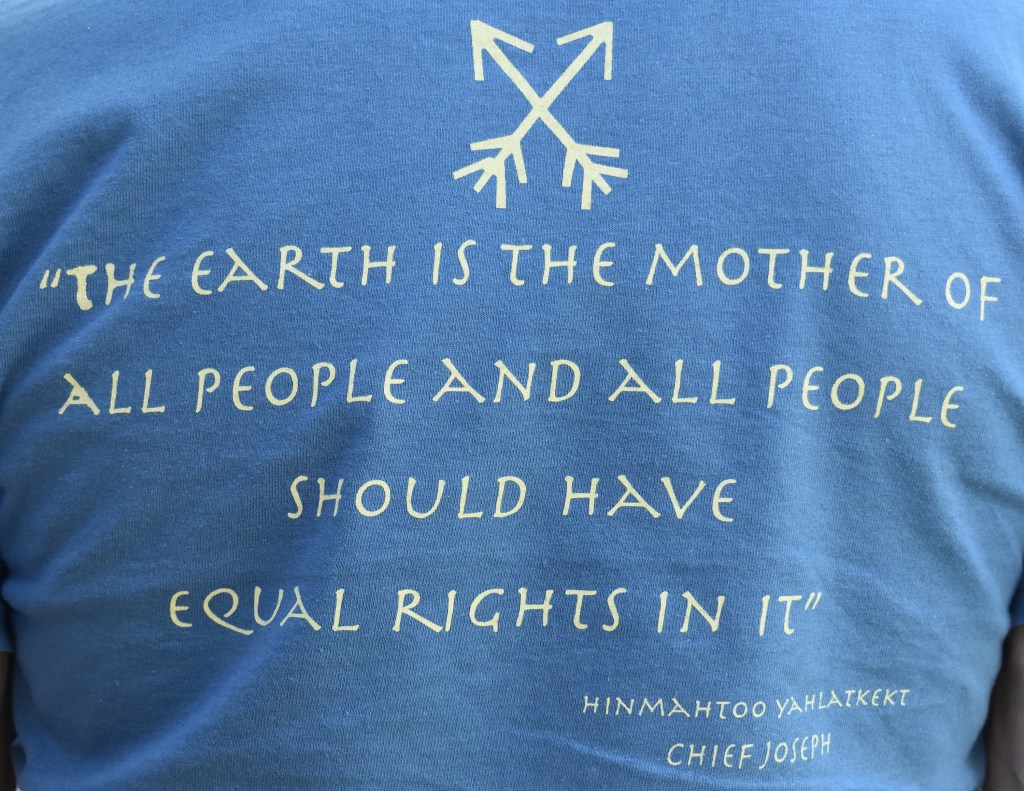
The decolonizing that needs to take place, both the educating and the healing, are matters of urgency to the survival of the human species and the health of the Earth as Mother of us All. Part of our struggle has been to define a mission and purpose that can remain sufficiently focused to be effective and at the same time recognize that it is only a part of a broader vision of healing.
It’s past time to honor the Indigenous resistance, tell our story as it really happened, and undo romanticized notions of the holiday that have long suppressed our perspective. As an Indigenous decolonizer, I call this time of year the Season of Resistance. With Thanksgiving fast approaching, I ask you to please take the time to educate your peers about Thanksgiving’s real history; to support Native people as they resist the narrative of the holiday; and to organize or host alternatives to this holiday.
I hope you enjoy your Truthsgiving holiday with friends and family. I am very familiar with the dynamics that mean certain topics have to be avoided to keep the peace. But if we don’t begin these difficult conversations sometime, the injustices continue. There comes a time when we need to take risks. The Inner Light will guide you.
If your Thanksgiving holiday involves sharing what you’re thankful for, or reflecting on those who couldn’t be with you, spend some time acknowledging the people who suffered thanks to European settlement that the Thanksgiving myth venerates. It’s possible to observe the holiday in a spirit of gratefulness, but don’t ignore the very real pain of the indigenous people who were here before any other Americans. Whether it’s a prayer or a moment of silence, add a moment of reflection to your holiday to remember the lives lost because of colonization
How To Observe Thanksgiving While Acknowledging The Holiday’s Messed Up History by AYANA LAGE, Bustle, Nov 15, 2017
From my years of experience in working for justice, I’ve come to conclude that we just can’t make progress until we acknowledge the fundamental injustices of the enslavement of African Americans, the cultural genocide of Native Americans, and the power structure and privilege of White males. Until we do, the same obstacles will be thrown in our way over and over again.
Almost everything I’ve done and written about for years has been about some aspect of our environment and the terrible damage being done to Mother Earth. In recent years climate scientists and activists have been pressured to not be too negative. One reason given was to not cause people to panic. Another was the desperate hope that there might yet be some technological miracle. I have tried not to be too alarmist. But I believe what Noam Chomsky says here is correct.
The current moment, not just political, is the most grim moment in human history. We are now in a situation where this generation, in fact, in the next few years, is going to have to make a decision of cosmic significance which has never arisen before: Will organized human society survive? And there are two enormous threats. The threat of environmental catastrophe, which at least is getting some attention, not enough. The other is the threat of nuclear war, which is increasing sharply by the Trump administration, in fact. These have to be dealt with quickly. Otherwise, there’s nothing to talk about.
And notice that the wrecking ball in the White House just doesn’t give a damn. He’s having fun. He’s serving his rich constituency. So what the hell, let’s destroy the world. And it’s not that they don’t know it. Some months ago, maybe a year ago by now, one of the Trump bureaucracies the National Transportation Administration came out with what I think is the most astonishing document in the entire history of the human species. It got almost no attention. It was a long 500-page environmental assessment in which they tried to determine what the environment would be like at the end of the century. And they concluded, by the end of the century, temperatures will have risen seven degrees Fahrenheit, that’s about twice the level that scientists regard as feasible for organized human life. The World Bank describes it as cataclysmic. So what’s their conclusion? Conclusion is we should have no more constraints on automotive emissions. The reasoning is very solid. We’re going off the cliff anyway. So why not have fun? Has anything like that ever appeared in human history? There’s nothing like it.
Noam Chomsky – The Most Grim Moment in Human History, Nov 9, 2019
This makes it all the more urgent for all of us to stop burning fossil fuels. We don’t need to wait for government action. We do need to bring attention to and support embracing Indigenous spiritual and environmental ways. This Thanksgiving/Truthsgiving holiday is an important opportunity to do so. For decades we’ve procrastinated. Noam Chomsky tells why we cannot continue to do so. Otherwise we won’t live to see that many more Truthsgiving holidays.
I continue to pray, think and write about the opportunities the upcoming holiday known as Thanksgiving offers to bring attention to Native history, beliefs and practices. I believe our future depends on turning away from an economy and society based upon fossil fuels. Indigenous spiritual and environmental ways are how we might be able to do that. That is why I hope you might care. I might not have been clear before, but this is what I mean when I say “I hope you will help with decolonizing.”
Learning about native ways to treat Mother Earth and each other as sacred is the only way I see we might address the environmental collapse we are rapidly moving into.
The following outlines my own spiritual journey, that led me to search for opportunities to get to know native people and learn more about Indigenous cultures.
I’ve had a life long concern about the damage we have been doing to Mother Earth. In my mid 20’s I was led to give up owning a personal automobile. Despite my best efforts, I wasn’t able to convince anyone else to do the same. It wasn’t just that I couldn’t change people’s behaviors, but could make no progress in changing people’s attitudes to stop using resources faster than they could be replenished. And stop spewing vast amounts of greenhouse gases into the air.
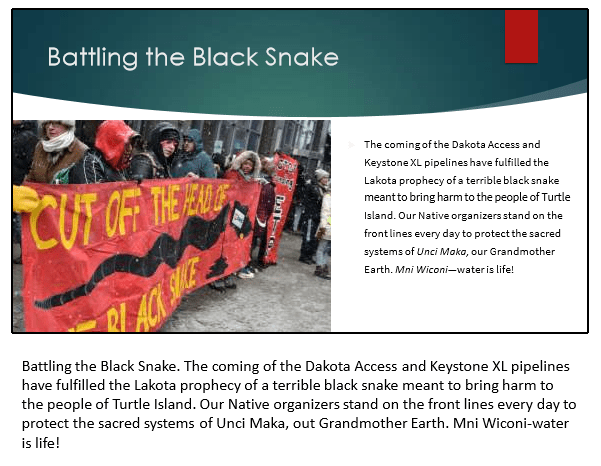
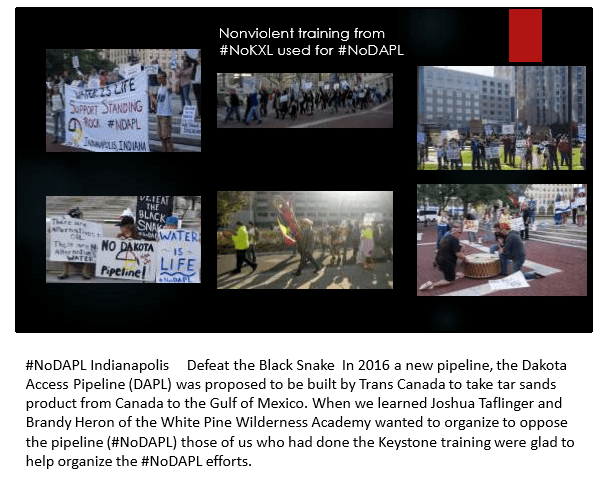
More or less giving up on the White, dominant culture I was living in, I shifted my attention to those who have lived, and continue to live with what I call environmental integrity. That of course would be Indigenous peoples. The problem was figuring out how I could make connections with native people. As I wrote in The Black Snake it was in the struggle to protect water that I was finally able to begin to make connections with some native people.
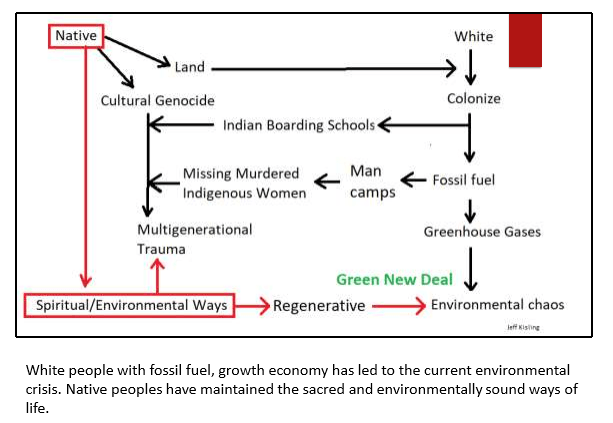
I’ve been working on the following diagram to try to express this. White culture is oriented toward fossil fuel energy, which has led to the current, deepening environmental chaos. Our only hope is to stop using fossil fuels. Indigenous peoples can teach us how.
What you can do is help those you know become more aware of why we need to find ways to learn from Native peoples. Survival is one reason I hope you will consider how you might engage those you gather with around the Thanksgiving/Truthsgiving holiday. Truthsgiving is a term my friend Christine Nobiss came up with. Using Truthsgiving instead of Thanksgiving is one way to start conversations.
It’s past time to honor the Indigenous resistance, tell our story as it really happened, and undo romanticized notions of the holiday that have long suppressed our perspective. As an Indigenous decolonizer, I call this time of year the Season of Resistance. With Thanksgiving fast approaching, I ask you to please take the time to educate your peers about Thanksgiving’s real history; to support Native people as they resist the narrative of the holiday; and to organize or host alternatives to this holiday.
An essential part of decolonizing Thanksgiving is to start educating our children with the authentic history of this country. A book that re-examines basic “truths” about Thanksgiving in an educational context is Rethinking Columbus: The Next 500 Years. Considering that much of the Thanksgiving mythology is based on sharing food, it is ideal to discuss the importance of Indigenous first foods or food sovereignty with our children as well. The book Four Seasons of Corn: A Winnebago Tradition discusses the traditional process of growing and harvesting corn, de-commercializing what we eat, and promoting culturally appropriate foods and agricultural systems of North America. Decolonizing Thanksgiving: A Toolkit for Combatting Racism in Schools is a quick read where more resources are listed; it even has sample letters that can be sent to your children’s school concerning problematic Thanksgiving activities.
If your Thanksgiving holiday involves sharing what you’re thankful for, or reflecting on those who couldn’t be with you, spend some time acknowledging the people who suffered thanks to European settlement that the Thanksgiving myth venerates. It’s possible to observe the holiday in a spirit of gratefulness, but don’t ignore the very real pain of the indigenous people who were here before any other Americans. Whether it’s a prayer or a moment of silence, add a moment of reflection to your holiday to remember the lives lost because of colonization.
How To Observe Thanksgiving While Acknowledging The Holiday’s Messed Up History by AYANA LAGE, Bustle, Nov 15, 2017
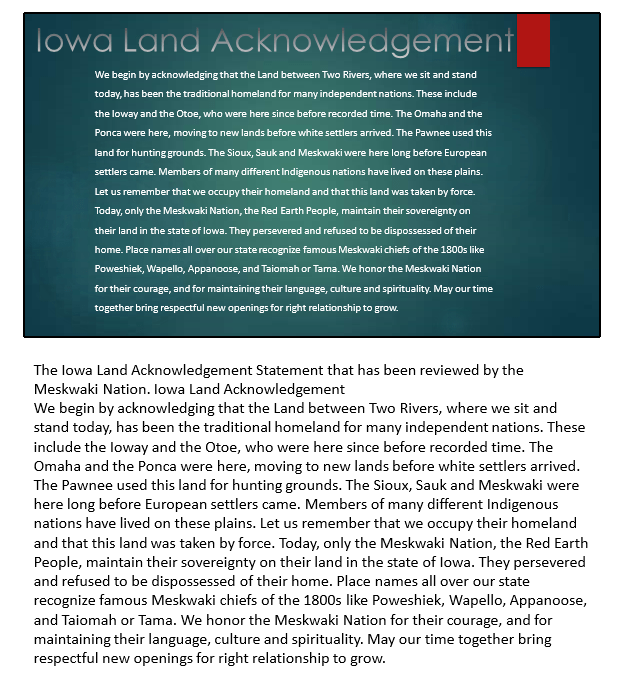
“A moment of reflection” could include appreciating the history of those who were connected to the land we are on now. Land acknowledgement statements, like the following for Iowa, can be used to make people aware of who was on the land where they are gathering.
Iowa Land Acknowledgement Statement
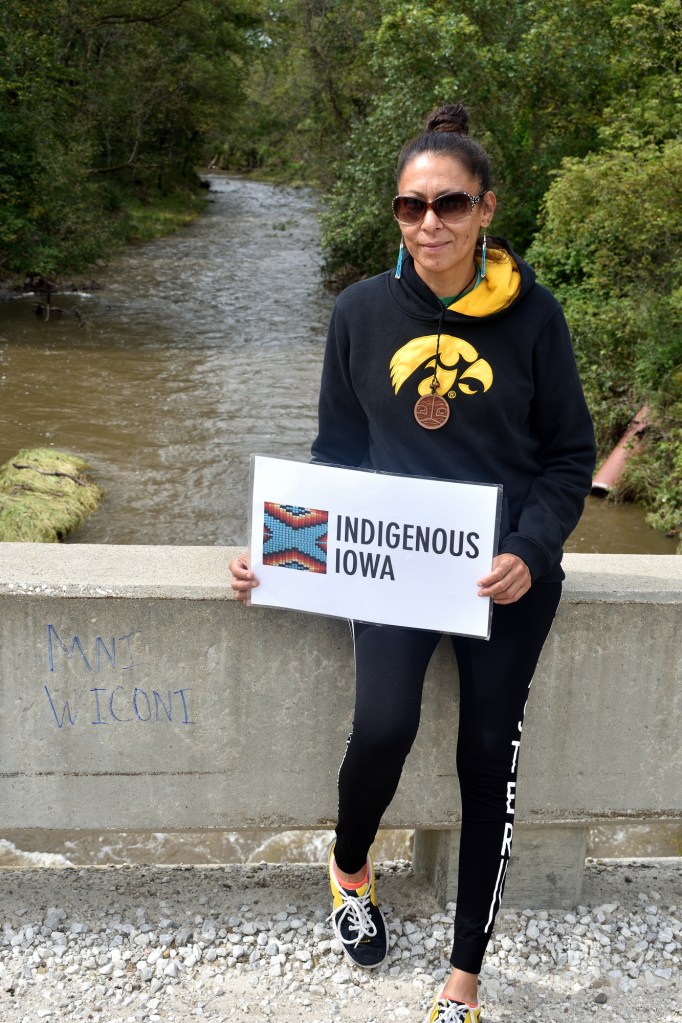
We begin by acknowledging that the Land between Two Rivers, where we sit and stand today, has been the traditional homeland for many independent nations. These include the Ioway and the Otoe, who were here since before recorded time. The Omaha and the Ponca were here, moving to new lands before white settlers arrived. The Pawnee used this land for hunting grounds. The Sioux, Sauk and Meskwaki were here long before European settlers came. Members of many different Indigenous nations have lived on these plains. Let us remember that we occupy their homeland and that this land was taken by force. Today, only the Meskwaki Nation, the Red Earth People, maintain their sovereignty on their land in the state of Iowa. They persevered and refused to be dispossessed of their home. Place names all over our state recognize famous Meskwaki chiefs of the 1800s like Poweshiek, Wapello, Appanoose, and Taiomah or Tama. We honor the Meskwaki Nation for their courage, and for maintaining their language, culture and spirituality. May our time together bring respectful new openings for right relationship to grow.
There are several resources to help with this decolonizing:
Environmental collapse is very rapidly progressing, which is why I hope you will take advantage of this Truthsgiving holiday to inform and inspire those you love and gather with.


























































 Quakers, social justice and revolution