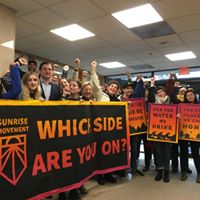
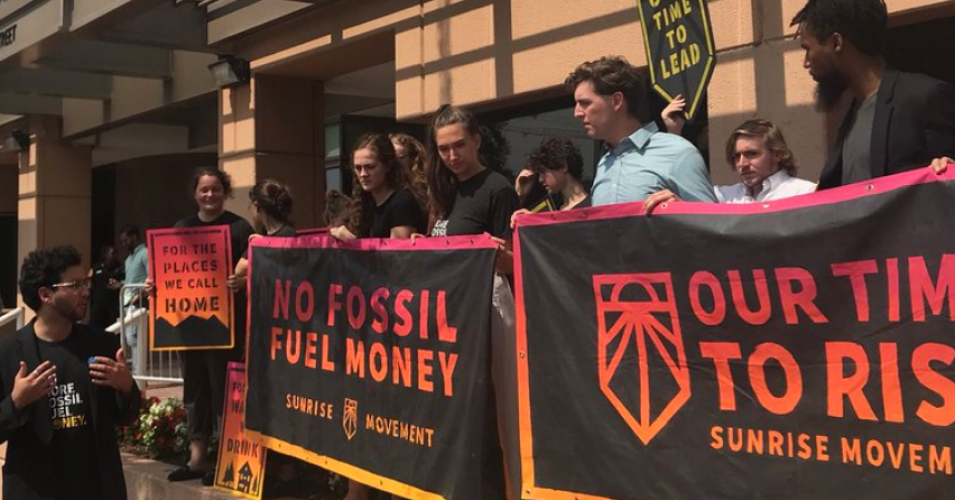
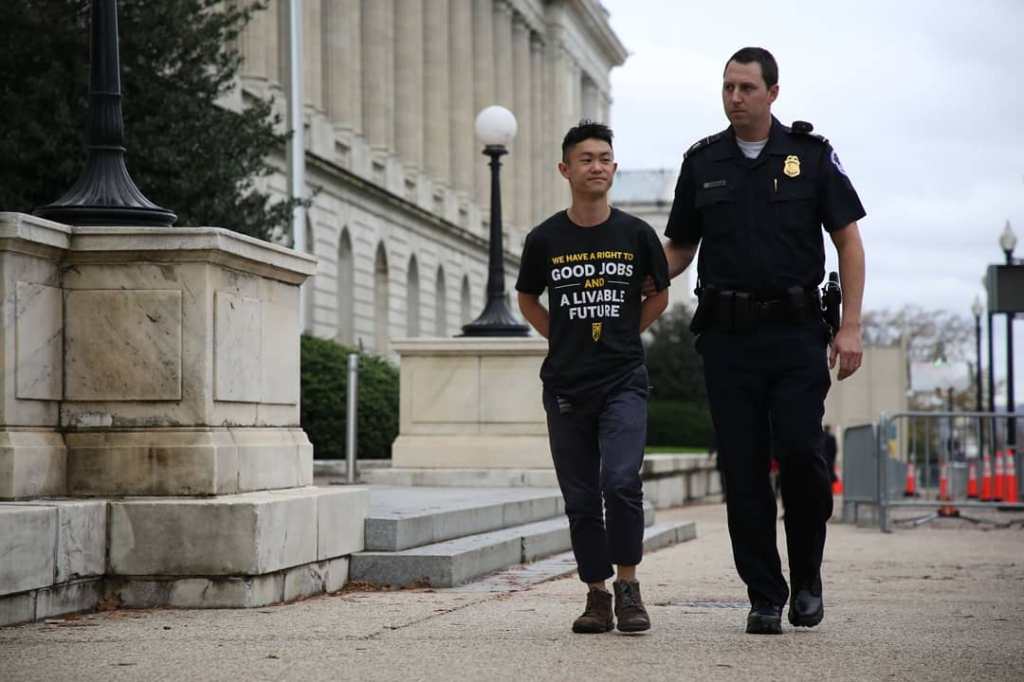
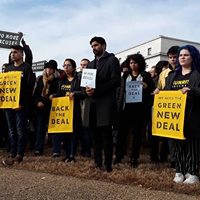
No sooner had I published yesterday’s post about nonviolence than I was alerted to an action by the Sunrise Movement that was taking place at Senator Schumer’s office at the U.S. Capitol. Following is video from that event.
Nonviolence is one of the principles of the Sunrise Movement.
We are nonviolent in word and deed. Remaining nonviolent allows us to win the hearts of the public and welcomes the most people to participate. We need maximum participation in order to achieve our goals.
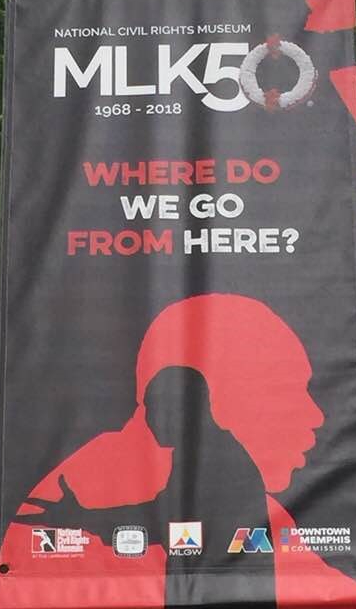
As we approach the holiday honoring Rev. Martin Luther King, Jr, my thoughts turn to the concept of nonviolence that was the core of his life, ministry and actions.
The Jesus of Matthew’s story taught his followers to “love your enemies.” But this was definitely not an invitation to passivity or non-action. “Turning the other cheek” is often misunderstood as a passive response to abuse, but it’s not. Passivity is walking away and ignoring the problem. Violence is hitting back or ripping out the attacker’s jugular vein. Jesus taught a third way that was strong and that stayed present to the conflict. Jesus taught to remain engaged in the situation by offering the cheek of dignity, equality, and respect. When violently insulted, one’s natural reactions are fight or flight – violence or passivity — but Jesus taught to stand one’s ground and offer an alternative future.
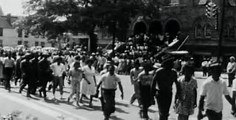
On May 5, 1963, thousands of children marched in the streets of Birmingham and did not turn away when attacked by fire hoses and police dogs.
“It was one of the most fantastic events of the Birmingham story,” King later said. “I saw there, I felt there, for the first time, the pride and power of nonviolence.”
One way to do that is to commit ourselves, 50 years later, to the Birmingham pledge of nonviolence and try, as Dr. King urged those young marchers, to make active nonviolence a way of life, so that we will be nonviolent but resist state violence in all its forms, and pursue a vision of transformation that seems, for the moment, impossible. https://www.ncronline.org/blogs/road-peace/50-years-birmingham-pledge-nonviolence-still-inspires
The Birmingham Pledge of Nonviolence I hereby pledge myself — my person and body — to the nonviolent movement. Therefore I will keep the following 10 commandments:
1. Meditate daily on the teachings and life of Jesus. 2. Remember always that the nonviolent movement seeks justice and reconciliation, not victory. 3. Walk and talk in the manner of love, for God is love. 4. Pray daily to be used by God in order that all men and women might be free. 5. Sacrifice personal wishes in order that all men and women might be free. 6. Observe with both friend and foe the ordinary rules of courtesy. 7. Seek to perform regular service for others and for the world. 8. Refrain from the violence of fist, tongue, or heart. 9. Strive to be in good spiritual and bodily health. 10. Follow the directions of the movement.
There are, thankfully, so many examples of nonviolent acts. I’ll conclude with a couple of more recent examples. In 2013 the Rainforest Action Network (RAN), CREDO, and The Other 98 Percent organized a national campaign to resist the approval of the Keystone XL pipeline. Over 97,000 people signed the Keystone Pledge of Resistance:
“I pledge, if necessary, to join others in my community, and engage in acts of dignified, peaceful civil disobedience that could result in my arrest in order to send the message to President Obama and his administration that they must reject the Keystone XL pipeline.”
RAN activists spent the summer of 2013 traveling to 25 cities across the United States to train 400 Action Leaders, who then organized and trained 4,000 local people about nonviolence and who organized local direct actions to protest the pipeline. Eventually President Obama denied the Keystone pipeline permit, but President Trump later approved it. But continued court actions have continued to stop the construction of the pipeline.
Civil disobedience training
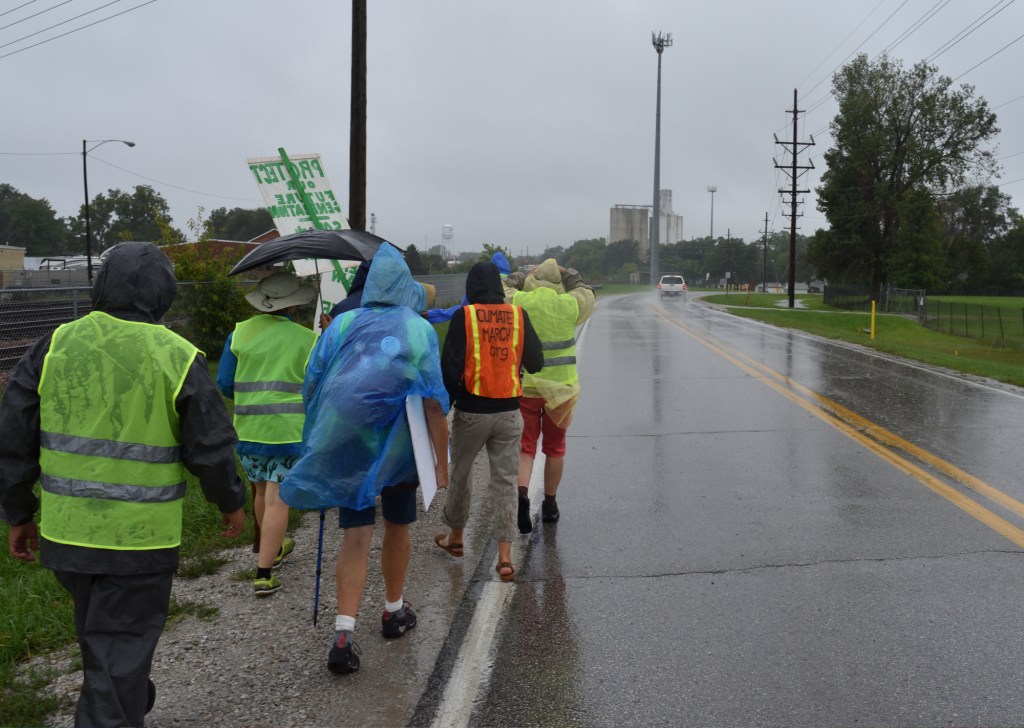
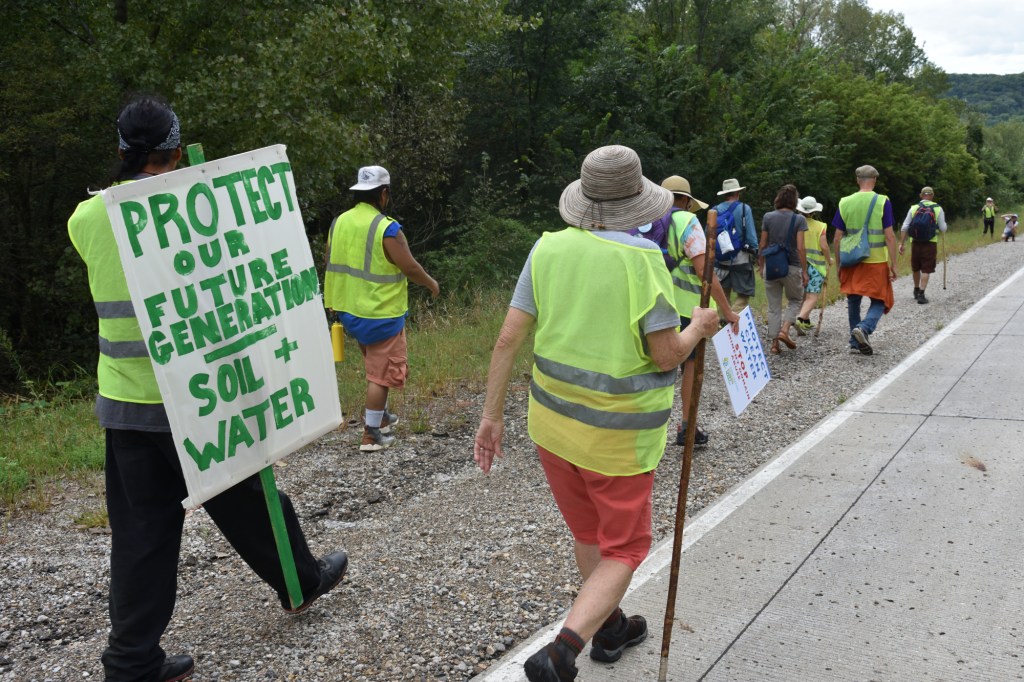
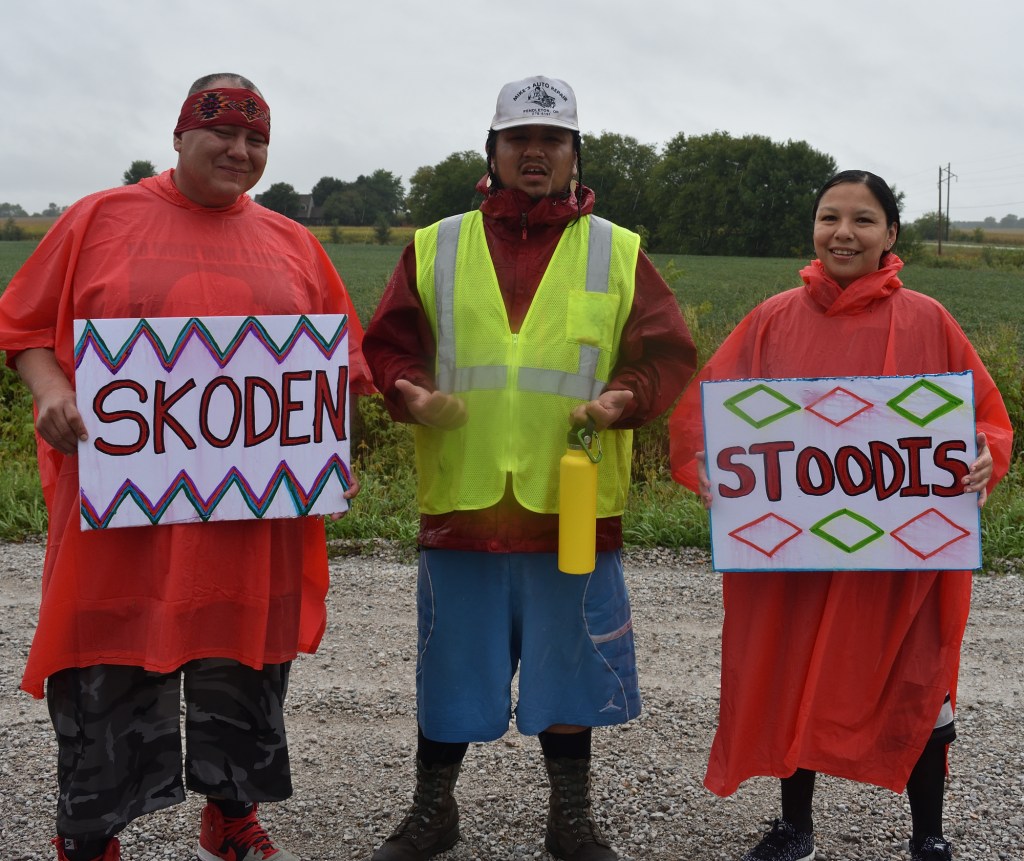
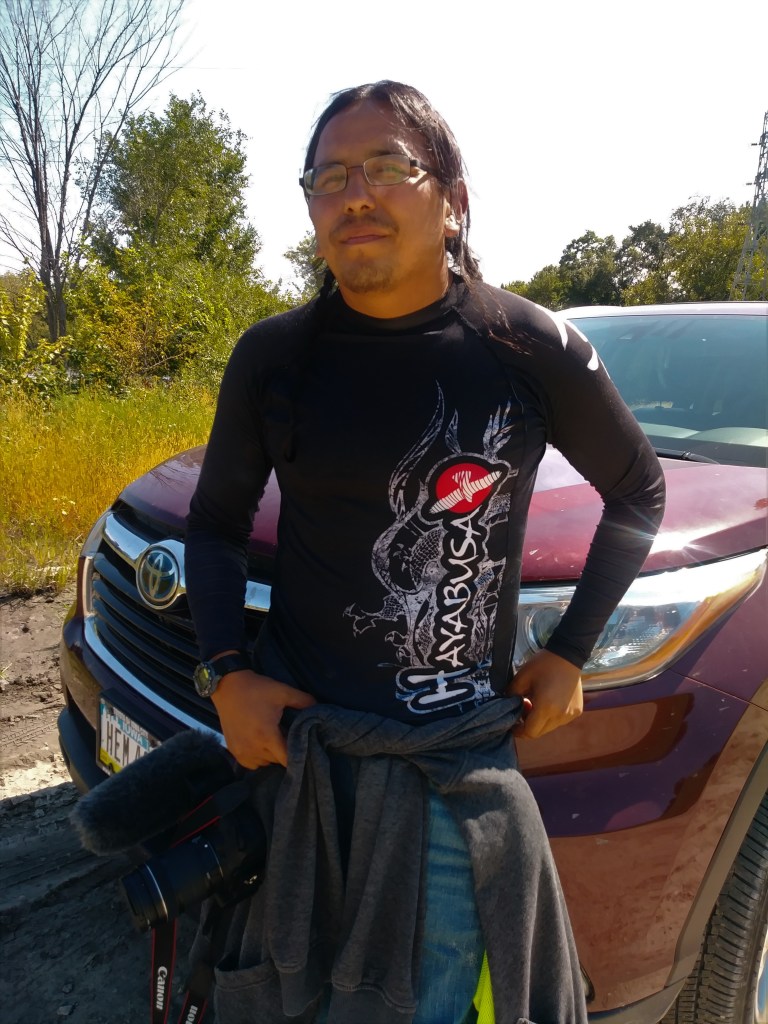
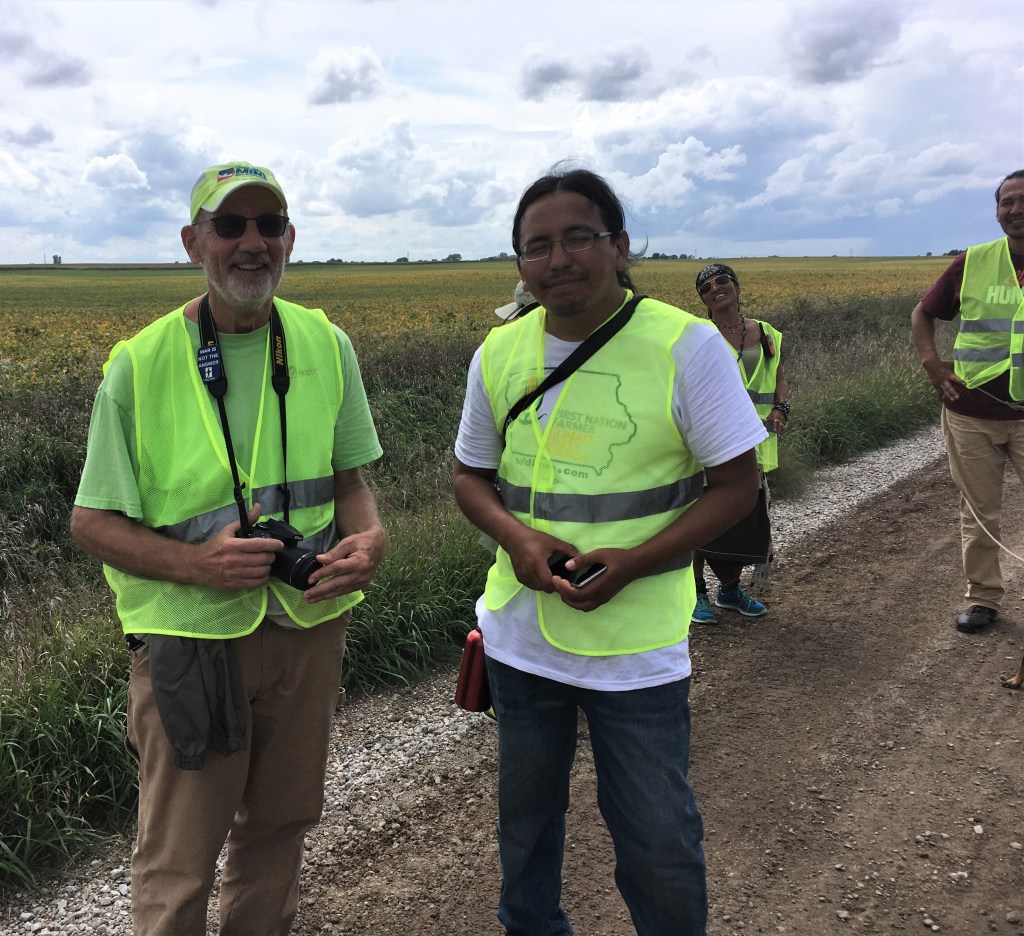
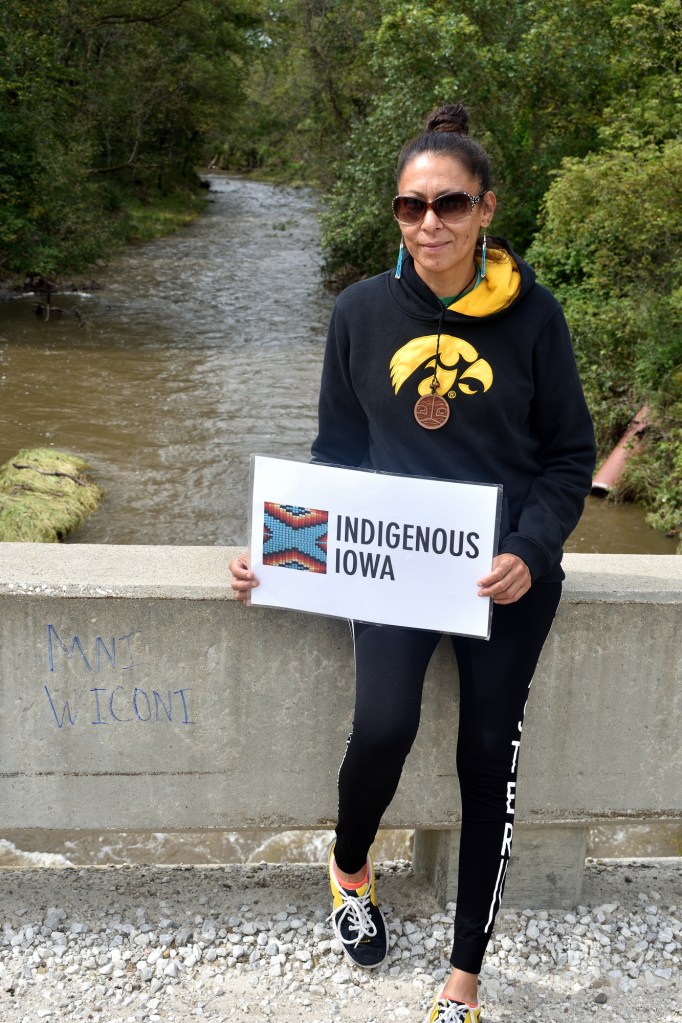
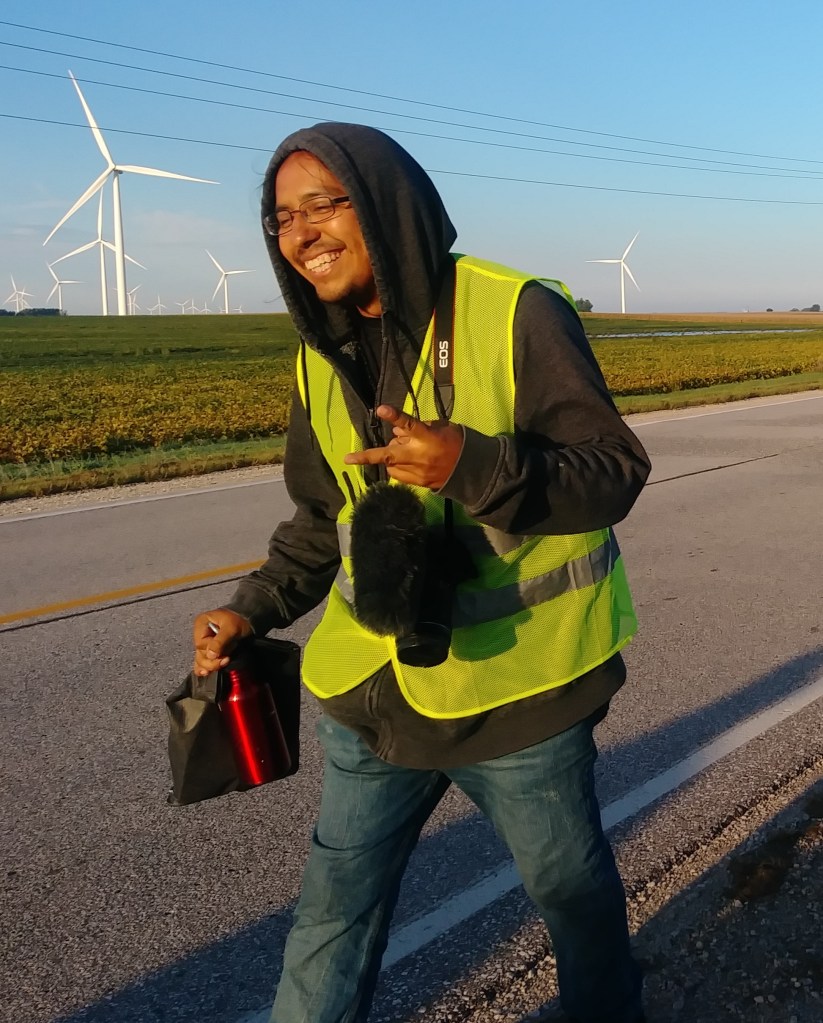
More recently the water protectors at Standing Rock and supporters around the world prayed and nonviolently resisted the construction of the Dakota Access Pipeline. Although oil is now flowing through that pipeline, there continue to be challenges related to the abuse of eminent domain to take the land for the pipeline, and the Iowa Public Utilities Board is demanding the pipeline owners, Energy Transfer Partners, prove they have the agreed upon insurance to cover the costs of cleaning up a spill from the pipeline. The recent First Nation-Farmer Climate Unity March along the path of the pipeline through central Iowa called attention to the eminent domain court case.
Nonviolence is one of the Principles of the Sunrise Movement that is working for a Green New Deal.
We are nonviolent in word and deed. Remaining nonviolent allows us to win the hearts of the public and welcomes the most people to participate. We need maximum participation in order to achieve our goals. –Sunrise Movement Principle
The following video I created in 2014 for a presentation at the Kheprw Institute (KI) in Indianapolis is about nonviolence, the Keystone pipeline, and ends with an audio clip of Rev Martin Luther King, Jr, talking about nonviolence.
I was asked to post the letter below, written by grassroots organizations across the United States (Grassroots Global Justice, Movement Generation, Indigenous Environmental Network, Global Alliance for Incineration Alternatives — full list at the end). We are at a critical moment for reflection on movement strategy. Perspectives from the front-lines are illuminating. – JKR
Lessons from the Beltway strategy Our analysis of mainstream climate advocacy’s failure to win in the federal arena echoes yours, but differs in key areas. We agreethere was insufficient investment in movement building, and a “Beltway strategy” was prioritized without clarity on what the bottom lines were. “Anything is better than nothing,” will always lead to nothing, because it is a declaration of our intention to compromise. As a result, a decade of advocacy work, however well intentioned, migrated towards false solutions that hurt communities and compromised on key issues such as carbon markets and giveaways to polluters. These compromises sold out poor communities in exchange for weak targets and more smokestacks that actually prevent us from getting anywhere close to what the science — and common sense — tells us is required. We encapsulate the lessons learned as follows:
Access was confused for influence
Density was confused for depth; and mobilizing for organizing
Targets were confused for solutions
Flipping the script: leading with the grassroots
Given the significant gains we have had with community-led strategies for climate justice, and the failure of resource-intensive, Beltway policy campaigns, we need to re-prioritize building power from the bottom up. The strategy we emphasize includes:
1) Investing in grassroots action at frontline struggles to win the victories that build our power, improve our communities and stop the corporations causing climate disruption;
2) Prioritizing local organizing to build the resilient communities, economic alternatives, and political infrastructure that we need to weather the climate crisis; and,
3) Supporting solidarity with grassroots movements around the world, to link our struggles, and to craft policies and structures we need internationally to support solutions determined locally.
Support for the initiative is growing among members of the U.S. House of Representatives. However, signing on to the project will require elected representatives to think outside of the normally accepted economic, social, industrial, and commercial parameters. If the midterm election has demonstrated anything, it is that grassroots organizing is at the root of successful policy initiatives and there is still much to learn from local and municipal power-building strategies. For Indigenous-Native grassroots members of CJA, it is the strengthening of community-based and tribal leadership, and Indigenous, place-based strategies, that are critical for the foundations of such a large-scale initiative. CJA welcomes the GND as an opportunity to work creatively with many sectors and communities within CJA that have been transitioning to a regenerative economy using community-led strategies such as zero-waste, sustainable agriculture, energy democracy, land and water stewardship, affordable housing, and localized clean energy. All of which work to center the creation of local jobs and support for the families of workers and communities most impacted.
Build our movement in every corner of the country so we can reach the millions of young people who are scared about climate and keep building support for a Green New Deal.
Launch the “Road to a Green New Deal Tour” to reach tens of thousands people around the country, and give them to tools to get their politicians signed on.
Join with other movements for change to elect a President and a Congress that will stand up to fossil fuel CEOs and pass a Green New Deal to transform our economy within the coming decade and offer a job to every single American who wants one — no matter the color of your skin, where you live or where your parents are from.
“The Trouble with the ‘Green New Deal’. As Democrats rally around a fresh-sounding idea, some as looking back to Obama’s $90 billion climate package–and its disastrous political blowback.”
by Michael Grunwald, POLITICO, January 15, 2019
It’s hard to recall a Washington idea that has rocketed to prominence as quickly as the Green New Deal, rookie Democratic Congresswoman Alexandria Ocasio-Cortez’s radical proposal to decarbonize the American economy. House Democratic leaders have created a new select committee on climate change to pursue a Green New Deal. Democratic candidates for president are racing to endorse a Green New Deal. The details are still up in the air, but a massive climate investment is suddenly emerging as tentpole of Democratic politics. Although the idea sounds as radical and new as Ocasio-Cortez herself, it’s been done once before, and just a decade ago: President Barack Obama signed a prototype Green New Deal into law in February 2009, pouring an unprecedented $90 billion into clean electricity, renewable fuels, advanced batteries, energy efficiency, a smarter grid, and a slew of other green initiatives.
The Trouble with the ‘Green New Deal’ Michael Grunwald, POLITICO, January 15, 2019
As the Green New Deal begins to get more attention, caution and opposition is springing up in many different places. Today’s article in POLITICO is an interesting discussion of similar ideas that were part of the $800 billion Recovery and Reinvestment Act of 2009, the economic stimulus plan to address the 2008 financial crisis. Nearly 800,000 jobs were being lost monthly. The stimulus passed in the House without a single Republican vote. In the Senate, the support of three Republicans meant their concerns had to be met to get their votes.
The stimulus was an unprecedented act of deficit spending, which the Republicans vigorously complained about and turned the initial public support negative.
But Stephen O’Hanlon, spokesman for the youth-oriented Sunrise Movement that has pressured Democratic leaders to make climate action a top priority, says the experience of the stimulus offers some bracing political lessons to Green New Deal supporters: that they won’t be able to take Democrats for granted no matter how many jobs the policy produces, and that Republicans might be a lost cause entirely.
The Trouble with the ‘Green New Deal’ Michael Grunwald, POLITICO, January 15, 2019
“A big part of politics is storytelling, and we didn’t tell our story very well,” says Cathy Zoi, a former assistant energy secretary under Obama. “Our investments really catalyzed market transformation, but that message didn’t get out.”
The Trouble with the ‘Green New Deal’ Michael Grunwald, POLITICO, January 15, 2019
Storytelling is one of the 11 principles of the Sunrise Movement:
We tell our stories and we honor each other’s stories. We all have something to lose to climate change, and something to gain in coming together. We tell our individual stories to connect with each other and understand the many different ways this crisis impacts us.
Today’s newsletter from Resilience.org has a fascinating story in Chris Nelder’s Energy Transition Show entitled “Foreign Aid for Microgrids”. As I’ve been learning more about renewable energy, I’ve been wanting to understand how microgrids work.
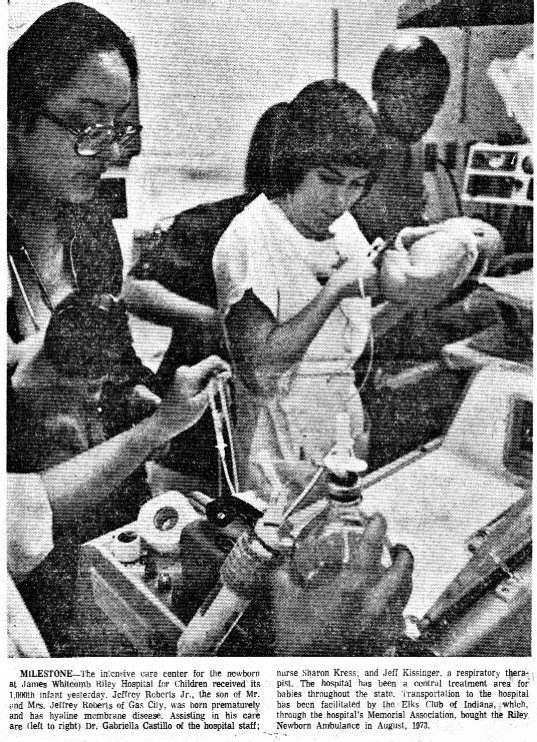
When I began to read the article, I found the project being discussed was how to provide reliable energy to a Neonatal Intensive Care Unit in Bo, Sierra Leone, Africa. My career in respiratory medicine began as a respiratory therapist in the Neonatal Intensive Care Unit at Riley Hospital for Children, part of Indiana University Medical Center in Indianapolis. Further, I was aware of the Riley Mother and Baby Hospital in Eldoret, Kenya, that my friend Jim Lemons and others at Riley in Indianapolis, were instrumental in building and maintaining.
Unfortunately what led to this project was the following tweet:
“Three of our oxygen-dependent babies died last night when the power went off. Not good enough in 2017. Low-cost tech eg affordable solar power must be a priority for saving newborn lives”
Michael Liebreich of Bloomberg New Energy Finance read that tweet and decided to do something about the situation, to make sure there is a reliable energy supply all the time.
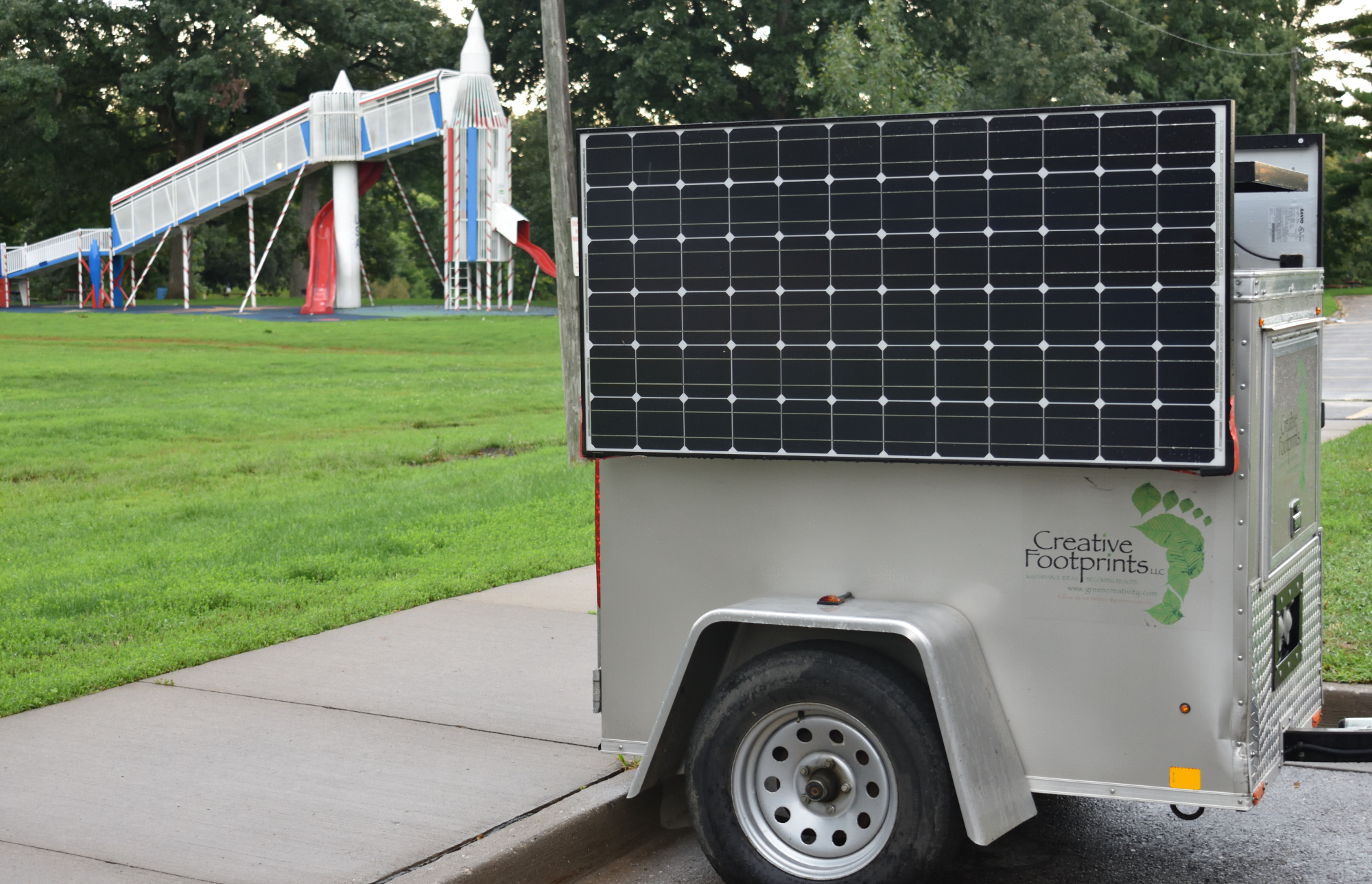
He helped design the microgrid, that was completely off grid, with 60 solar panels (315 Watts each) and lead gel batteries. The nearly $100,000 for the project was raised by 260 donors via crowd source funding. Michael felt it was better to use crowd source funding than a large grant from a philanthropic organization, because that brought a lot of people into the project that would spread what was learned in the process. He wants to find other ways to publish what they have learned, so others can do similar projects.
One effect of this successful project was the hospital admissions to the NICU rose from about 70/month to 100/month was word spread that the hospital had a reliable energy source.
One lesson Michael suggested was to make organizations like UNICEF, which provided $10,000 of hospital equipment for the NICU, to be aware of the importance, and costs, of a reliable energy system, too.
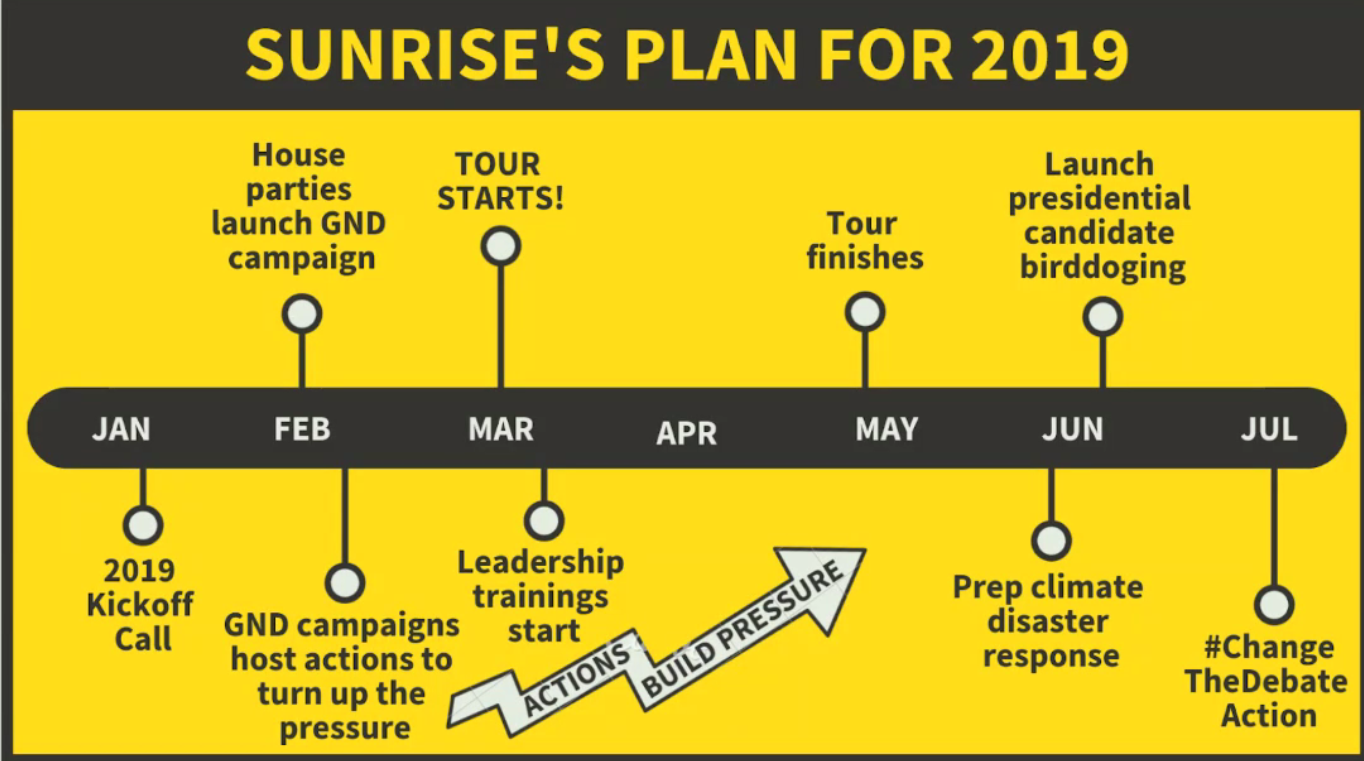
I’ve been writing about the Sunrise Movement’s plans for 2019, summarized above, up to June when presidential candidate bird-dogging will become one focus. Bird-dogging is an election campaign strategy to get candidates to talk about the issues you care about. The American Friends Service Committee (AFSC) has used this in the past, and has online information about bird-dogging: https://www.afsc.org/birddogging I’ll be writing more about this after I’ve had a chance to meet with people who have experience with bird-dogging.
By July plans will be in place to have crowds of Sunrise supporters come to one of the first presidential debates. Which one has not been decided, yet. The following from the Sunrise Movement website explains this:
In 2016, there were ZERO questions on climate in the general election debates and it wasn’t much better in the primary. That’s unacceptable.
This summer, thousands of us will descend on one of the first Democratic Presidential debates to #ChangeTheDebate and make sure the #GreenNewDeal is a top issue in the 2020 election.
We don’t know exactly when or where it will be, but this will be our biggest opportunity to shape the 2020 Presidential Primary, and with it the fate of the Green New Deal.
Answers to questions we’re guessing you might have:
What are we demanding? Our demands are simple: all presidential contenders must back the #GreenNewDeal or face the contempt of young people everywhere, and the mainstream media must fully cover climate change or slide further into irrelevance.
When and where will it be? The Democratic Presidential Debate schedule isn’t released yet, but here’s what we know: there will be one debate in June, another in July,and then four more in the rest of 2019. None of the 2019 debates will be in the first four primary states: Iowa, New Hampshire, South Carolina, or Nevada. The action will be at one of these first debates.
How will you decide which one the action will be at? We’ll make the decision mostly based on the location, timing, and opportunities to bring major political figures onboard for the action.
What will the action look like? We can’t share too much now, but this won’t be your average rally outside a debate. We know that the tactics like civil disobedience and powerful stories that we used to put the Green New Deal on the map in DC this past fall are some of our best tools to #ChangeTheDebate again.
Why focus on the debates? The debates are our best shot to grab the attention of the media and the Presidential candidates and ensure the #GreenNewDeal is front and center in the conversation. They are when millions of people tune into the primary for the first time. This year, there will be two debates on back-to-back days so there will be opportunities for actions in between them when the news media are milling around waiting for the next debate.
What can I do now?This action is just one part of our strategy. When you sign up, you’ll receive an email with information about how to get started pushing for a Green New Deal where you live.
Yesterday’s post was about the Kickoff call for the Sunrise Movement’s plans for this year and describes how to host a house party to draw new members into the Movement.
In March, the Road to a New Green Deal Tour begins. Large public meetings will be held in cities across the country to increase the visibility and awareness of the Sunrise Movement and Green New Deal.
More training will take place in the spring so there will be more people who can train people locally. Training is also important to make sure we are all aware of the Principals of the Sunrise Movement, and have a consistent story to share with others.
If you are interested in be a leader in the Sunrise Movement, the first step is to attend Sunrise 101: Leadership Training Series, a series of 3 online meetings to learn about the Movement and the Green New Deal. The next series begins January 17, 2017. Completing this series is a prerequisite to attend the follow-up 3 day in person training sessions.
Disaster Response Teams
In late summer we will again experience strong storms, hurricanes and fierce fires. The plan is to have Sunrise Disaster Response teams organized and ready to go where a climate disaster has occurred to:
Help the victims
Bring attention to the role of climate change in causing the disaster
Bring attention to the local officials who did or did/not work on policies to address environmental problems that contributed to the disaster
Together, we will change this country and this world, sure as the sun rises each morning.
The Sunrise Movement, the youth led organization that is leading the work to make the Green New Deal (GND) a reality, held a webinar last night to explain the plans for 2019 and beyond.
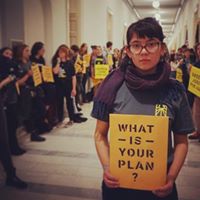
Last November, 250 youth of the Sunrise Movement went to Washington, DC, to talk with legislators about the Green New Deal. In December, over 1,000 arrived in the Capitol, flooding the halls of Congress. 150 were arrested for nonviolent sit-ins outside Congressional leaders’ offices.
Yesterday Chase Iron Eyes of the Lakota People’s Law Project called for Indigenous leadership in the Green New Deal movement. He said, “the water protector movement that started at Standing Rock will find a home in the Green New Deal. We have to take this initiative for the Green New Deal, hit the streets with it, hit every dusty road with it, and go right into the halls of Congress.”
When I participated in an online meeting in December about Sunrise Hubs, 150 people attended. Last night over 1,100 people were online to hear about the plans for 2019, including at least 5 people I know of who were getting involved for the first time. Sunrise’s mailing list was 11,000 a year ago, and is 65,000 now.
Over 40 members of the U.S. House, at least 3 Senators, and most of those who are exploring entering the 2020 presidential race have indicated support for the Green New Deal.
Sunrise Movement members contacted over 250,000 votes to support 30 candidates in the midterm election, 19 of which won, including the leader of the Green New Deal proponents in Congress, Alexandria Ocasio-Cortez. 11 million people saw her interview on “60 Minutes” last week. All of this has given the Green New Deal political legitimacy.
The plans for Sunrise for 2019 are to increase public awareness of the Green New Deal, to challenge politicians at all levels of government to support it, and work to elect those who do. There will be a special emphasis to get Middle and High School students involved to urge local politicians like mayors and city council members to support the GND.
Last night was the 2019 Kickoff Call. The next step on the timeline (above) is for as many of us as possible to hold house parties to launch the GND campaign. You can sign up to host a Sunrise watch party at bit.ly/gndwatch.
Here’s how you can make that happen. On February 5, hubs and homes across the country will host livestream watch parties to tune into a Sunrise livestream detailing the 2019 Green New Deal Strategy. Anyone can host a party to grow the movement and go forward with the 2019 Green New Deal strategy. These parties will unite communities to strengthen the people power we need to make the Green New Deal happen.Host your own party on February 5 to bring the fight for clean air + water and good jobs to your own town. Together, we will win.
Chase Iron Eyes, Lakota People’s Law Project, sent a message this morning asking us to spread the news about the need for Indigenous wisdom and leadership for a Green New Deal.
The countdown is on. One week from tomorrow, the Lakota People’s Law Project will proudly join the Indigenous Peoples March in Washington, D.C. While we’re there, Phyllis Young will join me and the rest of our delegation in meetings with lawmakers on Capitol Hill to discuss next steps for Indigenous participation in the Green New Deal.
Our march is also being supported by the organizers of the women’s march, who will hit the streets the following day. I can’t wait to share the results of our actions with you once we return home. We are building partnerships and coalitions that have so much potential to create meaningful change.
Now is the time to ensure that Native voices are heard loud and clear in the streets of Washington and the halls of power. Following a year when we elected a record number of women — including our first two Native congresswomen — your help is critical to ensure they have all the support they need to enact a truly progressive agenda informed by the traditional knowledge of America’s First Nations. Wopila — As always, we are grateful for your solidarity! Chase Iron Eyes
“The water protector movement that started at Standing Rock will find a home in the Green New Deal.”
“So when I saw this, the Green New Deal, I thought, this is amazing, and it will work, because it is a real people’s project.” Madonna Thunder Hawk, Lakota People’s Law Project Tribal Liaison. “It’s got teeth, and it’s got push behind it.”
“We have to take this initiative for the Green New Deal, hit the streets with it, hit every dusty road with it, and go right into the halls of Congress.”
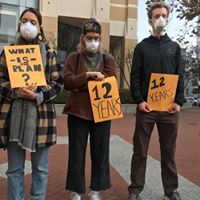
Immediate, forceful action to prevent climate change must now be the priority of all responsible elected officials. That’s why I’m asking you to support the Green New Deal—the only proposed plan to reverse greenhouse gas emissions powerful enough to protect our shared world for our children and future generations. The newly resurrected House Select Committee on Energy Independence and Global Warming must take seriously the need to preserve our planet while there’s still time. I also ask that you champion input from, and justice for, Native communities in the plan for a Green New Deal. According to this year’s UN report on climate change, we have just 12 years to act before our climate reaches its tipping point. The scientific community agrees nearly unanimously that human-caused climate change presents the greatest existential threat to humanity’s future. We need a large-scale federal stimulus plan now that moves us toward 100 percent renewable energy within the next ten years, upgrades our power grid, makes substantial investments in energy efficiency, prioritizes vulnerable communities, and creates jobs in the burgeoning clean energy economy. Indigenous communities have often suffered the most at the hands of the fossil fuel industry, the primary driver of climate change. Their lands have been stolen and threatened, and their treaties have been violated. In the face of this injustice, respect for the Earth, and the balance of life, has remained central to Indigenous world-views. Now, Native voices must be heard and respected as part of creating a Green New Deal. Their time to lead is now. I therefore ask that you support the appointment of New Mexico Rep. Deb Haaland to the House Select Committee on Energy Independence and Global Warming. As one of the first two Native American women ever elected to Congress, she can well represent First Nation principles as we find our way through the crisis confronting us. I also ask that you help direct federal spending on renewable infrastructure and job training to Native American reservations, where unemployment rates are twice the national average. It’s time to adopt a Green New Deal for America that respects and includes Native concerns for the benefit of all.
You can start to get involved tonight by joining a national conference call of the Sunrise Movement which is supporting the Green New Deal. http://bit.ly/gnd-2019
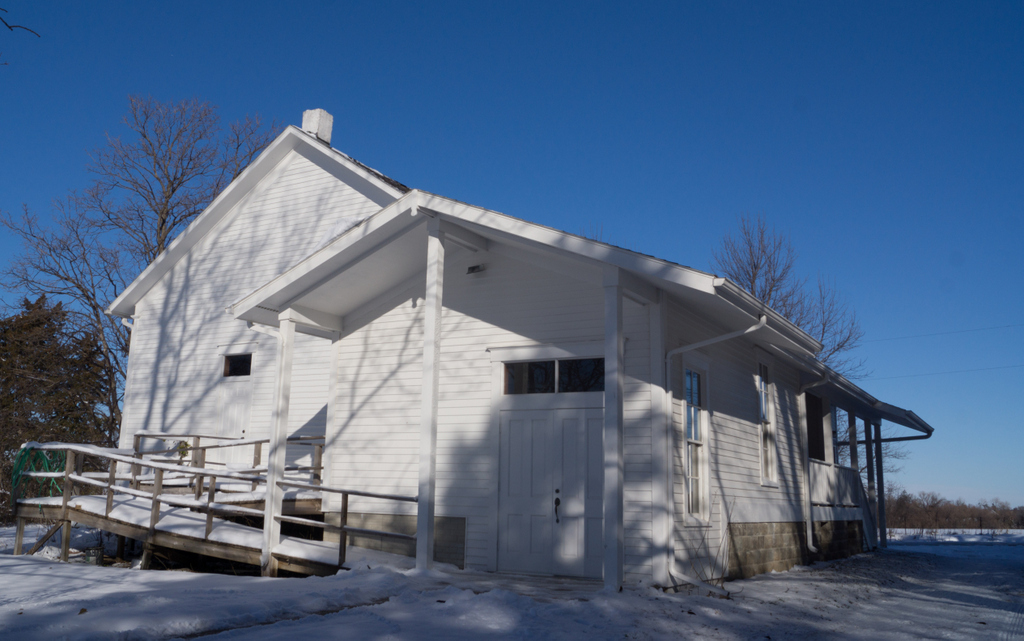
Is your Quaker meeting growing smaller as the elders die, and few young people come? Or when young people visit, but don’t stay? Do you feel frustrated that your peace and social justice efforts seem to have little impact? How do you and your meeting feel about your Quaker community’s lack of diversity, of excitement, of Light? Do you feel the Spirit among you, speaking through you?
I imagine most of you have shared my life long experiences of not being able to get others to recognize and do something about the growing dangers of materialism, militarism, racism and environmental assault.
In our country, the political process that once seemed at least a little responsive to our values has been corrupted. Even the process of selecting and electing our representatives is manipulated.
As the consequences of our evolving environmental chaos become increasing dire, we tend to feel increasingly helpless. Our efforts are thwarted by the magnitude and multitude of problems.
Our environmental problems have mainly come from an economy based upon continuous growth, which requires continuously increasing use of fossil fuels, water and other resources. In addition, our economy is dysfunctional because it is based on money, which more and more of us no longer have adequate amounts of because millions of jobs have been lost to automation and moving production to other countries. Most of our economic, racial, social and environmental injustices stem from this.
So, we can’t ever get a handle on greenhouse emissions and other environmental problems without changing this economy. Various people have recognized this and made proposals for change.
There is now a proposal for a Green New Deal (GND). The name is based on ideas similar to the New Deal, a group of programs Franklin Roosevelt’s administration implemented to stimulate the economy and pull the country out of the Great Depression in the 1930’s, including Social Security, the Civilian Conservation Corps and job, financial, industrial and other reforms.
The Green New Deal has similar ideas:
Our environmental crisis requires absolutely drastic reductions in greenhouse gas emissions. So the plan calls for 100% transition to renewable energy in 10 years.
That is not only possible, but will also have dramatic effects on the lives of millions because of the literally millions of good jobs that will be required to make this transition happen.
The only thing preventing this is the fossil fuel industry and its influence on politicians.
So the Green New Deal depends on millions of us creating the political power to make the Green New Deal happen. Many of the progressive candidates that won in the midterm elections won because of the work of young people who want to make the Green New Deal a reality.
There is a rapidly growing, youth led movement organizing a national campaign to get the Green New Deal implemented, the Sunrise Movement–“Together, we will change this country and this world, sure as the sun rises each morning.”
The purpose of this post is to urge you to learn more about the Green New Deal, the Sunrise Movement, and plans for the next steps by joining an online meeting tomorrow evening (1/10/2019). https://zoom.us/webinar/register/WN_i7IMaZG3TX6esg_FlAhvaw
I believe engaging with the Sunrise Movement to work for a Green New Deal could be an opportunity to revitalize your meeting, as well as attract young and more diverse members.

































 Quakers, social justice and revolution