Green New Deal addresses peace and justice

In the years during and after wars, including WWI, WWII, the Korean Conflict and Vietnam War, Friends were concerned and involved in work for peace. But more recently with the nebulous war on terror, with military operations in Iraq, Afghanistan, Syria, and other countries in Africa and elsewhere, politicians, the media, and others have worked hard to keep these conflicts, and the deaths of thousands of American, in-country forces, and civilians hidden as much as possible. Congress has abdicated its power to declare war to the presidency. The obscene amounts of money for war leaves little for social programs.

To this day we have not come to grips with fundamental injustices our country was built on, the genocide and theft of land from Native Americans, and the enslavement of African Americans. The consequences of these injustices continue to plague our society today. And will continue to impact us until we do what is necessary to bring these injustices to light, and find ways to heal these wounds, and build real justice.

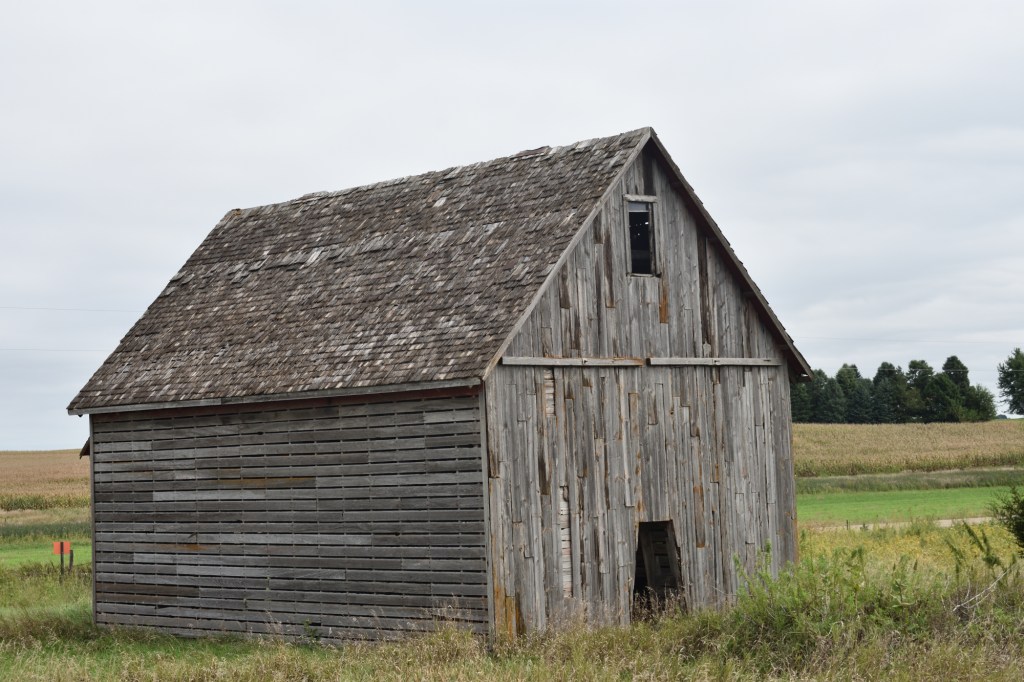
It is becoming more obvious even to those who were determined to ignore the mounting threats from climate change, that climate change is not only real, but becoming more dangerous quickly, and that we are on a path to extinction of life on earth. The historic, widespread and continuing flooding along the Missouri River has caused a lot of immediate damage, forcing people from their homes, contaminating water supplies, killing livestock, covering and/or destroying bridges, roads and buildings. The long-term damage with the loss of topsoil, and ruin of corn in storage bins will have significant long-term effects. Failing crop production will cause food prices to increase dramatically. Many farmers may not be able to recover from these losses and the amount of money needed to rebuild.

Many tipping points related to increasing greenhouse gas emissions have been exceeded. Environmental collapse is occurring much sooner than any climate models have predicted.

We are in the midst of the sixth mass extinction event.

There are real questions about whether to even try to address this dire outlook. Many young people are deciding they can’t bring children into the world, where they will be exposed to increasingly frequent and severe climate disasters.

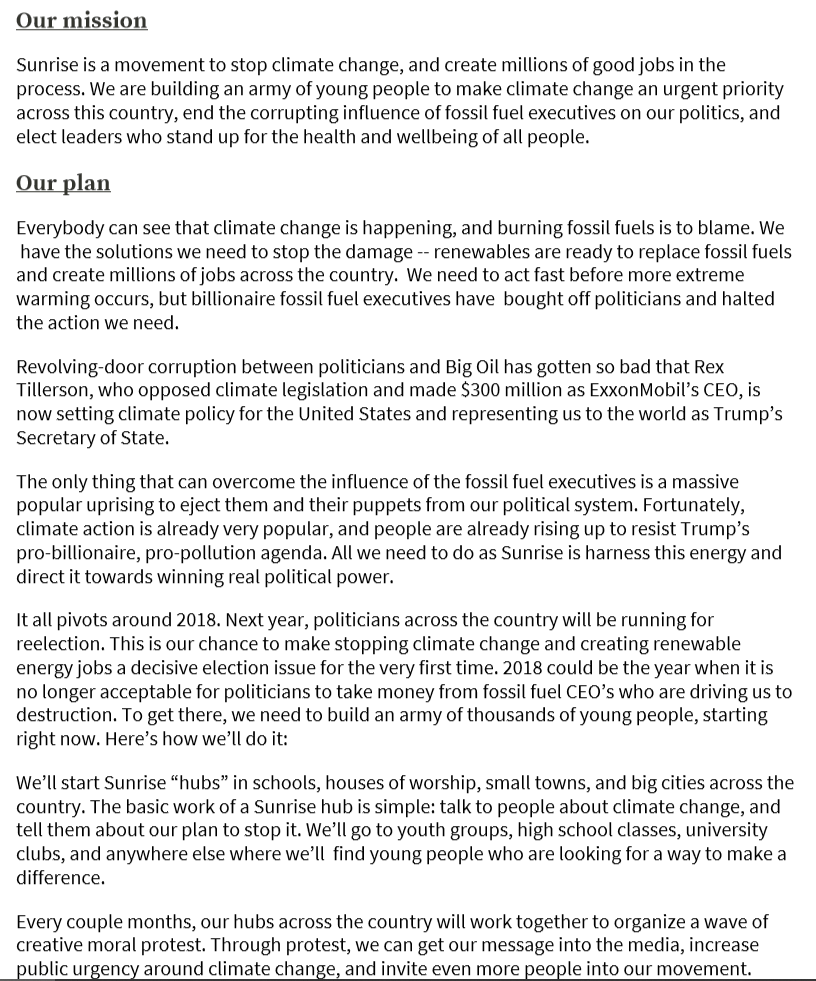
There are several reasons I have gotten involved with the Sunrise Movement, that is working hard to make a Green New Deal a reality. A Green New Deal (GND) is the only plan that addresses the scope of what would be required to reduce greenhouse gas emissions on the scale, and in the timeframe, to give us any hope of survival.  One of the primary goals of a GND is a just transition to 100% renewable energy. To do this will require retooling our energy systems and create millions of new jobs in the process.

To do this will also require that we shift the vast sums of money away from the military to help fund a Green New Deal. This is necessary not only for using our taxes in the way we want them to be used, for peace and economic development, but also because the U.S military is one of the greatest fossil fuel polluters in the world.

It is important to note that this transition be a just transition, which involves installing renewable energy infrastructure in those areas that are currently experiencing environmental, economic, social, and racial injustice. These communities are where fossil fuel infrastructure and pollution is currently operating. This also means focusing on bringing new, well paying jobs to those who live in these communities.

The GND thus addresses not only restructuring our energy infrastructure but will do so in ways that begin to bring justice to those who now suffer environmental, economic, social, and racial injustice. For all these reasons, I believe all of us who have worked, and continue to work for peace and justice, should come together to help implement a Green New Deal.

Posted in climate change, enslavement, Green New Deal, Indigenous, peace, Sunrise Movement | Leave a comment

It is worse, much worse, than you think

A number of books have been published recently, each speaking about environmental catastrophe with greater urgency and depth. I’ve just begun to read The Uninhabitable Earth, by David Wallace-Wells.

It is worse, much worse, than you think. The slowness of climate change is a fairy tale, perhaps as pernicious as the one that says it isn’t happening at all, and comes to us bundled with several others in an anthology of comforting delusions: that global warming is an Arctic saga, unfolding remotely; that it is strictly a matter of sea level and coastlines, not an enveloping crisis sparing no place and leaving no life undeformed; that it is a crisis of the “natural” world, not the human one; that those two are distinct, and that we live today somehow outside or beyond or at the very least defended against nature, not inescapably within and literally overwhelmed by it; that wealth can be a shield against the ravages of warming; that the burning of fossil fuels is the price of continued economic growth; that growth, and the technology it produces, will allow us to engineer our way out of environmental disaster; that there is any analogue to the scale or scope of this threat, in the long span of human history, that might give us confidence in staring it down.

None of this is true.

In fact, more than half of the carbon exhaled into the atmosphere by the burning of fossil fuels has been emitted in just the past three decades.

It was carbon burning in eighteenth-century England that lit the fuse of everything that has followed. But that is a fable about historical villainy that acquits those of us alive today—and unfairly. The majority of the burning has come since the premiere of Seinfeld. Since the end of World War II, the figure is about 85 percent. The story of the industrial world’s kamikaze mission is the story of a single lifetime—the planet brought from seeming stability to the brink of catastrophe in the years between a baptism or bar mitzvah and a funeral.

That is the course we are speeding so blithely along—to more than four degrees Celsius of warming by the year 2100. According to some estimates, that would mean that whole regions of Africa and Australia and the United States, parts of South America north of Patagonia, and Asia south of Siberia would be rendered uninhabitable by direct heat, desertification, and flooding. Certainly it would make them inhospitable, and many more regions besides.

Wallace-Wells, David. The Uninhabitable Earth (pp. 3-6). Crown/Archetype. Kindle Edition.

I wonder what the rest of the book will say, and if I want to know. But we have to know, so we can understand the urgency of trying to attenuate the oncoming crises.

What is so discouraging to me is how more than half of the carbon injected into the atmosphere was done in just the last 30 years. I’m afraid people often think I’m congratulating myself when I talk about not having a personal automobile for the past 45 years. Rather, I see it as a failure to not having found ways to get more people to do the same. An Iowa Quaker recently responded, “we can’t seem to escape the flaws of human nature, can we?”

Is there any hope to at least slow down how rapidly environmental destruction will occur? To somehow limit the extent of the damages we are facing? I had thought we could build sustainable communities here in the Midwest, where good soil and water would allow us to feed ourselves. But the current extreme flooding here makes even that seem problematic.

Still, what gives me hope today is the passion of the youth of the Sunrise Movement who are building political and people power to force discussions and work on the ideas of a Green New Deal. I think this is the answer to my frustrations of having failed to convince more people in the past to give up personal automobiles. These youth have managed to get large numbers of people to begin to turn away from burning fossil fuels, and create more just communities in the process. I hope you will learn about and work to bring about a Green New Deal. One way to do that in Iowa is to attend the Green New Deal Tour that is coming to Des Moines this April 22.

At each tour stop, hundreds to thousands of attendees are treated to a multimedia experience and an emotional journey.
We’ll share stories about how the crises of climate change and inequality are threatening the people and places we call home. We’ll hear from political leaders about how the Green New Deal would protect communities across the country from the worsening impacts of climate change while boosting our economy. Then we’ll lay out the plan to make the 2020 election a referendum on the Green New Deal, so we can make the Green New Deal law in 2021.
Speakers will include political leaders who are championing the effort for the Green New Deal in Congress, movement leaders mobilizing thousands to join the fight, and local community leaders who are leading the way to the transition to a society that works for all of us and protects the air we breathe, water we drink, and places we call home.

Road to a Green New Deal Tour
Posted in climate change, Green New Deal, Sunrise Movement, Uncategorized | 5 Comments

No Overground Railroad

Yesterday I wrote about the ongoing climate disaster in the Midwest. This has shown my idea of an overground railroad is not going to work. Some time ago I began to think of the possibility of an “overground railroad” to prepare for climate refugees coming from areas of coastal flooding, or displaced by fires, severe storms, drought, or flooding, who might move to the Midwest. The idea being similar to the underground railroad that developed during the time of enslavement in the U.S. I created a Facebook group, Overground Railroad, as a place to discuss this idea. Several blog posts about this idea can be found here. Although I was aware of predictions of expanding areas of drought in the Midwest, I thought it would still be a place with good soil for crops, and adequate water supplies. My idea was to develop ways to rapidly build simple dwellings made from local resources. A small community of such buildings would be like a small town. Actually, it might be a good idea to use small towns as locations to build communities described here. The surrounding fields would be planted with corn, oats, and other edible crops. Solar panels would produce electricity. Indigenous ways of agriculture, and governance would be very helpful.

The extreme temperatures, widespread flooding, infrastructure destruction, and topsoil erosion indicate many of us in the Midwest have become, or will become climate refugees. Our current flooding will continue or worsen as warmer temperatures melt large areas that still contain snow packs. I wonder if we will see “dust bowl” conditions occur with large areas that are bare, with no cover crops and more sandy soil exposed to high winds.

What do we do now? We don’t need to wait for government action on a Green New Deal. We can begin now to build sustainable communities. The widespread flooding we are experiencing needs to be taken into consideration when we think about where to build these new communities. Again, it would make the most sense to use existing small towns in Iowa as the center for Green New Deal communities But areas at risk for flooding need to be avoided. Unfortunately as air, land and water temperatures continue to rise, we will experience greater amounts of rainfall and snowfall, which will of course lead to more flooding.

Following is an early draft of how a Green New Deal could help Iowa.

How can the Green New Deal help Iowa?

Federal/state/local versions of following

          Current focus of Sunrise Movement mainly Federal

          With Bold Iowa/Indigenous Iowa’s resources we can model GND at state/local level

          Iowa Quakers and FCNL—Green New Deal

                    Build network of Sunrise Hubs all over the state. The Sunrise Movement is a rapidly growing network of youth who are working to implement a Green New Deal.

                             Identify local leaders/organizations

                             Provide Sunrise training (via Zoom)

Iowa is a leader in wind energy

          Federal energy policies (U.S. Congressional delegations)

          Continue to 100% renewable energy

                   Move from corporate to local control

                             Local installations wind/solar

                   Increase training programs for wind energy/solar technicians

                   Local manufacturing of wind/solar systems

                   Smart electrical grids

                   Energy storage

                             Batteries

                             Solar thermal fuel

                   Rural energy plan

Water

          Hydroelectric?

          Build ponds, cisterns

          Water filters

          Bioreactors and cover crops to decrease nitrates in water

Agriculture

          Crops that improve soil quality

          Crops that feed people

          Indigenous agricultural practices

Buildings

          Insulate existing buildings

          Renewal of rural towns and communities (decreasing long distance travel)

                   Design to be walkable

                   Add local services that people now travel long distances to find

                             Medical/food/arts

                   Community buildings

                   Churches (share building)

                   Library

Education

          Life skills

                   Cooking/raising food/buildings/medical/social skills/governance and organizing

          Energy skills

                   Local energy systems and grid

Faith

          Faith leaders can be local GND leaders

                   Can see and build faith/social support in communities

                   Might be among best supporters of GND

                             Already have network of connections across state/country

Governance

          Whole community participation

          Sunrise Hubs model

          Get existing models to work along lines of Sunrise Hubs

                   City councils/Mayors  

Communication

          Postal mail network

          Radio

          Global Internet network will probably not continue to be available

                   Local area networks

Transportation

          Pedal powered wagons

          Bicycles

          Horses

Posted in climate change, climate refugees, enslavement, Green New Deal, immigration, Indigenous, Quaker Meetings, renewable energy, Sunrise Movement, Uncategorized | 2 Comments

Midwest Climate Disaster

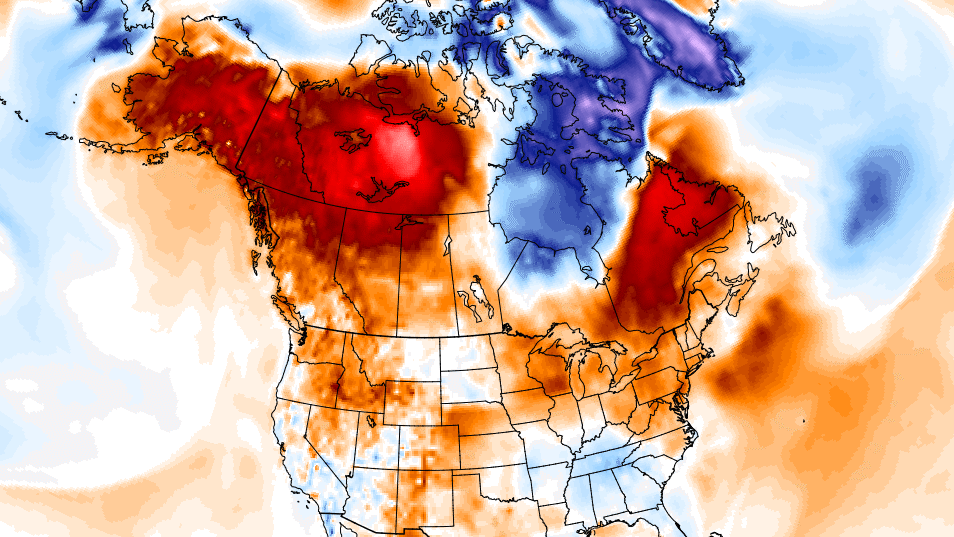
Although I’ve been studying climate science most of my life, one of the scariest things about climate change are the unexpected problems that continue to appear. I was surprised by polar vortexes, which seem to becoming an annual occurrence.

I also hadn’t known about ‘bomb cyclones’ until the one that occurred in the Midwest recently, with devastating effects, including blizzards with high winds, and tornadoes. Unfortunately the historic flooding that began with the cyclone will continue for weeks or months as the huge amounts of snow deposited during the winter melt. With the low temperature over the winter keeping the soil frozen or saturated with water already, most of the melting water will rush into the rivers instead of being at least partially absorbed by the soil, causing significant erosion, and keeping rivers above flood stage for weeks more. As the frozen snow packs break up, ice in the water can trap livestock, cause more damage to buildings and infrastructure, and scrap off the fertile topsoil. Deep gullies will facilitate further erosion with future rainfall. Bridges, dams, levees and roads have been destroyed.

People have been isolated in their home communities. A New York Times article describes the devastation in Native communities.

PINE RIDGE, S.D. — Ella Red Cloud-Yellow Horse, marooned for days by a blizzard and then a flood, needed to get out. Supplies at her house were running low. She had come down with pneumonia. She had a chemotherapy appointment to keep.
But her long driveway was blocked by mountains of mud — impassable even for an ambulance or a tractor.
So Ms. Red Cloud-Yellow Horse, 59, set off toward the road on foot. She fell repeatedly, almost got swept away in the current of a creek, and became stuck in the mud. Finally, more than an hour later, she made it the half-mile to the highway where she was picked up.
“I couldn’t breathe,” she said, “but I knew I needed to get to the hospital.”
Such stories are startlingly common these days on the Pine Ridge Indian Reservation in South Dakota — a stunning stretch of land larger than Delaware — as an overwhelming bout of snow and flooding has set off a humanitarian disaster that seems unlikely to abate soon.

‘A State of Emergency’: Native Americans Stranded for Days by Flooding. On the Pine Ridge Indian Reservation in South Dakota, extreme weather and bad roads have left some residents stranded for nearly two weeks with limited food and water. Mitch Smith, 03/24/2019

The flooded fields made it impossible to reach some livestock, contaminated water supplies, and ruined corn stored to feed livestock, all resulting in the death of many animals. The extended flooding means crops might not even be planted in many areas of the Midwest, and yields from the degraded soil are likely to be significantly lower. Many farmers face economic ruin and the nation’s food supply is threatened. Food prices are going to increase significantly.

Damages are estimated to be close to 2 billion dollars. But the long term damage to the topsoil is perhaps the greatest consequence. Topsoil requires years to regenerate, and crops may not be planted, or result in reduced yields during those years of rebuilding the soil.

As all this was/is going on, temperature records are being broken in Alaska:

On Tuesday, Klawock, Alaska topped out at 70 degrees Fahrenheit. That marks the earliest 70-degree Fahrenheit day ever recorded in Alaska. The previous record was set just three years ago when Klawock reached 71 degrees Fahrenheit on March 31. In comparison, many cities in the Northeast have yet to crack that mark.

“It was 70 degrees in Alaska this week”, Brian Kahn, Earther, 3/22/2018, File under: Baked Alaska
Earther

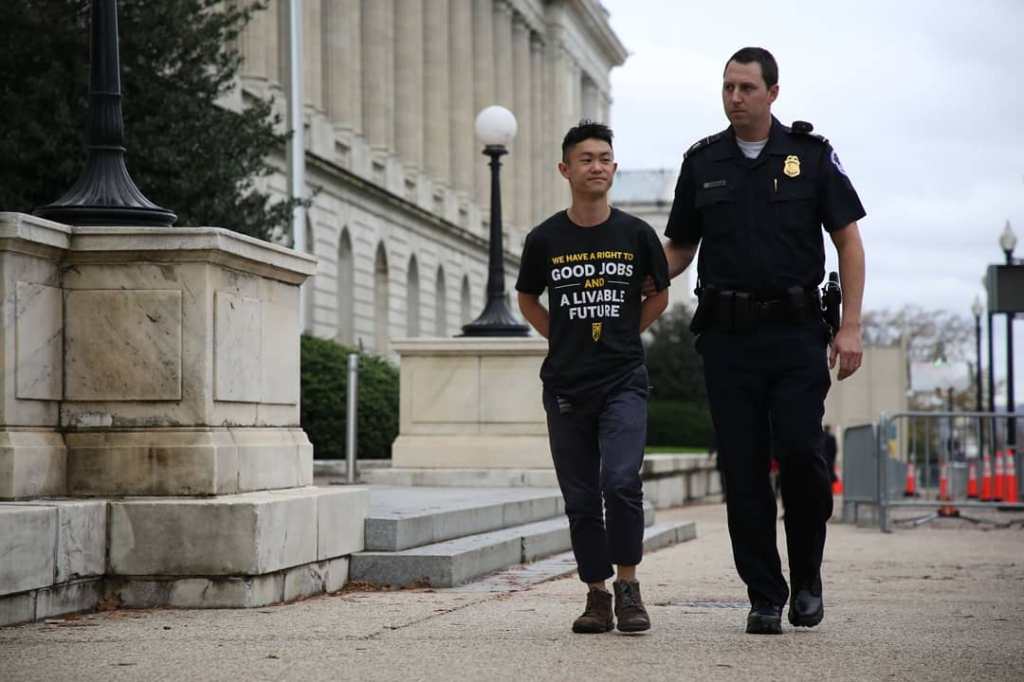
Hopefully these increasingly dire situations will bring more urgency to trying to find solutions. The only solution I am aware of to tackle this is the Green New Deal. And the steady witness, with nonviolent civil disobedience by the youth in the Sunrise Movement, are helping make climate change an issue in Congress, finally. One of the first objections to the Green New Deal is how to pay for it. But people are finally beginning to realize the costs of doing nothing will far exceed the costs of a Green New Deal. One way to learn more about a Green New Deal, and to get involved is to attend the Green New Deal Tour, which will be in Des Moines April 22. https://www.sunrisemovement.org/tour

References

The Hidden Catastrophe of the Midwest’s Floods. The “bomb cyclone” threatened the region’s most valuable resource. Mother Jones,TOM PHILPOTT, MARCH 20, 2019

Flooding. On the Pine Ridge Indian Reservation in South Dakota, extreme weather and bad roads have left some residents stranded for nearly two weeks with limited food and water. New York Times, Mitch Smith, 03/24/2019

Posted in #NDAPL, civil disobedience, climate change, climate refugees, Green New Deal, Sunrise Movement, Uncategorized | Leave a comment

Path to a 94 mile spirit quest

This gallery contains 7 photos.

Originally posted on Quakers, social justice and revolution:
Yesterday I described the series of events that led to joining the First Nation-Farmer Climate Unity March that just concluded. I tried to explain how choices and actions leading up to this…

More Galleries | Leave a comment

Spiritual Foundations

One of the primary reasons I felt led to be part of the First Nation-Farmer Climate Unity March was to learn more about Native Americans, and especially their spiritual beliefs and practices. It is not my place to try to explain those beliefs, which vary from tribal nation to tribal nation. The only times I heard my Native friends speak about spirituality were during the prayers that were spoken each time we crossed over the path of the Dakota Access Pipeline, the black snake. I was surprised at the intense feelings of sorrow for what had been done to the land and people’s lives that arose in all of us at those places. The prayers spoke of concerns for Mother earth, and the well being of all of us and those who were supporting us.

I’ve been thinking more about this as I read “A Cherokee Feast of Days (Volume 2)” by Joyce Sequichie Hifler. From the cover of the book: “A Cherokee Feast of Days, Volume II attune the reader to nature and to the wisdom of native people. Along with the daily readings are quotes from Native Americans of all tribes, and quotes about Native Americans, which reveal an earth-wise philosophy.” The following in the Foreword of the book:

Alexander Pope wrote, “Lo, the poor Indian! Whose untutored mind sees God in the clouds and hears Him in the wind.”

I am an Indian. I am a Cherokee. And I see God in the clouds and I hear Him in the wind. When I was a child I thought I could hear time, and I knew what the dove and whippoorwill said when they called from the meadows and the woodland.

It is the nature of the Indian to hear with the spirit because his life is based on spiritual foundations, immovable foundations that motivate him to worship. Music is a part of this, music from rustling leaves and singing streams, but from gifted people as well. Tears came when I first heard classical music in my youth, for I was being introduced to the angels. It still happens whenever I hear strains of violin music.

Come to the table, come and feast with the Spirit, not because the Indian is good, but because the Lord is merciful.

Gv ge yu i — Love

“A Cherokee Feast of Days (Volume 2)” by Joyce Sequichie Hifler

Following is part of a message from my friend, and Indianapolis #noDAPL organizer, Joshua Taflinger.

What has risen to the surface at Standing Rock is a physical/spiritual movement. Learn how to quiet your mind. To find the silent receptive space to receive guidance. To learn to adapt and follow the pull of synchronicity to guide you to where you will find your greatest support and strength.

What I have found in my time praying in the indigenous earth based ways, is that it’s not about putting your hands together and talking to god…. It’s about quieting and connecting with the baseline of creation, of nature. Tuning into the frequency and vibration of the natural world, the nature spirits. The beings and entities that have been in existence, for all of existence, the examples and realities of sustainability and harmony.

It’s about becoming receptive to these things. Being open and flowing with them. The spirit guides us, but we have to make ourselves receptive to feel, sense, and respond to this guidance.

Another place I have found discussion of Native spirituality is from the book,
The Sacred Tree: Reflections on Native American Spirituality. 

“The Sacred Tree was created by the Four Worlds Development Project, a native American inter-tribal group, as a handbook of Native Spirituality for indigenous peoples all over the Americas and the world. Through the guidance of the tribal elders, native values and traditions are being taught as the primary key to unlocking the force that will move native peoples on the path of their own development. The elders have prophesied that by returning to traditional values, native societies can be transformed. This transformation would then have a healing effect on our entire planet. This handbook is being used by the Four Worlds Development Project to eliminate widespread drug and alcohol abuse in tribal communities. It is now being shared for the first time with all members of the human family desiring personal growth.”

From the first chapter, The Story of the Sacred Tree:
“The ancient ones taught us that the life of the Tree is the life of the people. If the people wander far away from the protective shadow of the Tree, if they forget to seek the nourishment of its fruit, or if they should turn against the Tree and attempt to destroy it, great sorrow will fall upon the people. Many will become sick at heart. The people will lose their power. They will cease to dream dreams and see visions. They will begin to quarrel among themselves over worthless trifles. They will become unable to tell the truth and to deal with each other honestly. They will forget how to survive in their own land. Their lives will become filled with anger and gloom. Little by little they will poison themselves and all they touch.”
“It was foretold that these things would come to pass, but that the Tree would never die. And as long as the Tree lives, the people live. It was also foretold that the day would come when the people would awaken, as if from a long, drugged sleep; that they would begin, timidly at first but then with great urgency, to search again for the Sacred Tree.”

The Sacred Tree: Reflections on Native American Spirituality. 
Sunset and the moon
Posted in #NDAPL, First Nation-Farmer Climate Unity March, Indigenous, spiritual seekers, Uncategorized | 1 Comment

Sunrise Movement succeeds in forcing discussion of climate policy

The Sunrise Movement has suddenly made climate change a positive, mainstream conversation!

The following link is go a video describing all the ways California is already implementing a Green New Deal.

//players.brightcove.net/293884104/SJa0Thl7_default/index.html?videoId=6016299036001

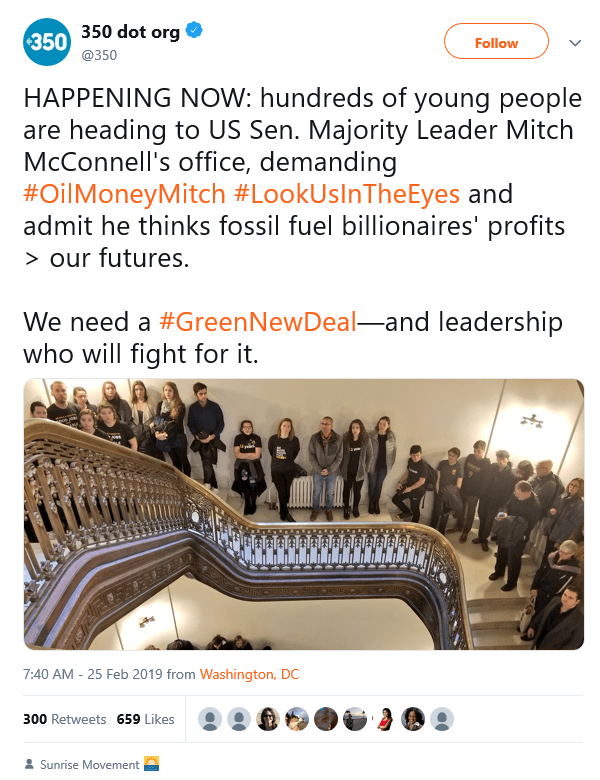
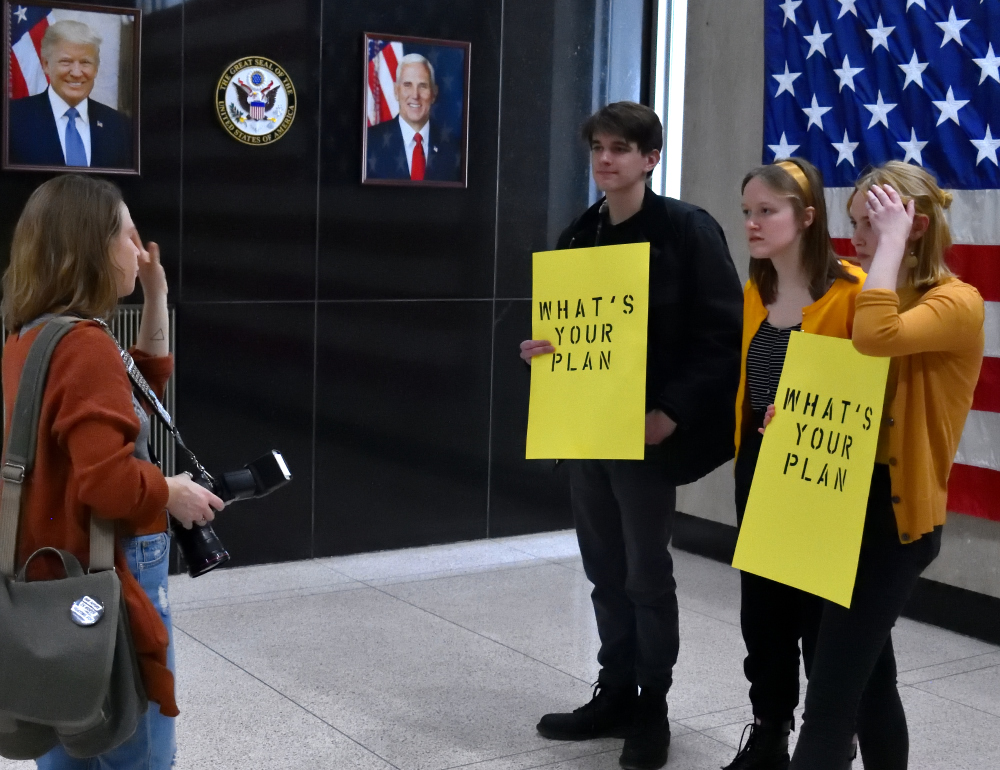
When a group of more than 20 protesters showed up in the halls of the U.S. Senate on a recent February day, they would have been forgiven for expecting a chilly reception. For the past seven months, sit-ins at a range of offices–from California Governor Jerry Brown’s to Speaker of the House Nancy Pelosi’s–had followed a similar pattern: show up, sing songs, get led away in handcuffs for disrupting the peace. But on that particular Wednesday, things were different.

Instead of being dismissed or arrested, this band of environmental activists from a group known as the Sunrise Movement was warmly welcomed. Democratic Senators’ aides applauded their songs, led them to back offices for meetings and cheered their efforts. “It starts with what you’re doing, from the bottom on up,” Vermont Senator Bernie Sanders told them. “I just want to thank you.” In the weeks that followed, Senate minority leader Chuck Schumer, after years of near radio silence on climate change, gave a series of speeches on the chamber floor. “For the first time in a long time, the Senate is finally debating the issue of climate change, and if you ask me, it’s about time,” he said. “Climate change is an urgent crisis and an existential threat.”

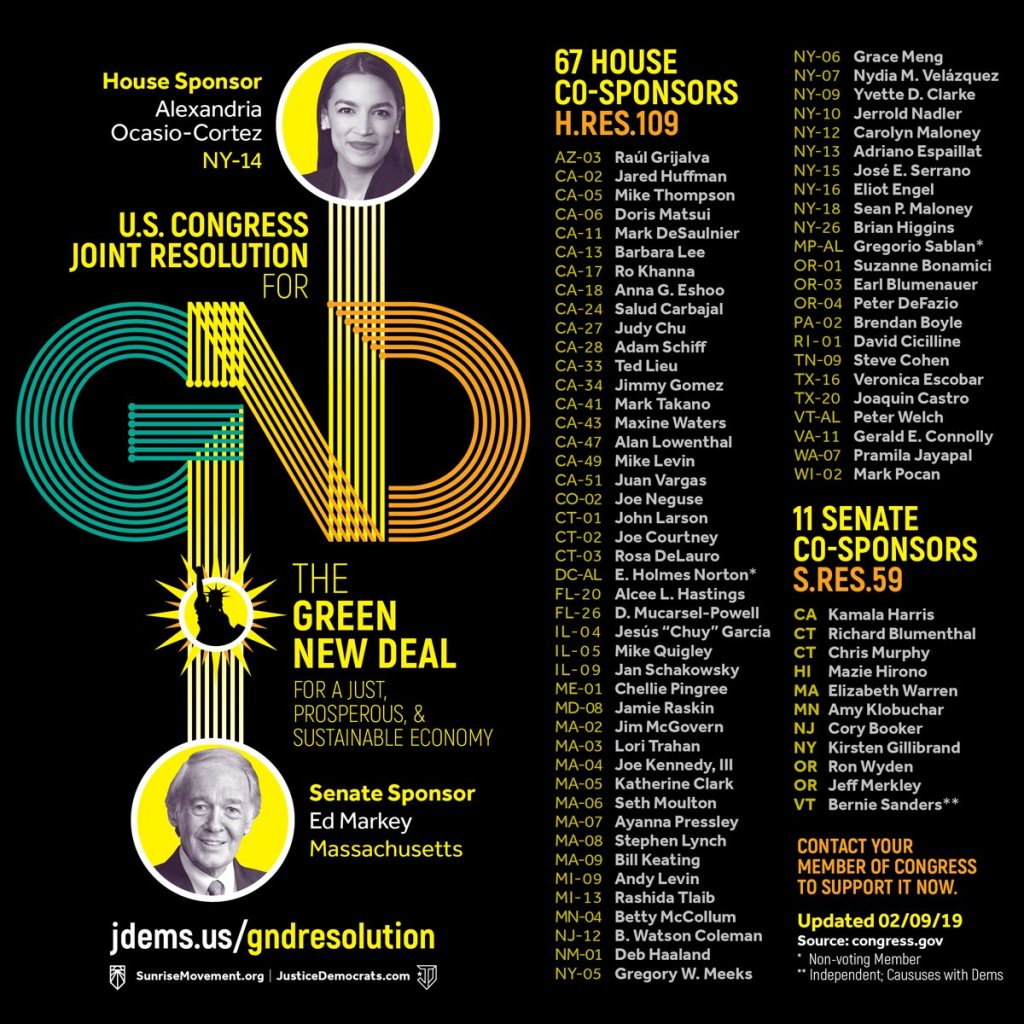
Into this new political reality came the Green New Deal–equal parts policy proposal and battle cry. The resolution, introduced by Representative Alexandria Ocasio-Cortez of New York and Senator Ed Markey of Massachusetts, calls for the U.S. to launch a broad “mobilization” to decarbonize the economy while tackling a slew of other social ills. The response was mixed. People loved it. People loathed it. Others were confused by it. But in D.C., where climate has long been relegated to third-tier status, lawmakers could no longer avoid the issue.

How the Green New Deal Is Forcing Politicians to Finally Address Climate Change, Justin Worland, Time, 3/21/2019

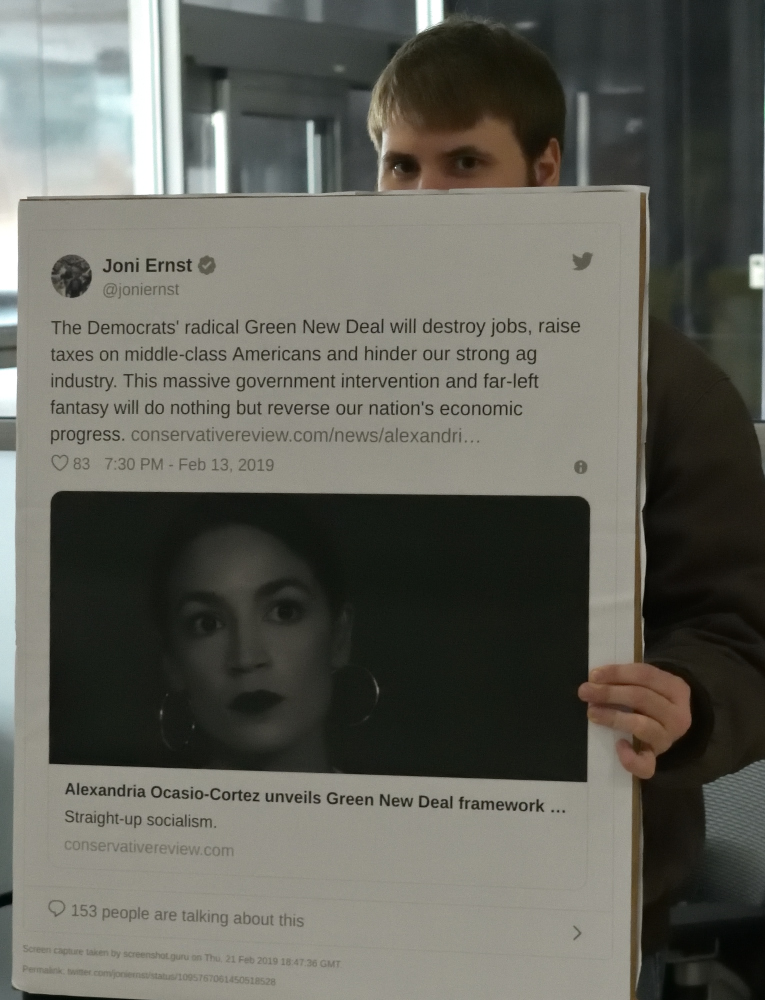
Iowa’s (Republican) Senators send responses to letters talking about “all” energy, and how the Green New Deal is impractical. Senator Grassley referred to the “so-called Green New Deal.” And Senator Ernst wrote:

…the Green New Deal sets unworkable and unrealistic goals, such as transitioning the United States to 100 percent renewable energy in 10 years, while currently only 8 percent of our electricity is generated from wind and solar. This proposal would dramatically drive up costs for every American, and would eliminate thousands of jobs in the energy sector. One estimate puts the total cost of the Green New Deal at $93 trillion. In order to cover the costs of this plan, families would have to pay as much as $65,000 annually, which is more than most Iowa households make in a year.

Senator Joni Ernst

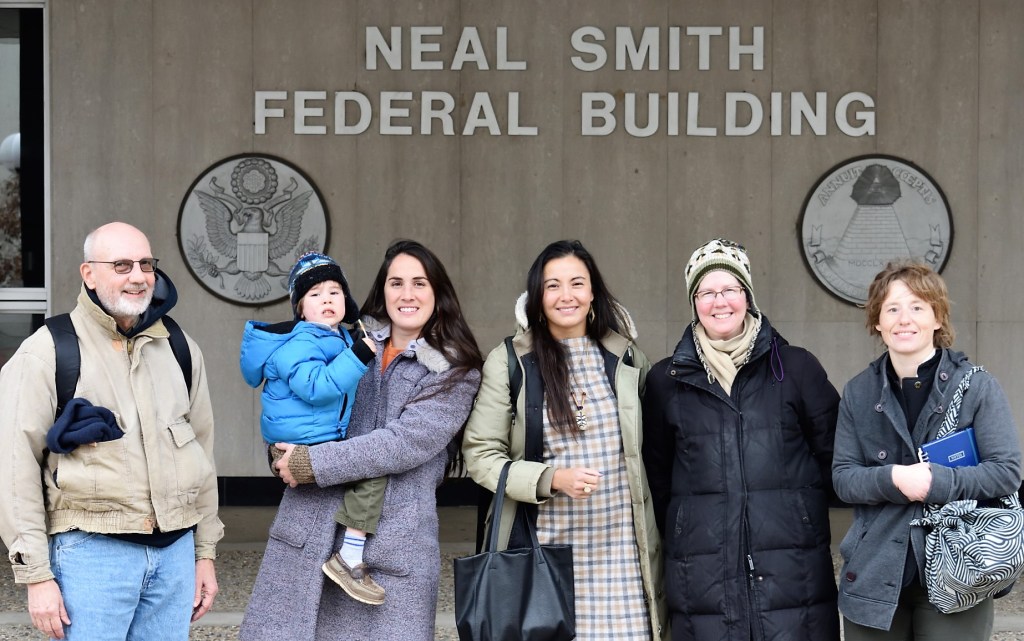
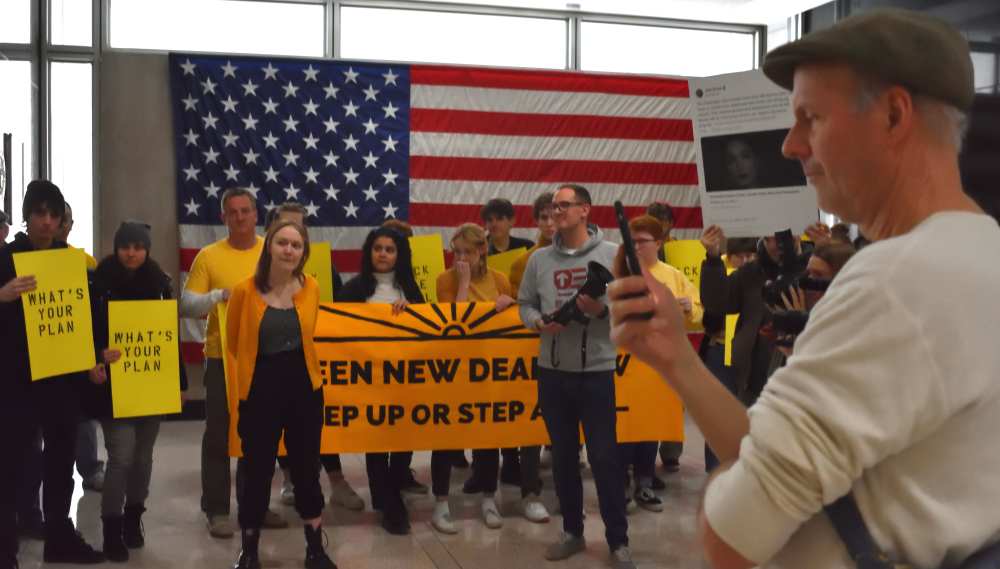
Our Sunrise Movement in Des Moines went to speak with Senator Ernst’s state director, Clarke Scanlon, who basically took notes. As we were waiting for our meeting to begin, he wondered why it was Senator Ernst who we were trying to get a message to. I told him it was because she is up for re-election in 2020.

Posted in #NDAPL, climate change, Green New Deal, Sunrise Movement, Uncategorized | 1 Comment

Promise to Protect Training

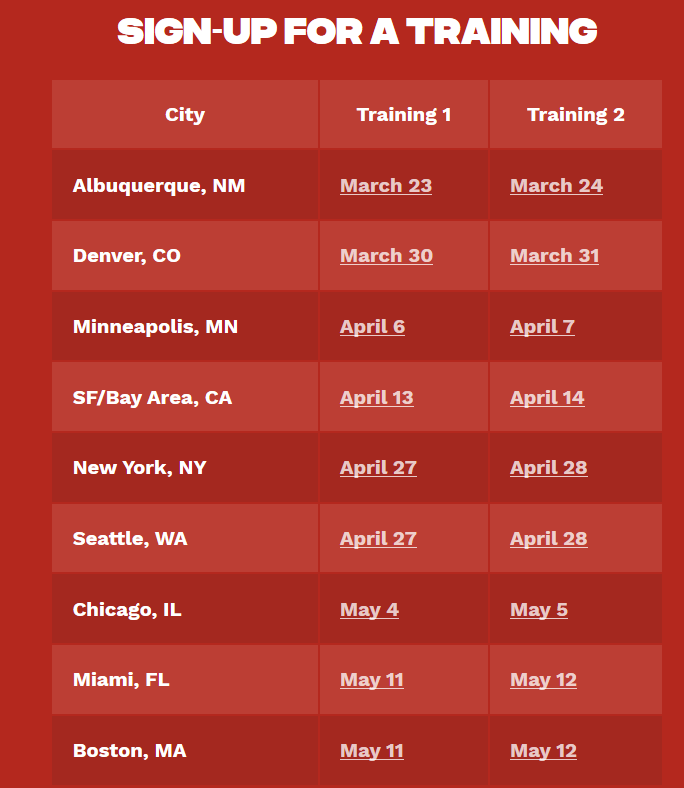
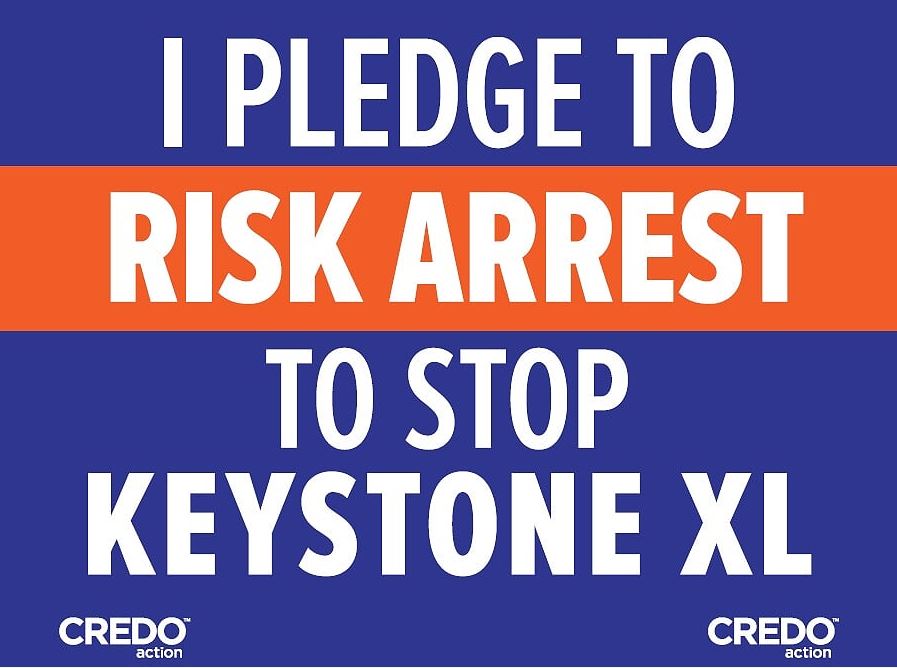
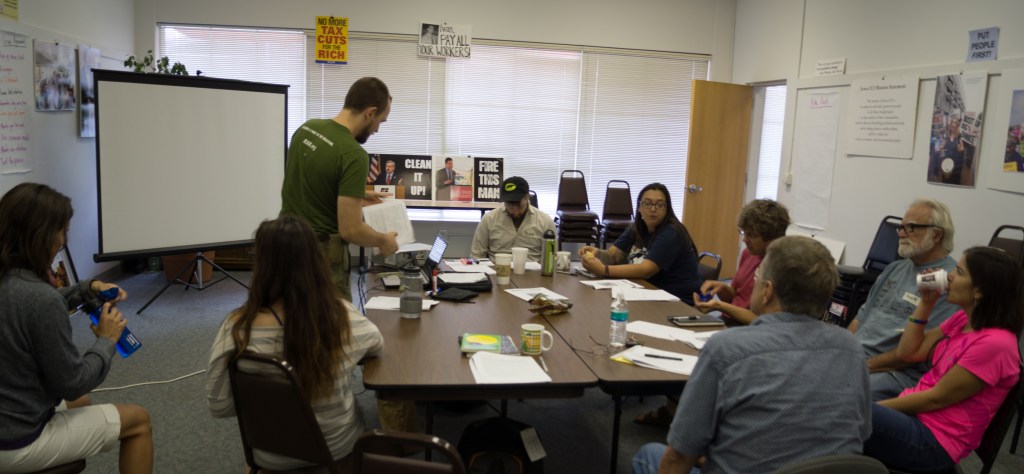
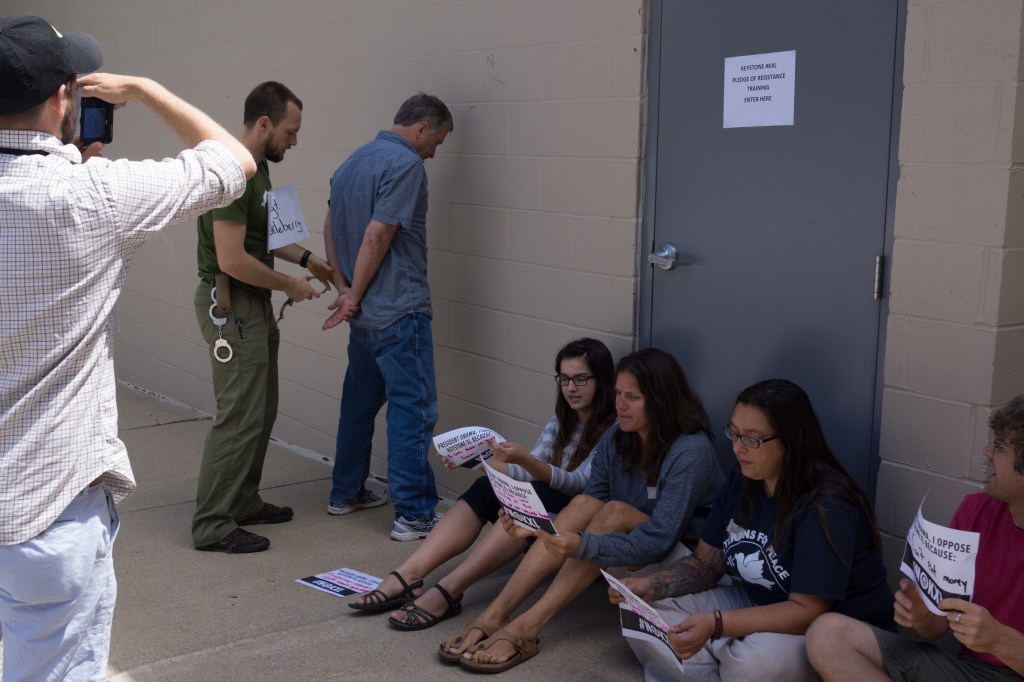
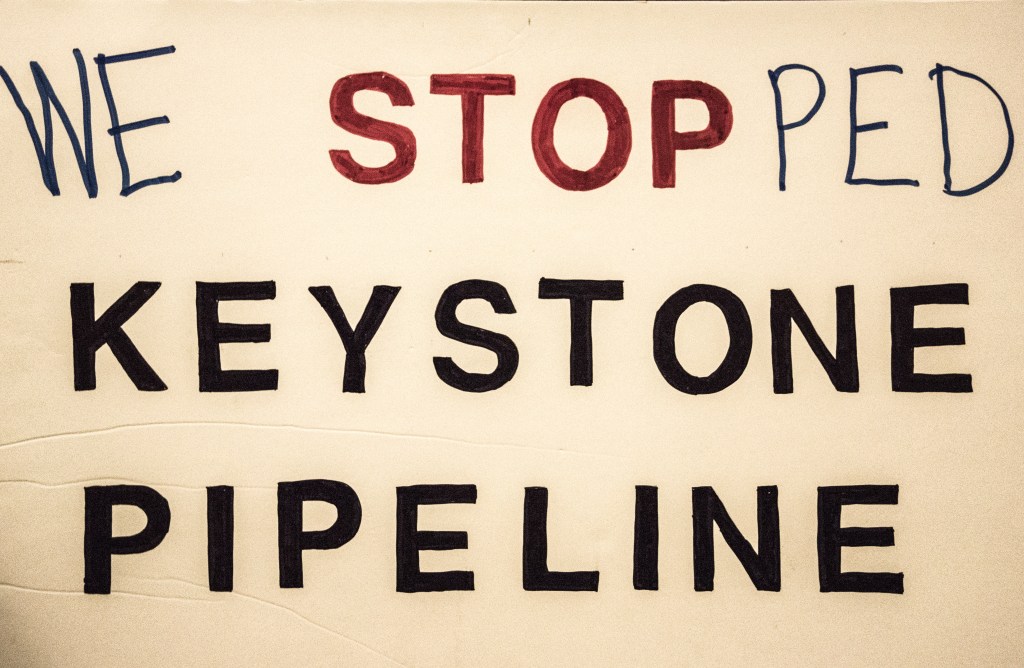
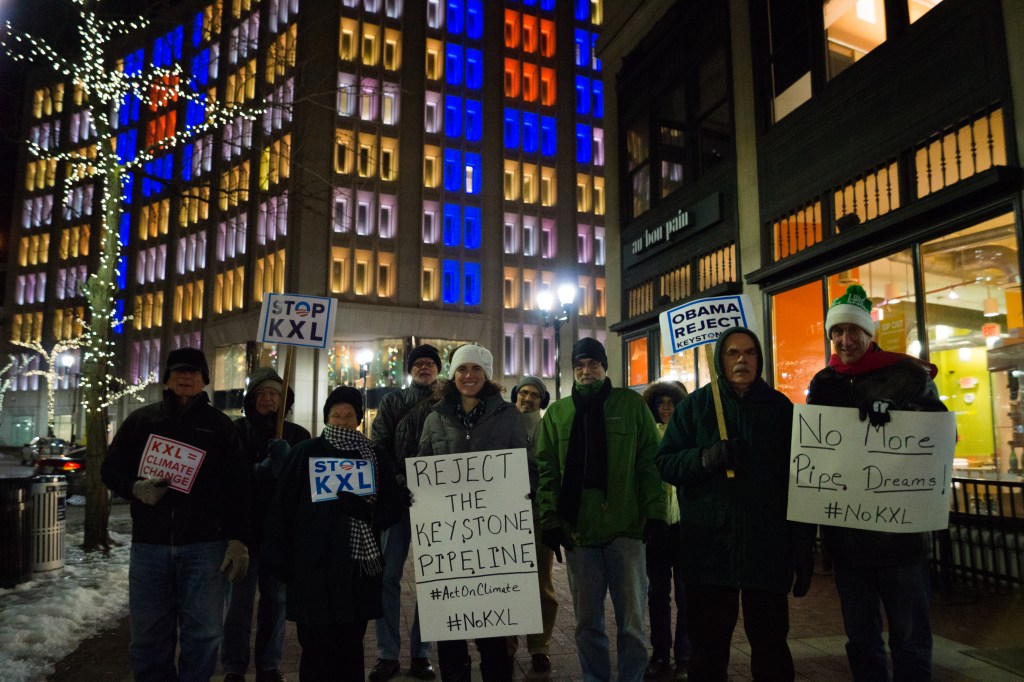
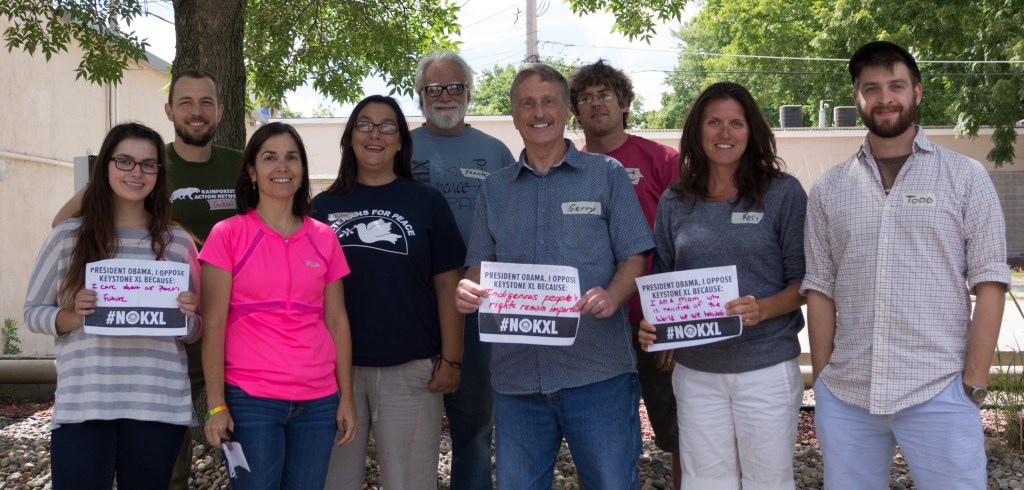
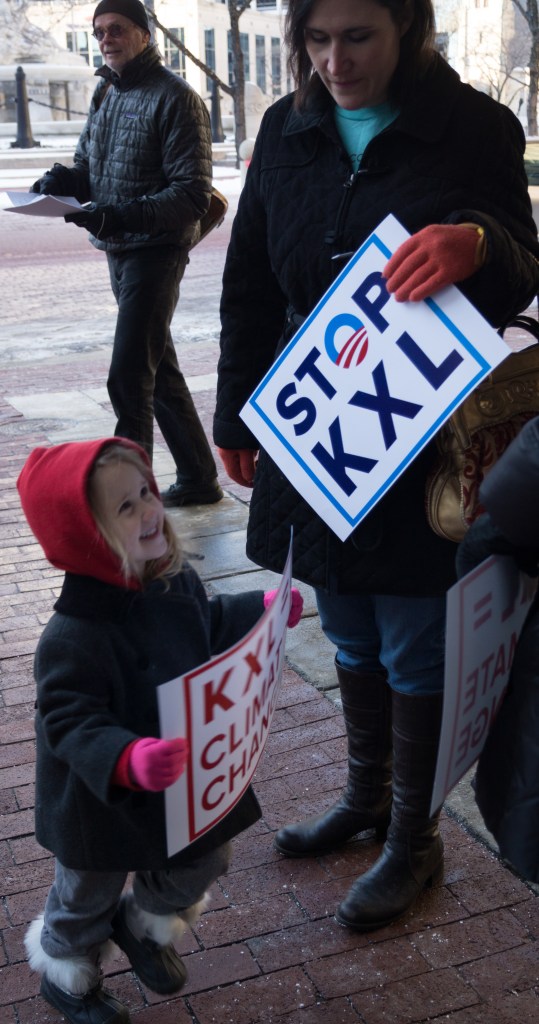
The Promise to Protect is a commitment to resist fossil fuels where you live and prepare to take creative action along the Keystone XL pipeline route when called upon by Indigenous leaders. With millions of dollars being poured into fossil fuel projects each year and TransCanada planning to begin pipeline construction this June, we must be ready to mobilize and fight back to protect the land, air, and water. Construction may be delayed, but we know that fossil fuel companies like TransCanada will stop at nothing to build their dirty projects. This year we will hit the road with the Promise to Protect Training Tour – a historic, Indigenous-led project coming to 9 cities across the United States that will provide skills and resources to activists who are resisting proposed fossil fuel projects in their communities and, if called upon, are committed to taking peaceful action on the route of Keystone XL. You’ll receive training on nonviolent direct action and support roles, political education, and protocols for mobilizing in Lakota territory and how to apply these lessons to local campaigns. The mission of this tour is to educate, empower, and elevate the voices and skills of community members to take back their land and push out extractive oil and gas companies. After the training, community members will be equipped with the knowledge and support necessary to organize their own actions and trainings to stop the fossil fuel industry in their tracks and to demand that fossil fuels be kept in the ground.

http://www.nokxlpromise.org/tour 350.org 2/26/2019

Text Promise to 83224


Victory Song (feat. Kodi DeNoyer) Frank Waln


Promise to Protect One Year Anniversary

So struggle for everybody. We all got to drink water, we all got to breathe the air. I ask that you join us you, join our fight. I learned over the years of struggle with American Indian Movement it’s always been a land struggle and with the power of allies and that’s what we’re asking for people to just continue to join with us. Keep in touch with those that are on the ground fighting this pipeline because a lot of us say we do this, you know, I’m not gonna get paid it. It is we just do it with what we have. Come stand and do what’s right for not only indigenous people but for all life

If that comes to you from in here, then go with it. There’s a reason why you feel that way. And go with it if you are able to. Just go and find out.

Madonna Thunderhawk, Water Protector, Lakota People’s Law Project

Currently there isn’t a training location in Iowa. But I have suggested those of us who were trained to plan and teach others about nonviolent direct actions might use that experience to do this type of training in more locations. The Keystone Pledge of Resistance trained around 400 Action Leads, who in turn trained about 4,000 people in their local communities.

Posted in #NDAPL, civil disobedience, climate change, Indigenous, Keystone Pledge of Resistance, Uncategorized | Tagged | Leave a comment

Grandmothers Fighting KXL

From the Lakota Peoples Law Project:

In the wake of the movement at Standing Rock, Big Oil has not slowed its efforts to push pipelines through our Native nations. And now, as the battle over Keystone XL brews in South Dakota, the state legislature has passed two laws — SB 189 and SB 190 — meant to curb our constitutionally-protected right to protest.

As you read this, I’m helping marshall forces against KXL, which is headed as soon as this summer for my home nation of Cheyenne River. These new bills will permit South Dakota to prosecute demonstrators and organizations who oppose KXL and other pipelines, perversely defining online organizing as “riot boosting.” The lines are drawn, but we won’t back down.

These laws continue the subjugation of my people, something I’ve been fighting my entire life. In “Warrior Women,” a documentary about me and my daughter recently released on PBS stations, you can see (free until March 26th!) the history of that struggle. I urge you to watch it and donate to the Lakota People’s Law Project today to help fund my work — including the coming defense of our home against yet another dangerous pipeline.

As it prepares to build out KXL, Trans-Canada has already set up a man camp just 13 miles away from Cheyenne River Nation. This should be of particular concern to those of you tracking the epidemic of Missing and Murdered Indigenous Women (#MMIW). Man camps — unnatural, testosterone-filled dens of machismo — are notorious for endangering the lives and wellbeing of Indigenous women.
And “Warrior Women” eloquently speaks to the power and wisdom we Native women hold. We grandmothers are frequently the engine that makes things go on tribal nations. My circle of five grandmothers attends as many meetings as possible at Cheyenne River, and in cooperation with the council and our water protector chairman, Harold Frazier, we provide issue-driven oversight. We then work with a larger network to take needed action.
Despite the new laws specifically designed to keep Native people and our allies from protesting against oil projects, we are preparing to stand again.

Madonna Thunder Hawk, Lakota Law info@lakotalaw.org

Here is a link to the video, Warrior Women

https://player.pbs.org/viralplayer/3024023424/

Pipelines are being challenged in many ways and in many places.

A federal judge has blocked drilling on roughly 300,000 acres of public land in Wyoming because the Department of Interior failed to take climate change into account when auctioning off the land for oil and gas leasing.
U.S. District Judge Rudolph Contreras ruled that officials from the Interior’s Bureau of Land and Management (BLM) should have considered climate change risks such as greenhouse gas emissions linked to the drilling before making the decision.
“By asserting that these crucial environmental analyses are overly speculative at the leasing stage and more appropriate for later, site-specific assessments, BLM risks relegating the analyses to the ‘tyranny of small decisions,’” Contreras wrote in his memorandum opinion.
In other words: Putting off decisions about climate impacts is no longer an option.

Oil and gas leasing rejected in Wyoming because, well, climate change, Grist, March 20, 2019

San Francisco – Today, the United States Court of Appeals for the Ninth Circuit denied yet another attempt by TransCanada to begin construction on its proposed Keystone XL pipeline. The court left in place a ruling by the U.S. District Court for the District of Montana that blocked construction on the controversial tar sands pipeline amid an ongoing legal challenge.

TransCanada Loses Again in Latest Attempt to Begin Keystone XL Pipeline Construction, Friends of the Earth, March 15, 2019

I’ve been working to protect the water and fighting against the Keystone and Dakota Access Pipelines for the past six years. I hope you consider supporting Grandmothers Fighting KXL, and other ways to continue these fights to stop these pipelines (black snakes).

Posted in #NDAPL, civil disobedience, climate change, First Nation-Farmer Climate Unity March, Keystone Pledge of Resistance, Uncategorized | Tagged , , | Leave a comment

Matthew Lone Bear supports missing person’s bill

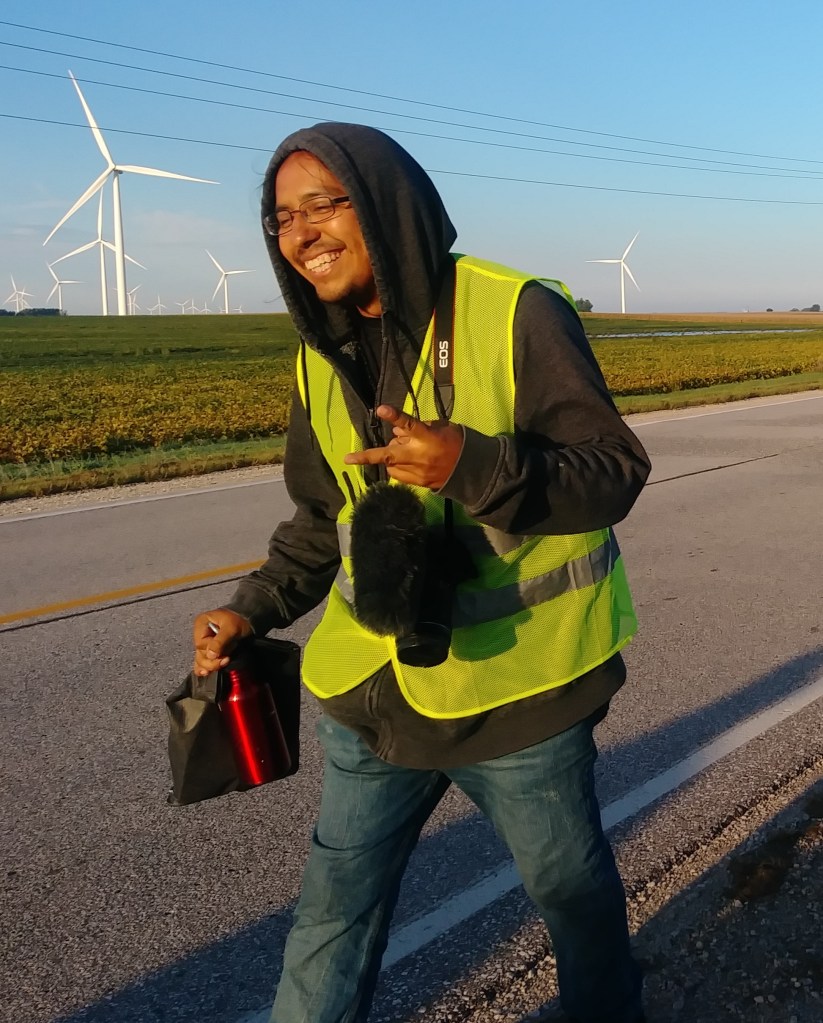
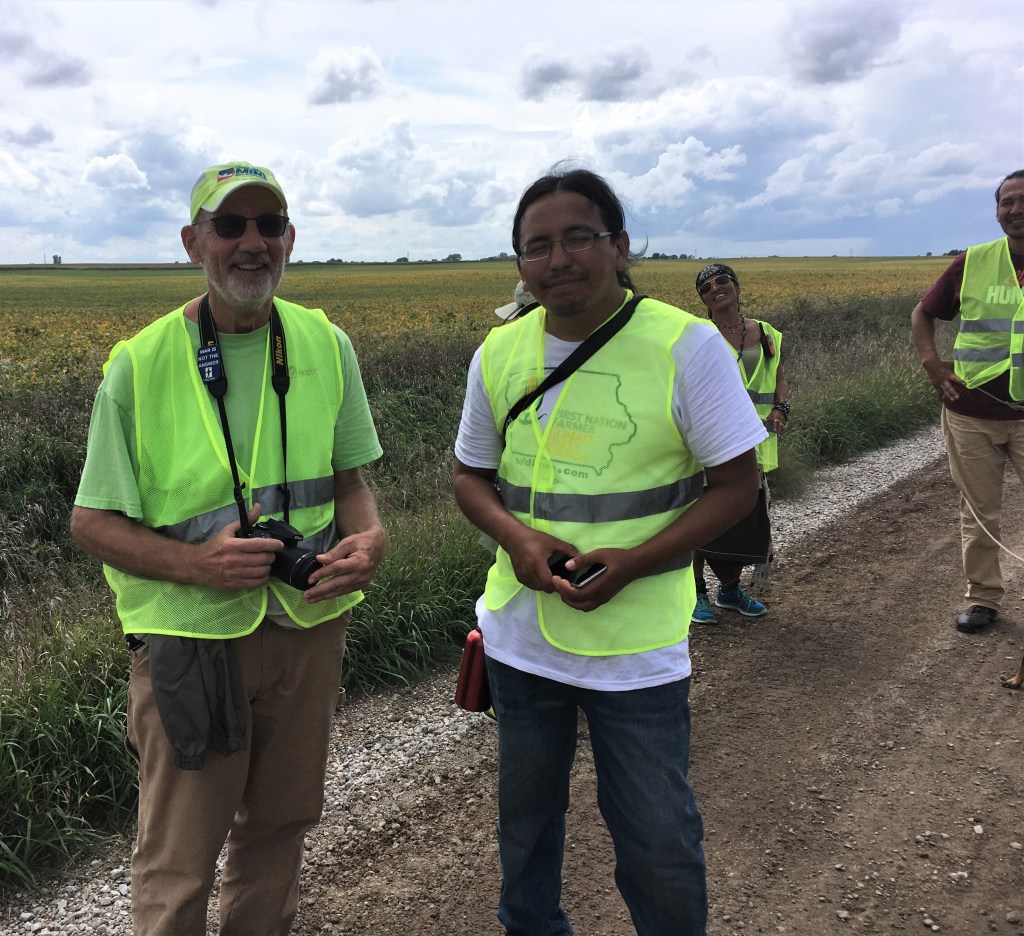
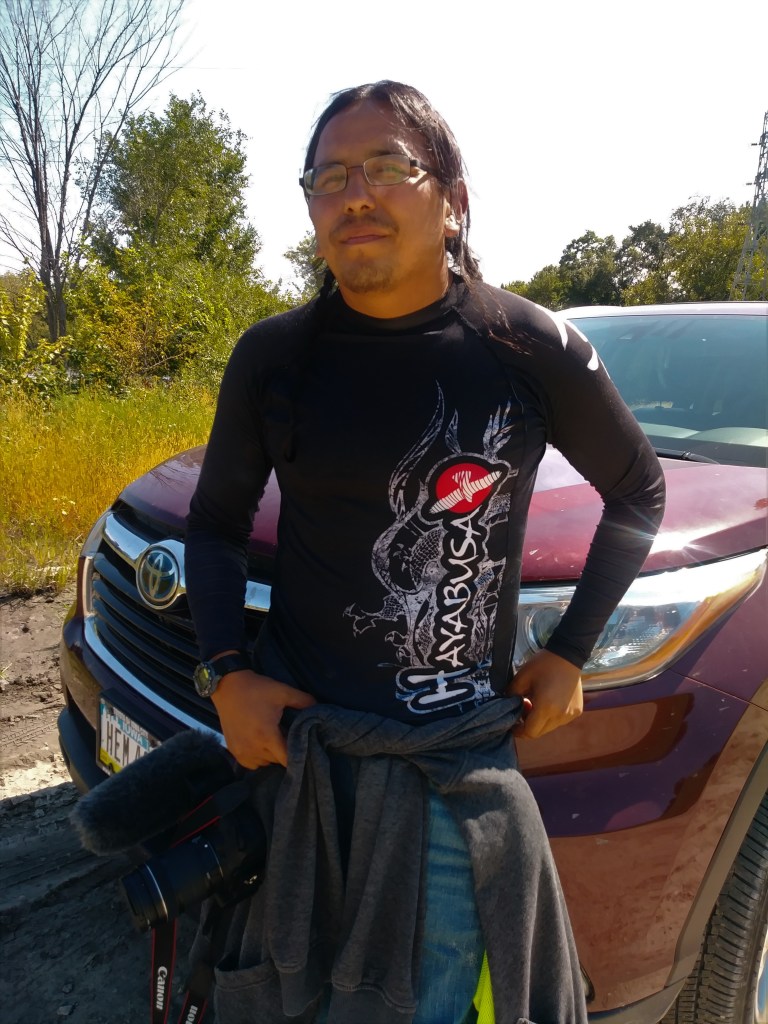
One of the friends I made during the First Nation-Farmer Climate Unity March is Matthew Lone Bear. I began to get to know him the first day of the march. We often found ourselves in the same position as he shot video and I took photographs. That meant we also had more time to spend together, and share our stories. It made me sad to learn about his experiences in searching for missing and murdered indigenous women. In the video below, Matthew speaks about laws in the North Dakota legislature to help with efforts to find missing people.

https://www.kfyrtv.com/content/news/Missing-persons-bill-gets-support-from-family-of-Olivia-Lone-Bear-507378991.html?jwsource=cl

BISMARCK, N.D. – The murder of Savanna Greywind and the disappearance of Olivia Lone Bear exposed weaknesses in missing persons investigations in North Dakota.
The House passed two bills trying to fix some of those issues. Now the Senate is working on those bills.
House Bill 1313 would create a North Dakota specific database for missing persons. The Bureau of Criminal Investigation says every missing person is put into the national system run by the FBI but they can’t search that place for a list of every missing person in North Dakota.
Representative Ruth Buffalo, D-Fargo, says she wishes there was more data on missing persons, particularly with missing and murdered indigenous people. She says the epidemic of missing and murdered indigenous people has left many native communities on high alert.
Matthew Lone Bear, the brother of Olivia Lone Bear, supports the bills and the mission.

Missing person’s bill gets support from family of Olivia Lone Bear KFYRTV Bismark

The epidemic of missing and murdered indigenous women was the issue of greatest concern that I heard about during the Climate Unity March. A number of people have been working on this tragedy for some time.

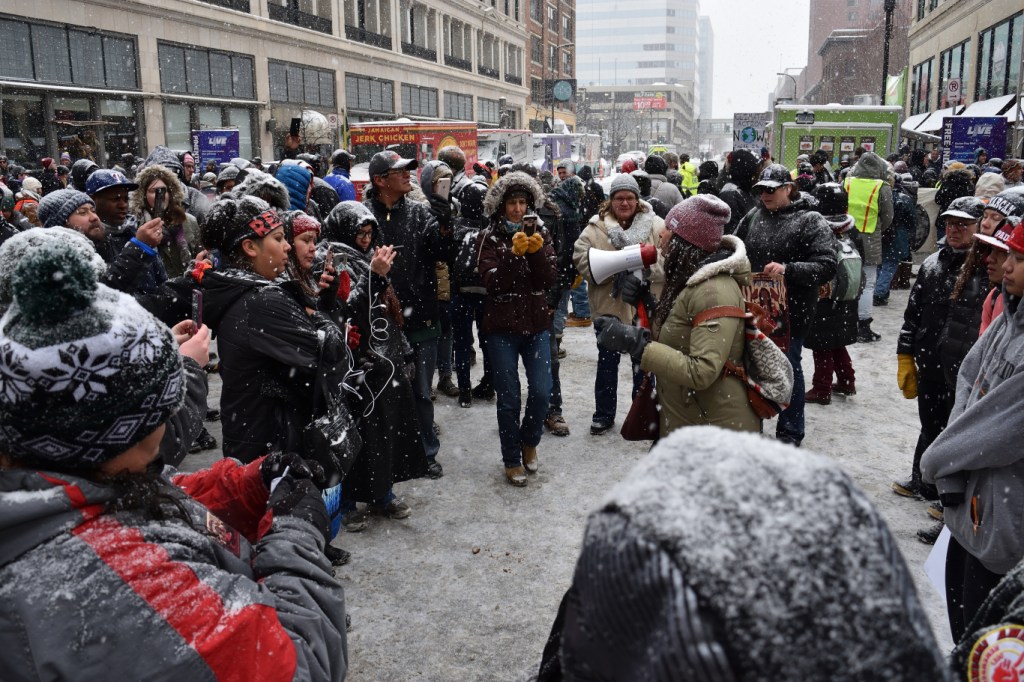
In February, 2018, Christine Nobiss and Donnielle Wanatee both spoke about missing and murdered indigenous women (MMIW) when we were in Minneapolis demonstrating against US Bank’s funding of fossil fuel projects.

During the March, Foxy Onefeather carried this sign about MMIW:

Foxy Onefeather

Last November several of us who were on the March met with Senator Grassley’s staff in Des Moines to ask him to support Savannah’s Act and the Survive Act, which were related to a database for missing indigenous people and broadened tribal police powers. We had a good discussion, but Congress adjourned without the passage of either legislation.


Jeff, Fox, Shazi, Christine, Shari and Sid

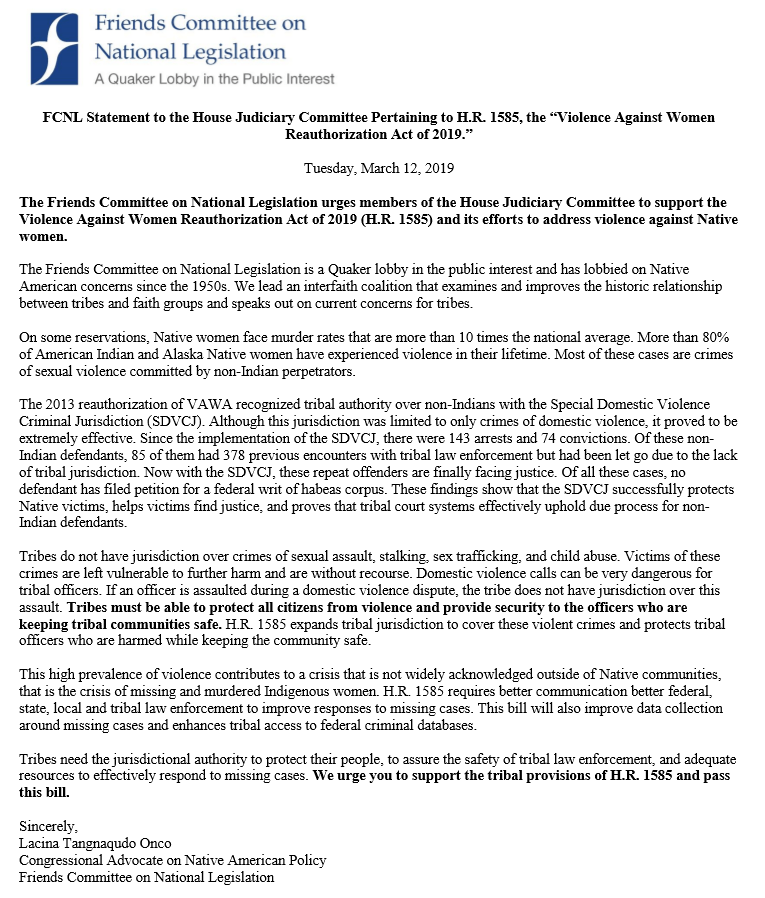
Fortunately, the Friends Committee on National Legislation (FCNL) says the Violence Against Women Act (VAWA) H.R. 1585 passed out of the House Judiciary Committee March 13,2019.

On Wednesday, March 13, the House Judiciary Committee passed H.R. 1585, a bill to reauthorize the Violence Against Women Act (VAWA). It now heads to the House floor for a full vote.
H.R 1585 will greatly extend protections for Native women and girls, by expanding tribal jurisdiction over non-Indians to include crimes of sexual-assault, stalking, sex trafficking, and child abuse. Tribal officers who may be harmed while keeping the community safe are also protected under this legislation.
Additionally, this bill addresses the crisis of missing and murdered Indigenous women by calling for improved responses to missing cases, better communication between tribal, state, local and federal law enforcement, and enhanced data collection on missing cases, as well as tribal access to federal criminal databases.

Violence Against Women Act Passes Out of House Judiciary Committee, Lacina Onco, FCNL, March 13, 2019
Link to letter online: https://www.fcnl.org/documents/956
Posted in #NDAPL, climate change, First Nation-Farmer Climate Unity March, Indigenous, Uncategorized | Tagged | Leave a comment