Working for the Iran Deal 2015

Increasing tensions with Iran now remind me of the work we did in 2015 to get the Iran Nuclear Deal approved. Tensions today are the direct result of the withdrawal of the United States from that deal.

The work began with the only time I have been on a conference call with President Barack Obama. The Friends Committee on National Legislation (FCNL) helped make that call possible.


July 31, 2015

Last night President Obama spoke for half an hour by phone to activists who support him. He described how the Iran deal is a good deal for the United States and all the counties who joined in the negotiations in good faith that they would all agree to the deal. This is the agreement that the international community hammered out and supports. If Congress defeats this bill, that will likely end any influence the United States could have in the Middle East. Opponents of the bill only offer that we need a “better deal”, but have nothing to offer as to what that could possibly be. Those who say we should continue with sanctions don’t understand that is not possible now. Sanctions only work when the international community supports and enforces them. That won’t happen if they see the U.S. cannot agree on a foreign policy, as would be evident if this bill is defeated. There is also the question of who the sanctions hurt, which is the people of Iran, not their leaders. This feeds the movement to join terrorist organizations. An improved standard of living for the Iranian people should help mitigate that. The President specifically asked us to speak out to support this deal. “In the absence of your voices, you are going to see the same array of voices that got us into the Iraq war, leading to a situation in which we forgo a historic opportunity and we are back on the path of potential military conflict,” he said.


August 27, 2015

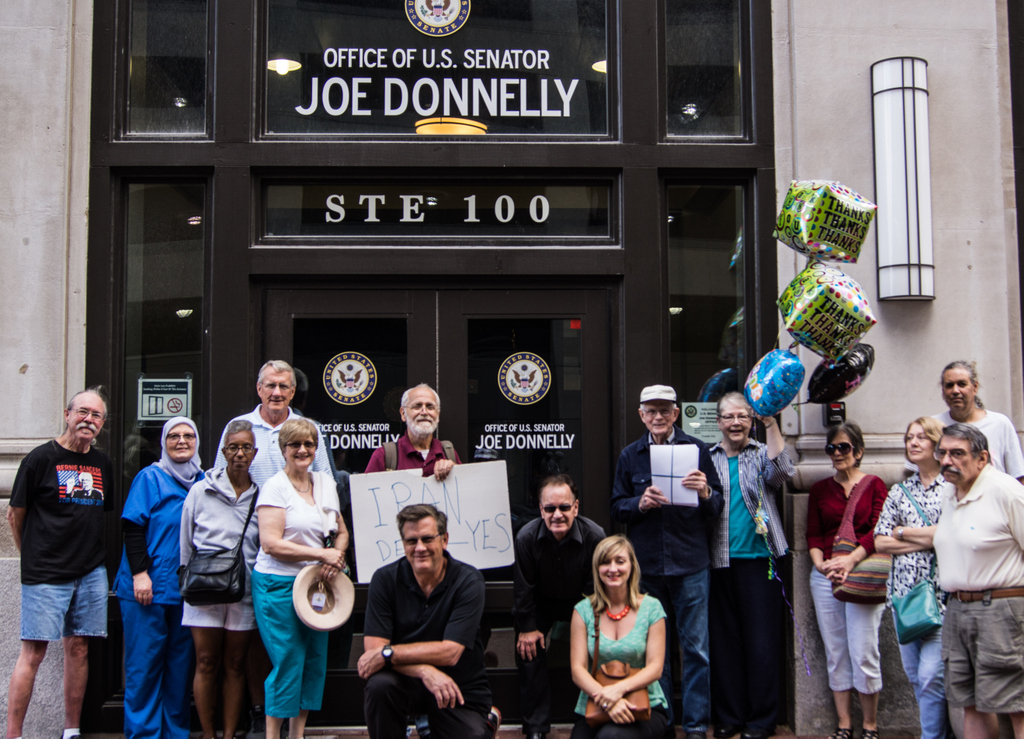
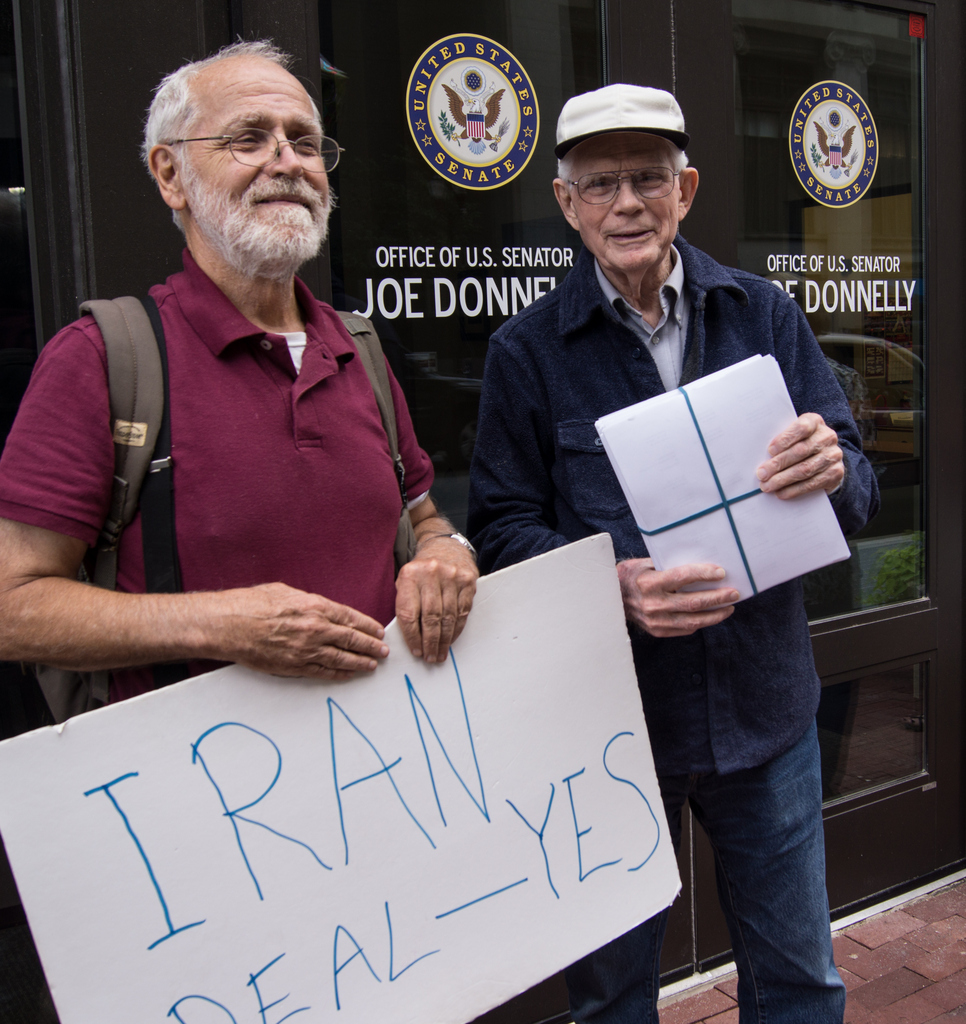
When MoveOn couldn’t find anyone else to do it, I’ve spent the past week, with the help of Erin Polley, AFSC, organizing the delivery of a petition with over 10,000 Indiana signatures supporting the Iran nuclear deal. Members of North Meadow Circle of Friends, Indiana Moral Mondays, and MoveOn met with staff of Senator Joe Donnelly’s Indianapolis office yesterday. Senator Donnelly now supports the deal, so this was a ‘thank you’ event, which the Senator’s staff indicated didn’t happen very often.


October 5, 2015

The New York Times (10/22/2015 Issue) used the title How They Failed to Block the Iran Deal that this quote comes from:

“While Durbin and Nancy Pelosi were tracking the votes in their respective chambers, the president took a larger part and also played rougher in this fight than had been his custom. He accused Republicans of “making common cause” with Iran’s hard-liners. He stated that the alternatives were the deal or war. Even some of his allies thought he’d gone a bit overboard with these statements, potentially alienating some undecided Democrats, and he pulled back from them. Obama responded to the requests by Pelosi and Durbin to make calls to wavering Democrats, more calls than he’d made on any previous legislation. He held special briefings in the White House for members of Congress; he participated in a conference call with the outside groups on his side.

That was the call I wrote about at the time: Obama briefs activists

As a direct result of that call, with the help of MoveOn we organized the delivery of over 10,000 signatures of Hoosiers who support the Iran Nuclear Deal to Senator Joe Donnelly’s office. Iran petition delivery to Senator Donnelly

The following Minute was approved the summer of 2015.

Iowa Yearly Meeting (Conservative) supports the peaceable agreement among world powers, including the United States and Iran, to dramatically curb Iran’s nuclear program in exchange for easing international sanctions against Iran. We hope this will be the beginning of many more peaceful negotiations.


Posted in Quaker, Quaker Meetings, Uncategorized | Tagged , , | Leave a comment

Youth Led Movement

“We have not come here to beg world leaders to care, you have ignored us in the past and you will ignore us again. We have run out of excuses and we are running out of time. We have come here to let you know that change is coming, whether you like it or not.”

Greta Thunberg at COP24

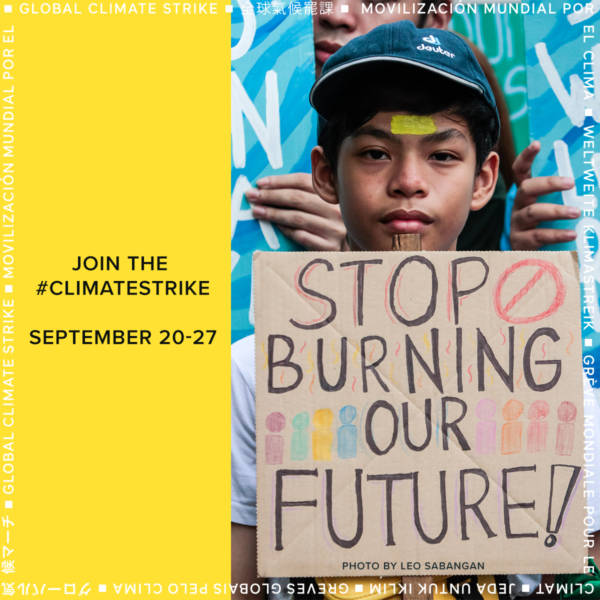
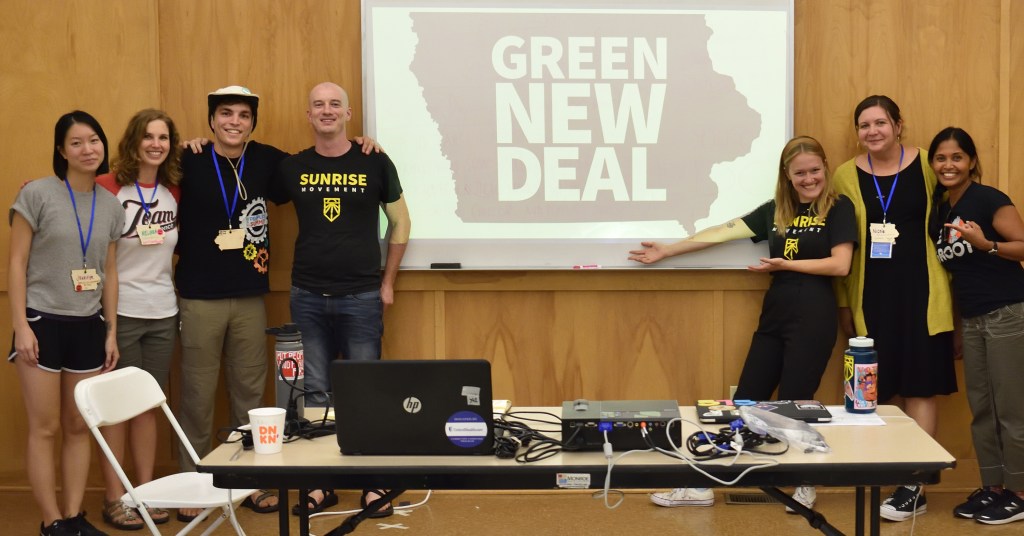
As I wrote yesterday, Global Climate Strikes are planned this Friday, Sept. 20, to walk out of schools, to leave work, all over the world. There is one thing I think it is important for those of us who are no longer youth to keep in mind. This is emphatically a youth led movement. As said in several different ways here, we can support youth’s efforts, but attempts to provide leadership are not welcome. This was an adjustment for me, having helped organize and lead a number of justice efforts over the years. I hope you who are no longer young will keep reminding yourselves of this. The following Young At Heart Guidelines from the Sunrise Movement express this very well. It would be helpful if you read the complete document here: YoungAtHeart Guidelines


Sunrise’s decision to be youth-led and youth-centered is both a strategic and cultural one. In the climate crisis, young people face an unfortunate reality: every one of us will see the devastating effects of climate change in our lifetime. We have inherited a crisis that we did not create— and there is a story to tell about a new generation of Americans who are standing up to protect their future. Throughout history, we have seen that youth voices hold a unique moral clarity, and the climate crisis is no
exception. Choosing to focus on young people is a key part of our strategy to reach millions.

Sunrise is also filling a cultural gap for young people in the movement. Young people today have grown up knowing that the stable climate that human civilization has depended on for millennia could crumble within our lifetimes. Yet, we’ve seen political leaders continue to fail us, often laughing us off or calling us young and naive. That’s been deeply discouraging for many of us. In our society, there aren’t many spaces that trust and uplift the leadership of young people. Young people were searching for a space that would not only allow them to organize but would also give them the community they were searching for. Our youth-centered focus makes sure that we are building a community and an
identity— vital ingredients to keep a movement together.

We need the support of all of you— it just comes in a slightly different form. We love the enthusiasm you’ve shown and appreciate the organizing that you’ve already done to help get us to this point! The #YoungAtHeart document (link below) will provide key principles on how to be an ally with Sunrise, suggestions of how to uplift youth leadership, and roles to be taken on. We’re also in the process of putting together a #YoungAtHeart caucus for Sunrise members that are older than ~35 and have set up a #youngatheart slack channel for our adult/elder allies to connect, coordinate and form a community.

YoungAtHeart Guidelines

Our Mission

We, the youth of America, are striking because decades of inaction has left us with just 11 years to change the trajectory of the worst effects of climate change, according to the Oct 2018 UN IPCC Report. We are striking because our world leaders have yet to acknowledge, prioritize, or properly address our climate crisis. We are striking because marginalized communities across our nation —especially communities of color, disabled communities, and low- income communities— are already disproportionately impacted by climate change. We are striking because if the social order is disrupted by our refusal to attend school, then the system is forced to face the climate crisis and enact change. With our futures at stake, we call for radical legislative action to combat climate change and its countless detrimental effects on the American people. We are striking for the Green New Deal, for a fair and just transition to a 100% renewable economy, and for ending the creation of additional fossil fuel infrastructure. Additionally, we believe the climate crisis should be declared a national emergency because we are running out of time.

https://www.youthclimatestrikeus.org/platform

Climate crisis and a betrayed generation

We, the young, are deeply concerned about our future. Humanity is currently causing the sixth mass extinction of species and the global climate system is at the brink of a catastrophic crisis. Its devastating impacts are already felt by millions of people around the globe. Yet we are far from reaching the goals of the Paris agreement.

Young people make up more than half of the global population. Our generation grew up with the climate crisis and we will have to deal with it for the rest of our lives. Despite that fact, most of us are not included in the local and global decision-making process. We are the voiceless future of humanity.

We will no longer accept this injustice. We demand justice for all past, current and future victims of the climate crisis, and so we are rising up. Thousands of us have taken to the streets in the past weeks all around the world. Now we will make our voices heard. On 15 March, we will protest on every continent.

We finally need to treat the climate crisis as a crisis. It is the biggest threat in human history and we will not accept the world’s decision-makers’ inaction that threatens our entire civilisation. We will not accept a life in fear and devastation. We have the right to live our dreams and hopes. Climate change is already happening. People did die, are dying and will die because of it, but we can and will stop this madness.

We, the young, have started to move. We are going to change the fate of humanity, whether you like it or not. United we will rise until we see climate justice. We demand the world’s decision-makers take responsibility and solve this crisis.

You have failed us in the past. If you continue failing us in the future, we, the young people, will make change happen by ourselves. The youth of this world has started to move and we will not rest again.

https://www.theguardian.com/environment/2019/mar/01/youth-climate-change-strikers-open-letter-to-world-leaders

Letter from Iowa Yearly Meeting (Conservative) Young Friends

We spoke about many of our concerns with the modern world. The two that we kept returning to throughout the discussion was polarization in our society, and our clear concern on the changing climate and how it will affect our lives. We see the polarization in our society furthering a pattern of not listening to one another and encouraging a culture of hatred. We noted that by listening, we can often understand the struggles behind an opinion with which we disagree. We are also very concerned with the changing climate, and the displacement of people and wildlife that comes consequently. We recognize that a lot of the issues we care about are related to the environment, and that there will be an increase in poverty and war worldwide if we don’t actively try and reverse climate change.

from Iowa Yearly Meeting (Conservative) Young Friends’ Giving Voice Epistle

Iowa Climate Strike

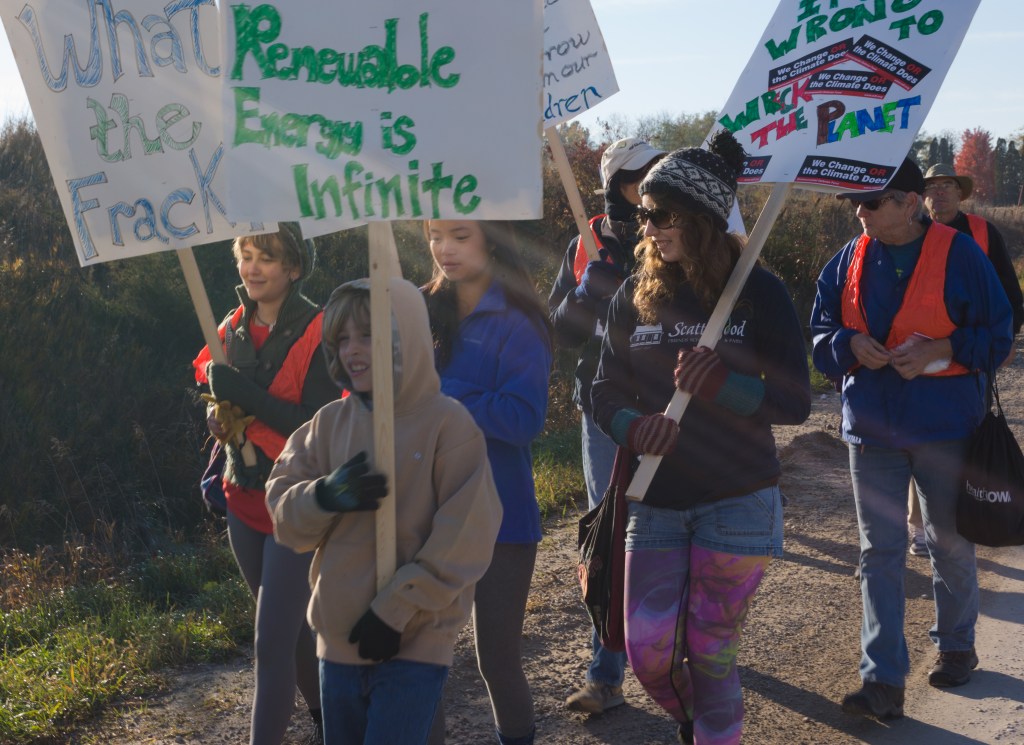
Iowa Climate Strike is part of a global movement, that is organized by youth, for the purpose of bringing attention to climate change and the urgent need to make changes in how we live in order to protect the environment we depend on.

Join people from across the world, and strike for our climate!! September 20th we’ll strike again, so mark your calendars!! We’ll start at the Iowa State Capitol, and have lots of wonderful environmental organizations tabling, we’ll listen to inspirational speeches and climate stories. After that we’ll march to Cindy Axne’s office and demand that she signs on to the Green New Deal. We need your help to make change!!


Posted in climate change, Green New Deal, Quaker, Uncategorized | Tagged | Leave a comment

Iowa and Global Climate Strike

Having written a lot recently about choosing between continuing to fight for climate change or, instead, preparing for the climate chaos that we’ll continue to experience, I’m a little ambivalent about things like this climate strike. Global strikes like these do raise awareness about the threats of climate change and hopefully might result in people and institutions doing more to address climate chaos. They do help build a web of connections with other activists.

I also believe faith groups can be very helpful by offering spiritual support during these increasingly dark times.

“Faith groups have much to offer the movement for climate justice. We can speak out with moral clarity, reach across difference, speak with both love and conviction. But the climate movement has much to offer our faith too. It’s an opportunity to come together, with purpose, helping others to see our vision for a just world.”

Anya Nanning Ramamurthy, Quaker climate activist

Iowa Climate Strike is part of a global movement, that is organized by youth, for the purpose of bringing attention to climate change and the urgent need to make changes in how we live in order to protect the environment we depend on.

Join people from across the world, and strike for our climate!! September 20th we’ll strike again, so mark your calendars!! We’ll start at the Iowa State Capitol, and have lots of wonderful environmental organizations tabling, we’ll listen to inspirational speeches and climate stories. After that we’ll march to Cindy Axne’s office and demand that she signs on to the Green New Deal. We need your help to make change!!

Iowa Climate Strike

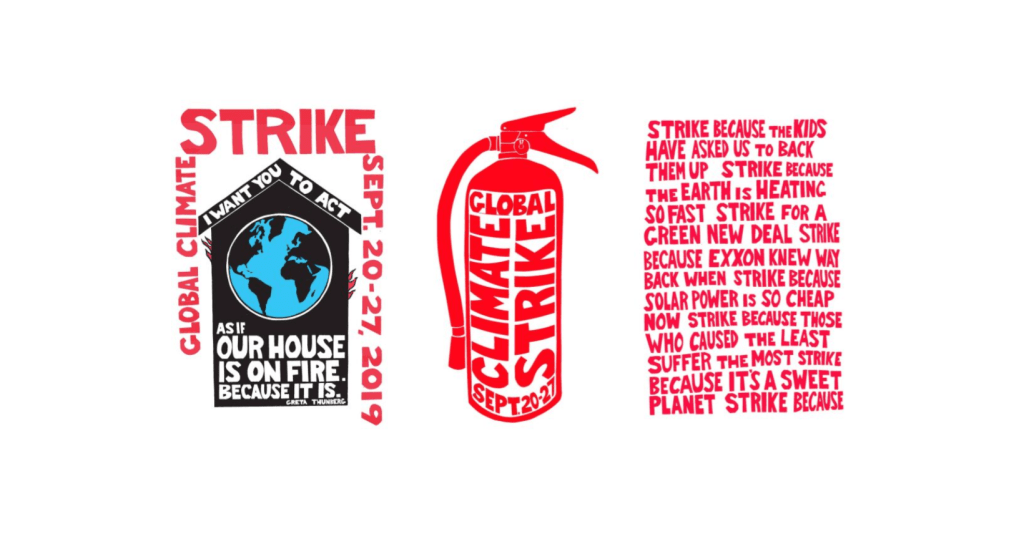
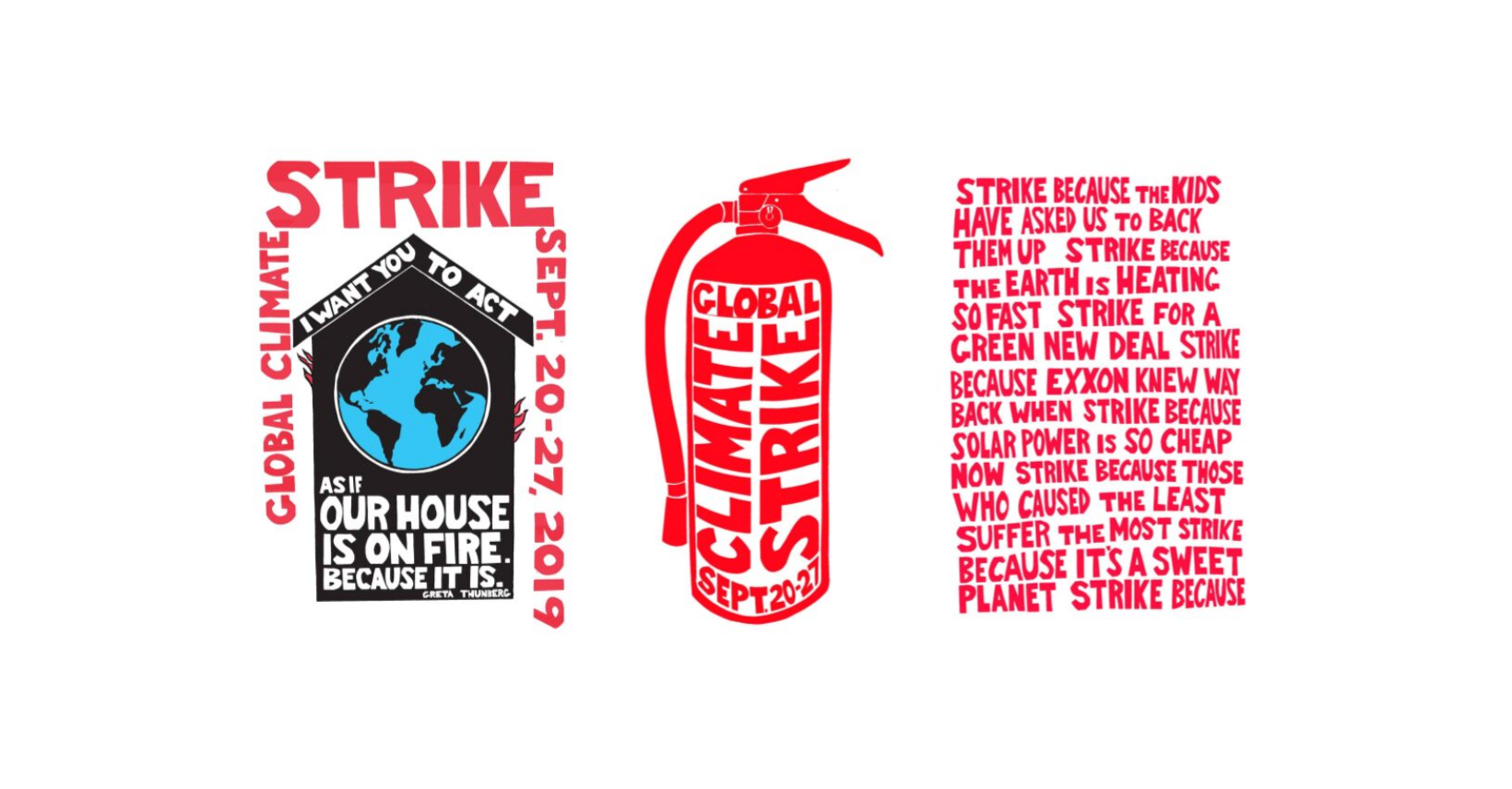
Art by David Solnit, from the Climate Strike Arts Toolkit

In the video below by Rodger Routh, see how we are preparing for this Friday’s Climate Strike at the Iowa State Capitol from 10-2pm.

climatechange #climatestrike #IowaClimateStrike #IowaStateCapitol #USClimateStrike #noplanB #savetheearth #cleanenergy #globalwarming #sealevelsrise

Iowa Climate Strike

Iowa Strikes Back by Roger Routh

Huge thanks to the team of artists who came together to make this amazing #ClimateStrike animation!

Posted in Arts, climate change, Quaker, Uncategorized | Leave a comment

White and Privileged Climate Movement

I’ve taken advantage of every opportunity to build relationships with Indigenous Peoples for several reasons. The primary being white supremacist, capitalistic cultures have raped Mother Earth for centuries and brought us to the brink of our own extinction.

Indigenous peoples have, instead, maintain sacred relationships with the earth and each other. Spirituality is embedded in everything they believe and do.

As explained here, this article grew out of another example of the “whiteness” that the attention to the visit of Greta Thunberg represents, while also thankful for value of her work.

As with the difficulty white people have in understanding how engrained white superiority is in our culture regarding racial injustice, that same culture, built on colonization, too often blinds us to how urgently we need the help of Indigenous Peoples.

We are in this climate crisis together….but not all of us will be affected by this change in the same way. It is well known that Indigenous communities and communities of color everywhere are the most immediate recipients of climate change disaster. Greta Thunberg just arrived on the shores of the USA. Though her work and the work of other white environmental activists is incredibly important, this world still applauds, supports, encourages, and emulates ”whiteness” and the culture created out of the doctrine of discovery.

We have to ask these questions. Why is a White Swedish environmental activist receiving the world’s attention on this issue when Indigenous Peoples have been at the forefront of this for hundreds of years? We all know the answer. Even the climate movement is white and privileged. Even the most radical “environmentalists” don’t understand their bias in this whole colonized mess.

Indigenous Peoples have answers; a solution to the climate crisis but the colonizers are still uncomfortable, still racist, still blind to our struggles. Have any Indigenous youth been offered a solar powered yacht to cross the ocean? How many people know about the “first-ever round-the-world voyage by a traditional Polynesian vessel—a predecessor of the modern catamaran?”

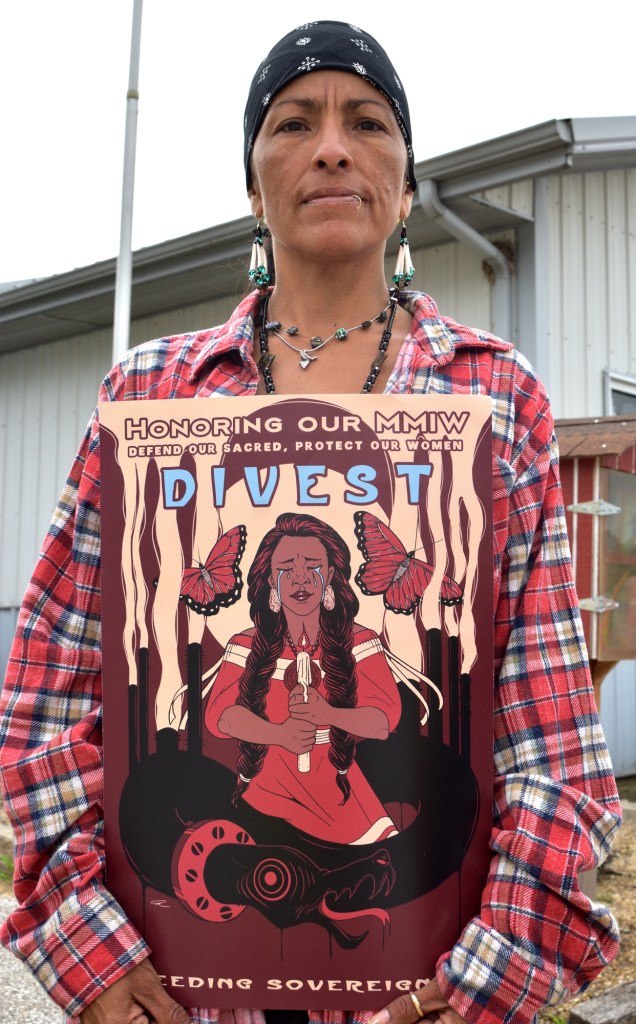
Let’s break the money cycle that stays in white circles, Christine Nobiss, Seeding Sovereignty, Sept 2, 2019

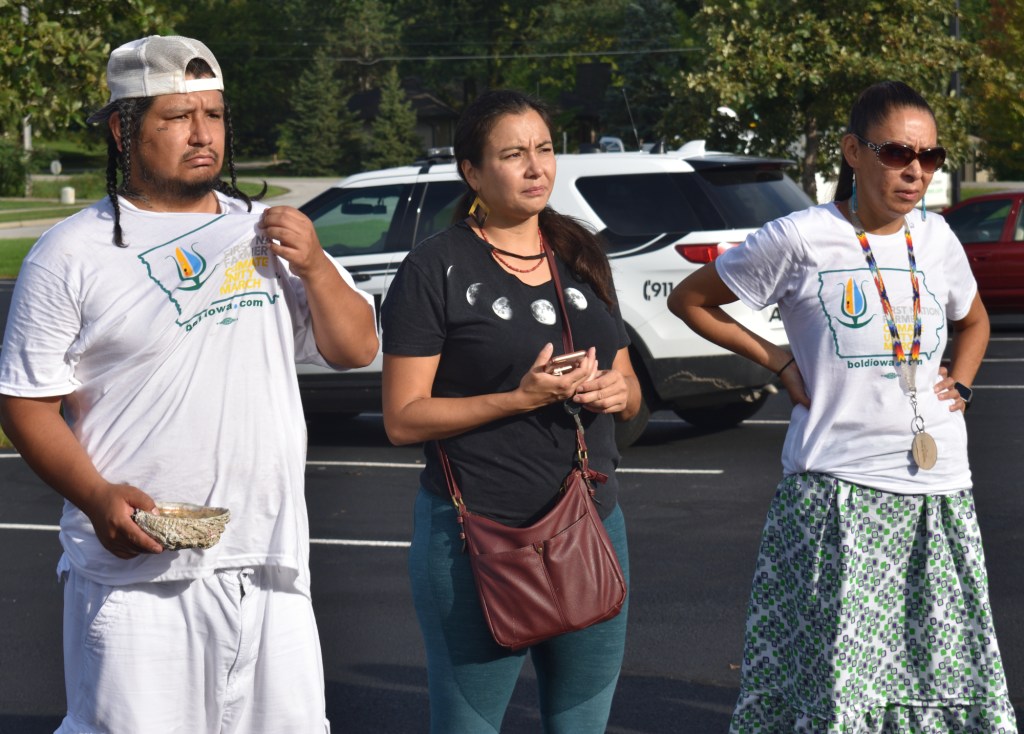
One year ago I took the opportunity to walk from Des Moines to Fort Dodge on the First Nation-Farmer Climate Unity March. I’d been looking for some way to develop deep enough relationships with Native peoples that I could learn from them, especially about their spiritual beliefs and agricultural/environmental ways of living. I continue to be so grateful that did indeed happen. That helps me understand what my friend Christine Nobiss is saying.

Let’s not look to them (white people and organizations) only as role models moving forward into this new era of a green economy. Let’s look at the Indigenous Peoples that have survived genocide and continue to carry on their ways—ways which can save the world. Let’s look to our tribal nations for an Indigenous-led regenerative economy created through traditional ecological knowledge. An effective way we can protect, preserve and restore the climate is by seeing and taking the word of people who fight colonial oppression by tenaciously holding onto traditions that tell a different story about this planet.

Let’s get funds to Indigenous Peoples first. We have answers.

Let’s break the money cycle that stays in white circles, Christine Nobiss, Seeding Sovereignty, Sept 2, 2019

I don’t believe I’ve ever asked my readers to financially support an organization. But if you are interested in funding the work of Indigenous Peoples, one organization I’m familiar with and trust is Seeding Sovereignty which Christine Nobiss is a leader of.

Iheedń, kinana’skomitina’wa’w, mvto, wopila tanka, dawaa’e, qe’ci’yew’yew, thank you from the womxn of Seeding Sovereignty, for choosing to invest Indigenous when supporting our organization. We are a multi-generational, youth-led model based on mentoring relationships and principles of unity, solidarity, justice, equity, and respect. Your contributions will be used by our team in service to our earth and all who live here.

Seeding Sovereignty
Posted in #NDAPL, climate change, Indigenous, Native Americans, race, Uncategorized | Leave a comment

Iowa Young Friends’ Giving Voice Epistle

As I read with great joy and gratitude the following “giving voice” epistle of the Young Friends of Iowa Yearly Meeting (Conservative) this year, I wanted to share it with those beyond our yearly meeting who would not see it otherwise.


Dear Friends of Iowa Yearly Meeting Conservative and beyond,

We began our Young Friends program talking about the theme of this year’s annual sessions, Accompaniment and Giving Voice. In the spirit of this theme, we have decided to “give voice” ourselves, and share more deeply with the greater Yearly Meeting through an epistle expressing our perspective as Young Friends. We spent almost an hour and a half in a worshipful discussion on Fourth Day morning, sharing deeply about our concerns for the world, what gives us hope, and what it means to accompany someone.

Accompaniment is, to us, a type of listening, and being there for those in need of care. We shared who we feel compelled to accompany, including racial and religious minorities, refugees, undocumented immigrants, victims of sexual assault and child abuse, people who choose to get abortions, LGBTQ people, and even people who may share different beliefs than us. We noted that it is still possible to listen and accompany people, while actively disagreeing with what they believe.

We spoke about many of our concerns with the modern world. The two that we kept returning to throughout the discussion was polarization in our society, and our clear concern on the changing climate and how it will affect our lives. We see the polarization in our society furthering a pattern of not listening to one another and encouraging a culture of hatred. We noted that by listening, we can often understand the struggles behind an opinion with which we disagree. We are also very concerned with the changing climate, and the displacement of people and wildlife that comes consequently. We recognize that a lot of the issues we care about are related to the environment, and that there will be an increase in poverty and war worldwide if we don’t actively try and reverse climate change.

We also have a lot of hope for the future. We understand that we are living in an age of technological advancement, and while there are some negatives to this, we also see a lot of hope in what that might bring. We see that technology can be used as a tool to share ideas, connect with people across the globe, and find helpful information. We see that more medical advancements can be made, and that innovations could improve access to food, clean water, and quality of life for many worldwide. We find hope, often with the help of the internet and social media, in seeing people speaking their truth to power all over the world. This includes people speaking out for women’s rights, resisting ICE raids, being stewards to our planet, and our fellow young people leading the movement on gun reform. 

We appreciate the space IYMC gives us, to accompany and give our own voice.

Love and light to all,

IYMC Young Friends 2019

Posted in climate change, Quaker, Quaker Meetings, Uncategorized | Leave a comment

House of Cards

As I’ve been thinking and writing about environmental catastrophe, and seeing that unfolding now, most recently with the total destruction of the Bahamas, I keep seeing a vision of our communities as houses of cards. I think most of us try to avoid thinking of how fragile our communities are.

The water crisis in Flint, Michigan, might force us to think of how water no longer running from our faucets would change our lives. Scenes of the streets of New York City several years ago when the electrical grid failed looked eerily like a scene from a Zombie movie.

Imagine what your life would be like if electrical power was permanently lost. No lights, heating/air conditioning, hot water, refrigeration, television, computers or cell phones. No power to run complex systems in hospitals. Or if distribution systems failed and food was no longer available at the grocery store.

Most of us lack the stories that help imagine a future where we thrive in the midst of unstoppable ecological catastrophe. We have been propelled to this point by the myths of progress, limitless growth, our separateness from nature and god-like dominion over it.

If we are to find a new kind of good life amid the catastrophes these myths have spawned, then we need to radically rethink the stories we tell ourselves. We need to dig deep into old stories and reveal their wisdom, as well as lovingly nurture the emergence of new stories into being. This will not be easy. The myths of this age are deeply rooted in our culture.

My young children need me to be an adult. They are the reason I feel despair so profoundly. Yet they are also the reason I cannot wallow in it, acquiesce to it, or turn away from the horror. This is the reason I have sought to imagine another way, and to find and focus on that which I might do to usher that vision into existence, and to behave as if what I do really matters for their future. They are the reason I have directed my imagination to the multitude of paths only visible once I looked beyond the myths that have clouded much of my thinking. It is up to me show them a way beyond grief to a way of life truly worth living for, even if it isn’t the path I had expected to be showing them.

All that is needed is to cross the threshold with ready hands and a sense, even a vague one, of what might be yours to do.

Pontoon Archipelago or: How I Learned to Stop Worrying and Love Collapse. By James Allen, originally published by Medium
June 18, 2019

It is time to face how fragile our communities are, and what to do about it.


What are you willing to do for your children? Your grandchildren? How far will you go?
What is your truth when it comes to the edge?
Well it’s time to go to your edge, or else your children’s future is over!
Let this be the wake up to take action. In your life. In your community.
Now is all we have and our opportunity to make a difference is slipping by rapidly.
Quit thinking about the change you want to see and just be it! Today! NOW! Later is no longer an option….

Joshua Taflinger

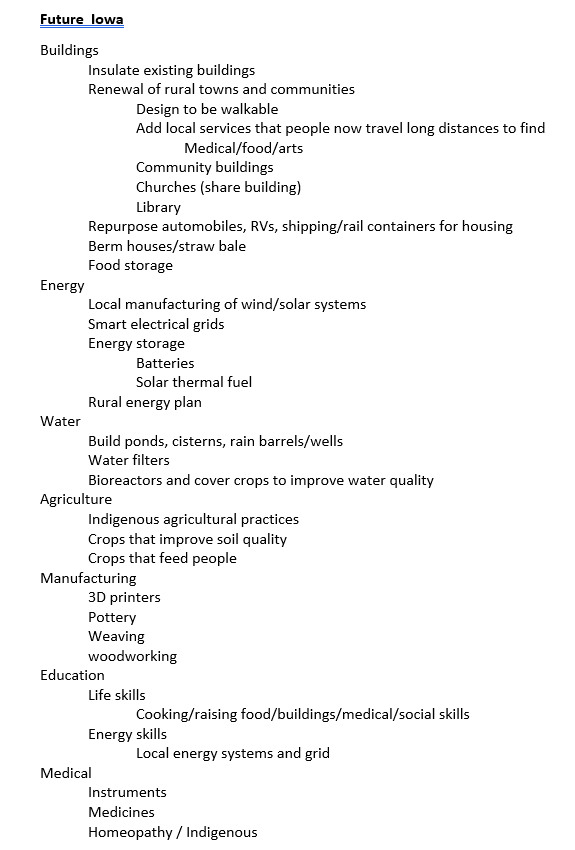
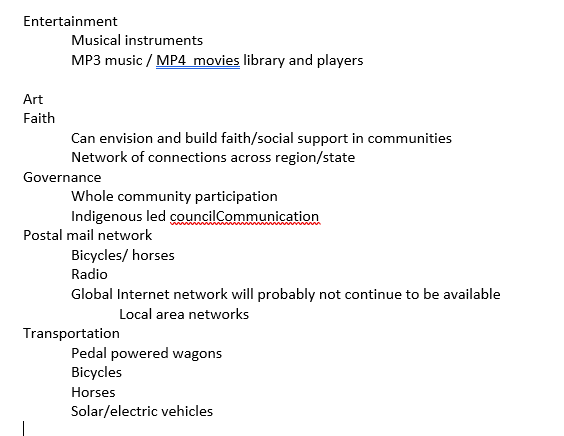
Following is the latest version of an outline I’ve been working on related to communities of the future. Or rather, communities we need to be building now.

Posted in bicycles, climate change, Ethical Transportation, Indigenous, Uncategorized | Leave a comment

Is Jonathan Franzen wrong?

There has been a lot of criticism of Jonathan Franzen’s recent article in the New Yorker, “What if We Stopped Pretending the Climate Apocalypse Can Be Stopped? The climate apocalypse is coming. To prepare for it, we need to admit that we can’t prevent it”. Some of that criticism relates to choosing, specifically, a 2 degree Centigrade rise in atmospheric temperature as a limit we should not cross if runaway heating of the planet is to be avoided. No one seems to argue, though, that there is a threshold of warming beyond which runaway heating will occur.

Another interesting criticism relates to Franzen being an old white male, who is privileged to have his work published when people of color and/or women’s writings are not selected.

Then there is the criticism that he is not a scientist.

Not everyone thought Frazen’s arguments were completely off base. In an article published Monday by Mother Jones, Kevin Drum points out that while the use of renewable energy sources is on the rise — up from 19 to 22 percent of the world’s energy capacity since 1990 — so is our dependence on fossil fuels.

“All told, our reliance on fossil fuels has increased from 62 percent to 65 percent,” Drum wrote. “We haven’t even managed to stabilize carbon emissions, let alone reduce them.”

But, Drum continues:
Franzen’s prescription is wrong: we shouldn’t give up hope. Success is still possible, even if it’s hardly certain. However, his assessment of human nature is something to be taken seriously and it should illuminate the way we approach climate change. Working with human nature is far more likely to produce results than fighting it, and that means finding new ways to make green energy cheap and plentiful instead of fruitlessly pleading with people to use less of it.

Jonathan Franzen Says It’s Too Late For Us on Climate Change. Scientists Immediately Push Back, Peter Arcuni, KQED Science, Sep 10, 2019

I used to think that top environmental problems were biodiversity loss, ecosystem collapse and climate change. I thought that thirty years of good science could address these problems. I was wrong. The top environmental problems are selfishness, greed and apathy, and to deal with these we need a cultural and spiritual transformation. And we scientists don’t know how to do that.

~ Gus Speth

It should be noted that Gus Speth is considered by many to have fairly extreme views on climate change. What he says above, though, might be the reason Franzen’s article is labeled Cultural Comment.

There are a lot of reasons I think we are past the point of no return. Global use of fossil fuels has continued to increase, not decrease dramatically, which would have to happen to prevent runaway global heating of the air and oceans. Ice at the North and South poles is rapidly melting and not significantly regenerating. Little ice is left on mountains. Air temperature records are routinely broken around the world. Permafrost is melting (no longer permanent), releasing carbon dioxide, methane, and fueling significant fires. Coral reefs and fish are dying because of the increased temperature and acidity of the oceans. Sea levels are rising. We routinely see increasingly powerful thunderstorms, tornados and hurricanes. I still can’t believe the utter devastation of the Bahamas from Hurricane Dorian.

My dim view of human nature changing comes from 40 years of trying to get people to give up personal automobiles, with no success at all. But I’m still a person of faith and can’t say a spiritual revolution won’t happen.
I continue to believe we should do all we can to decrease our carbon footprint and other environmental damages.

But I do believe it is too late to prevent environmental catastrophe. So I agree with Franzen. “All-out war on climate change made sense only as long as it was winnable. Once you accept that we’ve lost it, other kinds of action take on greater meaning. Preparing for fires and floods and refugees is a directly pertinent example. But the impending catastrophe heightens the urgency of almost any world-improving action.” Today we see, for example, the cruel policies toward climate refugees from the Bahamas and Central America. Changing that is important.


Posted in climate change, climate refugees, Uncategorized | 3 Comments

Taking the Second Path

I’ve been studying an article that is labeled a Cultural Comment, written by Jonathan Franzen that was just published in The New Yorker. The title and subtext is “What if We Stopped Pretending the Climate Apocalypse Can Be Stopped? The climate apocalypse is coming. To prepare for it, we need to admit that we can’t prevent it”.

“To prepare for it, we need to admit that we can’t prevent it” is the point of the article. We are at a crossroads now.

If you care about the planet, and about the people and animals who live on it, there are two ways to think about this. You can keep on hoping that catastrophe is preventable, and feel ever more frustrated or enraged by the world’s inaction. Or you can accept that disaster is coming, and begin to rethink what it means to have hope.

What if We Stopped Pretending the Climate Apocalypse Can Be Stopped? by Jonathan Franzen

We have to choose between two paths. One is to keep hoping we can prevent catastrophe from happening. The second path is to explore what can be done if we start with the assumption that catastrophe is unavoidable. That frees us to work on how we can respond to the chaos we are beginning to see, and that will become worse and more widespread.

As I wrote after hurricane Harvey in 2017, “if we don’t talk about the climate context of Harvey, we won’t be able to prevent future disasters and get to work on that better future. Those of us who know this need to say it loudly. As long as our leaders, in words, and the rest of us, in actions, are OK with incremental solutions to a civilization-defining, global-scale problem, we will continue to stumble toward future catastrophes.” https://kislingjeff.wordpress.com/2017/08/31/harvey-and-the-near-future/


Our resources aren’t infinite. Even if we invest much of them in a longest-shot gamble, reducing carbon emissions in the hope that it will save us, it’s unwise to invest all of them. Every billion dollars spent on high-speed trains, which may or may not be suitable for North America, is a billion not banked for disaster preparedness, reparations to inundated countries, or future humanitarian relief.

All-out war on climate change made sense only as long as it was winnable. Once you accept that we’ve lost it, other kinds of action take on greater meaning. Preparing for fires and floods and refugees is a directly pertinent example. But the impending catastrophe heightens the urgency of almost any world-improving action. In times of increasing chaos, people seek protection in tribalism and armed force, rather than in the rule of law, and our best defense against this kind of dystopia is to maintain functioning democracies, functioning legal systems, functioning communities. In this respect, any movement toward a more just and civil society can now be considered a meaningful climate action. Securing fair elections is a climate action. Combatting extreme wealth inequality is a climate action. Shutting down the hate machines on social media is a climate action. Instituting humane immigration policy, advocating for racial and gender equality, promoting respect for laws and their enforcement, supporting a free and independent press, ridding the country of assault weapons—these are all meaningful climate actions. To survive rising temperatures, every system, whether of the natural world or of the human world, will need to be as strong and healthy as we can make it.

What if We Stopped Pretending the Climate Apocalypse Can Be Stopped? by Jonathan Franzen

In thinking about the future, the most common, fundamental error one can make is to start from the assumption that our daily lives will continue basically as they are today, and nothing could be further from the truth. Once one begins to understand that, the other fundamental error is to believe there is time to prepare for the coming changes. Instead, once you begin to understand the changes that are coming, you realize much of that is already happening, but most people haven’t yet put what appear to be independent events into the correct context of the whole picture.

One of the reasons Friends MUST engage with communities currently experiencing racial, economic and environmental injustice is because these communities have been struggling with the deteriorating conditions that are quickly spreading to all communities, TO ALL OF US. It is not (only) because we have always been called to help those who experience injustice, but because these communities understand the changes that are already, quickly, coming to us, and they are already creating solutions. We need the knowledge that they have to teach us.

Preparing for the Future, Jeff Kisling, 7/5/2016

“The direction and harmony of these global changes depend on upon the values that are inspiring the change. When these values are life- preserving and life-enhancing, we will move forward to a new, just global civilization. If these values continue to be about short-term, materialistic gains solely, we will continue to experience a deepening cycle of death and destruction.

It is becoming clearer and clearer, with every passing day, that walking a prayerful, peaceful spiritual path is the only way forward to a just, sustainable, and harmonious world.”

Prophecies, Unprecedented Change and the Emergence of a New Global Civilization, 2017-2020, Walking the Red Road, 12/20/2016

Posted in climate change, climate refugees, peace, Quaker, Uncategorized | Leave a comment

I wonder what might happen if, instead of denying reality, we told ourselves the truth

The utter destruction of the Bahamas by Hurricane Dorian may finally convince many of the most intractable climate skeptics.

Many people are still in denial (written in 2017) about the severity of the problem of global warming, the accumulation of dangers and their progression.

Once they do get the message, though, there’s a risk of over-reaction edging into panic. This may result in people buying up all the food they can get hold of, trying to get their hands on weapons, etc. Unscrupulous companies may exploit the situation by deliberately creating scarcity of medicines, etc..

This is another reason to be open about these concerns and to come up with planning that makes sense.

Ten Dangers of Global Warming, Sam Carana, Artic News, March 7, 2017 [This article is a good explanation of the dangers of global warming]

Yesterday I liberally quoted the first part of the article, “What if We Stopped Pretending the Climate Apocalypse Can Be Stopped? The climate apocalypse is coming. To prepare for it, we need to admit that we can’t prevent it” Cultural Comment by Jonathan Franzen, The New Yorker, Sept. 8, 2019. More from that article follows.

And so I wonder what might happen if, instead of denying reality, we told ourselves the truth.

First of all, even if we can no longer hope to be saved from two degrees of warming, there’s still a strong practical and ethical case for reducing carbon emissions. In the long run, it probably makes no difference how badly we overshoot two degrees; once the point of no return is passed, the world will become self-transforming. In the shorter term, however, half measures are better than no measures. Halfway cutting our emissions would make the immediate effects of warming somewhat less severe, and it would somewhat postpone the point of no return. The most terrifying thing about climate change is the speed at which it’s advancing, the almost monthly shattering of temperature records. If collective action resulted in just one fewer devastating hurricane, just a few extra years of relative stability, it would be a goal worth pursuing.

In fact, it would be worth pursuing even if it had no effect at all. To fail to conserve a finite resource when conservation measures are available, to needlessly add carbon to the atmosphere when we know very well what carbon is doing to it, is simply wrong. Although the actions of one individual have zero effect on the climate, this doesn’t mean that they’re meaningless. Each of us has an ethical choice to make.

More than that, a false hope of salvation can be actively harmful. If you persist in believing that catastrophe can be averted, you commit yourself to tackling a problem so immense that it needs to be everyone’s overriding priority forever. One result, weirdly, is a kind of complacency: by voting for green candidates, riding a bicycle to work, avoiding air travel, you might feel that you’ve done everything you can for the only thing worth doing. Whereas, if you accept the reality that the planet will soon overheat to the point of threatening civilization, there’s a whole lot more you should be doing.

What if We Stopped Pretending the Climate Apocalypse Can Be Stopped? by Jonathan Franzen

If you accept the reality that the planet will soon overheat to the point of threatening civilization, there’s a whole lot more you should be doing.” My plan is for that to be the topic for the next post.

Posted in climate change, Uncategorized | 2 Comments

What if we stopped pretending?

A growing number of us believe we have done so much damage to Mother Earth that recovery of life as we know it is no longer possible.

It is becoming increasingly difficult to deny the evolving environmental chaos.

Except when the impacts hit us, personally — or threaten to. By that perverse logic, the news is cooperating — as is the climate, unleashing unprecedented punishments, seemingly each week. Which may be why one recent survey, conducted in the immediate aftermath of the IPCC’s doomsday report, showed that 72 percent of Americans believe climate change should be a higher political priority. Sometimes, as unhappy as it is to look in the face of disaster, those disasters are overwhelming enough that they simply cannot be ignored anymore. Unfortunately, for all the talk on the environmental-left about denial, simple belief in climate change is not enough to move the needle. Already, Yale says, 70 percent of Americans believe “environmental protection is more important than economic growth.” Nudging that number up to 75 percent isn’t the important thing; what’s important is getting those 70 percent to feel their conviction fiercely, to elevate action on climate change to a first-order political priority by speaking loudly about it and to disempower, however we can, those forces conspiring to silence us. Even the ones in our own heads.

You, Too, Are in Denial of Climate Change
Most Americans believe, abstractly, in climate change. That’s not enough. New York Magazine. Dec 14, 2018

The total destruction by hurricane Dorian in the Bahamas is hard to believe and the reasons for it hard to deny.

Believing we are in spiral of increasing chaos, do we just give up and enjoy life now as best we can? No, I believe we continue to have a moral responsibility to do what we can to stop the abuse of Mother Earth, to at least slow down the rate of the worsening consequences. To live faith guided lives and help those in need. With millions of climate refugees now and millions more in the future, this will become increasingly important.

If you care about the planet, and about the people and animals who live on it, there are two ways to think about this. You can keep on hoping that catastrophe is preventable, and feel ever more frustrated or enraged by the world’s inaction. Or you can accept that disaster is coming, and begin to rethink what it means to have hope.

What if We Stopped Pretending the Climate Apocalypse Can Be Stopped? by Jonathan Franzen

New research, described last month in Scientific American, demonstrates that climate scientists, far from exaggerating the threat of climate change, have underestimated its pace and severity.

As a non-scientist, I do my own kind of modelling. I run various future scenarios through my brain, apply the constraints of human psychology and political reality, take note of the relentless rise in global energy consumption (thus far, the carbon savings provided by renewable energy have been more than offset by consumer demand), and count the scenarios in which collective action averts catastrophe. The scenarios, which I draw from the prescriptions of policy-makers and activists, share certain necessary conditions.

The first condition is that every one of the world’s major polluting countries institute draconian conservation measures, shut down much of its energy and transportation infrastructure, and completely retool its economy.

The actions taken by these countries must also be the right ones. Vast sums of government money must be spent without wasting it and without lining the wrong pockets.

Finally, overwhelming numbers of human beings, including millions of government-hating Americans, need to accept high taxes and severe curtailment of their familiar life styles without revolting. They must accept the reality of climate change and have faith in the extreme measures taken to combat it. They can’t dismiss news they dislike as fake. They have to set aside nationalism and class and racial resentments. They have to make sacrifices for distant threatened nations and distant future generations. They have to be permanently terrified by hotter summers and more frequent natural disasters, rather than just getting used to them. Every day, instead of thinking about breakfast, they have to think about death.

Call me a pessimist or call me a humanist, but I don’t see human nature fundamentally changing anytime soon. I can run ten thousand scenarios through my model, and in not one of them do I see the two-degree target being met.

What if We Stopped Pretending the Climate Apocalypse Can Be Stopped? by Jonathan Franzen

I apologize for the extended quotations. I’m glad to find a clear articulation of things I have been thinking about. I intend to discuss the rest of the article in the next post.


Posted in climate change, climate refugees, Uncategorized | Leave a comment