Earth Day 2020

I’ve always felt uncomfortable with the idea of an Earth Day. As others have pointed out for other holidays, what usually happens is one day of attention, and then people return to their daily lives and the holiday fades away.

I’m thinking about how my relation with Mother Earth and attempts to protect her have changed over the coarse of my life. That sentence signifies one of the changes, using the term Mother Earth.

Being born into and raised in Quaker communities, I was blessed with opportunities to see examples of how people can base their lives on faith. I saw Quaker families refuse to participate with military conscription, knowing the consequences were usually prison sentences. Their example made it possible for me to become a draft resister. I’m fairly certain I would not have done so had it not been for their example.

The decision to refuse to participate in the military was about much more than that specific decision. It was the first time I was forced to make a choice that tested my faith. That had significant consequences. The choice was very clear. I could take the easy way out. I didn’t even have to participate directly in the military. I had the option of becoming a conscientious objector. But it was also clear that doing so would compromise my faith. That would set the precedent for compromise. The other choice would be to seek spiritual guidance, and follow it, regardless of the consequences. That didn’t mean I might not compromise in the future, but I hoped I would not.

The next significant choice was about my carbon footprint. In the early 1960s about the only attention related to our environment was Rachel Carson’s Silent Spring, about the dangers of pesticides. Greenhouse gases, CO2 concentrations, global warming, etc, were not topics of discussion. But as a farm boy moving to the big city (Indianapolis) I was horrified by the dense clouds of smog (this before catalytic converters). I did own a couple of cars but was increasingly uncomfortable using them. When one was involved in an accident, I decided to see if I could live without a car. Between running and city buses, I was able to do so. And haven’t had a car since then (mid 1970s). That decision had so many unexpected consequences for the rest of my life.

The next forty years included totally unsuccessful attempts to convince others to give up their cars. This was frustrating for so many reasons. I had been taught in my Quaker upbringing that our lives should be examples, and people might change based upon what they saw us doing. Not this time. I had so many conversations that went like, “I know I should get rid of my car. But…”

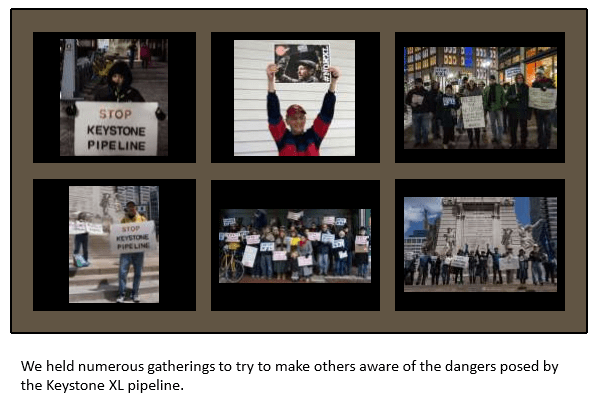
The fossil fuel industry was so huge, profitable and sprawled all over the globe. We didn’t know how to fight against it. Then, when I learned about the Keystone Pledge of Resistance in 2013, I was all in. The proposed Keystone XL pipeline would cross the US-Canadian border to carry tar sands oil from Alberta to the US Gulf coast, where it would be refined and shipped overseas. Crossing the US border required Presidential approval. The environmental movement recognized this as a way, finally, to have an impact on the fossil fuel industry. We focused on the Obama administration’s need to approve the pipeline. Over 90,000 people signed the Keystone Pledge of Resistance which said they would participate in acts of nonviolent civil disobedience if the plan was approved. During the summer of 2013 activists from the Rainforest Action Network (RAN) traveled to 25 cities in the US, and held training sessions for local leaders to design and execute nonviolent direct actions. 400 Action Leads provided local planning, and training of some 4,000 people in their local communities. Over the next couple of years these training sessions were held, and people demonstrated in public to call attention to the pipeline. Secretary of State John Kerry recommended the permit to be denied, and that’s what President Obama did. When the current president took office, one of his first acts was to approve the pipeline. Since then numerous court battles have nearly all be won by environmental groups, and the pipeline has yet to be finished, and might never.

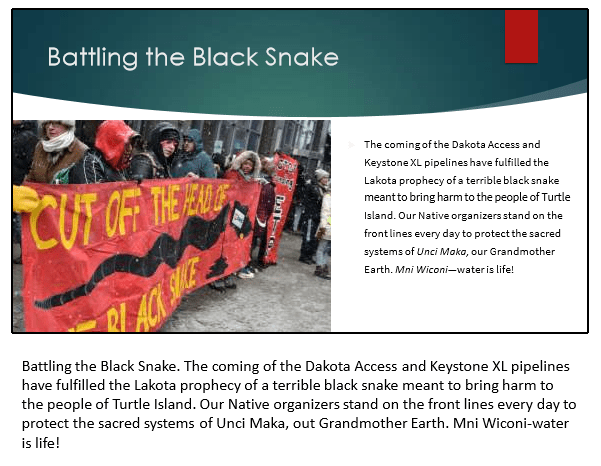
The next battle began in 2016 over the Dakota Access Pipeline (DAPL). The pipeline was to take oil from the Baaken oil fields in North Dakota, and across parts of South Dakota, Iowa and Illinois to be shipped to the Gulf for refinement. The original path of the pipeline was to cross the Missouri river just north of Bismarck, North Dakota. When the people of that city learned about that, they forced to Missouri river crossing to be further downriver, to just a mile upriver of the Standing Rock Reservation. Many Native Nations from around the world, and nearly 15,000 people came to protect the water.

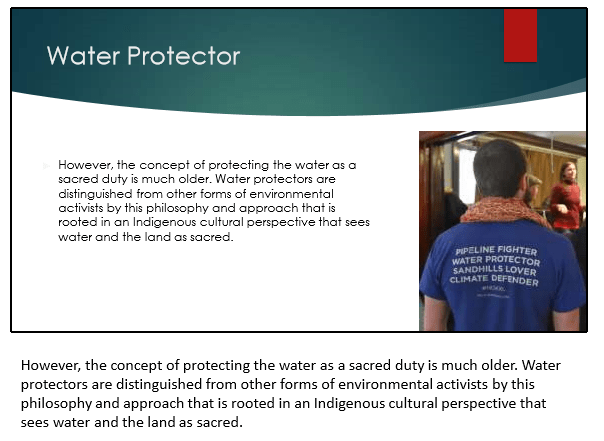
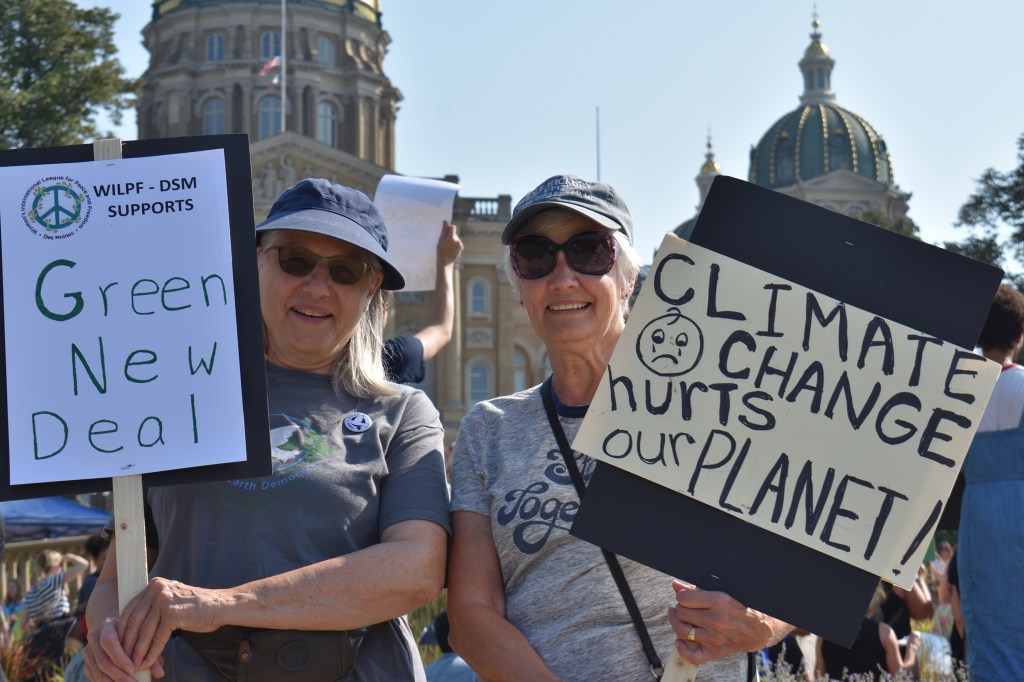
Water Protector represents a significant change for the environment movement. Indigenous peoples recognize relationships with everyone and everything on Mother Earth. All my relations. Water protectors are not protestors. We are protecting water, which is a living relative. Mni Wiconi, water is life. As I mentioned at the beginning of this, what I have learned from Indigenous peoples has significantly changed how I look at the world.

“In Native American culture, by contrast, they study the interconnections of the entire ecosystem.  ‘Seeing in a sacred manner’ means perceiving interspecies links. The word for ‘prayer’ in Lakota is wacekiye, which means ‘to  claim relationship with’ or ‘to seek connection to.’ To the Lakota people, the cosmos is one family. To live well within the cosmos, one must assume responsibility for everything with which one shares the universe. There are familial obligations toward water, plants, minerals. Any harm done to the slightest of these relatives has devastating consequences for the whole ecosystem. The merest hint suffices as a warning of eco-cataclysm.

We are blinded to these subtle signs by having been taught that matter is dead and inert. Considering it inanimate makes it available for exploitation as a resource. Lame Deer insists that ‘the earth, the rocks, the minerals, all of which you call ‘dead’ are very much alive.’ He implores us to ‘talk to the rivers, to the lakes, to the winds as to our relatives.’” 

Lame Deer, Seeker of Visions by John (Fire) Lame Deer and Richard Erdoes.

I began to get an understanding of these ideas. For example, I attended the first National Network Assembly, where Lance Foster asked us to do one thing during our time at the assembly. He asked us to make friends with a tree, which I did. My Tree Friend https://kislingjeff.wordpress.com/2019/08/26/my-tree-friend/

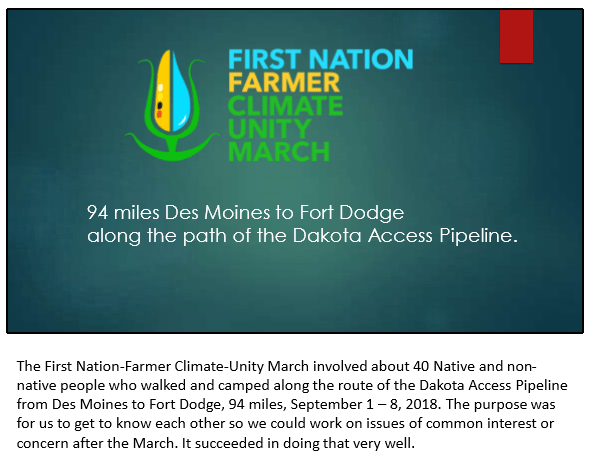
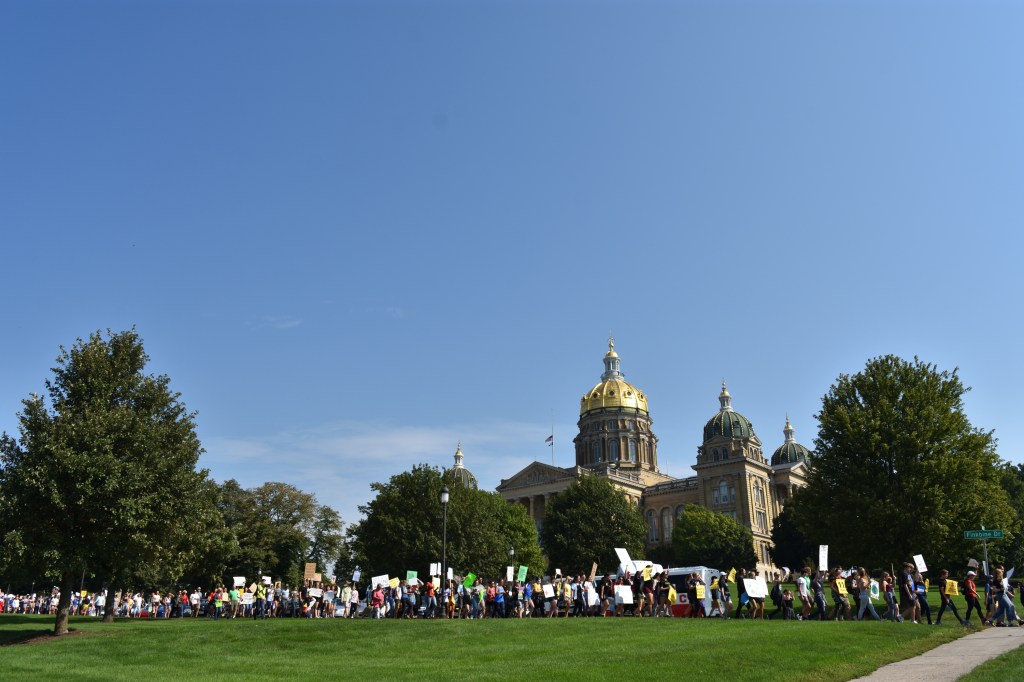
The first week of September, 2018, I was blessed to join a small group of Native and non-native people as we walked and camped together for 8 days on the First Nation-Farmer Climate Unity March. We walked along the path of the Dakota Access pipeline, 94 miles from Des Moines to Fort Dodge, Iowa. The purpose of this March was to call attention to the abuse of eminent domain to force landowners to allow the pipeline to be built on their land. But the other intention was the opportunity for the people on the March to share their stories and begin to build trust that will allow us to work together on issues of common concern going forward. Many blog posts, videos and photos of the March are here: https://firstnationfarmer.com/

I am so grateful to have friends now that can help me learn more about Indigenous peoples. I recently wrote about how essential it is for use to look beyond our own culture. https://kislingjeff.wordpress.com/2020/04/20/look-beyond-your-culture/ The experiences and friendships of the March have given me opportunities to do that.

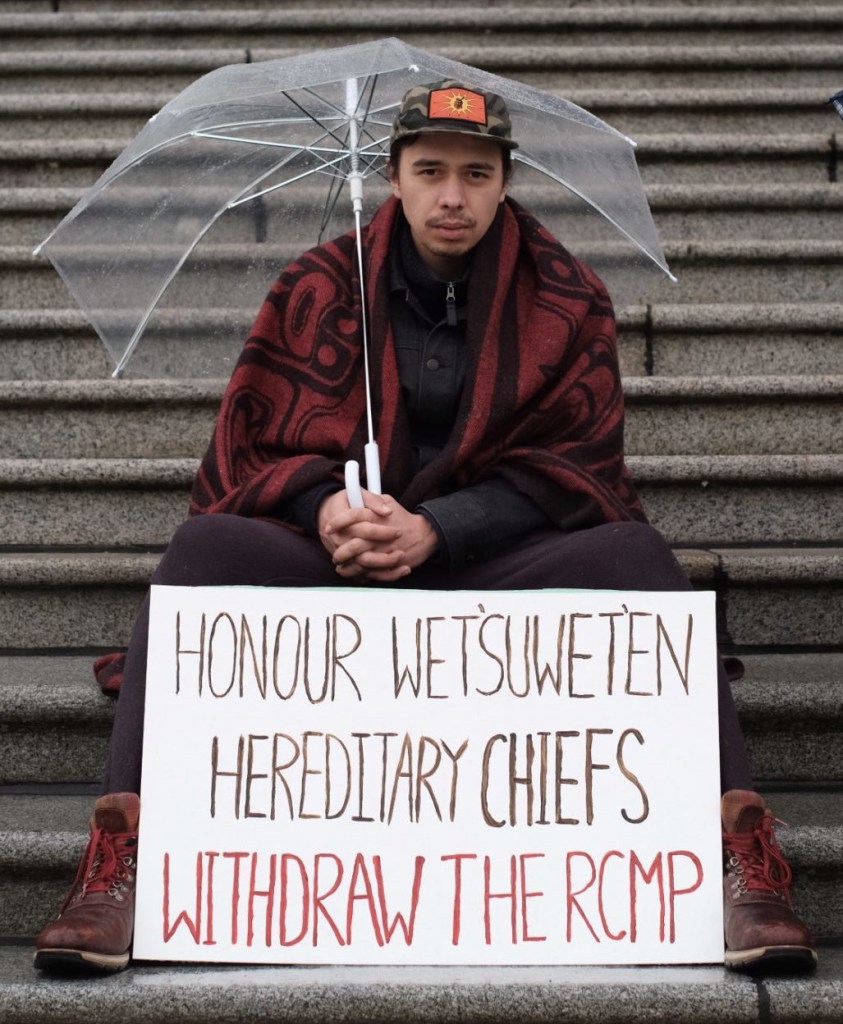
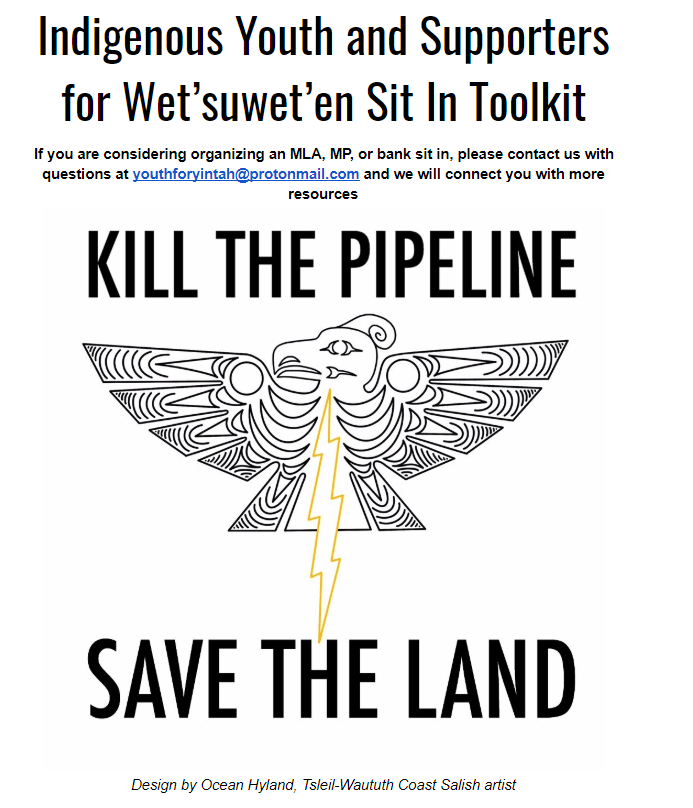
For the past several months I’ve been learning as much as I can about the struggles of the Wet’suwet’en peoples to prevent the construction of the Coastal GasLink natural gas pipeline through their beautiful lands. Which are unceded lands. I’ve been writing a lot about this in part because the Wet’suwet’en people have asked for us to spread stories about what is going on there. Because there is little mainstream media reporting, or what there is is slanted against them. They were very successful in gathering attention for a while as supporters blocked rail lines all over Canada in support of the Wet’suwet’en. Many miles of railways go through Indigenous lands.

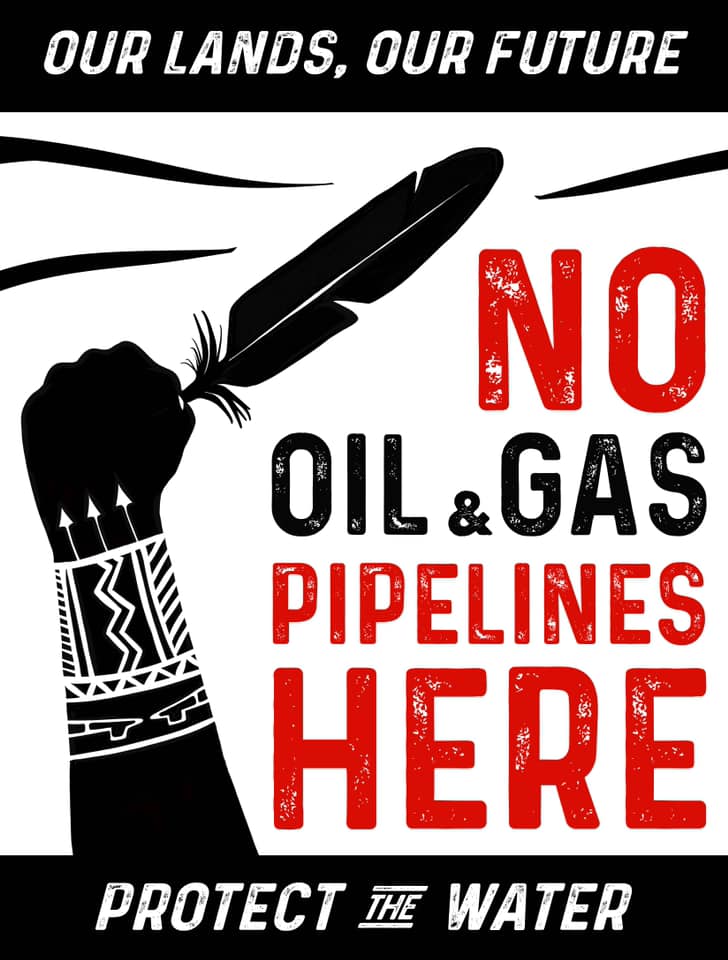
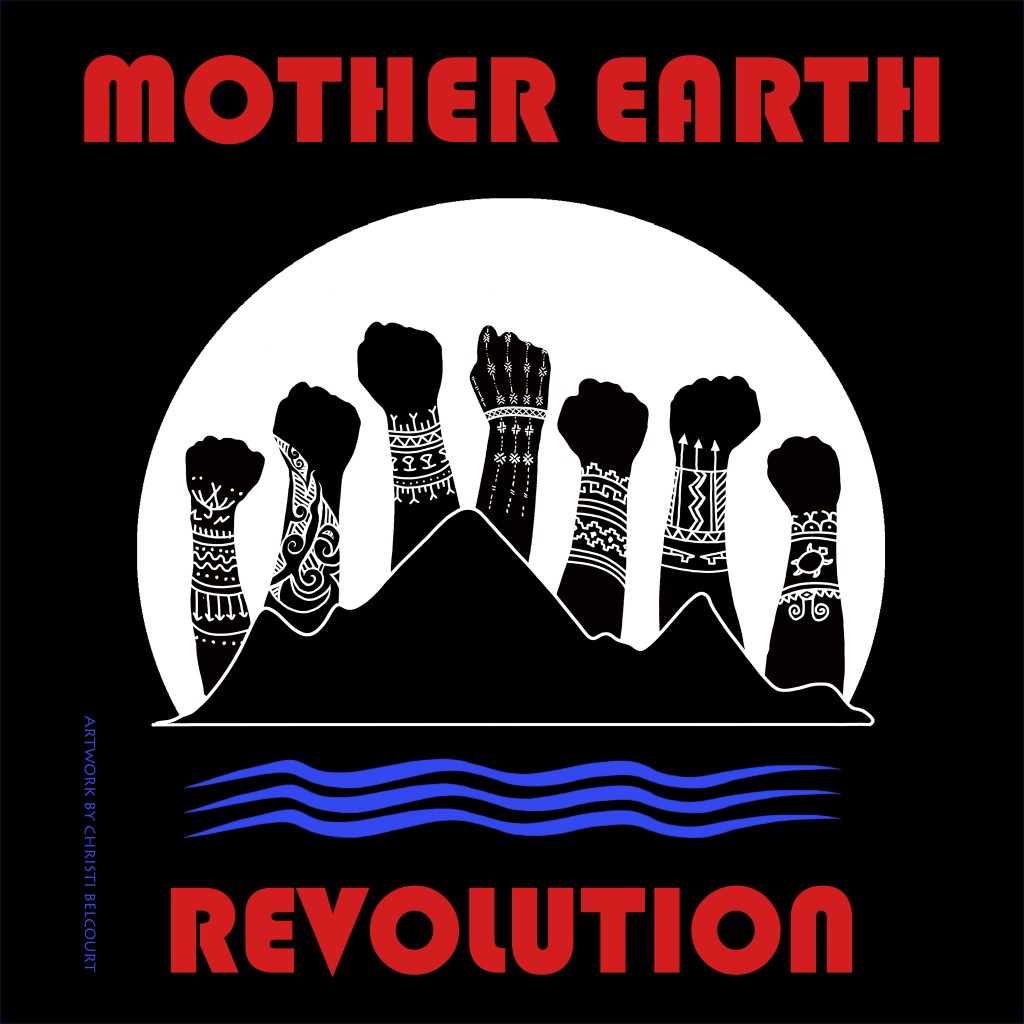
One way people were asked to express solidarity was a call to submit solidarity art. My entry shows different water protector projects I’ve been involved in.
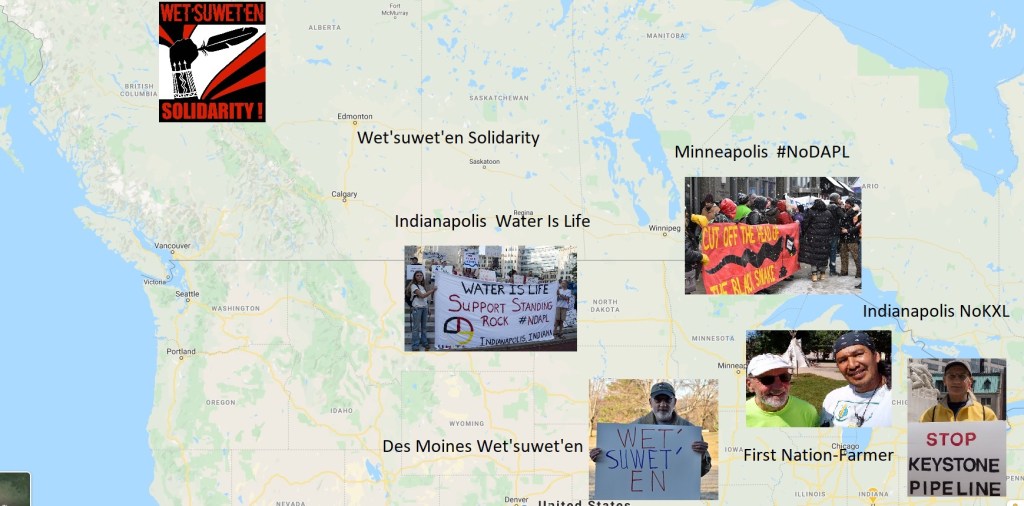
This summarizes how my thinking and actions have evolved over the coarse of my life thus far.


This video is of photos I took, and interviews recorded during the Earth Walk from Scattergood Friends School to Iowa City, about a 15 mile trip. This was part of a Climate Conference in 2013.


Posted in #NDAPL, Arts, climate change, First Nation-Farmer Climate Unity March, Indigenous, Indigenous Youth for Wet'suwet'en, Native Americans, Quaker, Uncategorized, Wet’suwet’en | Leave a comment

Another time of cultural chaos

As I often say, I usually don’t know what I will be writing when I sit in front of this laptop first thing in the morning. It is a spiritual practice to try to discern what the Spirit is telling me to say. I am a Quaker, and our worship is to gather together for about an hour as we collectively, expectantly wait to hear or feel what our Inner Light is saying to us.

There are any number of things I thought I might write about when I finished, after about 5 hours, writing yesterday’s post. I could see many things that could build on that foundation.

Writing these blog posts is one of the primary ways I try to make sense of my life currently, and how to move into the future. Yesterday I wrote “look beyond your culture” to try to make sense of the dramatic changes COVID-19 has forced upon us. I believe critical thinking about our situation will be helpful. But also suggested what I’ve been learning about Indigenous peoples can help us live with environmental integrity. Help make sense from a more spiritual perspective.

I’m often surprised when I go back to research materials, like this essay by James Allen, written less than a year ago, and find how much has changed in the intervening time. As a result of the novel coronavirus.

The viability of our civilisation is uncertain. While opening our eyes means we’ll confront darkness, keeping them shut means it’ll stay dark. Let’s dare to look and start building new worlds alongside the old.

Dear reader

I offer you this essay in the hope that you may find something within it that will keep you buoyed in the years ahead. It reflects my own attempt to understand the converging crises in our near future, and to grapple with the question of what I might be able to offer that will be useful in that future.


Finally, there remains the most existential risk of them all: our diminishing capacity for collective sensemaking. Sensemaking is the ability to generate an understanding of world around us so that we may decide how to respond effectively to it. When this breaks down within the individual, it creates an ineffective human at best and a dangerous one at worst. At the collective level, a loss of sensemaking erodes shared cultural and value structures and renders us incapable of generating the collective wisdom necessary to solve complex societal problems like those described above. When that happens the centre cannot hold.

Pontoon Archipelago or: How I learned to stop worrying and love collapse by James Allen, Medium, Jun 18, 2019

Let this darkness be a bell tower

Quiet friend who has come so far,
feel how your breathing makes more space around you.
Let this darkness be a bell tower
and you the bell. As you ring,
what batters you becomes your strength.
Move back and forth into the change.
What is it like, such intensity of pain?
If the drink is bitter, turn yourself to wine.
In this uncontainable night,
be the mystery at the crossroads of your senses,
the meaning discovered there.
And if the world has ceased to hear you,
say to the silent earth: I flow.
To the rushing water, speak: I am.

Sonnets to Orpheus II, 29. By Rainer Maria Rilke

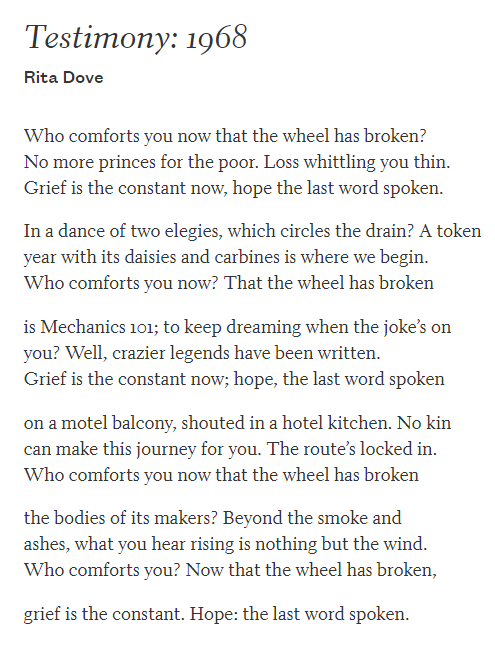
It was a complete surprise to find myself thinking of two poems. And for “Testimony: 1968” to evoke so many stories and images of that time. To realize the parallels of that traumatic time to ours today.


“Two years ago, the composer Richard Danielpour and I were commissioned by Copland House in New York to begin work on a song cycle that would span the past half-century of American history: a baker’s dozen worth of testimonials, lyric vignettes arranged for a single soaring mezzo-soprano. ‘Testimony: 1968’ sets the trajectory in motion by chronicling the turbulences of 1968: the Vietnam War, the ongoing struggle for civil rights, and of course, the assassinations. I chose the villanelle form, with its relentless double-refrain, to evoke the turmoil of that year—the spiraling outrage and eddying despair—but also the swirls of hope that have risen and fallen through the years since. The entire song cycle, called A Standing Witness, was scheduled to premiere this summer at the Tanglewood Music Festival in Massachusetts but, because of the pandemic, might have to be moved to a later date.”

Rita Dove

This poem, Testimony: 1968, brings back many memories. Our culture in the U.S. seemed to be falling apart from the Vietnam War and the civil rights movement occurring simultaneously.

I was a student at Scattergood Friends School and Farm, a Quaker boarding high school, from 1966-1970. I kept a journal during that time. Then recently wrote a number of blog posts from those journal entries. https://kislingjeff.wordpress.com/2017/11/07/scattergood-journal-1969/

That was roughly the time of the assassination of President John F Kennedy (1963) and later (1968) his brother, Senator Bobby Kennedy. And that same year of the assassination of Martin Luther King, Jr. Of Medgar Evers in 1963. Four girls, Addie May Collins, Carol Denise McNair, Cynthia Wesley, Carole Rosamond Robertson, were killed in the 1963 bombing of their church in Birmingham, Alabama. In 1963 three civil rights activists, Michael Schwerner, Andrew Goodman, and James Chaney, were killed by the Klu Klux Klan. In 1968 Samuel Ephesians Hammond Jr., Delano Herman Middleton and Henry Ezekial Smith were shot and killed by police who fired on student demonstrators at the South Carolina State College campus.  On Sunday, March 7, 1965 twenty five year old John Lewis, now a U.S. Congressman, was among those who were beaten crossing the Edmund Pettus Bridge as a civil rights march was going to Selma, Alabama.
The Kent State shootings (also known as the May 4 massacre or the Kent State massacre),[3][4][5] were the shootings on May 4, 1970, of unarmed college students by the Ohio National Guard at Kent State University in Kent, Ohio, during a mass protest against the bombing in neutral Cambodia by United States military forces. Twenty-eight National Guard soldiers fired approximately 67 rounds over a period of 13 seconds, killing four students and wounding nine others, one of whom suffered permanent paralysis.[6][7]

Kent State Shootings

Crosby, Stills, Nash and Young wrote “Ohio” about the Kent State shootings.

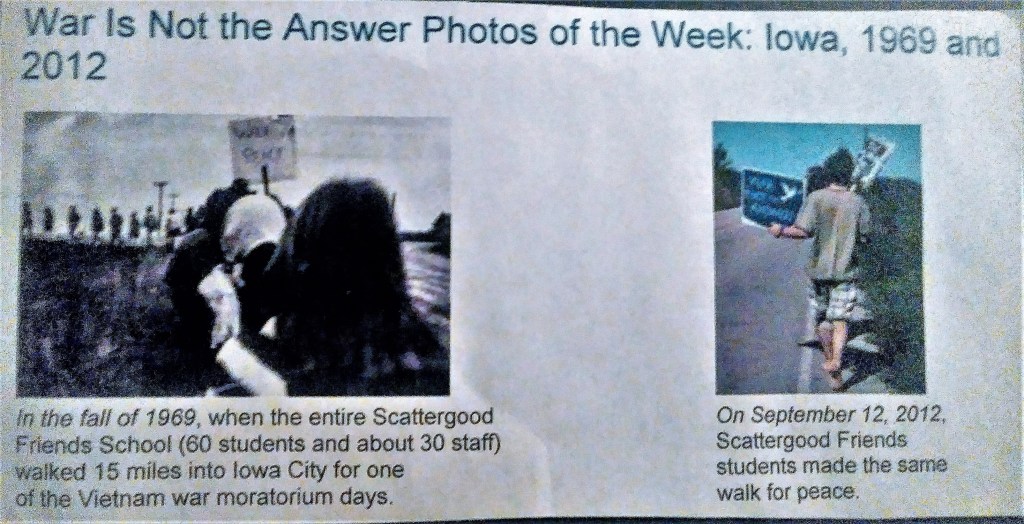
All the students and most of the staff of Scattergood marched about 14 miles from the School to the University of Iowa during one of the Moratorium to End the War in Vietnam days.

As I wrote above, I’m often surprised by what I end up writing about on any given day. I’m not sure what should be taken from this blog post. Perhaps this might evoke memories you have from that time, if your are old enough. I’d be interested to hear what you have to say if you want to leave a comment.

Posted in peace, Quaker, Uncategorized | Tagged , | 2 Comments

Look beyond your culture

The multiple, significant changes people globally are experiencing as a result of the COVID-19 pandemic give us both the time and impetus to revaluate our lives. And the opportunity, or rather the necessity of figuring out where we go from here. What life will be when the virus is under control, either once a vaccine or effective treatment is available.

The problem is even if we could return to our lives as they were before the pandemic, we would continue to be devolving further and further into climate chaos.

Times of great disruption are opportunities for great change, good or bad. It is becoming increasingly clear we won’t be able to return to life as it was before the pandemic. Life circumstances that weren’t that good for so many people. As I hope to explain here I think we will have to look beyond our own cultures for many of the answers.

A week ago I wrote Educate Yourself. https://kislingjeff.wordpress.com/2020/04/07/educate-yourself/

That article was about a video Lance Foster shared in which he was talking about critical thinking and life long learning. Lance spoke of how few people are really educated. Among the things he said was how important it is to explore outside your own culture. To read widely. But beyond that, to be aware of our own framework of ideas, and integrate each new thing we learn into our own internal library. I realized that is what I’ve been doing as I write my blog posts. Critically examining what is going on around me. Creating a digital library of hundreds of blog posts and the things I quote, ideas I explore in those writings.

Those of us who attended Scattergood Friends School and Farm recognize, often later in life, what a great education we got there. We learned about living in community, and making decisions as a community. We learned practical skills on our crews, like baking bread, farming, pruning trees, etc. Learned how to organize our work and cooperate with others. The foundation of this education was to learn to apply critical thinking to everything we learn and as the tool for our subsequent life long learning.

Critical thinking is not an isolated goal unrelated to other important goals in education. Rather, it is a seminal goal which, done well, simultaneously facilitates a rainbow of other ends. It is best conceived, therefore, as the hub around which all other educational ends cluster. For example, as students learn to think more critically, they become more proficient at historical, scientific, and mathematical thinking. They develop skills, abilities, and values critical to success in everyday life. 

The Foundation for Critical Thinking

That education was invaluable. But it is important to recognize it took place within our culture, or perhaps within a Quaker subculture.

Looking back on my life now I recognize many of the most important lessons I learned occurred outside my own culture. One of the things I try to keep in mind is “you don’t know what it is that you don’t know.”

We really limit ourselves and what we know if we confine ourselves to our own culture. And it is a choice we make, consciously or not, whether to constrain ourselves. As we grow through childhood we learn the values and beliefs of our culture. Some groups, like Quakers, believe in the idea of a guarded education to protect our youth from corrupting influences of the larger culture we are part of. And to teach those values of Quakers which would not be taught in public education. What our children are taught is focused on the values of our culture.

For example, the idea that war is acceptable in the larger U.S. culture is not acceptable for Quakers. As a result, for example, draft (Selective Service System) resistance would likely be taught in Quaker schools but not in public schools.

What is insidious though are views we have that are mistaken. Mistaken being factually, socially or morally wrong. The only way to become aware of these mistaken ideas is to find ways to step outside our culture, or by applying critical thinking within it. Since many people of every culture insist on living within the confines of their own culture, they can’t see beliefs or practices of their own that might be mistaken.

One of the enduring questions is whether there are universal truths. For example, is it ever right to kill someone? While some would say no, others say there are certain conditions in which that is acceptable–self defense, capital punishment or a justified war for example.

One truth is life cannot long continue if what is taken from Mother Earth exceeds what can be replenished.

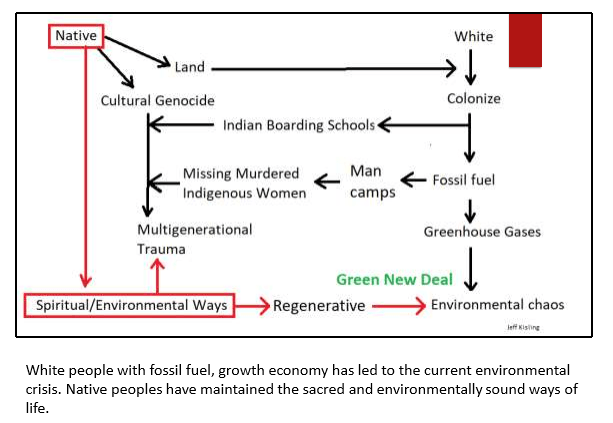
One of my lifelong struggles has been trying to convince people of the existential threat of fossil fuel consumption. After years of trying and failing to get White people to change fossil fuel use, I looked for cultures that were living sustainably. That led me to learn more about Indigenous peoples. (see https://kislingjeff.wordpress.com/?s=native+indigenous).

“In Native American culture, by contrast, they study the interconnections of the entire ecosystem.  ‘Seeing in a sacred manner’ means perceiving interspecies links. The word for ‘prayer’ in Lakota is wacekiye, which means ‘to  claim relationship with’ or ‘to seek connection to.’ To the Lakota people, the cosmos is one family. To live well within the cosmos, one must assume responsibility for everything with which one shares the universe. There are familial obligations toward water, plants, minerals. Any harm done to the slightest of these relatives has devastating consequences for the whole ecosystem. The merest hint suffices as a warning of eco-cataclysm.

We are blinded to these subtle signs by having been taught that matter is dead and inert. Considering it inanimate makes it available for exploitation as a resource. Lame Deer insists that ‘the earth, the rocks, the minerals, all of which you call ‘dead’ are very much alive.’ He implores us to ‘talk to the rivers, to the lakes, to the winds as to our relatives.’” 

Lame Deer, Seeker of Visions by John (Fire) Lame Deer and Richard Erdoes.

That is a example of how important it is to explore outside your own culture, as Lance Foster said at the beginning of this.

There have been other important things I’ve been learning related to looking outside my culture. Learning more about spirituality and our relation to all our relatives (in the Native sense). Learning more about the sacred connection to Mother Earth. Learning about the horrendous epidemic of missing and murdered Indigenous women. About land acknowledgement and Native rights to unceded lands.

One of the reasons for writing about how important it is to explore outside your own culture has been learning about the Quaker Indian Boarding/Residential Schools. Until I began to learn more about these schools in the past few years I had what I think is the widely held assumption among Quakers that Quaker participation in these schools was to help Native children learn to live in the White communities that were colonizing what were Native lands. I’m sure Friends involved did what they thought was best, and they treated the children better than they were in other schools. But that doesn’t mean the concept of forced assimilation was ever an acceptable idea or practice.

More than 100,000 Native children suffered the direct consequences of the federal government’s policy of forced assimilation by means of Indian boarding schools during the nineteenth and twentieth centuries. Their bereft parents, grandparents, siblings, and entire communities also suffered. As adults, when the former boarding school students had children, their children suffered, too. Now, through painful testimony and scientific research, we know how trauma can be passed from generation to generation. The multigenerational trauma of the boarding school experience is an open wound in Native communities today.

Quaker Indian Boarding Schools: Facing Our History and Ourselves, by Paula Palmer on October 1, 2016

Last summer Paula Palmer did a presentation at Scattergood Friends (boarding) School on the topic quoted above.

I’ve shared the story of conversations about the Quaker Indian boarding schools I had with my friend (new friend at the time) Matthew Lone Bear during the First Nation-Farmer Climate March.

It didn’t take too many hours of getting to know Matthew when the Spirit led me to say to him, “I know about Quakers’ involvement in the Indian boarding schools. I’m sorry they did that.” I was apprehensive about whether I should have said that, whether that was appropriate or could pull up bad memories. We continued to walk side by side. All I noticed was a slight nod of his head. He always smiles, and that didn’t change.

One of the next times we walked together, Matthew shared a story with me. He had been living at Standing Rock for about six months, when he learned a new rope was needed to ferry people back and forth across a narrow channel of water. He offered a rope so the ferry’s operation could continue. He went on to say his mother called him after she recognized the rope while watching a TV news story. She was very upset because that brought back terrifying memories of how the Native families would try to help their children escape when white men came to kidnap them and take them to a boarding school.

https://kislingjeff.wordpress.com/2020/03/19/quaker-indian-residential-boarding-schools/

I’ve met with significant resistance in trying to talk with Friends about these schools. Similar resistance to talking about Quakers and the institution of slavery (some Friends were involved in the slave trade).

So what do we do as 21st-century American Quakers? How do we bring our values of peace, community, and equality to the truth of what our ancestors did? Palmer is working on that, too.  Learning our part is surely the first step; owning it, the second.  And after that, we must work to make sure we aren’t doing it again with our missions and projects on reservations and elsewhere in the US and beyond in South America and the Great Lakes region of Africa. And more to the question of what do we do in our everyday lives; we each seek the Light of God in our prayer and meditation and in the silent expectant waiting of worship with Friends.  And then we bravely do as we are led.

Quaker Indian Schools: A Legacy We Need to Heal,  AUGUST 8, 2016 BY MOLLY WINGATE, Patheos.com

As Paula Palmer says (above) we know how trauma can be passed from generation to generation. The multigenerational trauma of the boarding school experience is an open wound in Native communities today.

We’ve had to fight for over a hundred years. And despite the residential schools despite the epidemics of smallpox, tuberculosis. Despite the enfranchisement. Despite the reserve. Despite all the assimilatory policies of Canada that have existed up until the modern day, our system of governance and the Wet’suwet’en system of governance has persevered and they have remained strong as is demonstrated by the five clans of the Wet’suwet’en when they evicted Coastal GasLink from their territories.

Kolin Sutherland-Wilson, Indigenous Youth

It is ironic that many of the things I’ve been advocating for all my life, like significantly reducing fossil fuel consumption, have been accomplished in just months by the pandemic.

I’ve been learning as much as I can about Indigenous cultures because I think many of the keys to halting our unsustainable practices can be found there. The reason for spending so much time on history and the Indian Boarding Schools is I believe we must know this history, and acknowledge that we do to Native peoples we want to be able to work with as we build better lives for us all. These past traumas have been passed to succeeding generations. Are experienced by Native people today. We can’t act as if this is something from the past and not relevant to today. We cannot build relationships until these issues are addressed.

It is up to us to apply critical thinking at this point in time. To envision how we might yet avoid environmental catastrophe as we figure out how to live post pandemic. To take this chance to look at things from outside our current culture.


Posted in #NDAPL, climate change, decolonize, Indigenous, Indigenous Youth for Wet'suwet'en, Quaker, Uncategorized | Tagged | 2 Comments

Episode One: SHIFT the Narrative

Webinar banner

This is a continuation of yesterday’s post, What does solidarity look like? I hadn’t intended to write so much yesterday about how I came to join the ZOOM meeting of the first episode of SHIFT the Narrative. But as I was writing then, I thought it might be helpful, especially for White people, to share some of my journey of making connections with Indigenous peoples. The tragic history, and continued oppression of Native peoples by White settlers means there are many barriers to overcome.


SHIFT the Narrative is a live, online interview series that covers different aspects of Indigenous political engagement and current issues in Indian Country through interviews with expert guest speakers.

https://seedingsovereignty.org/shift-the-narrative

Episode One: SHIFT the Narrative

Join us for our debut episode as we welcome our first guest, Mellor Willie, Navajo, Co-founder and President of 7Gen Leaders PAC. With COVID-19 greatly affecting the Navajo Nation, we are asking political experts like Mellor their thoughts on GOTV (Get Out the Vote) efforts and legislation for aid during this crisis.

Thursday April 16, 2020

The first session’s leader was Mellor Willie, Navajo, Co-founder and President of 7Gen Leaders PAC. Mellor’s degree is related to applied politics which he has been using for political campaigns and fund raising. https://7genleaders.com/.

He says that although PACs (Political action committees) are most often used to get huge amounts of money for political campaigns, the 7Gen Leaders PAC is a way to get funds from tribes, which are used to get Native Americans elected to political offices. The PAC is also a way to keep in contact with Native American supporters.

https://7genleaders.com/

7Gen Leaders is grounded in Native American culture.

  • Native leaders are making decisions today based on thinking of the impact for seven generations to come. They are working on getting other (White) cultures to adopt this thinking.
  • The other Native concept that guides the work of Native leaders is “where we step our children will follow”. (which is on the 7Gen Leaders logo)

Mellor then spoke about the effects of the COVID-19 pandemic on his, the Navajo peoples. Although he resides in Washington, DC, he came back to his reservation to help with his father, who is in hospice and mother suffering from dementia. (I would feel uncomfortable about sharing such personal information, but this is part of the story he is telling).

He spoke about the differences between on and off reservations. Reservations are usually food deserts. The trips to grocery stores typically take several hours and the shelves are empty when they get there. There is usually poor Internet connectivity, so people often hear news about food availability and other things from the radio.

Despite efforts of the Federal, state and even local governments trying to support people regarding the COVID-19 pandemic, little of that relief is getting to the people on the reservations. Mellor helped setup a Facebook group to coordinate Navajo relief. There is a lot of information on that Facebook page about the effects of COVID-19. Information about that group can be found at the end of this.

Mellor talked about a curfew from 8 pm – 5 am and all day Saturday and Sunday to help slow the spread of the virus. But there are unintended consequences of the curfews, including inadequate time to travel great distances for groceries, making it difficult to check on people and care of livestock.

He said Native Nations need to unify to deal with crises like the coronavirus.

When he was asked if the COVID stimulus packages passed by the US Congress would help Native people, he said there were numerous problems. Some of the first stimulus package went to departments such as the Centers for Disease Control, Bureau of Indian Affairs, Department of the Interior, and Housing and Urban Development. There was no control over how much money was to go to Native communities, and those communities usually didn’t have close relationships with those agencies.

The second stimulus package was for funds for Medicare. That is not getting to Native tribes.

The third package of $8 billion has no formula for distributing that money. There needs to be tribal consultation, but the tribes are having trouble coming together for that. Native tribal communities are so different. And each state has a different way to deal with its Native tribes. It is important to build these relationships now and to deal with future crises. There is a petition regarding the distribution of stimulus funds.

There are few banks that Native peoples use, which is necessary to get stimulus funds.

Mellor was asked about the impact of the pandemic on getting out the vote (GOTV). About the impact on no longer being able to have person to person contact. How can candidates show their leadership?

The focus is on messaging with heavy use of social media. One thing that can help candidates is when they are able to get services to their constituents.

How can people register to vote when social distancing is required? And how can ballot initiatives, which require a certain number of signatures to get on the ballot, gather those signatures?

There is a Native American Voting Rights Coalition https://vote.narf.org/

Mellor says people are looking into how to electronically sign ballots.

He says we have to think outside the box. In times of crisis, Native country has a history of coming up with innovative ideas. A subsistence people know how to deal with limited resources.

Over the next few months 7Gen Leaders will work on encouraging Native candidates and how to support them. And work on ways to register voters and get out the vote in this time of pandemic crisis.

Mellor closed by stressing it is important to participate in the U.S. Census.

I am so grateful I was able to hear this. I really learned a great deal.


Navajo & Hopi Families COVID-19 Relief

DESCRIPTION

We are an all volunteer grassroots indigenous led group operating on the Navajo and Hopi Reservations. The Navajo Nation and Hopi Reservation are extreme food deserts with only 13 grocery stores on Navajo to serve some 180,000 people and only 1 grocery store on Hopi to serve some 3,000 people. These communities also have high numbers of elderly, diabetic, and cancer-afflicted (i.e., high risk) individuals. These communities could be devastated by coronavirus and COVID-19. We want to help these individuals, especially the elderly and families with children, to gain access to the food and water (1/3 of Navajo residents do not have running water) they will need to weather this pandemic. The need is so great. Navajo regularly has roughly 50% unemployment (most of the residents are elderly or children; those who can work often leave the Nation to find jobs), and Hopi seems very similar though I don’t yet know their stats. Please give if you can.

Our goal will be to help the elderly (especially those raising their grandchildren), single parents, and struggling families by helping them buy groceries, water, and health supplies, and by protecting them (and their vulnerable communities) from exposure by engaging volunteers to make the purchases and deliver them to a safe transfer location for the families.

HELP REQUEST FORM: https://docs.google.com/forms/d/e/1FAIpQLScMcnYWc7ucAXYU9LGND99bpxBjYZGsSh3H-pUHZVybZwFpHg/viewform?usp=sf_link

VOLUNTEER FORM: https:https://docs.google.com/forms/d/e/1FAIpQLSdqiiBCpBU-djm9Nj2CLVFolqVZ21yenrIWK47UKVSRF1Mi9w/viewform?usp=sf_link

EMAIL:
Main:navahopicovid.smedia@gmail.com
Volunteer email: navahopicovid.volunteers@gmail.com
Hopi: hopireliefeffort@gmail.com
Western Agency: westernagencyreliefeffort@gmail.com
Eastern Agency: easternagencyreliefeffort@gmail.com
Chinle Agency: chinleagencyreliefeffort@gmail.com
Fort Defiance Agency: fortdefianceagencyreliefeffort@gmail.com
Northern Agency: northernagencyreliefeffort@gmail.com

PHONE NUMBER: 833-956-1554

WEBSITE: https://www.navajohopisolidarity.org/

DONATIONS: https://www.gofundme.com/f/navajo-amp-hopi-families-covid19-relief?utm_source=customer&utm_medium=copy_link-tip&utm_campaign=p_cp+share-sheet

PRESS CONTACT:
Cassandra Begay
cassandrabegay@gmail.com


Sign the petition: Timing is critical; Demand that Congress Expedite COVID-19 Funds and Resources to Tribal Nations
seedingsovereignty.org/covid19-peition

Navajo & Hopi Families COVID-19 Relief Fund
www.gofundme.com/f/NHFC19Relief

Mask Drive
seedingsovereignty.org/COVID-19

Rapid Response Initiative
secure.acceptiva.com/?cst=iRVYCY

Posted in Indigenous, Seeding Sovereignty, Uncategorized | Leave a comment

What does solidarity look like?

Yesterday I was blessed to attend a ZOOM meeting which was the first of what will be a series of such meetings, to be held every second Thursday. These meetings, led by Native people, are titled SHIFT the Narrative, which this session did for me.

I think I had a different experience from many who were on the call because I am a White settler. If you are a White person who is uncomfortable with these labels, that is part of the intention. I don’t think we can be in solidarity with Indigenous peoples without acknowledging our own history. A history of cultural genocide and fighting to near extinction.

Actually one of the first things I learned on the call was concept of lost tribe, which is a tribe that no longer exists, destroyed by forced assimilation and genocide. This is the first of many things I learned during the meeting that I am sure are not new to Native peoples.

I’ve been using the idea of accompaniment as I’ve sought to learn more about and from Indigenous peoples. I learned that concept when my Quaker meeting in Indianapolis participated in Quaker Social Change Ministry (QSCM). The two main concepts of QSCM are:

  • find a community experiencing injustice, and spend a lot of time in that community
  • never offer suggestions or leadership until that community asks something of you. Instead listen deeply

Our Quaker meeting in Indianapolis used this model to work with a Black youth mentoring community, the Kheprw Institute (KI). A number of us spent a lot of time in that community. We slowly began to get to know, and trust each other.

I have used that model ever since when I am fortunate to be invited to engage with new groups or communities. The point I’m trying to make is when opportunities arise to engage with Native peoples, I try to listen deeply, and not offer any ideas until I am asked to do so.

This does require searching for ways to make these initial connections.

When I retired and moved to Iowa two years ago, I was looking for opportunities to continue my engagement with water protectors as I had in Indianapolis. This isn’t the place to go into all that has happened since. The point I’m trying to make is I was blessed to have numerous opportunities to get to know and become friends with some native people, one of whom is Christine Nobiss, a leader who is involved with Seeding Sovereignty among many other things. She and I walked 94 miles, from Des Moines to Fort Dodge, Iowa, along the path of the Dakota Access pipeline in 2018. That was called the First Nation-Farmer Climate Unity March. There were about 40 people who marched, about half who were native and half who were White people. All those hours and miles of walking and evenings camping achieved the purpose of creating a community of people who could then work together on issues of common concern. (The collection of blog posts, photos and videos about that March can be found here: https://firstnationfarmer.com/ )

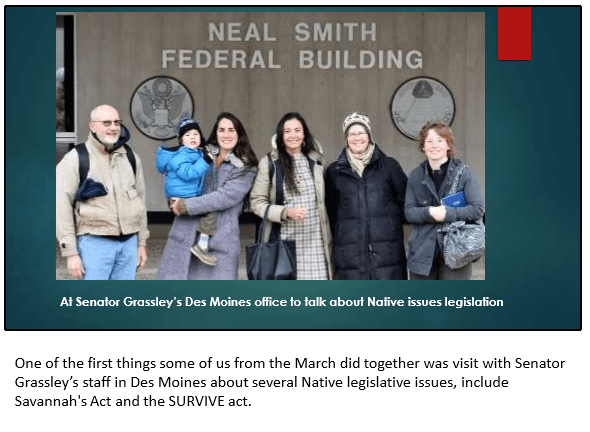
One of the first things some of us did together after the March was to meet with Senator Grassley’s staff in Des Moines to talk about two pieces of legislation related to native affairs–the SURVIVE act and Savannah’s act. Christine and I were part of that group.

I continued to use the ideas of accompaniment or solidarity, to listen for opportunities to do things together. Last summer Christine suggested I attend the first National Network Assembly, held at the Des Moines YMCA Camp near Boone, Iowa. This was four days of meetings for activists to learn what other activists were doing. I’m not much for conferences, but here was a clear invitation, so I did attend that and had a very good experience. Christine was one of the organizers of the Assembly.

I checked with Christine earlier this year, when I was learning what was happening with the Wet’suwet’en peoples and the Coastal GasLink (CGL) natural gas pipeline. As I expected she knew people there. And they wanted someone to go to Canada for support. Christine said I could help by getting money that would allow their storyteller to go to British Columbia. I was able to get some generous people to donate some money for that purpose.

Christine recently suggested I attend the first session of Shift the Narrative, which I did yesterday and learned so much from.

Seeding the Hill with Indigenous FreeThinkers

SHIFT stands for Seeding the Hill with Indigenous FreeThinkers and is Seeding Sovereignty’s political engagement program focused on empowering Indigenous voices, values, and leadership; Particularly womxn, youth, LGBTQIA+, and Two-Spirit folx during this critical 2020 presidential election and beyond. We increase Indigenous voter turnout and respond to key issues within Indian Country by uplifting community concerns and initiatives both on and off the reservation. We support those who seek to Indigenize Congress as well as those that question our relationship with the US political system.

Above all else, we rally behind Indigenous-led environmental and climate justice movements as the fight for land sovereignty is at the center of every issue we face. Land defense is a force that has a long history of inciting political engagement–a force that Seeding Sovereignty believes catalyzes real, lasting change.

https://seedingsovereignty.org/shift-the-narrative

Webinar banner

SHIFT the Narrative is a live, online interview series that covers different aspects of Indigenous political engagement and current issues in Indian Country through interviews with expert guest speakers.

Stay ahead of the curve! Join Sikowis and S.A. as we interview expert guests every second Thursday! Conversations will surround work in Indian Country such as getting out the vote, organizing to change policy, issues of sovereignty, running for office, and much more, like:

  • Does Race & Gender Affect the Vote? – Native womxn are the most marginalized and least sought group when it comes to local and national voting. Why is this and how can we change it?
  • GOTV Efforts in Indian Country – What is the breaking point that catalyses Native folx to get involved in US politics? Why do some Natives actively choose not to vote?

https://seedingsovereignty.org/shift-the-narrative


Episode One: SHIFT the Narrative

Join us for our debut episode as we welcome our first guest, Mellor Willie, Navajo, Co-founder and President of 7Gen Leaders PAC. With COVID-19 greatly affecting the Navajo Nation, we are asking political experts like Mellor their thoughts on GOTV (Get Out the Vote) efforts and legislation for aid during this crisis.

Thursday April 16, 2020

Since it took much longer than I expected to get to this point, I’m going to stop here, and tell what I learned from Mellor in my next post.

Posted in decolonize, Indigenous, Quaker, Quaker Meetings, Quaker Social Change Ministry, Seeding Sovereignty, solidarity, Uncategorized, Wet’suwet’en | 2 Comments

Wet’suwet’en Solidarity Art Challenge

Today, all day, is the Wet’suwet’en Solidarity Art Challenge (details below). So there is plenty of time for you to submit your entry.

Following is my submission. The map has photos of some of the water protector events I’ve participated in over the years.

#WetsuwetenStrong #SolidarityArtChallenge

Wet’suwet’en Solidarity Art Challenge
Time: Morning to Midnight 
Tag @abolishicesf (on instagram), and post with #WetsuwetenStrong and #SolidarityArtChallenge in caption
Description: Artists of all mediums! Start and try to finish a piece in one day, posting on instagram any time before midnight on Thursday.


Posted in #NDAPL, Arts, climate change, First Nation-Farmer Climate Unity March, Indigenous, Uncategorized, Wet’suwet’en | Leave a comment

COVID-19, SHIFT and FCNL

The COVID-19 pandemic continues to create havoc all over the world. Its significant stresses expose the cracks in our societies worldwide that have been growing for decades, centuries. Like cracks in glass that suddenly shatter with the faintest touch. Economies that have forced the vast majority of people to struggle to meet their daily needs with nothing left to save for emergencies. Now these people no longer have even those subsistence monies. Yet the unconscionable wealth gap sees the small number of ultra-rich getting richer even now.

People in the thousands now depend on food banks for survival. Are forced to continue to work in public places at the risk of death to themselves and bringing the disease home to their loved ones. In the United States our local and Federal governments have left so many behind, to such an extent that there simply aren’t mechanisms to get help to those who need it most. Trillion dollar legislation sees billions going to corporations, a mere $1,200 to those who are fortunate to have an address or bank account to send the money to. We are rightly enraged to see trillions of dollars suddenly appear when politicians have for decades cut mere millions of dollars from social safety nets.

There are many moral questions. How can we not care for those in nursing homes with horrendous numbers of infections and deaths? How can we leave those imprisoned trapped and exposed to the virus? Prison sentences become death sentences.

Now the government is preparing to unleash the virus again, to stop mitigation in order to get the capitalist, corporate economy running again. So the rich can get richer. Of course that will help some who have become unemployed, but that comes with the certainty of spreading the disease and death. And ultimately leading to shutting things down, again.

Following is information about online interviews today from Seeding Sovereignty and SHIFT, Seeding the Hill with Indigenous Free Thinkers. That will included discussion about legislation for aid to native communities needed because of COVID-19. REGISTER for today’s event here.

Following that is information from the Quaker lobbying organization, Friends Committee on National Legislation (FCNL) on various ways to help those affected by the coronavirus.

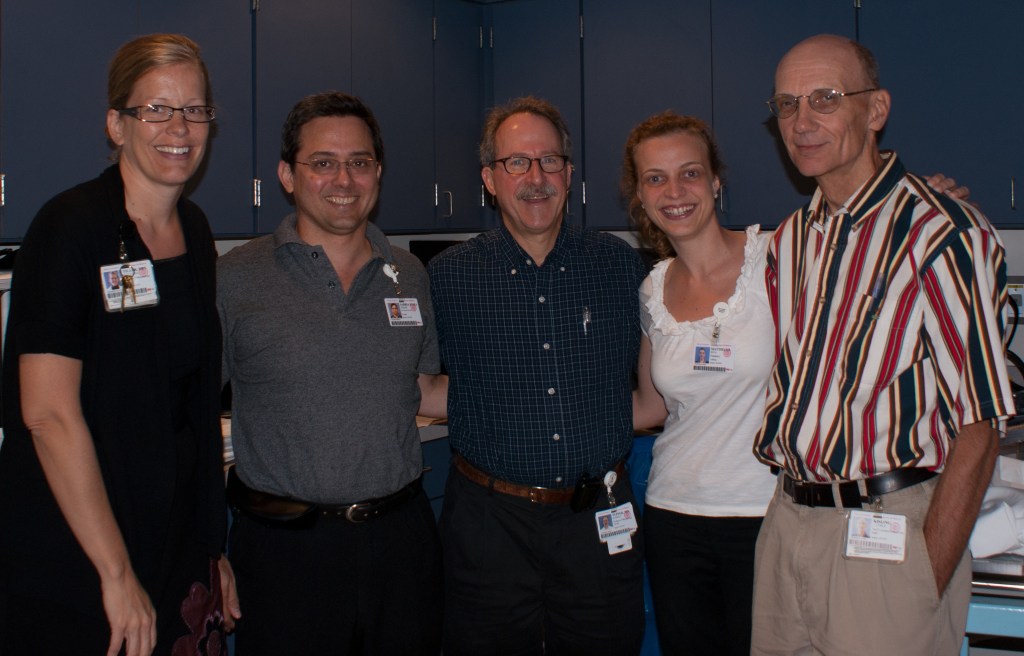
This photo shows the intersection between the work of Indigenous people and the Friends Committee on National Legislation (FCNL). The photo was taken the day we talked with Senator Grassley’s staff in Des Moines about two bills related to native concerns. Shazi, Fox and I are Quakers who have been supported by FCNL in our lobbying efforts. Christine Nobiss is one of the founders of Seeding Sovereignty and SHIFT (Seeding the Hill with Indigenous Free Thinkers) which is providing the online discussion below, SHIFT the Narrative.


See this blog post for more information about that meeting: https://kislingjeff.wordpress.com/2018/11/20/coalition-to-work-with-senator-grassley/


Webinar banner

SHIFT the Narrative

SHIFT the Narrative is a live, online interview series produced by Seeding Sovereignty that covers different aspects of Indigenous political engagement and current issues in Indian Country through interviews with expert guest speakers.

Join us for our debut episode as we welcome our first guest, Mellor Willie, Navajo, Co-founder and President of 7Gen Leaders PAC. With COVID-19 greatly affecting the Navajo Nation, we are asking political experts like Mellor their thoughts on GOTV efforts and legislation for aid during this crisis.

Stay ahead of the curve! Join Sikowis and S.A. as we interview expert guests every second Thursday! Conversations will surround work in Indian Country such as getting out the vote, organizing to change policy, issues of sovereignty, running for office, and much more.

REGISTER for today’s event here

Seeding the Hill with Indigenous FreeThinkers

SHIFT stands for Seeding the Hill with Indigenous FreeThinkers and is Seeding Sovereignty’s political engagement program focused on empowering Indigenous voices, values, and leadership; Particularly womxn, youth, LGBTQIA+, and Two-Spirit folx during this critical 2020 presidential election and beyond. We increase Indigenous voter turnout and respond to key issues within Indian Country by uplifting community concerns and initiatives both on and off the reservation. We support those who seek to Indigenize Congress as well as those that question our relationship with the US political system.

Above all else, we rally behind Indigenous-led environmental and climate justice movements as the fight for land sovereignty is at the center of every issue we face. Land defense is a force that has a long history of inciting political engagement–a force that Seeding Sovereignty believes catalyzes real, lasting change.


The following is from the Friends Committee on National Legislation (FCNL)

The profound crisis our nation faces as a result of COVID-19 may seem like good reason to focus on what is closest to home. It’s painful enough to witness and share the suffering of those immediately around us without looking any further afield.

But we at FCNL, in keeping with the Quaker history of opening our hearts to those beyond our borders, recognize that it is not just Americans who are impacted by the pandemic. Those who lack the resources to cope with the spread of the virus – nutritious food and clean water, adequate sanitation and housing, access to medical care and health facilities, financial safety nets – will bear the heaviest burden.

That’s why we are hard at work lobbying on behalf of those whose voices might not otherwise be heard on Capitol Hill, to ensure our foreign assistance helps ease their burden. Our COVID-19 efforts in the international sphere include:

1. Lobbying to lift sanctions that are impeding the delivery of medical equipment and supplies.

Even in normal times, FCNL opposes broad economic sanctions that harm innocent civilians. But with the spread of COVID-19, the lifting of these sanctions becomes a humanitarian imperative. FCNL joined 32 other NGOs in urging the administration to lift sanctions against Iran and endorsed a letter to the Trump administration signed by 34 members of Congress. We have been working to include sanctions waivers in the next coronavirus stimulus and relief package.

2. Urging the resumption of aid frozen for political reasons.

The administration has suspended humanitarian funds for northern Yemen due to concerns about Houthi taxes on and obstruction of aid. And it has refused to distribute aid that has already been appropriated by Congress to the Palestinians in the West Bank and Gaza over governance and policy disputes. But with the specter of hundreds of thousands, possibly millions of people becoming infected in these already unlivable areas, the need to provide lifesaving aid is paramount. FCNL supported letters from Congress to the State Department and USAID urging the resumption of this aid. FCNL also issued a statement welcoming the news that Saudi Arabia declared a two-week ceasefire to stop the spread of coronavirus in Yemen.

3. Seeking additional resources to address global needs.

FCNL’s lobbyists have been calling on key House and Senate offices to include significantly increased funding in the next coronavirus package not just for global health and humanitarian assistance, but also for peacebuilding programs. We are concerned that the disease pandemic could easily spiral into a violence epidemic if we do not invest in the peaceful prevention of violent conflict.

4. Using the opportunity to end wars, build up diplomacy, and international cooperation.

FCNL joined the call for a global ceasefire and is working to end U.S. complicity in the Saudi and UAE-led war in Yemen. We have endorsed specific recommendations for international cooperation in the Sahel region of Africa to save lives from disease and violence. And we are working on a set of recommendations to help turn the exit agreement in Afghanistan into a comprehensive peace agreement.

5. Changing the paradigm.

The COVID-19 crisis has demonstrated the extreme mismatch between the Pentagon budget and the true challenges to domestic national security. Spending another $740 billion next year on preparing for and conducting wars while Americans are dying for lack of test kits, ventilators, and personal protective equipment is a moral outrage. We are strengthening our public messaging to encourage our broad network to contact their legislators to express their desire for transformational change in the way national priorities are set and budgeted.

COVID-19: We’re All in This Together. The coronavirus pandemic is a global challenge that requires a compassionate foreign policy response. By Diana Ohlbaum, Friends Committee on National Legislation, (FCNL) April 15, 2020


Not long ago, former U.S. president Barack Obama declared that to win the global struggle for basic freedoms “we must keep our own moral compass pointed in a true direction.” As we now face what UN Secretary General Antonio Guterres calls the worst global crisis since the Second World War, where do we point our moral compass during the COVID-19 pandemic?

Knee-jerk responses are often narrowly utilitarian. When U.S. President Donald Trump declared “we can’t have the cure be worse than the problem,” he was implying that the economic costs of self-isolation may outweigh the benefits of preventing a few deaths. Or when Dominic Cummings, Britain’s chief adviser to the prime minister, apparently advocated in favour of “herd immunity” in order to protect the economy, even if “some pensioners die,” he, too, was applying a narrow utilitarian lens that says our moral priority must be to achieve the greatest good for the greatest number, even if lives are lost in the process.

Keeping our moral compass through the COVID-19 pandemic by Ingrid Stefanovic, National Observer, April 16th 2020

Posted in decolonize, Indigenous, Native Americans, Quaker, Uncategorized | Tagged , | Leave a comment

Wet’suwet’en Solidary Art Challenge

You probably know of my interest in the struggles of the Wet’suwet’en peoples in British Columbia, as they have tried to stop the construction of the Coastal GasLink natural gas pipeline through their unceded territory.

Many of you know of my interest and concern to have more young people involved in this work. If you are connected with young people you might consider these opportunities to share with them.

Through the magic of ZOOM, I have been blessed to see and hear some of my ‘heroes’ from these struggles via ZOOM.

Tonight is a ZOOM movie night. Invasion! is a short and powerful video. Kahnesatake is over an hour long. I imagine the ‘short community discussion’ after will be very interesting.

Movie Night!
Time: Wednesday April 15 @ 10 p.m. EST
ZOOM: https://zoom.us/j/97681867990?pwd=dFBDbXdwSzVmMk9wbkZMN0IweFczdz09 Password: 085949
Description: Online double film screening and a short community discussion; DOUBLE FEATURE: Invasion! & Kahnesatake: 270 Years of Resistance

The specific thing I’m writing to you about is the Wet’suwet’en Solidarity Art Challenge tomorrow.  See below. I’m sure many of you and your children are quite artistic.

Wet’suwet’en Solidarity Art Challenge
Time: Morning to Midnight 
Tag @abolishicesf (on instagram), and post with #WetsuwetenStrong and #SolidarityArtChallenge in caption
Description: Artists of all mediums! Start and try to finish a piece in one day, posting on instagram any time before midnight on Thursday.

I’ve been led to learn as much as I can and be as involved as I can in the Wet’suwet’en struggles for several reasons, including keeping fossil fuels in the ground, and stopping the construction of pipelines that cause so much damage as they are built, and invariable leak. And related to what I’ve been learning about Indigenous cultures, including land rights.

The Wet’suwet’en people are asking us to support them. There is little mainstream news coverage of their struggles. They ask us again and again to help spread the word about their nonviolent resistance actions to protect their land.

I created a Facebook page to try to do some of that here:

https://www.facebook.com/groups/808785242957789

I hope you might consider working on some solidarity art. I’d love to have a copy of what you do. You can send yours using the Instagram information below, or send it to me and I’ll post it for you.

jakislin@outlook.com


Posted in Arts, Indigenous, Uncategorized, Wet’suwet’en | Leave a comment

Wet’suwet’en Solidarity Week of Action

As Coastal Gas Link continues to work without consent, and bring in workers from around the country to vulnerable Northern communities we need to keep up the pressure to get CGL and RCMP off the Yintah!

Shout out to @AbolishIceSF on instagram for putting together a week of actions we can all take! 

Yesterday’s action is to call and email Elizabeth Seeger at KKR to demand that KKR not finance Coastal Gaslink. Details and call script below!

WEBINAR WITH FREDA (TUESDAY)

“Indigenous Women on the Frontlines: COVID 19 and Fossil Fuel Resistance” 

Join in for this webinar today at 1 PM Pacific time to here from Land defenders across turtle Island including Freda Huson. 

Register and share here

See event Facebook page for more information: https://www.facebook.com/events/2366416060315756/

Call and Email Elizabeth Seeger, a director within KKR whose job responsibility is to “consider the environmental and social” impacts of their work! 

Elizabeth Seeger: (650) 233-6560 Extension 733-2
Elizabeth.seeger@kkr.com

Sample Script:

“Hello, I am calling out of concern for the Wet’suwet’en Nation. Your company is currently in the process of financing the Coastal GasLink Pipeline, a project slated to be built on their unceded land. As someone within KKR responsible for “sustainable” investing and environmental concerns, I urge you to stand against funding Coastal GasLink, and to demand that KKR withdraw all financial support for it. This project will and has caused immeasurable damage to the Wet’suwet’en, and I am demanding KKR to withdraw now.”
Wet’suwet’en solidarity in Des Moines, Iowa

Follow @AbolishIceSF on Instagram for updates or to share actions!

Posted in Arts, Indigenous, Uncategorized, Wet’suwet’en | Leave a comment

I’m a coward

I had intended to be brutally honest yesterday, but fell short of doing so. I found the ideas articulated in the article “The Brutally Honest Guide to Being Brutally Honest” by Josh Tucker instructive and got a bit sidetracked writing about that.

Well, I have to tell you something, and you may not like to hear it. But if you struggle with the art of being frank, you need to hear this. It will make you a better person, a better communicator and a better blogger.
So here it is …
You’re a coward.
If you can’t be brutally honest with people, especially when you know it’s in their best interest, you’re a coward.
You’re not doing anyone a favor by withholding a truth from them, even if it’s difficult for them to hear.
The only person you’re protecting is yourself. Because you’re afraid of the consequences to you.
But it’s not about you.
Being honest is about making sure your audience has the information they need to make good decisions. That includes information they may not like.

THE BRUTALLY HONEST GUIDE TO BEING BRUTALLY HONEST by Josh Tucker, SmartBlogger,Jan 30, 2019
https://smartblogger.com/brutally-honest/

Yesterday, I had intended to write about what I felt about the resurrection of Jesus described in the Bible. I danced around the idea. Talked about medical resuscitation as coming back from the dead. Gave a short excerpt of the creation story Robin Wall Kimmerer wrote in Braiding Sweetgrass.

I realized there are stories that must exist in all cultures, that are about two things we can’t truly understand. About the miracle of birth and the impossibility of understanding death. The beginning and the end of life as human beings.

The problem is not everything Josh Tucker wrote about being honest applies when dealing with faith and beliefs. He was writing about facing facts. Or at least ideas that can be supported factually, to the best of one’s knowledge at the time.

Speaking in terms of faith and beliefs imply those ideas cannot be proven in the scientific sense. That doesn’t make those ideas less important than factual knowledge. I contend our cultural stories are central to our lives. We need stories to give our whole life context. An explanation of how our life begins and ends. And guidance for how we live between those two ends.

After thinking and writing about brutal honesty for the past several days, have I reached to point of saying this honesty doesn’t apply to beliefs, to matters of faith? I think there are several parts of the answer.

  • In matters of faith and belief we should always remember others have beliefs that are valid for themselves. It is not our place to judge in these areas where logic and science can’t be used for proof. I can say I don’t believe in a virgin birth. I don’t believe in resurrection after three days of not being alive. That doesn’t mean others can vilify what I believe. And it also doesn’t mean I can say their beliefs are wrong.
  • That doesn’t mean we shouldn’t share our faith and beliefs. Why do so many people participate in organized religions? In part because we are all learning as we go through life. Especially in difficult times we might question what we believe. We might find support in what others believe. I think most of us realize we learn as we go through life experiences. Those experiences can change what we believe. If our faith isn’t rigid, we can be open to learning from the experiences of others.
  • But in matters of logic and science, we can and should be brutally honest. We can attempt to change the minds of those who, for whatever reason, choose not to believe things like environmental science. I guess those people have chosen to make their views a belief. And as we’ve seen facts and logic have little or no effect on their beliefs. That doesn’t make their beliefs true.

Lately there have been significant efforts to cast doubt on the sciences. While there have been times when new knowledge gives us a new way to look at part of science, such as quantum mechanics, they don’t invalidate the scientific method.

It is a matter of life and death that we are brutally honest about environmental science, to better understand the impact we are having on our environment and ways to mitigate the damage being done.

Having spent my life doing medical research, I’m very familiar with scientific methods. Early in my career I got a lesson in what truth is. We had finished doing tests on a number of patients and the time came to analyze the data. The results didn’t support what we thought the result would be. I tried different ways of looking at the data to support our hypothesis. The medical director of the project taught me we had to report the data exactly as it came out. That was the truth. One of the most important lessons I ever learned. Over the next thirty years, studying hundreds of babies in multiple studies, we reported the data however it came out.


Posted in Uncategorized | Tagged , | Leave a comment