I’m as weary as you probably are of yet another effort to mobilize. But I think it is clear that if significant changes aren’t made in our current situation, chaos will ensue. There will be more gun toting people attempting to intimidate lawmakers and the public. Shocking and yet unsurprising, the president calls these “very good people” and the (Michigan) governor should “make a deal with them”. Will we see more soldiers in our streets, more arrests of peaceful protestors, and martial law? Who knows what happens after that?
Mass strikes haven’t been experienced by most people I know, living in the US today. And yet, what else is there to do? We won’t be returning to what we thought of as normal.
Our economy has been upended by the COVID-19 pandemic.
The vast majority of us are staying home to reduce the spread of the virus
People aren’t paid because they can’t work
People are losing their health insurance
People can’t pay their rent and bills
Children no longer leave the house
Parents need to homeschool
There isn’t anywhere close to the capability of testing who is infected, or who has antibodies
People in essential jobs are forced to work under intensely stressful conditions, both physically and mentally
Healthcare workers don’t have adequate personal protective equipment. They understand and are experiencing the consequences of infecting themselves and their loved ones
People with essential jobs, with minimal pay, are put at risk with inadequate support and personal protective equipment. Are getting infected and dying.
Many politicians are relaxing restriction like social distancing way too soon. “Opening up” while the numbers of infections continue to climb, or at least haven’t declined to a reasonable level.
That will lead to new spikes in the rate of infection and death
Many healthcare workers have already been pushed to the limit of what they can do, so One of the worst problems in fighting these new spikes of infection will be the lack of people willing to go through this all again
Hospitals and nursing homes that are already overwhelmed won’t have the resources to continue
People are outraged by the incompetence of the Federal government and the White House.
People are outraged as they see billions of dollars going to corporations, and receiving little or no support themselves
People are re-evaluating their jobs
People are re-evaluating what the political and economic system should be doing for them
People are re-evaluating their lives
With a campaign of strategic and general strikes very likely going on until 2022, people can take control of the country and put the necessities of the people at the top of the agenda. Jane McAlevey points to three areas where workers have decisive power. These include logistics, healthcare, and education.
Logistics includes providing food, delivery, transit, and other services that keep the economy functioning. Workers disrupting these areas makes the country ungovernable by creating economic dysfunction.
Despite being essential, healthcare workers lack protective equipment and basics such as tests. Healthcare workers have stood against the dangerous so-called “Liberate” protests Donald Trump is encouraging to prematurely re-open the economy. Nurses have protested the lack of protective equipment and been fired for doing so. These acts of defiance must be supported as we also demand national improved Medicare for All so everyone has access to high-quality healthcare. We must build our public health system so never again will the country be unprepared for a pandemic.
Teacher’s unions have developed the model for all unions to follow, strikes for the common good. Teacher strikes have been successful because they have represented the interests of students and the communities where they live. Poverty, inadequate housing, brutal policing, and ICE raids undermine the ability of teachers to do their jobs. Making demands for the common good unites us to work for what we need.
Happy May Day! On this May 1st, in the midst of the COVID-19 pandemic, we’re finding ourselves in a very different world than we imagined two months ago and it’s very clear that we need solidarity and mutual aid to meet the challenges of the time.
Across North America, groups are fighting the corporate bosses and politicians that continue their drive for power and profit despite the precarious and desperate times. Essential workers are walking out of their jobs demanding safety and benefits, prisoners are fighting incarceration, tenants are going on rent strike and community-based mutual aid groups are providing support to those in most need.
These Groups need your support, now more than ever.
All of these fights are connected. We’re asking you to support these groups listed below with a donation (large or small), so they can continue their important work of mutual aid and solidarity.
Stay Safe! Stay Healthy! Love and Solidarity, Rising Tide North America
Workers for a number of large companies are striking Friday to demand coronavirus hazard pay and better work conditions.
The protest, dubbed the “People’s Strike,” takes place on May Day, a holiday dedicated to union and workers’ rights demonstrations. Amazon, Whole Foods, Walmart, FedEx, Target, Shipt and Instacart workers are staging walkouts or “sickouts” Friday. Trader Joe’s employees are boycotting, requesting customers do not purchase anything from the store for a day.
The strike was organized by former Amazon warehouse worker Chris Smalls, who was fired after staging a March 30 walkout at a Staten Island facility, where multiple confirmed COVID-19 cases among workers were reported.
Amazon, Walmart, Target hold May Day strike, demand coronavirus hazard pay. Workers are demanding better coronavirus protections and benefits like hazard By Audrey Conklin, 5/1/2020,FOX Business
In the weeks since the coronavirus pandemic took hold in America, the country has come to redefine essential work and to appreciate that essential often means vulnerable. We’ve watched the people who pack online orders, stock grocery stores, and deliver takeout assume unprecedented risk, often for low pay in unsafe working conditions. Some who’ve protested have been silenced; some who’ve carried on have been infected.
But will the country remember its newly essential workers once the social and economic shock wears off? That hopeful and haunting question will be on many people’s minds leading up to the presidential election in November, and in the months after. Covid capitalism could see the country extend the privileges of the wealthy, of monopolistic corporations, of the insured, of anyone who’s had the luxury of keeping their jobs while working from home. Or it could see the country finally rewrite its increasingly one-sided social contract.
….
Roosevelt grabbed these forces and tamed them. The coal strike and antitrust fight gave him momentum. Labor activists and government reformers, populists, and socialists pushed him to stand up for the working class. His changes seemed too timid to some, too radical to others, including some in his own party. But they set a precedent for a more progressive society and a moral tone that soothed an agitated nation.
Today’s labor activists and union leaders hold less sway; with the advent of the gig economy, work has become even more provisional and fragmented. Joe Biden just beat Bernie Sanders and Elizabeth Warren in the Democratic primary. Yet ideas that were once unfeasible are now up for discussion: universal health care and child care, a living wage, paid sick leave and parental leave. Calls to renegotiate the social contract have gotten louder, and polls suggest that more people are listening. Essential workers at some of the country’s biggest companies plan to strike on May 1 for more protection and compensation. There will be an election; there could be a new president.
What a 1902 Coal Strike Tells Us About Essential Workers Today Thousands of miners showed Americans the dangerous, low-paid nature of crucial labor. It helped forge a new kind of social contract—could it happen again? by Susan Berfield, Bloomberg Businessweek, 4/29/2020
I’ve often wondered why I was led to name my blog Quakers, social justice and revolution. Or rather, what was the Revolution about? Some things I’ve been involved in, like draft resistance, Quaker Social Change Ministry, the Keystone Pledge of Resistance, #NoDAPL and the First Nation-Farmer Climate Unity March all held some hints of revolution. But I think my revolution might have finally arrived with these Global Mass Strikes.
Just when it was beginning to look like all might be lost to an authoritarian police state, the COVID-19 pandemic has brought global political and economic systems to their knees.
On Friday, May 1, an ongoing General Strike campaign begins. This campaign could become the most powerful movement in the United States and reset the national agenda. It comes when the failures of the US political system have been magnified by the COVID-19 pandemic, which triggered an economic collapse in a presidential election year. The General Strike campaign will be ongoing with actions on the first of every month. Strategic strikes of workers, students, consumers, prisoners, and renters will also continue.
This new era of mass strikes builds on successful strikes by teachers, healthcare workers, hotel workers, and others. According to the Bureau of Labor Statistics, in the last two years, there has been the largest number of major work stoppages in 35 years with more than 400,000 workers involved in strikes in both 2018 and 2019. This continues in 2020 with a wave of wildcat strikes.
People must commit to an ongoing campaign of strikes starting now and continuing after the election. FDR faced more than 1.4 million people striking after he was elected, which forced him to put the New Deal and workers’ rights legislation in place. The next president should be subjected to continuous strikes with specific demands. Striking is the most powerful tool of the people. We need to learn to use it effectively.
COVID-19 exposes the fact that essential workers who provide food, healthcare, and deliveries to our homes are mistreated and underappreciated. Workers are underpaid and are not being provided with protective equipment or allowed sick leave. The COVID-19 rescue laws have given trillions in funding to investors and big businesses while leaving people and small businesses with crumbs. Twenty-six million people have filed for unemployment but states are not processing claims quickly and the COVID-19 rescue only provided an inadequate one-time $1,200 payment. Millions of the newly unemployed are losing their health insurance.
Here is the YouTube recording of the #GeneralStrike2020 May Day call.
With a campaign of strategic and general strikes very likely going on until 2022, people can take control of the country and put the necessities of the people at the top of the agenda. Jane McAlevey points to three areas where workers have decisive power. These include logistics, healthcare, and education.
Logistics includes providing food, delivery, transit, and other services that keep the economy functioning. Workers disrupting these areas makes the country ungovernable by creating economic dysfunction.
Despite being essential, healthcare workers lack protective equipment and basics such as tests. Healthcare workers have stood against the dangerous so-called “Liberate” protests Donald Trump is encouraging to prematurely re-open the economy. Nurses have protested the lack of protective equipment and been fired for doing so. These acts of defiance must be supported as we also demand national improved Medicare for All so everyone has access to high-quality healthcare. We must build our public health system so never again will the country be unprepared for a pandemic.
Teacher’s unions have developed the model for all unions to follow, strikes for the common good. Teacher strikes have been successful because they have represented the interests of students and the communities where they live. Poverty, inadequate housing, brutal policing, and ICE raids undermine the ability of teachers to do their jobs. Making demands for the common good unites us to work for what we need.
The ongoing COVID-19 Pandemic is exposing critical flaws in the institutions we rely on for our daily lives. The wealthiest nations in the world are failing to protect citizens from this deadly disease, shamelessly neglecting the needs of the people. In the USA, too little is being done too late to protect us from the disease. Countless working poor people are having to go to work with symptoms because we can’t afford to take time off.
The federal government has been slow to respond, and the stimulus packages they have cobbled together are woefully inadequate to protect the most vulnerable members of our society. President Trump and capitalists across the country are expressing interest in workers going back to their jobs even before the pandemic is safely dealt with, callously proving that they put their own profits ahead of the lives and wellbeing of the working class.
This situation is, quite simply, unsustainable.
People are dying, and the wealthy elites are demonstrating that they value their profits more than our lives.
#GENERALSTRIKE2020: HOW TO PARTICIPATE ON THE MAY DAY LAUNCH
This prolonged and broad campaign will organize around a list of basic demands, as outlined here. Not on the list, but included is the demand to save the US Postal Service. The campaign will follow a three-prong strategy – resistance through noncompliance, mutual aid and building alternative systems in our communities rooted in cooperation, solidarity and participatory democracy.
On May Day and extending through the weekend, there will be many activities. Read through and decide how you can best participate in the actions. There is something for everyone to do. Be creative!
Worker Strikes
Workers at Amazon, Whole Foods, Fedex, Target, Instacart and more are planning to walk off the job in a call for protection of their health and hazard pay. If you work at a facility that is striking, take photos and share them on social media or email them to info@popularresistance.org so we can share them. Remember to include basic details about where you are, what is going on and how people can support you. If you don’t work at a striking facility but you do work for a corporation that exploits its workers and arent ready to strike, consider slowing down your work of using “work to rule” – following the rules in such detail that it slows the work. You can also stop working for an hour or for half a day or set up a meeting with other workers to talk about what you can do in the future. If you are not working, you can show up at one of the targets of the strike and hold a sign in solidarity with the workers. Bring some friends. Bring a car caravan of friends with signs on your cars. Remember to respect physical distancing, wear a face mask (even a bandanna or scarf) and practice good hygiene. You could give personal protective equipment to workers (masks, hand sanitizer or cleaning wipes) or notes of solidarity to the workers. If you can’t do any of that, then raise awareness of what is going on by talking about it with your family and friends or putting signs of solidarity on your windows. See below for more ideas.
Rent Strikes
People around the country are calling for rent to be canceled until the pandemic is over. They are targeting large corporations that own large amounts of properties. If you are in that situation, talk to your neighbors about not paying your rent. Some people who can pay their rent are withholding payment in solidarity with their neighbors who can’t. Everyone can call their local or state government or Members of Congress and urge them to place a moratorium on rent and stop evictions. People must be protected until the pandemic is over and they are on solid financial footing. Follow #CancelTheRent on social media.
Consumer Strikes
An easy action for all of us to take is to buy nothing on May Day and throughout the weekend (unless of course, it is an urgent need). Don’t shop in stores or online.
Student Strikes
College students are going on strike by refusing to pay tuition or register or attend classes over the ways the universities failed to protect them by closing student housing and dining halls. Students lost their jobs, housing and food security. Look around to see if students at a university near you are going on strike.
Debt Strikes
People are refusing to pay their student debt. You can learn more about that effort at StrikeDebt.org and DebtCollective.org. People are also refusing to pay water, electric and other bills until the crisis is over. Call your legislators and tell them to cancel student debt and to place a moratorium on the shutoff of services such as water and power.
Boycott Corporate Meat
Meatpackers are joining with farmers and environmentalists to take on the giant agriculture industry that exploits workers, strangles small farmers and pollutes the land, air and water. Many meatpackers are planning to strike. They ask you to boycott (don’t buy) eat from large corporations like Tysons and Smithfield Farms. They are callling it Meatless May. Turn to your local farmers if you require meat products or try vegetarian dishes.
Save The US Postal Service
The USPS is struggling because of reduced business during the pandemic but Congress and the White House refuse to help. We may lose the USPS by this summer if nothing is done. This is exactly what big corporations like UPS and Fedex want so they can privatize mail delivery and make more profits. Tell Congress to bail out the USPS. Visit APWU.org you sign the letter to Congress and learn more. On May Day (and every day), let your postal carrier know you care about them.
Solidarity Actions
On May Day, the Peoples Strike coalition is holding a 24-hour broadcast from 12 am to midnight to cover what is happening. You will find that on their Facebook Page or website. Watch and share it with your friends by emailing them about it or sharing it on social media. If you have Facebook, you can share the live stream to your own page. Look for where it says “share” (usually underneath or to the right of the video).
Wear red on May Day and share of a photo of you holding a sign either by sending it to us at info@popularresistance.org or sharing it on social media. Tag us @PopResistance so we can share it too.
Put signs on your windows or in your yard supporting the General Strike and the various demands that are most important to you.
Call your local media to tell them what is going on and/or call your legislators and tell them about the demands and why you support them.
Be the media – Write a blog about the General Strike or a letter to your local paper, take photos or videos of what is happening in your community.
Tell any friends or family you speak with on Friday and over the weekend about the General Strike campaign that is starting.
Share the word on social media – If you use Facebook, Twitter, Instagram or any other social media platform, look for posts/tweets about the General Strike and share them and/or create your own. Here are hashtags that will be used: #GeneralStrike2020 #MayDay2020 #CoronaStrike #PeoplesStrike #StrikeSelfie #RedForEd #MutualAid #RentStrike #WeDecide #StopShopping #SchoolsOut #NoBorders #ReleaseThePrisoners #NoShopping #NoWork #NoRent #NoPrisons #NoSchool
Ongoing Actions
This campaign will begin on May Day and continue for possibly years. There will be nationwide actions on the first of each month and targeted actions in between. All of the above actions are connected through this campaign.
Other parts of the strategy are building mutual aid networks and building alternative systems.
Mutual Aid – This is as simple as helping your neighbors in tough ties by providing food medicines, running errands or other forms of support. You can learn more about mutual aid at MutualAidDisasterRelief.org. Look for mutual aid efforts in your community and join them or start one. It is easiest to start one through existing groups such as community associations, churches or other organizations. Mutual aid will be essential to support each other as we build power in this campaign.
Alternative Systems – People around the world are building ways of organizing our societies based on solidarity, cooperation and participatory democracy. You can learn more about these efforts on our Resource Page, the Create section of our website and the New Economy tag. Start by joining a local group working on these efforts or start one in your community. We will have speakers on future calls to talk about this. You could start simply by gathering friends and neighbors and talking about what you need in your community and how to meet that need. Maybe it is a tool sharing effort or a childcare cooperative or a community garden.
Monthly Calls – We will hold monthly calls for educating ourselves, sharing information and planning how to support the monthly actions. Register for those alls at bit.ly/MayDayMeeting.
As we wrote above, there is something for everyone to do in the General Strike campaign. Think about what talents and skills you have and how you can best use them to participate.
Like a faucet Drip, drip, drip. Lives of all our relations, Death, death, death.
Jeff Kisling, 4/30/2020
The sun shining on the trees is so beautiful this morning. I had to try to capture it before the sun moved on. Before I came to sit here, listening for the Spirit.
Blossoms lit by the morning light. Indianola, 4/30/2020
In contrast to the beauty lit by the sun, I am seeing some darkness. I can not understand how those with political and financial power have come to treat Mother Earth and all my relations as if we have no worth. Are worthless.
Non White people have been treated as having less value ever since White people arrived in the land known as the United States.
Among the things King George of England is accused of in the U.S. Declaration of Independence was fighting by Indian savages. “He has excited domestic insurrections amongst us, and has endeavored to bring on the inhabitants of our frontiers, the merciless Indian savages, whose known rule of warfare, is undistinguished destruction of all ages, sexes and conditions.”
American Indians were relentless killed and driven from their lands. The buffalo that provided food and leather for clothes and tipis were ruthlessly slaughtered to near extinction. Native peoples have also been victims of cultural genocide. Their children, over 100,000, were forcibly taken from their families and sent to Indian Boarding Schools where they were forced to learn White culture, forced assimilation. There was widespread physical and sexual abuse. When the children who survived returned to their communities, they didn’t fit in. Those traumas were passed from generation to generation, and referred to as “an open wound” in Native communities today.
There is an ongoing epidemic of missing and murdered indigenous women (MMIW) associated with the “man camps” of men working on pipelines. Those pipelines are built near or on native lands.
Suicide rates are very high for indigenous youth. So many ways native people are made to feel less valuable than White people.
Black people were captured in Africa and brought to this country. If they survived the perilous sea journey, they were sold into slavery. Families were often split apart.
It is said the Three-Fifths Compromise did not mean black people were worth less than White people, but it certainly sounds that way. Article 1, Section 2, Clause 3 of the United States Constitution, reads:
Representatives and direct Taxes shall be apportioned among the several States which may be included within this Union, according to their respective Numbers, which shall be determined by adding to the whole Number of free Persons, including those bound to Service for a Term of Years, and excluding Indians not taxed, three fifths of all other Persons.
You probably notice Indians were not counted at all.
We’re all aware of the history of racial segregation and suppression of civil rights. Inequalities related to education, housing, employment, healthcare and pay. Inequities that continue to this day.
We have been involved in war or military conflict my whole life. Not long before I was born, the United States became the first and only country to use nuclear weapons. Knowing hundreds of thousands of civilians would be killed, or later die of cancer.
I experienced the idea of being expendable myself when, as an eighteen year old, I was forced to decide, as all boys my age were, whether to participate in the Selective Service System.
To this day our soldiers continue to be involved in armed conflict. Many serve more than one tour of duty. So many suffer from post traumatic stress disorder, and/or physical wounds.
These conflicts of course also kill civilians. Drone attacks sanitize killings. Innocent bystanders are referred to as “collateral damage.” People know they have no value when they hear the drones buzzing above them.
We are all aware by now of the rape of Mother Earth. Natural resources claimed by those who have no right to do so, as their property, to do with however they like. In ways that maximize profits for them. Careless of the needs of the rest of us.
The COVID-19 pandemic has brought attention to so many inequities. The breakdown of our healthcare systems. Highlighting who is paying the price. Beyond those who are infected, and the many who are dying, we see who are essential workers. The people who work at poverty levels to keep the rest of us supplied with food. The sanitation workers and first responders. Public transit drivers.
Highlighting our precarious economic system. So many living from paycheck to paycheck. Long lines at food banks.
The outrage of doctors, nurses, respiratory therapists (like me) and other healthcare workers who have been forced to work without adequate protection. Who know they are at high risk of contracting the virus, but do so, day after day. Knowing the risk of bringing the virus home to their families. Who work many extra hours in physically uncomfortable protective equipment. Who are cast into positions where they are the only ones present as their patient is dying.
Healthcare workers who made all of these sacrifices. Worked past exhaustion. But did so to try to get over the hump of the spread of the disease.
And then to have politicians who are only driven by corporate greed, relax the restrictions that are the only way to fight the virus. How can the healthcare works not be devastated because they know, there is no doubt, that relaxing those restrictions will lead to another round of infections and death?
There is a limit to what healthcare personnel can take. There have been suicides. We hear healthcare workers say they are going to leave or change their jobs when the crisis is over. Relaxing restrictions guarantees that won’t be anytime soon. There may well be a shortage of healthcare workers for the next inflection of infections.
Yet another group who have been treated as cogs in the machine of corporate profit are Latin peoples. Exploited for years as cheap labor on farms and elsewhere. Immigrants coming to what was supposed to be the land of the free. Subjected to inhumane treatment as they try to gain entry into the U.S. The horrific separation of children from their families. Continuing the pattern of separation of native and black children from their families.
And now the government is making it mandatory that people working in virus hot spots such as meat processing plants, continue to work. Knowing so many of their co-workers are infected. Knowing there is very little testing being done, so they can’t be safe at work.
People are incarcerated in prisons, with no way to maintain social distancing. Where huge numbers of prisoners and staff are infected. And yet we leave them there, as if they have little value.
What to do? Trying to influence politicians seems impossible.
Social distancing means there can’t be public protests and rallies.
I was on an organizing call last night for the beginning of an era of general strikes, the first one being tomorrow. I plan to write more about that soon.
“Where my warriors at? And so I feel like what has been said many times tonight and I appreciate the sentiment that we can say this now in this time and this generation is that prayer is the most G thing you can do, homey.And I can say that for my life, in the things that have happened in my life, the anger, for the pain, for the hate, that I’ve carried, that forgiveness, and therefore remembering to pray for those that oppressed us, is the most powerful testament to mankind.”
It’s impossible to keep up with the volume of writings and interviews about COVID-19 and its impact on our civilization. This interview with Gilbert Mercier is the best summation I’ve come across so far.
I guess the coronavirus was the missing ingredient to bring a sick civilization to its knees. The other ingredients, the macro ones, to the collapse recipe are of course climate change, overpopulation, and social inequality. To be a bit ironic, because one has to be, COVID-19 is at the same time the catalyst and the missing link between the three major macro issues humanity was already facing. We are now in uncharted territories.
Everywhere in the world, central banks are literally throwing money at the problem: to no effect. Financial markets, just like individuals, are utterly terrified. Sam, to give you an example, in the US the Federal Reserve has already injected $1.2 trillion to patch the hole. In the EU, the European Central Bank is doing the same. Everybody is basically printing money, terrified to have a run on banks.
What’s going on worldwide is more than alarming. The authoritarian patterns applied by governments, one after another, are just incredible. Italy, Spain and France are supposed to be democracies, but at the moment, more than 250 million Europeans are living under, de facto, martial law. Citizens have lost all basic freedom of movement and assembly. They are virtual prisoners, confined to their homes, with police and the military patrolling the streets. Fear and paranoia have set in as citizens have been deprived, almost overnight, of all civil rights. They can only go out to buy food, medical supplies, and go to work if they cannot work remotely. Surreal ghost cities, it is Orwellian in nature. Europeans’ daily reality has become a dystopian nightmare.
What governments should worry about is jobless people, burdened with debts, running out of money. Also, increased food shortages, which most people can witness in supermarkets, could quickly translate into social unrest.
Gilbert Mercier is a French journalist, photojournalist, on-air analyst, and filmmaker, who previously worked in Hollywood as a screenwriter, concept writer, director, producer and art director. He is the editor-in-chief of News Junkie Post and one of its founders. He is the author of The Orwellian Empire.
I agree with his conclusion:
I am probably one of the rare people who see a unique opportunity in this coronavirus crisis. This is THE wake call for humanity! A moment of truth that must bring up a complete reassessment of the way we live. Not only together, but also our relationship with nature. Again, Sam, I truly think COVID-19 is the completely unexpected vector of a global sociological paradigm shift. Everything must be on the table, actually it is time to do tabula rasa. Sam, even as a human who belongs to an age group at greater risk, I think COVID-19 is a good thing as long as we deal with the structural macro elements of the systemic crisis, which are again: global warming, social inequality, and overpopulation.
Gilbert Mercier
As he writes, “I think COVID-19 is a good thing as long as we deal with the structural macro elements of the systemic crisis, which are again: global warming, social inequality, and overpopulation.” Our recent history has been a failure dealing with those crisis. But COVID-19 leaves us with no choice but to change as it has hastened the collapse of corporate capitalism, the primary force behind social inequality and injustice.
This is THE wake call for humanity! A moment of truth that must bring up a complete reassessment of the way we live. Not only together, but also our relationship with nature. Echoing the indigenous view of connection to Mother Earth.
If you are a person of faith, what are you being called to do now? There is great spiritual poverty in these times. For several reasons religion has had significantly decreasing influence in the lives of many. Too often too many have been seduced by materialism, which makes them resist doing anything that threatens their money.
The foundation of corporate capitalism is that ownership and profit is all important. Natural resources and people are relegated to resources to be used to generate that profit. The opposite view of spirituality.
We need the voices and actions of you who understand spirituality to be seen and heard publicly today.
It has been hard for me to see the scenes of overwhelmed medical personnel. To see the frantic pace of doctors, nurses and respiratory therapist working in intensive care units, emergency rooms and temporary hospital structures. I can barely imagine trying to work in tents setup in convention centers.
I spent years working in the neonatal intensive care unit. There were times when we struggled to keep up. But we were never put in the situations I see in the COVID-19 wards today. There were occasionally times when we were short of ventilators, but there were always ways to get them from other hospitals or medical vendors. I don’t remember there being long term shortages of other necessary equipment or supplies.
NOTE: Permission was obtained to publish these photos because they were used in public publications.
One of the most important services of a regional neonatal center such as the one I worked at, is to go to community hospitals to stabilized and transport critically ill newborns back to the NICU. These transports can take a long time. Some hospitals we went to were over 2 hours away. We covered the whole state of Indiana. Occasionally we would use helicopters for long distances or critical situations. And depending on the baby’s condition, we might need to spend several hours at the local hospital before the baby was stable enough to transport. So these transports can take a significant amount of time of a neonatologist, neonatal nurse and neonatal respiratory therapist. Medical personnel without neonatal experience are of limited use. Some of the most intensive procedures need to be done in local hospitals, and local medical personnel often have limited experience. The conditions are often crowded and certain equipment that would be helpful is not available. We stock the neonatal ambulance with what is essential.
There is a transport call schedule, but there are times when more than one transport is going on at the same time. That led to the time I was probably most “stressed out.” I ended up going on three back to back neonatal transports. Obviously there a different levels of severity of the diseases and conditions of the babies. The babies on these three transports were all critically ill and required a lot of work to stabilize. And had to be carefully monitored the whole trip back to our regional neonate center. These three transports had me working 20 out of 24 hours, and being totally exhausted. It was a struggle to remain alert at the end of the third transport.
Another stressful situation involved a baby that was so critically ill that we used a helicopter to get to the hospital as fast as we could. The trip by ambulance would have taken about two and a half hours. We had to perform resuscitation on the baby many times at the local hospital. And, new for me, was performing resuscitation, multiple times, in the small area of the helicopter during the flight back.
I’m trying to make the point that I have experience with stressful conditions.
But I have never experienced the stress of medical personnel working with COVID-19 patients. There should never have been this many infected people and deaths in the United States. The Federal government’s lack of planning and response is responsible.
And it is outrageous that the lives of medical personnel were endangered by the lack of personal protective equipment (PPE). I can’t even imagine how it felt/feels to know the danger you are exposing yourself to. And probably the even greater fear of infecting your loved ones. An absolute failure of government.
But these doctors, nurses, respiratory therapist, lab and x-ray technicians, housekeeping staff and others continued to show up. All working toward the time when the virus is brought under control.
It is so cruel and senseless to encourage “re-opening” before the number of new cases have declined, which will certainly lead to many more infections and deaths.
But I fear the worst effect of “re-opening” now will be on medical personnel. We’ve heard so many stories about how stressful it has been, and is, to work under these conditions. We know of the tragic suicide of at least one physician. We’ve heard of people saying they will leave medicine or transfer to another medical service when this is under control.
I expect a large number of physicians, nurses, respiratory therapists and other healthcare personnel will not be able to continue this work now, knowing there is really no end in sight. Knowing politicians will not do what needs to be done to get the pandemic under control. Will continue to put politics above the welfare of medical personnel and the public.
I’ve heard politicians say we will be better prepared for the next epidemic. That is ignorant. We might have better supplies and procedures. But I don’t think there will any longer be the numbers of medical personnel willing to expose themselves to infection and death when they see tragic government policies that will only make the pandemic worse.
Since face to face meetings are not safe until the pandemic is under control, many groups are meeting virtually, often using videoconferencing software. I use Zoom to connect with the Infant Pulmonary Function Lab I recently retired from in Indianapolis while I am in Iowa. We work on new ideas for the software I wrote for the lab. The video capability allows me to see the software in the lab working, opening and closing valves, etc.
Zoom works by accepting video from each person (black) and then combines them all into one image. That composite image is sent back to each person on the call (red). Any audio is also shared with everyone.
This past weekend was the scheduled date for the Midyear Meeting of Iowa Yearly Meeting (Conservative), which is held at the Quaker meetinghouse of Bear Creek Friends meeting, in the countryside near Earlham, Iowa.
Because of the coronavirus pandemic, it was not possible to meet face to face this year. That was very disappointing, since we look forward to being together. As our presenter said, a Quaker meeting is a gathering of people who are friends with each other. Another term for Quakers is Friends, or the Religious Society of Friends.
As an alternative we decided to use the Zoom teleconferencing app to connect us with each other. We knew this would be challenging for many reasons. Many members are older, which generally means it is less likely they are comfortable using software such as Zoom. We were grateful several Friends took on the responsibility of organizing the Zoom sessions, and helping Friends learn how to use Zoom, including several practice sessions.
Quaker ways of worship are not bound by custom or ritual. We are called to find space to listen to the promptings of love and truth in our hearts, wherever we might be. God is found in a forest, field, prison, house or car as much as within the walls of a church. Nothing is set apart or sacred because everything is sacred. When it comes to online meeting for worship, Friends meeting online are perhaps like those on the hillside of Firbank Fell, creating the church community in a space that is available. Quakers’ experience in Britain and internationally is that worshipping together online can be deep and spirit-filled, with ministry springing from a gathered stillness.
A Quaker’s guide to online worship and meetings, Britain Yearly Meeting
“Now there were many old people who went into the chapel and looked out at the windows, thinking it a strange thing to see a man preach on a hill, and not in their church, as they called it; whereupon I was moved to open to the people that the steeple-house, and the ground whereon it stood were no more holy than that mountain…”
(George Fox, Firbank Fell, 1694)
I think many of us wondered how Zoom would work during our meetings for worship, when we sit quietly with each other for about an hour. Sometimes someone is moved to share a message with the meeting.
During a meeting for worship this weekend, one person spoke about the magic of Zoom gathering the videos of each of us, putting them all together, and sending them back to us so we could see the gathered meeting. And suggested in a similar manner the Inner Light of each of us was gathered together, creating the sacred space that connected us.
In the last post I wrote about something I observed during meeting for worship. Many people speak of feeling a spiritual presence when they are in the Bear Creek meetinghouse. Many of us feel it is a sacred place and is one of the reasons Quakers from other meetings enjoy Midyear Meeting at Bear Creek.
One of the video panels on our Zoom screens showed the empty benches in the Bear Creek meetinghouse. Several people mentioned enjoying seeing that image. It occurred to me we were making a sacred connection to a sacred place across our geographical distances.
That made me think there is a special way Zoom can be used for faith communities. As I try to show below, there are the usual connections between people in the Zoom meeting, the red and green lines below. In addition, when people of faith are meeting, each person also has a connection to the divine, or at least hopes to make such a connection (blue, bidirectional line). The connection might be through a sacred physical space or otherwise. There is then the opportunity for a person sharing their spiritual message with the others in the Zoom meeting. A Zoom meetinghouse.
Many Quaker meetings are using Zoom because of the pandemic. One of the most enriching I’ve found is FCNL’s weekly virtual meeting described below.
FCNL’s offices are temporarily closed due to the coronavirus pandemic, but you can still join our virtual events. Every Wednesday, we will be holding virtual Witness Wednesday Silent Reflections from 5:15-6:00pm EDT. Join our virtual events by phone or videoconference using our communication platform, Zoom.
Zoom: fcnl.org/ww-stream
Photos at Bear Creek Meetinghouse outside Earlham, Iowa. Iowa Yearly Meeting (Conservative)
In this age of mandatory social distancing to try to reduce the spread of COVID-19 religious groups are among those who are looking for alternatives to meeting face to face. Many are using videoconferencing apps like Zoom to connect people with each other.
For years many of us tried to use Skype, which didn’t always work so well. Fortunately the Zoom videoconferencing app has been available since 2013. Zoom was founded by Eric Yuan, who was inspired to develop the software while, as a student in his native China, he took 10-hour train rides to visit his girlfriend and was looking for an easier way to “visit” her.
Zoom is easy both to setup and use. I’ve rarely encountered problems when using Zoom. A basic version of Zoom can be used free of charge.
Over the past year my Quaker meeting, Bear Creek, has used Zoom on several occasions. One was to connect widely scattered Friends to serve as a support group.
A couple of other times we used Zoom for the discussions we have prior to meeting for worship, something like adult Sunday school.
Our meetinghouse is in the countryside just north of Earlham, Iowa. A number of members live close by, but others have to travel some distance. Some regular attenders live 40 miles away. That is especially problematic because one of the issues the meeting has long worked on is reducing our carbon footprint. We hoped using Zoom might decrease the number of times people had to travel such distances. Although people were willing to try Zoom, the enthusiasm hadn’t been that great so far.
This weekend our Midyear Meeting was scheduled, which is held at our Bear Creek Friends meetinghouse. Because of the coronavirus, we decided to use Zoom meetings instead. A committee of Friends did a lot of work to provide instructions and practice sessions for those not familiar with Zoom.
While it seems perfectly reasonable to hold discussions via Zoom, we all wondered how things would work for meeting for worship. Which, as you might know, is a gathering of friends who sit quietly (in silence) for about an hour, listing for a message from God, or the Inner Light, or whatever term you use to describe spiritual messages.
Fortunately, it did work this morning. I think being able to see each other helped a great deal. Some people did share a spiritual message. Afterward several people remarked on the (good) quality of the meeting.
One person spoke about the magic of Zoom gathering the videos of each of us, putting them all together, and sending them back to us so we could see the gathered meeting. And suggested in a similar manner the Inner Light of each of us was gathered together and the composite sent back to us.
One remarkable thing about our Zoom meeting for worship was that a picture of the empty meetinghouse at Bear Creek was shown on one of the video panels. Friends often remark about the spiritual feeling they experience in that meetinghouse. That connection to a sacred place allowed us to create a sacred space for each of us, wherever we were geographically.
Following is the Ethical Transportation Minute approved by Iowa Yearly Meeting (Conservative) in 2017.
Radically reducing fossil fuel use has long been a concern of Iowa Yearly Meeting (Conservative). A previously approved Minute urged us to reduce our use of personal automobiles. We have continued to be challenged by the design of our communities that makes this difficult. This is even more challenging in rural areas. But our environmental crisis means we must find ways to address this issue quickly.
Friends are encouraged to challenge themselves and to simplify their lives in ways that can enhance their spiritual environmental integrity. One of our meetings uses the term “ethical transportation,” which is a helpful way to be mindful of this.
Long term, we need to encourage ways to make our communities “walkable”, and to expand public transportation systems. These will require major changes in infrastructure and urban planning.
Carpooling and community shared vehicles would help. We can develop ways to coordinate neighbors needing to travel to shop for food, attend meetings, visit doctors, etc. We could explore using existing school buses or shared vehicles to provide intercity transportation.
One immediately available step would be to promote the use of bicycles as a visible witness for non-fossil fuel transportation. Friends may forget how easy and fun it can be to travel miles on bicycles. Neighbors seeing families riding their bicycles to Quaker meetings would have an impact on community awareness. This is a way for our children to be involved in this shared witness. We should encourage the expansion of bicycle lanes and paths. We can repair and recycle unused bicycles, and make them available to those who have the need.
Ethical Transportation Minute Approved by Iowa Yearly Meeting (Conservative) 2017
The consequences of the COVID-19 pandemic have upended our lives. Change is being forced upon us. Which makes this an incredible opportunity to build better lives and communities. This requires us to have a vision of what we want to build and a plan to implement it.
I’ve gone back through blog posts I’ve written about visions and change. What follows are excerpts from some of those articles. They were written about changes that are being forced upon us by evolving environment chaos. They are also relevant to our present circumstances related to the coronavirus pandemic.
Also, since traveling into the unknown is often frightening, writings related to hope are also included.
This time of crisis is an unexpected opportunity to “do something drastic that has never been done before.” As Nahko says, “within each survivor is a warrior.”
As my friend Ronnie James writes:
I’m of the firm opinion that a system that was built by stolen bodies on stolen land for the benefit of a few is a system that is not repairable. It is operating as designed, and small changes (which are the result of huge efforts) to lessen the blow on those it was not designed for are merely half measures that can’t ever fully succeed.
So the question is now, where do we go from here? Do we continue to make incremental changes while the wealthy hoard more wealth and the climate crisis deepens, or do we do something drastic that has never been done before? Can we envision and create a world where a class war from above isn’t a reality anymore?”
Ronnie James
In a recent article in Friends Journal, Donald McCormick asks “why is there no vision for the future of Quakerism?” That and the increasing threats from environmental destruction led me to share my vision, which has been evolving over the past several years.
As outlined below, I believe we are already experiencing an environmental catastrophe, the effects of which will be rapidly, increasingly destructive. Much of the increasing heat from increasing greenhouse gas emissions has been absorbed by the oceans. But they are basically heat saturated, so air temperatures will begin to increase more rapidly. The other major danger is the release of methane, a much more potent greenhouse gas than carbon dioxide, as permafrost melts in the artic regions.
The havoc from increasingly violent storms and development of large areas of drought will overwhelm our economic and political systems. Municipal services such as water, power, sewage and trash processing will fail. Food will no longer be transported to grocery stores. We need to begin to prepare now. Not wait until the day water is no longer flowing from the faucet as will be the case for 4 million people in Cape Town, South Africa in matter of weeks, with more cities to follow. Not wait until more of us are left without infrastructure as in the case of Puerto Rico. Not wait until millions are forced to flee coastal cities as the oceans flow into their streets.
Even if you don’t believe these changes will happen, or not happen soon, there are other compelling reasons to design and build new communities. Our economic system has not adapted to the loss of jobs overseas and to automation. There are simply not enough jobs for millions of people, and many of those who do have work are paid at poverty levels. Forced to depend upon increasingly diminishing social safety nets. That is morally wrong. Building small communities in rural areas will give people fulfilling work to do, food to eat, shelter, and a caring community to belong to, restoring their dignity.
Following is a draft of how I see us creating such communities, with the intention of creating a model that can be rapidly replicated all over our country. So the flood of climate refuges have a template to build their own self sufficient communities.
How do we speak to our current and approaching challenges?
Environmental disasters
Weather extremes
Widespread and persistent drought, rising seas and more intense storms and fires
Destroyed homes, cities, land
Destroyed infrastructure
Water, food and energy scarcity
Resource wars
Collapsing social/political order
Climate refugees
Militarism and police states
Decreasing availability and complexity of health care and medications
Spiritual poverty
We are facing, and will increasingly experience failures of our social, economic, energy, health, education, safety, production and distribution systems. This will result in millions of climate refugees. People without stable sources of food, water, lodging, healthcare, education, power, spiritual community, or security.
Urgency
We saw the intense rainfall in Houston, the devastating hurricanes in the Caribbean, the extreme wildfires in the west, melting permafrost and collapse of ice sheets this past year. Cape Town, South Africa, a city of nearly 4 million is on the verge of running out of water. These are just a prelude of things to come.
Climate changes continue to occur much more rapidly than predicted. Feedback mechanisms are accelerating changes.
The UN Refugee Agency estimates that by 2050, up to 250 million people will be displaced by climate change impacts such as rising sea levels, floods, famine, drought, hurricanes, desertification and the negative impacts on ecosystems.
The Midwest
We are faced with two broad problems. How to adapt our own lives to deal with these changes, and what to do about the flood of people who will be migrating to the Midwest.
“Along America’s most fragile shorelines, [thousands] will embark on a great migration inland as their homes disappear beneath the water’s surface.” LA Times, Victoria Herrmann Jan 25, 2016
Since we will soon not be able to depend on municipal water and power, transport of food from distances, schools and hospitals, many will be forced to move to rural areas where they can live and grow their own food.
The Choice
It would seem we have two choices.
One is to narrowly focus on the best we can do to prepare ourselves and immediate community to adapt to the coming changes.
The other is to also work on ways we can help the many climate refugees who will likely be migrating to the Midwest. Help them learn to adapt and thrive.
Disaster Preparedness
As Friends we will make the second choice, to care for those who will be displaced. This will be like disaster relief work, only on a scale never seen before.
We first need to learn how to adapt to this uncertain future ourselves. Part of that will be to network with others, both to learn from, and to build a network to coordinate the response to the needs of the climate refugees.
Building Communities-The Vision
We need to build model sustainable communities. There have been numerous such experiments in intentional community. But this model must be created with the intention of being replicated many times over with minimal complexity, using locally available materials—a pre-fab community.
Pre-fab components
Community hub with housing and other structures
Simple housing
Straw bale houses
Passive solar and solar panels
No kitchens, bathrooms or showers (community ones instead)
Stores, school, meetinghouse
Central kitchen, bathrooms and showers
Surrounding fields for food and straw
Water supply
Wells, cisterns and/or rain barrels
Power
Solar, wind, hydro, horse
Manufacturing
3 D printing
Pottery
Sawmill
Communication
Radio, local networks
Transportation
Bicycles
Horses
Pedal powered vehicles
Medical
Stockpile common medications
Essential diagnostic and treatment equipment
Medical personnel adapt to work in community
Spiritual
Meeting for worship
Meeting for business
Religious education
I believe these are answers to the question about the future of Quakerism. The future for us all.
We are asking you: To travel deep into the mind of the heart; To look up into the sky, streaked with fewer planes, and see it, to notice its condition: clear, smoky, smoggy, rainy? How much do you need it to be healthy so that you may also be healthy? To look at a tree, and see it, to notice its condition: how does its health contribute to the health of the sky, to the air you need to be healthy? To visit a river, and see it, to notice its condition: clear, clean, murky, polluted? How much do you need it to be healthy so that you may also be healthy? How does its health contribute to the health of the tree, who contributes to the health of the sky, so that you may also be healthy?
“An Imagined Letter from Covid-19 to Humans” by K. Flyntz.
People of faith try to be very attentive to the Spirit at all times, so we don’t miss messages being given to us, telling us what we need to do next. Although we try to be attentive, we are often distracted by the demands of everyday life.
For those who have faith in a greater power, spirit, God, or however you express your spirituality, this is an opportunity to delve more deeply into your faith. This is also an opportunity to share your spirituality with those who don’t have faith or hope, as long as they are open to what you have to offer. The way that has worked best, in my experience, is to first offer the space for others to express their doubts, fears, or concerns to you. And really listen to what they are saying. Have the attitude that you can learn from this listening, because you can. Once someone else finds you are really listening, they often eventually reach the point where they begin to ask questions of you and to listen to your responses.
I wrote a post titled “Spiritual Depth” that tells a story about an indigenous man who changed the weather. That story made me realize my faith is sometimes too constrained, and I have work to do to deepen my own faith.
In this time of increasing chaos Mother Earth needs us to have the wisdom and courage to create visions from our imaginations and do what the Spirit is leading us to do. Do not be afraid.
“Throughout my life, it has been an honor to watch my elders make medicine in their mouths and feed the world with their tender sacred speech. Following their example, I want to share the words that make waterfalls, lakes and rivers, and offer some medicine to those who are wondering how we will continue living when the Earth that sustains our lives is so damaged. What I share here, far from being my own creation, is ancient memory that belongs to all of us.
Deer and Thunder; Indigenous Ways of Restoring the World, Arkan Lushwala
“Fear is not real. The only place that fear can exist is in our thoughts of the future. It is a product of our imagination, causing us to fear things that do not at present and may not ever exist. That is near insanity. Do not misunderstand me, danger is very real but fear is a choice.”
from the movie After Life
People often mistake hope for a feeling, but it’s not. It’s a mental discipline, an attentional practice that you can learn. Like any such discipline, it’s work that takes time, which you fail at, succeed, improve, fail at again, and build over years inside yourself.
Hope isn’t just looking at the positive things in this world, or expecting the best. That’s a fragile kind of cheerfulness, something that breaks under the weight of a normal human life.
To practice hope is to face hard truths, harder truths than you can face without the practice of hope. You can’t navigate dark places without a light, and hope is that light for humanity’s dark places.
Hope lets you study environmental destruction, war, genocide, exploitative relations between peoples. It lets you look into the darkest parts of human history, and even the callous entropy of a universe hell bent on heat death no matter what we do. When you are disciplined in hope, you can face these things because you have learned to put them in context, you have learned to swallow joy and grief together, and wait for peace.
Most of us lack the stories that help imagine a future where we thrive in the midst of unstoppable ecological catastrophe. We have been propelled to this point by the myths of progress, limitless growth, our separateness from nature and god-like dominion over it.
If we are to find a new kind of good life amid the catastrophes these myths have spawned, then we need to radically rethink the stories we tell ourselves. We need to dig deep into old stories and reveal their wisdom, as well as lovingly nurture the emergence of new stories into being. This will not be easy. The myths of this age are deeply rooted in our culture.
My young children need me to be an adult. They are the reason I feel despair so profoundly. Yet they are also the reason I cannot wallow in it, acquiesce to it, or turn away from the horror. This is the reason I have sought to imagine another way, and to find and focus on that which I might do to usher that vision into existence, and to behave as if what I do really matters for their future. They are the reason I have directed my imagination to the multitude of paths only visible once I looked beyond the myths that have clouded much of my thinking. It is up to me show them a way beyond grief to a way of life truly worth living for, even if it isn’t the path I had expected to be showing them.
All that is needed is to cross the threshold with ready hands and a sense, even a vague one, of what might be yours to do.
That vision led me to ride in a van full of people I didn’t know to Minneapolis to protect the water. When I learned of the opportunity, the Inner Light said, “do this.”
That vision led me to sign up to participate in the First Nation-Farmer Climate Unity March. https://firstnationfarmer.com/
We gain a vision of what our potential is from our elders and from the Teachings of the Sacred Tree. By trying to live up to that vision and by trying to live like the people we admire, we grow and develop. Our vision of what we can become is like a strong magnet pulling us toward it.
Bopp, Judie. Sacred Tree: Reflections on Native American Spirituality (Kindle Locations 150-151). National Book Network – A. Kindle Edition.
What is my vision now? I believe we are called to be out in the communities, in the streets, actually working side by side with those suffering. That involves accepting others and their differences. I think we have a debt to pay for the privileges we have been given, and the only way to begin to pay it off is by actually working side by side with others. We need to do this for our own spiritual health. We need to turn away from focusing on ourselves, and work to build the beloved community that Martin Luther King envisioned.
What if we had photographers, musicians, poets and other writers, podcasters, painters, sculptors, dancers, faith leaders, politicians, children, students, teachers, retirees, business owners, police and firemen, etc. all create how they see the same subject, in their own medium?
And then all the various works that were produced were exhibited all together in the same place, to the extent possible.
Taking this idea further, I was thinking the focus of the work described above could be symbolic of our present situation, maybe a run-down neighborhood. A combined vision like that above of a specific block of the city might show how various people see that. This could show what the present looks like, and provide the starting point from which to begin to build the future we would like to see.
That could then be followed by having the same artists and people repeat the exercise, only this time producing their vision of how they would like to see this city block transformed in the near future.
Maybe a store owner would work with an artist to paint a mural on the wall of the store. Maybe a local business would sell the music or other artwork of local artists. Maybe a community space for telling stories, playing chess, creating artwork could be created. A community garden would be a great part of the new neighborhood.
An array of solar panels could provide basically free electricity to residents and businesses.
Rain barrels for every home in the neighborhood could help water a garden in every yard.
A 3D printer could produce needed products.
Local internet service could be created.
Computer/cell phone applications could be created to address community issues.
Emergency medical technicians and other health care providers could have a space in the neighborhood to provide basic medical care.
Policemen could have a community space and presence, for community policing, getting to know the neighbors.
Retirees and those unemployed could provide child care and education. Community schools and classes would provide an opportunity to provide quality education, including spending much time in the community, learning about, and providing leadership opportunities.
What does the future look like to you?
So here’s to expanding beyond our initial beliefs. To opening our minds to higher reasoning, to fields of toroidal blossoms where we can lay in stacks of dimensional light and turn off the oppressive broadcasting station of the patriarch and tune our dials to the matriarchal podcast within nature, human and non-human. Here’s to taking our power back.
In love and service,Bear (Nahko Bear)
Each Warrior of the Light contains within him the spark of God. His destiny is to be with other Warriors , but sometimes he will need to practice the art of the sword alone; this is why, when he is apart from his companions, he behaves like a star. He lights up his allotted part of the Universe and tries to point out galaxies and worlds to all those who gaze up at the sky. The Warrior’s persistence will soon be rewarded. Gradually, other Warriors approach , and they join together to form constellations, each with their own symbols and mysteries.
Coelho, Paulo. Warrior of the Light: A Manual (p. 89). HarperCollins. Kindle Edition.
For us, warriors are not what you think of as warriors. The warrior is not someone who fights, because no one has the right to take another’s life. The warrior, for us, is one who sacrifices himself for the good of others. His task is to take care of the elderly, the defenseless, those who cannot provide for themselves and above all, the children, the future of humanity.
Sitting Bull
KONICA MINOLTA DIGITAL CAMERA
KONICA MINOLTA DIGITAL CAMERA
AM Deb Fink Horace Autenreith George Welch Jim Ginger Kenney Mary Autenreight Birdie Kisling Don Nagler
In these turbulent days I think about the words of Martin Luther King, Jr.
One of the great misfortunes of history is that all too many individuals and institutions find themselves in a great period of change and yet fail to achieve the new attitudes and outlooks that the new situation demands. There is nothing more tragic than to sleep through a revolution. And there can be no gainsaying of the fact that a social revolution is taking place in our world today. We see it in other nations in the demise of colonialism. We see it in our own nation, in the struggle against racial segregation and discrimination, and as we notice this struggle we are aware of the fact that a social revolution is taking place in our midst. Victor Hugo once said that there is nothing more powerful in all the world than an idea whose time has come. The idea whose time has come today is the idea of freedom and human dignity, and so allover the world we see something of freedom explosion, and this reveals to us that we are in the midst of revolutionary times. An older order is passing away and a new order is coming into being.
1966 WARE LECTURE: DON’T SLEEP THROUGH THE REVOLUTION, BY DR. MARTIN LUTHER KING, JR., May 18, 1966
We are in the midst of revolutionary times.An older order is passing away and a new order is coming into being. Martin Luther King, Jr.
We’re held in limbo. Our existence floats nonchalantly in a bizarre stasis like the banana slices inside a Jell-O mold. Or the fish on the top of a child’s fish tank, long dead. The things we thought mattered, now don’t. The things we thought didn’t matter, now really don’t.
Remember what used to matter before this pandemic? Remember what you used to focus on? How many “likes” a picture of your dinner got on Instagram. What happened in the new episode of “The Voice,” or “The Real Housewives” or “The Walking Dead” or “The Farting Diseased.” Which superhero movie to go see then complain that it sucked afterwards. Whether that guy at work doesn’t like you even though he smiles his stupid face at you all the time.
None of it really mattered.
LEE CAMP: Pandemic is Not Just a Crisis, It’s Also a Gift Like cancer, capitalism grows until it murders the host body. During this pandemic shutdown, it’s not getting the growth it needs and is becoming benign. By Lee Camp, Special to Consortium News, April 23, 2020
Many people are beginning to understand the situation we are in now. Beginning to realize the need to give up the idea that in a few weeks or even months, if and when the virus is under control, life will return to normal. Not only will we never return to normal, it would be disastrous to do so.
Many people are writing a lot about our situation and where we need to go now. I’ve recently written about the importance of critical thinking. Because what used to be normal no longer is. We are forced into the unknown, and that really frightens many people. We have a choice. We can shrink from the task and look for someone else to tell us what to do. Or we can focus on figuring out what is going on now, the future we’d like see, and how to get there. We don’t have much time to do so. If we don’t, I fear dark forces might.
But let’s cut to the chase — and I’m sorry if the next statement upsets you — but in order to stop climate change and create a sustainable world, it requires the end of capitalism. I know I’m not “allowed” to say that.
But let’s take our intellectual honesty out for a spin, shall we?
As Guardian columnist George Monbiot said, “Capitalism has three innate characteristics that drive us towards destruction… firstly, that it generates and relies upon perpetual growth.” Endless growth on a planet with finite resources. Such a thing is physically impossible.
The second problem is “…the idea that our right to own natural wealth equates to the amount of money that we’ve got in the bank or we can borrow. So, you can take as much natural wealth away from other people as you like.”
“The third characteristic is the one that really ensures that people go along with capitalism, the idea that everyone can pursue — and can expect to find — private luxury.”
LEE CAMP: Pandemic is Not Just a Crisis, It’s Also a Gift Like cancer, capitalism grows until it murders the host body. During this pandemic shutdown, it’s not getting the growth it needs and is becoming benign. By Lee Camp, Special to Consortium News, April 23, 2020
The diagram below indicates capitalism requires a monetary system for selling and buying products and services. People receive income for that purpose from jobs or social safety nets. We belong to communities we rely on for necessities such as food, housing, education and healthcare.
Both manufacturing and communities depend on infrastructure for energy, water and transportation. One point I am trying to make is the impact of environmental chaos, which is damaging infrastructure and community structures like homes, schools, hospitals. Food production is damaged from violent storms, drought, fires and floods.
The pandemic has impacted millions of jobs, many permanently. We are seeing the strain on social safety nets.
I don’t know all of the ramifications of the collapse of capitalism, with the loss of manufacturing and service industry jobs and of social safety nets. I think that means we are going to need to build communities like the ones our parents grew up in. Basically subsistence communities that raise their own food. Where there is little need for money/debt.
There is much to be done, many problems to figure out to transition to such communities. How this will scale with the numbers of people involved. Does the concept of land ownership change? How to deal with housing for those coming to these communities. Because I think migration to small towns will be a large part of this.
One advantage we have over the communities of the past are renewable energy sources. That should be one of the things being addressed now while solar panels and wind turbines can still be obtained.
I’ll conclude with quotes from two of my friends. The main point of the diagram below for this discussion relates to the bottom, about using Native ways for regenerative agricultural methods. This also shows the positive effects of the collapse of capitalism.
Let’s look at the Indigenous Peoples that have survived genocide and continue to carry on their ways—ways which can save the world. Let’s look to our tribal nations for an Indigenous-led regenerative economy created through traditional ecological knowledge. An effective way we can protect, preserve and restore the climate is by seeing and taking the word of people who fight colonial oppression by tenaciously holding onto traditions that tell a different story about this planet.
Christine Nobiss
I’m of the firm opinion that a system that was built by stolen bodies on stolen land for the benefit of a few is a system that is not repairable. It is operating as designed, and small changes (which are the result of huge efforts) to lessen the blow on those it was not designed for are merely half measures that can’t ever fully succeed.
So the question is now, where do we go from here? Do we continue to make incremental changes while the wealthy hoard more wealth and the climate crisis deepens, or do we do something drastic that has never been done before? Can we envision and create a world where a class war from above isn’t a reality anymore?”
The dire economic condition of the vast majority of people, people who have no financial reserves, is creating tremendous, rapidly escalating pressure to re-open businesses. Protests in the streets, usually outside legislative buildings, show levels of fear and anger that could escalate into violence.
On the other side, the idea of re-opening the economy is devastating to medical personnel who have risked their lives and worked under extremely stressful conditions, for countless hours, to care for patients with the novel coronavirus. They all hope the number of cases will decrease and disappear. It is crushing to hear talk of re-opening businesses and relaxing guidelines, which they know would cause many more infections and deaths.
Critical thinking shows the dangers of re-opening our economy before COVID-19 is manageable. That thinking indicates businesses should not open until a minimal level of new cases is occurring, widespread testing is available, and either a vaccine and/or a medical treatment exists. But the premise of that blog post was that few people employ critical thinking.
The question being asked by many is “should some businesses be allowed to open now?” The answer from critical thinking would be “no”. But this is the wrong question. People cannot be left without access to food and to meet other financial demands.
As many have pointed out, one right question is “how do we financially support people as long as the virus restrictions are needed?”
A better question is “what does a just economic model look like, and how to we implement it?”
Unfortunately the stimulus bills that have been passed by the US Congress have continued to pump vast sums of money into corporations and into our current unjust economic system. Little or none of that money has gotten to those who desperately need it. Worse, these bloated expenditures will be used to try to justify defunding social safety nets.
An even better question is “what does a just economic model that prioritizes addressing our climate catastrophe look like, and how do we implement it now?”
As I also wrote in the blog post referenced above, after years of trying and failing to use critical thinking to get people to stop fossil fuel abuse, I looked for cultures that were living sustainably. Which led me to learn more about Indigenous peoples. (see https://kislingjeff.wordpress.com/?s=native+indigenous). I’ve been learning more about spirituality and all our relations (in the Native sense). Learning more about our sacred connection to Mother Earth.
I’m inspired by what I’ve witnessed, and learned from the Wet’suwet’en peoples and their struggles to keep a pipeline from being built through their pristine lands. I’ve seen the power and effectiveness of their work. I saw them evict the pipeline company that was beginning to build housing for the pipeline workers (man camps). I’m in awe of the eloquence of their Native youth. Rail service across Canada was shut down for several weeks when the First Nations people blockaded the tracks. (Much of the railroad goes through native lands.) Shipping was shut down when the Port of Vancouver was blocaded.
I believe the urgent “right” question is “how can we advocate for and support the leadership of Native peoples in the US?” Because that would lead to a just economic model that prioritizes the health of Mother earth and all our relations.
As my friend Ronnie James wrote recently:
I’m of the firm opinion that a system that was built by stolen bodies on stolen land for the benefit of a few is a system that is not repairable. It is operating as designed, and small changes (which are the result of huge efforts) to lessen the blow on those it was not designed for are merely half measures that can’t ever fully succeed.
So the question is now, where do we go from here? Do we continue to make incremental changes while the wealthy hoard more wealth and the climate crisis deepens, or do we do something drastic that has never been done before? Can we envision and create a world where a class war from above isn’t a reality anymore?”
Ronnie James
And as my friend Christine Nobiss says:
Let’s look at the Indigenous Peoples that have survived genocide and continue to carry on their ways—ways which can save the world. Let’s look to our tribal nations for an Indigenous-led regenerative economy created through traditional ecological knowledge. An effective way we can protect, preserve and restore the climate is by seeing and taking the word of people who fight colonial oppression by tenaciously holding onto traditions that tell a different story about this planet.
Let’s get funds to Indigenous Peoples first. We have answers.
SHIFT stands for Seeding the Hill with Indigenous FreeThinkers and is Seeding Sovereignty’s political engagement program focused on empowering Indigenous voices, values and leadership; Particularly womxn, youth, LGBTQIA+, and Two Spirit folx during this critical 2020 presidential election and beyond. We increase Indigenous voter turnout and respond to key issues within Indian Country by uplifting community concerns and initiatives both on and off the reservation. We support those who seek to Indigenize Congress as well as those that question our relationship with the US political system.
Above all else, we rally behind Indigenous-led environmental and climate justice movements as the fight for land sovereignty is at the center of every issue we face. Land defense is a force that has a long history of inciting political engagement–a force that Seeding Sovereignty believes catalyzes real, lasting change.


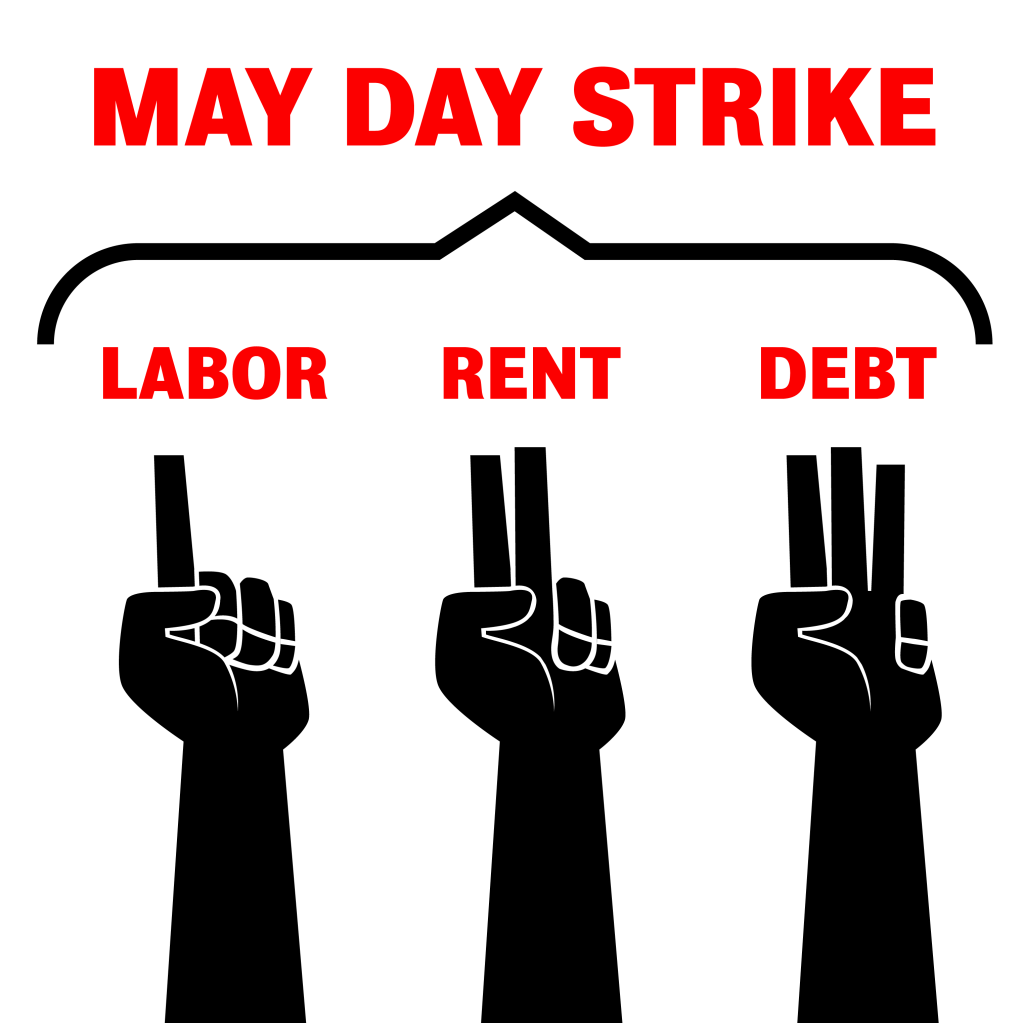
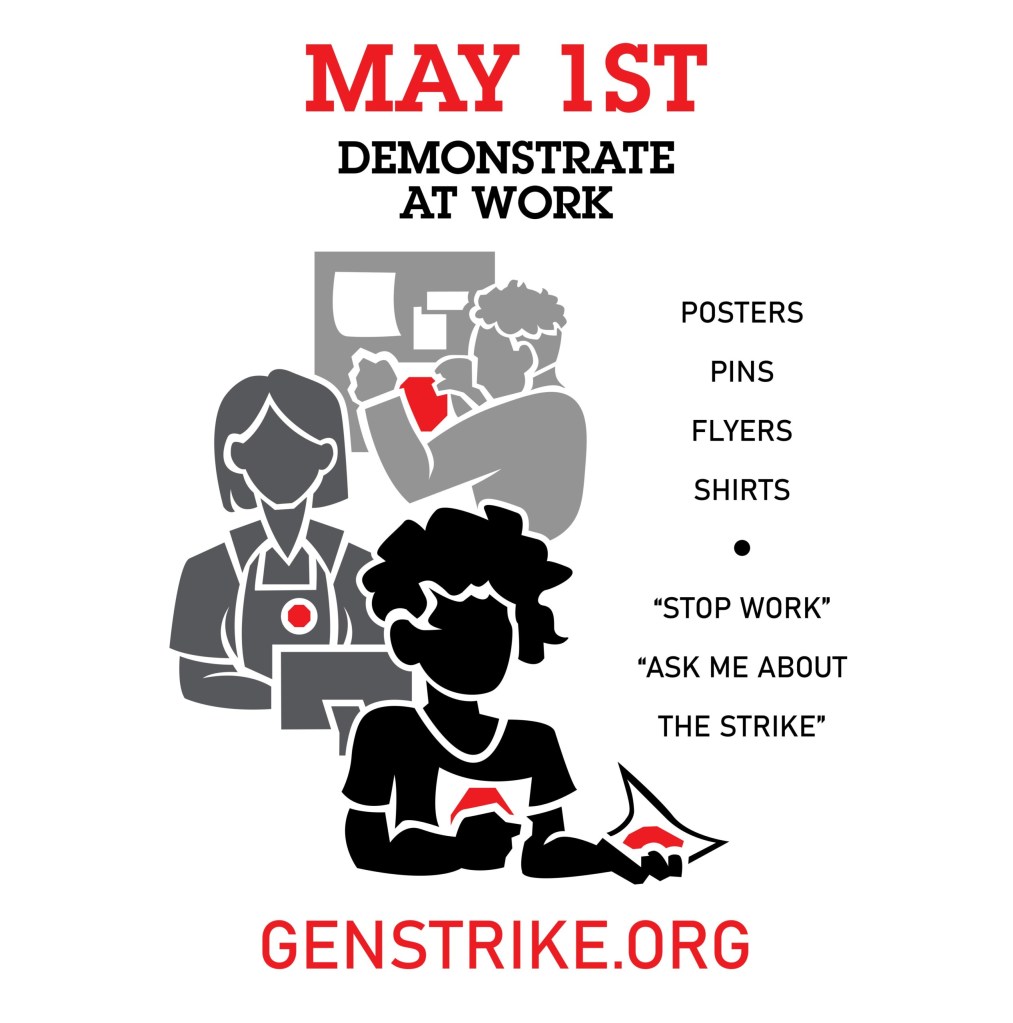


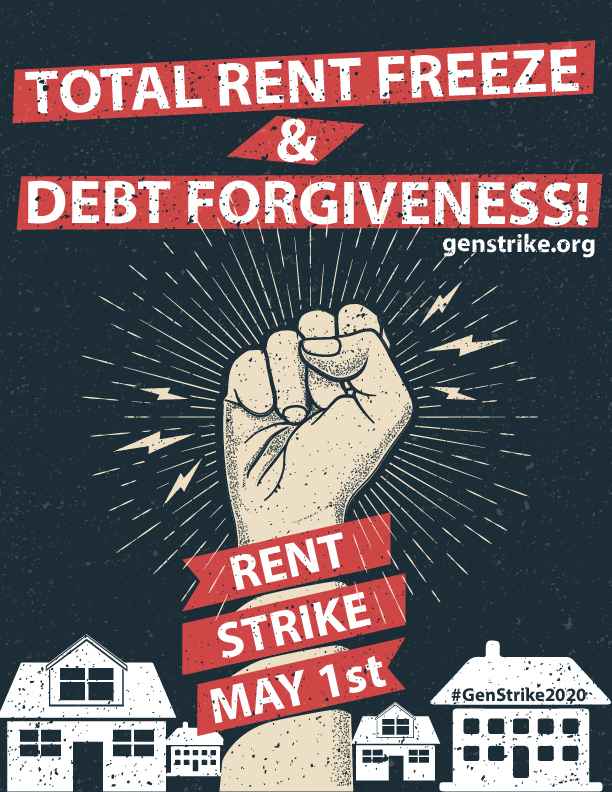
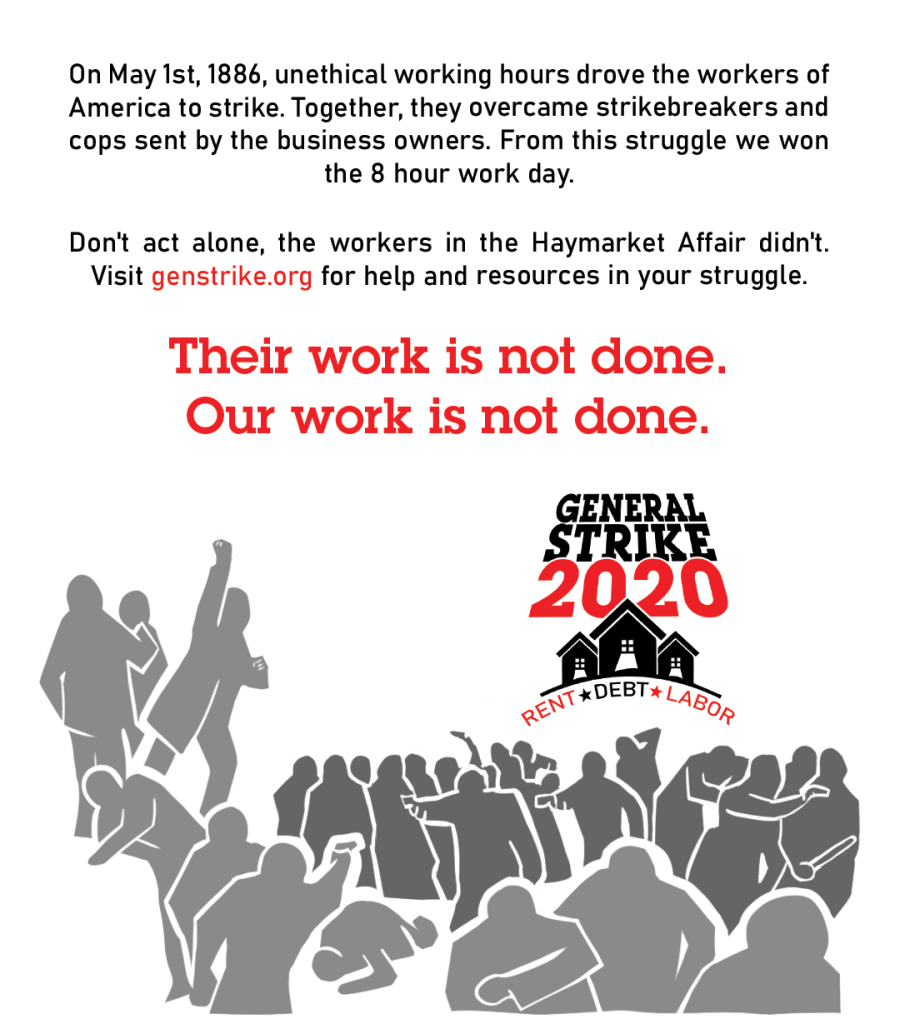

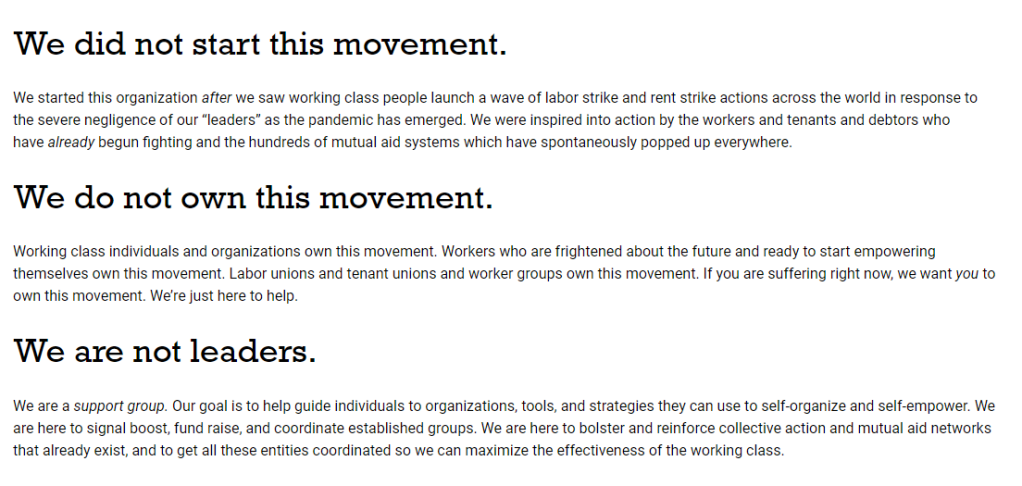


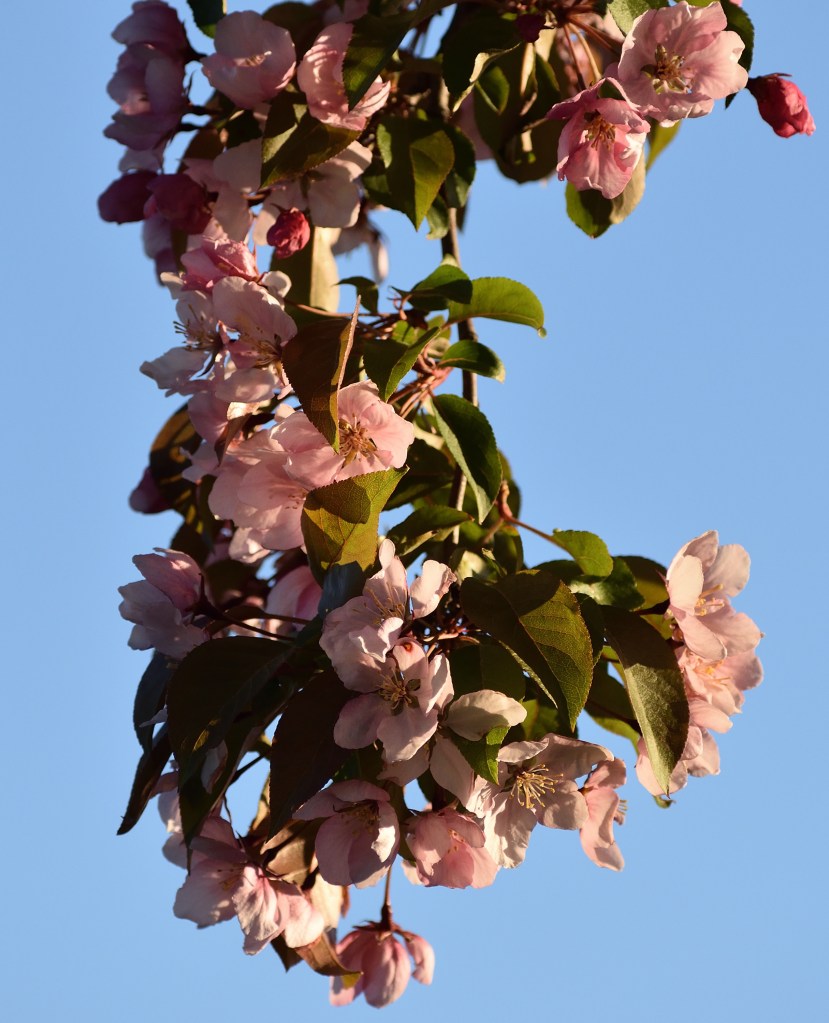
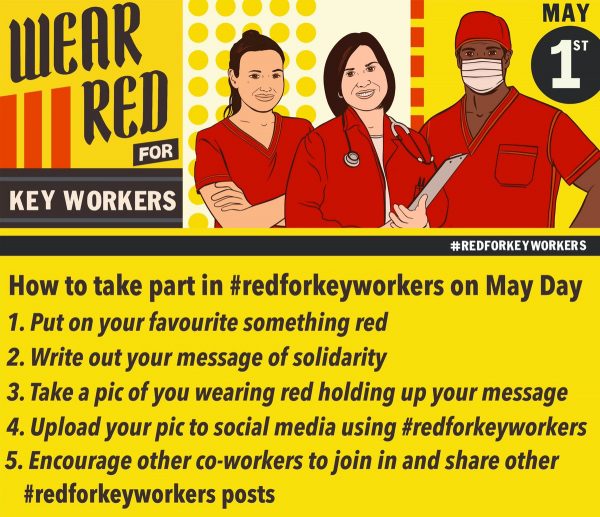


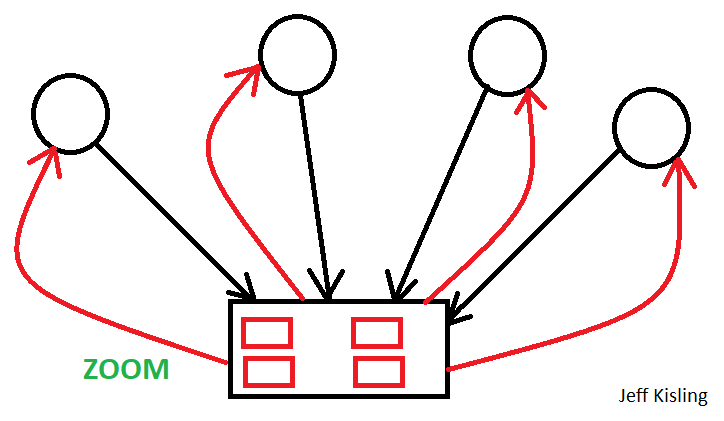


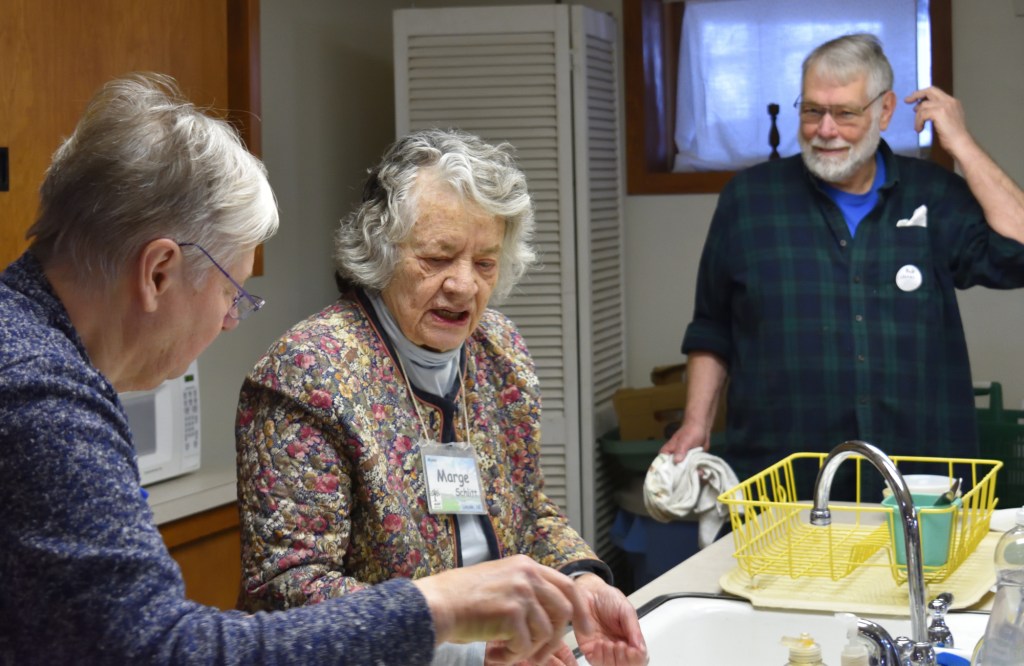

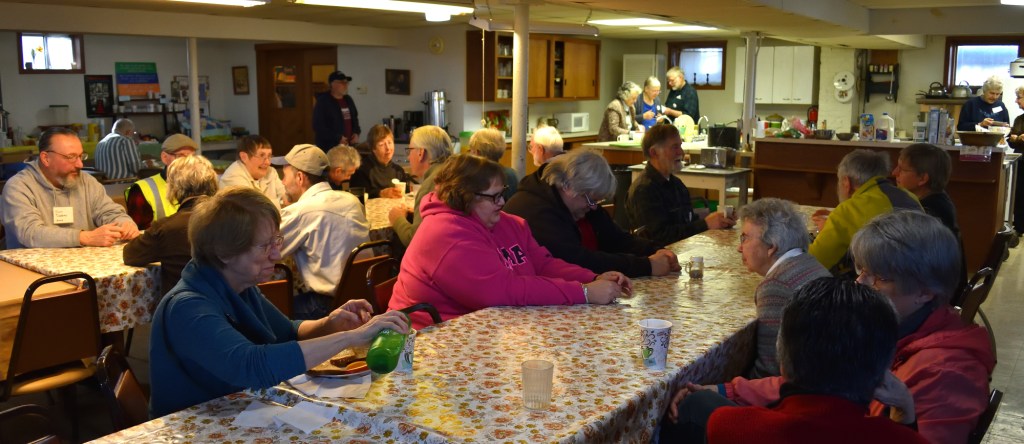




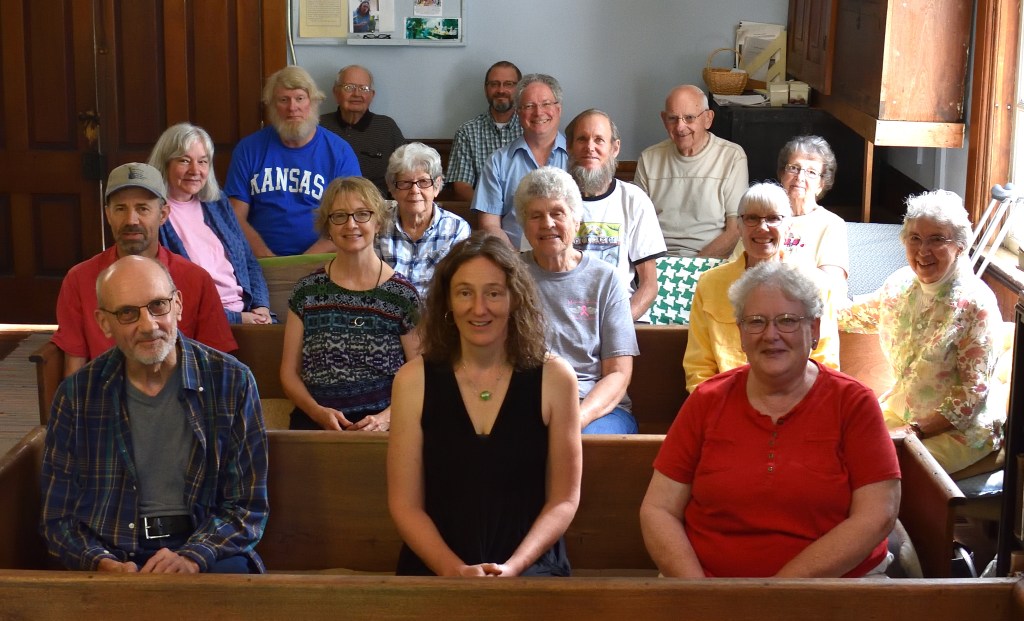


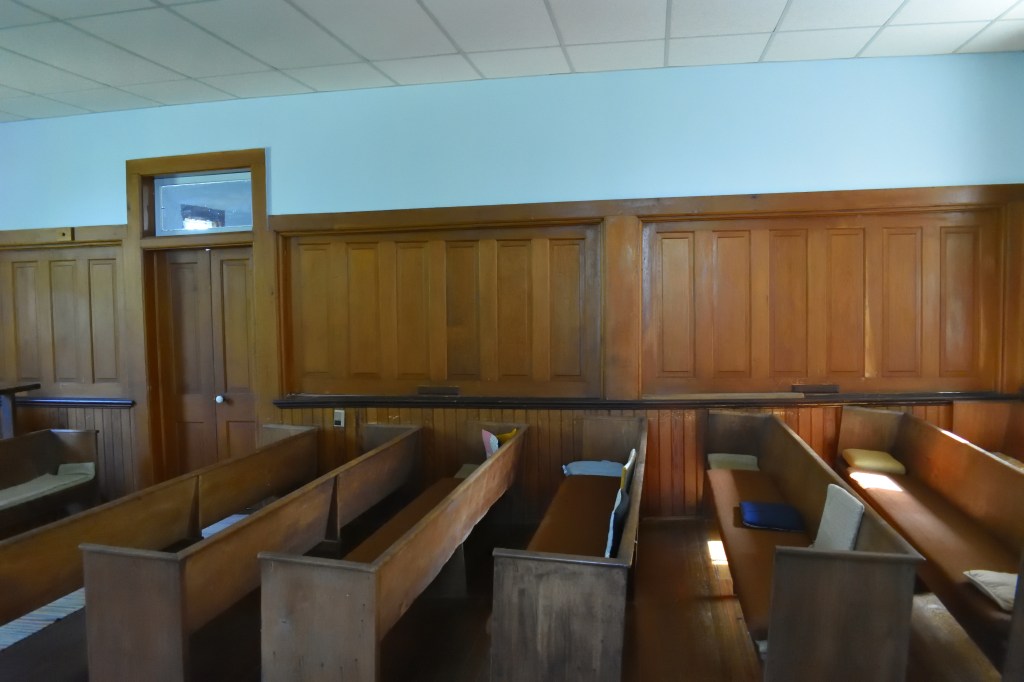

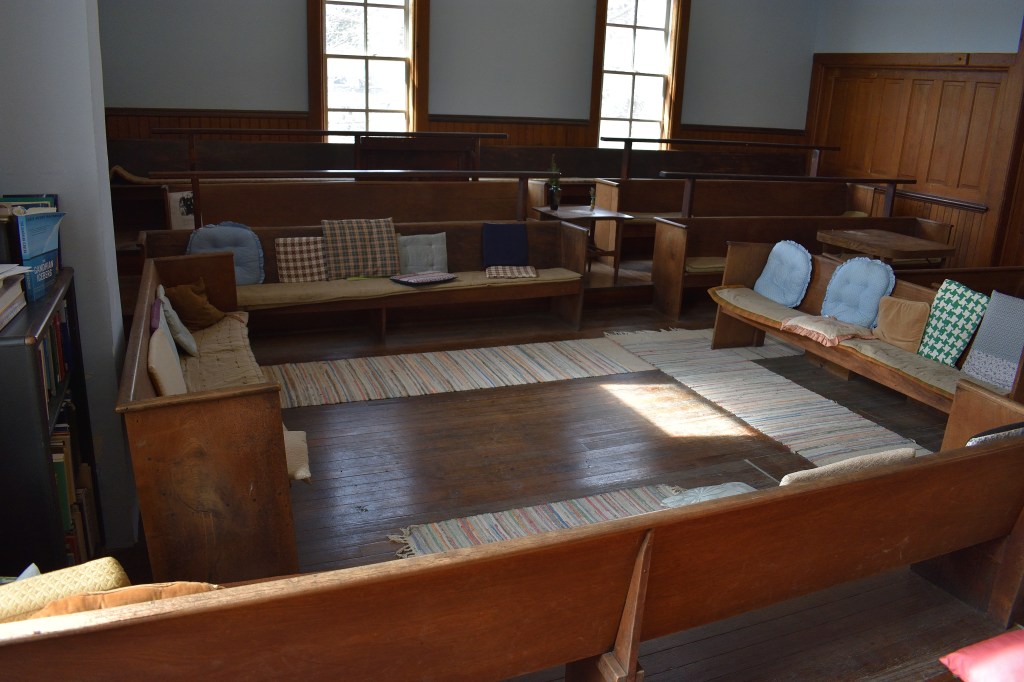
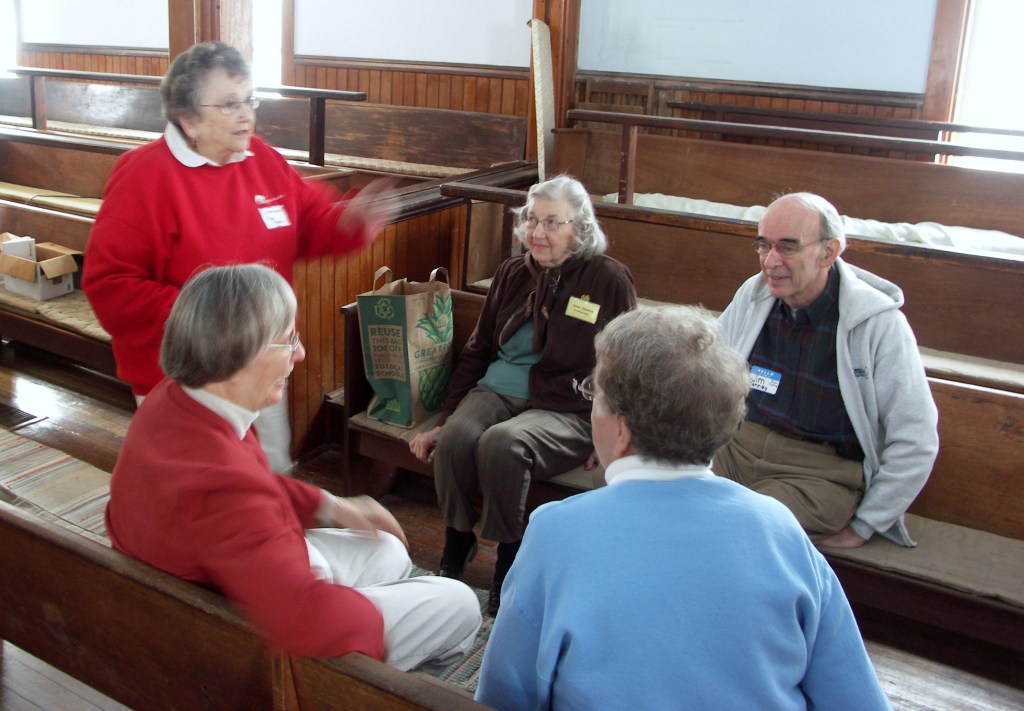

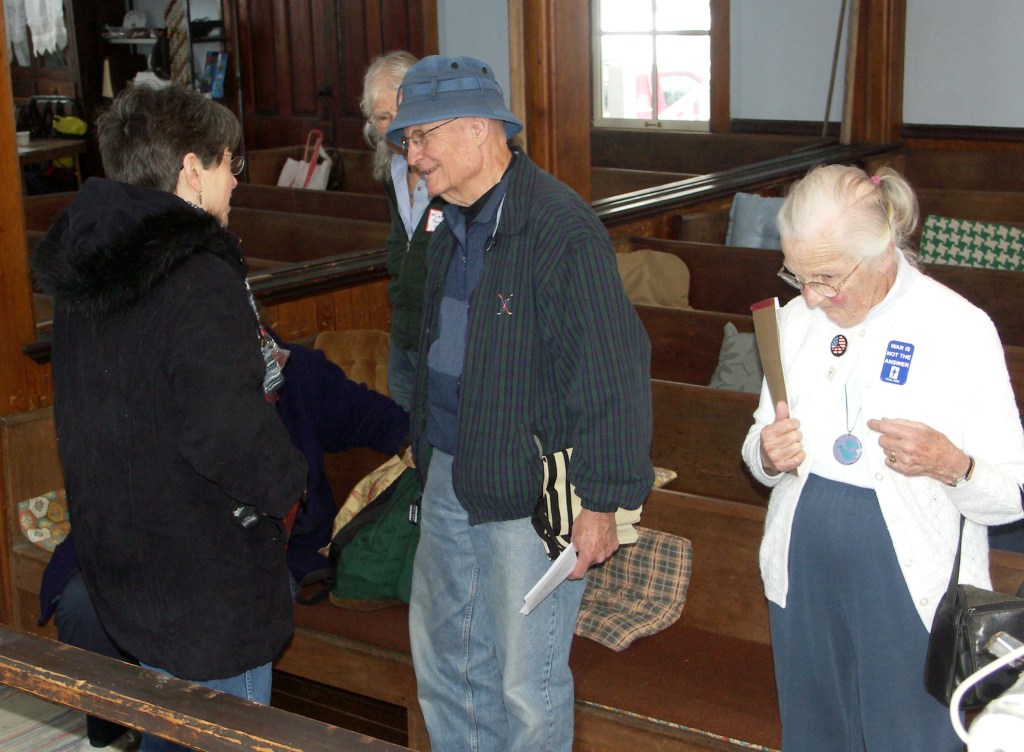


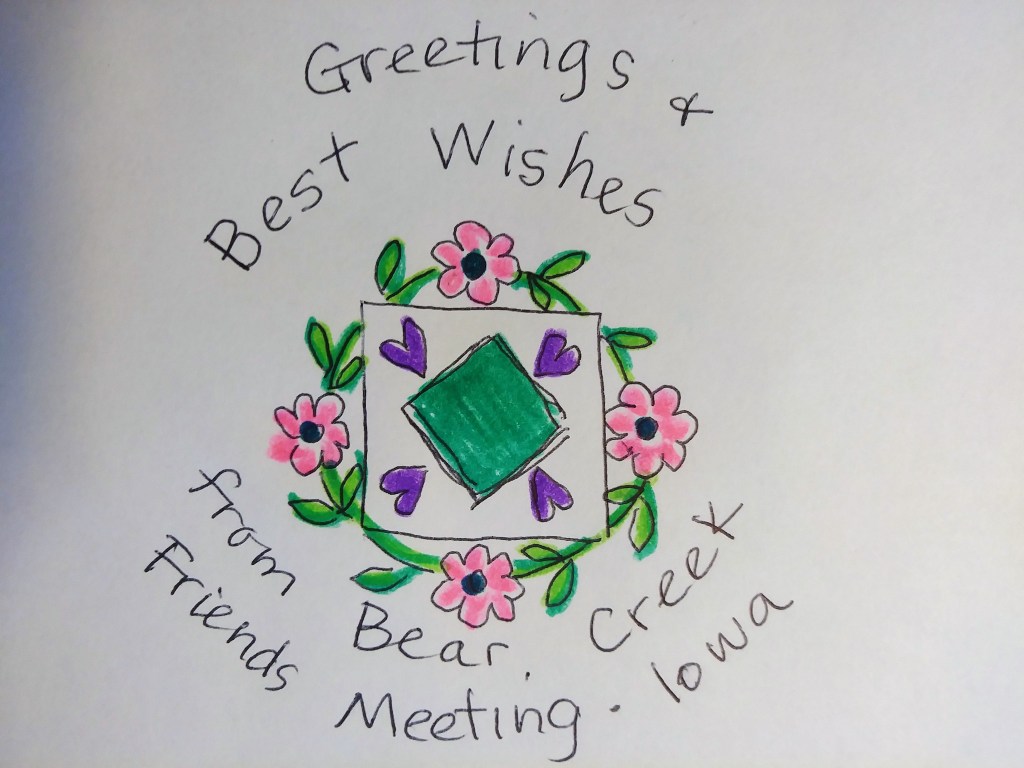


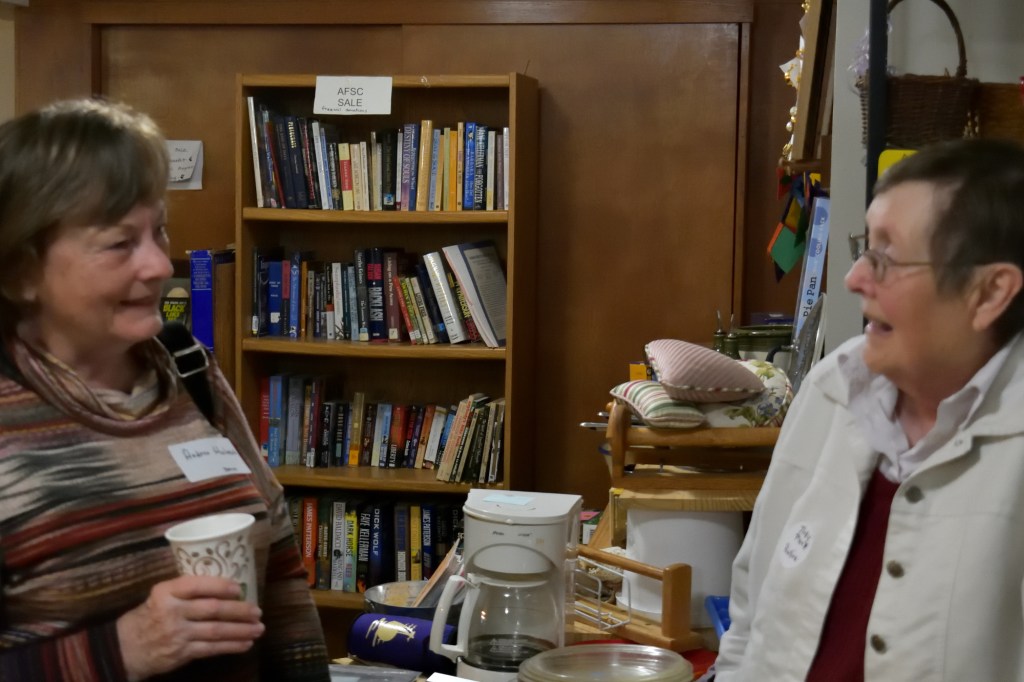


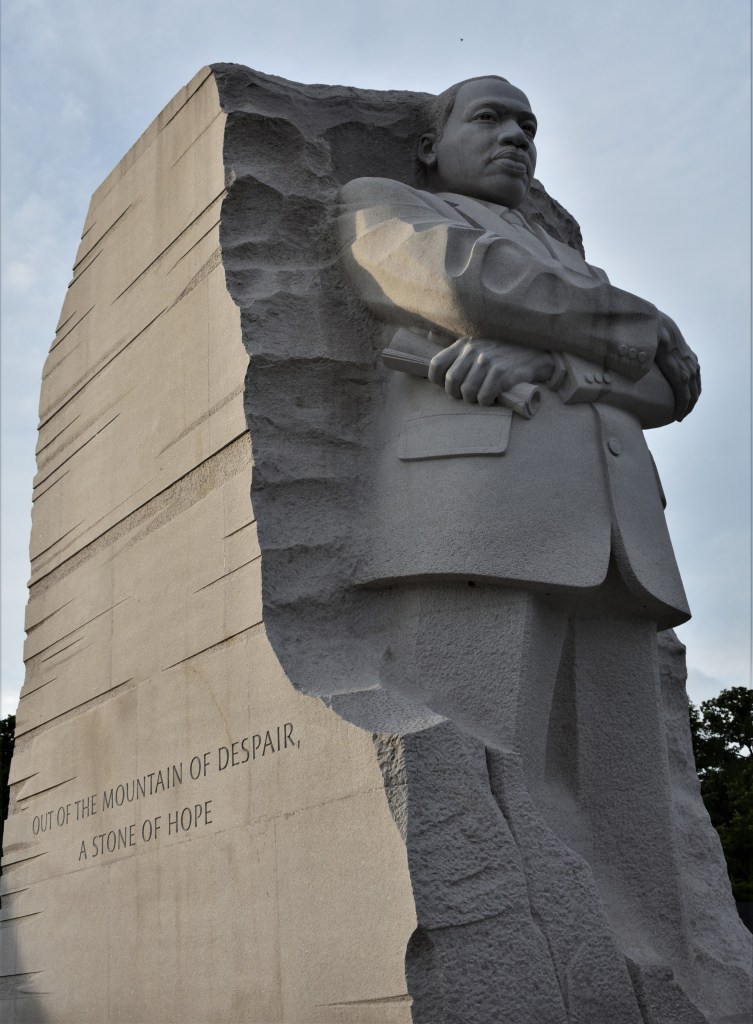
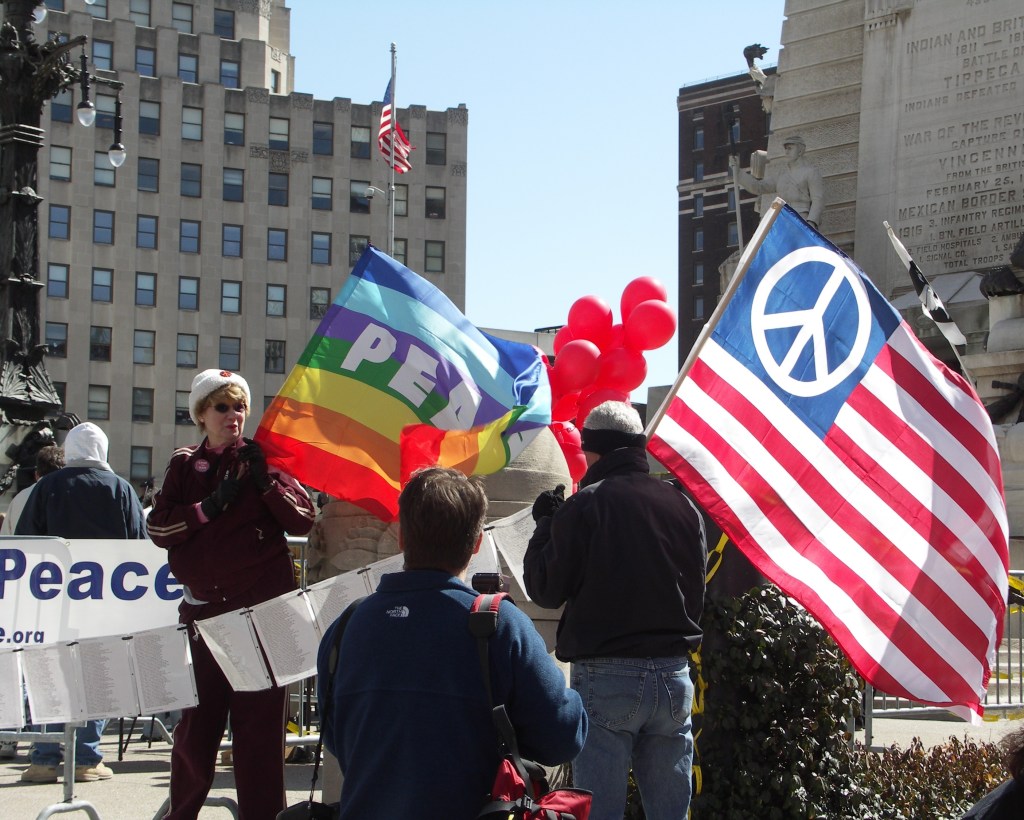
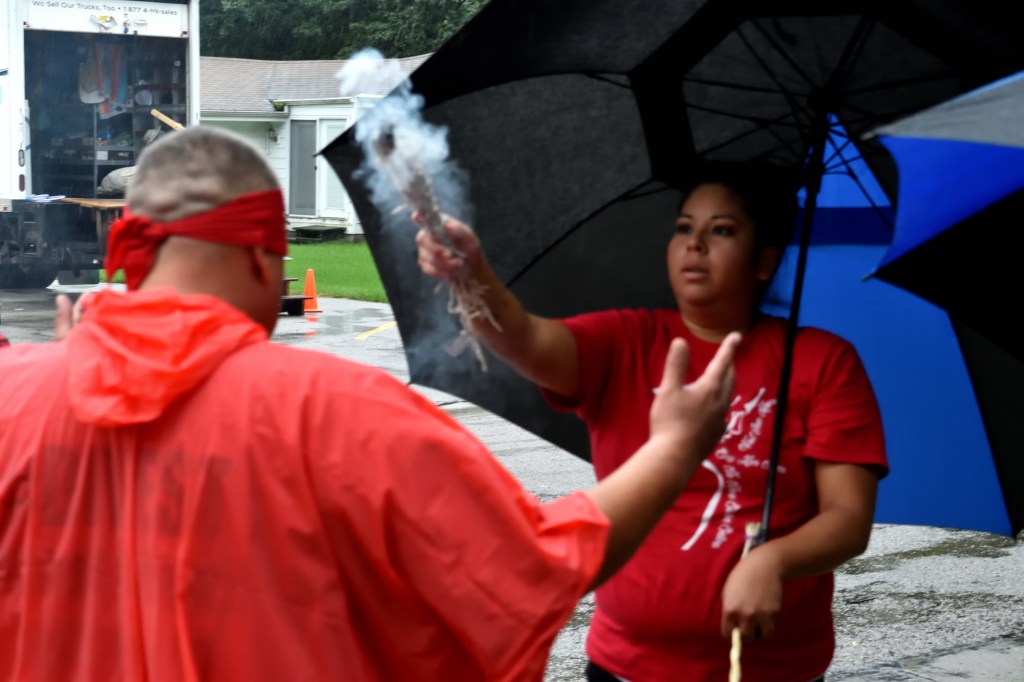
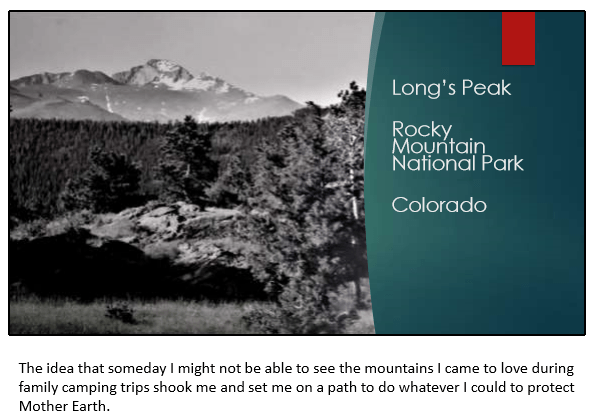

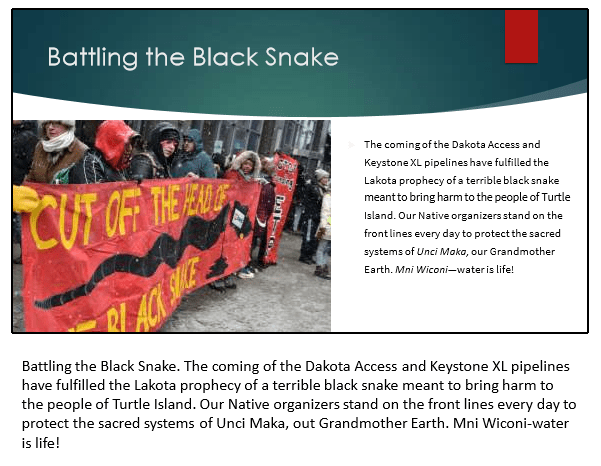
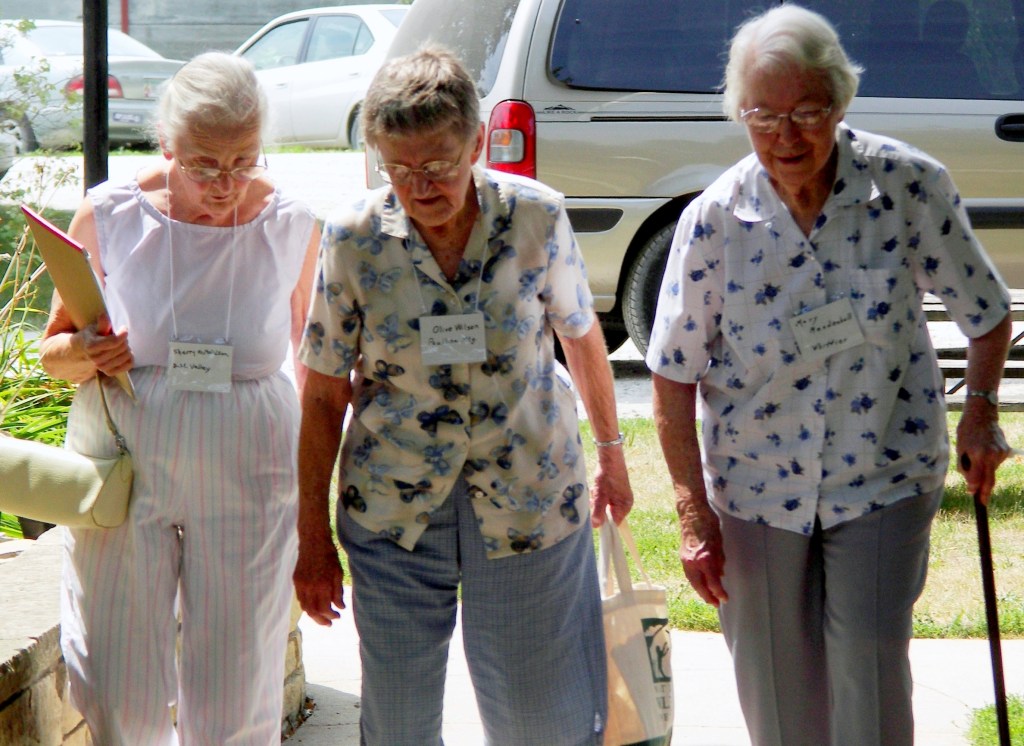
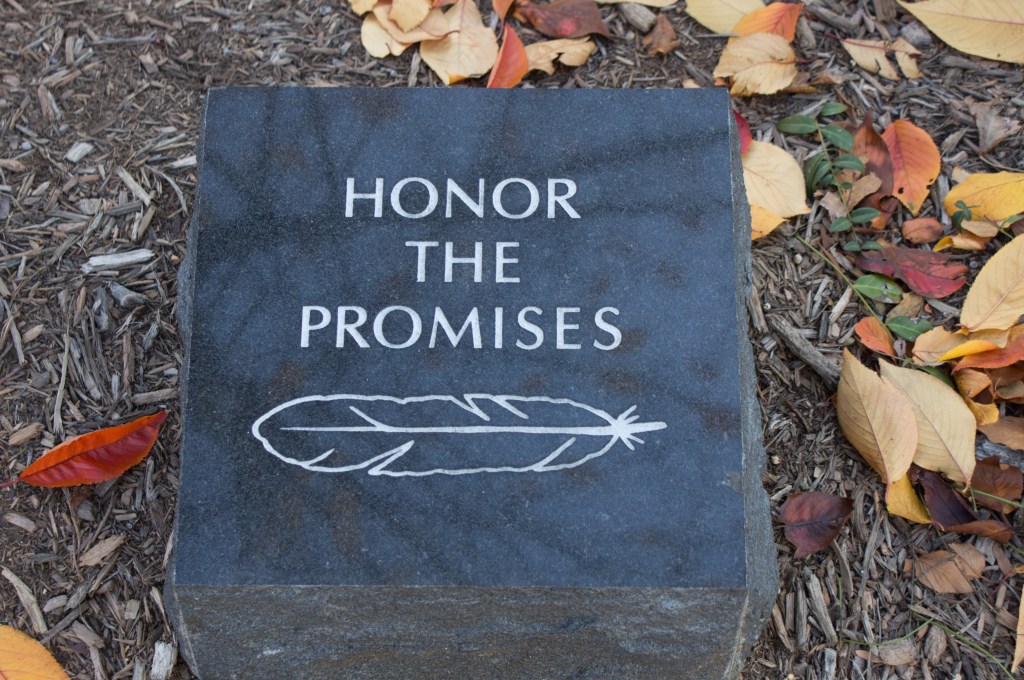


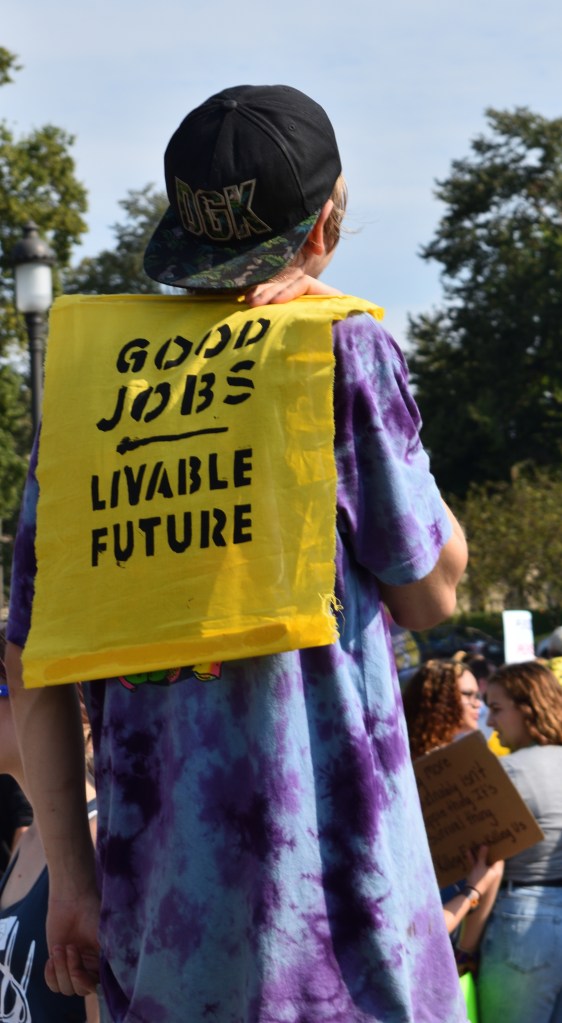

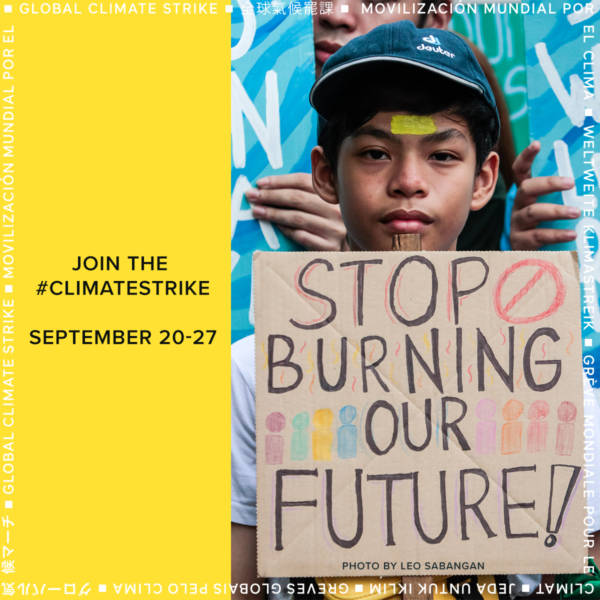
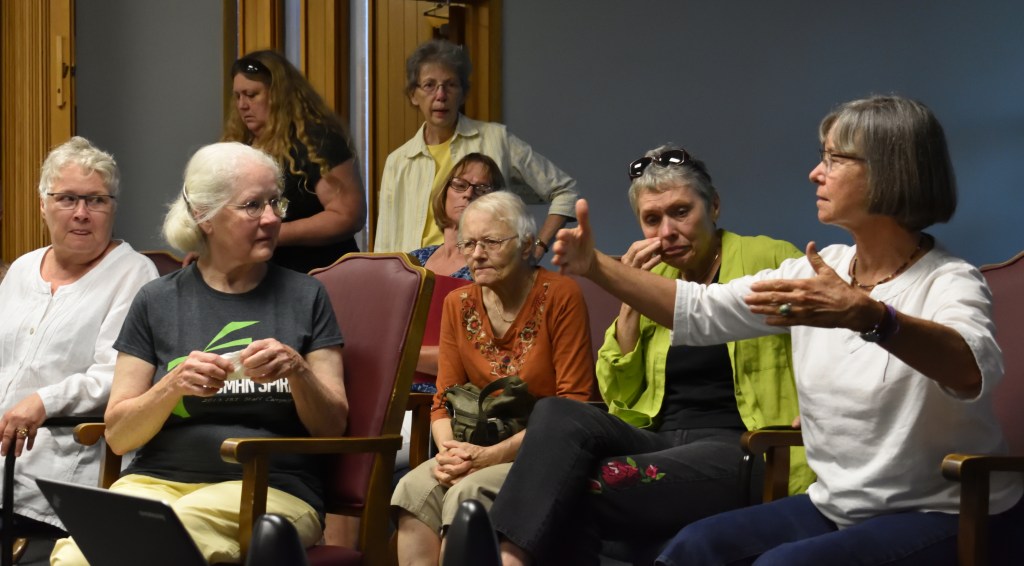
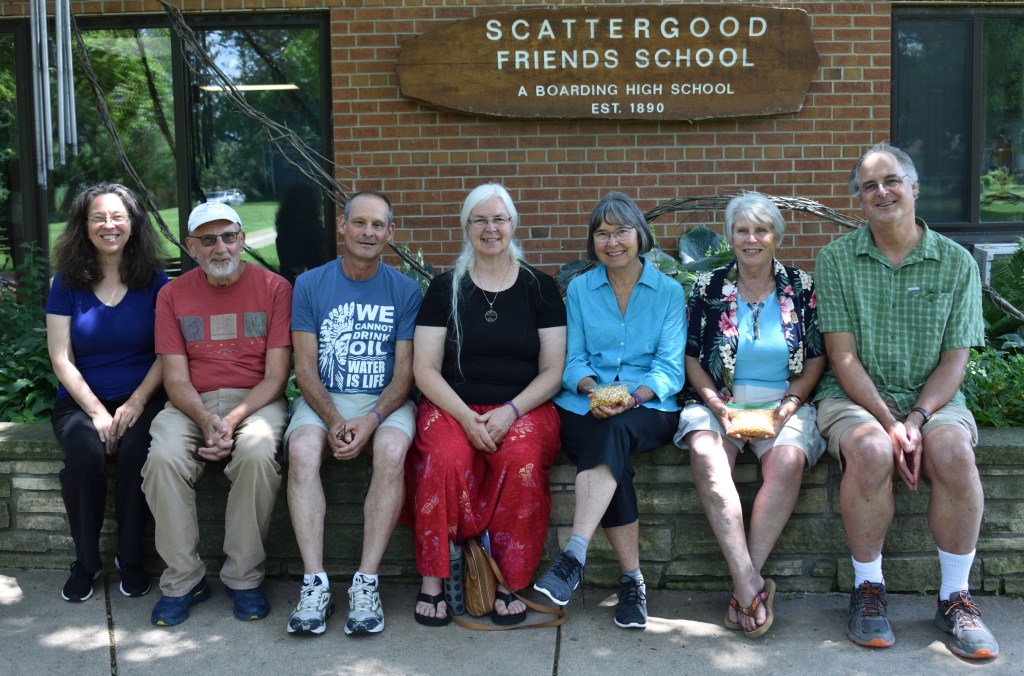
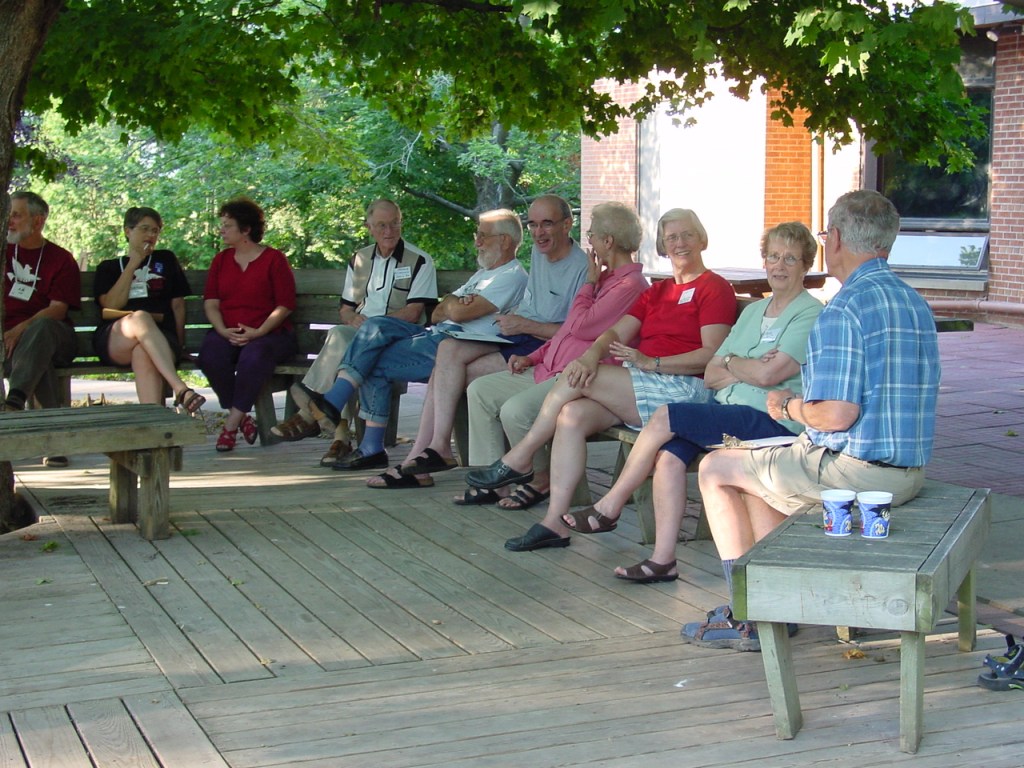


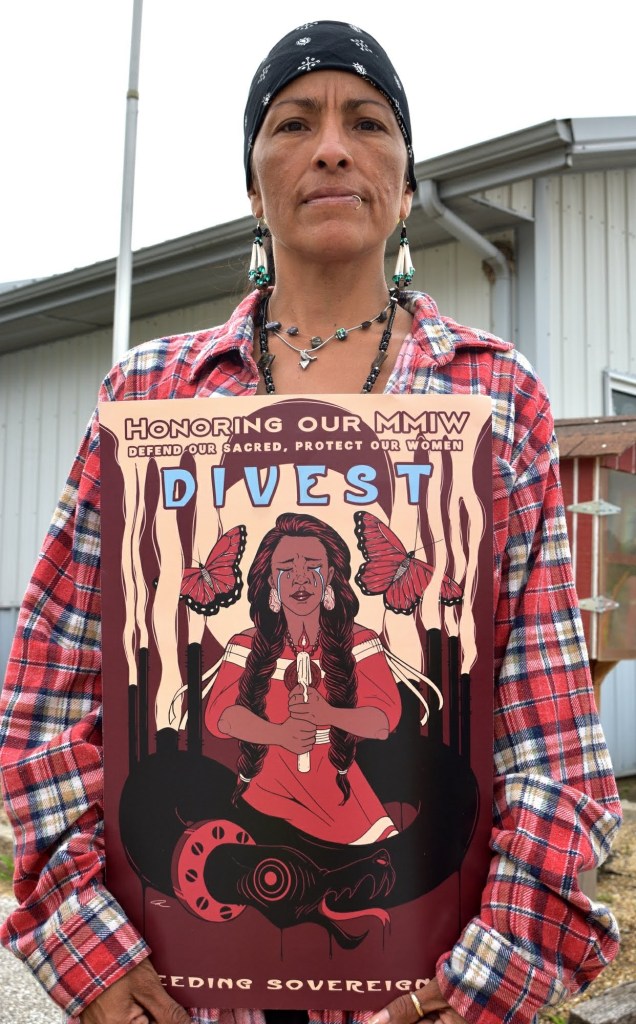


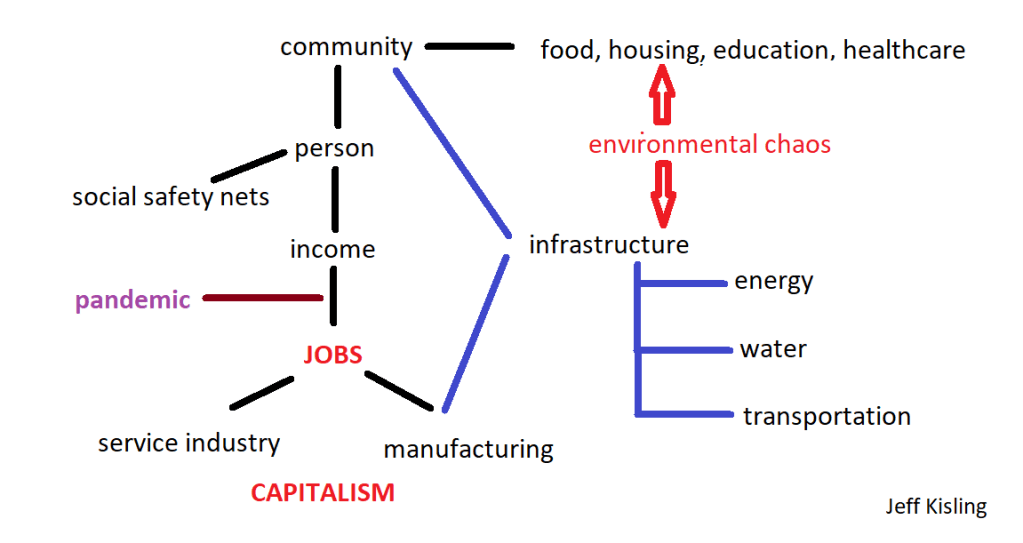
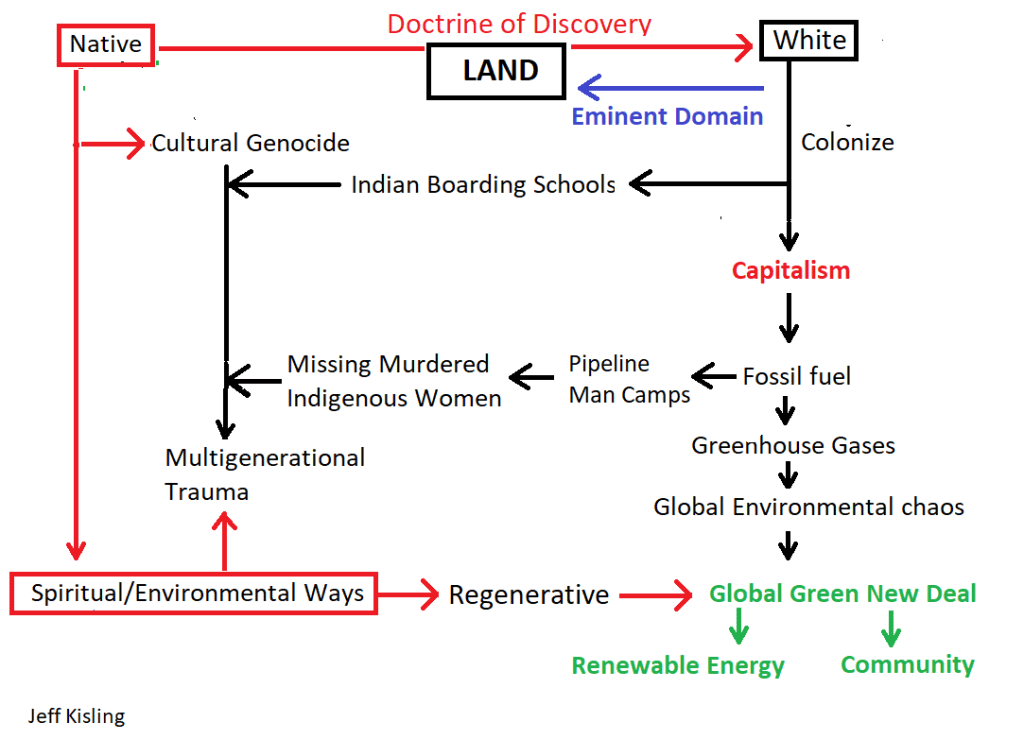


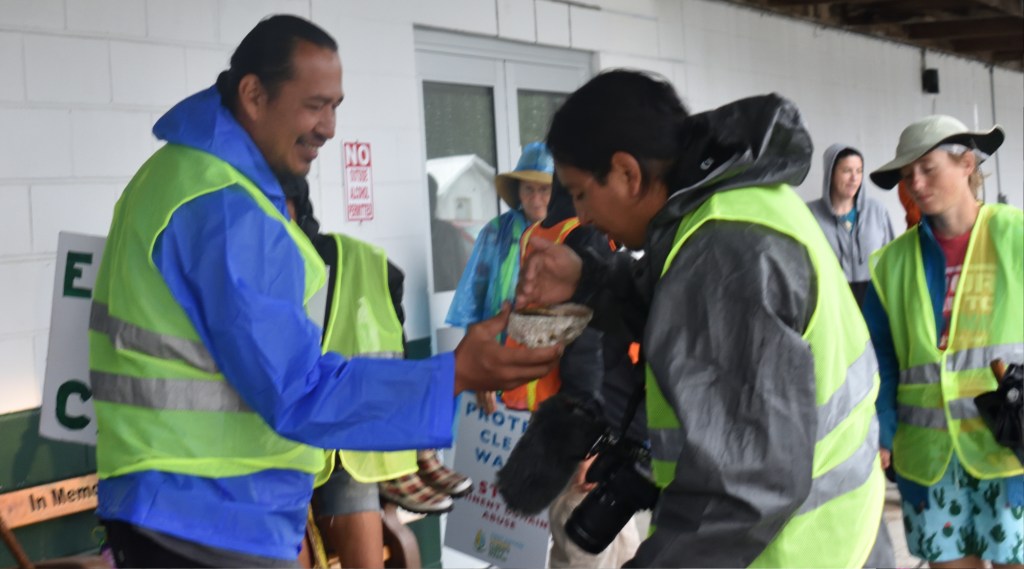

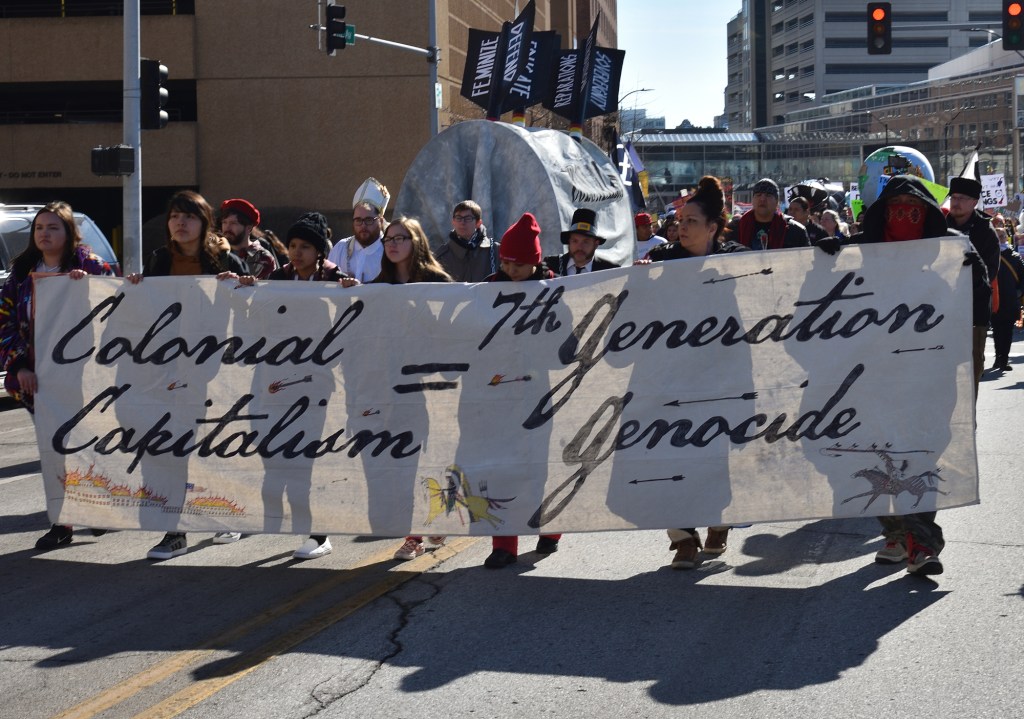

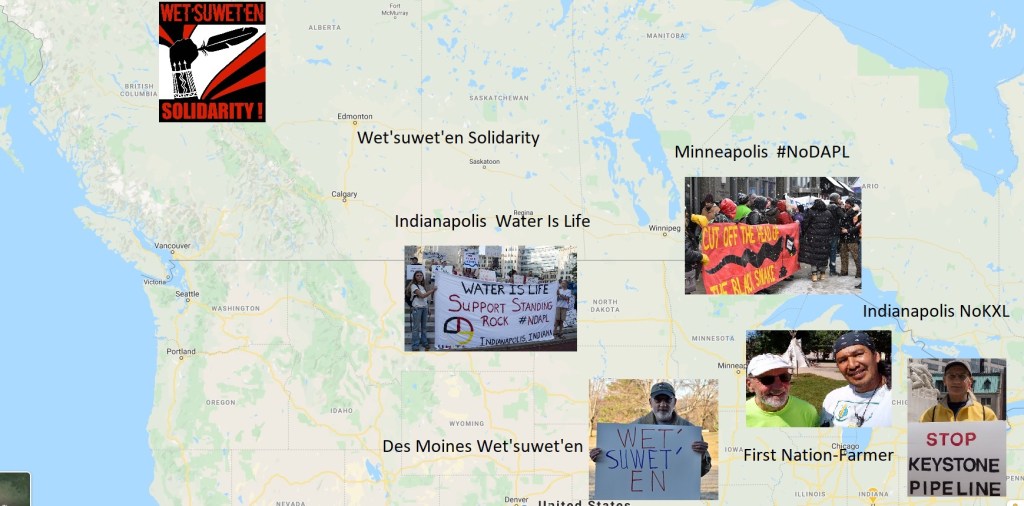
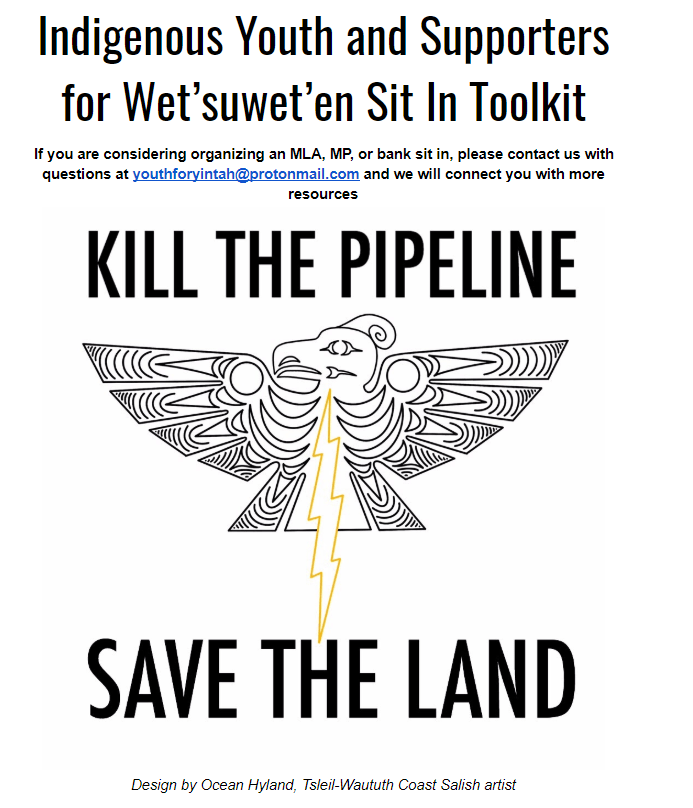


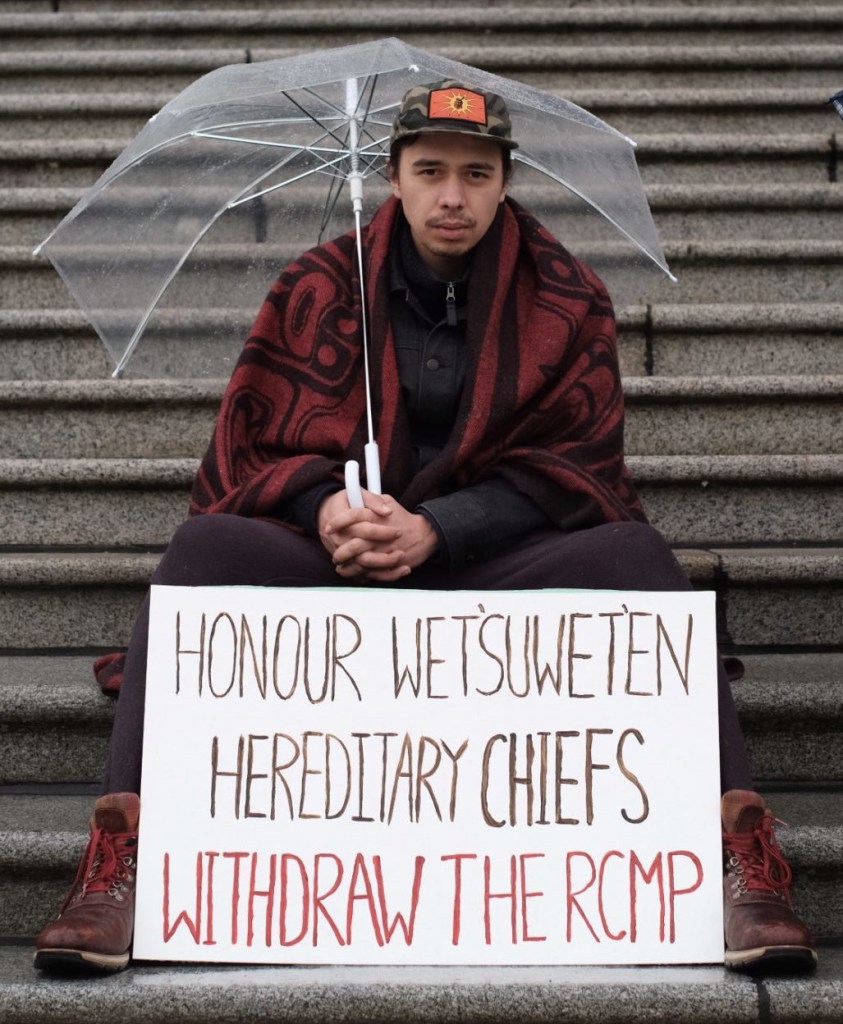
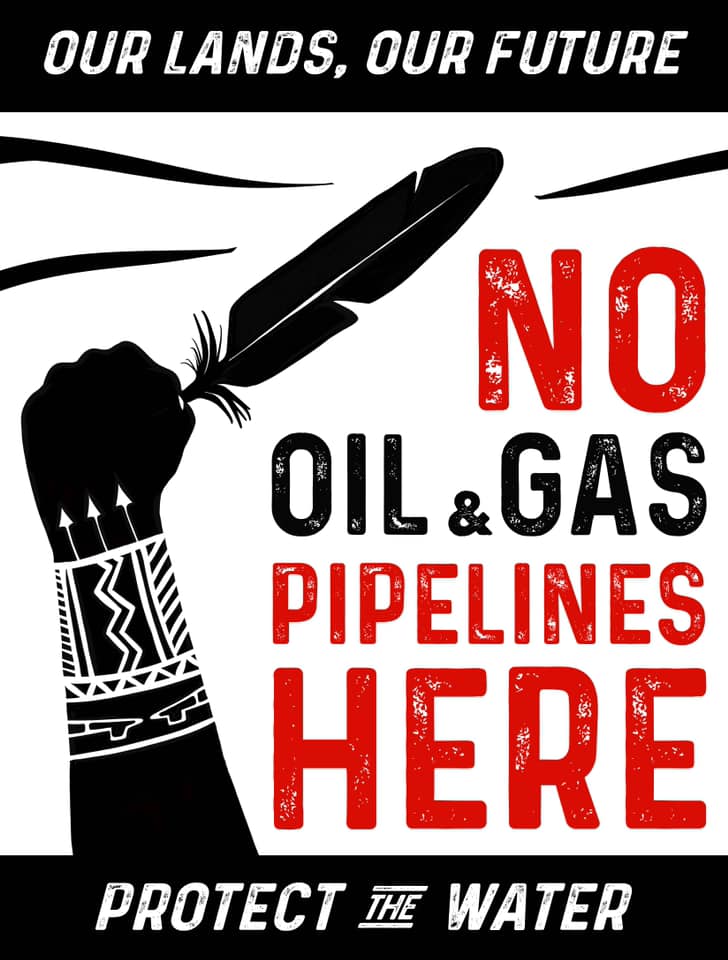


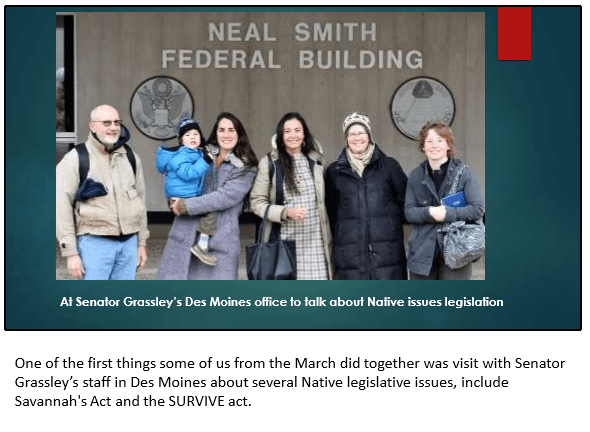


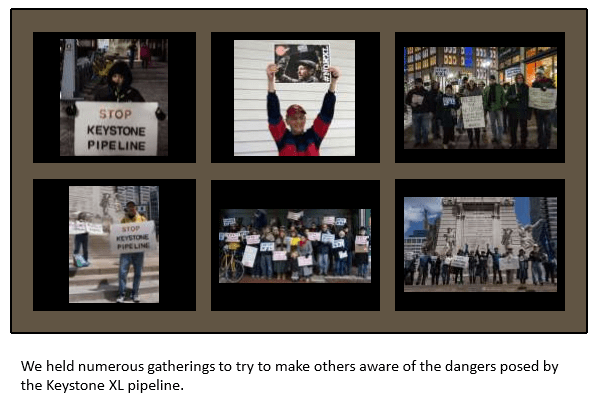


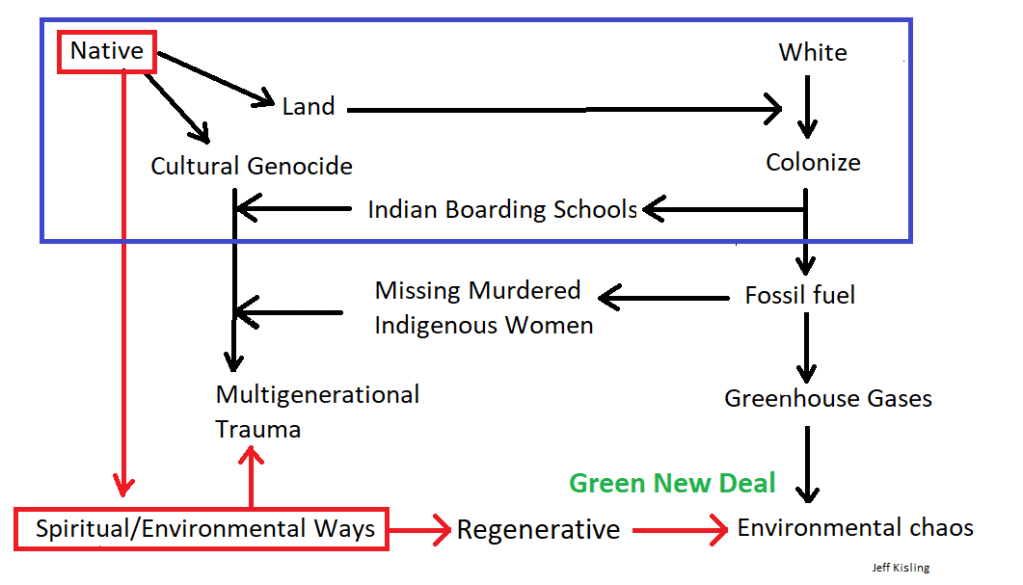


 Quakers, social justice and revolution