The Red Nation Statement on the US Elections 2020

It’s been a stressful year as we’ve experienced the explosion of the COVID-19 pandemic. The consequences of which have provided further evidence of the failure of capitalist economic systems in a dramatic way.

Recent years been stressful as politics and policing at all levels have become increasingly violent, oppressive and moving toward austerity at the same time as the continued transfer of massive wealth to those already wealthy.

The Red Nation Statement on the US Elections 2020 articulates much of what I have been praying and thinking about, and learning.

The recent US election highlights the widespread disgust of the type of in-your-face white supremacy exemplified by Donald Trump. The large voter turnout, especially among Black and Indigenous working poor showed that large sections of the population reject his politics.  But it also underscores the extensive support for those very same politics from a significant share of the population. Trumpism is not going away anytime soon.

Thus, while Trump’s defeat is cause for celebration, the roots of white supremacy in the United States are deep and must be confronted. These roots sprout not only fiends like Donald Trump, but a whole political establishment in the service of settler colonialism and world domination. A Biden presidency means a continuation of the very same neoliberal policies that brought us Donald Trump to begin with. These are the politics of war and aggression abroad, and of austerity and police repression at home.

US imperialism is in crisis. This drives the capitalist system towards austerity, increased suffering among the working poor, repression at home and imperialist aggression, subversion and wars abroad. This is not something new and is not something that Trump created in the last four years, although he intensified it. Obama also intensified the suffering, the repression and US aggression abroad during his administration.

TRN Statement on US Elections 2020 Posted on November 15, 2020 by the Editorial Council

My friend Christine Nobiss recently organized “Capitalism is the Pandemic“, that included flying this banner over New York City.


With any crisis there is revolutionary opportunity. We don’t just “make” revolution, it has to be manufactured. It has to be organized. It will not be a continued uprising in the streets. An insurrectionist approach, while valid in its expression, is unsustainable.

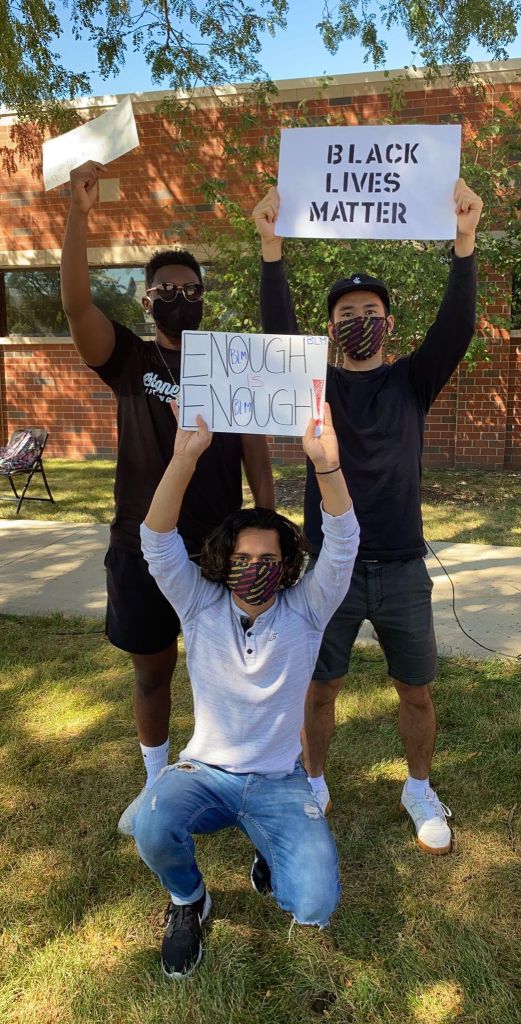
What is the way forward? The change that we need requires that the masses of people in this country grasp that capitalism cannot be reformed and that it is headed into ever deeper systemic crisis. Poverty, climate change, police repression, state surveillance, are systemic problems. Already this understanding is reaching larger sections of the population, especially among the most oppressed. Calls for defunding and even abolishing the police spread quite broadly last summer. Steps in that direction are being taken up throughout the country and organized by various groups. These steps weaken the repressive apparatus and allow for broader democracy.

This understanding of the actual social reality in the US is key to building the forces needed to change it. The battle of ideas against the ideology of greed and individualism, and the need for communal organization are key. Communalization is both an Indigenous legacy and an ongoing set of practices that the US settler colonial project has tried to destroy from its inception. But these efforts to maintain a different world endure and point us all, Indigenous and non-Indigenous, towards a better future. Indigenous peoples, peoples of tribal nations, peoples of Maroon communities, peoples of the land have lived before capitalism and against capitalism. They have cultivated relations with each other and the land that do not rely on conquest and surplus but bring abundance and joy and dignity to all. These communal forms should be developed and become schools for freedom. We call these schools for Indigenous socialism. Join us in the struggle to create a better future.

TRN Statement on US Elections 2020 Posted on November 15, 2020 by the Editorial Council

My friend Ronnie James has stated this core idea that “capitalism cannot be reformed.

“I’m of the firm opinion that a system that was built by stolen bodies on stolen land for the benefit of a few is a system that is not repairable. It is operating as designed, and small changes (which are the result of huge efforts) to lessen the blow on those it was not designed for are merely half measures that can’t ever fully succeed.

So the question is now, where do we go from here? Do we continue to make incremental changes while the wealthy hoard more wealth and the climate crisis deepens, or do we do something drastic that has never been done before? Can we envision and create a world where a class war from above isn’t a reality anymore?”

Ronnie James

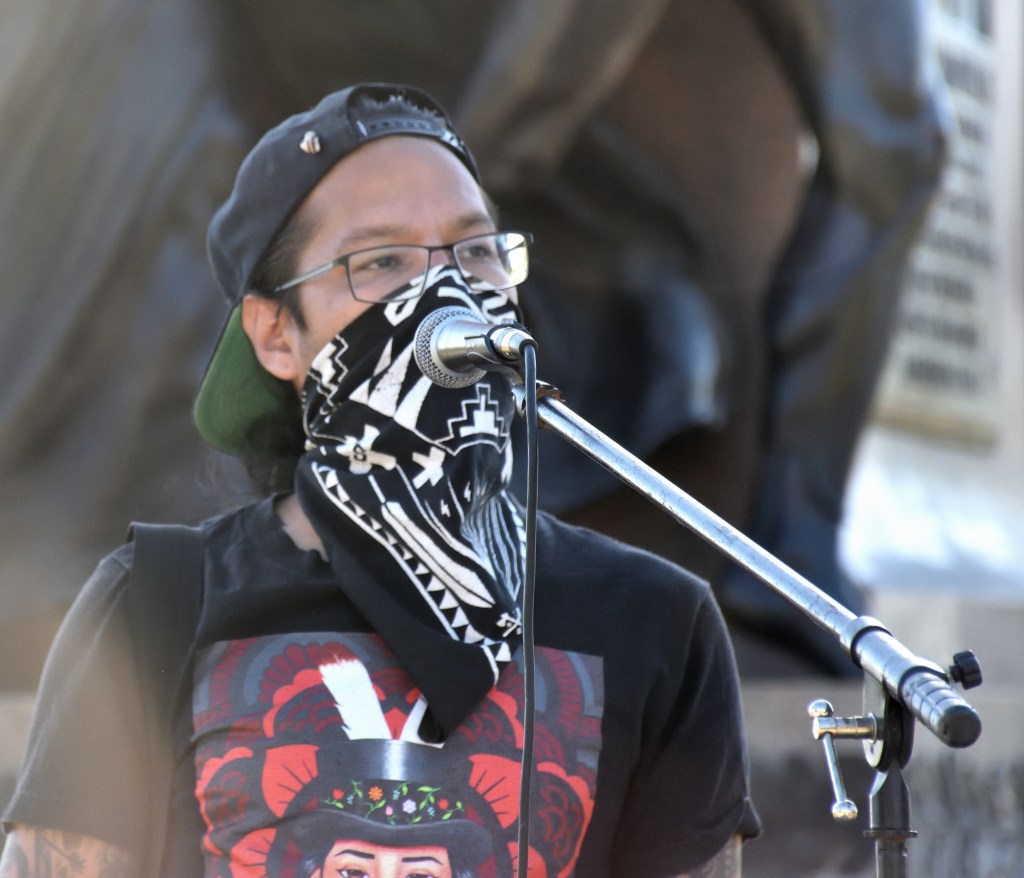
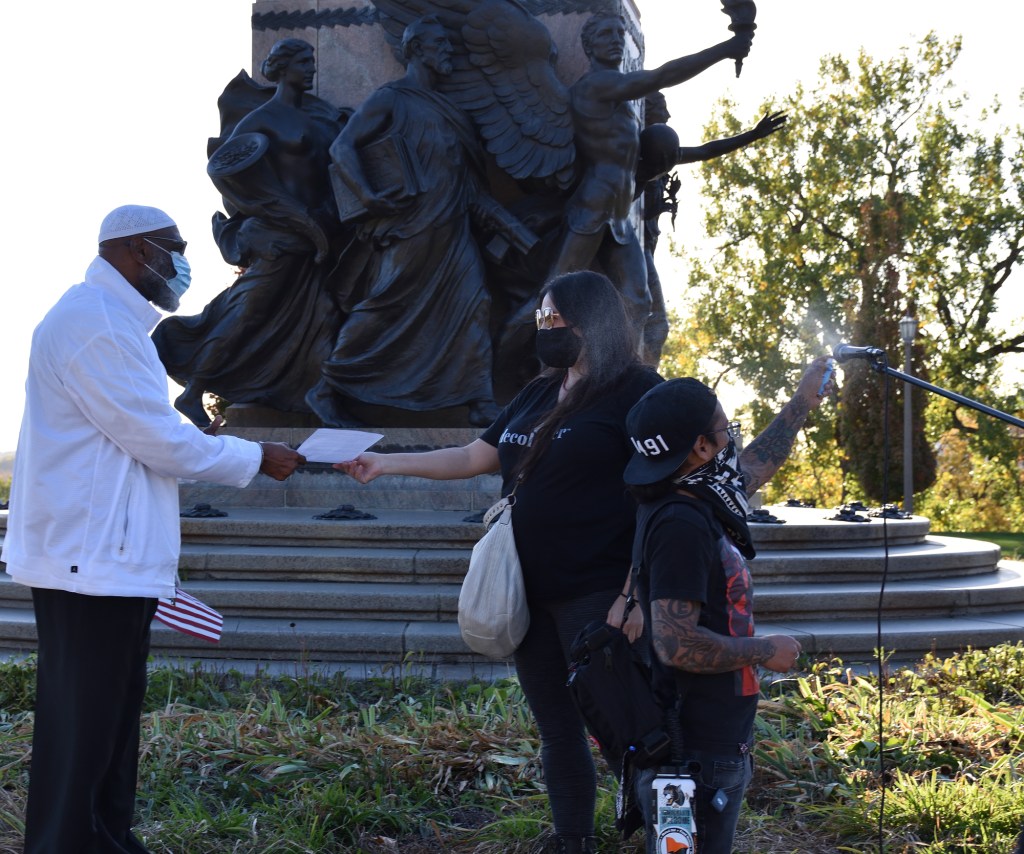
As The Red Nation states above, “the need for communal organization” is key. The concept of Mutual Aid is an example of communal organization. Ronnie is a key person in Des Moines’ Mutual Aid work. And has been teaching me about it. I’ve been blessed to be able to participate in the free food store.

I’ve been working for some time now on this diagram, to help me understand the relationships among these things.

Posted in decolonize, Des Moines Mutual Aid, Mutual Aid, Uncategorized | Leave a comment

Boarding School Healing Virtual Summit

There is a long and tragic history related to the Indian boarding, or residential schools in the lands known as United States and Canada. Not nearly all of them involved Quakers but some did. The topic of the residential schools, their history, the historic and ongoing trauma, and how healing might come about are concerns of many Friends (Quakers) today.

Following is information about an online summit organized by the National Native American Boarding School Healing Coalition (NABS) that will be held this Wednesday.

The deadline to register is Tuesday, November 17.

The National Native American Boarding School Healing Coalition (NABS) is excited to announce our very first Boarding School Healing Virtual Summit, Healing Narratives: Past, Present, and Future, to be held on Wednesday, November 18, 2020.​

It was our plan to host another in-person Boarding School Healing Conference this year, yet we remain committed to helping keep all of our elders and friends healthy and safe during the COVID-19 pandemic, and decided that a Virtual Summit was just the ticket!​

We are grateful for the support of the WK Kellogg Foundation for their support of this Summit. Because of their generosity, we are offering complimentary registration for everyone who wishes to attend but we are encouraging a $25 donation from those who also wish to support this important work to understand and address the ongoing trauma caused by Indian boarding schools. ​

Over the last 7 years, more and more stories from our boarding school survivors and descendants have been offered by our elders. It so important for us to hear these stories and we are grateful. During our first two conferences in Carlisle, Pennsylvania, and Tulalip, Washington, we were gifted with even more stories about their boarding school experiences and their healing. We must continue to share and listen.

https://www.healingsummit2020.org/


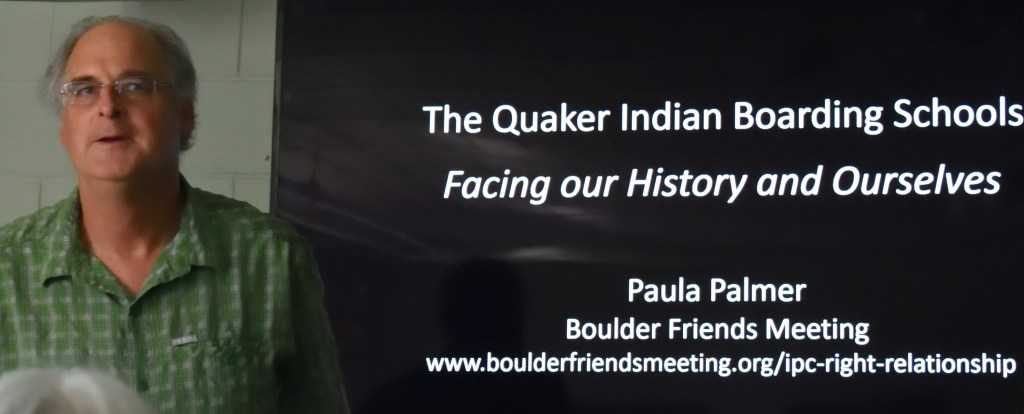
An area of work of Friends Peace Teams is Toward Right Relationship with Native Peoples. A number of Quakers and others have experienced workshops and presentations that came out of Paula Palmer’s the call to this ministry.

What would right relationship among Native and non-Native peoples of North America look like? How can we begin to take steps in that direction in our communities, places of worship, schools, and other institutions?

The Toward Right Relationship with Native Peoples (TRR) program promotes education, reflection, dialogue, and action in response to these queries.

Toward Right Relationship with Native Peoples


Posted in First Nations, Indigenous, Native Americans, Quaker, Toward Right Relationship with Native Peoples, Uncategorized | Tagged | Leave a comment

What does it mean to be a truth teller?

I’ve recently heard about additional experiences of a friend of mine, a Quaker friend. A friend who is a person of color.

She has had many experiences related to racism and White supremacy, in more than one Quaker meeting she has attended.

These are difficult situations, because there were Quakers who were involved in the enslavement of black people. This seems at odds with stories of some Quakers as abolitionists. Both are true.

I’ve been present when there was great tension in Quaker gatherings as we began discussions related to the role of Quakers in forced assimilation of Native children. Discussions even more difficult because some of our ancestors were involved with those Indian boarding schools.

My friend asks, “what does it mean to be a Quaker? Truth teller?”

A truth teller does not try to modify a fact, experience, or idea to hide what is ugly. It is often uncomfortable to tell the truth. (see Brutally Honest Guide to Being Brutally Honest” below).

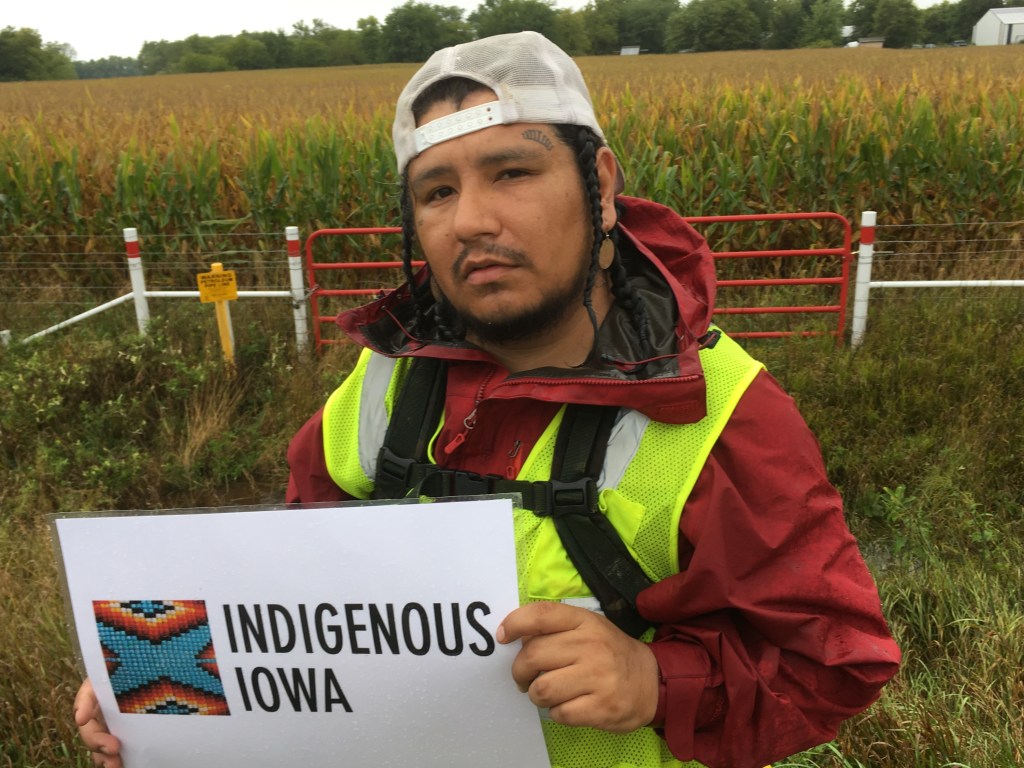
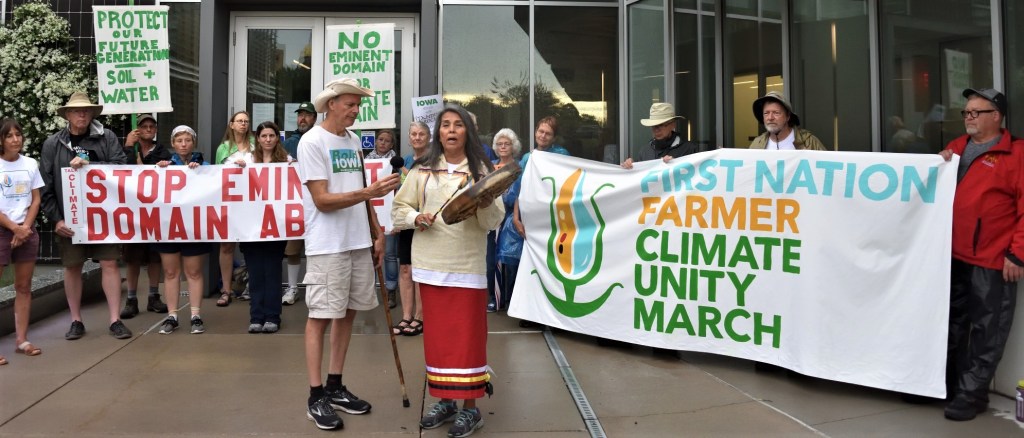
I have my own stories related to the Quaker Indian boarding schools. In 2018, I was blessed to walk on the First Nation-Farmer Climate Unity March. A small group, about a dozen native and dozen nonnative people, walked together along the route of the Dakota Access pipeline. The intention was for us to share each other’s stories, to get to know each other and begin to build some trust so we could work on things of common concern. Which would build more trust.

Knowing some of the terrible history of Quakers and Indian boarding schools, I didn’t know what to do about that as we marched together. I certainly wasn’t looking forward to those discussions, if they came up. I admit I was kind of hoping they would not.

But it didn’t take long for me to realize people would not be able to trust me if I didn’t confront the issue of the boarding schools. For some roleplaying, I imagined I was a native person on the March. What would I think of a White person walking beside me, knowing as I (the native person) did the history of those schools? This was very relevant now because I knew the trauma from the past, such as the trauma of these boarding schools, has been passed from generation to generation.

In other words, the trauma of the Indian boarding schools is affecting the lives of the people I am walking with now. And their families.

“The Past Isn’t Dead. It Isn’t Even Past”

William Faulkner, Requiem for a Nun

I wrote the following on my blog:

It didn’t take too many hours of getting to know Matthew when the Spirit led me to say to him, “I know about Quakers’ involvement in the Indian boarding schools. I’m sorry they did that.” I was apprehensive about whether I should have said that, whether that was appropriate or could pull up bad memories. We continued to walk side by side. All I noticed was a slight nod of his head. He always smiles, and that didn’t change.

But the next time we walked together, Matthew shared a story with me. He had been living at Standing Rock for about six months, when he learned a new rope was needed to ferry people back and forth across a narrow channel of water. He offered a rope so ferry’s operation could continue. He went on to say his mother called him after she recognized the rope while watching a TV news story. She was very upset because that brought back terrifying memories of how the Native families would try to help their children escape when white men came to kidnap them and take them to a boarding school.

The Past Isn’t

I am certain Matthew and I could not have become friends if we had not shared our stories with each other. I am so grateful he listened to, actually heard, my story. And was willing to share his in return. I imagine it was painful for him to do so. I treasure our friendship now.

I have brought up the issue of Quakers and the Indiana boarding schools with every one of my native friends, at one time or another, since then. And I have been shocked by the traumatic experiences each have had, and continue to have, related to the residential schools.

Truth telling is fundamental for the development of honest, mutual, deep relationships. For the beginnings of trust.


“The Brutally Honest Guide to Being Brutally Honest” by Josh Tucker.

Well, I have to tell you something, and you may not like to hear it. But if you struggle with the art of being frank, you need to hear this. It will make you a better person, a better communicator and a better blogger.
So here it is …
You’re a coward.
If you can’t be brutally honest with people, especially when you know it’s in their best interest, you’re a coward.
You’re not doing anyone a favor by withholding a truth from them, even if it’s difficult for them to hear.
The only person you’re protecting is yourself. Because you’re afraid of the consequences to you.
But it’s not about you.
Being honest is about making sure your audience has the information they need to make good decisions. That includes information they may not like.

THE BRUTALLY HONEST GUIDE TO BEING BRUTALLY HONEST by Josh Tucker, SmartBlogger,Jan 30, 2019
https://smartblogger.com/brutally-honest/

Posted in decolonize, Des Moines Mutual Aid, enslavement, First Nation-Farmer Climate Unity March, Indigenous, Native Americans, Quaker, Quaker Meetings, Uncategorized | Leave a comment

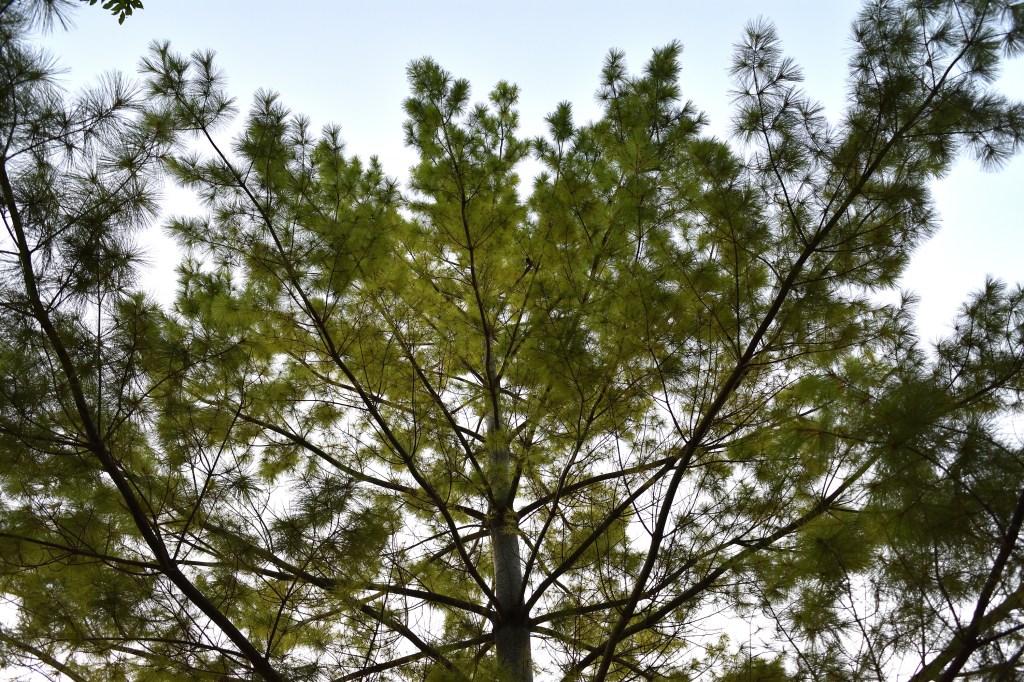
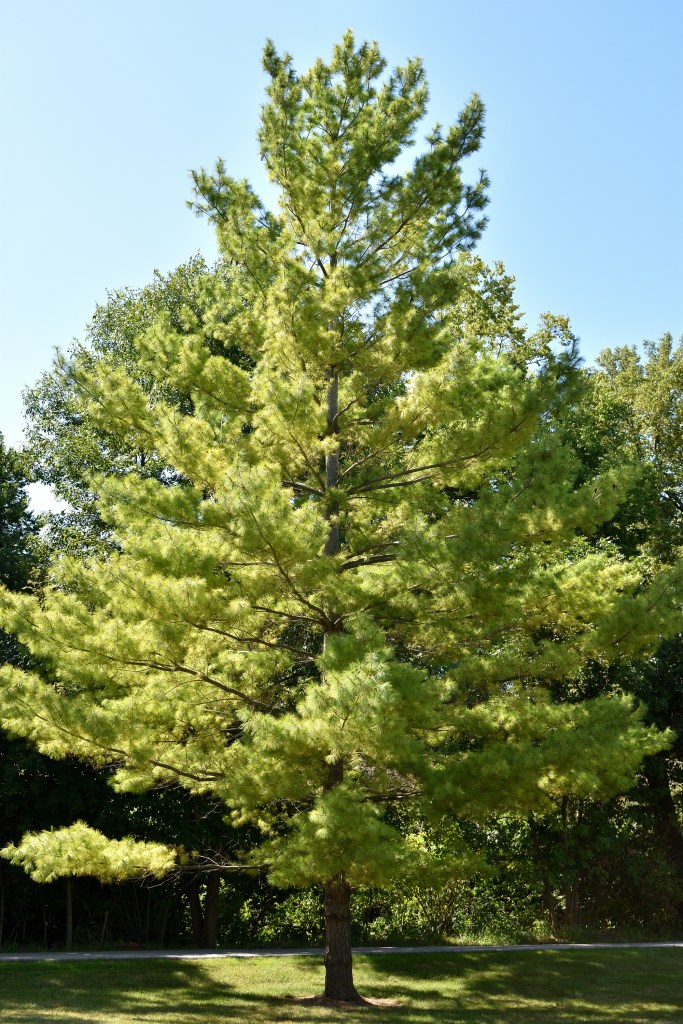
My tree friend

I subscribe to poem-a-day (https://poets.org/).

Today’s poem is “To the Pine Tree” (which can be found at the end of this).

That reminded me of the blog post I had written in 2019 about my tree friend.


August 26, 2019:

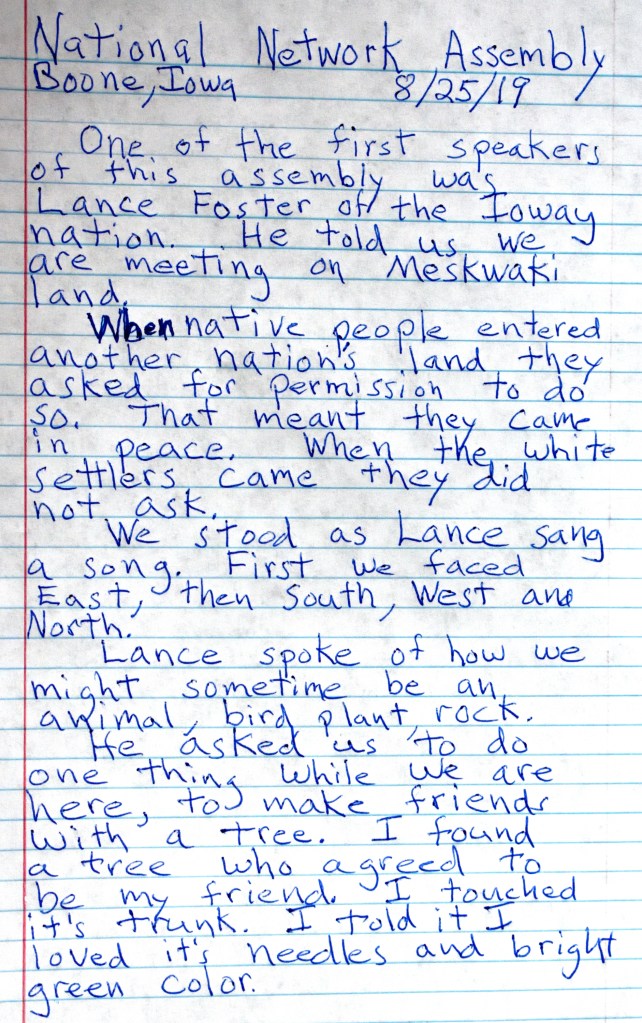
I just returned from an amazing event, the National Network Assembly, held at the Des Moines YMCA Camp near Boone, Iowa. From information about the Assembly we received ahead of time, I knew I wouldn’t have WiFi or cell phone access, so I didn’t even bring my laptop. As I mentioned in yesterday’s post though, there were so many things I wanted to write about and I was missing my (nearly) daily writing, so I wrote two blog posts by hand.

As I sat in Quaker Meeting yesterday, at Bear Creek Friends meeting, which is in a rural setting, surrounded by trees, the image of my tree friend appeared, illuminated by the Inner Light.

Bear Creek Friends meeting near Earlham, Iowa

One thing we talked about at Meeting yesterday was the upcoming ceremony of the planting of two memorial trees on the grounds of the meetinghouse to honor the memories of a married couple who were members and elders of our community.

8/31/2019 Knight tree planting

Please Note: Since I wrote this, Lance Foster told me the land was Ioway land before the Dakota or Meskwaki were there.

To the Pine Tree

Jane Johnston Schoolcraft – 1800-1842

Audio recording of this poem:

Zhingwaak! Zhingwaak! Ingii-ikid, – Pine! Pine! I said,
Weshki waabamag zhingwaak – The one I see, the pine
Dagoshinaan neyab, endanakiiyaan. – I return back, to my homeland.
Zhingwaak, zhingwaak nos sa! – The pine, the pine my father!
Azhigwa gidatisaanan – Already you are colored
Gaagige wezhaawashkozid. – Forever you are green
Mii sa naa azhigwa dagoshinaang – So we already have arrived
Bizindamig ikeyaamban – Listen in that direction
Geget sa, niminwendam – Certainly I am happy
Miinwaa, waabandamaan – And I see
Gii-ayaad awiiya waabandamaan niin – He was there I saw it myself
Zhingwaak, zhingwaak nos sa! – The pine, the pine my father!
Azhigwa gidatisaanan. – Already you are colored.
Gaawiin gego, gaa-waabanda’iyan – Nothing, you did show me
Dibishkoo, ezhi-naagwasiinoon – Like that, the way it looks
Zhingwaak wezhaawashkozid – Pine he is green.
Wiin eta gwanaajiwi wi – He is beautiful
Gaagige wezhaawashkozid. – Forever he is the green one.

Copyright © 2020 by Margaret Noodin. Reprinted with permission of the poet. All rights reserved. Published in Poem-a-Day on November 14, 2020, by the Academy of American Poets. 


“To the Pine Tree” appears in When the Light of the World Was Subdued, Our Songs Came Through: A Norton Anthology of Native Nations Poetry (W. W. Norton & Company, 2020).

Jane Johnston Schoolcraft was born in 1800 in Sault Ste. Marie, in the northern Great Lakes region of what is now Michigan. She grew up speaking both Ojibwe and English and began writing poems in both languages as a teenager. Schoolcraft was the co-editor of The Muzzeniegun, or Literary Voyager and is considered to be the first known Native American woman writer. She died on May 22, 1842.


My tree friend at the National Network Assembly, Boone, Iowa, August, 2019

Posted in Quaker, Quaker Meetings, Uncategorized | Tagged | Leave a comment

Flat or hierarchical world view?

[Note: Capitalization represents a hierarchy]

Mutual Aid is: Making decisions by consensus rather than relying on authority or hierarchy. Mutual Aid 101 #WeGotOurBlock


One of the most significant things I’ve been learning about Mutual Aid is the mutual part, that puts the focus on us working together, rather than “us” helping “them”.

And, related, the organizational model is flat, instead of the hierarchical organizational structures we are so accustomed to. This means no one sees themselves as superior, or above anyone else.


Back in the 1970s I attended the annual retreat of Pittsburgh Friends Meeting. I was in a small group discussion of about ten people and somehow we got on to the topic of how people see the world organized. Only one other person, Margaret McCoy, and I saw the world as a flat, non-hierarchical construct. All the others saw the structure of the world as hierarchical. Everyone is enmeshed in a large number of hierarchical rankings. God is on top. Under him (the use of the pronoun is intentional) is the government – national, state, and then local. Men are over women, parents over children, capitalist over laborers, teachers over students, the educated over the poorly educated, the wealthy over the common people, the famous over others, certain racial groups over other racial groups, American born versus foreign born, the privileged on top, and the rugged individual over the community, and so on and on and on.

I suggest to readers that at this point they should reflect on how they see the world organized, flat or hierarchical.

Reflect back on the founding of the United States. It is well known that those founding fathers considered slaves to be only 3/5 of a person. In addition, though, all women were excluded. Likewise only those few white males with a considerable amount of property were considered eligible to vote. In summary the United States was based on the myth that there were only certain people who were destined to rule the rest of the people in the world. When I arrived at Harvard College in 1961, I was informed, perhaps fifty times in the first few weeks, that as a Harvard man (no women in Harvard in those days), I was one of the elect few that were destined to rule. Even then at eighteen years old, I considered this nonsense as I found that my fellow Harvard students were not a whole lot different than my classmates from my public high school.

Even though at the time of independence in 1776 the United States got rid of the monarchy, American society lauds its elite – the rich, the famous, movie and athletic stars, politicians, and so on. This is a result of the acceptance of the hierarchical zeitgeist of the US. Many who voted for Trump were convinced to vote for him because he was a TV star and a rich man who represented the elite. For a person meshed in a hierarchical mindset, approval of, envy for, and support for an elite person is perfectly normal. This is how the elite continue to rule.

To return to white supremacy, it includes much more than racist classification. As such it can include others who are not “white”. White supremacists are quite willing to include blacks and others if they conform to the white supremacy world view – for example, Supreme Court justice, Clarence Thomas, among many others, comes to mind. This then allows someone like Donald Trump to proclaim that he is not a racist at all.

The implications of this analysis are profound. In order to make American society equal and just, the hierarchical zeitgeist has to be replaced with a flattened view of society. This is a million times more difficult than removing Trump from the presidency.

David Zarembka, The Root of White Supremacy. Report from Kenya #630 – November 13 2020


Following are some things I’ve written and referenced as I’ve been learning about hierarchy.

Mutual Aid has been around since the beginning of human communities. I wasn’t aware of using the idea of Mutual Aid as an organizing concept until I met Ronnie James. As I think about how to characterize his role, I remember one of the important aspects of Mutual Aid is there isn’t a hierarchy with some people in leadership positions. In Mutual Aid, we all take care of each other, and all have an equal say in what we do.

You might notice I say “we” because I have been blessed to join in some of the work of Des Moines Mutual Aid (DMMA). Saturday mornings I look forward to gathering with my new friends to make boxes of food to distribute at the Free Food Store.

A Radical Act, October 29, 2020, Jeff Kisling


Mutual aid is inherently anti-authoritarian, demonstrating how we can do things together in ways we were told not to imagine, and that we can organize human activity without coercion. Most people have never been to a meeting where there was not a boss or authority figure with decision-making power. Most people work or go to school inside hierarchies where disobedience leads to punishment or exclusion. We bring our learned practices of hierarchy with us even when no paycheck or punishment enforces our participation, so even in volunteer groups we often find ourselves in conflicts stemming from learned dominance behaviors. But collective spaces, like mutual aid organizing, can give us opportunities to unlearn conditioning and build new skills and capacities.

By participating in groups in new ways and practicing new ways of being together, we are both building the world we want and becoming the kind of people who could live in such a world together.

“Mutual Aid is essential to our survival” by Dean Spade, Truthout, October 28, 2020


One of the things this past year led me to is to participate in Des Moines Mutual Aid’s free food store. This continues the work of the Black Panther program in Des Moines, that began many years ago. It has been a revelation to see people come together, even during this pandemic, to fill and distribute fifty boxes full of food. To experience the joy as we do this together. And to see this is mutual aid, as we are also encouraged to take food.

I see there is no leadership hierarchy. There are people who have taken on the role of working with grocers and farmers to donate the food. But on Saturday morning the work flows effortlessly. There was one “team huddle” where we formed a circle, and each determined what our role would be as the cars came by one at a time. Someone opened the car door, someone put in a food box, another put in a gallon of milk. Everyone greeted those in the cars. I especially liked it when there were children. The always gave big smiles

Election, November 3, 2020, Jeff Kisling


I wonder why it took me so long to discover mutual aid. As I’ve begun to share this with other Quakers, I was told Quaker meetings, and other churches have always practiced mutual aid. That may be true of some religious bodies some of the time. Unfortunately, I think too many churches of any denomination use the model of ‘us serving them’ which is the opposite of what mutual aid means. Mutual Aid means what is says, working together to help each other. There is no hierarchy. I believe the ‘us versus them’ thinking is what has driven so many away from ‘organized’ religions.

A Radical Act, October 29, 2020, Jeff Kisling


When democracy came to America, it was wrapped in white skin and carrying a burning cross. In the early 19th century, the same state constitutional conventions that gave the vote to propertyless white men disenfranchised free Blacks. For the bulk of our republic’s history, racial hierarchy took precedence over democracy. Across the past half century, the U.S. has shed its official caste system, and almost all white Americans have made peace with sharing this polity with people of other phenotypes. But forfeiting de jure supremacy is one thing; handing over de facto ownership of America’s mainstream politics, culture, and history is quite another. And as legal immigration diversifies America’s electorate while the nation’s unpaid debts to its Black population accrue interest and spur unrest, democracy has begun to seek more radical concessions from those who retain an attachment to white identity. A majority of light-skinned Americans may value their republic more than their (tacit) racial dominance. But sometimes, minorities rule.

Many GOP Voters Value America’s Whiteness More Than Its Democracy by Eric Levitz, Intelligencer, SEPT. 2, 2020


Fania Davis of the Restorative Justice for Oakland Youth points to the work community organizers have done in schools, prisons and other parts of the community, including organizations like MPD 150 in Minneapolis, and Showing up for Racial Justice. “We can’t rely on existing systems or governments to lead these processes,” she says. “If these processes are hierarchical, or top-down, or government-centered, we will just create a new future of hierarchy and systems of dominations.”

Does America Need a Truth and Reconciliation Commission? by SARAH SOULI, POLITICO, 08/16/2020


This pandemic has brought into sharper relief what some of us have always known to be true: Capitalism, and the culture of hierarchy that props it up, is extremely screwed up. Rich celebrities like Kris Jenner are getting tested for coronavirus without having symptoms, while regular people who do show symptoms have a tough time getting tests. A journalist at a White House press briefing asked President Donald Trump, “How are non-symptomatic professional athletes getting tests while others are waiting in line and can’t get them? Do the well-connected go to the front of the line?” The president responded by saying, “No, I wouldn’t say so. But perhaps that’s been the story of life.”

The Coronavirus Pandemic Demonstrates the Failures of Capitalism by BY KANDIST MALLETT, Teen Vogue, March 24, 2020


The basic idea is that, in the face of the huge problems we are facing, we are taught that we need solutions with a huge impact in order to address them.  He (Eisenstein) writes about an implicit hierarchy that values the contributions of some kinds of people more than others–those with big reach, basically.  “That valuation is, you may notice, nearly identical to the dominant culture’s allocation of status and power–a fact that should give us pause.”

“The logic of bigness devalues the grandmother spending all day with her granddaughter, the gardener restoring just one small corner of earth to health, the activist working to free one orca from captivity.  It devalues anything that seemingly could not have much of a macrocosmic effect on the world.  It devalues the feminine, the intimate, the personal, and the quiet.  It devalues the very same things that global capitalism, patriarch, and technology have devalued.”

“We all have another source of knowledge that holds the small, personal actions sacred.  If a loved one has an emergency, we drop everything to help them because it feels like the most important thing we could possibly be doing at the moment.”

For Big Problems, Small Solutions, by Charles Eisenstein, UNTE, Winter, 2016


Posted in Des Moines Mutual Aid, Uncategorized | Leave a comment

Celebrating holidays with mutual aid

The holiday season is a problematic time for so many around the world.

There are celebrations of faith. And, in normal times, the joy of being with family and friends. This year the COVID-19 virus is upending gatherings for so many.

Many of us are uncomfortable with emphasis on material things, gifts.

We are torn, knowing how many millions of people, of children, not only don’t have enough for gifts, but struggle just to continue to try to meet basic needs, as they must every day. Living at barely subsistent levels. How parents feel when they see their children suffer.

The pandemic is causing so much more pain and grief. The failures of a dominant, capitalist system are widely apparent.

I don’t know if in this season, in these times, you are hearing, or thinking “it is better to give than receive?”

One act of giving are many who help prepare and serve food on the day called Thanksgiving. That is a wonderful thing, but highlights the contrast to the other days of the year. Many give to organizations that say they help those in need. There are various degrees of administrative costs of such organizations.

As I have recently been learning about the concept of Mutual Aid, I look upon these things in a new way. The key is the word mutual. As the name implies, mutual aid is about people coming together to help each other. That is completely different from the idea of “us” helping “them”.

Removing the barriers we, often unconsciously, put up that separate us from those we wish to help, is important in so many ways.

Many people write and speak about the problems that stem from our separation from each other all over the world today.

I’ve just recently been blessed to take part in a free food distribution project of Des Moines Mutual Aid. From the beginning I could see how those filling the food boxes expressed the idea of us all being in this together. Those filling the boxes are encouraged to take food for themselves. That is also evident in how those distributing the food interact with the families who drive up for the food. Everyone treats those needing food kindly.

We know it is the system that has failed us all. Not the fault of those in need. That means we are in this for however long it takes to replace these failing systems. Agitating for change is an integral part of mutual aid. One of the projects of Des Moines Mutual Aid is a bail fund, which has provided bail for every activist arrested in central Iowa.

There are so many things so many people are doing to help each other. Any of those things could be mutual aid projects, as long as they are built on the premise of being mutual, not a separation of us helping them.


Posted in Des Moines Mutual Aid, Uncategorized | 3 Comments

Dimensions of understanding

Friends tell me I repeat myself. I’m even sometimes conscious of doing so. But the reason is when I read or see something new, or when the Spirit leads me in an unexpected direction, I have this passion to try to understand completely. Which is sometimes a recipe for disaster. Spiritual matters don’t lend themselves to understanding using tools I use for medical research, for example.

The new thing for me currently is the concept and implementation of Mutual Aid.

I look at the new things from many dimensions, hoping to discover something new in each.

There are the three dimensions of our physical world. I try to do something like rotating a hologram around each axis to more fully understand the object or idea. Part of the physical dimension is geographical. Where the object or idea might be located. On or within the Earth, under seas, in the skies, or somewhere in space, the universe?

If the location is on Earth, what community is at that location? Many of my most profound experiences in greater understanding happen when I am physically in a different community. Like inner city Indianapolis as part of the Friends Volunteer Service Mission(VSM). At the Kheprw Institute in another part of Indianapolis. Among the friends I made during the First Nation-Farmer Climate Unity March, both during the March and many times and places with them since the March. With new friends in the Des Moines Mutual Aid community.

Another dimension is that of time. With impacts like night versus day, or the season of the year, or the year in history.

The most important, and perhaps most difficult dimension is Spiritual. It takes patience, sometimes years, to hear and/or understand Spiritual leadings. My Grandmother, Lorene Standing, used to say the will of God is often revealed in a series of small steps.
Then when we hear a message, we have to determine how, or even if, we will respond. What we are asked to do might be very difficult or disruptive.

I’m uncomfortable when I share one of my experiences, afraid others will think I’m ‘calling attention to myself. But I think it is important that we speak from our own experiences. I like the way my friend Ronnie expresses this: “brag, brag, blah, blah”.

In my early twenty’s (1970) I moved to Indianapolis, and was horrified by the foul air (this being before catalytic converters). I had a vision of my beloved Rocky Mountains hidden behind clouds of smog. At that moment I knew I must find ways to reduce my contributions to that foul air. I decided I could not own a car, and haven’t since. I did accept rides, and on occasion rented cars, but did the best I could.

This has been frustrating to watch year after year. Nearly everyone I talked with about this would say, “I know I shouldn’t have a car, but…”. I’ve tried not to judge those who have cars. Since retiring to a small town in Iowa, I find it much more difficult to reduce car use.

I will say, if we had insisted on building excellent city and interurban mass transit systems instead of going with personal cars, we would not be experiencing the numerous problems related to greenhouse gas emissions now. Including mass extinction and accelerating, intensifying environmental chaos.

If people would not have said, “I know but…”, we wouldn’t be facing this evolving environmental catastrophe.

This does make me try to be more aware of what Spiritual messages I might have heard, but didn’t follow.

How did I end up here (rhetorical)? I thought I was going to be writing about what I’ve been learning about Mutual Aid. As I thought about what I am learning, I became aware of these patterns above, that I’ve used when I focus on something new to me.

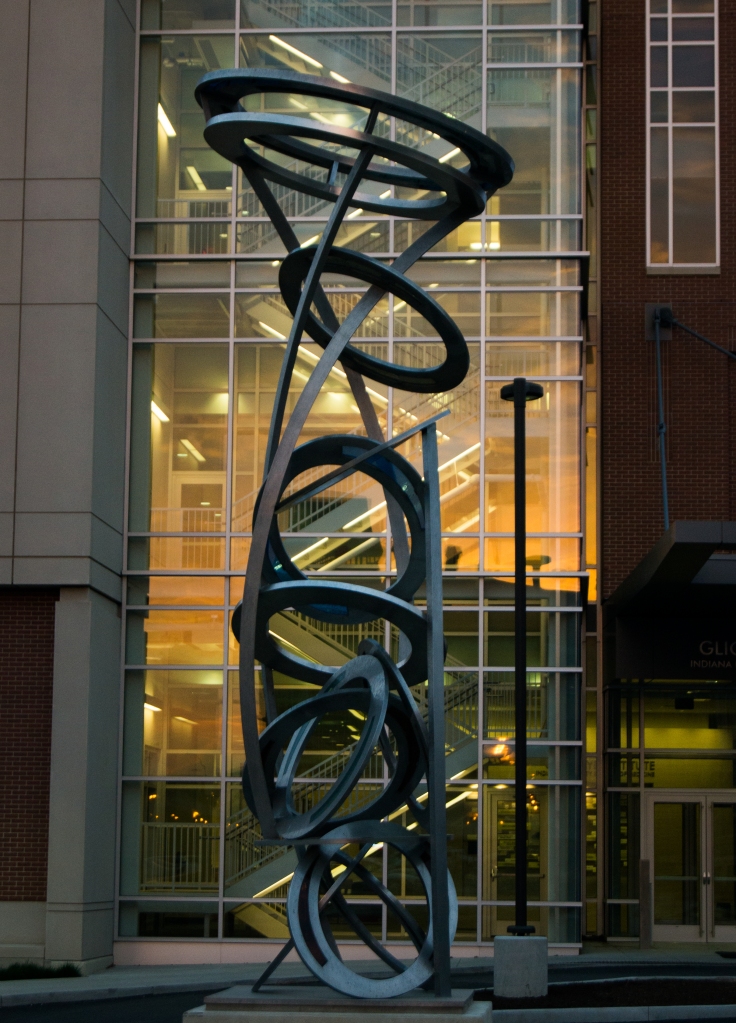
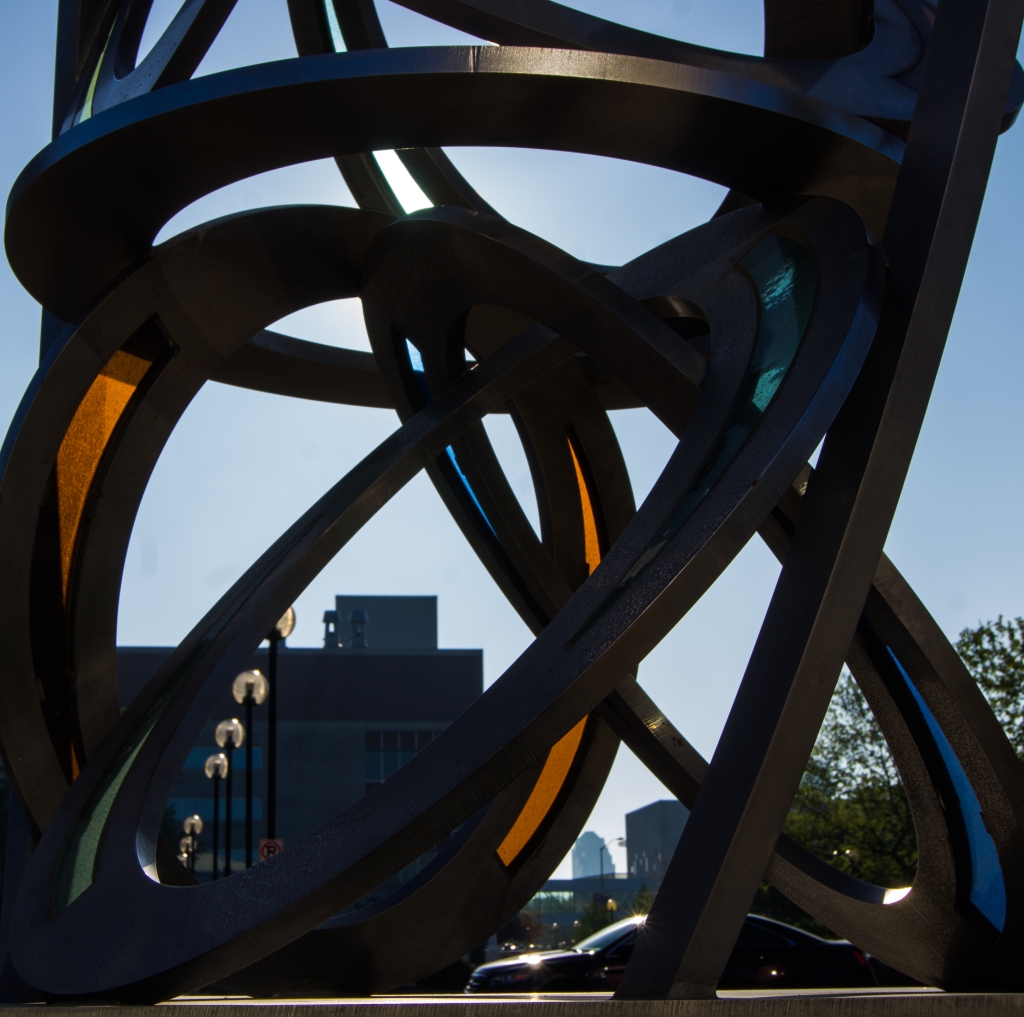
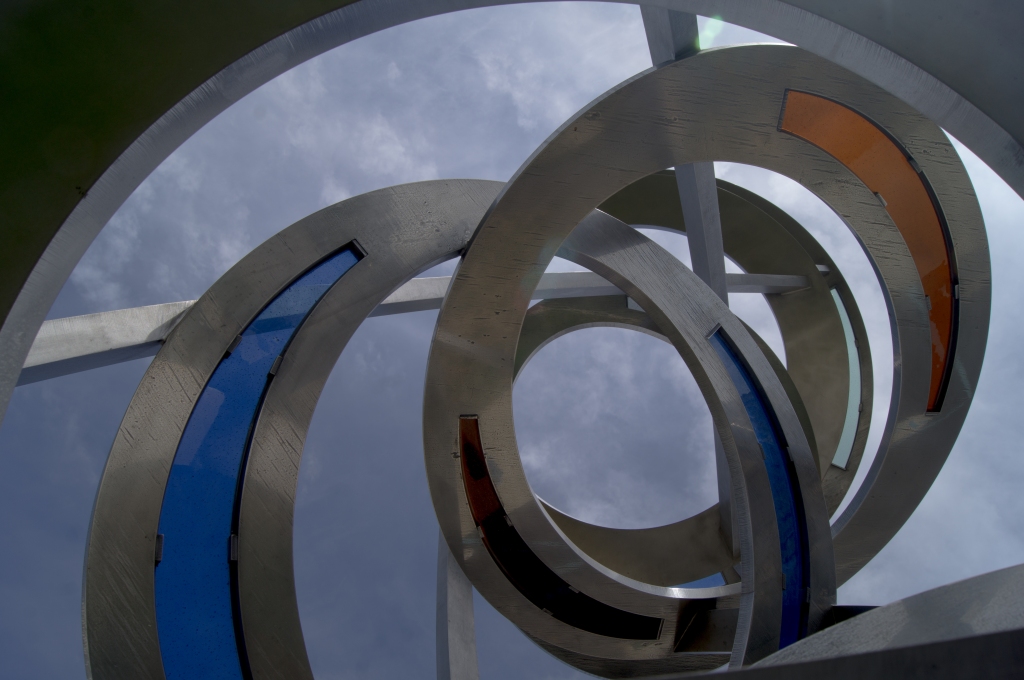
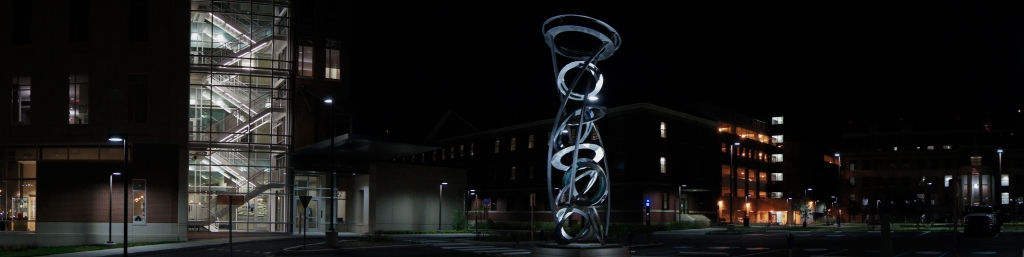
To “illustrate”, below are some of the over one thousand photos I took of the “Open Eyes” sculpture on the Indiana University Medical Center campus where I spent my career.

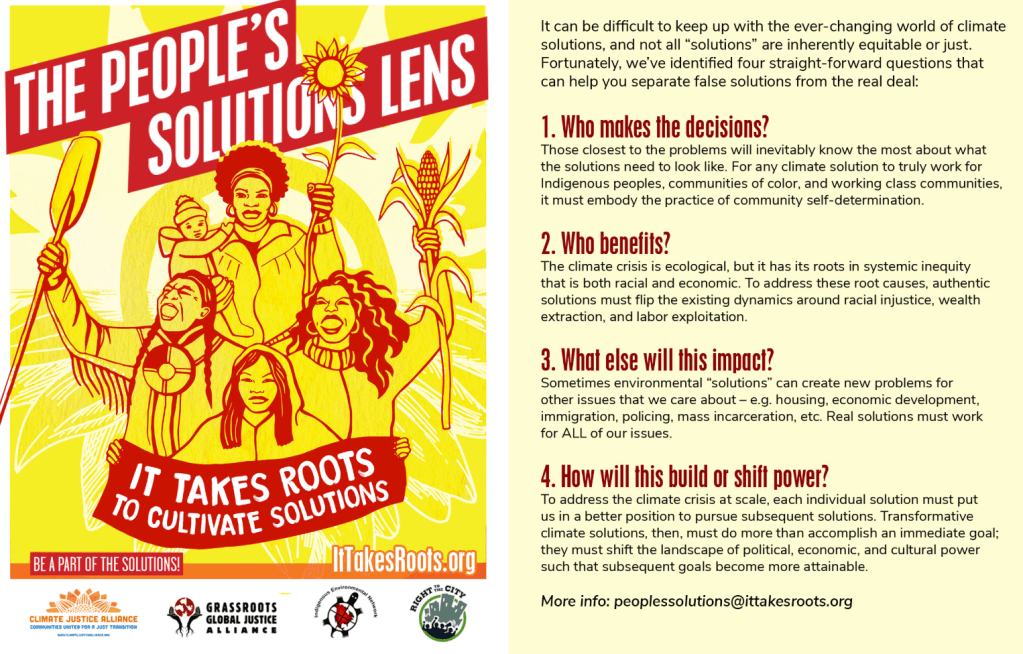
As layoffs and lockdowns free up our time and mental energy, we can put energy daily into building relationships that can birth more equitable ways of being through genuine human connection and opportunities for empowerment, agency, self-determination and rebirth. The old structures and false solutions do not provide the promise of equity. At this moment, we need brave new connections that begin to pave the way for a better path forward.

Imhotep Adisa

Continue to push for something different

How can we create some processes and procedures to mitigate inequity in our social, legal and economic structures? How can we begin some conversations about creating a system that is equitable? What can each of us do in the present to advance equity in our society? And how do we continue to fight for equity during these difficult times?

First and foremost, all of us, every last one of us, must engage others in our work, home and play spaces to have honest, open and authentic conversations around the issue of inequity. Some of us, particularly those in positions of power, must have the courage and strength to look more deeply at the inequitable structures that exist within their own organizations and institutions.

The real courageous ones must begin to look at and change policies, processes and cultures that prevent creating more equitable institutions. For example, we need to begin to internally reward staff and departments that take tangible action to address the equity question and create consequences for those that don’t. We must engage in these difficult conversations which can help us have a better understanding of ourselves, others and our history as we seek to build structures with the possibility for equity.

As layoffs and lockdowns free up our time and mental energy, we can put energy daily into building relationships that can birth more equitable ways of being through genuine human connection and opportunities for empowerment, agency, self-determination and rebirth. The old structures and false solutions do not provide the promise of equity. At this moment, we need brave new connections that begin to pave the way for a better path forward.

Imhotep Adisa is the executive director and co-founder of the Kheprw Institute, a nonprofit organization focused on empowering youth and building community wealth in Indianapolis.

Is Equity Possible in a World Post-COVID19? Indianapolis Recorder


Posted in Des Moines Mutual Aid, First Nation-Farmer Climate Unity March, Kheprw Institute, Uncategorized | Leave a comment

The web of organizing and organizers

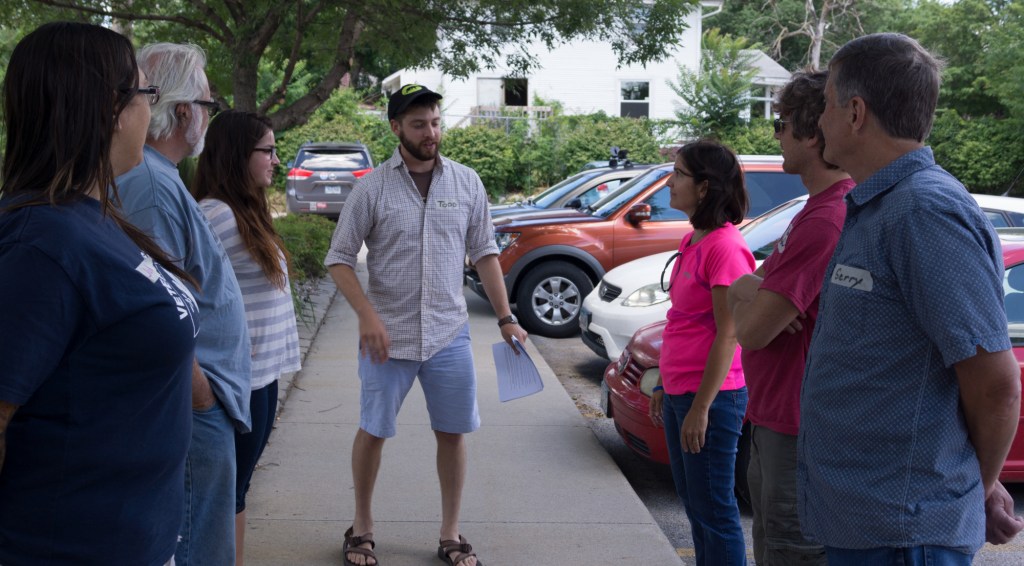
As I’ve been researching the concept of rural mutual aid, I was glad to discover my friend Todd Zimmer is involved.

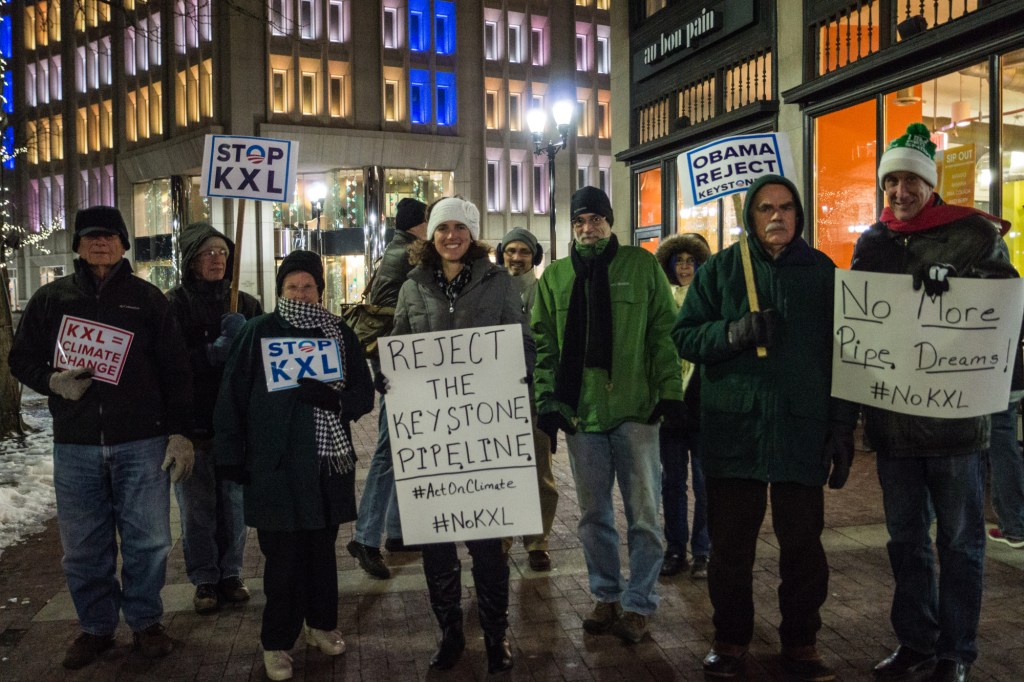
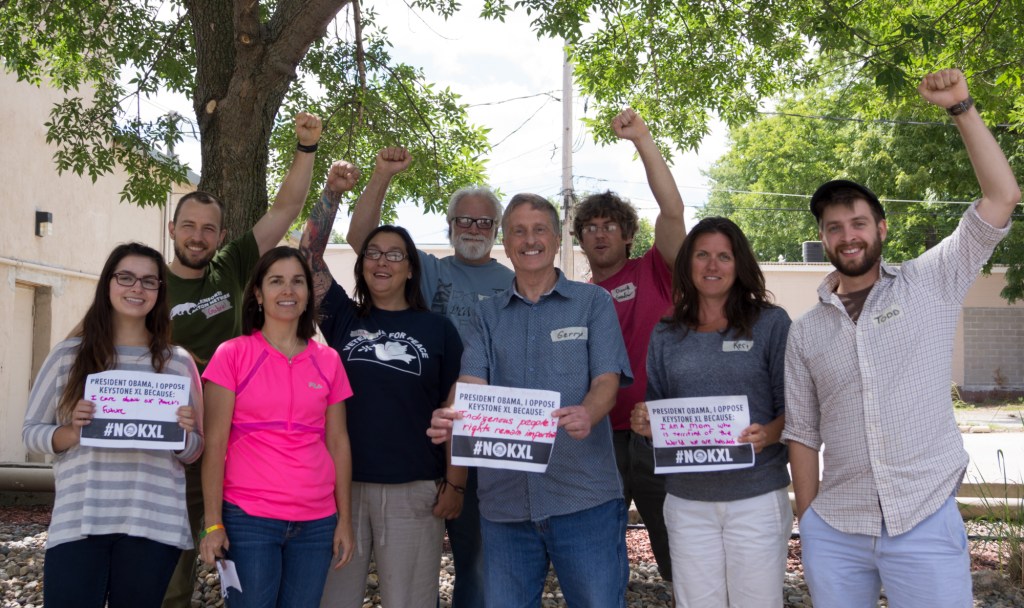
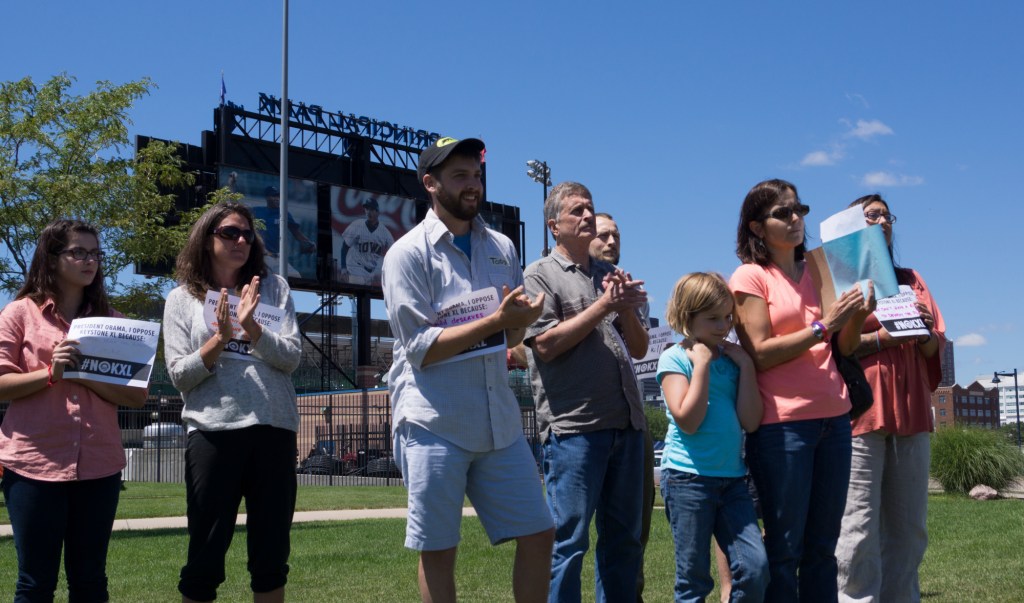
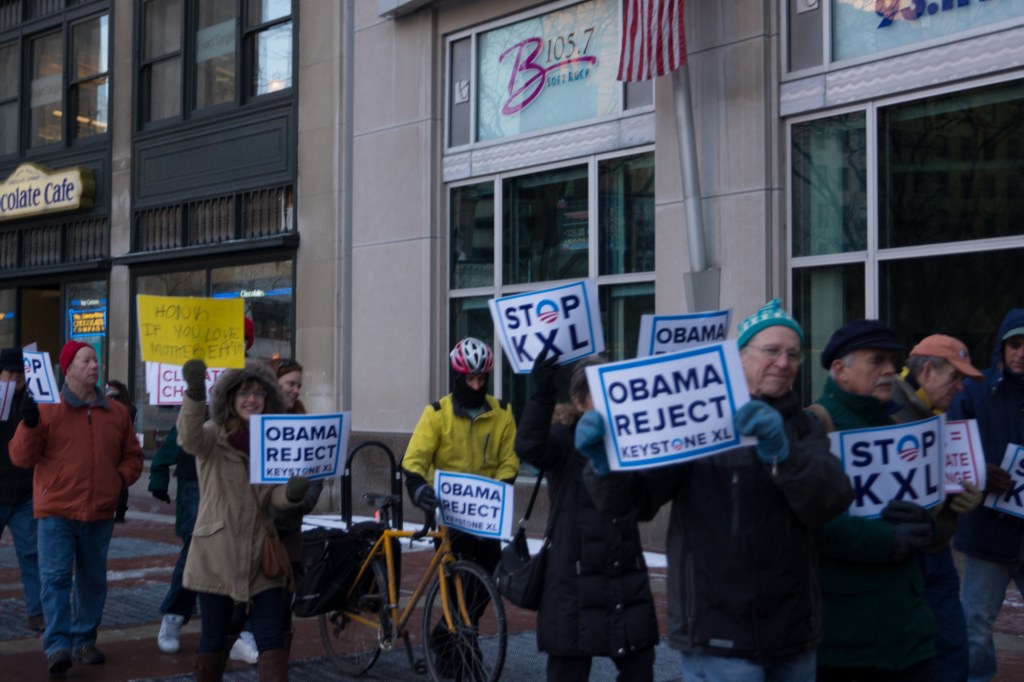
Todd was one of the trainers from the Rainforest Action Network (RAN) who came to Des Moines in the summer of 2013. RAN activists traveled to 25 cities in the US, to train local people how to design nonviolent direct actions, and use this training to train others in our local communities. Nearly 400 Action Leads were trained, who then trained around 4,000 people in their local communities to be prepared for nonviolent direct actions to occur simultaneously across the country if it looked like the Keystone pipeline permit was going to be approved. President Obama’s decision to not approve the pipeline construction in the US meant we didn’t execute our direct actions.

I kept in touch with Todd, related to more RAN activities, such as delivering petitions to Morgan Stanley offices, asking them to stop funding coal mining projects.

I have been learning about Rural Organizing and Resilience (ROAR) https://ruralorganizing.files.wordpress.com/2018/12/roar-whowearezine.pdf
https://www.facebook.com/AppalachianROAR
https://kislingjeff.wordpress.com/2020/11/07/rural-mutual-aid/

In the process, I was glad to discover Todd was involved in ROAR. When I contacted him to learn more, he said, “Down Home NC is my outfit these days, but we do work with ROAR. We distributed $55k in $50 Mutual Aid payments this year.”

I wasn’t sure what Mutual Aid payments meant, so Todd providing the following information:

The emergence of the COVID-19 pandemic upended Down Home’s model, our plans for the year, and the political context in which we operated. It also has entailed significant hardships for our members and the working-class communities we serve. I am proud to report that Down Home was able to quickly adapt, pivot our programming, provide support for our communities, and is poised to grow stronger through the forced acquisition of skills and experience with digital and distributed organizing models.

Historically, We are Down Home has prided itself on our in-person approach to organizing, as is evident from our emphasis on door knocking campaigns, face-to-face conversations, and in-person meetings based in county-based chapters. With the outbreak of COVID-19, we made the difficult decision to halt all in-person meetings, events, and door knocks for the remainder of the year. We didn’t take this decision lightly, but believe it was the best way we could protect the health of our members and their communities, given that working people often have no health insurance, can’t afford to get sick, and that rural areas are generally older and sicker than urban areas.

This decision necessitated a rapid conversion of our core organizing models to meet the needs of socially distanced and digital meetings. We worked to rapidly transition our standing in-person meetings to zoom calls, and embarked on a major training intervention with our core organizing staff to help them make the leap to using digital organizing tools. There was a significant learning curve for our staff, but despite challenges, we have been able to maintain the attendance, membership, and power of our local chapters. All chapters have continued to meet, convene working groups, and organizing socially distant events. In the meantime, our organizers have made strides toward digital competence, and we have introduced a number of new tools and data protocols to our organizing practices.
One immediate challenge of our decision to forego in-person events was that it effectively cancelled our planned door-knocking canvasses in Cabarrus and Madison counties, where we were just months away from formally launching active chapters. Simultaneously, we were aware of the extreme hardship that was impacting members across our network. As people lost jobs and income, our members and communities were facing food scarcity, foregoing necessary medications, and risked missing rent and bill payments.

In response, We are Down Home launched an emergency Mutual Aid Fund that ultimately raised more than $55,000. Our organizers went to work applying a deep canvass script to low-income lists that we were able to pull from VAN. In each conversation, we would ask people how they were doing, offer support from our mutual aid fund, and then invite people to sign on to a petition to expand Medicaid. We were then able to follow up with organizing leads for 1:1s and recruitment. We are Down Home organizers ultimately exhausted our Mutual Aid Fund in this way, distributing more than 600 individual payments of $50 each, and a few larger donations to local bail funds and mutual aid efforts. In Madison and Cabarrus, this effort was successful in replacing our lost door-knocking effort, and both chapters were able to formally launch in June, growing Down Home’s network to include 5 total county-based chapters.


Wow. That is impressive. I’ll be sharing this with my mutual aid friends here in Iowa. If you have ideas of what rural mutual aid might look like here, let me know by leaving a comment below, thanks.


Posted in civil disobedience, climate change, Des Moines Mutual Aid, Keystone Pledge of Resistance, Keystone XL pipeline (KXL), Mutual Aid, Uncategorized | Leave a comment

A society that can live with its conscience

Yesterday was a day I’ll never forget. It seemed so many others are feeling the same. Despite so many obstacles, the patience and persistence of the American people, of us, was a wonder. Those who stood in line for hours to vote. The young people who worked at the polling places so those more at risk to contract the coronavirus could stay home. Those who worked for months on campaign staffs.

What surprised, and moved me, were the spontaneous celebrations, thousands of people going into the streets. Hearing the deeply emotional words of those thankful for the possibilities of better days in our politics. The cautious reawakening of hope.

But what also surprised me were the millions who voted for a second term for the current administration. There can be differences of opinion about policy issues and legislation.

But what has been almost unbearable have been the actions of this administration against those who are not wealthy and white. There are numerous examples, but the worst is taking children from their parents and putting them in cages. Most of us don’t want to have to continue to live with these actions that disturb our conscience. The election and the celebrations are in hopes of correcting these unconscionable acts.

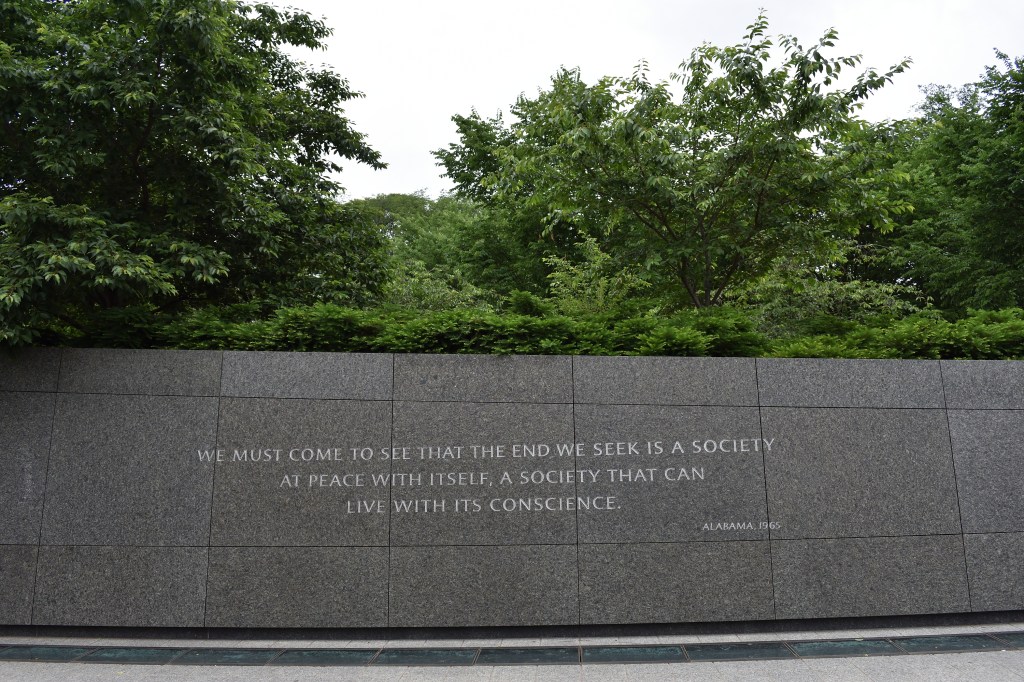
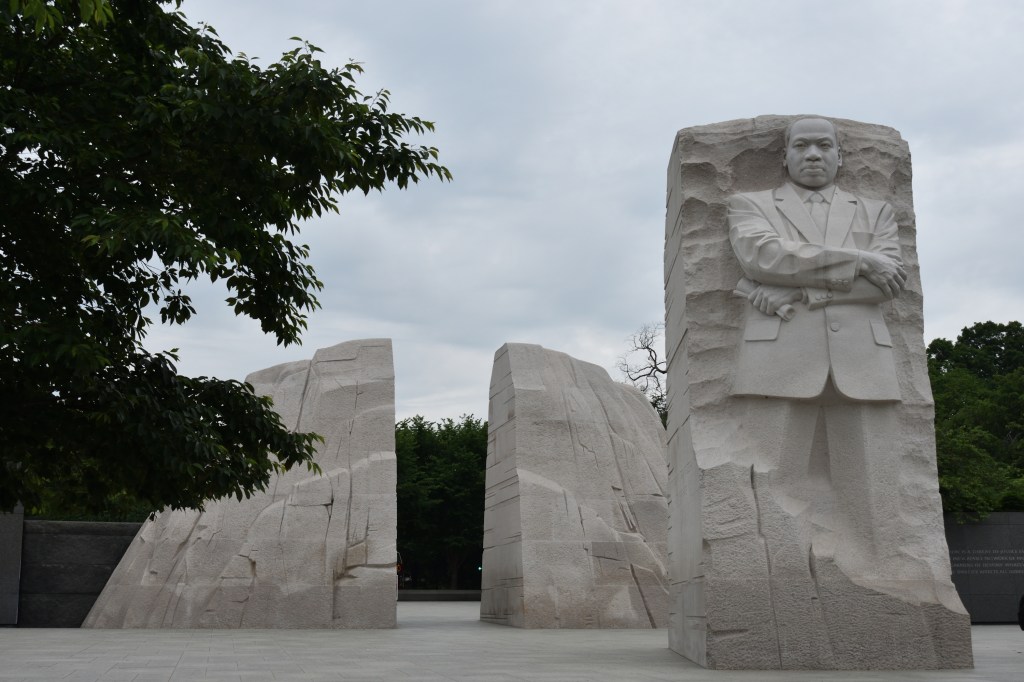
We must come to see that the end we seek is a society at peace with itself, a society that can live with its conscience.

Martin Luther King, Jr

Posted in Black Lives, peace, Uncategorized | Leave a comment

Rural Mutual Aid

I’m so impressed with the work being done by Des Moines Mutual Aid.

Now I’m wondering what Mutual Aid in rural areas looks like. Following are a few things from Appalachian ROAR, Rural Organizing and Resilience. https://www.facebook.com/AppalachianROAR

This photo of food for distribution looks a lot like the food boxes we distribute every Saturday morning in Des Moines (Des Moines Mutual Aid).

***FREE FOOD, MASKS AND OTHER SUPPLIES FOR ANYONE IN NEED***
This week we have fresh eggs, veggies, dry goods, masks and kids books available for free to anyone in need. Stop on by our Mutual Aid Hub this Saturday 12-1pm to pick some up. We are located next to the Cooperative Extension Agency in the outbuilding at the far end of the parking lot by the greenhouse, 258 Carolina Ln, Marshall. We are all in this together!


It is sad that in this day and age a simple statement we should all be able to get behind, “Resist Racism”, is somehow seen as being “political” or controversial. We’ve seen the same with our “Stronger Together, Rural Communities United for Racial Justice” yard signs repeatedly being stolen around the county. Please show your support for businesses like Baa’d Sheep Burritos that are taking a stand for equality. Haters are going to hate, but we know that working for an inclusive community where everyone can prosper and live free from discrimination is the only path forward.

Baa’d Sheep Burritos

November 3 at 7:28 AM  · Well, I guess I’m going to double down.In Mars Hill, we have one sign in our window that says “Resist Racism.” It was up long before this year, but not long enough ago, in my opinion, to make up for years of being complicit growing up in a racist south. I honestly do not feel politically driven to make a statement. It is not my intent to be divisive or political or offensive. And, I am truly saddened that this upsets people. I am driven by a desire to make people feel included, to seek to understand, to help the world be better. For every 1 person who let me know our sign upsets them (there were two), there were three people who shared that they appreciated it. I am not going to be bullied into taking it down, and if simply having the statement, “Resist Racism” is going to put us out of business, I’ll be proud to go out of business.(And, for the record, “Resist Racism” is not a slogan attached to BLM, or any movement, organization or political faction.)Signed, Dawn and MichaelEdit: I want to thank the two survey responders who reminded me that we still have work to do and prompted me to donate in their honor to Rural Organizing and Resilience, our local Madison County non-profit working towards equal opportunities for all. Learn more about them here: https://ruralorganizing.wordpress.com/


Rural Organizing And Resilience

October 19 at 12:53 PM  · It was a beautiful day to march with 150-200 Mars Hill University students and Madison County residents to stand up for racial justice. Proud of our county and the MHU students who pulled this together


When I was asking Ronnie James what he knew about rural mutual aid, one thing he suggested was to look into rural youth food insecurity. https://nysarh.org/blog/2020/11/04/the-impact-of-food-insecurity-on-rural-communities/


Posted in Des Moines Mutual Aid, Mutual Aid, Uncategorized | Leave a comment