Trump administration’s attack on Indian Country

Since taking office, the Trump Administration has launched an all out assault on Tribal Nations. Within days of taking office, he green lighted the finishing of the Dakota Access pipeline and gave approval for the construction of the Keystone XL pipeline. In addition to approval of fossil fuel projects without Tribal consent, he’s lobbed racial insults, belittled genocide (Wounded Knee), among a long list of other actions.

April 12, 2019 – The Trump administration’s attack on Indian Country, Last Real Indians

Having joined other water protectors since 2013 to try to stop the Keystone XL and Dakota Access pipelines, the current Republican administration’s disastrous and illegal (since true environmental impact assessments were not done) efforts to approve permits for those two pipelines has been devastating. These decisions and many others to prop up the failing fossil fuel industry, and impede the development of renewable energy, move the country down the path of environmental chaos at increasing speed. The devastating flooding in the Midwest is just the latest example. The flooding emergency continues for the Oglala Lakota Nation.

The administration’s most recent assault involves taking tribal land out of land trust.

Under the 1934 Indian Reorganization Act, the federal government and tribes could place more land into the trust to protect and improve Native American reservations and resources. This land could be purchased by tribes or acquired from federal surplus lands. Since 1934, the Department of the Interior (DOI) has returned approximately 9 million acres of land within boundaries of existing reservations back into the trust. This is only about 10 percent of the total amount that was lost to tribes under the Dawes Act of 1887. Currently, there are 566 federally recognized tribes that hold more than 50 million acres of land, which is approximately 2% of the United States.

The responsibility of the trust is recognized in the Snyder Act of 1921, which requires the Bureau of Indian Affairs (BIA) to use money given by Congress for the benefit, care, and assistance of Indians from the United States. This includes providing health care and education to the federally recognized tribes which are not welfare, but are the present day manifestation of their treaty rights.

Native American Trust Lands Explained, Posted by Brett Robinson, Native American Life, April 1, 2014

Representative Raul Grijalva of Arizona, who is the chairman of the House Natural Resources Committee, explains the consequences of taking land out of land trust:

The Trump administration is waging an unprecedented attack on Indian Country. Unless Congress steps up soon, Native Americans across the country could soon lose the ability to determine their own economic future.
I don’t use these terms lightly, and it’s important to understand the real sense of crisis that now grips tribal communities. In September 2018, the Department of the Interior (DOI) took land held in trust for the Mashpee Wampanoag, a Massachusetts tribe that had been recognized for decades without controversy, out of trust status. That move has already had severe consequences, and other tribes fear they could suffer the same fate.

The effect of this decision cannot be overstated. For the first time this century, a tribe was stripped of its sovereign rights to land. The Trump administration passed an economic death sentence on an entire community at no benefit to the American people. A tribe has not been treated like this since the Indian termination policies of the 1960s or, going further back, the Indian Removal Act of 1830.

What has this meant in practical terms? As Jessie Little Doe Baird, vice chair of the Mashpee Wampanoag, testified before the House Natural Resources Subcommittee for Indigenous Peoples of the United States on April 3, the tribe has been forced to borrow thousands of dollars every day to keep basic government functions running, and the tribal government is close to shutting down. The tribe has already laid off 41 percent of its workforce, the overwhelming majority of whom are Tribal citizens, and has been forced to shut down or severely scale back many vital government projects. These include life-and-death programs like addiction treatment services, even though Wampanoag are 400 times more likely than non-Wampanoag people in the region to die of an overdose.

April 12, 2019 – The Trump administration’s attack on Indian Country, Last Real Indians

Representative Grijalva concludes by explaining the remedy for this injustice.

Indeed, this injustice has a remedy: the Mashpee Wampanoag Tribe Reservation Reaffirmation Act. The bill doesn’t ask Congress to do anything it hasn’t done before. It simply reaffirms the Mashpee Wampanoag’s right to the land it held, untroubled, for many years before the Trump administration came along. There really is no clever alternative.


American history carries a clear lesson: Tribes need federal support for tribal sovereignty rights to land. When those rights are ignored or attacked, the result is nearly immediate destruction of the tribe’s ability to support itself.

Representative Raul Grijalva

Please ask your Congressional representative to supportH.R.312-Mashpee Wampanoag Tribe Reservation Reaffirmation Act.

This bill reaffirms the Mashpee Wampanoag Tribe reservation as trust land in Massachusetts.In addition, the bill requires actions, including actions pending in federal court, relating to the land to be dismissed.

Posted in #NDAPL, Indigenous, Keystone Pledge of Resistance, Uncategorized | Leave a comment

Senator Chuck Grassley on Immigration

I have always appreciated Senator Grassley’s comprehensive responses to letters sent to his office.

April 12, 2019
Dear Mr. Kisling:
Thank you for taking the time to contact me. As your senator, it is important that I hear from you.
I appreciate hearing your thoughts regarding the enforcement of our nation’s immigration laws.
Our country has seen a dramatic increase in border crossings from family units, unaccompanied minors, and other unauthorized individuals in the last year. According to U.S. Border Patrol Chief of Operations Brian Hastings, the number of family units and unaccompanied children crossing the border illegally from Central America are arriving “in greater numbers and larger groups than ever before, straining our law enforcement resources.” According to U.S. Customs and Border Protection (CBP) statistics, family unit apprehensions are up 290 percent, totaling 99,901, in Fiscal Year (FY) 2019, compared to the same period in FY18. Drug seizures are also increasing between ports of entry. In FY18, CBP Agents intercepted 388 pounds of fentanyl – enough to kill 88 million Americans. Fentanyl, heroin, and methamphetamine seizures have also all substantially increased between FY18 and FY19. This has resulted in the need for more stringent application of our laws, which includes detention, to protect the integrity of our immigration system, in addition to ensuring the safety of all Americans.
Further, according to a report issued by U.S. Immigration and Customs Enforcement (ICE), it arrested 138,117 aliens with criminal histories, which means they are convicted criminals and have pending criminal charges, which is an increase of 10,125 from Fiscal Year 2017 to Fiscal Year 2018. You can access the full report here: https://www.ice.gov/doclib/about/offices/ero/pdf/eroFY2018Report.pdf.
In response to the exceedingly large numbers of migrants seeking refuge in our country, on October 24, 2018, I sent a letter to the Secretary of the Department of Homeland Security (DHS) Kirstjen Nielsen and Secretary of the Department of State Mike Pompeo, urging the Trump administration to adopt a safe third country agreement with Mexico – a similar existing agreement between the United States and Canada. Safe third country agreements require migrants seeking asylum to make their claim in the first country of arrival rather than passing through to another country. Such an agreement would serve American interests by helping to prevent expanded asylum claim backlogs and promoting national security by further disrupting migration of Special Interest Aliens, whom the Obama administration noted are seeking entry into the United States. If you would like to read my letter, please visit: https://www.judiciary.senate.gov/imo/media/doc/2018-10-23%20CEG,%20Lee%20to%20DHS,%20State%20-%20Migrant%20Caravan.pdf.
I also adamantly disagreed with separating families who illegally entered the United States at our southern border. I immediately began working with my colleagues to draft and pass legislation that would ensure children are not separated from their parents.
In April of last year, former U.S. Attorney General Jeff Sessions ordered prosecutors along the border to adopt “a zero-tolerance policy” for illegal border crossings. That included prosecuting parents traveling with their children as well as people attempting to request asylum, but who were not entering through ports of entry. On June 20, 2018, after a great deal of bipartisan encouragement, President Trump signed an executive order that halted the policy of separating families. On June 25, 2018, U.S. Customs and Border Protection Commissioner Kevin McAleenan confirmed that the agency was no longer referring for criminal prosecution all families caught crossing the border.
On June 27, 2018, U.S. District Court Judge Dana Sabraw halted most family separations at the border and ordered the reunification of all families that had been separated. The court order specifically required federal officials to: stop detaining parents apart from their minor-aged children; reunify all parents with their minor-aged children who are under the age of 5 within 14 days; and reunify all parents with their minor-aged children 5 and older within 30 days. The order mandated that officials provide parents contact with their children by phone within 10 days, if the parent is not already in contact with their children. This order did not stop the administration from prosecuting people who cross the border illegally.
While I applaud President Trump’s executive order, legislation provides a more permanent and long term solution. That is why, last Congress, I cosponsored Senator Tillis’ legislation, the Keep Families Together and Enforce the Law Act, which would keep families together while safeguarding the integrity of our nation’s immigration laws. This legislation would require that children and their parents remain together during their legal proceedings. It includes provisions to ensure the humane and fair treatment of migrant children and families by setting mandatory standards of care for family residential centers. In addition to keeping children and their parents together, this legislation would require children to be removed from an individual who presents a danger to the health and safety of the child, including situations in which DHS cannot verify an individual is the parent of the child.
The Keep Families Together and Enforce the Law Act preserves and codifies the humanitarian provisions in the 1997 Flores Agreement. In 1997, as a result of years of litigation, the federal government entered into a settlement agreement known as Flores v. Reno. When the U.S. government first entered into the Flores consent decree it was a much-needed step towards ensuring the humane and dignified treatment of unaccompanied alien children—children often thousands of miles from their parents.
The agreement provided that illegal immigrant children without their parents could only be kept in federal custody for a maximum period of twenty days. It also required the government to treat these children humanely and ensure the type of quality care we would expect any child—illegal or otherwise—to receive. However, in 2015, a single federal district court in California dramatically expanded the scope of the Flores consent decree by applying it to illegal immigrant children who arrive with their families, a move even the Obama administration opposed. This new judicially imposed requirement of the Flores agreement resulted in the family separations we now decry.
The Keep Families Together and Enforce the Law Act is a practical, straight-forward solution to a problem we all agree needs fixing. It reflects the American people’s humanity by securing the dignified treatment of minors and it respects the rule of law by permanently ensuring that families can stay together while their cases are pending
On July 31, 2018, as then-Chairman of the Senate Judiciary Committee, I held a bipartisan hearing titled, “Oversight of Immigration Enforcement and Family Reunification Efforts.” This hearing provided senators and the American people an opportunity to hear from the administration and to discuss options to ensure this never happens again. During this hearing, we learned that 431 children, the largest number of the 711 who were not reunited, were ineligible for reunification because their parents had already been deported. The administration claims that all of these parents elected to be deported without their children, but public reports indicate that many of them may have not made an informed choice to leave their children behind. Some of these reports suggest these parents were not presented this information in a language they could even understand.
Members of the Committee also questioned the witnesses at the hearing regarding the multiple news reports describing how illegal immigrant children and, in the case of family units, their mothers, have suffered unimaginable physical, mental, emotional abuse while in federal custody. These situations are unacceptable, and the American people expect better.
As a consistent advocate for victims of domestic violence and sexual assault, I was troubled by additional news reports about sexual abuse of immigrant children and mothers in federal custody. That’s why Senator Feinstein and I sent a bipartisan letter to the Inspector Generals of the Departments of Homeland Security and Health and Human Services (HHS) last year calling upon them to open an investigation into these allegations. We also asked the Inspector Generals to look into the practices, procedures, and policies that are in place regarding the custody of illegal immigrant families and children, in addition to making recommendations to both us and to the agencies regarding potential improvements to those practices. We have since followed up in our February 28 letter by again requesting the HHS Inspector General open an investigation into widespread allegations of physical and sexual abuse against children at HHS facilities because we have not received the findings of the investigation. Recent public reports allege that many cases of sexual assault in child care centers are not fully investigated by HHS, and that is intolerable and inexcusable. We must act to stop these assaults and bring the perpetrators of these crimes to justice.
Further, as you may know, on September 6, 2018, Secretaries Nielsen and Azar of the Department of Homeland Security and the Department of Health and Human Services, respectively, announced a new joint proposed rule that would adopt the necessary portions of the Flores agreement. The proposed rule codifies the relevant and substantive terms of Flores as it pertains to the care and housing of detained migrant families. It would ensure that all alien minors and unaccompanied alien children are treated with dignity, respect, and special concern for their particular vulnerability as minors. It ensures that no families are separated by holding families together in licensed facilities or facilities that meet family residential standards, as evaluated by a third-party entity. The rule would also eliminate catch-and-release by ensuring that families are kept together safely and humanely until the disposition of their asylum proceedings. Further, the rule would formalize the way HHS accepts and cares for children, while implementing related provisions of the Trafficking Victims Protection Reauthorization Act (TVPRA) that DHS and HHS are already following.
I have long had concerns about loopholes in the Flores agreement that create a “catch and release” system. This has acted as a pull factor that incentivizes illegal immigration and encourages smugglers and other criminals who profit from our failed policies. We need a policy that protects the humanitarian goals of Flores, but also fixes the 20-day loophole related to detention. I’ve sent a number of letters to Secretary Nielsen highlighting case after case of illegal immigrants who have committed crimes in the country because they were released at the arbitrary 20-day mark.
My staff will continue to monitor the proposed rule by DHS and HHS and any subsequent changes, and I will continue my role as a leader in Congressional oversight. I’m encouraged to see that the rule would codify portions of Flores that ensures humane conditions for detained families, with a specific focus on the treatment of minors and children. Americans deserve a strong immigration enforcement apparatus, but they also demand that their government abide by basic humanitarian standards. That’s why I’m encouraged that this rule will ensure that third-party entities may evaluate the U.S. Immigration and Customs Enforcement’s family residential standards. This adds a layer of oversight and should address any concerns about how these families are housed and treated.
Rest assured, while I continue working on solutions to fix our immigration system, I will keep your thoughts in mind.
Again, I appreciate hearing your thoughts, and I encourage you to keep in touch.
Sincerely,
Chuck Grassley
United States Senate

Senator Chuck Grassley
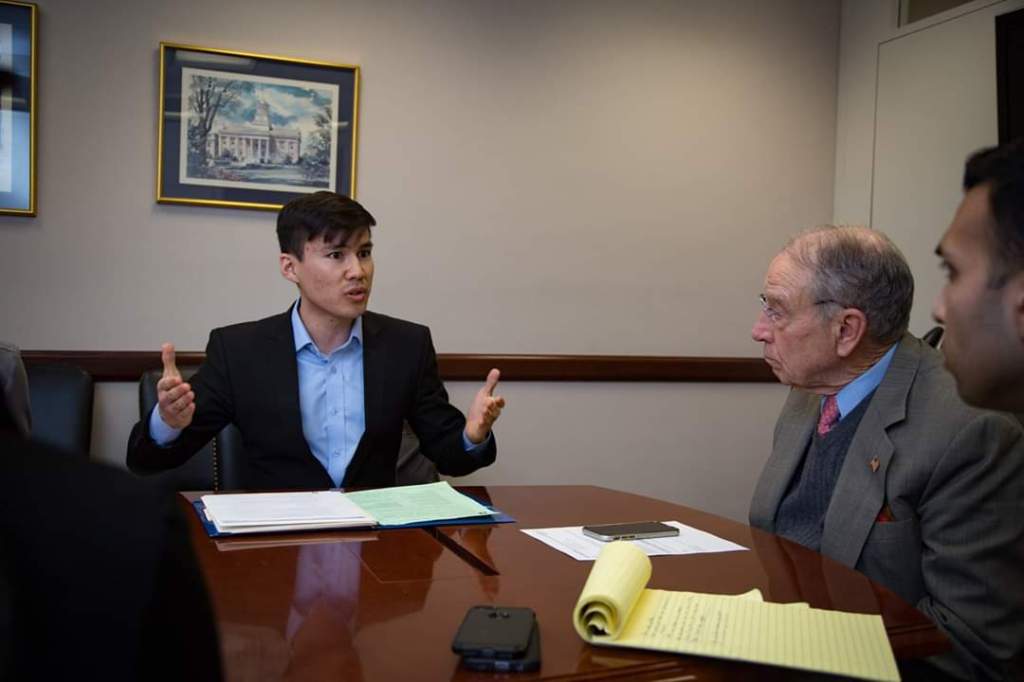
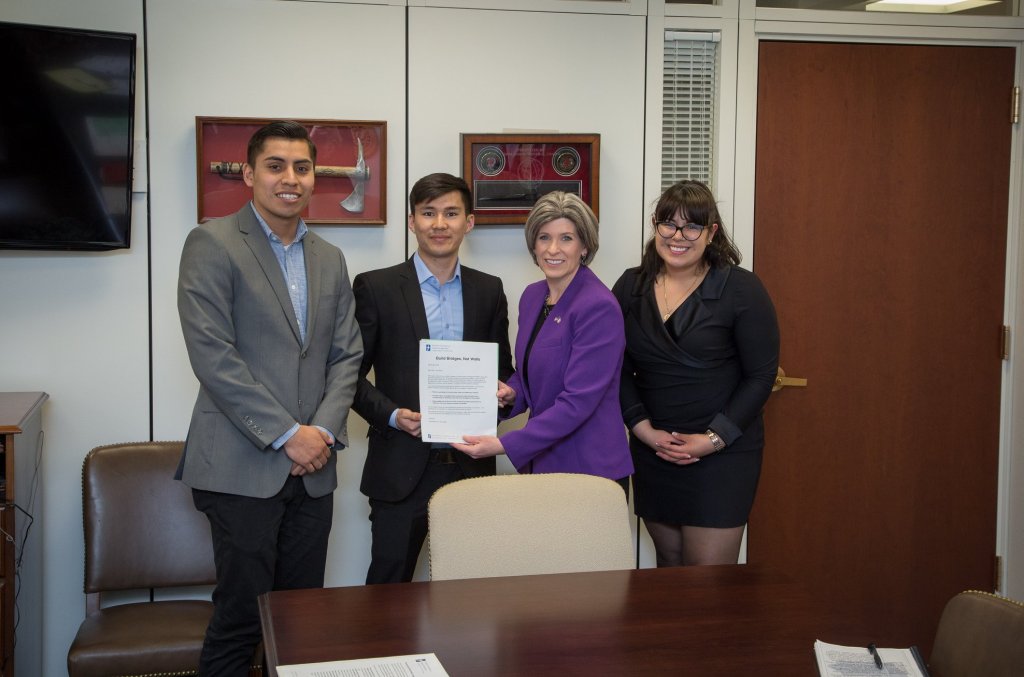
Rezadad Mohammadi speaks with Sen. Chuck Grassley about immigration during recent FCNL Spring Lobby Weekend
Posted in immigration | Tagged | Leave a comment

Time and Space

When I sit in front of my computer most mornings, what I should write often comes to me. I see this as a spiritual exercise. And usually the words that come to me are related to spiritual matters as well. One of the reasons I began to write on this blog over 4 years ago was because I hoped I might learn how to express matters of the Spirit better, even knowing the Spirit is ineffable, that is, cannot be expressed by words. One reason I was led to try to do this was because of the decline in the number of people who participate in organized religion. I believe we all yearn to know of the Spirit. Thus people who don’t “go to church” need some other way to meet their spiritual needs. I’m not saying I do a particularly good job of trying to help with those needs, but I try to discern what the Spirit says to me, hoping these messages might sometimes help others.

Probably the best anyone can do is encourage others to carefully, deeply listen to what the Spirit within themselves is saying to them.

Stories become one of the best ways we can share our spiritual experiences with each other. The great religious books are full of stories. Stories are how we try to describe the actions, the things we do have words for, that come from following the Spirit, that we don’t have words for. I like the following quotation about stories.

ALL THAT WE ARE IS STORY. From the moment we are born to the time we continue on our spirit journey, we are involved in the creation of the story of our time here. It is what we arrive with. It is all we leave behind. We are not the things we accumulate. We are not the things we deem important. We are story. All of us. What comes to matter then is the creation of the best possible story we can while we’re here; you, me, us, together. When we can do that and we take the time to share those stories with each other, we get bigger inside, we see each other, we recognize our kinship — we change the world one story at a time.

Richard Wagamese (October 14, 1955-March 10, 2017)
Ojibwe from Wabeseemoong Independent Nations, Canada

Usually what the Spirit is suggesting I write is pretty straightforward. Probably the reason for writing what I did above is because I’m feeling led to write something, but the message isn’t clear. I’m really uncomfortable now, but I know times when we take risks are times when we grow.

I know this relates to the recent photograph of a black hole. How the ideas of a black hole are a challenge to imagine or begin to comprehend. The ideas of spacetime and four dimensions, of vast weight, of swallowing light are so foreign to most of us. And a different understanding of time. This parallels trying to understand the Spirit.

All of this is reminding me of two of Nahko’s songs. One is titled “We’re on Time”. I’ve thought about that phrase a lot. It seems to be saying that although we might feel we are early or late, we are actually, always on time. Here and now.

The other song is Mitakuye Oyasin (All my relations). The lyrics of songs are also stories. This one talks of the Spirit, and of time. “To bring celebration through meditiation”. “Something holy moves here on land”.

Plans are also about time. “It is the way we make our plans, we don’t make them”. When we are truly Spirit led, we don’t make plans. We wait to know what the Spirit is asking us to do. “Where I live and where I give my whole being to the Great Spirit”.

Aho Mitakuye Oyasin
This is the place for all my relations
To bring celebration through meditation
Giving thanks for all of creation
We are so provided for

Something holy moves here on the land
It is my brothers’ and my sisters’ hands
It is the way we make our plans
We don’t make them
Well this is it, what is this?
This is Eden, Eden is
Where I live and where I give
My whole being to the Great Spirit
We’re not waiting we’re on our way

Mitakuye Oyasin (All my relations) Nahko Bear
Nahko Bear – Unity Concert of the Black Hills
Posted in #NDAPL, Indigenous, spiritual seekers, Uncategorized | Tagged | Leave a comment

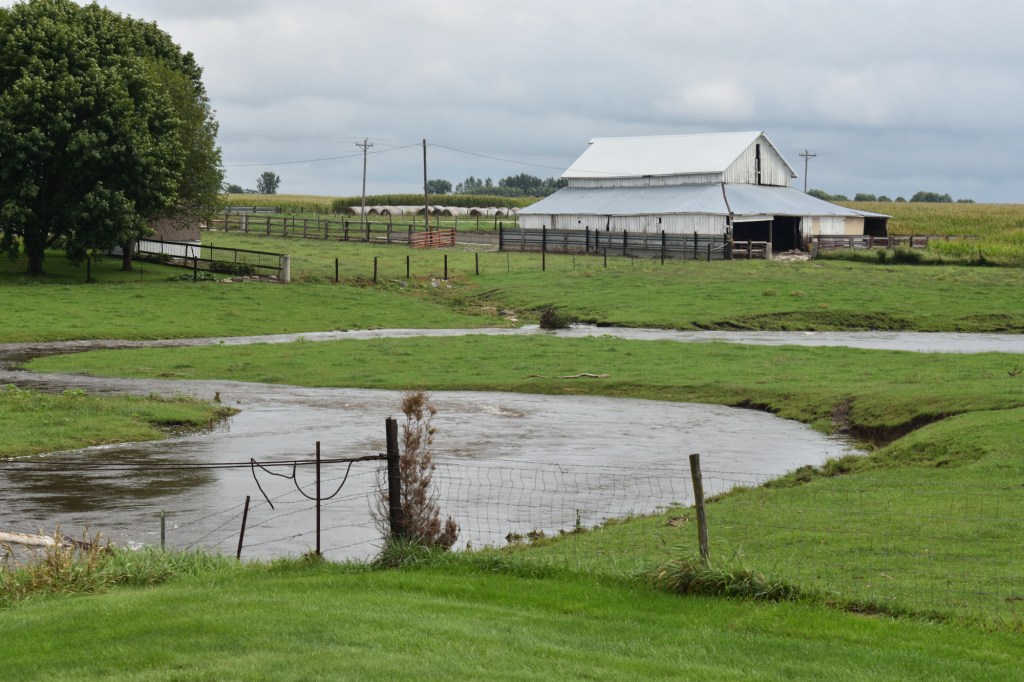
Oglala Lakota Nation Flood Emergency Continues

Last week I shared information from Chase Iron Eyes about the flooding disaster at Pine Ridge Reservation. The flood emergency continues, as does the need for help. “Your help is needed now more than ever”. Following is updated information.

We are extremely grateful for the many of you who have already taken action to help. I am happy to report that the water is back on in many of our districts and progress is being made on several fronts. That said, we are still in a state of extreme emergency with urgent needs including skilled volunteers and in-kind donations (materials) — and now Winter Storm Wesley is bearing down.

We have just launched a new site, OglalaOyankeRelief.org, as a place to find needed information and provide support. Please share it with anyone who might be able to help!

Topline priorities to care for our families, elders, and displaced citizens are bottled water and storage containers, nonperishable food, diapers, toilet paper, and hygiene products. And the rebuilding effort will be massive. Putting people back in residence requires some big ticket items, including vehicles of all kinds (especially UTVs), and green building supplies.

We also need things as simple as generators, fuel containers, water pumps, shovels, and other tools. Please email me directly at the tribal office to inquire before sending specific items so I can verify the items are still top-priority: chase@oglala.org.

Human resources are also essential. We are looking for grant writers, contractors, engineers, skilled laborers, bookkeepers, and administrative assistants who are experts in their field and able to cover the cost of a trip to Pine Ridge. If you can join us here, please email us at volunteer@oglalaoyankerelief.org before coming so we can discuss logistics.

Please send relief items to:
West Hwy 18
OST President’s Office
Pine Ridge, SD 57770

To the many of you who have already assisted us, I can’t thank you enough. With your support, we will persevere and rise again stronger, just as we have always done.

Wopila — all your help is greatly appreciated!

Chase Iron Eyes
Lead Counsel
Lakota People’s Law Project

https://www.oglalaoyankerelief.org/
Posted in climate change, climate refugees, Indigenous | Tagged , | Leave a comment

Resisting Authoritarianism

As history shows, the slide into an authoritarian regime occurs very slowly over time. The people would, hopefully, rise up if all the repression occurred at once. Rather, the assault on freedom occurs with one change followed by another. Concern over the first thing becomes normalized, and doesn’t appear as bad when compared to the next authoritarian move. Followed by the next normalization and new authoritarian move. I’m reminded of the “domino theory” that was once justification for the U.S. involvement in the Vietnam War. If Vietnam “fell to communism”, the other countries in Southeast Asia would follow.

Sociologist Juan Jose Linz (Gretchen Casper, Fragile Democracies: The Legacies of Authoritarian Rule, pp. 40–50 (citing Linz 1964) describes authoritarian political systems as:

  1. Limited political pluralism, that is such regimes place constraints on political institutions and groups like legislatures, political parties and interest groups;
  2. A basis for legitimacy based on emotion, especially the identification of the regime as a necessary evil to combat “easily recognizable societal problems” such as enemies of the people or state, underdevelopment or insurgency;
  3. Minimal social mobilization most often caused by constraints on the public such as suppression of political opponents and anti-regime activity;
  4. Informally defined executive power with often vague and shifting, but vast powers.[3]

An unbiased assessment (as opposed to legitimacy based on emotion) shows the current Republican administration and party have moved toward authoritarianism.

Although there is a history that lead to this point, this process began in earnest on the day the current president announced his candidacy, with him demonizing people who were trying to immigrate to our country.

When Mexico sends its people, they’re not sending their best. They’re not sending you. They’re not sending you. They’re sending people that have lots of problems, and they’re bringing those problems with us. They’re bringing drugs. They’re bringing crime. They’re rapists. And some, I assume, are good people.

Donald Trump’s Presidential Announcement

Since then there have been multiple assaults on decency and our democratic norms every day. Continuous movement along the path to authoritarianism. The assaults on freedom of the press and civil liberties have been ongoing. The newest alarming actions are the suppression of the Mueller Report, and the purging of the Department of Homeland Security. How is it even possible we have fallen so low as to allow “purging“?

While this was happening I was focused on other things, mainly our evolving environmental crisis. I believed, and continue to believe, increasing frequency, intensity, damage and cost of environmental disasters would/will break down political systems.

What I had not foreseen was the decision of this administration to not just ignore climate change, but to actively do everything possible to roll back environmental protections, and prop up the fossil fuel industry.

Looking back on other authoritarian regimes, I believe most of us wonder how they could have happened. Wonder why the people allowed them to happen.

I would also hope many of us might wonder what we would have done to prevent those things from happening? What do you think our children are going to think when they find out how little most of us did to stop the separation of children from their families, to stop the endless wars on terrorism, the thousands of civilian deaths from drone attacks? How little most of us did to stop the assault on Mother Earth?

So the real question facing each of us today is what are we going to do now?

The only way this stops is if millions of us say NO.

I have a lot of faith that the youth I have been peripherally involved with in the Sunrise Movement will continue to make positive change. This Movement is founded on the ideas of (1) building people power by pulling millions of young people into their Movement and (2) building political power by using that people power to elect candidates who will stop the movement toward authoritarianism and instead tackle our environmental, economic and social problems.

But we can’t leave it to the young people to solve these things. Now is the time for all of us to engage, however we are able. Time for us to pull our friends and neighbors into these efforts.

As one example, this evening our first FCNL MeetUp will be held here in Indianola. The idea of the MeetUp is to invite our friends and neighbors, most of whom don’t usually get engaged in public, community efforts, to do so. The Friends Committee on National Legislation (FCNL) has a 75 year history of providing ways for people to be involved in our political system. Teaching us, and going with us to visit with our Congressional representatives and Senators, so we can talk about our concerns and what legislation we would like those representatives to vote for. FCNL also provides us with information and ways we can talk about issues with our friends and neighbors.

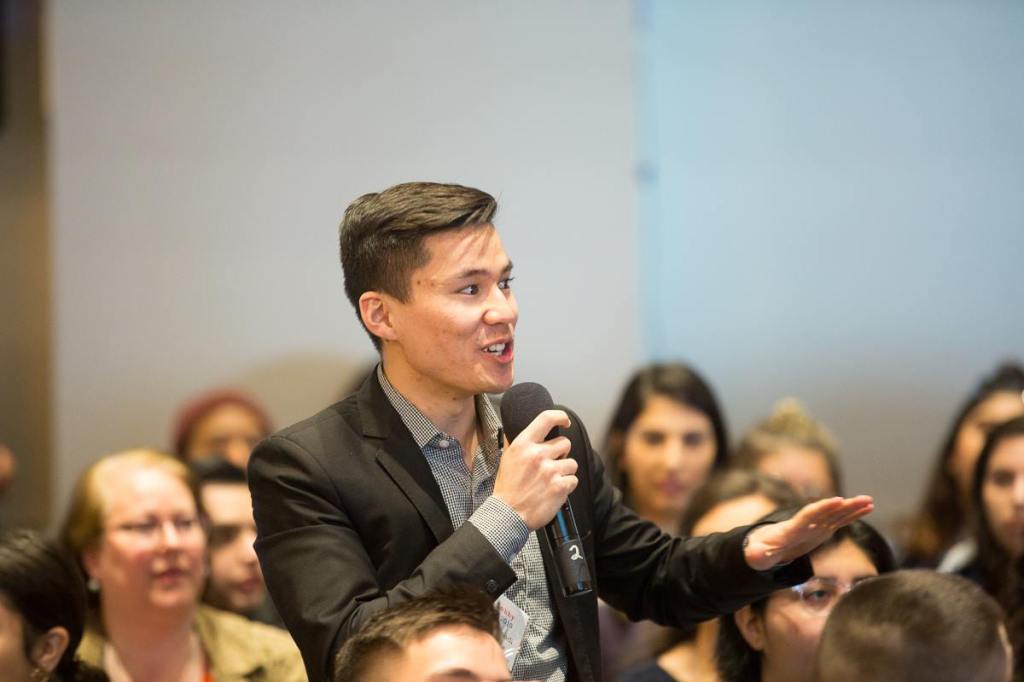
Our MeetUp tonight will be held at The Village, a retirement a community. My friend Rezadad Mohammadi and I will welcome those who attend, and explain briefly what FCNL is. Then we will show everyone the tools provided by FCNL that will allow them to write their own letter about immigration reform, and how to get that letter emailed to their representatives. We want to give people the tools to use, NOT to tell them what they should write.

This is one way we build a movement to give voice to our concerns. Efforts like this, pulling in our friends and neighbors, is how we stop the slide into authoritarianism. You can find much related information on FCNL’s website https://www.fcnl.org/.

The following file is the presentation we plan to use tonight. We encourage you to consider organizing a MeetUp with your friends and neighbors. Here is a link to help you get started with your MeetUp.

Posted in immigration, Uncategorized | Tagged , | Leave a comment

Time to Sue the Banks

As the consequences of climate change become increasingly frequent and severe, so much so that the UN Human Rights Committee is asking the United States to explain what it is doing to protect the “right to life”, banks are INCREASING funding for fossil fuel projects.

Geneva – Today, the UN Human Rights Committee made public its request that the US government provide information regarding policies and measures implemented by the government to protect the right to life from the adverse impacts of climate change. This marks the first time that the oldest human rights treaty body has raised an issue with any State in relation to climate change.

UN Human Rights Committee Flags US Must Address Climate Change to Protect the Right to Life, Common Dreams, April 4, 2019

“Banks are funding a future that will cost the lives of the next seven generations of life and beyond… Any financial institution that cannot read the writing on the wall should be stripped of its social license to operate and be held accountable for their investments because those investments are threatening our very lives.”
Tom Goldtooth, executive director of the Indigenous Environmental Network

Time To Sue The Banks For Underwriting The Climate Crisis, by Steve Rushton, Occupy.com, April 7, 2019

The Rainforest Action Network (RAN) has published a vast array of data about banks and fossil fuel funding, Banking on Climate Change.

Banking on Climate Change, Rainforest Action Network

You can help put pressure on the banks. Use this link to send an email message to the banking institutions pictured below.
Stop Funding the Climate Crisis.

Stop Funding the Climate Crisis, RAN

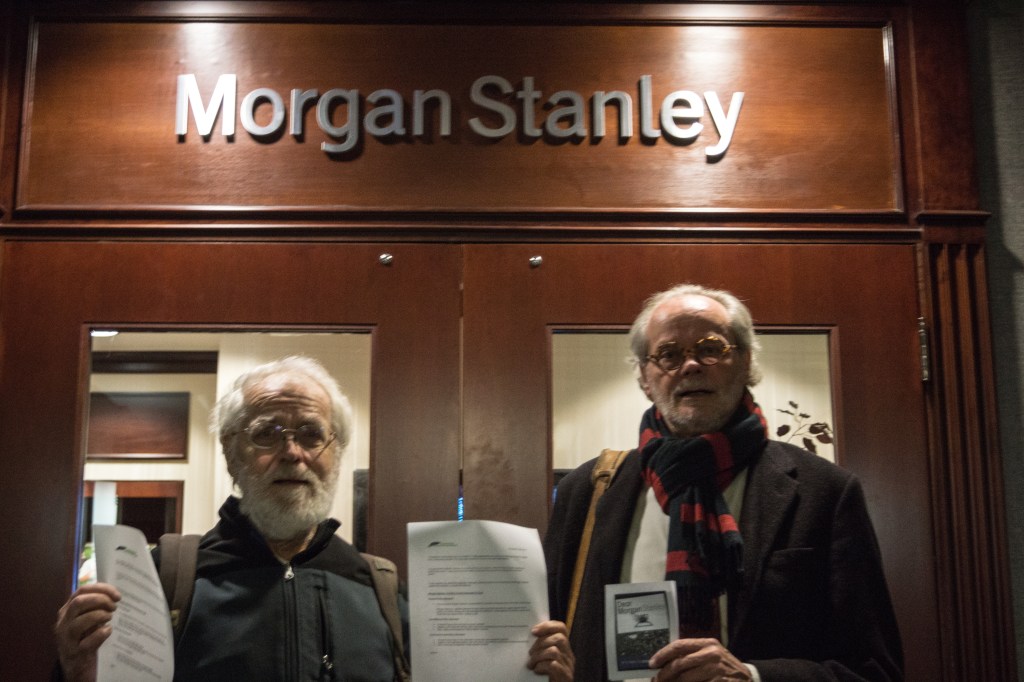
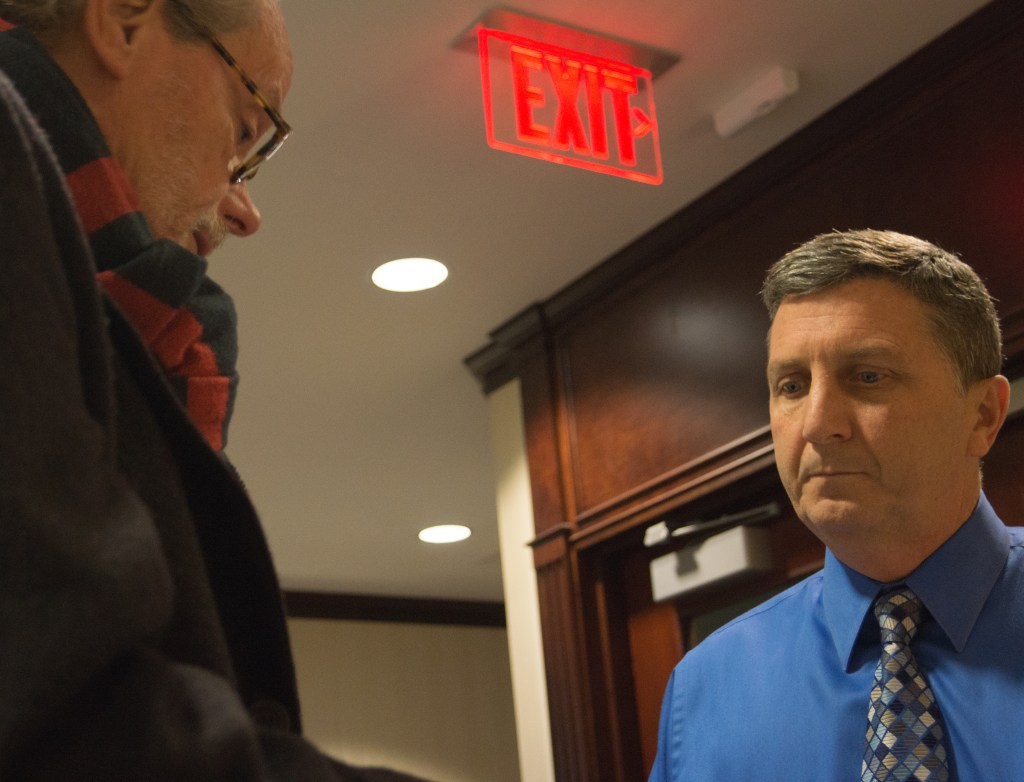
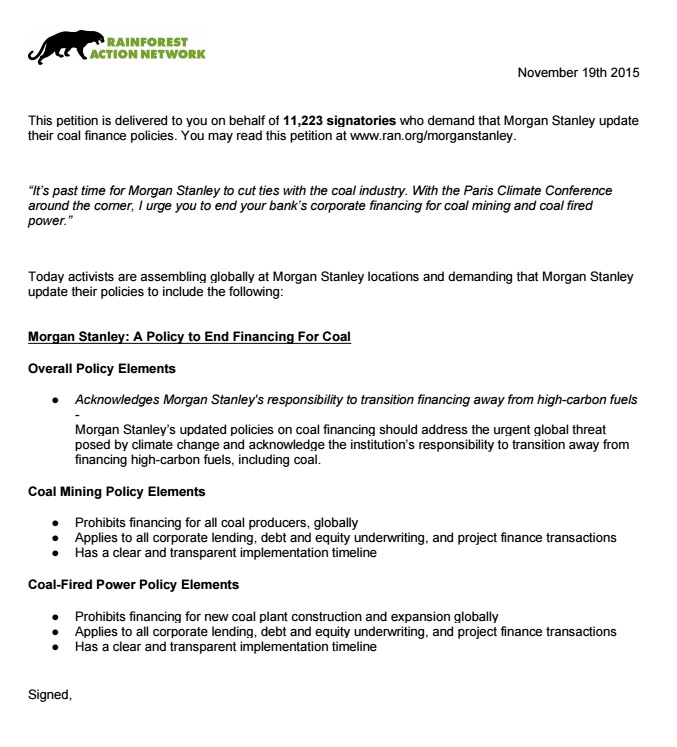
Taking action against banks has been one strategy climate activists have used for many years. Although as it says above, banks are increasing fossil fuel funding, there have been some success stories. In November, 2015, during a nationwide day of action prior to a Morgan Stanley stockholder’s meeting, thousands of petitions asking the company to stop funding coal projects were delivered. At the stockholders meeting, it was decided to stop funding coal projects. In Indianapolis a few of us delivered the petition to the Morgan Stanley manager.

I was involved in a number of efforts to defund the Dakota Access Pipeline. The Quaker meeting I attended in Indianapolis, North Meadow Circle of Friends, closed our Chase bank account in support of defunding the Dakota Access pipeline.

https://www.defunddapl.org/#!

I wrote about my personal experience in closing my Chase bank account in this article in the Quaker Earthcare Witness publication, Befriending Creation,
One Dollar at a Time: Defunding DAPL

#NoDAPL Chase bank Indianapolis
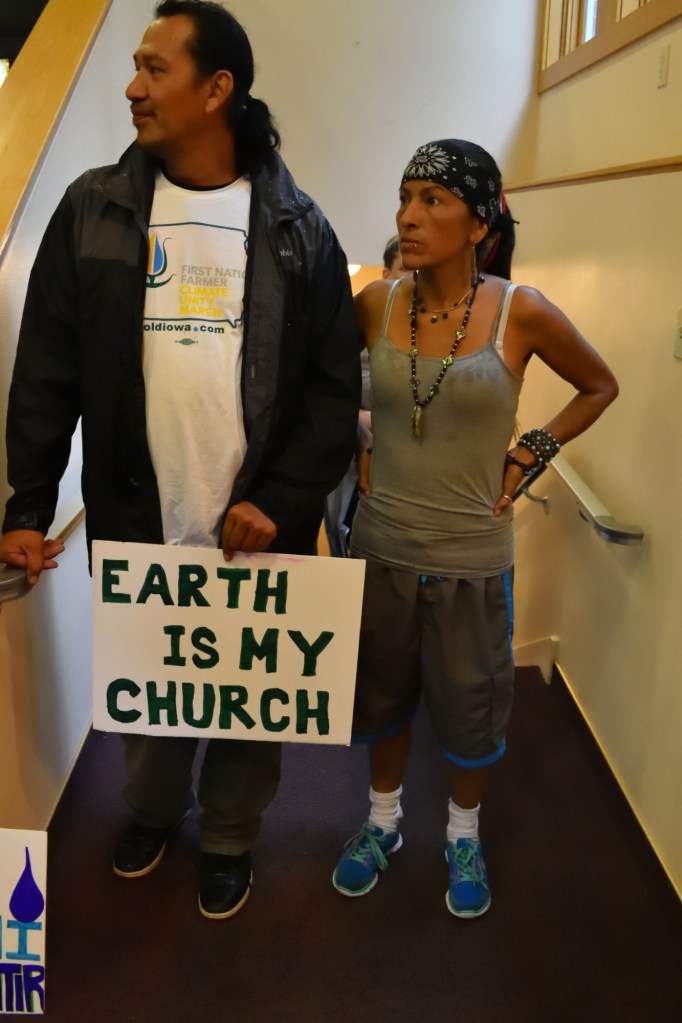
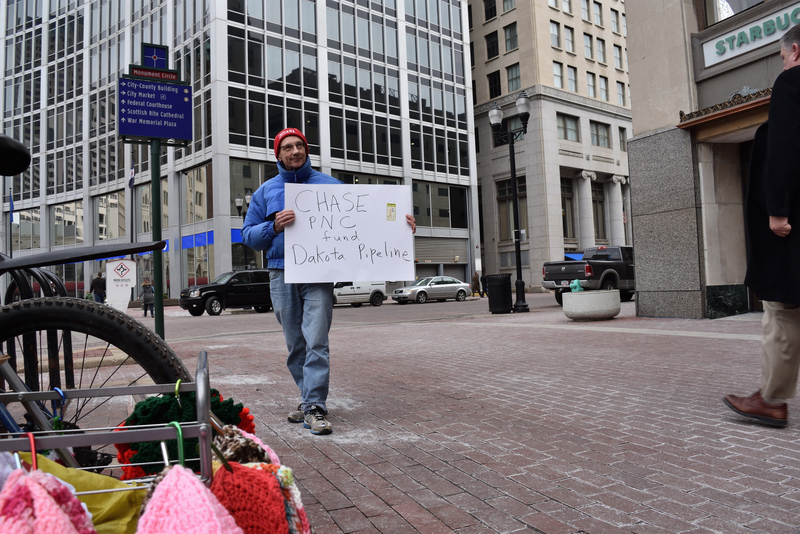
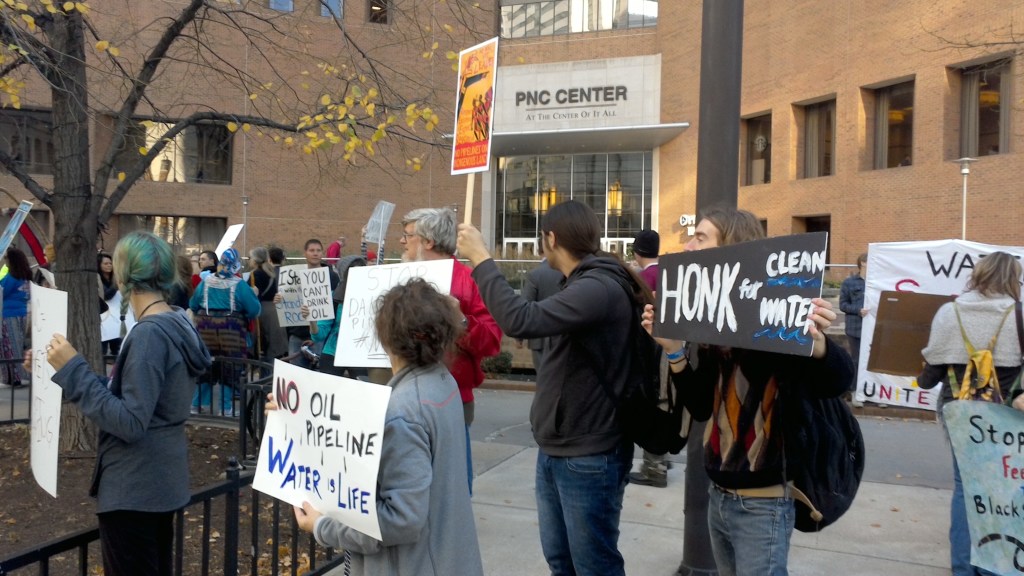
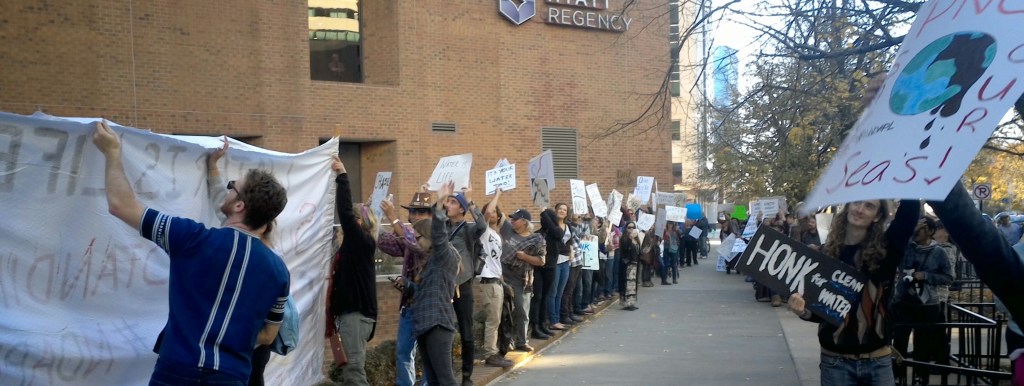
One of the main ways we supported the water protectors at Standing Rock during the Dakota Access pipeline struggle was by standing in silence in front of the Chase Bank and the PNC Bank in downtown Indianapolis, while those with bank accounts there went inside to close their accounts. That day $110,000 was withdrawn from those banks.

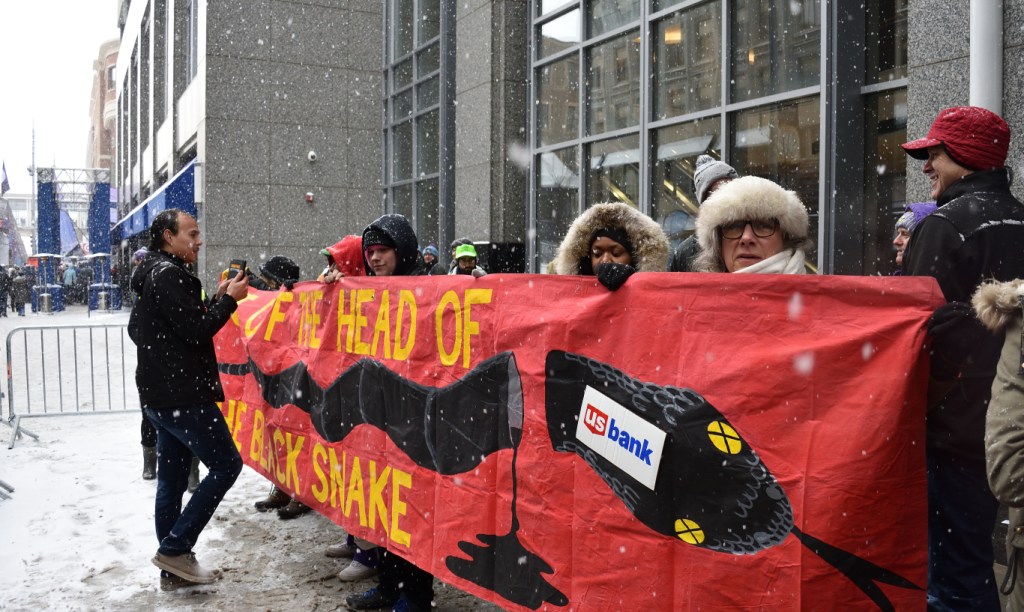
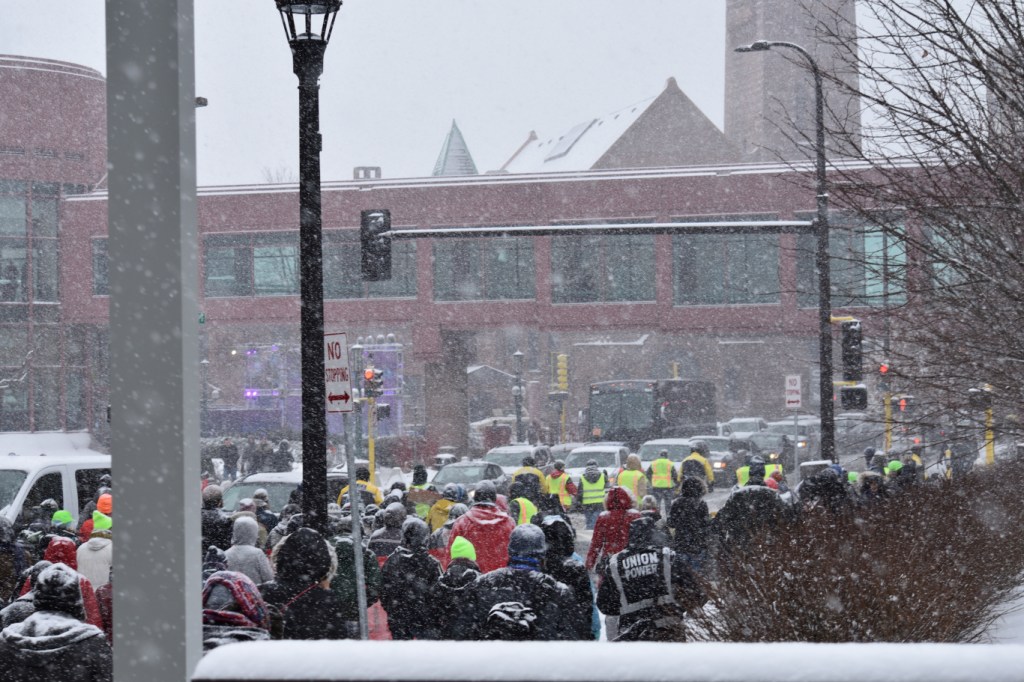
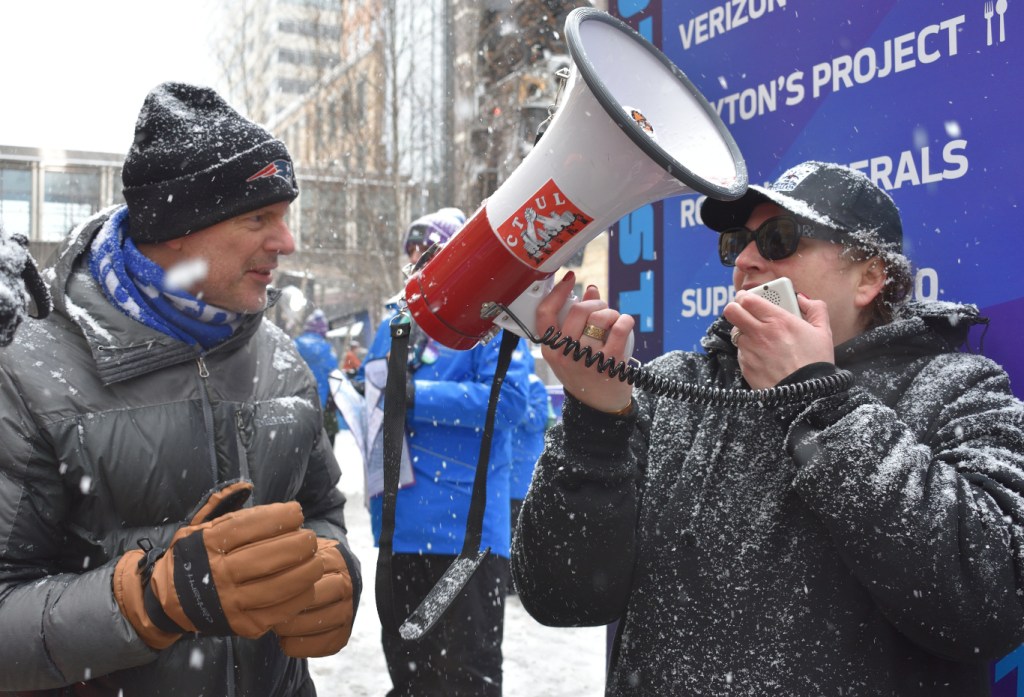
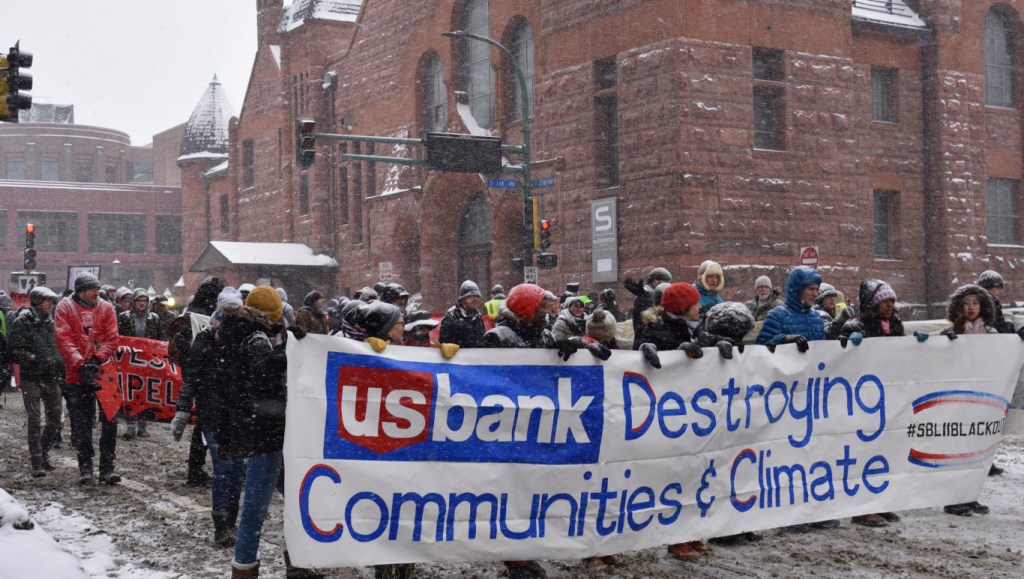
On February, 2018, the weekend the Super Bowl was played at the USBank stadium there, a van full of us went to Minneapolis to demonstrate in front of the USBank headquarters

Posted in #NDAPL, climate change, Indigenous, Quaker Meetings, Uncategorized | Tagged | Leave a comment

Intertwining science, spirit, story

About a year ago I was glad to have the opportunity for a rare visit with my cousin, Ron Knight, when he was in Indianola visiting his mother, Wanda. During the visit he mentioned he had recently read “Braiding Sweetgrass: Indigenous Wisdom, Scientific Knowledge and the Teachings of Plants” and thought it was one of the best books he had read. I bought a copy, but it is on the long list of books yet to be read.

An email yesterday from another friend mentioned the book, so I’ve begun to read it. The following is from the preface.

I could hand you a braid of sweetgrass, as thick and shining as the plait that hung down my grandmother’s back. But it is not mine to give, nor yours to take. Wiingaashk belongs to herself. So I offer, in its place, a braid of stories meant to heal our relationship with the world. This braid is woven from three strands: indigenous ways of knowing, scientific knowledge, and the story of an Anishinabekwe scientist trying to bring them together in service to what matters most. It is an intertwining of science, spirit, and story—old stories and new ones that can be medicine for our broken relationship with earth, a pharmacopoeia of healing stories that allow us to imagine a different relationship, in which people and land are good medicine for each other.


Kimmerer, Robin Wall. Braiding Sweetgrass: Indigenous Wisdom, Scientific Knowledge and the Teachings of Plants . Milkweed Editions. Kindle Edition.

One thing that triggered were thoughts I’d occasionally had about science and spirit. From my days at Scattergood Friends School and Farm, I had been aware of the idea some people had, that scientists tended to not believe in God. I began a life-long interest in science from the time I was old enough to use a microscope, do experiments with a chemistry set, and build and fly model rockets. Looking back, I’m sure my Quaker parents were horrified when publications from the Atomic Energy Commission began to arrive.

Being raised as a Quaker, a belief in the presence of the spirit was part of my everyday life. I didn’t see a conflict between a belief in God and what I learned about science. Most of my adult life was spent as a respiratory therapist in the Neonatal Intensive Care Unit of Riley Hospital for Children and then doing medical research in our Infant Pulmonary Function Lab. The more I learned, the clearer it became that the complexities of life had to have been created by something much greater than humans. This was even more true when I was involved with research, and we had to work so hard to discover things we didn’t know.

Neonatal ICU, Riley, photo permission granted

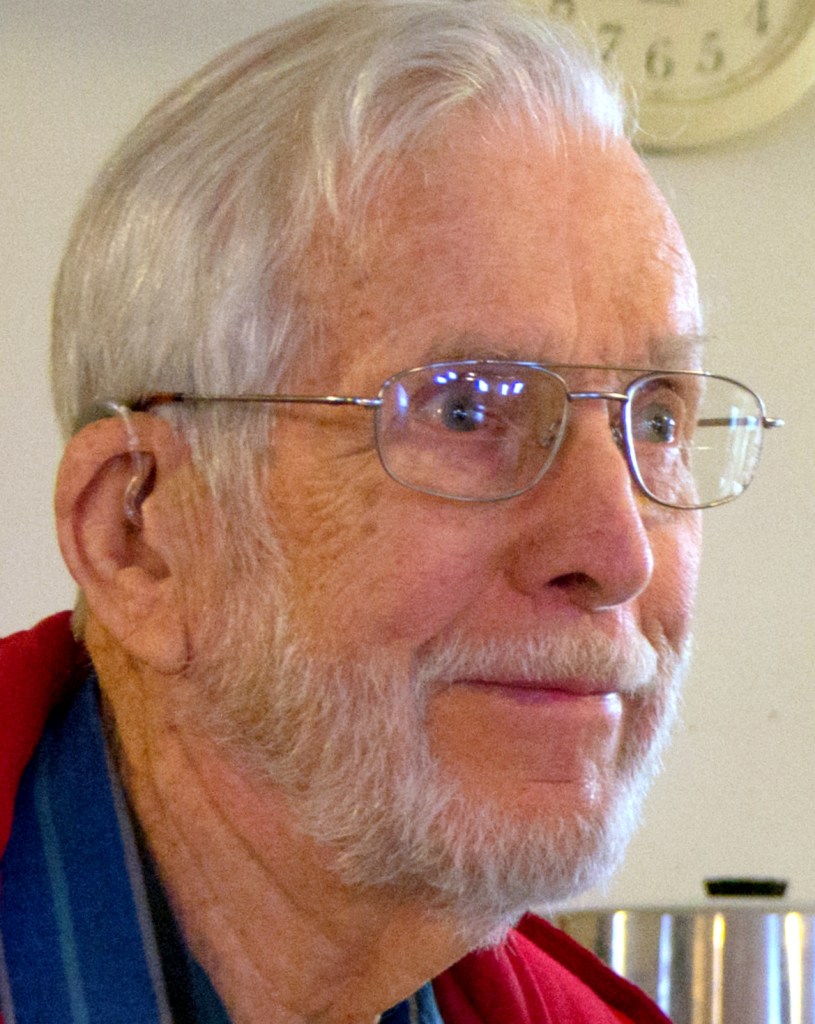
It was also helpful that I was able to spend time with, and have a life-long friendship Don Laughlin, who was Quaker, an engineer, and involved with Scattergood Friends School. I was blessed to spend the summer before my senior at Scattergood working in his medical electronics lab. He never expressed having difficulties in working in science and a belief in God.

Don Laughlin

One problem I saw from an early age was the rejection of science by so many, especially when it would be personally inconvenient to recognize scientific knowledge. Specifically, I have been troubled all my life by the refusal of millions to stop driving cars and reduce other practices that cause greenhouse gas emissions. The greenhouse effect is easy to understand, and simple experiments prove the principle. I knew this from my teenage years. What I couldn’t understand was the refusal to change lifestyles to protect our environment from the damage increasing greenhouse gas emissions was doing to Mother Earth. In some ways it was unfortunate that catalytic converters were developed, that stopped visible smog from auto exhaust. That made it easy for people to ignore what they couldn’t see.

One the Spirit side of this, my spiritual outlook has been significantly deepened and broadened by recent opportunities to learn more about indigenous beliefs and practices. I was deeply moved by the example of those who were at Standing Rock, with their unwavering example of prayer and nonviolence, especially in the face of state sponsored violence. As Nahko Bear said when he was speaking to the Native youth who had just been attacked by security dogs:

Remember that nonviolent direct action is the way to a successful revolution.  And that is a hard one, because they are so bad (chuckles).  When they come at us you just want to hit ’em, you know?  Just sit with that.  I know it’s tough.  They’re going to try to do everything they can to instigate you.  But remember what we’re here for.  We’re here to create peace for our Mother.  We’re not here to create more violence.
When you’re feeling bad, when you’re feeling frustrated, put all your prayer into your palms, put them to the ground, put them back to the sky, honor the Father, the Mother, just know it will be alright.
Are you guys feeling proud, are you proud of yourselves?  Because the whole world is watching.  The whole world is watching.  So whatcha gonna do?  Gonna show love?  Are you gonna be smart?  You gonna think before you act?  Take care of each other?  Your gonna show ‘em what family does?  They don’t know what that’s like.
You gotta put down the weight, gotta get out of your way.
Get out of your way and just look around the corner at your real self and look at all the potential that this beautiful Earth and love has to offer you.
It’s crazy being out in front of you guys.  I had a moment there.  I was like, I like started spacing out and I’m like oh god they’re looking at me aren’t they?  I was thinking about how much happened before any of us were here.  You know?  There is a lot of history here.   We gotta hold that when we’re standing out there.  You gotta hold that when you’re on that line out there, too.  You’re here for a lot more than just this pipeline.

Nahko Bear

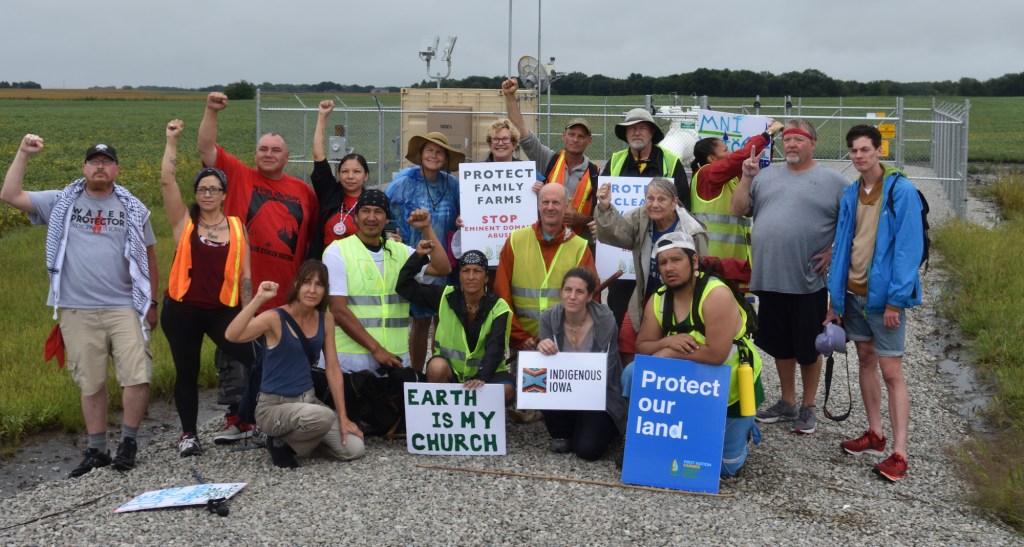
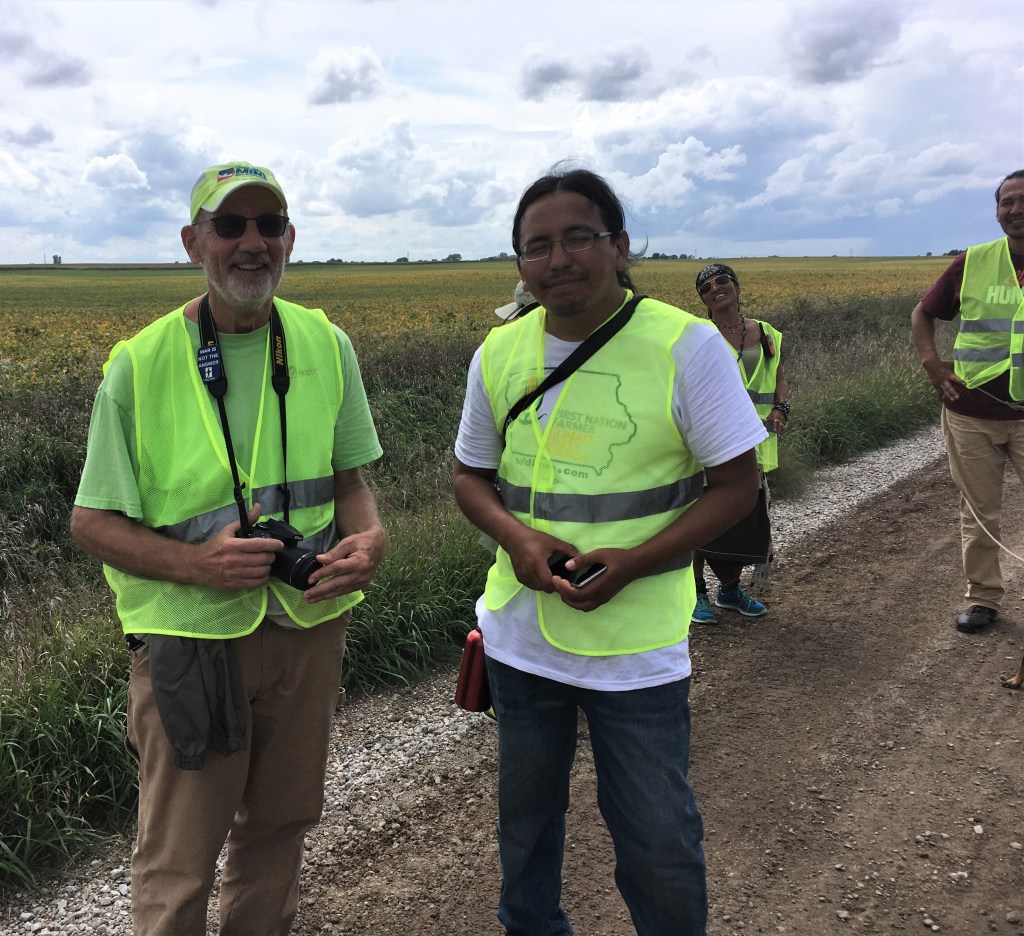
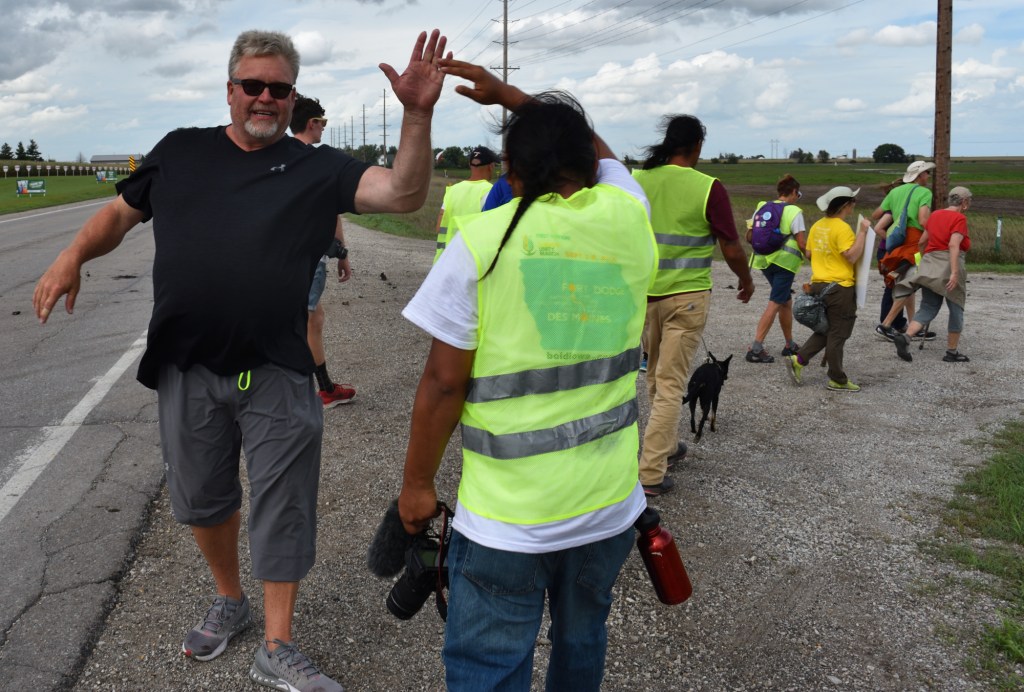
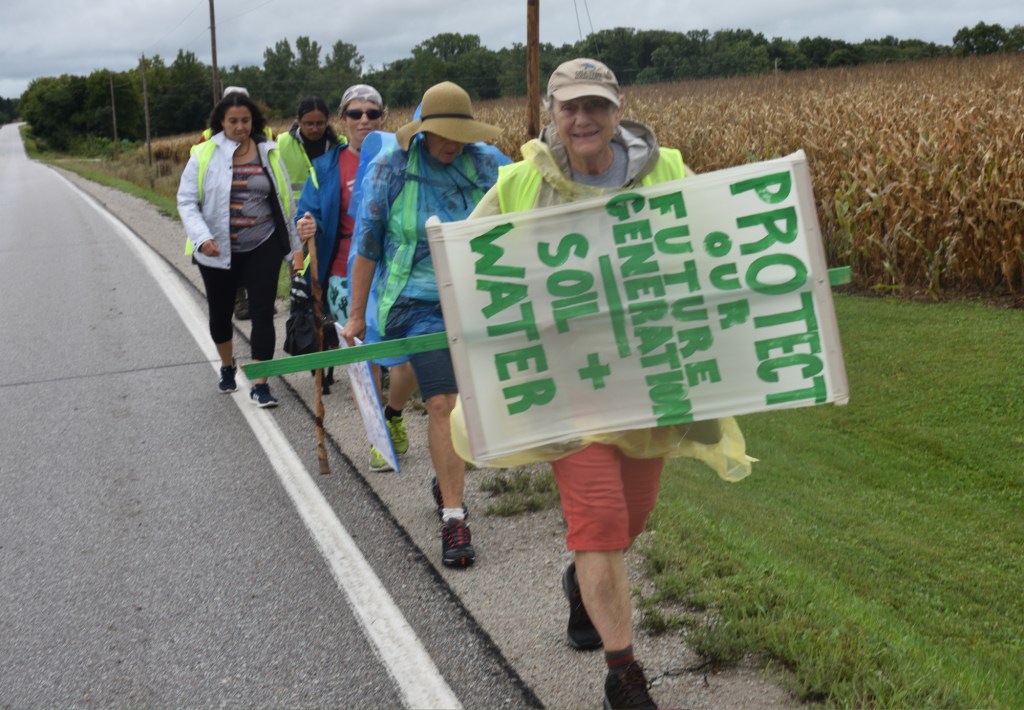
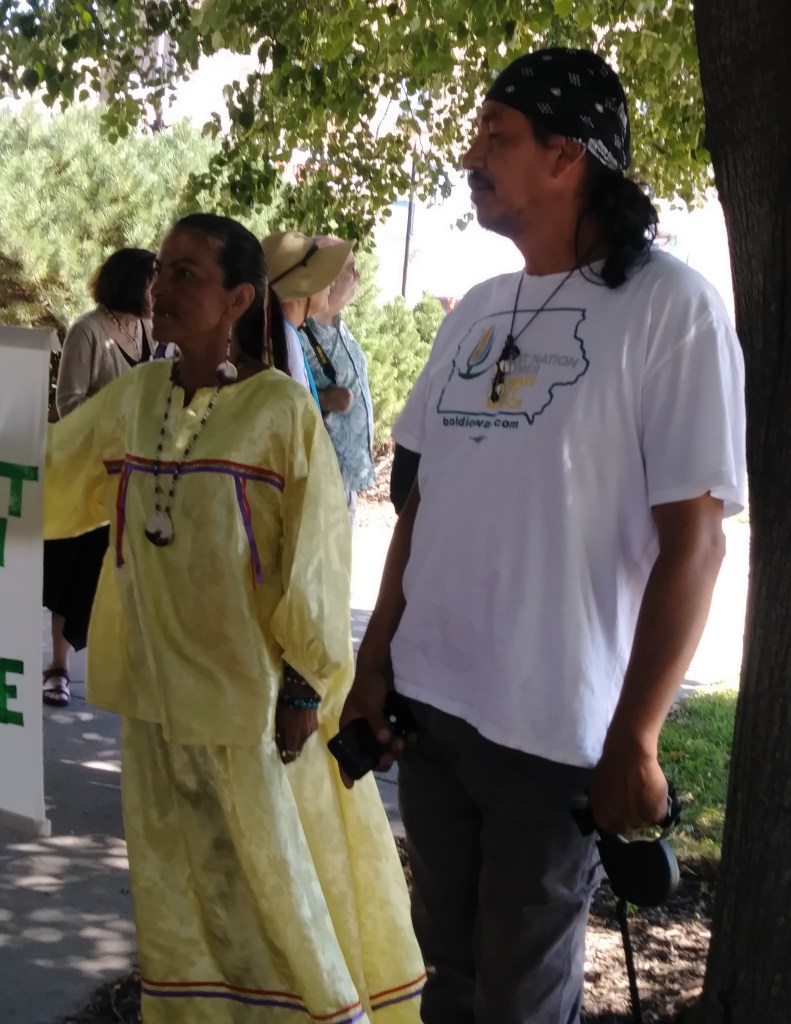
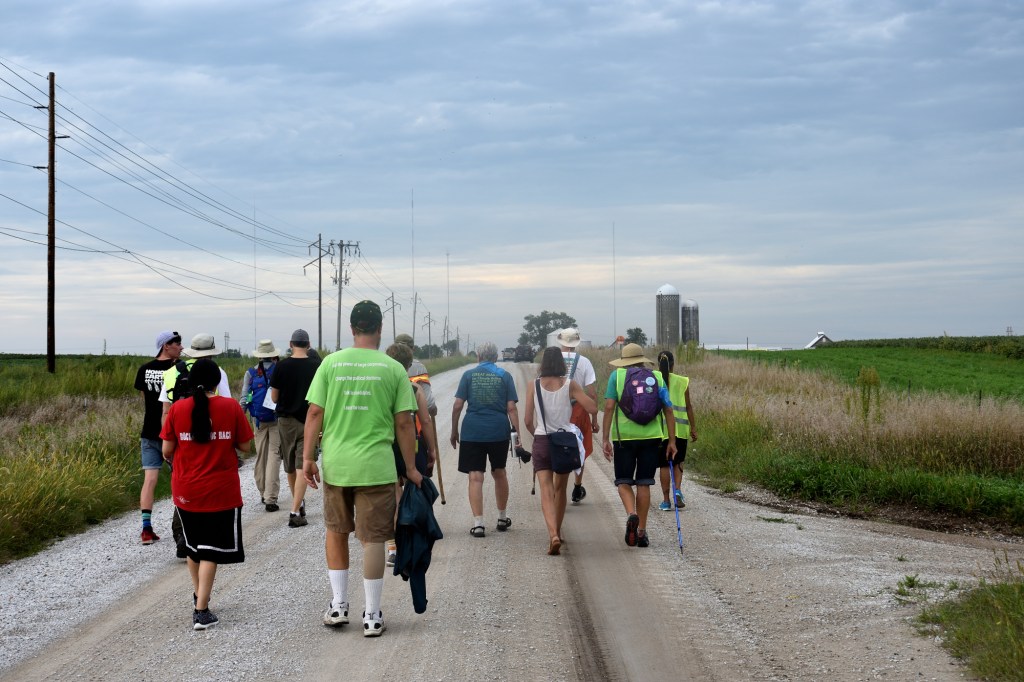
It was because I wanted to learn more about indigenous beliefs that I knew, as soon as I heard about it, that I was led to take part in the First Nation-Farmer Climate Unity March. I knew, as actually did occur, that this would be the way for me to begin to learn. We were a small group of Native and non-native people who spent 8 days together. During the miles of walking down rural gravel roads, we had hours and hours to share our stories, to get to know each other. As Manape LaMere said during the March, the reason we are marching together is so we can work together in the future. To do that, we need to begin to trust each other. To trust each other we need to understand each other.

ALL THAT WE ARE IS STORY. From the moment we are born to the time we continue on our spirit journey, we are involved in the creation of the story of our time here. It is what we arrive with. It is all we leave behind. We are not the things we accumulate. We are not the things we deem important. We are story. All of us. What comes to matter then is the creation of the best possible story we can while we’re here; you, me, us, together. When we can do that and we take the time to share those stories with each other, we get bigger inside, we see each other, we recognize our kinship — we change the world one story at a time.
Richard Wagamese (October 14, 1955-March 10, 2017)
Ojibwe from Wabeseemoong Independent Nations, Canada

These are ways I see that we can blend science, spirit and story.

Posted in #NDAPL, climate change, Indigenous, Quaker, Uncategorized | Tagged | 1 Comment

Building and Sustaining a Vibrant Community

Last night I attended the forum, “Building and Sustaining a Vibrant Community” held at Hubbell Hall in the Kent Campus Center of Simpson College here in Indianola, Iowa.

Indianola mayor Kelly Shaw introduced the panelists, Fairfield mayor Ed Malloy, Kari Carney, Executive Director of 1000 Friends of Iowa, and Ryan Waller, City Manager for Indianola.

Indianola mayor Kelly Shaw

I was really surprised and glad to hear so many ways Iowa towns and organizations are actually implementing a wide variety of sustainability projects. There were so many projects and ideas, I can only summarize the high points.

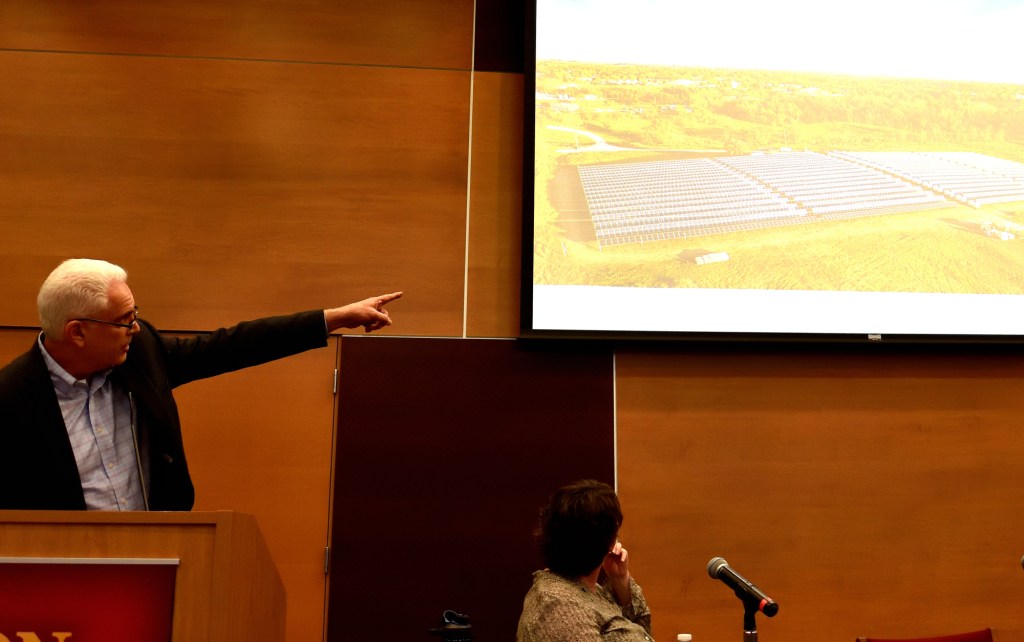
Fairfield, Iowa, mayor Ed Malloy, was selected as one of 15 green-leaning mayors in the country by Grist magazine in 2009, and I can see why after his remarkable presentation.

In November, the city fathers in this liberal southeastern Iowa outpost unanimously adopted a Green Strategic Plan. Their vote was more than ceremonial: they also secured a state-funded grant to hire a sustainability coordinator, inventory their greenhouse gases, and create educational materials for residents. The new plan envisions everything from conserving energy to supporting local farms. Malloy, who’s been mayor since 2001 and heads up a local oil company, says the environment-economy connection is clear. He hopes Fairfield’s ideas will catch on: “We want to create a model community, a virtual template that other small towns can adopt to create the same results.”

15 green-leaning mayors, Grist, Grist staff, Ma 2, 2009

He said patience is important. When he first suggested his sustainability ideas to the city council, they didn’t want to do it at the time. In 2008 when oil prices surged, the council was ready to begin strategic planning for sustainability. The three goals were to create a sustainability culture, green jobs, and sustainable community design. You can find the Fairfield Go-Green 2020 Strategic Plan here.

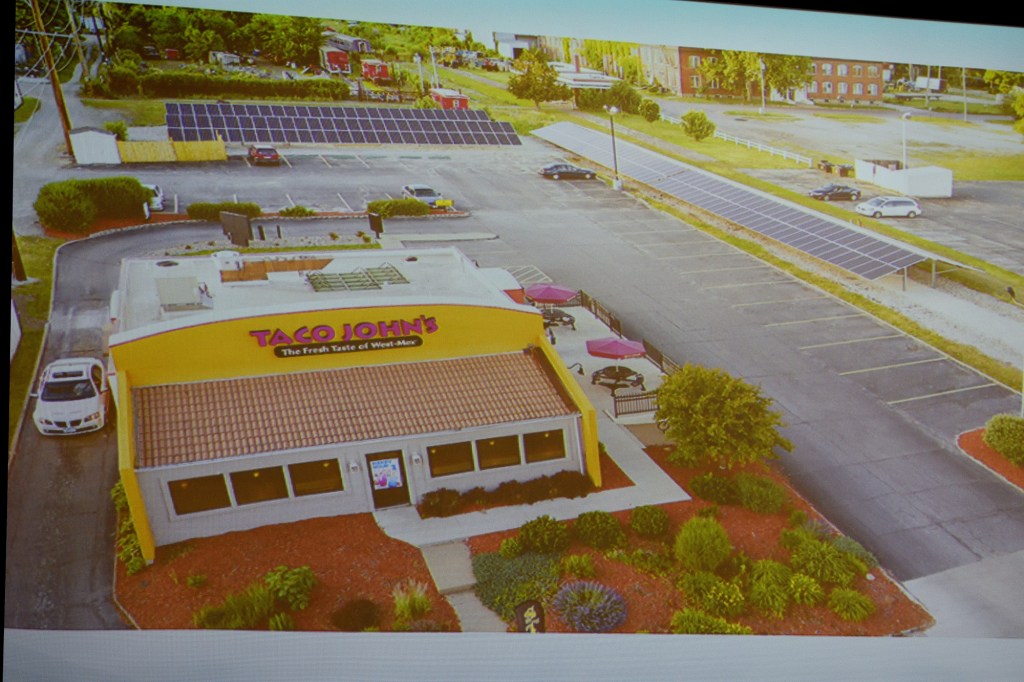
It is important to make everyone feel included, to create a culture of sustainability. The Maharishi School is very involved in this work in Fairfield. Middle school students work on energy conservation and in the food garden. Early in the process Fairfield invested in solar energy. No tax money was involved because three solar companies developed in the city. When the banks in town noticed return on investments and energy savings, they installed their own solar panels. 160 fruit trees were planted with the help of Green Iowa AmeriCorps.

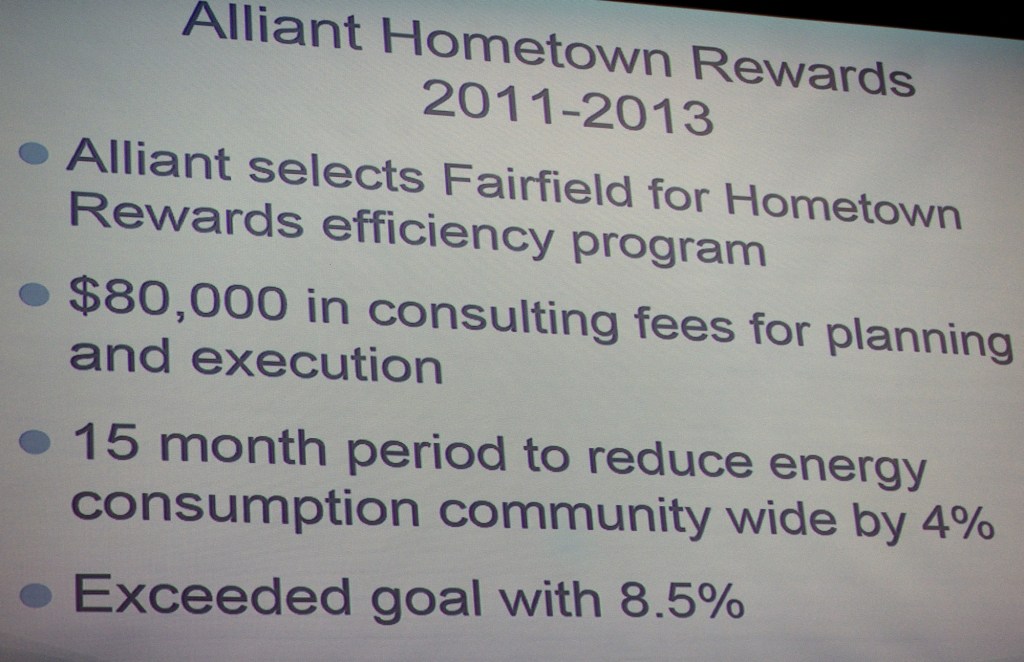
Fairfield wins Alliant Hometown Reward

As seen above, Alliant Energy select Fairfield for its Hometown Rewards from 2011-2013. There is a storm water project and the development of wetlands and trails. A four day boot camp is offered for entrepreneurs for local food initiatives.

Taco Bell’s solar panels, Fairfield, Iowa

Next to speak was Kari Carney, Executive Director of 1000 Friends of Iowa, which focuses on land use and redeveloping small town communities. She talked about the revitalization of Charles City and Storm Lake, Iowa.

Parkside Residential Development

She described how, after flooding of the Cedar River in 2008, Charles City decided to rebuild with affordable, net zero residences, with a price cap and requirement that a certain number of the new residences go to families with lower incomes. You can see documentation of this project here.

Apartments are built around solar panels and a geothermal energy system. High efficiency appliances, using recycled building materials, and permeable pavers are some of the features.

Storm Lake is the single most diverse city in Iowa, where 80% of the school children are non white. 18 languages are spoken. The city has chosen to embrace immigrants. Wetland development reduces water runoff and filters the water. High school students work in a 5 acre field of edible plants for food security.

Bloomfield has a population of 2,000 with a high incidence of poverty. A plan was developed to reach 100% energy independence. Old apartments are renovated with green building materials and high efficiency appliances, built with local labor. People from Green AmeriCorps did energy audits of all homes, and replaced all light bulbs with energy efficient ones. Renters are given loans so they can take advantage of programs for energy efficiency, which are usually just available for home owners. Solar fields supply 16% of all electricity, and 100% of power for municipal buildings.


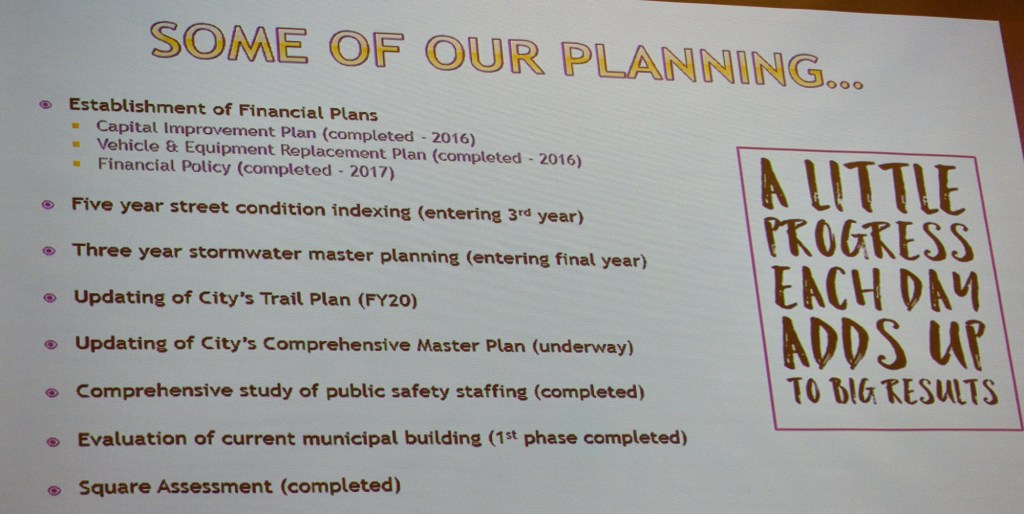
Ryan Waller, Indianola’s City Manager, spoke about a few of the many things the city is doing to build vibrant and sustainable communities. He focused on two things, evaluation of municipal buildings and services, and the downtown square assessment and plans.

Indianola community planning

When community planning was developing, there was really high community engagement, with great input, and which also provided a great deal of data to plan from. Recommendations included changes in zoning for more retail development, attention to programs such as parades, events, and RAGBRAI, which includes a stop in Indianola this year.

One of the main efforts is to continue to build on the connection of the downtown square with the Simpson College campus. Working on signage, and creating more greenspace should encourage more walkability. There a plans for streetscape, to encourage the flow of traffic from Jefferson Street/Highway 65 to the square.

Municipal building and services assessment found inefficiencies in overlapping services, and understaffed police, fireman and medics. Plans are being made to increase staffing and efficiency of safety services.


This was a fascinating event with a lot of great material. So much of this represents implementation of parts of a proposed Green New Deal. I especially liked the parts relating to a just transition, focusing on those with lower incomes. And the synergy between cities and schools was clearly shown in many different ways.

Posted in climate change, Green New Deal, renewable energy, Uncategorized | Leave a comment

House passes Violence Against Women Act

The House passed the reauthorization of the Violence Against Women Act (VAWA), despite the opposition of the National Rifle Association (NRA). The Act expired in February.

However, House Republicans broadly object to at least four new policies added to the bill to reauthorize VAWA — which expired in February when Democrats objected to GOP efforts to include a short-term extension of the law in a spending deal. But the most controversial are new provisions to lower the criminal threshold to bar someone from buying a gun to include misdemeanor convictions of domestic abuse or stalking charges. Current law applies to felony convictions

It would also close the so-called “boyfriend loophole” to expand existing firearm prohibitions to include dating partners convicted of abuse or stalking charges.

Republicans also oppose a new provision to allow U.S. citizens to be tried in tribal courts for crimes of domestic or dating violence committed by non-native perpetrators on native lands

House Passes Bill Protecting Domestic Abuse Victims; GOP Split Over Gun Restrictions, Susan Davis, NPR, 4/4/2019

The inclusion of the authority given to tribal courts to try U.S. citizens for crimes of domestic or dating violence committed by non-native perpetrators on native lands is a change that was asked for to help address the epidemic of missing and murdered indigenous women (MMIW).

The Senate has not yet advanced its own VAWA reauthorization, which Sens. Joni Ernst, R-Iowa, and Dianne Feinstein, D-Calif., are working on.

Posted in #NDAPL, Indigenous, Uncategorized | Tagged | Leave a comment

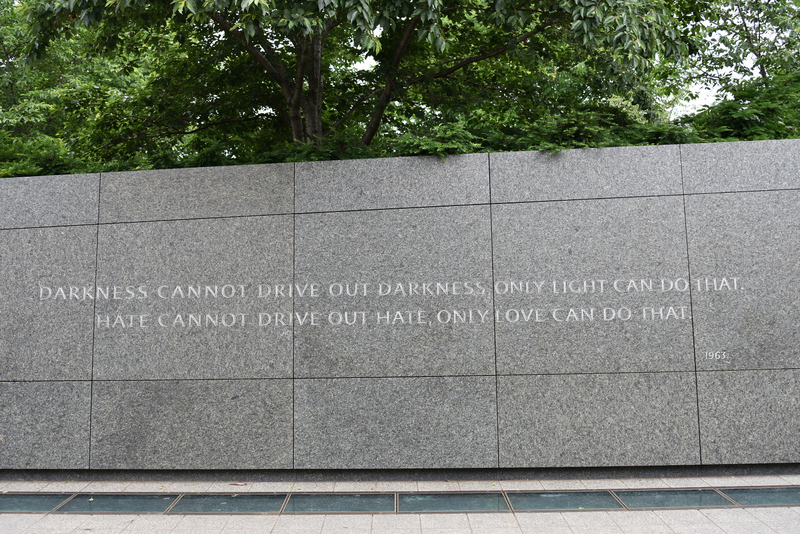
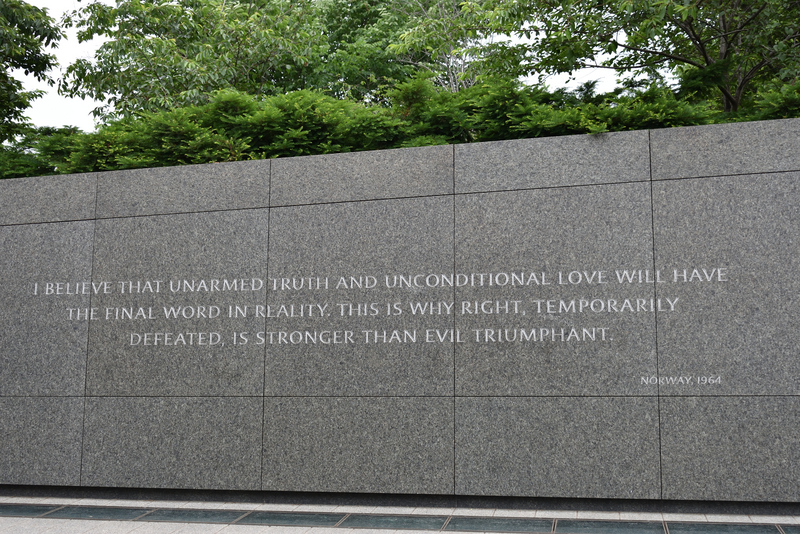
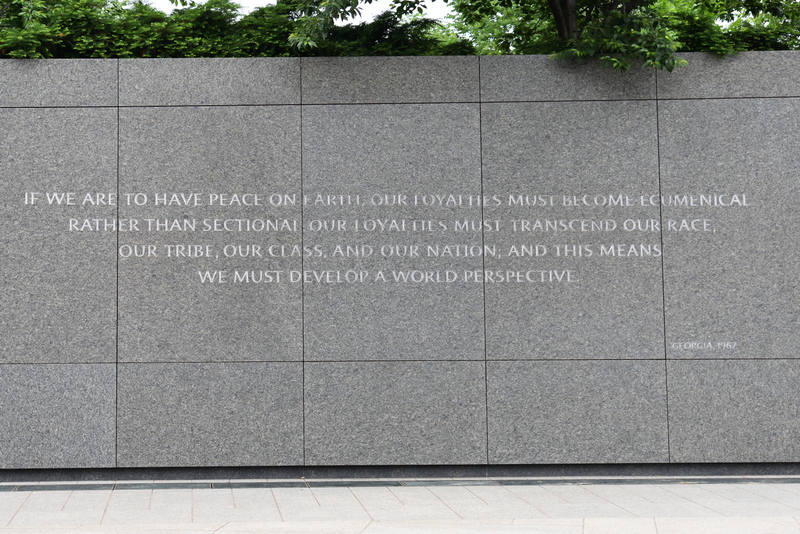
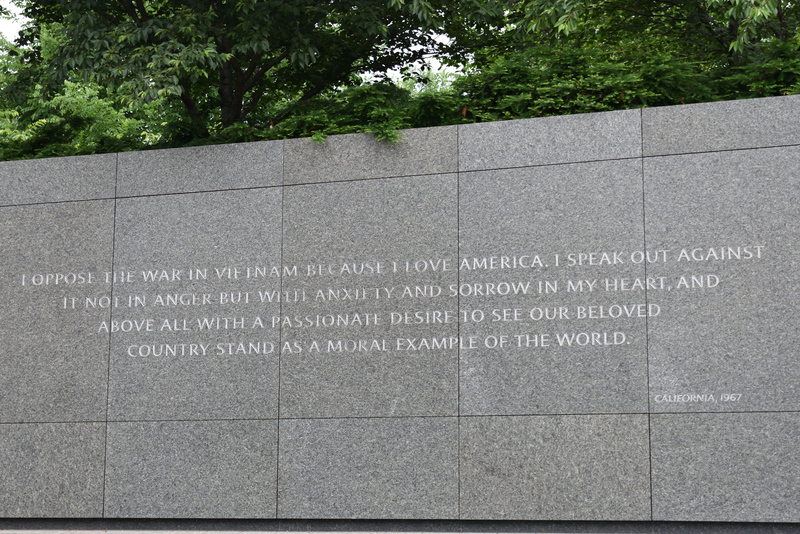
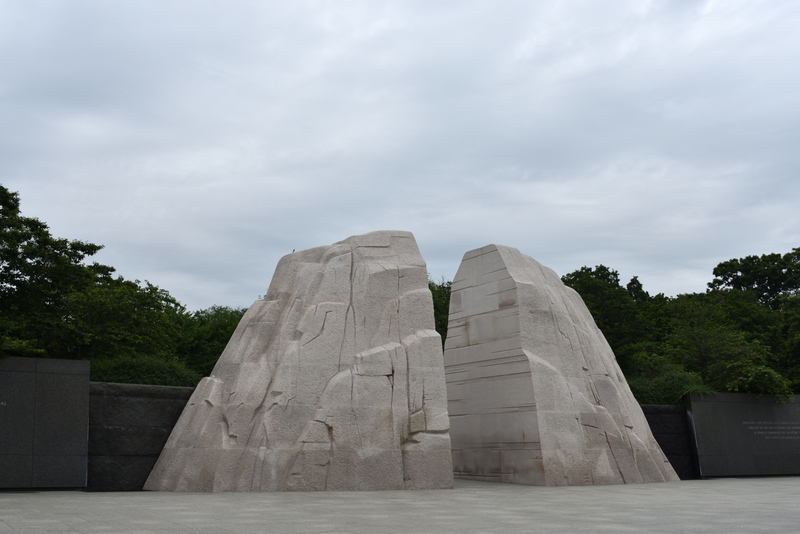
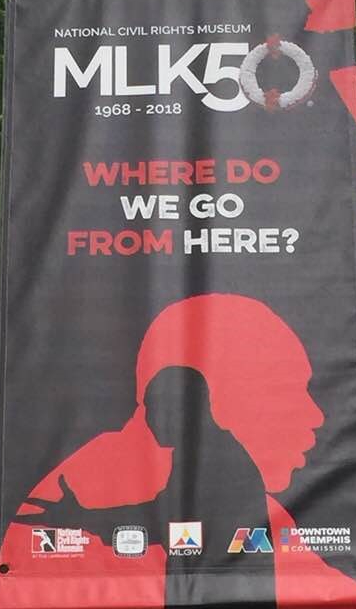
Martin Luther King: His Own Words

It is not enough to say we must not wage war. It is necessary to love peace and sacrifice for it.

Every man must decide whether he will walk in the light of creative altruism or in the darkness of destructive selfishness.

We must use time creatively, in the knowledge that the time is always ripe to do right

An individual has not started living until he can rise above the narrow confines of his individualistic concerns to the broader concerns of all humanity.

Every man lives in two realms: the internal and the external. The internal is that realm of spiritual ends expressed in art, literature, morals, and religion. The external is that complex of devices, techniques, mechanisms, and instrumentalities by means of which we live.

The quality, not the longevity, of one’s life is what is important.

The past is prophetic in that it asserts loudly that wars are poor chisels for carving out peaceful tomorrows.

A lie cannot live.

Love is the only force capable of transforming an enemy into friend.

We must develop and maintain the capacity to forgive. He who is devoid of the power to forgive is devoid of the power to love. There is some good in the worst of us and some evil in the best of us. When we discover this, we are less prone to hate our enemies

Nonviolence is absolute commitment to the way of love. Love is not emotional bash; it is not empty sentimentalism. It is the active outpouring of one’s whole being into the being of another.

If you can’t fly then run, if you can’t run then walk, if you can’t walk then crawl, but whatever you do you have to keep moving forward.

Only in the darkness can you see the stars.

There comes a time when one must take a position that is neither safe nor politic nor popular, but he must take it because his conscience tells him it is right.

Everybody can be great … because anybody can serve. You don’t have to have a college degree to serve. You don’t have to make your subject and verb agree to serve. You only need a heart full of grace. A soul generated by love.

No one really knows why they are alive until they know what they’d die for.

A man who won’t die for something is not fit to live.

We must accept finite disappointment, but never lose infinite hope.

We must build dikes of courage to hold back the flood of fear.

Those who are not looking for happiness are the most likely to find it, because those who are searching forget that the surest way to be happy is to seek happiness for others.

Lightning makes no sound until it strikes.

No person has the right to rain on your dreams.

Posted in civil disobedience, peace, Uncategorized | Tagged | Leave a comment