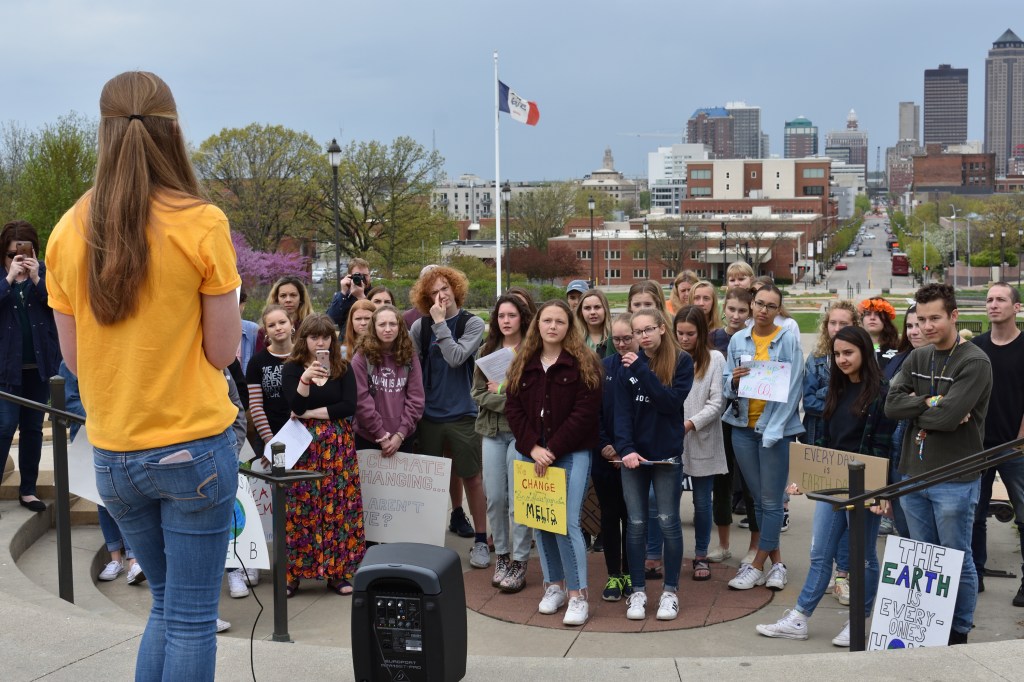
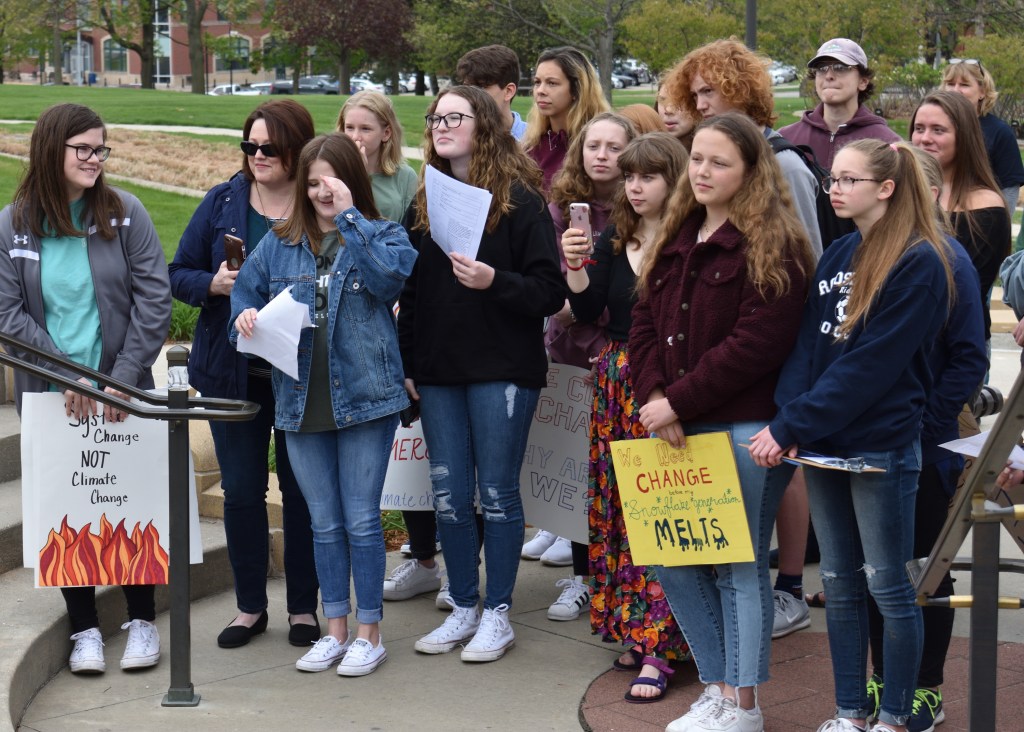
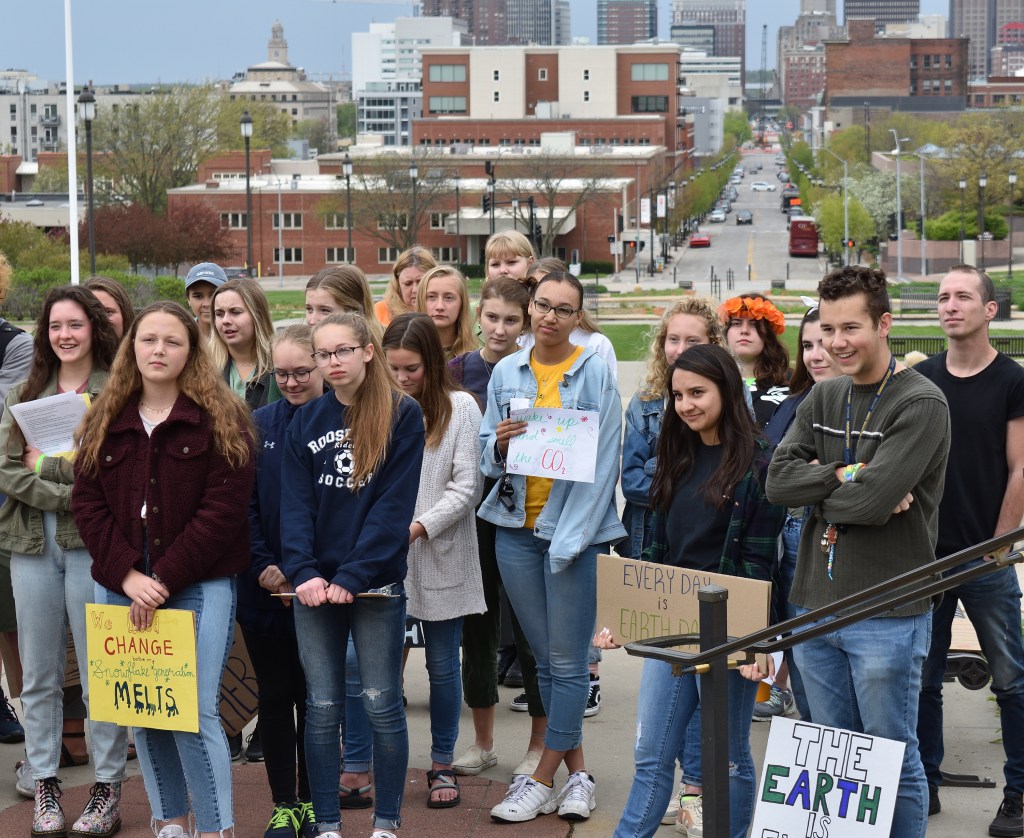
Who are you?

There are several things I’m involved with now related to past and current injustices in the U.S including racial justice and Native American land theft and genocide. I’ve been praying, studying and reflecting a lot about past wrongs in U.S. history, and how they influence us today. There are questions about how we understand these past injustices, and what to do about them today. I’ll try to explain why I think a key to this is knowing “who you are.”

How I think about injustice is influenced by having grown up in Quaker communities. That means I believe the will of God or the Spirit is present in the world today. Quaker worship is a group of friends who gather together for about an hour to try to hear what that Spirit is saying to them. That belief that God is active in each of our lives frames how I feel about my life, and determines what I should do. Sometimes there are conflicts with society’s norms in which case a person of faith does what the Spirit is telling them to do. As you learn to discern how you are being guided, and with accumulating experiences in doing as you are led, you grow spiritually.

The belief that we can each communicate directly with the Spirit also means every person has this ability, whether they recognize it or not. Which means we are all equal and no man, woman or child should be ill treated.

War and peace

One of my earliest experiences was grappling with what to do when I turned 18 years of age and would be required to register with the Selective Service System. I struggled for months with this decision but decided I could not cooperate with a system built for war, and became a draft resister. How I feel about war and peace now has grown out of that experience. This is how you learn who you are.

Our environment

My lifelong concern about our environment was another huge factor in determining who I am. Being raised on farms, and witnessing the majesty of the natural world on camping trips, I was horrified by a vision of the Rocky Mountains hidden by noxious fumes and smog. That led me to give up having a personal automobile for the rest of my life. That decision influenced my life in many different ways, such as running and photography. That also meant when I (often) heard, “well you drive, don’t you?” I could say no, I don’t. This is an example of a core belief of Quakers (and many others), that your life should be lived according to your beliefs and experiences, from leadings from the Spirit.

This belief that having personal automobiles is basically immoral caused a great deal of conflict, especially within the Quaker community. Whenever the topic arose, I could almost see the defensive barrier rise up in the person. They would always have many reasons why they had to have a car. The problem was and is today, it doesn’t matter why greenhouse gases continue to be added to the environment. The end result is we are well down the path to catastrophic environmental collapse. The justifications for how we reached this point do not matter.

This gets to one of the main points I’m trying to make. People will try to excuse past wrongs by saying something like the society and culture were different back then.” Saying people weren’t really aware of the extent of the damage fossil fuels were doing. My point is the excuses don’t change the end result. And, at least prior to the introduction of catalytic converters, anyone could see the smog being produced.

And because I believe the Spirit has always been present and active, if people had really sought Spiritual guidance back then, they would have been told the rapid expansion of burning fossil fuels was not right. I say “really sought Spiritual guidance” because I believe all too often we (myself included) tend to ignore leadings that are inconvenient. My experience has been that results in harmful consequences.

Racial injustice

The history of enslavement, and racial justice that continues to this day, is another area where I have conflicts with many Friends and others. It is all too common for such discussions to begin with comments about Quakers and the Underground Railroad. History shows there weren’t that many Quakers who participated. But what really makes Friends uncomfortable is discussing Quaker’s involvement in the slave trade, and benefiting directly or indirectly from the work of people who were enslaved. Who continue to benefit from structural racism today.

Again, many try to excuse past behavior because of the social norms of the day. But accepting slavery just could not be the view of someone who believes there is that of God in every person.

I’ve had a life long interest in racial justice, beginning with learning about the common beliefs and strategies of the anti-(Vietnam) war and the civil rights movements that were both occurring during my teenage years. But I knew I couldn’t understand racism in the U.S. until I had some personal experiences. I’ve written a lot about my opportunities to have experiences with people of color ( https://kislingjeff.wordpress.com/?s=kheprw+ ).

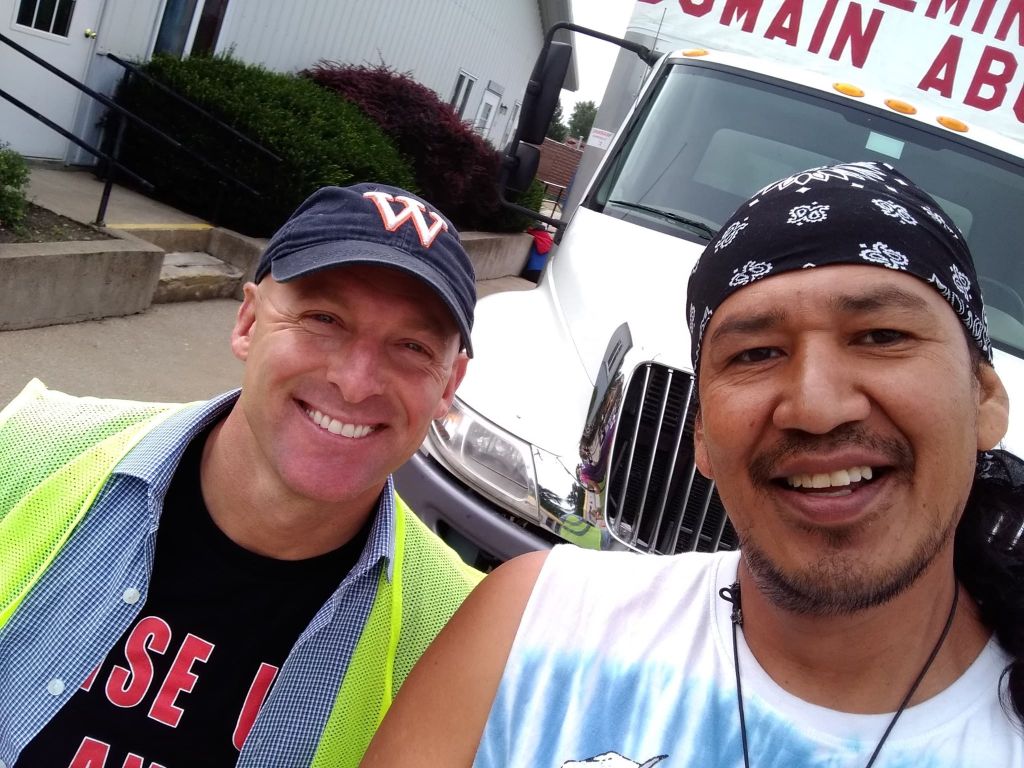
One of my first experiences relates to the title of this post (“Who are you?”). This post talks about my introduction to the Kheprw Institute community https://kislingjeff.wordpress.com/2016/01/14/lessons-learned-about-quakers-and-racism/ What I should have expected was this first meeting was like a job interview, to see if I was someone who might fit into the Kheprw community. A series of questions were aimed at telling them “who I am”.

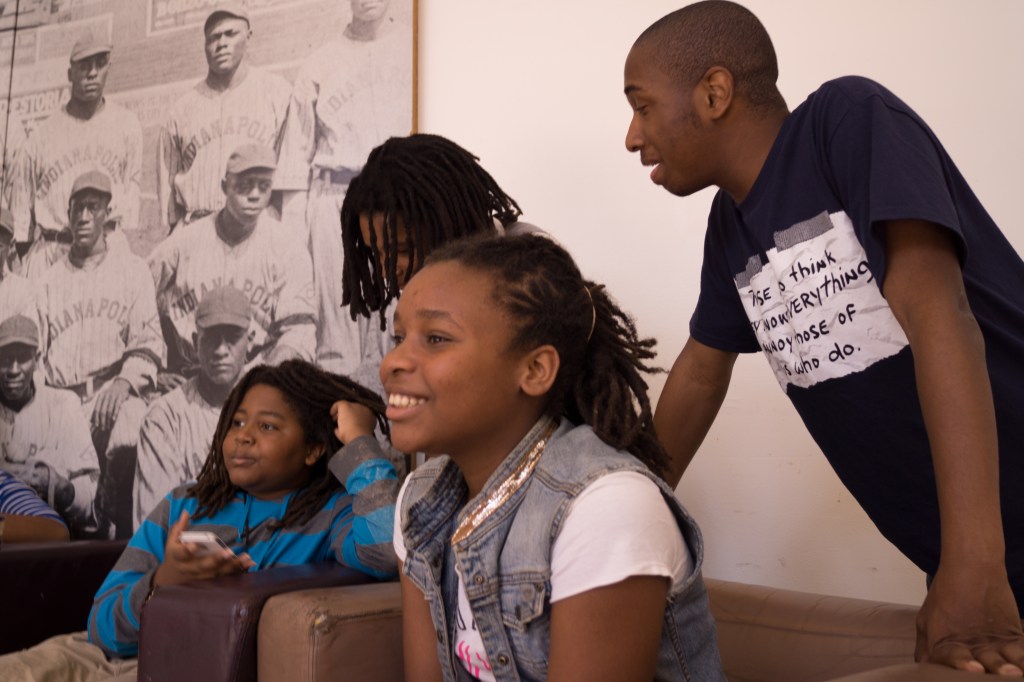
One of the other main things I learned at the Kheprw Institute was the importance of friendships. In the past I was used to working on committees on specific issues. At the Kheprw Institute the focus is on the people (especially the youth) of the community. What we worked on together was whatever was needed to help the community. All kinds of possibilities grew from this interconnected web of friendships.

Native Americans

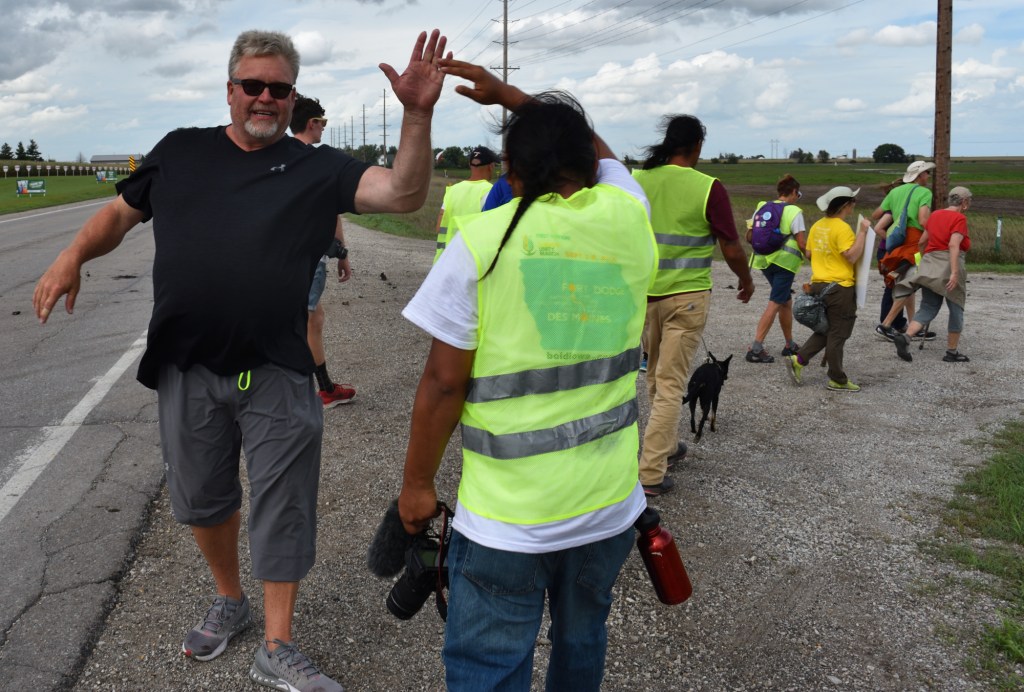
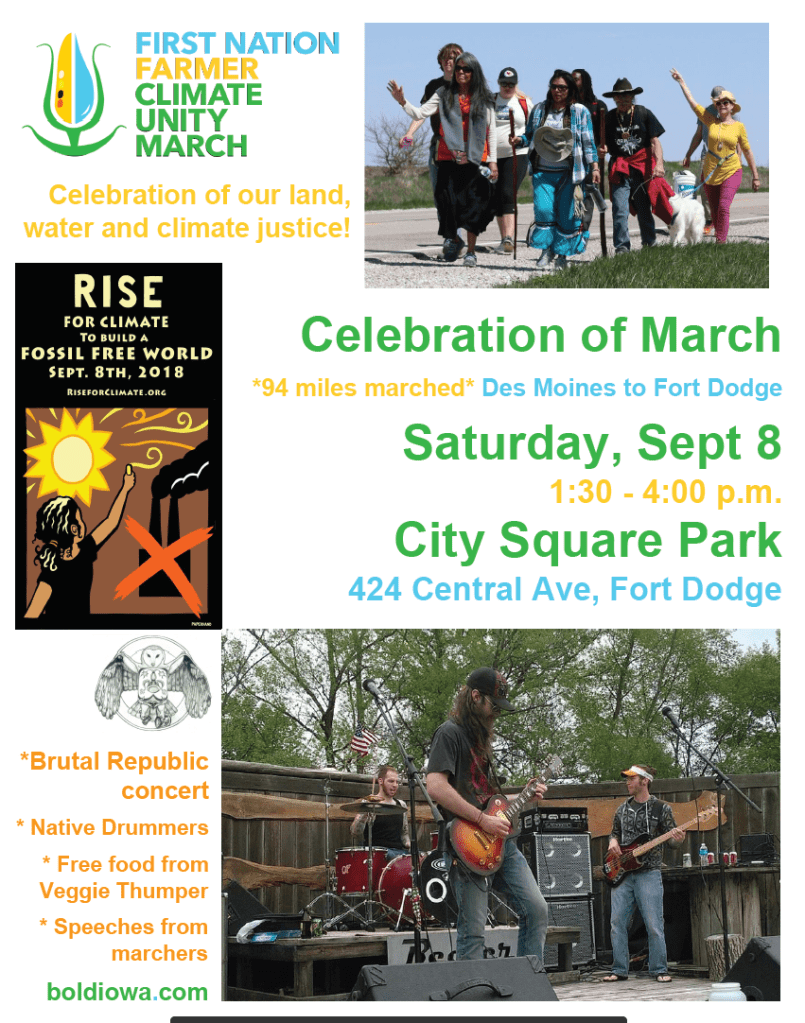
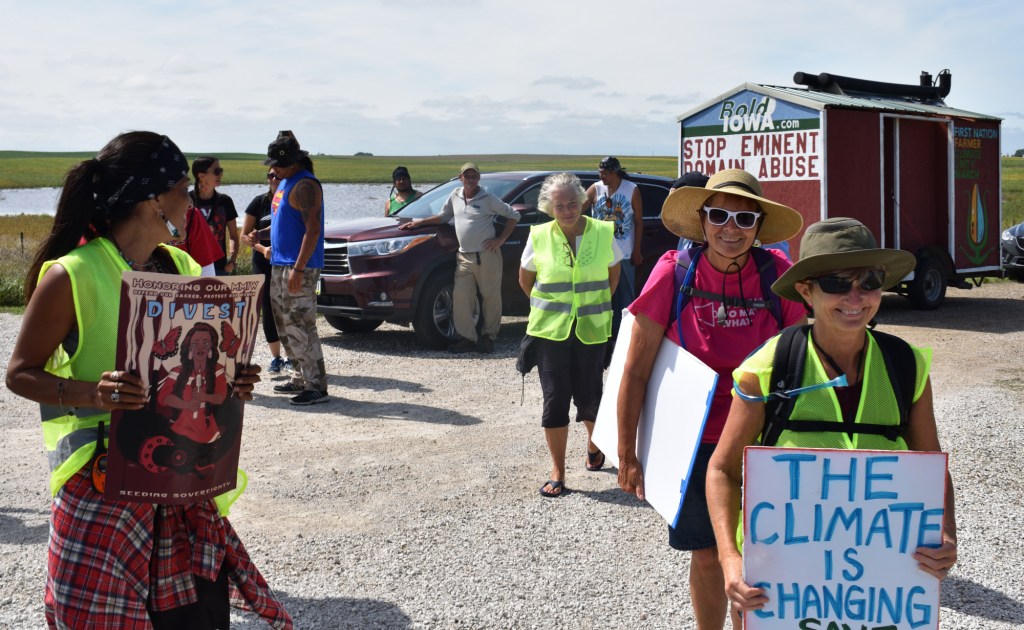
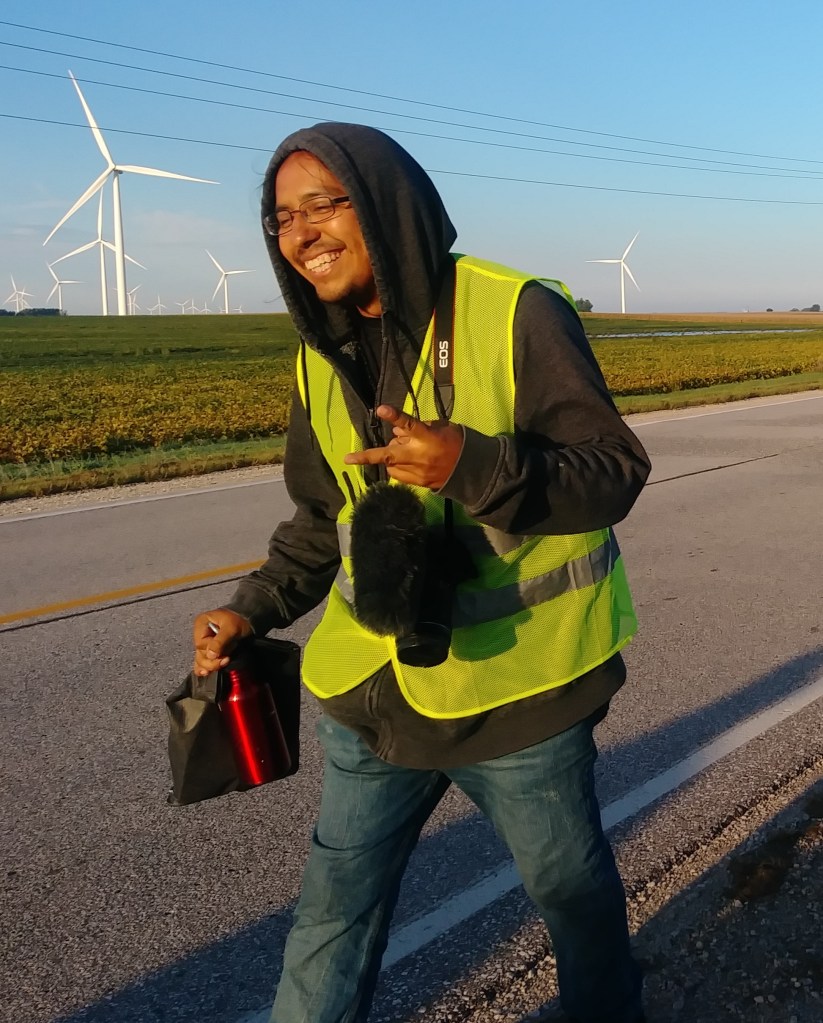
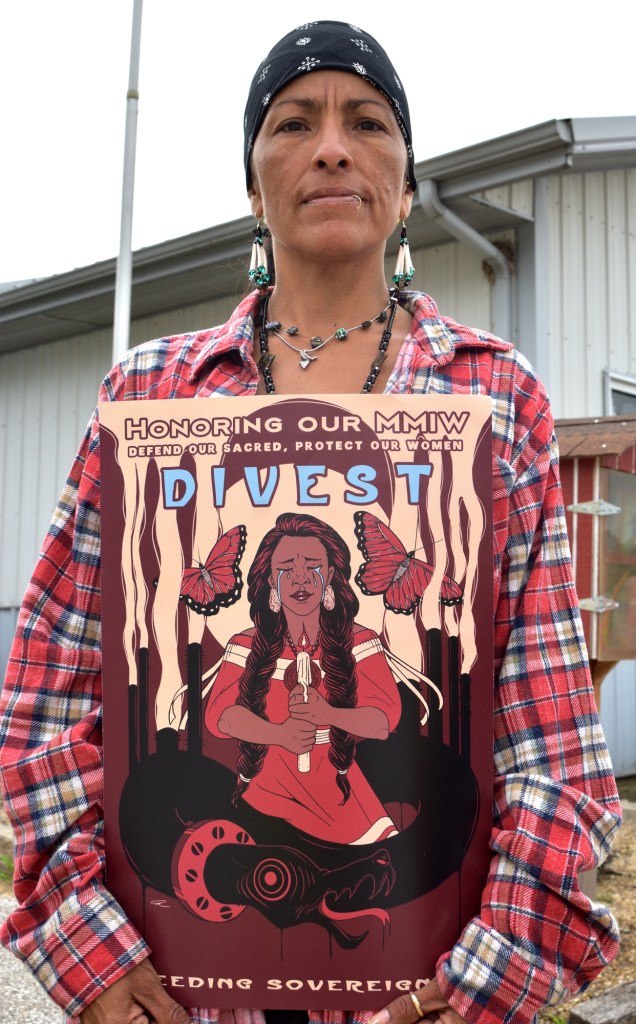
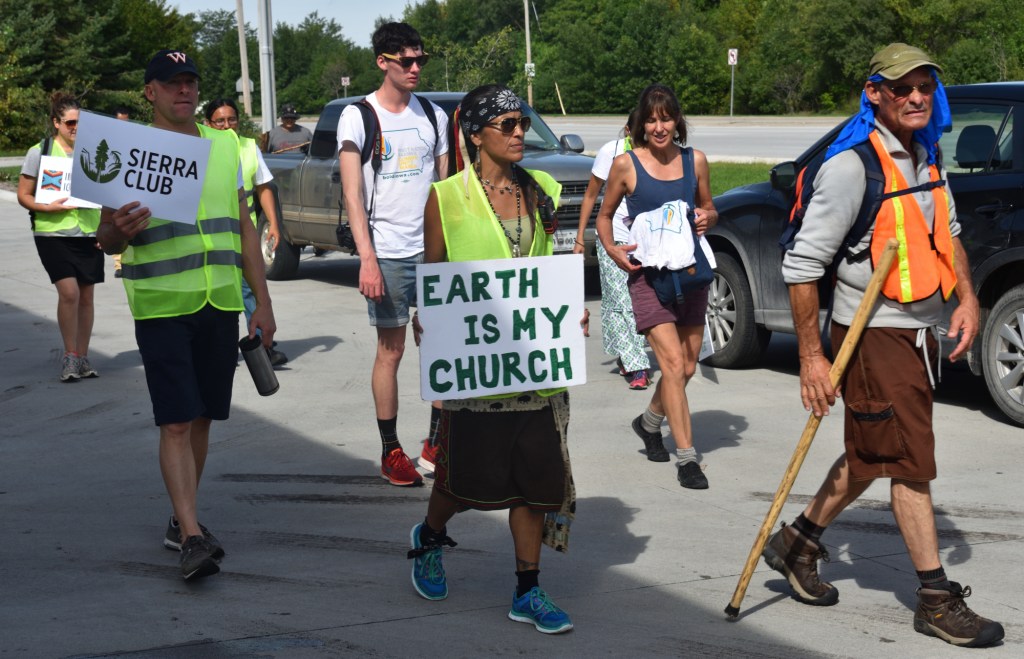
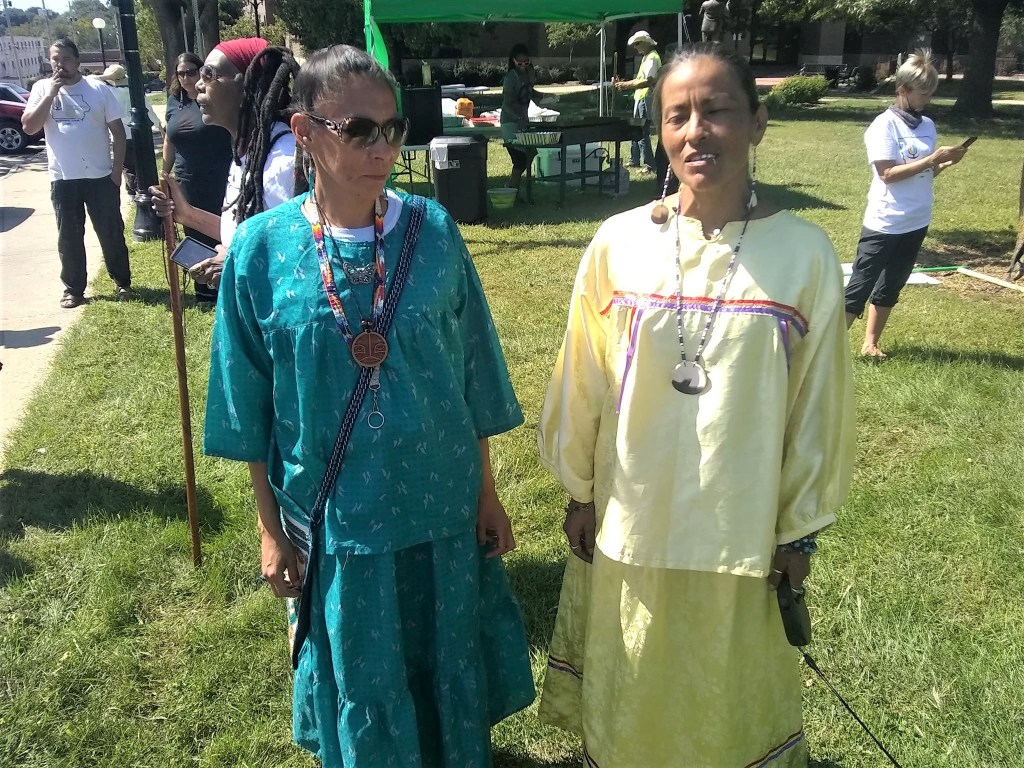
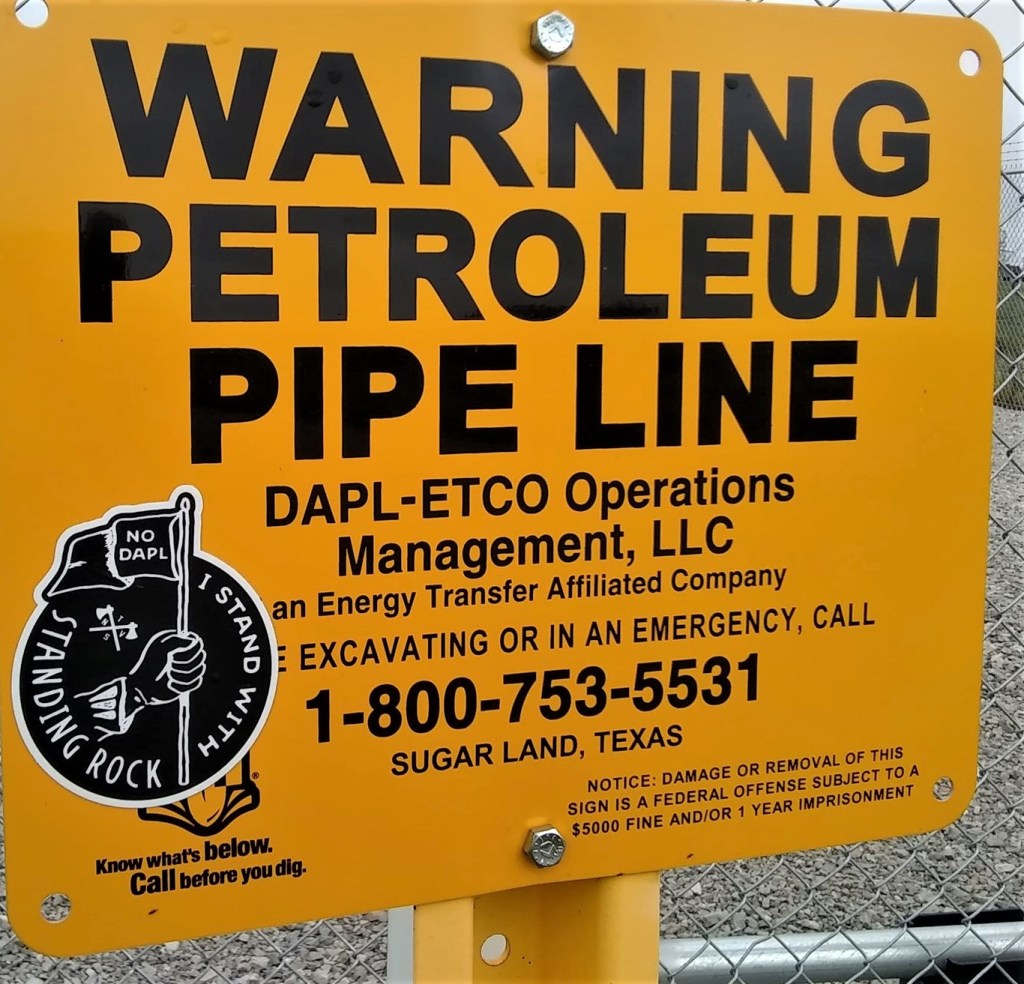
I’ve also written a lot about my experiences with Native Americans: https://kislingjeff.wordpress.com/?s=native+first+nation These experiences have reinforced the formation of friendships as a necessary first step in working together. This was made possible for me last September when I was blessed to walk 94 miles along the path of the Dakota Access Pipeline in central Iowa with a group of about 40 Native and non-Native people. As Manape said, the reason for spending that week together was so we could work together on issues of common concern. To do that, we have to trust each other. And to trust each other we need to get to know each other. We did that by sharing stories with each other.


At a gathering in northern Wisconsin about twenty-five years ago, Ojibwe fishers were telling their stories to an invited group of non-Native guests. We were sitting together in a circle in a room on the Lac du Flambeau Reservation, passing an eagle feather from person to person, so each person would speak from the heart and tell the truth. Tribal members of the Wa-Swa-Gon Treaty Association told the non-Native members of the Witness for Nonviolence about growing up on the reservation, fighting for the treaty right to spear fish outside the reservation, and defending that right from violent anti-treaty protesters. They answered questions about how they continue to practice their traditional lifeways, about why they love the lakes and rivers and fish and wild rice, because that is just who they are.

When they were done speaking, Wa-Swa-Gon chariman Tom Maulson turned the questions around. “We’ve told you who we are, and why we’re here today,” he said, “now we want to know: What brought you here? Who are you?” Asking “who you are” was partly a question and partly a challenge, from tribal members tired of the long line of do-gooders coming to reservations to “help,” of New Agers attending tribal gatherings to appropriate a Native identity, of academic researchers seeking to extract Indigenous knowledge, or of politicians and activists trying to fit the centuries-long battle for Native nationhood into a temporary political agenda.

In Indigenous nations, the protocol of introducing oneself is the most important first step in building a diplomatic relationship. All of the European American members o Witness for Nonviolence in the room could answer the fist question of what motivated them to come, but few could answer the second question of who they are, because they felt too disconnected to their own culture and spiritual heritage and their extended families. When the eagle feather came to me, I had to think deeply about these two questions, and I have been trying to think about them ever since.

“Unlikely Alliances. Native Nations and White Communities Join to Defend Rural Lands”, Zoltan Grossman, University of Washington Press

What I’ve been trying to express is how important it is for people who work together for justice to know each other. I don’t believe attending committee meetings accomplishes that. We need to be aware of, or create opportunities to develop relationships with those we hope to work with. Sharing our stories with each other is important.

It is common for some people to object to paying attention to past injustices. It is uncomfortable to accept some of what our ancestors did, perhaps related to racial injustice, or participating in the Quaker Indian Boarding Schools. We will not be able to work together successfully until we know each other’s stories, the good and the bad. Our own integrity should move us to acknowledge injustices, past and present. How can those who have been treated unjustly trust us if we refuse to come to grips with and acknowledge those injustices, either on the part of our ancestors, or ourselves?

It is not honest to try to justify what we know is wrong. If it is wrong now, it was always wrong. There may have been heavy peer pressure, or economic pressure to participate in some ways in the enslavement of others, but that doesn’t mean it was ever right. Quakers might have thought they were helping Native communities by the forced assimilation of the youth, but that was not right. It is not for me to judge what is right and wrong. Praying and listening to the Spirit will determine that.

Reflecting on injustice is not only important for our own healing, but should make us want to inventory our lives today, to see if there are things we do or believe that future generations would find objectionable.

Posted in enslavement, Indigenous, Kheprw Institute, peace, Quaker, Uncategorized | Leave a comment

Quaker Indian Boarding Schools Workshop July 7, 2019

Quaker Indian Boarding Schools: Facing our History and Ourselves
July 7, 2019 9 – 11 am
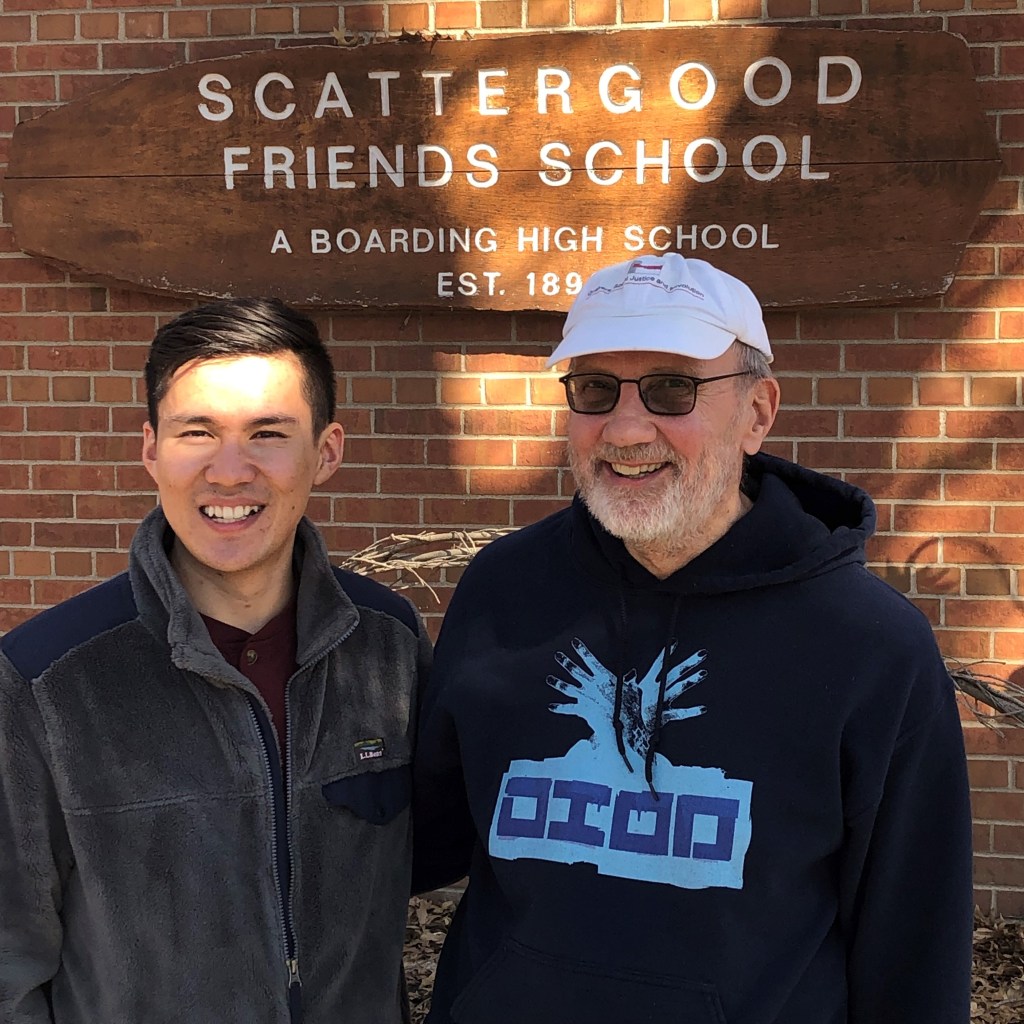
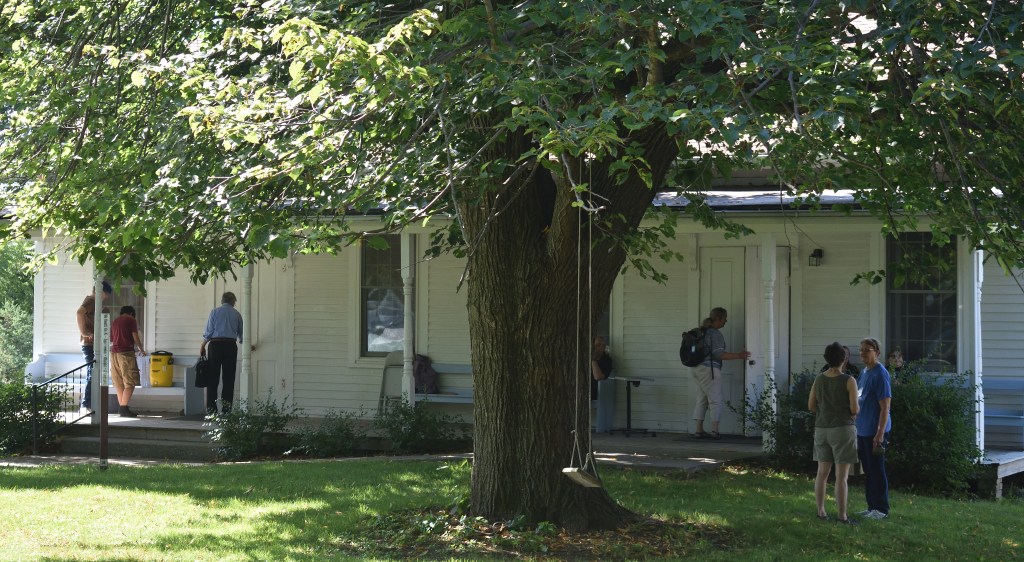
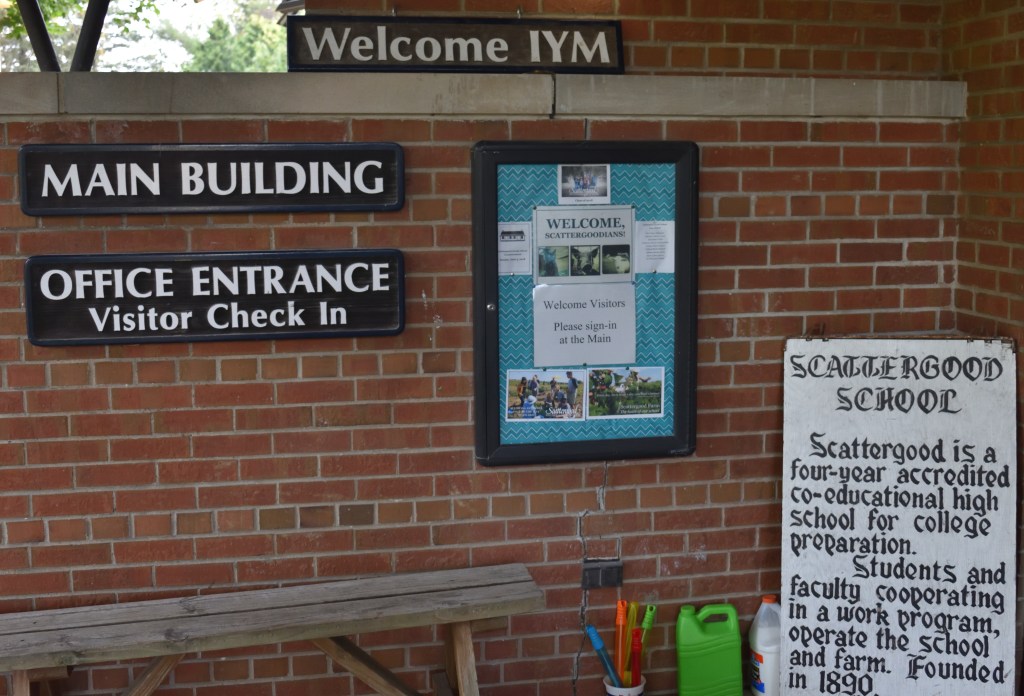
Scattergood Friends School and Farm, 2 miles east of West Branch, Iowa

The reason for writing the past couple of blog posts was I wanted to learn more about that history in preparation for the Quaker Indian Boarding School Workshop that will be held at Scattergood Friends School and Farm, 2 miles east of West Branch, Iowa. It is a bit ironic that a workshop about the Quaker Indian Boarding Schools of the past will be held at a Quaker Boarding School operating today.

Native American organizations are asking churches to join in a Truth and Reconciliation process to bring about healing for Native American families that continue to suffer the consequences of the Indian boarding schools.

With support from Pendle Hill (the Cadbury scholarship), Friends Historical Library (the Moore Fellowship), the Native American Rights Fund, and other Friendly sources, Paula Palmer researched the role that Friends played in implementing the federal government’s policy of forced assimilation of Native children.

For a link to her 50-minute slide presentation and other resources, please see: www.boulderfriendsmeeting.org/ipc-boarding-school-research

Paula Palmer’s ministry, “Toward Right Relationship with Native Peoples,” is under the care of Boulder Friends Meeting. Please contact her at paulaRpalmer@gmail.com

What does this history and its impact on Native communities mean for us today?

Paula Palmer, worskshop leader

Paula Palmer is a sociologist, writer, and activist for human rights, social justice, and environmental protection. As director of Toward Right Relationship with Native Peoples, a project of the Indigenous Peoples Concerns committee of the Boulder Friends Meeting (Quakers), she created and facilitates workshops titled, “Roots of Injustice, Seeds of Change: Toward Right Relationship with America’s Native Peoples” (for adults) and “Re-Discovering America: Understanding Colonization” (for middle schools and high schools).
For 17 years, as executive director of the non-profit organization, Global Response, Paula directed over 70 international campaigns to help Indigenous peoples and local communities defend their rights and prevent environmental destruction. In Costa Rica, where she lived for 20 years, she published five books of oral history in collaboration with Afro-Caribbean and Bribri Indigenous peoples, through a community empowerment process known as Participatory Action Research.

From 1995 to 2001, Paula served as editor for health and environment of Winds of Change magazine, a publication of the American Indian Science and Engineering Society (AISES). She holds an M.A. degree in sociology from Michigan State University and has taught courses in the Environmental Studies Department at Naropa University. She is profiled in American Environmental Leaders From Colonial Times to the Present (ABC-CLIO, 2000), and Biodiversity: A Reference Handbook (ABC-CLIO 1998).
Paula is a recipient of the Elise Boulding Peacemaker of the Year Award (given by the Rocky Mountain Peace and Justice Center), the Jack Gore Memorial Peace Award (given by the American Friends Service Committee), the International Human Rights Award (given by the United Nations Association of Boulder County), the Multicultural Award in the Partners category (given by Boulder County Community Action Programs), and the 2016 Cadbury Scholarship (given by Pendle Hill). Paula Palmer is a sociologist, writer, and activist for human rights, social justice, and environmental protection. As director of Toward Right Relationship with Native Peoples, a project of the Indigenous Peoples Concerns committee of the Boulder Friends Meeting (Quakers), she created and facilitates workshops titled, “Roots of Injustice, Seeds of Change: Toward Right Relationship with America’s Native Peoples” (for adults) and “Re-Discovering America: Understanding Colonization” (for middle schools and high schools).

For 17 years, as executive director of the non-profit organization, Global Response, Paula directed over 70 international campaigns to help Indigenous peoples and local communities defend their rights and prevent environmental destruction. In Costa Rica, where she lived for 20 years, she published five books of oral history in collaboration with Afro-Caribbean and Bribri Indigenous peoples, through a community empowerment process known as Participatory Action Research.

From 1995 to 2001, Paula served as editor for health and environment of Winds of Change magazine, a publication of the American Indian Science and Engineering Society (AISES). She holds an M.A. degree in sociology from Michigan State University and has taught courses in the Environmental Studies Department at Naropa University. She is profiled in American Environmental Leaders From Colonial Times to the Present (ABC-CLIO, 2000), and Biodiversity: A Reference Handbook (ABC-CLIO 1998).

Paula is a recipient of the Elise Boulding Peacemaker of the Year Award (given by the Rocky Mountain Peace and Justice Center), the Jack Gore Memorial Peace Award (given by the American Friends Service Committee), the International Human Rights Award (given by the United Nations Association of Boulder County), the Multicultural Award in the Partners category (given by Boulder County Community Action Programs), and the 2016 Cadbury Scholarship (given by Pendle Hill).

Posted in Indigenous, Quaker, Uncategorized | Tagged | Leave a comment

Quaker Indian Boarding Schools 2

Yesterday I wrote about Quaker Indian Boarding Schools and announced the workshop “Quaker Indian Boarding Schools, Facing Our History and Ourselves” that will be lead by Paula Palmer, and held at Scattergood Friends School and Farm, near West Branch, Iowa, July 7th from 9-11 am. As stated below, “for healing to occur, the full truth about the boarding schools and the policy of forced assimilation must come to light…The first step in a truth, reconciliation, and healing process, they say, is truth telling.”

Paula Palmer wrote an article with the same title in Friends Journal, October 1, 2016. which includes many fascinating quotations.

More than 100,000 Native children suffered the direct consequences of the federal government’s policy of forced assimilation by means of Indian boarding schools during the nineteenth and twentieth centuries. Their bereft parents, grandparents, siblings, and entire communities also suffered. As adults, when the former boarding school students had children, their children suffered, too. Now, through painful testimony and scientific research, we know how trauma can be passed from generation to generation. The multigenerational trauma of the boarding school experience is an open wound in Native communities today.

The National Native American Boarding School Healing Coalition says that for healing to occur, the full truth about the boarding schools and the policy of forced assimilation must come to light in our country, as it has in Canada. The first step in a truth, reconciliation, and healing process, they say, is truth telling. A significant piece of the truth about the boarding schools is held by the Christian churches that collaborated with the federal government’s policy of forced assimilation. Quakers were among the strongest promoters of this policy and managed over 30 schools for Indian children, most of them boarding schools, during the nineteenth and early twentieth centuries. The coalition is urging the churches to research our roles during the boarding school era, contribute this research to the truth and reconciliation process, and ask ourselves what this history means to us today.

Quaker Indian Boarding Schools: Facing Our History and Ourselves, by Paula Palmer on October 1, 2016

Other information about Iowa Yearly Meeting (Conservative) and Native Peoples can be found here: https://kislingjeff.wordpress.com/?s=quakers+native

Recently my friend Peter Clay was able to attend the Truth and Healing conference at Pendle Hill. His first report of that follows. He asks a number of questions for us all to consider.

With support from Iowa Yearly Meeting and Des Moines Valley Friends Meeting I attended the Truth and Healing conference at Pendle Hill during the first week of May. The impact of this gathering on all who attended was profound. There was a rich diversity among those in attendance. Included were many Quakers and some non-Quakers. Many Indigenous people were also present, and their voices were given deeply respectful attention.
At the beginning, we acknowledged that we were gathered on the Lenapehokink — the traditional lands of the Lenape tribal nations. Do Des Moines Valley Friends ever think about on whose land our Meetinghouse is sited? Do we have permission to be here? The Iowa Tribe was here long before us and the place where we meet is certainly stolen land. Are Friends in our meeting ready to acknowledge these truths? Would we consider putting up a plaque on our building to plainly state on whose land we gather each week for worship? I invite all of us to reflect on these questions, and many others.

The terrible harm that Quakers knowingly participated in by overseeing about thirty of the more than 350 Indian Boarding Schools in the United States needs to be studied and fully acknowledged. Emphatically, it is NOT something in the past! The trauma that we caused reverberates to this day through intergenerational impacts on families. It is long past time to consider how we are led to speak and what actions we will take today in seeking to heal both ourselves and the Indigenous Peoples whom we harmed.

There is so much more to share. This is a start. Below is a partial description of the conference, from the Pendle Hill website:

“Both Canada and the United States of America are built on the so-called Christian Doctrine of Discovery, which purports to justify the theft of land and resources and the enslavement or destruction of many Nations. As descendants of European settlers, Quakers benefitted and benefit from this history. Even when well-intentioned, Quakers often played a paternalistic role with Indigenous Peoples, and US Quakers ran Indian Boarding Schools, enterprises designed to erase Indian language and culture from Native youth – “Kill the Indian . . . Save the Man.”

As Friends, we rarely talk about our continuing benefit from this history or about our roles as invasive peoples on what the Original Peoples of this land called Turtle Island. We invite Quakers from throughout Canada and the United States to gather at Pendle Hill to meet together with Indigenous people, to hear truth spoken plainly, to listen deeply with open hearts and minds, and to seek together ways of acknowledging ongoing and intergenerational injuries, owning responsibility, and repairing injustice as Spirit guides us.”

I joined those who gathered and I was changed by what I heard, saw and learned. Peter Clay

https://kislingjeff.wordpress.com/2019/05/07/iowa-yearly-meeting-conservative-friends-and-indigenous-peoples/

IOWA ACKNOWLEDGEMENT STATEMENT

We begin by acknowledging that the Land between Two Rivers, where we sit and stand today, has been the traditional homeland for many independent nations. These include the Ioway and the Otoe, who were here since before recorded time. The Omaha and the Ponca were here, moving to new lands before white settlers arrived. The Pawnee used this land for hunting grounds. The Sioux, Sauk and Meskwaki were here long before European settlers came. Members of many different Indigenous nations have lived on these plains. Let us remember that we occupy their homeland and that this land was taken by force. Today, only the Meskwaki Nation, the Red Earth People, maintain their sovereignty on their land in the state of Iowa. They persevered and refused to be dispossessed of their home. Place names all over our state recognize famous Meskwaki chiefs of the 1800s like Poweshiek, Wapello, Appanoose, and Taiomah or Tama. We honor the Meskwaki Nation for their courage, and for maintaining their language, culture and spirituality. May our time together bring respectful new openings for right relationship to grow.

Iowa Acknowledgement Statement, reviewed by a member of the Meskwaki Nation
Posted in #NDAPL, Indigenous, Quaker, Uncategorized | Tagged | Leave a comment

Boarding schools: Indian and Quaker

A workshop titled “Quaker Indian Boarding Schools, Facing our History and Ourselves” will be held on July 7, 2019, 9 – 11 am , at Scattergood Friends School and Farm. The workshop will be led by Paula Palmer, supported by Boulder Friends Meeting.

During her tenure as Pendle Hill’s 2016 Cadbury Scholar, Toward Right Relationship project director Paula Palmer is conducting research on the role Quakers played in conceptualizing, promoting, and carrying out the forced assimilation policies of the last two centuries.

Native American organizations are asking churches to join in a Truth and Reconciliation process to bring about healing for Native American families that continue to suffer the consequences of the Indian boarding schools. With support from Pendle Hill (the Cadbury scholarship), Friends Historical Library (the Moore Fellowship), the Native American Rights Fund, and other Friendly sources, Paula Palmer researched the role that Friends played in implementing the federal government’s policy of forced assimilation of Native children. For a link to her 50-minute slide presentation and other resources, please see: .

http://www.boulderfriendsmeeting.org/ipc-boarding-school-research

My experience has been that not many Friends have an accurate awareness of the history of Quakers’ involvement with Quaker Indian Boarding Schools. This is yet another example of how history is rewritten to show the colonists in a better light. Instead, Native children were forcibly taken from their families. The recent U.S. policy of taking children from their parents at the southern border is not the first time this cruelty has been employed.

Mainstream historians sometimes assert that because people in the past didn’t know any better, we cannot judge the past by the standards of the present. Yet there have always been vibrant social movements that criticize racist government policies. The leaders, at least, have been fully aware of these objections all along…But the vast majority of settlers clearly understood their role as shock troops for colonization and violently asserted their claims to Indigenous territory.

Dunbar-Ortez, Indigenous Peoples’ History, 59

“In the Allotment era of the 1880s to 1920s, a “unilateralist” federal government attacked the cohesion of Indian reservations by privatizing and dividing collectively held reservation lands, then confiscating individual plots for unpaid taxes and selling off large tracts of “surplus” lands to non-Indians. At the same time, many Native youths were moved to boarding schools in a coordinated church-government effort to forcibly assimilate them into mainstream “American” culture. The boarding schools were horrific dens of mistreatment and death, yet inadvertently brought Native youth from different tribes into contact with one another, prompting resistance from students and their families, and educated some of the youths in the skills they later used to fight for tribal sovereignty.

“Unlikely Alliances. Native Nations and White Communities Join to Defend Rural Lands”, Zoltan Grossman, University of Washington Press

It seems ironic that this workshop about Quaker Indian Boarding Schools is being held at Scattergood Friends School, a Quaker boarding school that I and many of my family and friends attended. I was blessed to be able to attend Scattergood, where in many ways the education I received there was superior to subsequent college attendance. Much of the reason for that is education at Scattergood teaches beyond academics, specifically teaching by participating in living in community 24/7, and learning to solve community problems.

Not having attended Paula Palmer’s workshop about this, yet, I’m pretty sure the following is not what she will be teaching. I suggest we to do some role playing. Imagine you are an adult in a Native family. One day armed white men swoop into your camp, and forcibly take away school aged children. You might not hear from or about your children for months, if ever. If you do get to see them, they have white people’s haircuts and clothes. The have been traumatized in the process of not being able to use their own language and customs, forced instead to try to learn white people’s language and customs.

What does this history and its impact on Native communities mean for us today?


Posted in Indigenous, Quaker, Uncategorized | Tagged , | Leave a comment

If you are able to listen and hear

As the Indigenous people, we have watched this thing happen on our hemisphere. We have seen what has happened. We have seen the community confused and attacked. We understand that the issue is the land, the issue is the Earth. We cannot change the political system, we cannot change the economic system, we cannot change the social system, until the people control the land, and then we take it out of the hands of that sick minority that chooses to pervert the meaning and the intention of humanity

John Trudell

Yesterday I wrote about the most significant divide. “In these days of increasing divisions of all kinds, the most significant divide today is between those who love Mother Earth and each other, and those whose values have been twisted to the point that they see everything and everyone as resources to exploit for their own material wealth.”

In the Anishinaabe prophecies this is seen as the time of the Seventh Fire. In this time, it’s said that our Oshki Anishinaabeg, our people, who would be aware, conscious human beings, would look about and have a choice between two paths. On path would be well worn, the other scorched. It would be our choice.

This book is about that choice. In the time we are in, ecosystems are crashing, our people have become sedated and contaminated, many of us, with the accoutrements, and, well, poisons of the Predator Economy, the Wasichu way….Indigenous people have a long history of being oppressed, and sometimes that oppression sticks, and you remain oppressed, and other times it does not. You wake up and shake off the fog, the accoutrements, and you remember who you are and what are your instructions.

As much as Anishinaabeg and other Indigenous peoples wake and take action, or deepen and continue the action of the past five hundred yeas, we find that there are many who have come to live on this land, who understand and feel the same. This, of course, makes sense, because our Mother Earth, this land, Anishinaabe Akiing, the land to which we belong, speaks to us and speaks to those who come to live here. That is, if you are able to listen and hear.

Winona LaDuke, Foreward, “Unlikely Alliances. Native Nations and White Communities Join to Defend Rural Lands”, Zoltan Grossman, University of Washington Press

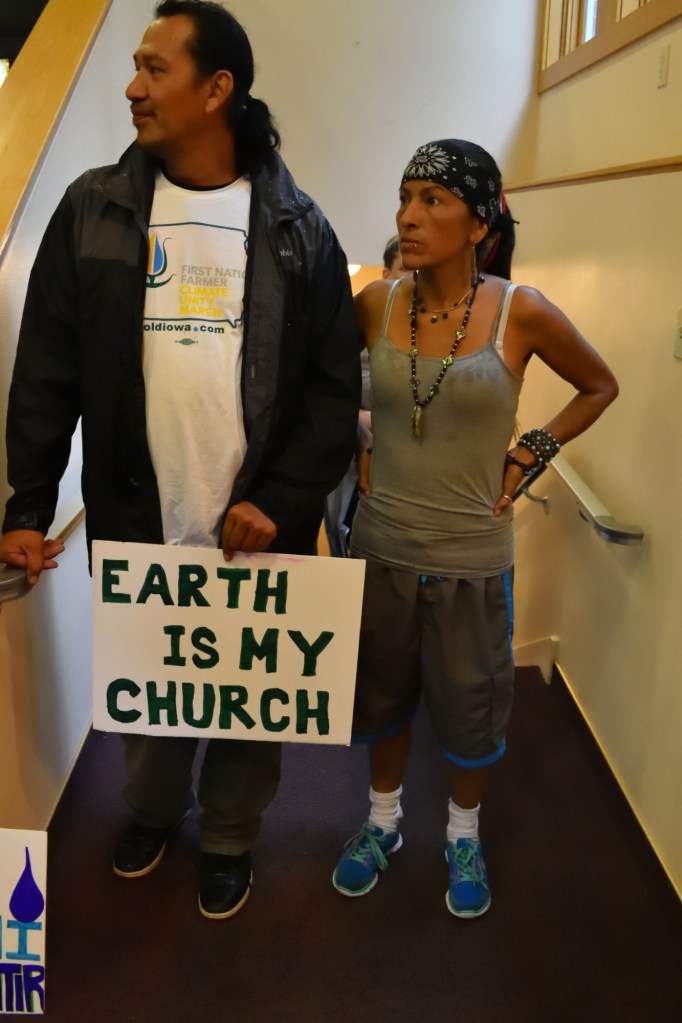
I’ve just begin reading “Unlikely Alliances”. I’m finding it fascinating reading and directly related to my associations with Native Peoples in Indianapolis as we prayed and divested money from banks supporting the Dakota Access Pipeline. And related to further contacts with Native Americans and non-Natives here in Iowa, especially through Bold Iowa, and of course the intense 8 days of the First Nation-Farmer Climate Unity March.

Being led by the Spirit to opportunities to be with Native Americans has been essential to moving along my lifelong path of environmental work and spiritual growth. Although my spiritual life has always been an important part of my life, having been raised in Quaker communities, my spiritual awareness has been deeply broadened by what I have learned from Native people.

From an early age I was made aware that without justice, there can be no peace. And that traumatic experiences are passed on to future generations. In the United States, we will not have peace until we face the injustices of enslavement, and the land theft and genocide of Native Americans.

It is a great irony that we are realizing we desperately need the wisdom and leadership of Native Americans now to navigate our environmental crises and how we might turn away from catastrophic environmental collapse.

Following are some upcoming events that can help non-Natives learn about Indigenous people.

Roots of Injustice, Seeds of Change

The Toward Right Relationship project of the Boulder Friends Meeting (Quakers) offers this workshop in response to calls from Indigenous leaders and the World Council of Churches. The 2-hour exercise traces the historic and ongoing impacts of the Doctrine of Discovery, the 15th-century justification for European subjugation of non-Christian peoples.  Our goal is to raise our level of knowledge and concern about these impacts, recognize them in ourselves and our institutions, and explore how we can begin to take actions toward “right relationship.” We provide a Resource Kit with suggestions for continued study, reflection, and action.

In the Doctrine of Discovery, we find the roots of injustice.  In the U.N. Declaration on the Rights of Indigenous Peoples, we find the seeds of change. How can we nurture these seeds to bring forth the fruits of right relationship among all peoples? 

Thursday, June 6, 2019 6-8 pm West Branch Friends Church 116 N Downey Street, West Branch, Iowa
Tuesday, July 9, 2019 6:30-8:30 pm First Unitarian Church 1800 Bell Ave, Des Moines, Iowa

Quaker Indian Boarding Schools; Facing our History and Ourselves

Native American organizations are asking churches to join in a Truth and Reconciliation process to bring about healing for Native American families that continue to suffer the consequences of the Indian boarding schools. With support from Pendle Hill (the Cadbury scholarship), Friends Historical Library (the Moore Fellowship), the Native American Rights Fund, and other Friendly sources, Paula Palmer researched the role that Friends played in implementing the federal government’s policy of forced assimilation of Native children. For a link to her 50minute slide presentation and other resources, please see: http://www.boulderfriendsmeeting.org/ipc-boardingschool-research.
July 7, 9-11 am “The Quaker Indian Boarding Schools: Facing our History and Ourselves” at Scattergood Friends School , 2 miles east of West Branch, Iowa

Healing of the Mounds

The Dallas County Conservation Board (DCCB) invites you to a very special day at the Kuehn Conservation Area. On Saturday, June 15 from 2 to 5 pm, we will be hosting, together with the University of Iowa Office of the State Archaeologist (OSA), an event titled- “Healing of the Mounds”.

On the river ridge at Kuehn, overlooking the Raccoon River valley, are a series of Native American burial mounds. The presence of these mounds at Kuehn has been instrumental in the origination and evolution of the Prairie Awakening-Prairie Awoke Celebration at Kuehn over the past 20 years. Long before this land was in public ownership and management, the burial mounds were desecrated. A large hole was excavated into the mound, undoubtedly for the purpose of looting this sacred site. Over the past number of years, as the First Nations peoples joined us in the Celebration at Kuehn, they have preformed the needed drumming, song, dance and ceremonies to heal this scar on the landscape. In accord with the spiritual traditions of these Nations, the mounds were healed.

The OSA, however, wishes to continue this healing process, to physically heal the mounds by filling in the excavated scar. The Native community has agreed to participate in this action and will guide us in a ceremony to continue the healing.

In the arena at Kuehn, this program will begin with a presentation by the OSA detailing the archaeological story of the peoples this science terms the Woodland Culture, who were the builders of these burial mounds at Kuehn. This presentation will review what archaeologists have learned of these first peoples of Kuehn, and the history of the Woodland Culture in the Raccoon River valley. Following this presentation, representatives of the Native community, will tell the story of these mounds and their builders, through the eyes of the Native culture. Following these presentations, participants will be invited to join us in the act of physically healing the mounds. For individuals able to engage this act, you are invited to carry soil up from the river bottoms at Kuehn, to the valley ridge, to be placed in the mound’s scar. Transportation to mounds site, and soil, will also be provided to participants unable to summit the valley ridge. Together, with spiritual elders from the Native community, the healing ceremony will take place, erasing the scar on our landscape.

Posted in #NDAPL, First Nation-Farmer Climate Unity March, Indigenous, Uncategorized | Leave a comment

The Most Significant Divide

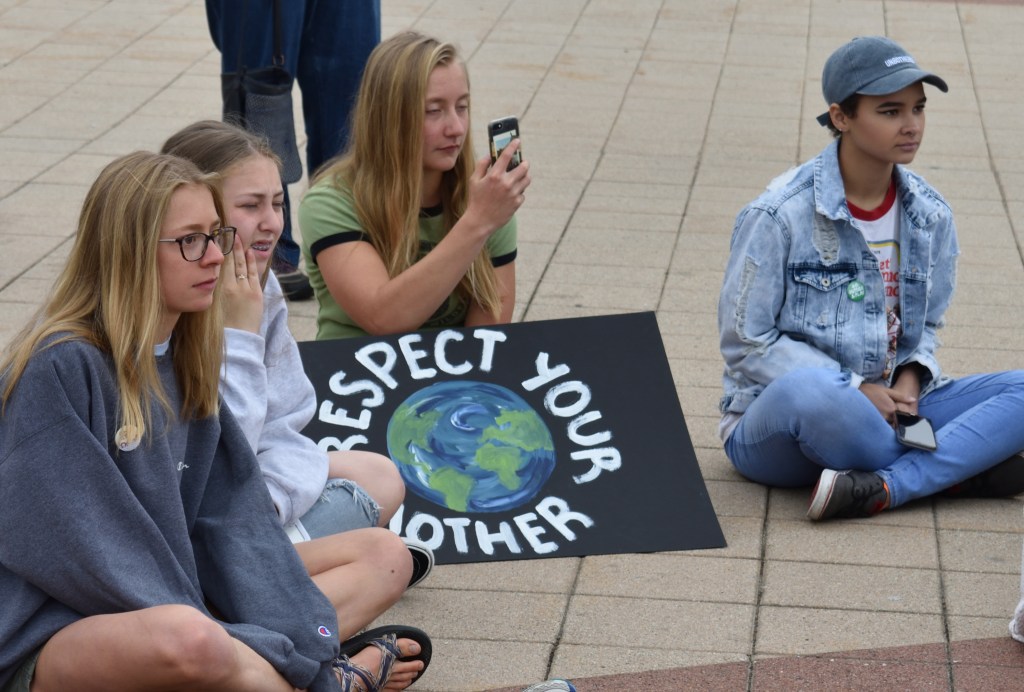
In these days of increasing divisions of all kinds, the most significant divide today is between those who love Mother Earth and each other, and those whose values have been twisted to the point that they see everything and everyone as resources to exploit for their own material wealth.

As predicted, we are seeing record setting temperatures, intense wildfires, torrential downpours, drought and floods. Millions of climate refugees, and food and water insecurity abound.

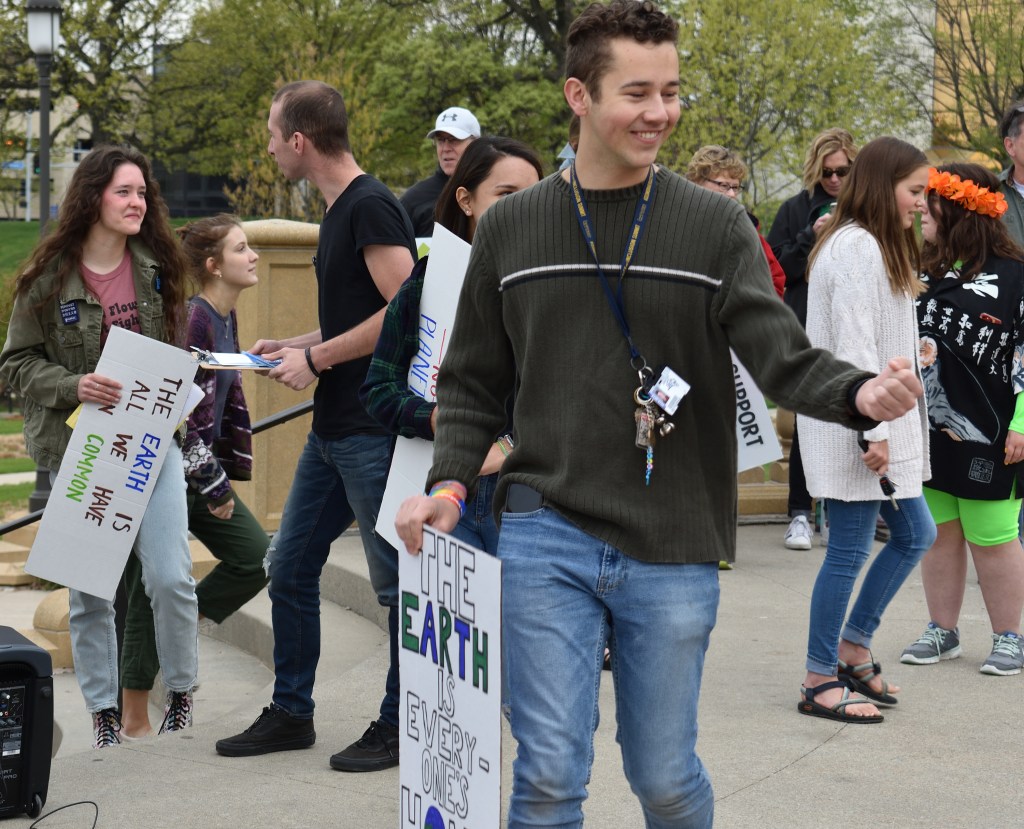
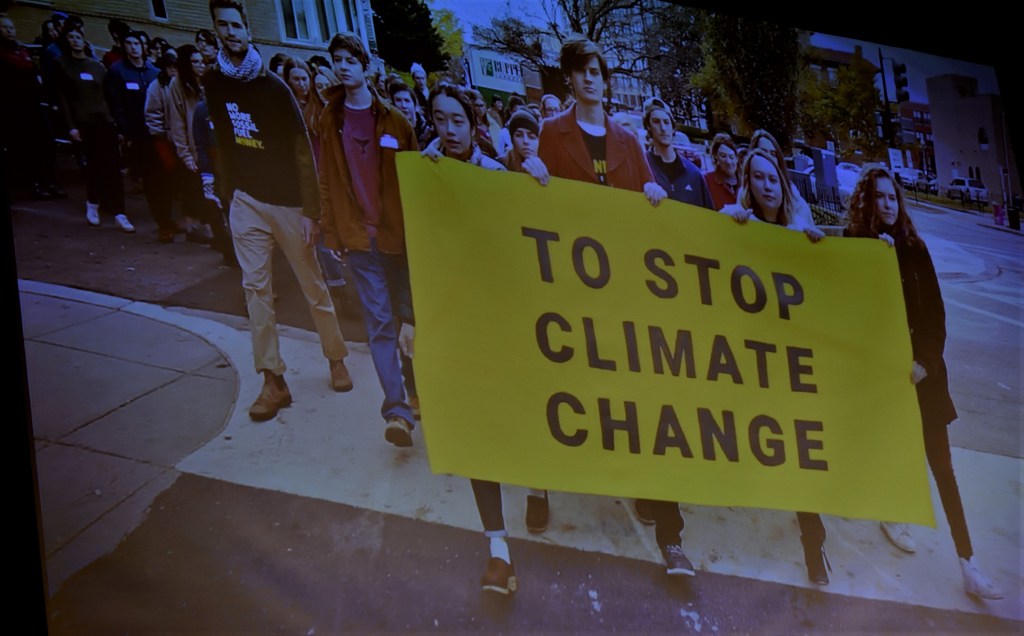
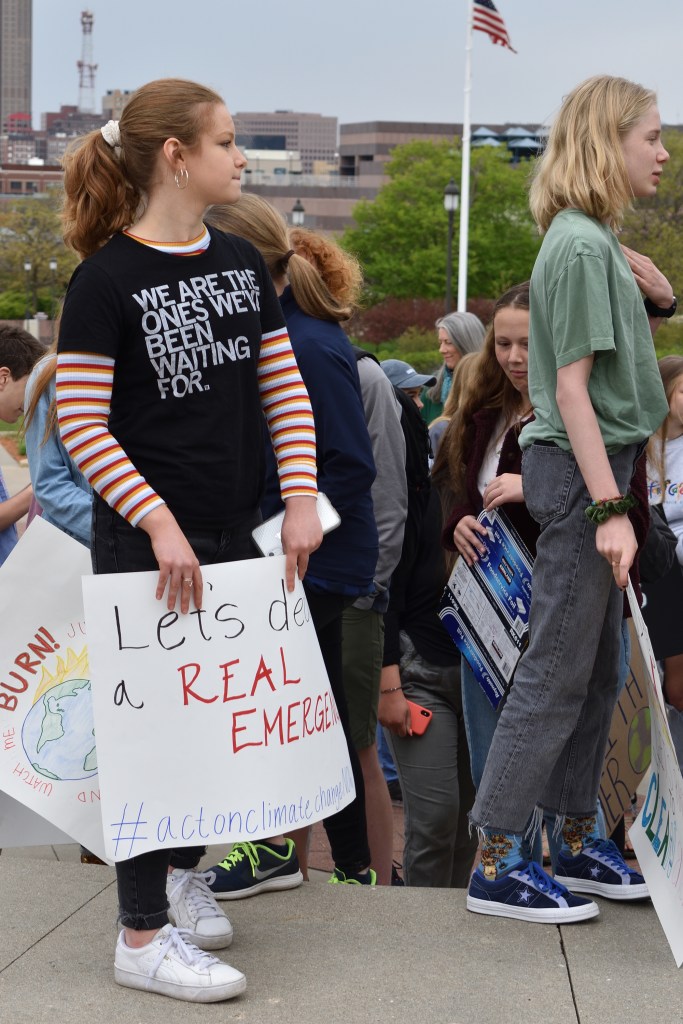
Young people clearly see the degraded environment they have been borne into, and know things are going to get worse rapidly. They know their elders have failed them, and see no signs that our increasingly chaotic environment is getting anywhere near the attention needed to possibly avert catastrophic environmental collapse. Millions of youth around the world are striking to try to get adults’ attention.

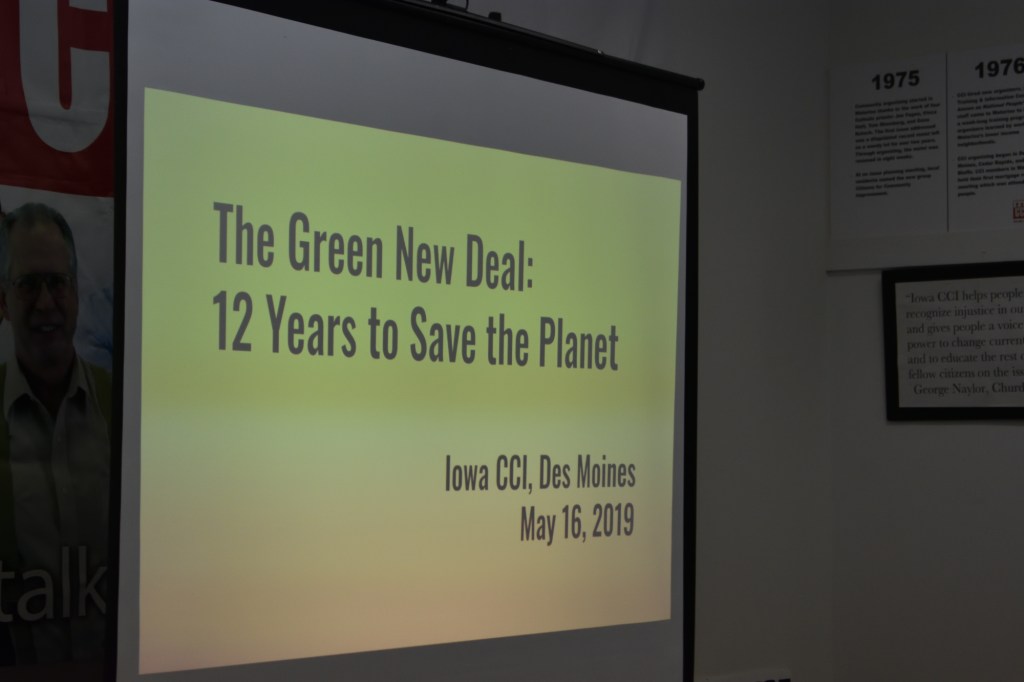
A crisis this monumental needs the tools and resources of governments. A Green New Deal (GND) recognizes this, indeed is modeled after the New Deal that worked to pull the country out of the Great Depression, and help recover from the environmental catastrophe that was called the Dust Bowl.

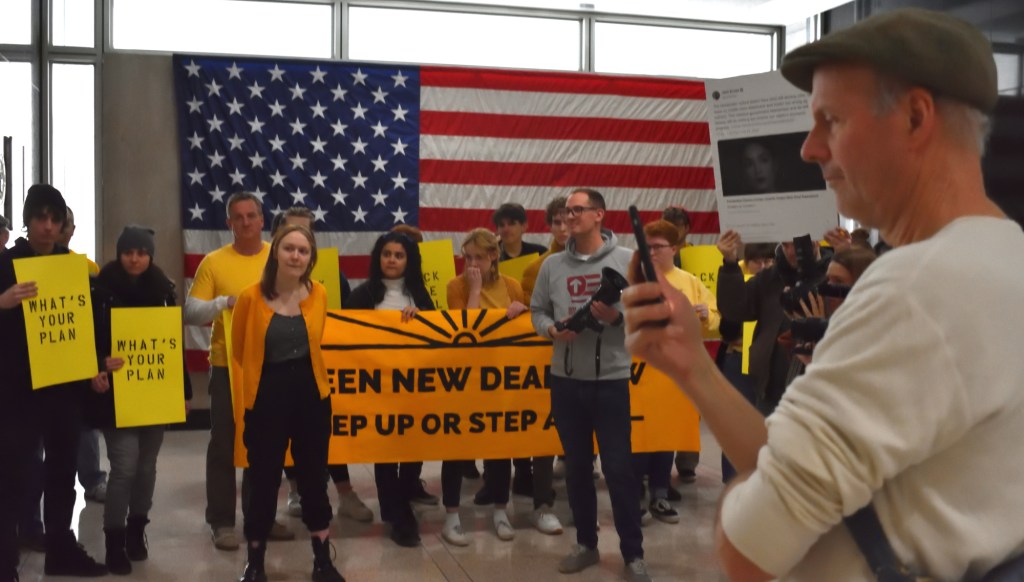
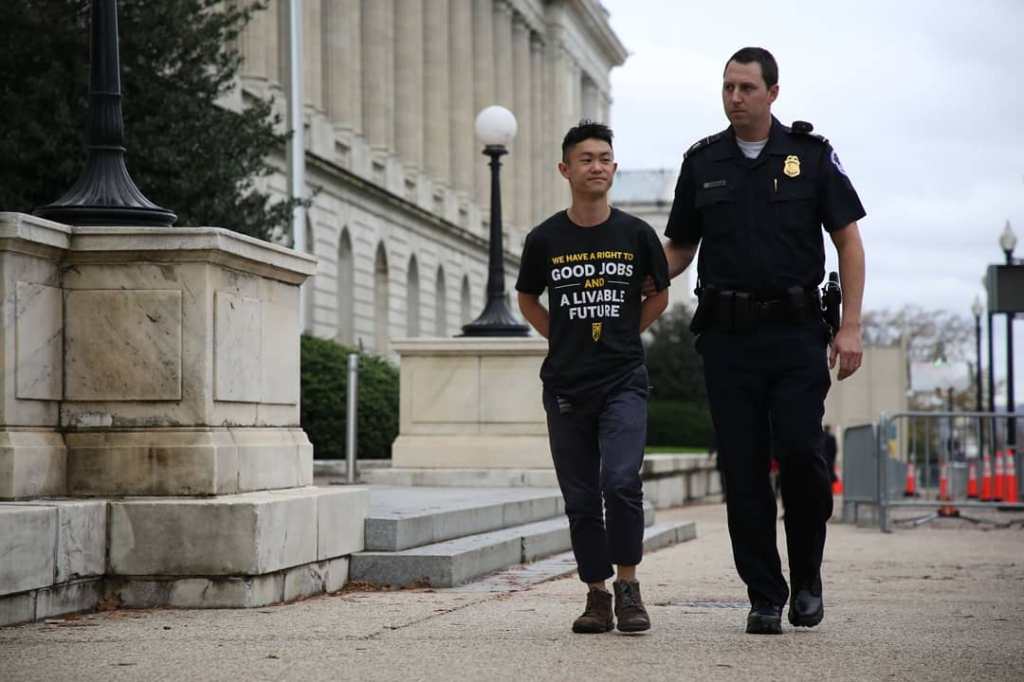
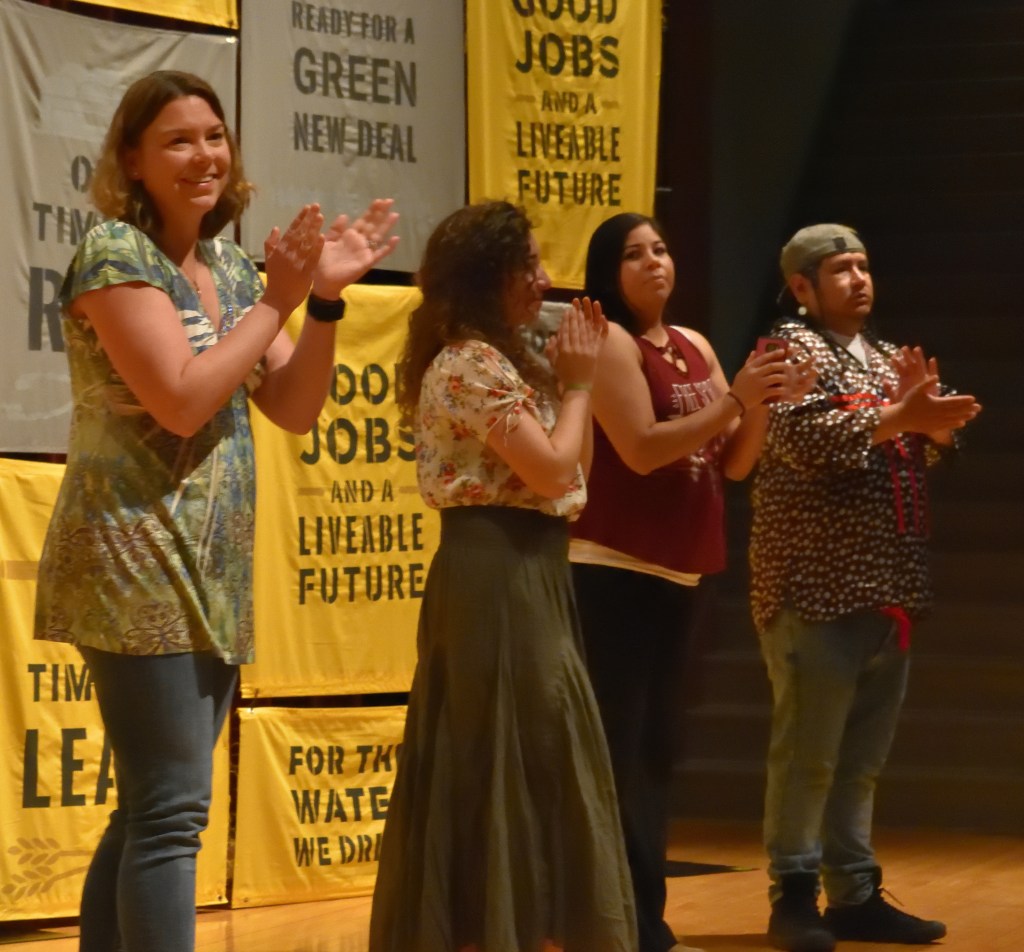
An increasing number of policies consistent with the GND are being introduced in government at various levels. Suddenly climate change is being discussed in our federal government. It is widely acknowledged that is because of the several acts of nonviolent direct action, including arrests, by youth from the Sunrise Movement.

The Sunrise Movement is building both people power and political power. Many of these young people worked very hard for the successful election of a number of people who support their ideas, including Alexandria Ocasio-Cortez. Vast numbers of youth who are joining the Sunrise Movement will continue to work for candidates in the 2020 elections who support their principles. Candidates who refuse to take fossil fuel industry campaign contributions, and who support the ideas of a GND. Those ideas include the belief that incremental efforts to address climate change are NOT acceptable.

The Republican party as a whole has supported the oil corporations and resisted addressing climate change. While the Democratic party has had individuals who have worked for incremental changes to address climate change, almost no legislation has been passed. Many of the 2020 Democratic candidates say they support a Green New Deal, but most haven’t released specific policy statements.

I think candidates like Joe Biden, who support incremental changes, are going to be surprised by opposition by youth.

The most recent bad news related to the Democrats’ campaign efforts was the refusal by the Democratic National Committee to hold a debate focused on climate change.

At the moment, there is no climate change debate scheduled, whether sanctioned by the DNC or not. But Sunrise Movement, the primary Green New Deal advocacy arm that is planning to protest outside the second debate in Detroit, told Mother Jones it is considering staging its own. “The American people deserve a climate debate,” Varshini Prakash said in a statement to Mother Jones. “If the DNC isn’t willing to put it on, we’ll consider organizing one ourselves.”

“Jay Inslee Says He May Defy the DNC on a Climate Change Debate; He claimed the DNC is effectively “blacklisting candidates who want to have one.” by Rebecca Leber, Mother Jones, June 6, 2019.

If you are concerned about environmental chaos, one thing you can do is support the Sunrise Movement. https://www.sunrisemovement.org/

One of the things the Sunrise Movement has already been working on is #ChangeTheDebate:

WE’RE GOING TO #CHANGE THE DEBATE

Last November, we challenged Democratic leadership with a simple question: What is your plan? That question shook the world.

Since then, presidential candidates have been racing to back the Green New Deal, the first plan to treat climate change like the emergency it is.

But others have doubled down on the same corporate-driven policies that have failed for decades. This approach is a death sentence for our generation.

On July 30-31, 20 candidates will walk onstage in Detroit. They’ll ask for our votes. We’ll ask them to give a damn about our lives.

Join us in Detroit to turn the tide of history together. For our future. For justice. For humanity. Let’s #ChangeTheDebate.

FREQUENTLY ASKED QUESTIONS

What are our demands?

We demand that all candidates reject fossil fuel money, support a “climate debate”, and make the Green New Deal a Day 1 priority.

I’m not sure if I can get to Detroit. Should I still sign up?

Yes! Anyone who wants to #ChangeTheDebate should register on this page. Volunteers across the country will be organizing busses, carpools and trains to get as many people as possible to Detroit. We’ll share more information about transportation and financial support soon and also have opportunities for people to join in from wherever they live. So, no matter who you are or where you live, you should register to attend #ChangeTheDebate.

What’s the plan of action?

Details are being worked out and will be shared as the date approaches. As of now, part of the plan is to gather by the thousands and set up a “People’s Stage” near the official Presidential Debate Location and challenge the candidates to come speak on our terms. Over 24 hours, we’ll tell our own stories on the People’s Stage as well. We’ll hold vigil for the people and places we have already lost, and the ones that will be lost. We’ll express our fear for the future, and the anger of our generation to have been abandoned by the adults in the room. Together, we’ll continue what we started last November, which is to bring a moral reckoning on the climate crisis to the heart of the American political conversation, and to shake this corrupt political establishment to its core.

When and where will it be?

Detroit, Michigan. July 30-31. The debate will take place over two nights, with 10 candidates on stage each night.

What can I do between now and July?

When you sign up to attend #ChangeTheDebate, you’ll have an option to volunteer as a “Local Recruitment Captain.” Recruitment Captains will be part of a massive, national team to bring as many people as possible to Detroit. Anyone who wants to help with Change The Debate should register as a Local Recruitment Captain – it doesn’t matter if you’ve never done anything like this before!

What is the Sunrise National Summit?

We’re hosting the first Sunrise National Summit before the #ChangeTheDebate mobilization. The Summit will be a day and half long on July 29-30th. When you sign up, you’ll receive an link by email to apply to join us at the Summit!

https://www.sunrisemovement.org/changethedebate
Posted in climate change, Green New Deal, Uncategorized | Leave a comment

“War is War on Mother Earth”

I sometimes wonder why it takes so long to recognize something that has been in plain sight all along. This time, it is the link between war and climate change. I recently wrote about the U.S. military being that largest consumer of oil there is in the world. Thus, if greenhouse gas emissions are ever going to be significantly reduced, military fossil fuel consumption will have to be reduced drastically in a very short period of time.

My first thought was if we could get enough people to realize the connections between war and climate change, that would free up some of the billions of dollars from the unbelievably gigantic military budget, which could be used to help fund policies related to a Green New Deal (GND). Although attempts to reduce military spending have been singularly unsuccessful in the past, and that budget has instead been steadily increasing, I was hoping the increasing numbers and severity of fire, storms and flooding might result in the possibility of some shifting of priorities in government spending.

Unfortunately, the more I have studied the connections between oil and war, the more daunting changing these priorities looks. A recent article, “War Is War On Mother Earth” by Richard Moser, Counterpunch.org, May 28, 2019, explores this is great detail.

“In order to achieve the massive systemic and cultural transformations required for mitigating climate change…we’re going to have to deal with the socially sanctioned, institutionalized violence perpetrated by U.S. foreign policy that is pouring fuel on the fire of global warming.”

Stacy Bannerman

Although it has long been known that climate change will lead to conflict, the following report shows this has already been happening. The war in Syria is an example.

published in the Proceedings of the National Academy of Sciences, compiled statistics showing that water shortages in the Fertile Crescent in Syria, Iraq, and Turkey killed livestock, drove up food prices, sickened children, and forced 1.5 million rural residents to the outskirts of Syria’s jam-packed cities—just as that country was exploding with immigrants from the Iraq war.

Proceedings of the National Academy of Sciences

The U.S. military has long seen climate change as a “threat multiplier”. During this spring’s flooding the runways of Moffett Air Force Base in Nebraska were under water. Many military bases are along coasts, where water levels are predicted to rise. The idea of climate change as a threat multiplier tends to encourage militarized responses.

“Possessing the world’s largest fleet of…aircraft, helicopters, ships, tanks, armored vehicles…– virtually all powered by oil — the Department of Defense is, in fact, the world’s leading consumer of petroleum… [A]n April 2007 report by a defense contractor…suggests that the Pentagon might consume as much as 340,000 barrels (14 million gallons) every day. This is greater than the total national consumption of Sweden or Switzerland.”

Michael Klare

The war machine burns oil to capture oil to burn oil to capture oil. The empire is no marketplace: it’s both supply and demand.

“War Is War On Mother Earth”

“The rapid rise in greenhouse gas emissions that created the current climate crisis began around 1950…in the period immediately following the Second World War…..The Allies would not have won had they not been able to cut off German access to oil and to maintain it for themselves. The lesson for the US…was that… monopolization of the world’s oil was essential if it was to be the world’s superpower. This made oil a central military priority, and also cemented the dominant position of the petroleum/automotive sector in the US.”

Why stopping wars is essential for stopping climate change by Elaine Graham-Leigh, CounterFire March 22, 2019

In 1980, President Carter reasserted the connections between US policy, military force and oil. Shaken by the overthrow of a CIA-installed regime in Iran in 1979 and the Soviet invasion of Afghanistan, Carter’s State of the Union Address proclaimed US control over Middle East oil.

The region which is now threatened by Soviet troops in Afghanistan is of great strategic importance: It contains more than two-thirds of the world’s exportable oil….Let our position be absolutely clear: an attempt by any outside force to gain control of the Persian Gulf region will be regarded as an assault on the vital interests of the United States of America, and such an assault will be repelled by any means necessary, including military force.

“War Is War On Mother Earth”

The Obama Administration discovered, in the melting Arctic, both our past glories and potential for future wealth.

The Arctic is one of our planet’s last great frontiers. Our pioneering spirit is naturally drawn to this region, for the economic opportunities it presents and in recognition of the need to protect and conserve this unique, valuable, and changing environment.”

Are we supposed to believe that the very institutions that melted the polar ice caps can now be trusted to “protect and conserve” what’s left? The same document claims it’s going to “account for indigenous communities.” Right, just like natives were accounted for at Standing Rock (to name but one of many examples).

Falsehoods of this magnitude can only seem believable when they are part of a culture’s deepest mythologies. The “last great frontier” and “pioneering spirit” is code for empire, the colonial project and in this case — an updated version of the Doctrine of Discovery. Obama called forth the frontier spirits — a year later the US staked its claim to the newly “discovered” territory with a military strategy for the Arctic.

https://obamawhitehouse.archives.gov/sites/default/files/docs/nat_arctic_strategy.pdf
Posted in #NDAPL, climate change, climate refugees, Green New Deal, immigration, Indigenous, peace, Sunrise Movement, Toward Right Relationship with Native Peoples, Uncategorized | Leave a comment

More about stories…

Yesterday I attended a memorial for a young man, the son and stepson of members of my Quaker meeting. The memorial was in the manner of Quaker worship, where people are encouraged to share stories about the person’s life out of the gathered silence. I think about memorials I’ve attended and have found they are amazing experiences in many ways. It is wonderful that they are celebrations of the person’s life. We learn about how the person has affected others in ways we weren’t aware of. It is also nice to see those who aren’t familiar with Quaker worship feel free to speak to the gathering, and to hear so many tell of how much they appreciated the memorial afterward.

Yesterday’s memorial had those same characteristics, but there were somewhat different stories shared by the community of friends of this young man, people who on the whole seem to especially creative and exploring life a bit beyond the mainstream. I was very moved by the insights shared.

I believe stories are so important to share with each other. I try to articulate stories on this blog. There is another blog dedicated to Quaker stories here: https://quakerstories.wordpress.com/

ALL THAT WE ARE IS STORY. From the moment we are born to the time we continue on our spirit journey, we are involved in the creation of the story of our time here. It is what we arrive with. It is all we leave behind. We are not the things we accumulate. We are not the things we deem important. We are story. All of us. What comes to matter then is the creation of the best possible story we can while we’re here; you, me, us, together. When we can do that and we take the time to share those stories with each other, we get bigger inside, we see each other, we recognize our kinship — we change the world one story at a time.

Richard Wagamese (October 14, 1955-March 10, 2017)
Ojibwe from Wabeseemoong Independent Nations, Canada

When the order to move on comes, the Warrior looks at all the friends he has made during the time that he followed the path. He taught some to hear the bells of a drowned temple, he told others stories around the fire. His heart is sad, but he knows that his sword is sacred and that he must obey the orders of the One to whom he offered up his struggle. Then the Warrior thanks his traveling companions, takes a deep breath and continues on, laden with memories of an unforgettable journey.

Coelho, Paulo. Warrior of the Light: A Manual (p. 133). HarperCollins. Kindle Edition.

In contrast with some of the other media personnel who showed up to capture the stories of the water protectors at Standing Rock, Rivas was intentional about giving before he took. Observing tradition, he would show up with tobacco to offer before asking permission to document a person’s experience. Rivas even incorporates this into his language about the work, straying away from the traditional framework of “taking” photos — “because I don’t take. I create. I’m not taking photographs, I’m creating images.”
Rivas also acknowledges that “it’s an intimate thing, when you have a camera.” A photograph belongs both to the subject and the photographer, but the subject is usually in a more vulnerable position — especially in a place like Standing Rock, where people were making sacrifices, and grappling with all sorts of issues and traumas. These wounds are communicated both with tenderness and frankness in Rivas’s work.  

https://www.stanforddaily.com/2017/11/07/the-power-of-telling-your-own-story-a-conversation-with-josue-rivas/

I could hand you a braid of sweetgrass, as thick and shining as the plait that hung down my grandmother’s back. But it is not mine to give, nor yours to take. Wiingaashk belongs to herself. So I offer, in its place, a braid of stories meant to heal our relationship with the world. This braid is woven from three strands: indigenous ways of knowing, scientific knowledge, and the story of an Anishinabekwe scientist trying to bring them together in service to what matters most. It is an intertwining of science, spirit, and story—old stories and new ones that can be medicine for our broken relationship with earth, a pharmacopoeia of healing stories that allow us to imagine a different relationship, in which people and land are good medicine for each other.

Kimmerer, Robin Wall. Braiding Sweetgrass: Indigenous Wisdom, Scientific Knowledge and the Teachings of Plants . Milkweed Editions. Kindle Edition.
Posted in Quaker, Quaker Meetings, Uncategorized | Tagged | Leave a comment

What will you say to your grandchildren?

For some years now I have become increasingly convinced that we are past the point where we can prevent environmental collapse and our own extinction. We have passed too many “tipping points”, boundaries that lead to ever more serious conditions, which it is assumed we cannot reverse.

Until recently, there has been a lot of peer pressure against acknowledging that, at least in public. And there are many people who do believe there is still time to recover from the assaults on Mother Earth.

Despite believing we are past the point of no return, there are a few reasons I don’t often say that in public. Reasons I continue to hope all is not yet lost.

One reason relates to a few consequences of climate change that had not been foreseen, at least by me. An example is the polar vortex. I hadn’t anticipated that warming in the arctic would influence the jet stream and cause bitterly cold air to move south. Could there be other unforeseen changes that would positively affect our environment?

Also, as a person of faith, I am challenged to consider how strong my faith is. Shouldn’t I believe the Spirit can prevent our extinction? The problem with that is the assumption that the Spirit intends to preserve us. Maybe that is not God’s intention, for whatever reason.

But perhaps the best reason to avoid saying it is too late is what good does that do? Will more people be drawn into the work to address climate change? Or will it have the opposite affect, resulting in more people just giving up? And related to that, even if we are moving toward our own extinction, we should value and enjoy the beauty that surrounds us now. We should do what we can to help our friends and neighbors. Continue to create and explore.

I didn’t know there were definitions for these conditions until I read the article quoted below. “Deep Adaptation” means preparing for inevitable collapse, whereas “Deep Transformation” is built on the possibilities of resilience and restorations that are not based on the assumption that it is too late for changes that can improve our environment.

Facing oncoming climate disaster, some argue for “Deep Adaptation”—that we must prepare for inevitable collapse. However, this orientation is dangerously flawed. It threatens to become a self-fulfilling prophecy by diluting the efforts toward positive change. What we really need right now is Deep Transformation. There is still time to act: we must acknowledge this moral imperative.

What Will You Say to Your Grandchildren? by Jeremy Lent, CounterPunch, April 8, 2019

The following explains what “Deep Transformation” is.

It’s not Deep Adaptation that we need right now—it’s Deep Transformation. The current dire predicament we’re in screams something loudly and clearly to anyone who’s listening: If we’re to retain any semblance of a healthy planet by the latter part of this century, we have to change the foundations of our civilization. We need to move from one that is wealth-based to one that is life-based—a new type of society built on life-affirming principles, often described as an Ecological Civilization. We need a global system that devolves power back to the people; that reins in the excesses of global corporations and government corruption; that replaces the insanity of infinite economic growth with a just transition toward a stable, equitable, steady-state economy optimizing human and natural flourishing.

This is something many of our youngest generation seem to know intuitively, putting their elders to shame. As fifteen-year-old Greta Thunberg declared in her statement to the UN in Poland last November, “you are never too small to make a difference… Imagine what we can all do together, if we really wanted to.” Thunberg envisioned herself in 2078, with her own grandchildren. “They will ask,” she said, “why you didn’t do anything while there still was time to act.”

That’s the moral encounter with destiny that we each face today. Yes, there is still time to act. Last month, inspired by Thunberg’s example, more than a million school students in over a hundred countries walked out to demand climate action. To his great credit, even Jem Bendell disavows some of his own Deep Adaptation narrative to put his support behind protest. The Extinction Rebellion (XR) launched a mass civil disobedience campaign last year in England, blocking bridges in London and demanding an adequate response to our climate emergency. It has since spread to 27 other countries.

What Will You Say to Your Grandchildren? by Jeremy Lent, CounterPunch, April 8, 2019
Posted in climate change, revolution, Uncategorized | 1 Comment

Iowa Supreme Court Decision

Yesterday’s post described the case before the Iowa Supreme Court, of land owners and the Sierra Club of Iowa against the Iowa Utilities Board and Dakota Access, asserting that eminent domain was abused when used to force landowners to allow the Dakota Access Pipeline to be built on their property. Following are excerpts from the lengthy opinion. The decision was to uphold the judgment of the district court, which did not find the Iowa Utilities Board improperly used eminent domain to seize land.

Case No. 17-0423:  Keith Puntenney, Laverne I. Johnson, Richard R. Lamb, Marian D. Johnson, Northwest Iowa Landowners Association, Iowa Farmland Owners Association, Inc., and the Sierra Club Iowa Chapter, Appellants, v. Iowa Utilities Board, Appellee, and Office of Consumer Advocate and The Main Coalition, Appellees, and Dakota Access, LLC, Appellee.

Landowners appeal a district court decision denying a petition for judicial review of a decision by the Iowa Utilities Board authorizing a company to use eminent domain to build a crude oil pipeline. AFFIRMED

IX. Conclusion

For the foregoing reasons, we affirm the judgment of the district court

AFFIRMED

All justices concur except Wiggins, J., who concurs in part and dissents in part, joined by Appel, J., and McDonald, J., who dissents.

https://www.iowacourts.gov/courtcases/3110/embed/SupremeCourtOpinion

The following is from the partial dissent by Justice Wiggins.

I dissent from the majority’s conclusion that the use of eminent domain does not violate the Iowa Constitution. I agree with the majority that incidental economic benefits alone are not enough for a taking to qualify as “for public use” under article I, section 18. However, I disagree that the Dakota Access pipeline fits within the “common carrier exception” for purposes of the Iowa Constitution. I also find fault in Dakota Access’s use of eminent domain because it is unrelated to the purpose of the applicable eminent-domain-authorizing statute

WIGGINS, Justice (concurring in part and dissenting in part).

And following is the dissenting opinion of Justice McDonald.

The Iowa Utilities Board (IUB) approved construction of the pipeline. The IUB authorized Dakota Access to use the eminent domain power to condemn easements. Dakota Access exercised the eminent domain power as granted. The appellants accepted the condemnation awards. Dakota Access built the pipeline. Oil is flowing through the pipeline. No further relief is available. What’s done, is done. The case is moot.

McDONALD, Justice (dissenting).
Posted in #NDAPL, Uncategorized | Tagged | Leave a comment