Radical Hope: Introduction

These days I keep an eye out for material related to Native peoples, environmental chaos, and what the future might look like.

I also look for things related to hope. I believe hope is essential to help face dark and uncertain times such as these. The title of the book, Radical Hope: Ethics in the Face of Cultural Devastation by Jonathan Lear caught my attention. One of the things it taught me was to look at our situation in terms of cultural shift, and cultural collapse.

Now

For many years I’ve prayed, thought and written about why our economic, political and social systems no longer work well. An economy based on continuous growth and focused solely on shareholder profits is neither sustainable nor moral. Especially not environmentally sustainable, with the rapacious consumption of fossil fuel and water and the production of toxic wastes. People are seen as resources for production, whose welfare is not a concern of corporations. Millions live in poverty.

Then

In contrast, the culture I was raised in (1950s) was of small communities of people who knew each other, lived near each other, and engaged face to face in numerous situations. Many had gardens as part of their food supply. People, not profits, were valued.

With a significantly smaller population and less automation there were jobs for almost everyone. Most people had enough disposable income to meet their financial needs, but not much more. There weren’t such things as student loan or credit card debt, or bankrupting medical/drug costs.

Breakdown / Cultural Shift

For decades millions of jobs have been lost because of automation or moving to countries with cheap labor. Combined with rapidly growing population, there is greater competition for a dwindling number jobs. Corporations exploit this with poverty level wages and few benefits such heath insurance or retirement plans.

Our political system, that was once somewhat responsive to citizens, no longer is, being corrupted with huge political contributions from corporations, extreme gerrymandering and foreign influence. The legislative process is often blocked by congressional leaders of the party in power.

The extreme maldistribution of wealth combined with political corruption is resulting in defunding social safety net programs and increasing spending for the military and border security.

The changes from then to now can be thought of as a cultural shift. https://kislingjeff.wordpress.com/2019/12/19/radical-hope-preface/

Climate Catastrophe / Cultural Collapse

Even if our social, economic and political systems were working well, they could not for much longer. They are being overwhelmed by climate chaos, which is rapidly worsening. Increasingly frequent and severe storms, flooding, precipitation, drought, heat and fires are already causing more damage and disruption than communities can recover from. There will be increasing violence and civil unrest as people desperately search for food, water and shelter. We are moving into cultural collapse. https://kislingjeff.wordpress.com/2019/12/19/radical-hope-preface/

My questions are how do we make more people aware of this? Can we get our social, economic and political systems to help?

More to the point, what does a solution for cultural collapse entail?

Radical Hope: Ethics in the Face of Cultural Devastation by Jonathan Lear suggests an interesting answer. (to be continued…)

Posted in climate change, Uncategorized | Tagged | Leave a comment

Radical Hope: Preface

Background

I want to give some context to a planned series of blog posts about the perilous environmental collapse we are facing and what we might do about it.

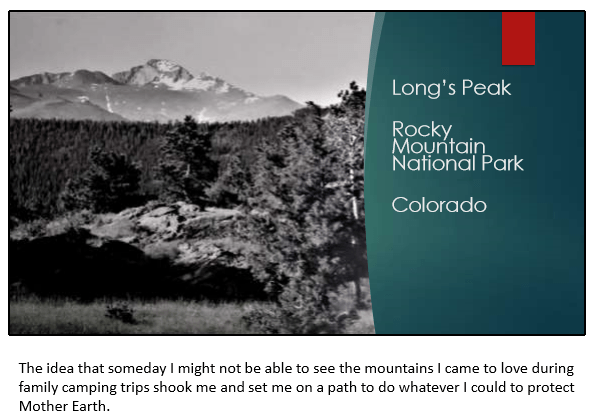
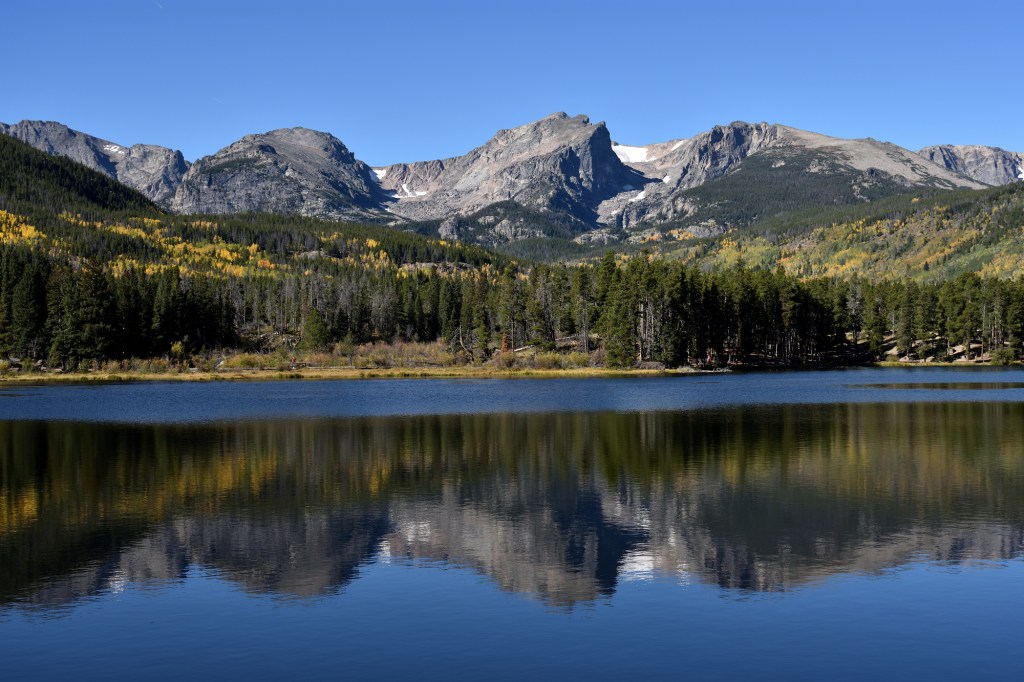
Although it took me a while to realize and define it, I’ve been an environmental activist my whole life. More recently a water protector. Being raised on farms in Iowa I grew up immersed in nature. I developed a spiritual bond with the mountains on family camping trips.

Moving to Indianapolis in the early 1970’s when I was 20 years old, to be part of the Friends (Quaker) Volunteer Service Mission (VSM), I was devastated by the smog and poor air quality. A spiritual vision of my beloved Rocky Mountains hidden in clouds of smog shook me as nothing had. That began a lifetime of work to try to help Mother Earth remain healthy and beautiful.

An immediate decision that influenced the rest of my life was to realize I couldn’t own a car and contribute to the smog and greenhouse gas emissions, so I’ve lived without a car of my own since then. The only reason I mention this is one of the first things someone says when I talk about our environment is “well you have a car don’t you?” Studies show that people don’t pay much attention to what you say if you aren’t speaking from your own experience. For example, many question the authenticity of those who fly to attend conferences and meetings about our environment. Greta Thunberg’s zero carbon trip to the U.S. recently is a good example of what I call “environmental integrity”.

Cultural Shift

It has taken me a long time to appreciate the last couple of generations have lived through a cultural shift. I was born in 1951. It was just becoming possible for many people to begin to own automobiles. There was little mechanization of farm work. Many people lived and worked in small towns. There was no Interstate highway system. People rarely flew in airplanes.

I see the cultural shift from those days to today when I talk about moving away from personal automobile use to mass transit systems instead. Almost universally people of a certain age look bewildered or angry at this suggestion (young people today are more aware of our climate emergency and less inclined to use or have personal automobiles). They feel it is both a necessity and their right to have personal automobiles. When I point out that they (older generations) grew up without their own cars, they seem unable to imagine living that way today. It’s like there is a cultural barrier/wall that prevents going back to another time and way of living/thinking/being.

Cultural Collapse

It was reading Radical Hope: Ethics in the Face of Cultural Devastation by Jonathan Lear that has me thinking about culture, and the collapse of our culture today. This is the Preface of a series of blog posts I hope to write about this book and the idea of cultural collapse.

A number of authors have been trying to make sense of the environmental disaster we are moving deeper into and what to do now. In a couple of recent posts I summarize some of those writings which I think will help in the discussion to come.

Posted in climate change, Uncategorized | Tagged , , | Leave a comment

Jason Eaglespeaker – free eBooks

I recently discovered a new resource, a graphics novel by Jason Eaglespeaker, UNeducation, Vol 1: A Residential School Graphic Novel (PG) where he describes Indian boarding school experiences.

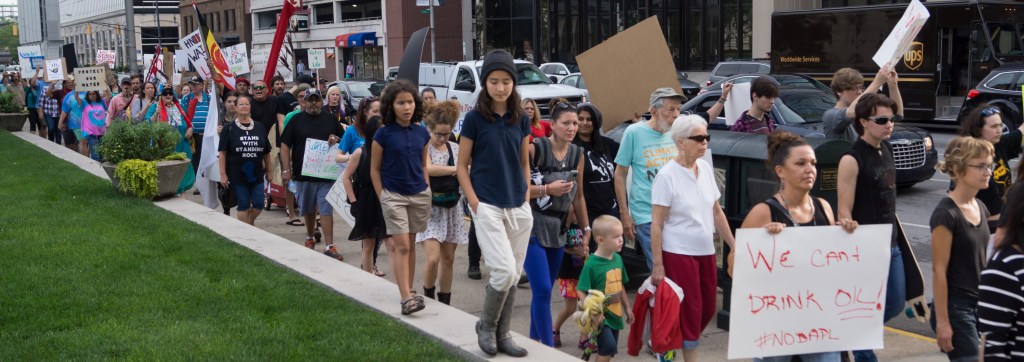
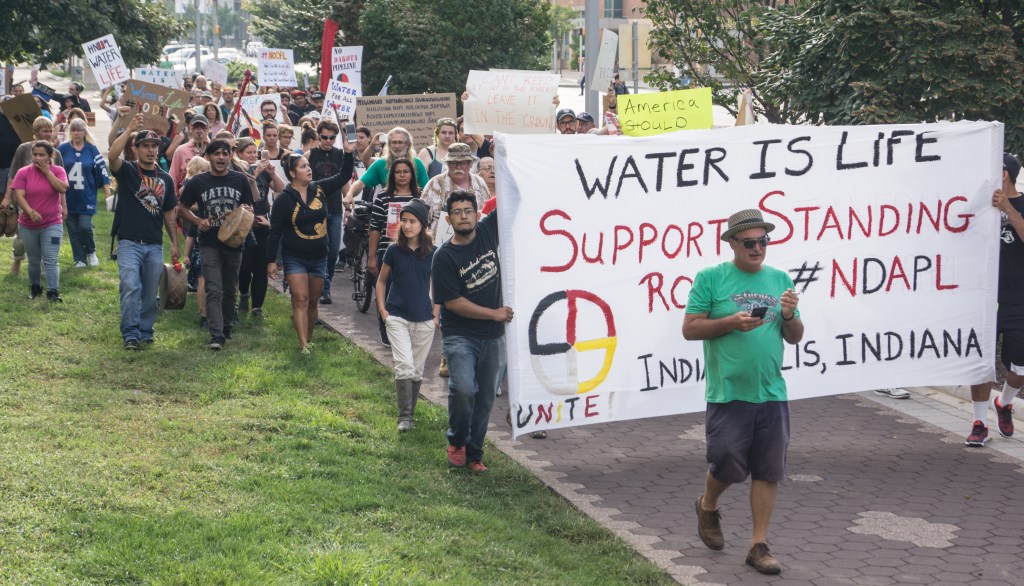
Jason and I had an email exchange last year related to a book he helped publish, Young Water Protectors …A Story About Standing Rock by Aslan Tudor. I didn’t know it at the time I purchased the book, but I had seen Aslan at Dakota Access Pipeline rallies in Indianapolis.

I enjoyed Young Water Protectors. I see Aslan Tudor lives in Indianapolis. I took a lot of photos there during the Stop DAPL rallies, and I think I have a couple of photos of him. I’d be interested to know they are of him. Would you and/or he be interested if I sent them to you? Thanks

My message to Jason Eaglespeaker 9/23/2018

Hi Jeff,
Sorry for the delay. Thanks so much for reaching out.
Please do send any photos you have of Aslan at the DAPL, that would be absolutely awesome.
If we use them in any promotions, we will be sure to credit you as well
Warmly,

Jason Eaglespeaker 10/4/2018

Regarding the free eBooks, the following is from an email message from Jason:

For 12 days straight, its like a powwow giveaway, but online. Each day, I am giving you two free eBooks (yep, completely free – zilch, notta, zero), by the most amazing new authors from throughout North America. Countless genres – kids books, novels, poetry, and more.

Be sure you have/get the free Kindle Reader app on your phone, tablet or computer, then use the links below to download your freebies. Its as easy as saskatoon pie (lol).

Day Six, I have two illustrated storybooks with heart wrenching, but necessary, subject matter:

“Amy”, by Amy Brooks

Coping and struggling should be the last thing on a young child’s mind, the results could be disastrous. Imagine going to school from grade three to grade seven drunk, and no one ever finds out. Imagine what could possibly be happening in your life to make that behavior “normal”. Imagine the struggles, the challenges, the chaos. This is Amy’s story.
by Amy Brooks

Here’s the download links (hurry, eBook freebie ends tonight at 11:59pm, Pacific, Wednesday, Dec 18th):

Amazon USA
https://www.amazon.com/dp/B07K5WFMV5

Amazon Canada
https://www.amazon.ca/dp/B07K5WFMV5

WANNA HELP AMY’S BOOK SUCCEED ???
1 – DOWNLOAD and read her book
2 – WRITE a quick review of her book, on Amazon
3 – BUY the print version of her book, on Amazon ACT FAST – the free eBook download ends tonight at 11:59 Pacific (Wednesday, Dec 18th) …       A young girl leaves home and finds herself lost, alone and scared. Bad things happen to her. Bad people exploit her. But she meets someone who holds the spirit of her ancestors, and her life changes.
by J.A. Bird (pseudonym)

Here’s the download links (hurry, eBook freebie ends tonight at 11:59pm, Pacific, Wednesday, Dec 18th):

Amazon USA
https://www.amazon.com/dp/B07K3XZS7N

Amazon Canada
https://www.amazon.ca/dp/B07K3XZS7N

WANNA HELP J.A. BIRD’S BOOK SUCCEED ???
1 – DOWNLOAD and read her book
2 – WRITE a quick review of her book, on Amazon
3 – BUY the print version of her book, on Amazon ACT FAST – the free eBook download ends tonight at 11:59 Pacific (Wednesday, Dec 18th) …     Wanna help spread the word ??? It’s super easy, you can: FORWARD this email to anyone you feel may be interested.
SEND your peoples to eaglespeaker.com.
SHARE this email newsletter on social media.
TELL your auntie, your cuzzins, your professor etc
SUPPORT the countless new authors we now publish **Don’t forget to check out the newly revamped eaglespeaker.com, featuring an ever-expanding selection of new books by Indigenous authors, in all sorts of genres, available exclusively via Eaglespeaker Publishing**

Anyways, that’s it for now.
Pride, peace and frybread grease …

Jason Eaglespeaker  

“Restless”, J.A. Bird (pseudonym)

A young girl leaves home and finds herself lost, alone and scared. Bad things happen to her. Bad people exploit her. But she meets someone who holds the spirit of her ancestors, and her life changes.
by J.A. Bird (pseudonym)

Here’s the download links (hurry, eBook freebie ends tonight at 11:59pm, Pacific, Wednesday, Dec 18th):

Amazon USA
https://www.amazon.com/dp/B07K3XZS7N

Amazon Canada
https://www.amazon.ca/dp/B07K3XZS7N

WANNA HELP J.A. BIRD’S BOOK SUCCEED ???
1 – DOWNLOAD and read her book
2 – WRITE a quick review of her book, on Amazon
3 – BUY the print version of her book, on Amazon ACT FAST – the free eBook download ends tonight at 11:59 Pacific (Wednesday, Dec 18th) …
Wanna help spread the word ??? It’s super easy, you can: FORWARD this email to anyone you feel may be interested.
SEND your peoples to eaglespeaker.com.
SHARE this email newsletter on social media.
TELL your auntie, your cuzzins, your professor etc
SUPPORT the countless new authors we now publish **Don’t forget to check out the newly revamped eaglespeaker.com, featuring an ever-expanding selection of new books by Indigenous authors, in all sorts of genres, available exclusively via Eaglespeaker Publishing**

Anyways, that’s it for now.
Pride, peace and frybread grease …

Jason Eaglespeaker
Posted in #NDAPL, Indigenous, Native Americans, Uncategorized | Leave a comment

Where is hope today?

These are in many ways dark times.

Environmental catastrophes are becoming daily occurrences. Or rather daily life involves living in ongoing environmental chaos. It is increasingly difficult for anyone to delude themselves about the consequences of profligate burning of fossil fuels, destruction of forests and pollution of water, air and soil.

Politicians feed on fears of social breakdown. People retreat into nationalism and want a ruthless ruler to protect them, not caring about the loss of civil liberties. On this day the U.S. House of Representatives is considering Articles of Impeachment against a lawless President.

Some stockpile weapons and ammunition. So we have to add daily school or other mass shootings to the list of fears. The”other” is suspect and must be oppressed, controlled, imprisoned. Turned back at our borders. Eliminated?

I was thinking we might all experiencing something like Post Traumatic Stress Disorder, but realized the trauma is not in the past, but ongoing. I found there is a term for this.

“In countries where the ever-present threat of arrest or violence continues to exist, dealing with continuous traumatic stress (CTS) posed unique problems for therapists.”  

When the trauma doesn’t end. Romeo Vitelli Ph.D. , Psychology Today, https://www.psychologytoday.com/us/blog/media-spotlight/201305/when-the-trauma-doesnt-end

When did we begin to realize so many things no longer make sense? When was the day the music died?


sensemaking–the action or process of making sense of or giving meaning to something, especially new developments and experiences.


At the collective level, a loss of sensemaking erodes shared cultural and value structures and renders us incapable of generating the collective wisdom necessary to solve complex societal problems like those described above. When that happens the centre cannot hold.

Threats to sensemaking are manifold. Among the most readily observable sources are the excesses of identity politics, the rapid polarisation of the long-running culture war, the steep and widespread decline in trust in mainstream media and other public institutions, and the rise of mass disinformation technologies, e.g. fake news working in tandem with social media algorithms designed to hijack our limbic systems and erode our cognitive capacities. If these things can confound and divide us both within and between cultures, then we have little hope of generating the coherent dialogue, let alone the collective resolve, that is required to overcome the formidable global-scale problems converging before us.

Pontoon Archipelago or: How I Learned to Stop Worrying and Love Collapse. By James Allen, originally published by Medium
June 18, 2019

That same article discusses the concept of wicked problems.

The problems before us are emergent phenomena with a life of their own, and the causes requiring treatment are obscure. They are what systems scientists call wicked problems: problems that harbour so many complex non-linear interdependencies that they not only seem impossible to understand and solve, but tend to resist our attempts to do so. For such wicked problems, our conventional toolkits — advocacy, activism, conscientious consumerism, and ballot casting — are grossly inadequate and their primary utility may be the self-soothing effect it has on the well-meaning souls who use them
.
If we are to find a new kind of good life amid the catastrophes these myths have spawned, then we need to radically rethink the stories we tell ourselves. We need to dig deep into old stories and reveal their wisdom, as well as lovingly nurture the emergence of new stories into being.

Pontoon Archipelago or: How I Learned to Stop Worrying and Love Collapse. By James Allen, originally published by Medium
June 18, 2019

We are inevitably sending our children to live on an unfamiliar planet. But the opposite of hope is not despair. It is grief. Even while resolving to limit the damage, we can mourn. And here, the sheer scale of the problem provides a perverse comfort: we are in this together. The swiftness of the change, its scale and inevitability, binds us into one, broken hearts trapped together under a warming atmosphere.

We need courage, not hope. Grief, after all, is the cost of being alive. We are all fated to live lives shot through with sadness, and are not worth less for it. Courage is the resolve to do well without the assurance of a happy ending. Little molecules, random in their movement, add together to a coherent whole. Little lives do not. But here we are, together on a planet radiating ever more into space where there is no darkness, only light we cannot see.

Climate scientist Kate Marvel, https://onbeing.org/blog/kate-marvel-we-need-courage-not-hope-to-face-climate-change/

Readers of this blog have seen these ideas and quotations, and those in yesterday’s blog, before. I am reviewing these things now to help me consolidate a number of ideas and writings I have found useful in the past. My intention is not to dwell in hopelessness, but instead to express what our situation is now in order to apply new ideas that might help us move forward, perhaps find hope. In the meantime, here are some more ideas about hope.


People often mistake hope for a feeling, but it’s not. It’s a mental discipline, an attentional practice that you can learn. Like any such discipline, it’s work that takes time, which you fail at, succeed, improve, fail at again, and build over years inside yourself.

Hope isn’t just looking at the positive things in this world, or expecting the best. That’s a fragile kind of cheerfulness, something that breaks under the weight of a normal human life. To practice hope is to face hard truths, harder truths than you can face without the practice of hope. You can’t navigate dark places without a light, and hope is that light for humanity’s dark places. Hope lets you study environmental destruction, war, genocide, exploitative relations between peoples. It lets you look into the darkest parts of human history, and even the callous entropy of a universe hell bent on heat death no matter what we do. When you are disciplined in hope, you can face these things because you have learned to put them in context, you have learned to swallow joy and grief together, and wait for peace.

IT IS BITTER TEA THAT INVOLVES YOU SO: A SERMON ON HOPE by Quinn Norton, April 30, 2018

Posted in climate change, Uncategorized | Leave a comment

“Home”

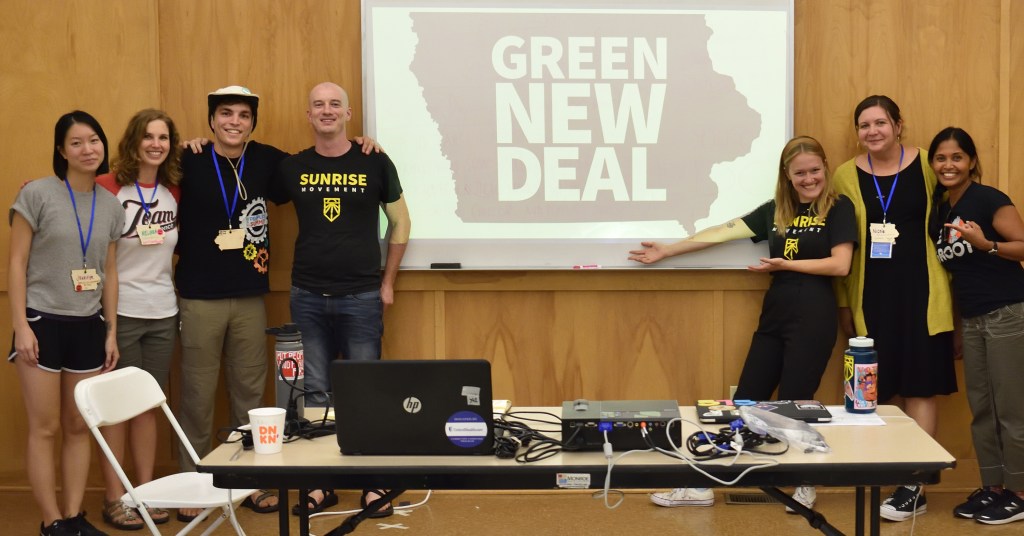
Following is a message from the Sunrise Movement’s endorsement of Andrew Romanoff for the U.S. Senate from Colorado. I wanted to share this powerful political ad about climate chaos just released from his campaign.

I think this is example of what we’ll see in this election, like the last election, where incumbent politicians will be challenged by candidates from their own party who support a Green New Deal. Youth will not support a presidential candidate who doesn’t declare climate disaster as the number one priority, and/or who doesn’t support a Green New Deal.


My name’s Jess Abkarian, I’m a 20 year-old member of Sunrise Colorado, and I’m terrified for what the climate crisis means for my future.

My state and our country are at a crossroads. Will we continue down the business-as-usual path of destruction that has led us to this point, or will we restore our economy and environment with a Green New Deal? Will we let the same corrupt politicians of both parties run the show in Washington, DC, or will we elect a new class of leaders who stand with us, not Big Oil?

These choices are incredibly alive for us right now in the 2020 Colorado Senate race, and I wanted to make sure you saw this video that Sunrise Movement endorsed candidate Andrew Romanoff released yesterday. It lays out the stakes of this moment so clearly, and is unlike any political ad you’ve ever seen.

The video shows what so many are already experiencing when it comes to climate change and environmental injustice — and what’s at stake in the 2020 election. When we look at the national map, we see a clear path to a Democratic majority in the Senate — and it runs through Colorado.

But to win a transformative Green New Deal, electing just any Democrat won’t do. We need to elect leaders like Andrew who are committed to tackling the climate crisis head on, not just going along with the status quo or cozying up to the oil and gas industry.

Andrew is one of the first Senate candidates endorsed by Sunrise Movement this cycle because he’s proven his commitment to the urgent 10-year mobilization envisioned by the Green New Deal and shown us we can trust him by taking the No Fossil Fuel Money Pledge. Electing Andrew to U.S. Senate would be a gamechanger for our fight for a Green New Deal that would send shockwaves in 2020 and beyond.

The future portrayed in the video is not inevitable. Our choices in this moment will shape history. Together, we can elect a Senate majority that will make combating climate change a priority as we head into the 2020 election and beyond. It starts in Colorado. Andrew is the champion we need

Posted in climate change, Green New Deal, Sunrise Movement, Uncategorized | 1 Comment

Are we insane?

Although it seems Albert Einstein didn’t say it, I like the phrase “the definition of insanity is doing the same thing over and over again and expecting different results.” This seems particularly apt when speaking about our lack of progress in addressing environmental devastation.

Below I’m sharing (again) a number of writings about stories and using them to create change. They help set the context for something I plan to write about soon.

We cannot solve our problems with the same thinking we used when we created them. Albert Einstein

Is it even possible for us to conceive, let alone work for a fossil free world? Are we so oil addicted? Have we been brainwashed? Are we really OK with burning up our children’s future? Or can we find the “different” thinking needed for such a solution?

I’ve often shared the quote from Richard Wagamese, “All that we are is story” because I also believe we change the world by sharing our stories. That is one of the reasons why I write so much on this blog. (1,353 posts as of today).


When we can do that and we take the time to share those stories with each other, we get bigger inside, we see each other, we recognize our kinship — we change the world one story at a time.

Richard Wagamese

Most of us lack the stories that help imagine a future where we thrive in the midst of unstoppable ecological catastrophe. We have been propelled to this point by the myths of progress, limitless growth, our separateness from nature and god-like dominion over it.

If we are to find a new kind of good life amid the catastrophes these myths have spawned, then we need to radically rethink the stories we tell ourselves. We need to dig deep into old stories and reveal their wisdom, as well as lovingly nurture the emergence of new stories into being. This will not be easy. The myths of this age are deeply rooted in our culture.

My young children need me to be an adult. They are the reason I feel despair so profoundly. Yet they are also the reason I cannot wallow in it, acquiesce to it, or turn away from the horror. This is the reason I have sought to imagine another way, and to find and focus on that which I might do to usher that vision into existence, and to behave as if what I do really matters for their future. They are the reason I have directed my imagination to the multitude of paths only visible once I looked beyond the myths that have clouded much of my thinking. It is up to me show them a way beyond grief to a way of life truly worth living for, even if it isn’t the path I had expected to be showing them.

All that is needed is to cross the threshold with ready hands and a sense, even a vague one, of what might be yours to do.

Pontoon Archipelago or: How I Learned to Stop Worrying and Love Collapse. By James Allen, originally published by Medium June 18, 2019

What I have found in my time praying in the indigenous earth based ways, is that it’s not about putting your hands together and talking to god…. It’s about quieting and connecting with the baseline of creation, of nature. Tuning into the frequency and vibration of the natural world, the nature spirits. The beings and entities that have been in existence, for all of existence, the examples and realities of sustainability and harmony.

It’s about becoming receptive to these things. Being open and flowing with them. The spirit guides us, but we have to make ourselves receptive to feel, sense, and respond to this guidance.

Joshua Taflinger

Everywhere people ask, “what can we do?”
The question, what can we do, is the second question.
The first question is “what can we be?”
Because what you can do is a consequence of who you are.
Once you know what you can be, you know what you can do.

Arkan Lushwala

In a world experiencing unprecedented climatic, ecological, and societal change, many in the Religious Society of Friends are coming to know our own need for newness. We thirst to find and share a clearer sense of the relevance of our beloved tradition to the challenges we face. We yearn to come more fully alive together, to speak and serve today in the Life and Power that generations of our spiritual ancestors knew. Across North America and beyond, Friends are recognizing a shared calling to rediscover and reclaim traditional understandings of who we are and how we are as Friends that will help us continue to travel this Way of Love.

Prophets, Midwives, and Thieves: Reclaiming the Ministry of the Whole, Noah Baker Merrill
Posted in climate change, Uncategorized | Tagged | Leave a comment

Carbon Footprints

A recent article in AXIOS by Amy Harder titled “The carbon footprints of the rich and activist”, discusses some attitudes about individual’s views of their own carbon footprint.

Not all carbon footprints are created equally.

Driving the news: Famous, rich and activist people face acute scrutiny given their ability to influence the masses. With that in mind, I explored the travel and consumption habits of four notable people supporting action on climate change: Greta Thunberg, Bill Gates, Bill McKibben and Al Gore.

Why it matters: Individual behavior tackling climate change is getting greater attention as inaction on the matter persists among governments. A recent peer-reviewed study found that people are more likely to listen to others calling for action on climate change if they personally have lower carbon footprints.

“The carbon footprints of the rich and activist” by Amy Harder, AXIOS, Dec 9, 2019.

This has been a lifelong challenge for me. In my mid 20’s I gave up having a personal automobile. I know there are many other sources of my own greenhouse gas emissions, but not having a car was something I felt I had the most control over, with the most direct impact on my carbon footprint. There were additional beneficial effects, such as opportunities to take photos as I walked, and greatly improving my running, since this became one of my primary forms of transportation.

I know a great many people who live in areas with good public transit systems also don’t have personal automobiles. Indianapolis has a city bus system and has just opened a rapid transit bus line. But Indianapolis sprawls over a large area, resulting in less than optimal coverage of the city by the buses. The schedules are also a challenge. Most buses don’t run after 11 or 12 pm, and there may be as much as two hours between buses on certain routes. Some don’t even run on Sundays.

But between learning how to be careful of the bulk and weight of what I would walk home with from the grocery store and how to dress for all kinds of weather, including rain and snow storms, living without a car worked out.

I have been disappointed that I haven’t convinced anyone else to give up their car. There have been multiple occasions when the subject comes up, when someone at the hospital would ask if I had ridden my bike to work that day. Or when planning for travel everyone seems to know I try not to drive.

After a number of discussions about driving at my home Quaker meeting, Bear Creek, we wrote a Minute that was then approved by Iowa Yearly Meeting (Conservative) we called “Ethical Transportation”. https://kislingjeff.wordpress.com/?s=ethical

Ethical Transportation
 
Radically reducing fossil fuel use has long been a concern of Iowa Yearly Meeting (Conservative).  A previously approved Minute urged us to reduce our use of personal automobiles.  We have continued to be challenged by the design of our communities that makes this difficult.  This is even more challenging in rural areas.  But our environmental crisis means we must find ways to address this issue quickly.
 
Friends are encouraged to challenge themselves and to simplify their lives in ways that can enhance their spiritual environmental integrity. One of our meetings uses the term “ethical transportation,” which is a helpful way to be mindful of this.
 
Long term, we need to encourage ways to make our communities “walkable”, and to expand public
transportation systems.  These will require major changes in infrastructure and urban planning.
 
Carpooling and community shared vehicles would help.  We can develop ways to coordinate neighbors needing to travel to shop for food, attend meetings, visit doctors, etc.  We could explore using existing school buses or shared vehicles to provide intercity transportation.  
 
One immediately available step would be to promote the use of bicycles as a visible witness for non-fossil fuel transportation.  Friends may forget how easy and fun it can be to travel miles on bicycles.  Neighbors seeing families riding their bicycles to Quaker meetings would have an impact on community awareness.  This is a way for our children to be involved in this shared witness.  We should encourage the expansion of bicycle lanes and paths.  We can repair and recycle unused bicycles, and make them available to those who have the need.

Iowa Yearly Meeting (Conservative) 2017

I am well aware that despite efforts to reduce my carbon footprint by reducing driving, not flying and reducing meat in my diet, my carbon foot print is many times greater than those living in many other countries.

We can no longer wait for government action. We can stop driving, stop flying and reduce consumption of beef, etc, now.


By Mgcontr – Own work, CC BY-SA 4.0, https://commons.wikimedia.org/w/index.php?curid=79175273
Posted in climate change, Ethical Transportation, Quaker, Uncategorized | Leave a comment

A Place to Call Home

For some time now I’ve been studying about the Indian boarding schools. This began as several of us prepared for Paula Palmer to be with us this past summer.

Following is a letter to faith communities that explains the purpose of these workshops.

A call to faith communities has been issued by two very different organizations: the United Nations Permanent Forum on Indigenous Issues, and the World Council of Churches. Indigenous and religious leaders are urging all people Of faith to take a deep look at the Doctrine of Discovery, the 15th century papal edict that authorized European Christian nations to “invade, capture, vanquish, and subdue all.. .pagans and other enemies of Christ.. .to reduce their persons to perpetual slavery …and.. .to take away all their possessions and property”  (Pope Nicholas V) 

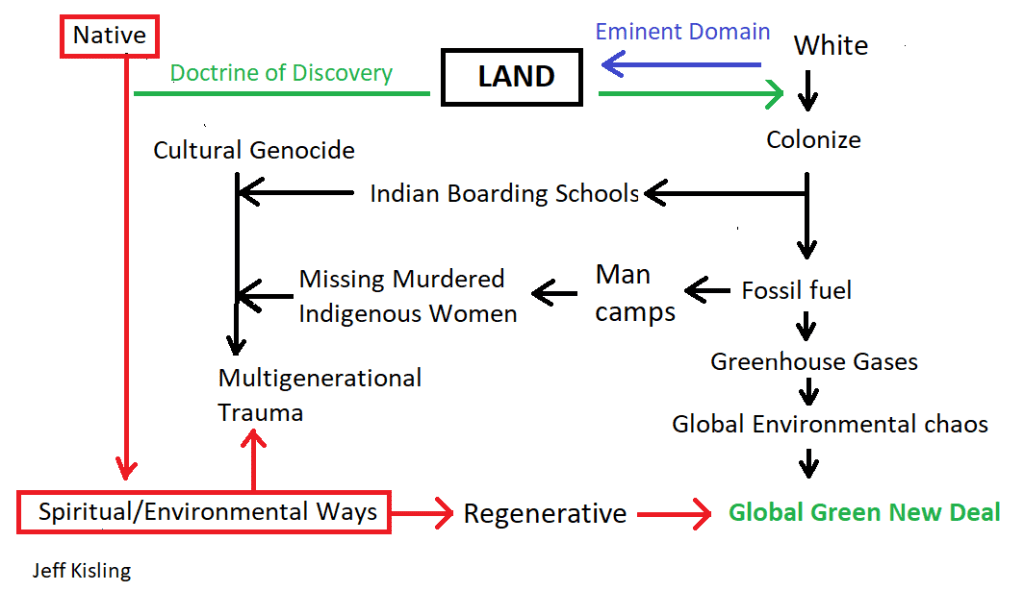
Why do we need to dredge up the Doctrine of Discovery now, more than 500 years later? Because over the centuries, the Doctrine has been embedded in a world view of European superiority and domination and in the legal codes of the lands the Europeans colonized. It continues to be cited by courts in our country and others as justification for denying Indigenous Peoples their rights. The notion of European superiority and domination has been perpetuated by our schools and other institutions. The consequences can be seen in the disproportionate poverty and ill health of Native American people today. How much has it influenced our own thoughts and actions? 

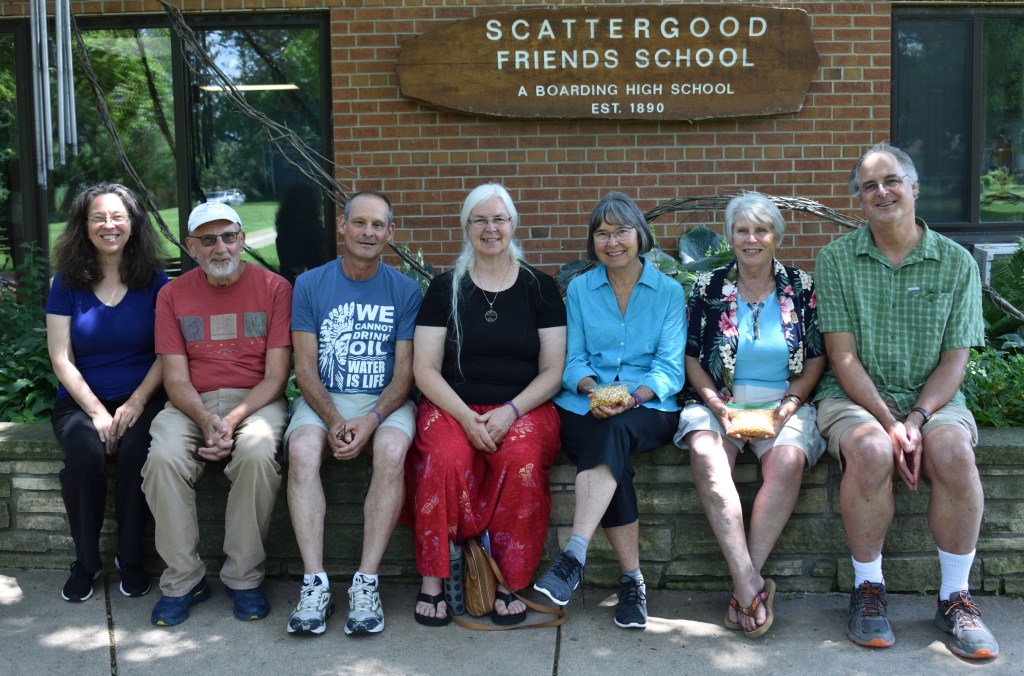
She presented several workshops related to Toward Right Relationships with Native Peoples. One of her presentations was “Quaker Indian Boarding Schools: Facing Our History and Ourselves”, held at Scattergood Friends School July 7, 2019. There is a complicated history related to Quakers’ involvement with Indian Boarding Schools. Although I’m sure they had the best of intentions, the attempts to force assimilation of Native children into White culture had many disastrous results. Paula wrote about this in Friends Journal. https://www.friendsjournal.org/quaker-indian-boarding-schools/

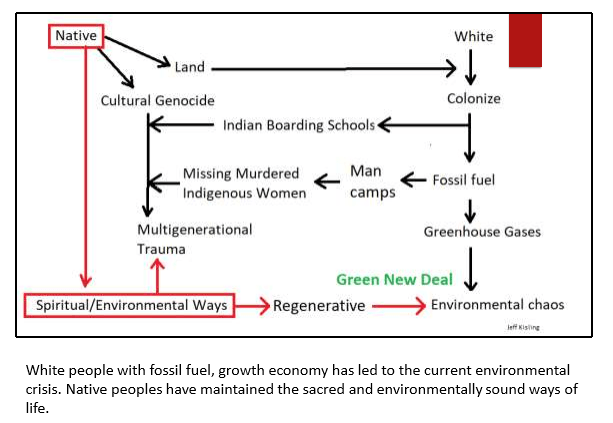
More than 100,000 Native children suffered the direct consequences of the federal government’s policy of forced assimilation by means of Indian boarding schools during the nineteenth and twentieth centuries. Their bereft parents, grandparents, siblings, and entire communities also suffered. As adults, when the former boarding school students had children, their children suffered, too. Now, through painful testimony and scientific research, we know how trauma can be passed from generation to generation. The multigenerational trauma of the boarding school experience is an open wound in Native communities today.

Quaker Indian Boarding Schools: Facing Our History and Ourselves,
by Paula Palmer on October 1, 2016

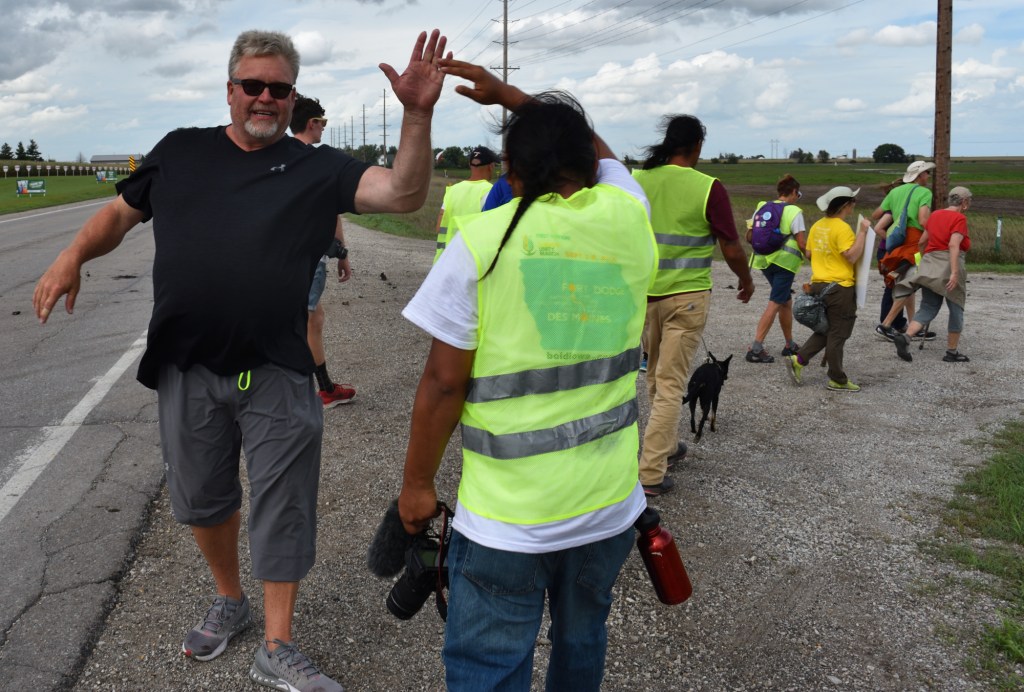
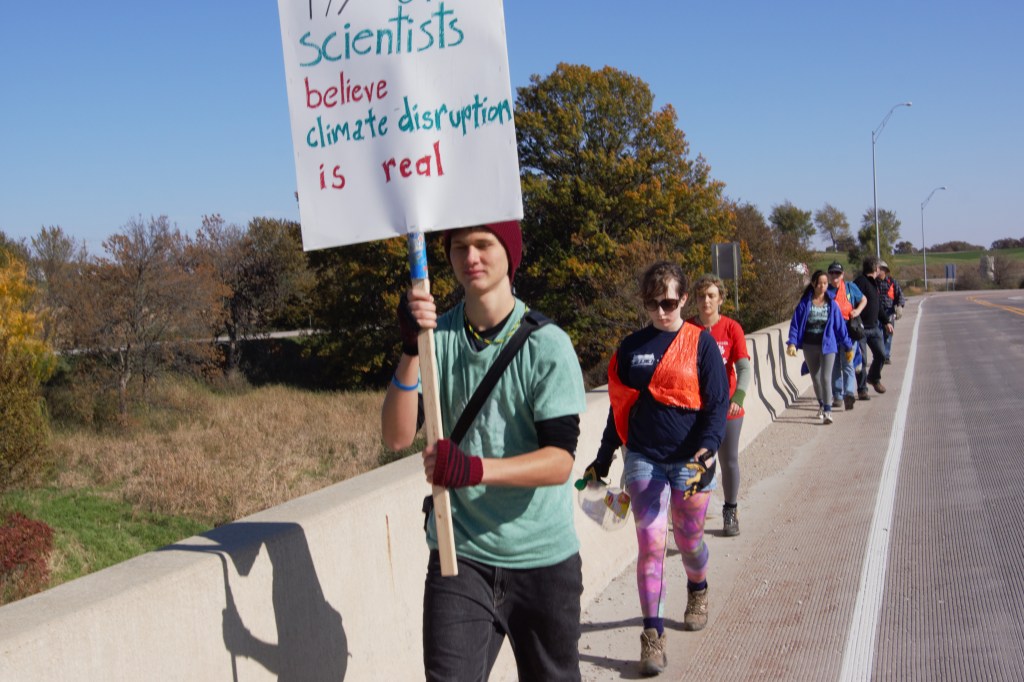
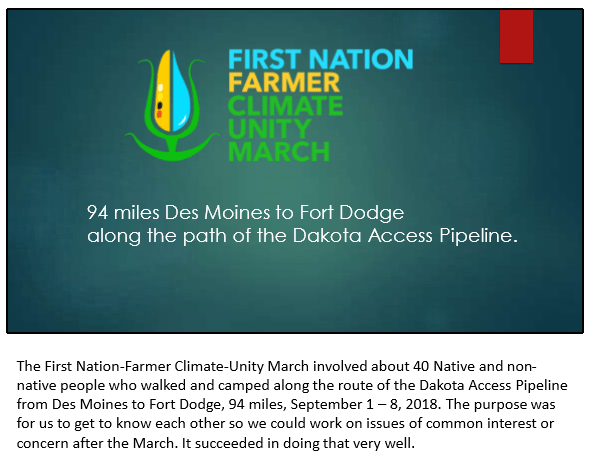
I’ve written about my friend Matthew Lone Bear and I sharing stories about the Quaker Indian boarding schools as we walked together during the First Nation Farmer Climate Unity March in September, 2018. That made it clear to me that trauma such as that is multigenerational. As the blog post about those conversations says, the past isn’t. https://kislingjeff.wordpress.com/2019/06/17/the-past-isnt/

A Place to Call Home

I’m glad today I can share a better story about Native Children.

Great news for the children of Standing Rock! The Lakota People’s Law Project will soon open a foster home with Native caretakers for kids in need on the reservation, a resource that’s been missing for a long, long time.

I know you may have been introduced to us through our shared pipeline resistance and defense of water protectors — and this critical work will remain front and center in 2020 with the coming of Keystone XL to my homelands on Cheyenne River.

Understanding that, I’m excited to share with you today how we got started and more about our important work on behalf of children and families. Back in 2004, I was among a group of Lakota grandmothers who helped found the Lakota People’s Law Project. We needed to stop the taking of our children by the State of South Dakota.

That was true then, and it remains true today.

We grandmothers found our people in the midst of an epidemic, an extension of the boarding school era that I and many of my generation barely survived. Back then, the saying was “Kill the Indian, Save the Man.” These days, there’s no catchy slogan. Instead, quietly — but every day — the State comes in, removes our kids, and almost always puts them in non-Native foster care, where they’re excluded from their culture and prone to high rates of suicide.

The state relocates more than 700 children from tribal homes every year, 90 percent of whom end up in non-Native foster care settings. This pattern persists, even though the Indian Child Welfare Act requires that states do everything in their power to secure Native foster care.

That’s why, in 2005, we confronted South Dakota by bringing in NPR to do a Peabody Award-winning series on the crisis. We also hosted a summit in Rapid City attended by three executive branch agencies from D.C. and all nine tribes from around the state.

Despite our best efforts, the struggle to keep tribal children in Native homes and in touch with their culture continues. Now, we’ve achieved a meaningful milestone in this struggle: working with a group associated with The Nation Magazine and with Standing Rock’s Child Protective Services, we’ve secured a lovely house on the reservation where up to eight foster children will be safe, secure, and loved.

I am also working with another nonprofit based on my home reservation of Cheyenne River to create a “children’s village” in the same spirit as our house at Standing Rock. As we both go forward, we will share knowledge and create opportunities for foster children to connect with one another across tribal nation boundaries. All these kids deserve to know they are not alone, that we are all part of a larger circle.

There is much still to accomplish and we will have more to share with you in the coming weeks. For now, I wish you a very happy holiday season! The support and attention you give the Lakota People’s Law Project makes a huge difference, not just for fossil fuel resistance but for children and families, too.

Wopila — Thank you for standing with our children.

Madonna Thunder Hawk
Tribal Liaison and Grandmother
The Lakota People’s Law Project
Posted in #NDAPL, decolonize, First Nation-Farmer Climate Unity March, Indigenous, Native Americans, Quaker, Toward Right Relationship with Native Peoples, Uncategorized | Tagged | Leave a comment

Slow Down

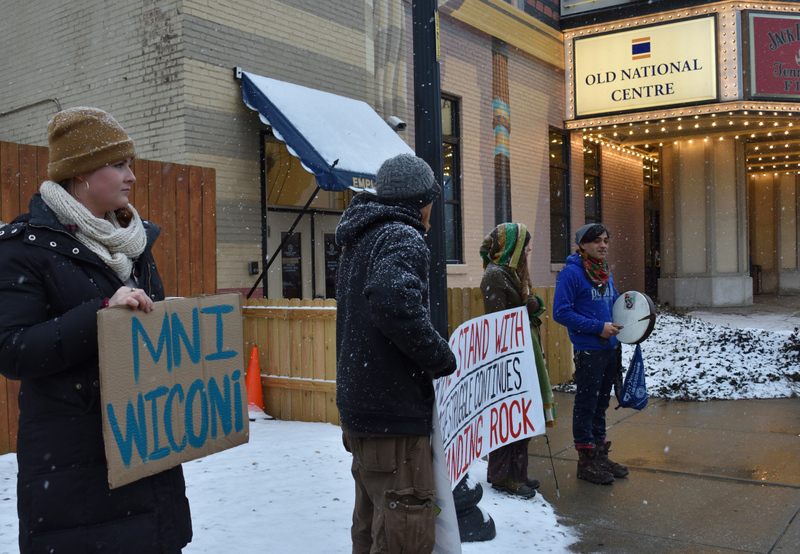
I’ve written about one of my favorite performers and activists, Nahko Bear. The first time I’d heard of him was when we held a water protector rally outside the theater he was performing at in Indianapolis. His band members gave us fist bumps as they passed us.

Nahko often talks between songs. I love stories and Nahko is a good storyteller.

Where my warriors at?

And so I feel like what has been said many times tonight and I appreciate the sentiment that we can say this now in this time and this generation is that prayer is the most G thing you can do homey. And I can say that for my life, in the things that have happened in my life, the anger, for the pain, for the hate, that I’ve carried, that forgiveness, and therefore remembering to pray for those that oppressed us, is the most powerful testament to mankind.

Nahko and Medicine for the People

He is working on some new or revised music. Following is his message in an email title NEW MEDICINE.

On this new moon // full moon also comes our second single
S L O W D O W N

Some of you may know it as Horsetail. Oh, the changes songs go through and how they will live long after us! I’m loving that the first two singles are both songs I wrote nearly ten years ago. They withstood the test of time and got better with age. Truth be told, I hadn’t ever ‘finished’ this song until this past winter when I brought it back out again and gave the second verse some loving consideration. Inspiration derived from a reoccurring injury my partner at the time was working on healing. She began using the plant medicine to help her joints and bones. Everything for us at that time was about moving slow and going with the moment’s flow. We were living in our van with our dogs and were driving around the country exploring. Taking life in moment to moment. While the song is definitely a lullaby and ode to our plant teachers, it also speaks to being afraid of losing your way and reminding oneself to slow it down in order to get the real work done.

After touring for nearly 8 months this year, I’m very ready to slow things down and go into hibernation. My intention this new and full moon is simple: take the items I shelved all year ( i.e. grief, sorrow, and mourning loss // gratitude, self love, forgiveness of self // to name a few ) and care for them. This was likely the hardest year to date for me and it’s a mixed bag because not only was it intensely traumatizing it was also incredibly brilliant and beautiful. After spending a better part of the year caring for everyone else, my intention is to care for myself in a deep way now AND to not feel obligated to anyone else’s needs except my own.

So, may the Archer’s arrow spark a fire for you. May it liberate those stuck places and emotions so that tangible healing can occur. May slowness and stillness provide that broadening horizon for the ultimate manifestation of our prayers and dreams, individually and collectively.
This is about taking your power back, and figuring out how we do it together.

NEW MEDICINE Nahko

“Slow Down”

Slow down, slow down, slooooooow down
It’s been a long time
Comin’ around and smoothing out the edges and slowing down
And listening
What is important, what is your focus? Don’t you go and stumble now
Are you listening?

Horsetail, horsetail we can heal it all
With plant medicine
Body, mind, and spirit crying
Slow down, slow down, slooooooow down
Making a broth for a feverish head, no I’m no stranger to loneliness
Are you struggling?
Sweeter than lavender, years in the making drink it up, it’s your nature

But I’m struggling
Coping with all of it, to hell with enlightenment, clearly, I am no good at this
Who’s even listening?
Take it all on, like you know what you’re doing, try not to lose yourself out there
Are you listening?

Horsetail, horsetail we can heal it all
With plant medicine
Body, mind, and spirit crying
Slow down, slow down, slooooooow down

Slow Down, Nahko and Medicine for the People

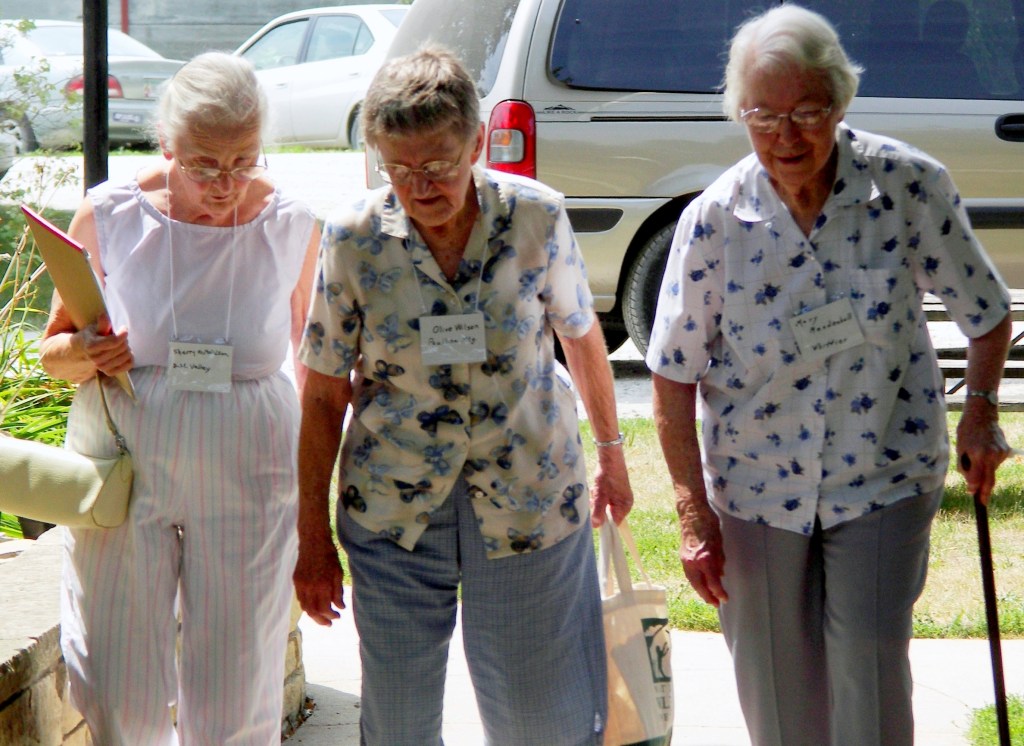
One Sunday recently Bear Creek Friends meeting gathered at my Uncle Ellis Standing’s farm to see and learn about medicinal plants. Their daughter, Cheri Standing, is a pediatrician and learning about plants and their properties.

Posted in #NDAPL, Indigenous, Native Americans, Uncategorized | Tagged | 2 Comments

This Moment

I hope we might be at an inflection point today. The beauty and grandeur of natural landscapes have been desecrated time and again. Those who will go to any extreme to plunder the earth of coal, oil, minerals and even water have used laws and military force for their extractive purposes. Without care for our children and our children’s children.

At Standing Rock many nations and peoples came together and showed the world how to pray and protect the water.

This time it is the sacred ancestral lands of the Apache at Oak Flat in Arizona, with rich deposits of copper, that are threatened. Legislation hidden in the National Defense Authorization Act in 2015 allows Resolution Copper to begin mining that copper in 2020.

Former Chairman Wendsler Nosie Sr. eloquently describes this situation, this spiritual struggle. Calling on people of faith to support efforts to prevent the theft of the land and mining.

The Poor Peoples Campaign is answering the call for people of faith to come to Oak Flat, and will be there this Friday December 13th-14th in solidarity and support of the Apache. The ceremonies will begin at 6:30 pm on Friday in Oak Flat and end on Saturday at 11:00 am.

If you cannot attend in Arizona, then please contact your governmental representatives.

Let this be the moment our faith and our prayers protect Mother Earth and all our relations.


What I have found in my time praying in the indigenous earth based ways, is that it’s not about putting your hands together and talking to god…. It’s about quieting and connecting with the baseline of creation, of nature. Tuning into the frequency and vibration of the natural world, the nature spirits. The beings and entities that have been in existence, for all of existence, the examples and realities of sustainability and harmony.

It’s about becoming receptive to these things. Being open and flowing with them. The spirit guides us, but we have to make ourselves receptive to feel, sense, and respond to this guidance.

Joshua Taflinger

A possible template for a letter or a call to you representative.

Dear _________

Please help protect the sacred ancestral lands of the Apache at Flat Oak, Arizona. If Resolution Copper is not prevented from mining the copper deposits there, it would devastate the area by leaving a 2 mile crater where Oak Flat is now and contaminate the water and air.

Help us preserve these sacred lands to preserve their beauty, and that they might provide spiritual guidance and strength for your children and ours, to all our relations, for many generations to come.

Posted in climate change, decolonize, Indigenous, Native Americans, Uncategorized | Leave a comment