Light your sacred fires

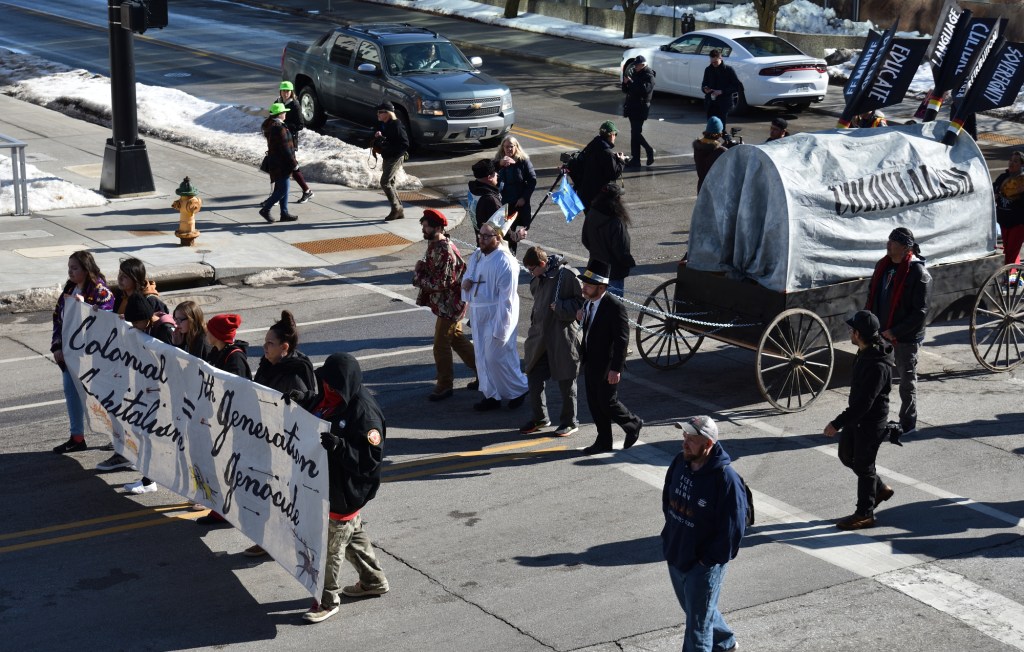
Continuing with a review of the Wet’suwet’en peoples’ efforts to stop the Coastal GasLink pipeline, the following is about the call for international solidarity in January, 2020. There were demonstrations of support all across Canada, and the world. The call is to recognize the urgency of stopping resource extractions projects. There is emphasis that actions of solidarity be conducted peacefully and according to the laws of the Indigenous nation(s) of that land.

And the note to “remember to take good photos and videos to share with the world” would have profound, but at the time unforeseen consequences on my life.

For the Week of Action, January 7-12, 2020, you answered the call for solidarity with the Wet’suwet’en nation. You organized rallies, marches, and rolling blockades. You put pressure on the government and industry. You raised funds, called your representatives, and disrupted “business as usual” all over the continent and the globe! 

All of our supporters helped us achieve the major victory of evicting Coastal GasLink from our unceded lands. Now, in the face of increasing RCMP threats of violence and intimidation, we need you to KEEP GOING – continue showing up and shutting it down. The time is NOW to recognize indigenous sovereignty around the world! We are asking for folks to harness the power of this catalyzing moment to create sustained action in solidarity. For ideas and information, check out our updated Supporter Toolkit.

We call for solidarity actions from Indigenous and non-Indigenous communities who uphold Indigenous sovereignty and recognize the urgency of stopping resource extraction projects that threaten the lives of future generations.

Remember to take good photos and videos to share with the world.

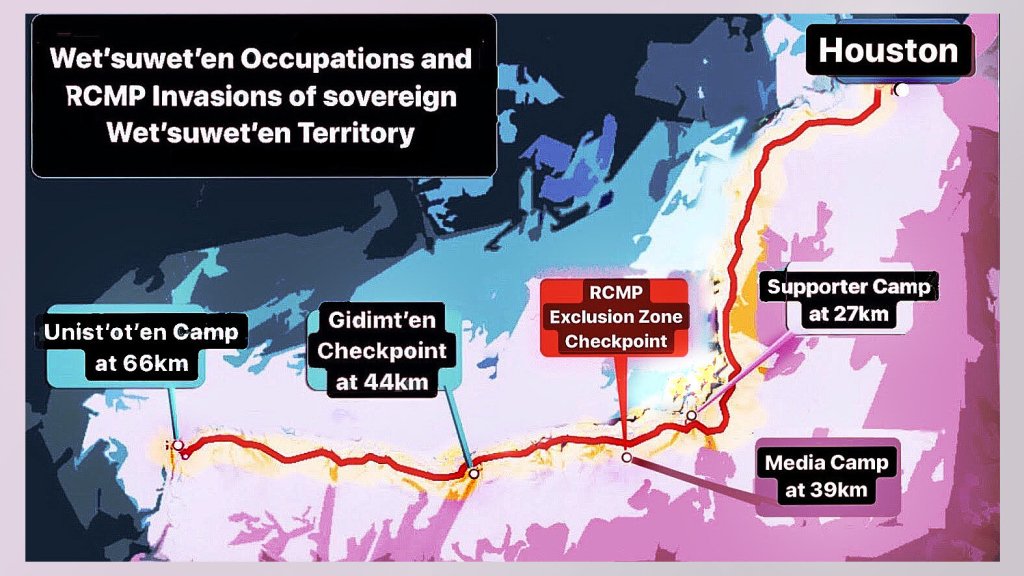
Unceded and sovereign Wet’suwet’en land is under attack. On December 31, 2019, BC Supreme Court Justice Marguerite Church granted an injunction against members of the Wet’suwet’en nation who have been stewarding and protecting our traditional territories from the destruction of multiple pipelines, including Coastal GasLink’s (CGL) liquified natural gas (LNG) pipeline. Hereditary Chiefs of all five Wet’suwet’en clans have rejected Church’s decision, which criminalizes Anuk ‘nu’at’en (Wet’suwet’en law), and have issued and enforced an eviction of CGL’s workers from the territory.  The last CGL contractor was escorted out by Wet’suwet’en Chiefs on Saturday, January 4, 2020.

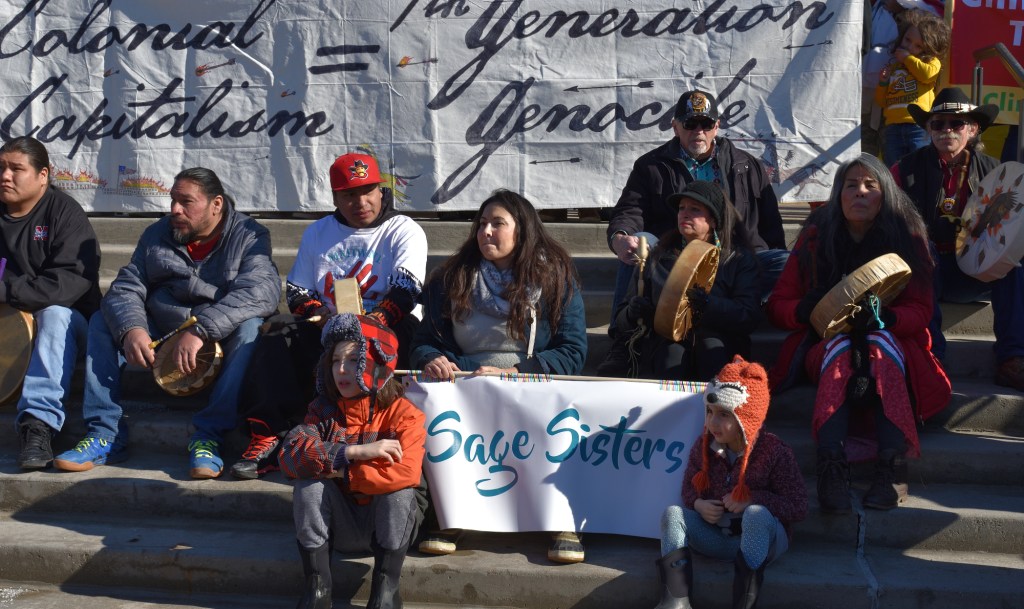
We watched communities across Canada and worldwide rise up with us in January 2019 when the RCMP violently raided our territories and criminalized us for upholding our responsibilities towards our land. Our strength to act today comes from the knowledge that our allies across Canada and around the world will again rise up with us, as they did for Oka, Gustafsen Lake, and Elsipogtog, shutting down rail lines, ports, and industrial infrastructure and pressuring elected government officials to abide by UNDRIP. The state needs to stop violently supporting those members of the 1% who are stealing our resources and condemning our children to a world rendered uninhabitable by climate change.

Light your sacred fires and come to our aid as the RCMP prepares again to enact colonial violence against Wet’suwet’en people.

We ask that all actions taken in solidarity are conducted peacefully and according to the laws of the Indigenous nation(s) of that land.

For more information:

Wet’suwet’en Supporter Toolkit
Donate to Unist’ot’en
Donate to Gidimt’en


Posted in LANDBACK, Unist'ot'en, Wet’suwet’en | Leave a comment

Canada is ready to kill us

I originally published much of the following article on February 12, 2020. The events described below took place during the Royal Canadian Mounted Police (RCMP) raid on unceded Wet’suwet’en territory on February 7, 2020.

What follows explains why I became involved in supporting the Wet’suwet’en and their struggles to stop the Coastal GasLink natural gas pipeline from being built on their beautiful lands.

I’ve spent a lot of time and effort working against pipelines myself. Through the Keystone Pledge of Resistance, and working against the Dakota Access pipeline. (see: #LANDBACK and Pipelines )

One of the reasons for revisiting this now is because my Native friends have told me the way we nonnative people can support them is to become engaged in #LANDBACK, which is the reclamation of everything stolen from the original Peoples. Land, Language, Ceremony, Medicines and Kinship. Denzel Sutherland-Wilson says below, “land back”.

As difficult as it is to learn about the attacks on the Wet’suwet’en peoples, these provide a real education for us nonnative peoples, showing that the oppressions of Indigenous peoples, the theft of their lands, language, ceremony, medicines and kinship, continue to this day.

I became involved because of the call for solidarity:

“All of our supporters helped us achieve the major victory of evicting Coastal GasLink from our unceded lands. Now, in the face of increasing RCMP threats of violence and intimidation, we need you to KEEP GOING – continue showing up and shutting it down. The time is NOW to recognize indigenous sovereignty around the world! We are asking for folks to harness the power of this catalyzing moment to create sustained action in solidarity. For ideas and information, check out our updated Supporter Toolkit.” February 16, 2020. UNIST’OT’EN | All Eyes on Wet’suwet’en: International Call for Solidarity! (unistoten.camp)

When I saw the horrible video that is included at the end of this, I recognized the names of the two land defenders on the tower who were threatened by guns pointing at them by the Royal Canadian Mounted Police (RCMP). Denzel Sutherland-Wilson (Gitxsan) and Anne Spice (Tlingit).

The strength of social media is the powerful ways we can share our stories. I enjoyed hearing and seeing Eve Saint, Anne Spice and Denzel Sutherland-Wilson talk about their culture and what the land means to them. Hear them laugh when talking about evicting a 6 billion dollar pipeline. Whisper “land back.”

It’s like we get to know them just a little. It hit me very hard when I heard Denzel tell the RCMP they didn’t need to point guns at him. I was thinking “how could they possibly do that to someone who obviously loves the land he is on so much? The land he is defending with his very life?” He is so brave.

Our culture and our tradition is the land. We are directly connected to the land. It’s our spirituality. We cannot be forced to be away from our land.
Nine days since we took the land back.
It feels like something you don’t normally do. (laughter) Its revolutionary, right?
I don’t think anyone’s ever really evicted like a 6 billion dollar pipeline before.
People get confused about what we want as Native people. Like “what do you want?”
Just like, “land back!”. Don’t need any reconciliation, don’t want money, like I don’t want programs or funding or whatever.
(whispers “land back”)
Funny though, when I said that to my Dad, Wet’suwet’en people, if you tell them about LANDBACK, they’re like “we never lost the land, anyway.” Which is true.
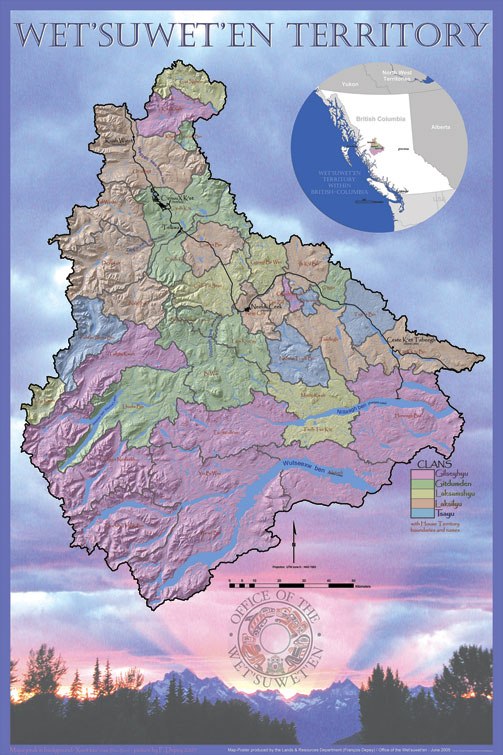
Wet’suwet’en have never given up title to their 22,000 square kilometer territory.

Denzel Sutherland-Wilson


Canada is ready to kill us. Reconciliation is dead.

[ WARNING: This video contains graphic images of an armed threat on the lives of land defenders Denzel Sutherland-Wilson (Gitxsan) and Anne Spice (Tlingit). It may be traumatic for many to see. But we feel strongly that it should be available to witness. Denzel, Anne, and all the land defenders are now safe. These events took place during the RCMP raid on unceded Wet’suwet’en territory on February 7, 2020. The video was filmed by Gitxsan land defender Denzel Sutherland-Wilson from atop this tower. ]

When Canada is ready to kill us, reconciliation is dead. They deployed over 50 police officers, tactical teams, automatic weapons, dogs, snowmobiles, helicopters, and snipers to remove four unarmed Indigenous land defenders from unceded Wet’suwet’en territory. Canada has us in its sights. They bring lethal force because they are afraid of our power. We have the land, and all the ancestors, and dozens of indigenous nations standing behind us. Our land defenders were arrested, but they are free and safe. The land is still under siege. Rise up.

#shutdowncanada #AllEyesOnWetsuweten #WetsuwetenStrong #ReconciliationIsDead #LandBack
Callout for Solidarity: http://unistoten.camp/alleyesonwetsuweten
Gidimt’en Call to action: http://www.yintahaccess.com
Donate to Gidimt’en camp: https://www.gofundme.com/f/gidimt039en-strong
Wet’suwet’en Access Point on Gidimt’en Territory


Posted in civil disobedience, decolonize, Indigenous, Uncategorized, Unist'ot'en, Wet’suwet’en | Leave a comment

#LANDBACK INVASION

Following is a video and some discussion questions related to this series of posts about #LANDBACK.

In this era of “reconciliation”, Indigenous land is still being taken at gunpoint. INVASION is a film about the Unist’ot’en Camp, Gidimt’en checkpoint and the larger Wet’suwet’en Nation standing up to the Canadian government and corporations who continue colonial violence against Indigenous people.

The Unist’ot’en Camp has been a beacon of resistance for nearly 10 years. It is a healing space for Indigenous people and settlers alike, and an active example of decolonization. The violence, environmental destruction, and disregard for human rights following TC Energy (formerly TransCanada) / Coastal GasLink’s interim injunction has been devastating to bear, but this fight is far from over.
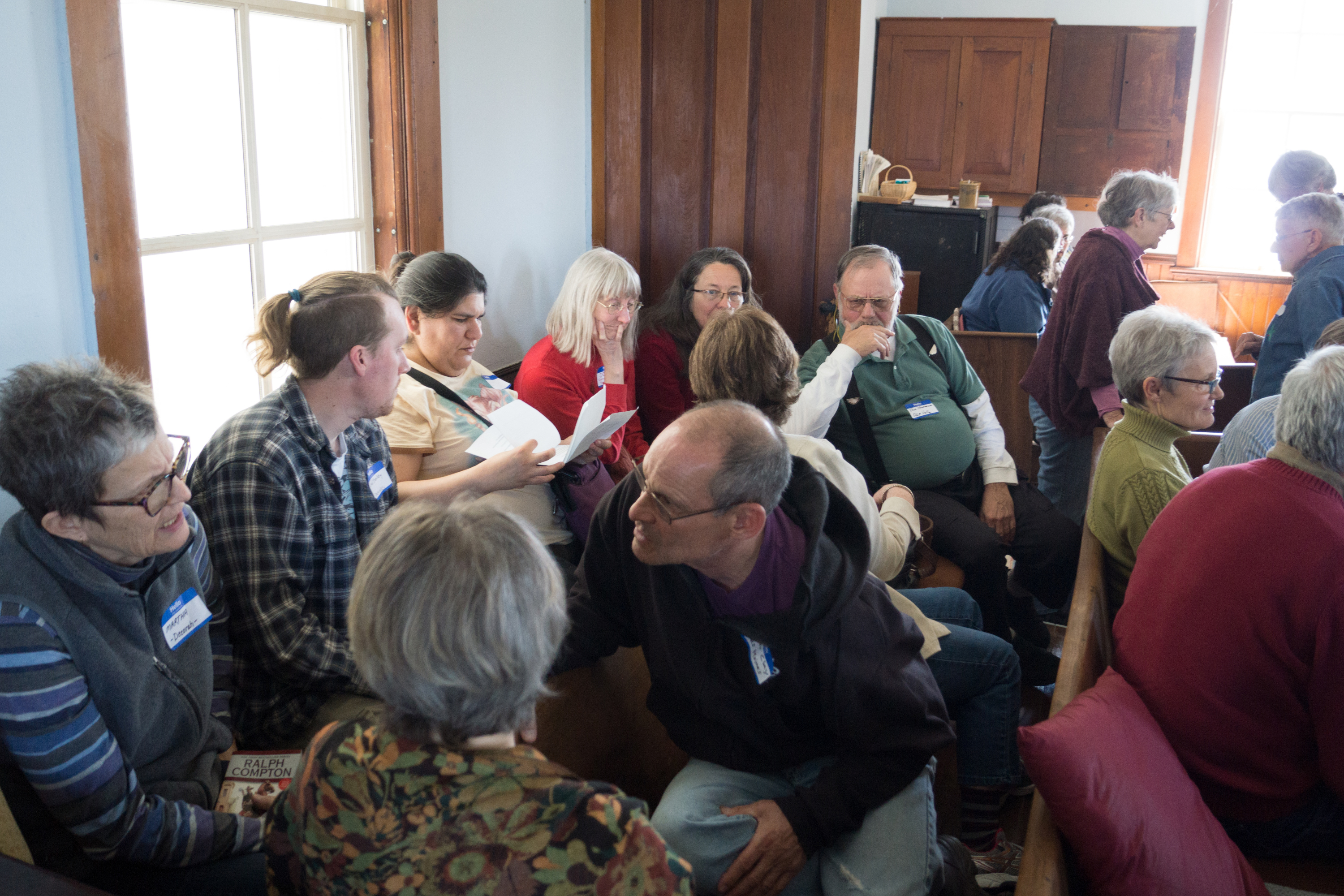
Following are suggested questions for discussion after seeing the film. The questions can, of course, be used for that lands you live on.

  • What is the colonial history of this region? Who occupied these lands before the establishment of the current borders & national government?
  • What does anti-colonial struggle look like in this area?  Are there any active anti-colonial struggles going on?
  • What projects are people in this room currently engaged with that could benefit from applying more of an anti-colonial lens?  What would this actually look like in practice… aside from just token acknowledgement?
  • What are some of the practical things that non-Indigenous activists should know about when working with Indigenous groups, or in Indigenous-led campaigns?  
  • What financial institutions, politicians, or corporations based in your community are supporting the destruction of Wet’suwet’en lands?
  • What are some ways of demonstrating material support for the Unis’tot’en and Wet’suwet’en? How can you support Wet’suwet’en sovereignty from your stand?
Posted in First Nations, LANDBACK, Uncategorized, Unist'ot'en, Wet’suwet’en | Leave a comment

#LANDBACK and Wet’suwet’en Hereditary Chiefs

My introduction to the concept of #LANDBACK began when I learned about the Wet’suwet’en peoples in British Columbia, and their struggle to stop the construction of the Coastal GasLink natural gas pipeline through their lands.
(see: LANDBACK )

Who has the authority to make decisions about that land is a little confusing. The hereditary chiefs are said to have that authority, because they never gave up the title to their lands, and have/are resisting the pipeline construction. There is also elected a band council that seems to be similar to mayors of cities.

TORONTO — Protests across the country in support of the Wet’suwet’en hereditary chiefs have prompted questions surrounding the difference between these chiefs and elected band councils — and the answer is complicated.

Essentially, the hereditary chiefs oversee the management of traditional lands and their authority predates the imposed colonial law, which formed the elected band council.

While the band council is in support of the Coastal GasLink pipeline, the hereditary chiefs are not.

“(The band council has) done their due diligence and they want to be part of this economic initiative, create jobs for their people, be part of the economy, and they balanced the environment and the economy,” National Chief Perry Bellegarde of the Assembly of First Nations told CTV’s Power Play earlier this week.

“In the ancestral territory lands of the Wet’suwet’en peoples, it’s the hereditary chiefs and their clans and their big houses that have the jurisdiction,” Bellegarde added. “That’s the piece that’s missing, so when Coastal GasLink and governments come in, they didn’t bring the Wet’suwet’en nation and the proper people in place to deal with their ancestral lands.”

Anti-pipeline protests in support of the hereditary chiefs have halted train routes, ferry ports and busy intersections across the country since late last week.

Wet’suwet’en: What’s the difference between the elected band council and hereditary chiefs? by Ben Cousins, CTVNews,ca, Feb 13, 2020

Posted in LANDBACK, Uncategorized, Wet’suwet’en | Leave a comment

#LANDBACK and Pipelines

I recently began to write what will be a series of blog posts related to #LANDBACK.
(see: My introduction to LANDBACK )

I am learning about and working for #LANDBACK because Indigenous friends tell me this is how I/we white people can best support them. And because I continue to be alarmed at the environmental chaos we are experiencing, and will increasingly experience. I believe Indigenous leadership is our best hope to do what we can to slow down and try to deal with the increasingly devastating consequences of what we have done to Mother Earth.

As I said in the introduction cited above, I believe the first time I heard of the concept of #LANDBACK was when I became aware of the struggles of the Wet’suwet’en peoples in British Columbia as they tried to protect their beautiful lands and clear, clean water from the construction of the Coastal GasLink natural gas pipeline.

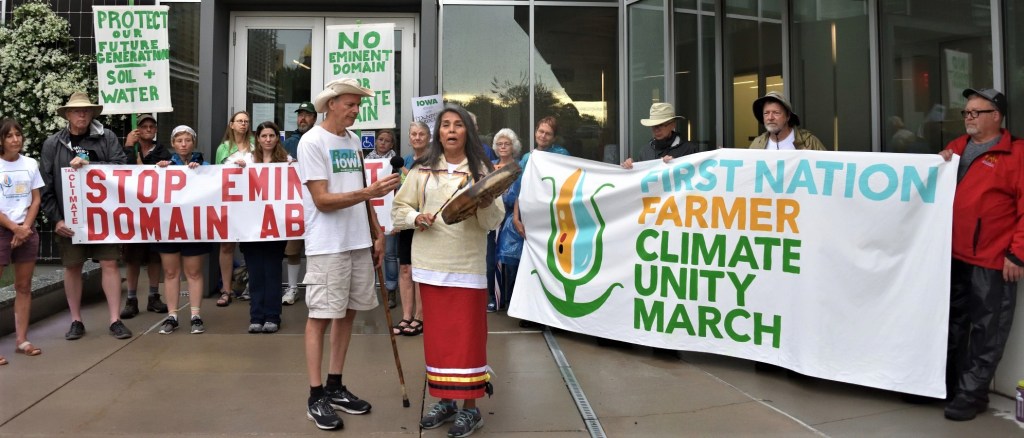
Fossil fuel infrastructure has been the focus of environmental concern for many years. The location of fossil fuel infrastructure, including refineries and pipelines, is often an example of environmental racism. Pipelines have a terrible record of spills and devastating damage. Construction of pipelines often requires eminent domain to force landowners to allow pipeline construction on their land. Permission many would not give voluntarily.

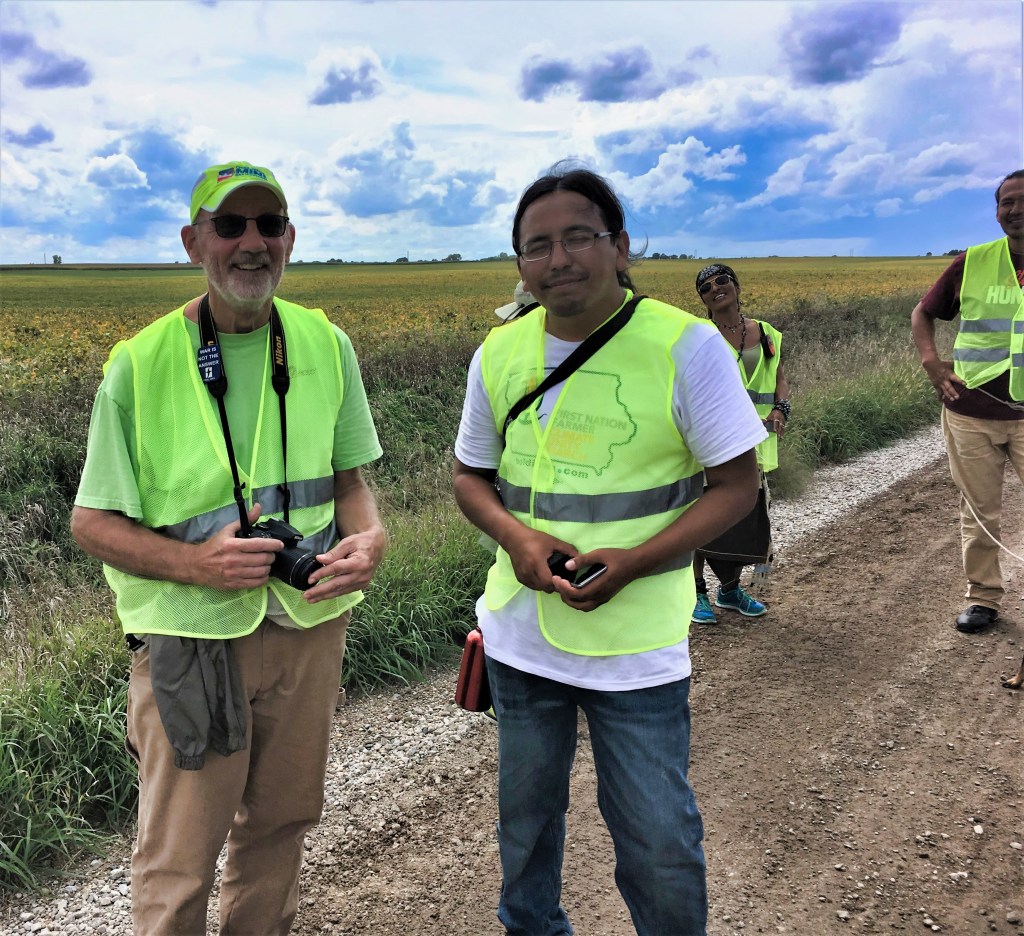
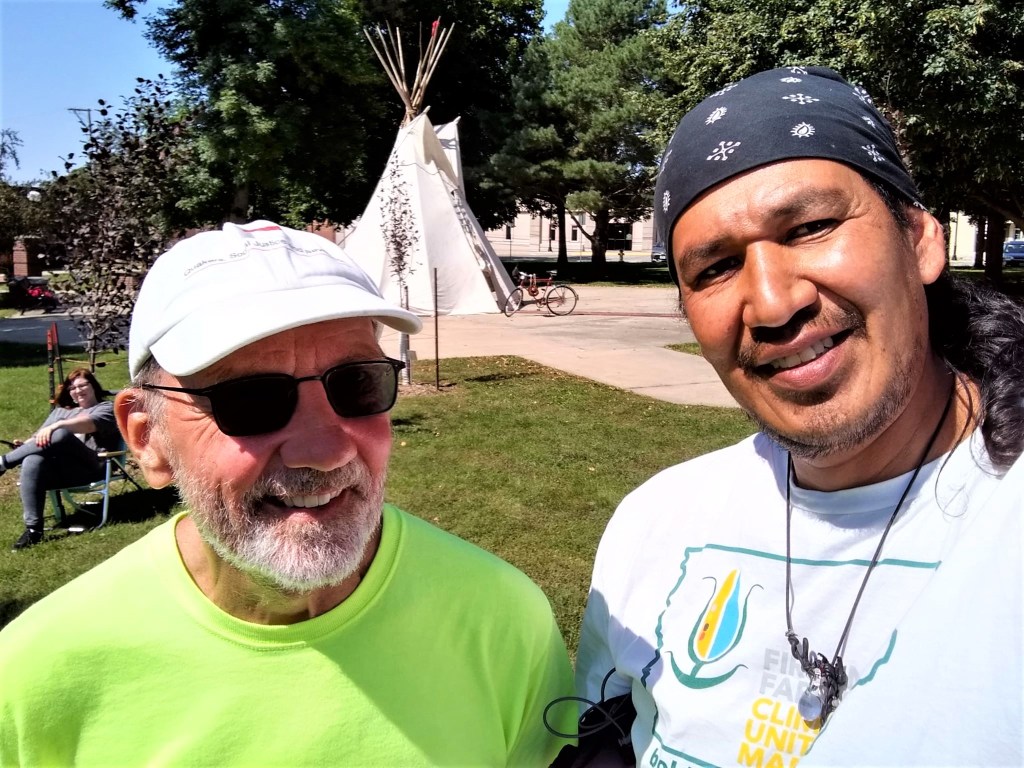
One of the reasons for the First Nation-Farmer Climate Unity March I participated in was to call attention to the abuse of eminent domain for construction of the Dakota Access Pipeline.
(see: First Nation-Farmer Unity March )

Christine Nobiss speaks as the First Nation-Farmer Climate Unity March begins. Sept 1, 2018

The rate and volume of fossil fuels getting to refineries via pipelines determines the availability of fossil fuels to burn. Without pipelines, the rate of greenhouse gas emissions would have been greatly reduced.

The pipeline companies tell landowners they will set aside the rich topsoil of the land, and put that back on top of where the pipeline lies. That usually is not done. Instead the rich topsoil is mixed with the underlying clay. Not only does that reduce the fertility of the soil for crops to grow in, the clay mixture interferes with drainage from the fields. Areas of standing water also impair crop growth.

Soil mixed with clay from pipeline construction interferes with water drainage

Using trains to transport oil is a dangerous alternative.


The Lac-Mégantic rail disaster occurred in the town of Lac-Mégantic, in the Eastern Townships region of Quebec, Canada, at approximately 01:15 EDT,[1][2] on July 6, 2013, when an unattended 73-car freight train carrying Bakken Formationcrude oil rolled down a 1.2% grade from Nantes and derailed downtown, resulting in the fire and explosion of multiple tank cars. Forty-seven people were killed.[3] More than 30 buildings in the town’s centre, roughly half of the downtown area, were destroyed,[2][4] and all but three of the thirty-nine remaining downtown buildings had to be demolished due to petroleum contamination of the townsite.[5] Initial newspaper reports described a 1-kilometre (0.6 mi) blast radius.[6]

Wikipedia Lac-Mégantic rail disaster

The Northwest dodged a bullet December 22, 2020, when yet another oil train derailed and caught fire. By the end of the disaster in Custer, Washington, the derailment spilled 29,000 gallons of crude oil from North Dakota, much of which burned in the ensuing blaze that lasted a full eight hours. Cleanup crews did the best they could, but as much as 8,000 gallons of crude oil will continue to contaminate the site.

A TIMELINE OF OIL TRAIN DERAILMENTS IN PICTURES
Since 2013, North America has seen at least 21 oil train accidents—and counting by Zane Gustafson and Eric de Place, Sightline Institute, Feb 26, 2021

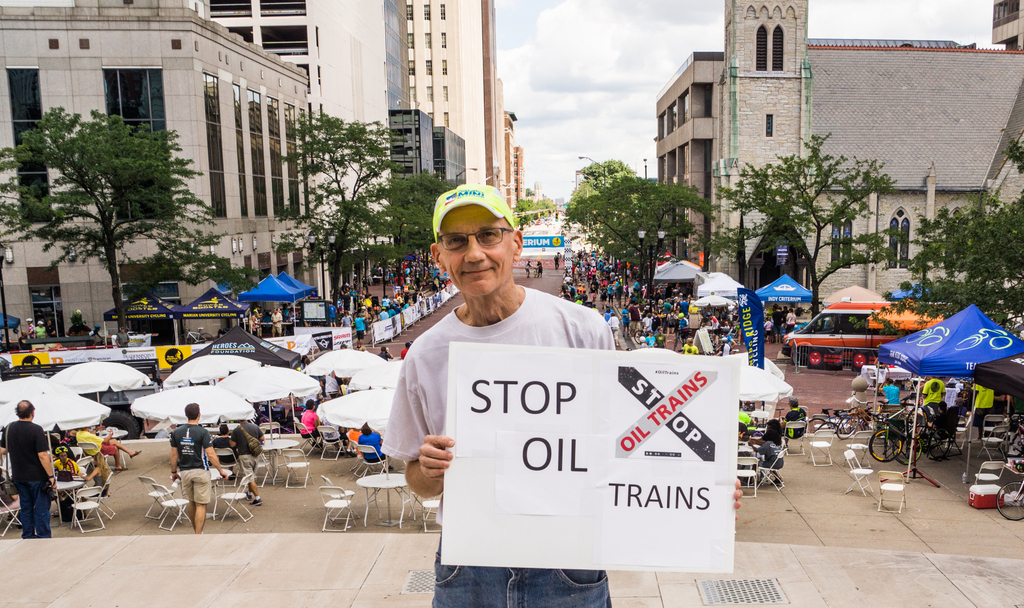
Me in downtown Indianapolis, 2016

I don’t know if it is still the case, but oil trains once traveled through large population areas. I didn’t get any interest from friends to attend this “demonstration” in downtown Indianapolis in 2016, so I had to ask a stranger to take this photo.

Posted in #NDAPL, climate change, Dakota Access Pipeline, First Nation-Farmer Climate Unity March, Indigenous, LANDBACK, Uncategorized, Wet’suwet’en | Leave a comment

Brave New World

As I’m learning more about how to build a better world, the title of the book by Aldous Huxley comes to mind.

Brave New World is a dystopian social science fiction novel by English author Aldous Huxley, written in 1931 and published in 1932. Largely set in a futuristic World State, whose citizens are environmentally engineered into an intelligence-based social hierarchy,

Wikipedia

I’m having a great deal of difficulty getting my white friends to see the fundamental injustices of the culture of white supremacy and capitalism. Beyond the moral imperative, this is even more urgent to understand now as change is being forced upon us. As environmental chaos rapidly worsens. As our political and economic systems fail. We don’t want to perpetuate current injustices in whatever comes next.

I’ve been developing versions of the diagram below to try to illustrate these things. For over a year I’ve been learning about, participating in a Mutual Aid community. That is shown as the way forward by its position at the bottom of the diagram.

The other thing I have just begun to learn about is LANDBACK.

My first post about LANDBACK was published a couple of days ago. My introduction to LANDBACK. My first real introduction was when I heard Denzel Southerland-Wilson talk about LANDBACK in January, 2020. I’ll soon be writing about the terrifying time when Royal Canadian Mounted Police had him in the sights of a sniper rifle as he was protecting his land.

When I recently asked some of my Native friends how I/we white people could be most supportive, the answer was #LANDBACK. (The hashtag is often used when talking about LANDBACK, because doing so will include what you write in the results returned when people search the Internet.)

The idea of Indigenous peoples leading justice work is often heard but had not often been practiced, in my observations. But recently there has been a noticeable rise in Indigenous led activism.

Will we follow that leadership, and work for LANDBACK?

What I am learning is #LANDBACK is about much more than returning control of public lands to Indigenous peoples. Following is an outline of the concepts of #LANDBACK.

#LANDBACK is the reclamation of everything stolen from the original Peoples.

  • Land
  • Language
  • Ceremony
  • Medicines
  • Kinship

LANDBACK Manifesto


This diagram is a work in progress. While working on it this morning, I realized the interconnectedness of Mutual Aid and LANDBACK.

I like to think of this as an outline for a Brave New World.

Outline for a Brave New World
Posted in capitalism, Indigenous, LANDBACK, Mutual Aid, Uncategorized, white supremacy | Leave a comment

The Soul Would Have No Rainbow

I’ve been reading The Soul Would Have No Rainbow if the Eyes Had No Tears and other Native American Proverbs, collected by Guy A. Zona. He thanks the individuals and organizations who contributed to the collection below.

From the Preface:

Proverbs are time-honored truths which condense the collected wisdom and experience of a people and their culture. If you want to know a people, the saying goes, know their proverbs.

Proverbs often serve as a means of instruction in the rules of conduct and ethical behavior expected by all members of a society; what makes them an effective tool is that they are based on a keen observation of human nature and behavior rather than an idealized and unrealistic standard.

The proverbs collected in The Soul Would Have No Rainbow if the Eyes Had No Tears are those of people who love the land and regard it as sacred, who see daily prayer as a duty, and have no need to set apart one day in seven as a holy day, but rather observe every day as God’s day. They recognize and honor women in their roles as mothers, teachers, artists and in governing the tribe.

The Native American tribes’ models of eloquence are to be found not in books but in the living orators of their local and national assemblies and tribal functions. They are the true authors of this volume, which makes a small attempt to honor their great oral traditions.

–Guy A. Zona


I was thinking about this book as I walked through the land to capture images on this foggy Sunday, or First day as some Quakers say, morning. I remembered what was written about every day as God’s day, because we Quakers say we believe that as well. I wonder what proverbs Quakers might have.

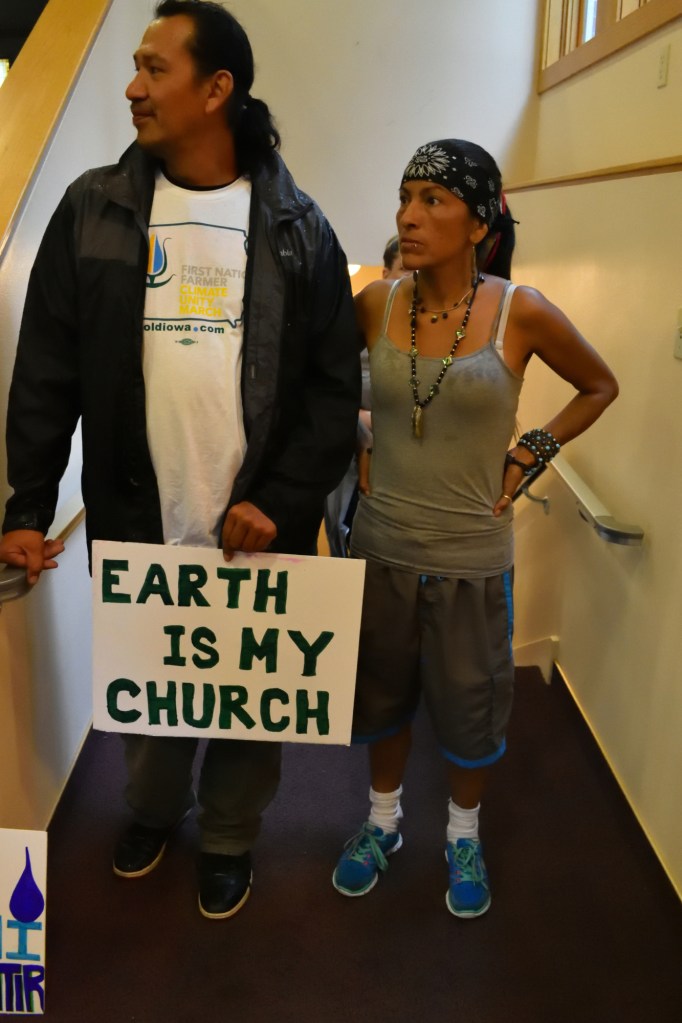
I am reminded of my friends Alton and Foxy Onefeather, who carried a sign saying “Earth is my Church” during the First Nation-Farmer Climate Unity March (2018). One of the most powerful things I remember from that March (walking 94 miles along the path of the Dakota Access pipeline) were the prayers offered by my friend Donnielle Wanatee at those times when we walked across the path of the pipeline. Standing on top of the pipeline caused great emotion and tears.

I realize those who are lost, who practice lies and war, can not have proverbs because they do not have honorable rules of conduct and ethical behavior. No collected wisdom. How tragic that is.


With all things and in all things, we are relatives. SIOUX

Stand in the light when you want to speak out. CROW

All Children of the Earth will be welcome at our council fires. SENECA

Give me knowledge so I may have kindness for all. PLAINS INDIAN


The author is indebted to the following individuals and organizations for their contributions to this collection.

  • The American Indian Heritage Foundation
  • The American Indian Lore Association
  • Blue Cloud Abbey
  • Chief Serpent’s Tail
  • Chief Standing Bear
  • The Council for Indian Education
  • Eastern Shawnee Tribe
  • Eastern Shoshone Cultural Resource Center
  • Pride Runs Deep

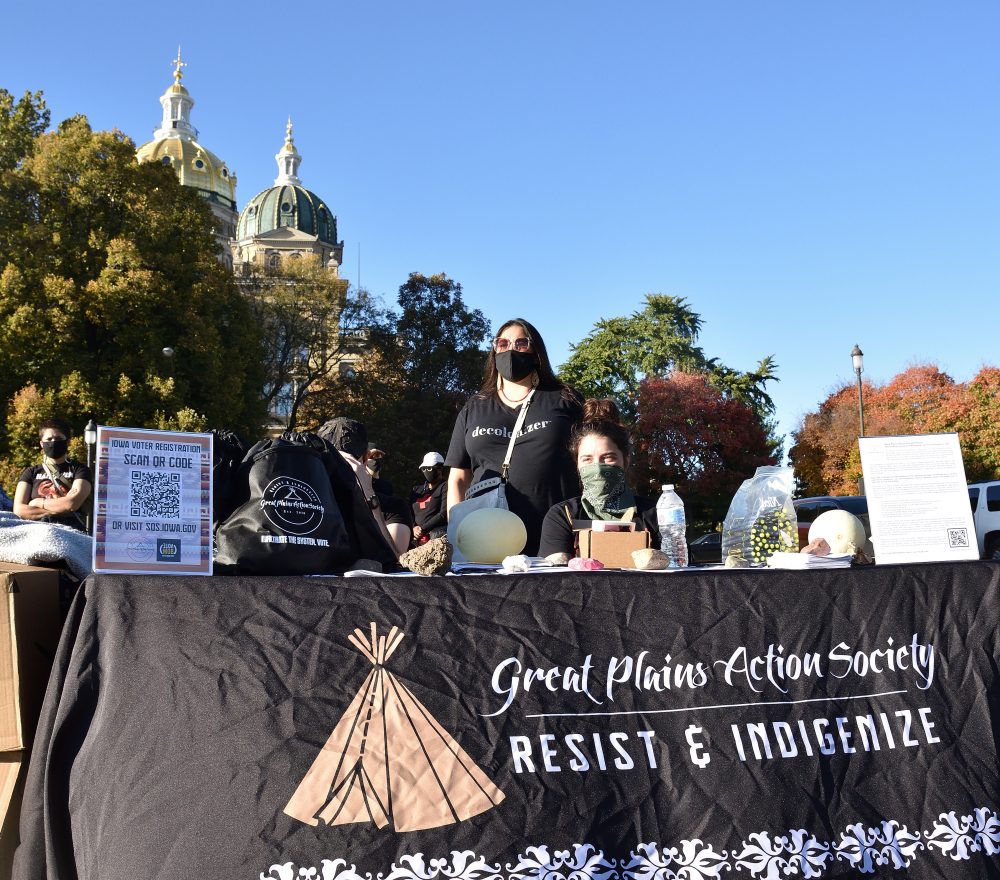
Posted in #NDAPL, Dakota Access Pipeline, First Nation-Farmer Climate Unity March, Great Plains Action Society, Indigenous, Quaker, Uncategorized | Leave a comment

One Quaker’s Response to LANDBACK

When I recently asked my Native friends how I could support them, they said “LANDBACK”. My Spirit agrees. This is a new path of exploration for me, and I will need guidance, from the Spirit and all things human and non human.

LANDBACK is not a new concept to me. I grew up in rural, farming communities. I was puzzled by fences, and the idea of land ownership. (For an explanation of what LANDBACK is, see My introduction to LANDBACK.)

Yesterday’s blog post, My introduction to LANDBACK., was the first in what will be a series about LANDBACK. As such, I was especially anxious to see what reaction there might be.

LANDBACK is not something I have previously discussed with Quakers. I was apprehensive because many Friends have trouble dealing with the history of Quakers’ involvement with the forced assimilation of Native children. Many white Friends have trouble dealing with Quakers’ history related to enslavement. Many white Friends are uncomfortable with their white privileges today.

So I was very grateful to receive the following response from my friend and fellow Quaker, Marshall Massey, which I am sharing with his permission.

As far as archæology can tell, no one actually lived on any of the land within fifty miles of where I, personally, live, until the 1870s, when whites came to use it for transshipment. It was too dry and barren and empty to support people who just lived *here*. There’s a part of the Bighorn River Canyon about 90 miles southeast of me, where very small numbers of people like the Anasazi lived in Anasazi-style cliff dwellings, at about the time of the Anasazi, perhaps 800 or 1200 years ago. They fished the streams, hunted the nearby hills, and probably cultivated small patches of ground. But that was long before horses arrived, and they had no real reason to come the long distance (it would have been a week or more on foot) from where they dwelt to where I live, except perhaps in curiosity about what the land looked like.

By the time the natives of my area had horses, my area, along with most of the broad stretch of land from the Bighorn to the Rocky Mountain Front — 400 miles and more miles across — was an area that the nearest tribes (Crow and Blackfeet) hunted buffalo and other prey on horseback in, but did not settle in, and did not regard as a possession. They rode across it, from their own edge to the other tribe’s edge, to raid the other tribe’s dwellings on the far side, to steal horses and count coup and work revenge. They spoke of this to the European-Americans: “This all belongs to the Great Spirit,” they said, “and the Great Spirit meant us to have the use of it, but not to own it.” If you want an exact quotation, here is Crowfoot, a chief among the Blackfeet, speaking some time around 1885: “We cannot sell the lives of men and animals; therefore we cannot sell this land. It was put here for us by the Great Spirit and we cannot sell it because it does not belong to us.”

We have a similar testimony in the Bible — would you believe it? Funny coincidence. “The earth is YHWH’s,” it says, “and the fullness thereof.” (YHWH is a Hebrew word which some modern scholars believe began as a representation of the great wind that fills all the sky, or the great breath that animates all beings: the great spirit.) You may know this passage: it appears in Deuteronomy 10:14 and Psalm 24:1, and is repeated in I Corinthians 10:26. Not that the Bible matters much to liberal activists any more, though; most of them would much, much rather get the same teaching from some other source, anywhere else but their own tradition. Nonetheless, this teaching in the biblical tradition is why the believers in the early Church held all things in common and committed all their resources to look after one another. How can anyone really own what God has put in place for all, especially in cases where someone else has an unmet need? Deuteronomy and Psalms represent wisdom teachings that date back three thousand years, and were I a betting man, I would bet the wisdom of non-possession goes back to the dawn of thought about such things — millions of years back, to when our ancestors and the ancestors of chimpanzees were one people.

I have begun to think that many modern Americans — including, unfortunately, many modern, Westernized native Americans, and at least equally unfortunately, also many modern Quakers — will never, never let themselves comprehend the idea of non-ownership. Their souls are too far shriveled. Surely the land must have been someone’s property, whenever there was anyone even remotely able to make a claim. But this was the testimony of the natives of that time, and of Friends as well. And I believe it is the truth. You might as well claim that somebody owns the sun.

–Marshall Massey


#LANDBACK

Posted in capitalism, decolonize, enslavement, Indigenous, LANDBACK, Native Americans, Quaker, Uncategorized | 1 Comment

My introduction to LANDBACK

One of the main areas of work of my native friends is LANDBACK.

Many white people have been learning about the concept of land acknowledgement. Native people say, now that you (white people) have acknowledged whose land you are on, what next?

But the idea of “landback” — returning land to the stewardship of Indigenous peoples — has existed in different forms since colonial governments seized it in the first place. “Any time an Indigenous person or nation has pushed back against the oppressive state, they are exercising some form of landback,” says Nickita Longman, a community organizer from George Gordon First Nation in Saskatchewan, Canada.

The movement goes beyond the transfer of deeds to include respecting Indigenous rights, preserving languages and traditions, and ensuring food sovereignty, housing, and clean air and water. Above all, it is a rallying cry for dismantling white supremacy and the harms of capitalism. Although these goals are herculean, the landback movement has seen recent successes, including the removal of dams along the Klamath River in Oregon following a long campaign by the Yurok Tribe and other activists, and the return of 1,200 acres in Big Sur, California, to the formerly landless Esselen Tribe.

Returning the Land. Four Indigenous leaders share insights about the growing landback movement and what it means for the planet, by Claire Elise Thompson, Grist, February 25, 2020

I had been work working for years to try to stop the Keystone XL and Dakota Access pipelines in the land called the United States. It felt like we had made little progress. President Obama did finally deny the permit for the Keystone pipeline. But his executive order was overturned by an executive order by the last occupant of the White House. Then President Biden issued an executive order on his first day in office to rescind the permit for Keystone.

So I was stunned when in January, 2020, I came across this video taken when the Coastal GasLink pipeline company was peacefully evicted from the lands of the Wet’suwet’en peoples in the Unist’ot’en territory in British Columbia. As Denzel Sutherland-Wilson says below, “I don’t think anyone’s ever really evicted like a 6 billion dollar pipeline before.

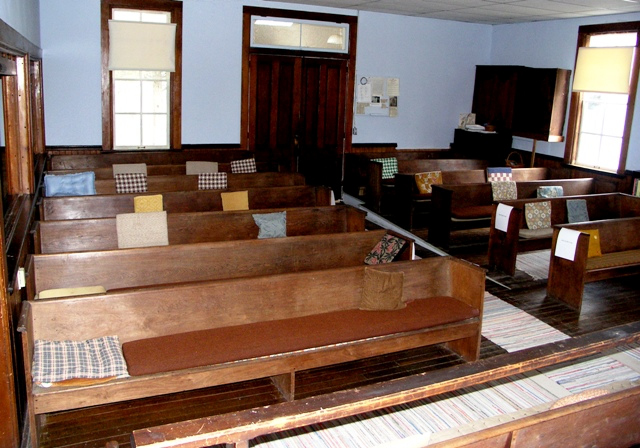
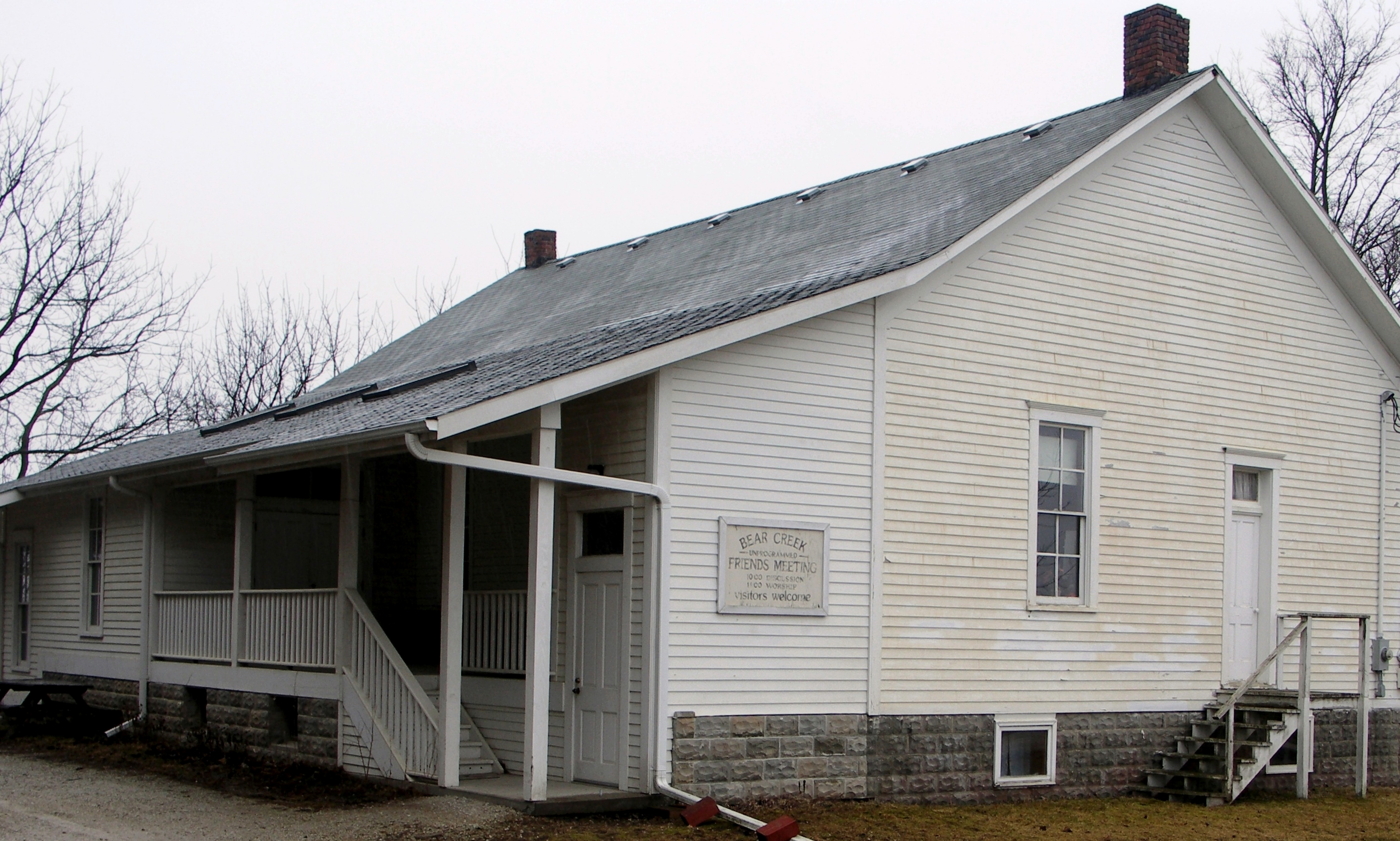
Bear Creek Friends (Quaker) meetinghouse is located in the Iowa countryside on the lands of the Ioway and Meskwaki peoples. Many members have been involved in agriculture and care about protecting Mother Earth. A number of Friends have various relationships with Indigenous peoples.

As we learned more about the struggle of the Wet’suwet’en people, Bear Creek Friends sent a letter to the British Columbia premier and donated money.

John Horgan.
PO BOX 9041 STN PROV GOVT
VICTORIA, BC V8W 9E1.
Email premier@gov.bc.ca

John Horgan,

We’re concerned that you are not honoring the tribal rights and unceded Wet’suwet’en territories and are threatening a raid instead.

We ask you to de-escalate the militarized police presence, meet with the Wet’suwet’en Hereditary Chiefs, and hear their demands:

That the province cease construction of the Coastal Gaslink Pipeline project and suspend permits.

That the United Nations Declaration on the Rights of Indigenous Peoples (UNDRIP) and tribal rights to free, prior and informed consent (FPIC) are respected by the state and RCMP.

That the Royal Canadian Mounted Police (RCMP) and associated security and policing services be withdrawn from Wet’suwet’en lands, in agreement with the most recent letter provided by the United Nations Committee on the Elimination of Racial Discrimiation’s (CERD) request.

That the provincial and federal government, RCMP and private industry employed by Coastal GasLink (CGL) respect Wet’suwet’en laws and governance system, and refrain from using any force to access tribal lands or remove people.

Bear Creek Monthly Meeting of Friends (Quakers)
19186 Bear Creek Road, Earlham, Iowa, 50072

The first time I heard about LANDBACK was when I saw the video below.

Our culture and our tradition is the land. We are directly connected to the land. It’s our spirituality. We cannot be forced to be away from our land.

Nine days since we took the land back.

It feels like something you don’t normally do. (laughter) Its revolutionary, right?

I don’t think anyone’s ever really evicted like a 6 billion dollar pipeline before.
People get confused about what we want as Native people. Like “what do you want?”

Just like, “land back!”. Don’t need any reconciliation, don’t want money, like I don’t want programs or funding or whatever.

(whispers “land back”)

Funny though, when I said that to my Dad, Wet’suwet’en people, if you tell them about LANDBACK, they’re like “we never lost the land, anyway.” Which is true.

Wet’suwet’en have never given up title to their 22,000 square kilometer territory.


You could take the title as “how I was introduced to LANDBACK”, or “my introduction to those who aren’t too familiar with LANDBACK”

#LANDBACK

Posted in civil disobedience, decolonize, Indigenous, LANDBACK, Uncategorized, Unist'ot'en, Wet’suwet’en | 2 Comments

How can I help?

I recently saw an interview on NBC with a young, white man. This was in Minneapolis on the day the Derek Chauvin verdict was announced, April 20, 2021. The young man said something like ‘I Googled: how can a white man help Black Lives Matter?’

I’ve had a number of thoughts about that. I appreciated that he wanted to help. And at the same time saw this as a continued disconnect between white people, and black, Indigenous and other people of color (BIPOC).

During the struggles of the civil rights movement in the 1960’s there was a lot of attention to “integration”. To make it possible for black children to attend what had been white schools. For BIPOC people to be able to shop and eat in what had been white businesses. To drink from water fountains, use restrooms! To use public transportation. And participate in electoral politics.

Martin Luther King, Jr, said, “Injustice anywhere Is injustice everywhere.”

That is highlighted today as the assault on voting rights has spread from the disfranchisement of BIPOC people, to white people, as well.

Although BIPOC children have been attending what had been white schools, and the other examples above have seen some integration, in many ways communities have self-segregated. So it’s not surprising the young, white man above didn’t know how to help with racial injustice today.

There isn’t a simple answer for white people to the question “how can I help”? I’ve written a great deal about my experiences, as a white male, becoming involved with the Kheprw Institute in Indianapolis. A BIPOC youth mentoring and empowerment community. Kheprw | Search Results | Quakers, social justice and revolution (jeffkisling.com)

Here are a few general guidelines from my experiences. Perhaps the biggest initial concept is this is not about “you”, as a white person. It is not easy for white people to begin to engage with BIPOC people. It takes persistence in showing up to allow the gradual development of a little trust to begin.

Hurtful things will happen. As you learn, you will make mistakes. Say or do things offensive to those you want to help. See and hear negative things about white people in general. And perhaps you in particular. Some of these things will surprise you. But if you persist, you will learn. It is important to listen deeply. And not say much until you are invited to do so. When that happens, speak from your own experiences. It is by sharing our stories with each other that we begin to know each other. Don’t talk about things you have read, or workshops you’ve participated in.

“Nothing about us without us” is very important to keep in mind.

“Nothing About Us Without Us!” is a slogan used to communicate the idea that no policy should be decided by any representative without the full and direct participation of members of the group(s) affected by that policy. This involves national, ethnic, disability-based, or other groups that are often thought to be marginalized from political, social, and economic opportunities.

Nothing About Us Without Us

Four years ago I moved to Iowa from Indianapolis, where I spent my whole adult life. It was sad to leave the many friends I had made over the years there. The friendships remain despite the distance.

Most recently a number of us were working to protect the water from the Dakota Access pipeline. Although that pipeline was not built in Indiana, there were offices of banks that funded it in Indianapolis. We worked to educate people about the dangers of the pipeline. And had several actions related to the banks, asking them to defund their contributions to fossil fuel projects. Dakota Access pipeline Search Results | Quakers, social justice and revolution (jeffkisling.com)

When I moved to Iowa, I sought opportunities to build similar relationships. And have been truly blessed to be finding them. As I had begun to learn in Indianapolis, and continued to learn in Iowa, it is essential for Indigenous peoples to lead this work.

The reason I’m writing about “how can I help?” today relates to several groups, mainly Quakers, who are asking that question in relation to BIPOC concerns and work. While I’ve been learning a lot about, and participating in some of the work of BIPOC friends, I hadn’t asked them that question.

I’ve found ways to participate in their work, which are answers to “how can I help?” I was invited to the Meskwaki powwow, and did attend with my Dad. Being aware of cultural appropriation, I asked ahead of time if I could take photos. And was told I could, and asked to share them with the powwow organizers, which I did.

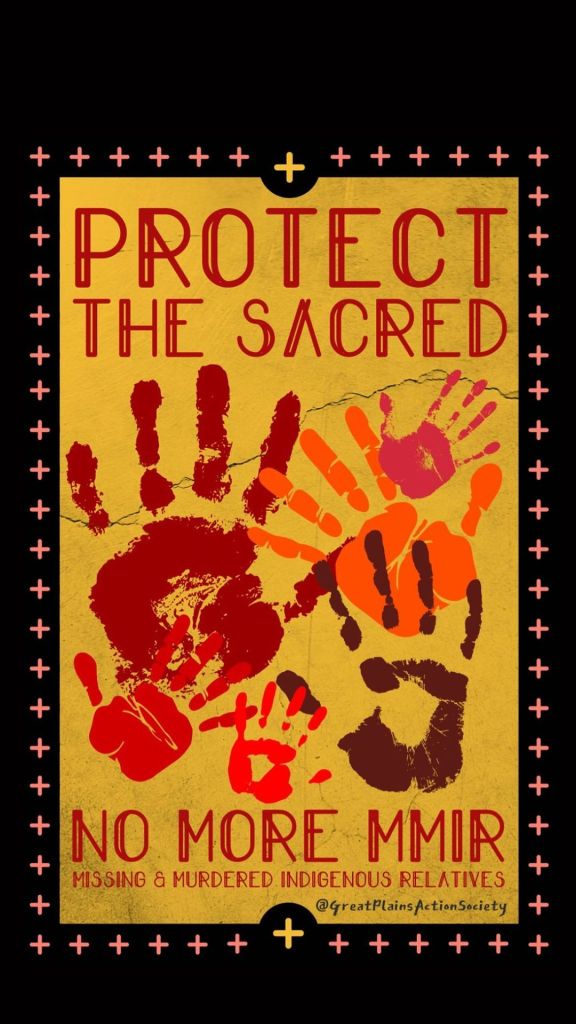
I attended the National Network Assembly that some of my Indigenous friends helped organize. I attended all the public Zoom events of theirs that I could. And public events like Indigenous People’s Day, calling for the removal of racist monuments, and events to bring awareness to Missing and Murdered Indigenous Relatives.

But I hadn’t really asked my BIPOC friends what others, like white Quakers, could do to help. So I did.

One thing is to continue to work in Mutual Aid communities, like I do with Des Moines Mutual Aid. But to also develop Mutual Aid communities where we are. At Bear Creek Friends meeting we have been talking about these ideas. Des Moines Valley Friends are letting Mutua Aid groups use their kitchen to make meals for the houseless.

The second thing was to help with efforts to return the lands stolen from Native Americans. A story I heard related to a native person commenting on land acknowledgements. Who said, now that you recognize you are on Indigenous land, what next?

So #LANDBACK is what I will be learning (and writing) more about now.


Posted in #NDAPL, Dakota Access Pipeline, decolonize, Indigenous, LANDBACK, Mutual Aid, Native Americans, Uncategorized | Leave a comment