Senator Grassley on military equipment to civilian police departments

Following is Senator Grassley’s response when I wrote to him about Department of Defense’s 1033 program which transfers military equipment to civilian police forces. Following that is an article from the Friends Committee on National Legislation’s (FCNL) statement about that program. This is especially important now as we try to demilitarize the police.

This is a link to a Fact Sheet about 1033 Program & Police Militarization from FCNL: https://www.fcnl.org/documents/566

June 15, 2020

Dear Mr. Kisling:

Thank you for taking the time to contact me. As your Senator, it is important that I hear from you.

I appreciate hearing of your concerns about the use of military equipment by local police departments. Since September 11, 2001, areas that are at high risk of terrorist attack or catastrophic emergency have been the focus of the Department of Homeland Security’s funding. However, we must also continue to invest in the basic infrastructure, equipment and training needs of smaller and rural communities as well. Under the Department of Defense’s 1033 program, the Defense Logistics Agency (DLA) provides or transfers surplus military equipment, including vehicles, computers, first aid equipment, radios, tents and sleeping bags to state and local civilian law enforcement agencies without charge. When it’s appropriate, it’s positive to see taxpayers’ money being utilized at the local and state level. Often this kind of equipment can help protect the lives and safety of police officers, who have to confront increasingly well-armed criminals.

As you may know, President Trump signed an executive order entitled, “Restoring State, Tribal, and Local Law Enforcement’s Access to Life-Saving Equipment and Resources,” on August 28, 2017, to reinstate local police departments’ access to certain surplus military equipment following the Obama administration’s unilateral narrowing of the program.

This program was originally instituted in the 1990s to help local police departments combat the war on drugs. It has helped police departments substantially by not stretching local budgets to the fringe. It has also helped protect many of the men and women who risk their lives on a daily basis. For example, the Justice Department stated that, “a military-style helmet saved the life of an officer responding to the mass shooting in Orlando, Fl., in which a gunman killed 49 [people]. Armored vehicles and military gear were also used to hunt the two terrorists who mounted an attack in San Bernardino, Calif., in 2015.”

The Department of Justice has also said much of the equipment that the local police departments receive is “entirely defensive in nature.” Nonetheless, I agree that there are limits to the kinds of military equipment that are appropriate for civilian police use. Moreover, when law enforcement personnel obtain any of this equipment, they must be trained to use it properly, and only in appropriate situations. And the equipment must be used with safeguards and oversight in place, and with the utmost concern and care for the community, so that it does not cause even more problems than it can potentially help solve. Finally, of course, no one’s First Amendment right to peacefully assemble and protest should be threatened by the use of any such equipment. These considerations are all essential in light of the ongoing protests surrounding the recent deaths of African Americans at the hands of police officers, namely the death of George Floyd.

Your comments will help me should Congress review the 1033 program, and help to ensure that any equipment provided to state and local law enforcement through this program is appropriate, linked with the proper training and oversight, and employed only within the confines of the law and the Constitution.

Again, thank you for taking the time to contact me. I encourage you to keep in touch. Sincerely,

Chuck Grassley
United States Senate                                           


The Department of Defense 1033 program funnels military equipment from the Pentagon to local, federal, and tribal law enforcement.Tell Congress: Stop Militarizing Law Enforcement

Bringing weapons designed for war zones into local police forces in the United States, fuels the perception that local law enforcement is a military force occupying our communities.

With communities of color and poorer communities already experiencing higher incidents of excessive use of force, this militarization of the tools of law enforcement only makes matters worse.

The Stop Militarizing Law Enforcement Act (H.R. 1714) would place much-needed limits on transfers of deadly and militarized equipment to local police departments to ensure they are serving communities not occupying them.

Act now.  Tell your member of Congress to cosponsor and support H.R. 1714.

Tell Congress: Stop Militarizing Law Enforcement, By José Santos Woss,  Friends Committee on National Legislation (FCNL) July 9, 2019

Posted in Friends Committee on National Legislation, Uncategorized | Leave a comment

Our history books conveniently left the truth out

My friend Foxy Onefeather recently posted this message and the photo/comments.

Our history books conveniently left the truth out. It breaks my heart and this is why I find it important for me to show up to testify to extend the statue of limitations, for the survivors of boarding schools. So that they can hold those schools accountable 

Foxy Onefeather
Image may contain: one or more people, crowd and outdoor, text that says 'photosbyjaye probably of most depressingly heart- wrenching photos I've seen. Native American children taken from their families put into school to them into white for this governmental campaign "kill Indian to save the official apology has been issued. never forgotten. starshineexx This is why we keep talking. Every child in this photo deserves be talked about. The children up to be adults... adults who suffer from mental illnesses a of connection to culture/people that wanted leave. scars are passed down from generation to generation... and in reality the picture is closer to present many would like to admit.'

This breaks my heart, too. Separating children from their families is the worst thing I can imagine. Some of the worst photos and videos I’ve ever seen. Like the photo above. Like the photos of children alone in the Nazi concentration camps. Like the photos and videos of the children separated from their families at our Southern border right now.

I’ve been thinking about the mistreatment of children a lot recently, especially of native children and their families who were subjected to forced assimilation. Processes that continue to remove native children by social service agencies.

Hirsch’s research found that somewhere between 25 and 35 percent of all American Indian children had been placed in adoptive homes, foster homes or institutions. Around 90 percent of those children were being raised by non-Indians. Many would never see their biological families again.

The Nation’s First Family Separation Policy. Forty years ago, three in 10 Indian children were taken from their families. October 9, 2018 Christie Renick, The Chronicle of Social Change

“Child rearing and the maintenance of tribal identity are ‘essential tribal relations’ [citation omitted]. By paralyzing the ability of the tribe to perpetuate itself, the intrusion of a State in family relationships within the Navaho [sic] Nation and interference with a child’s ethnic identity with the tribe of his birth are ultimately the most severe methods of undermining retained tribal sovereignty and autonomy.”

Report of the American Indian Policy Review Commission

There are a number of reasons why I began to study about the Indian residential or boarding schools years ago. Initially this was because I heard about the Quaker Indian boarding schools. I thought I would learn how Quakers had helped the Native people and their children.

Instead, the more I learned the more horrified I became. I imagine many of the Quakers, individually, did they best they could, but there is no benevolent way to accomplish forced assimilation and cultural genocide. That would be like saying there is some good way to wage war. The fundamental premise in both cases is wrong.

The multigenerational trauma from those schools affects native families and communities today. I’ve seen the pain as my indigenous friends tell me of their own experiences related to those schools.

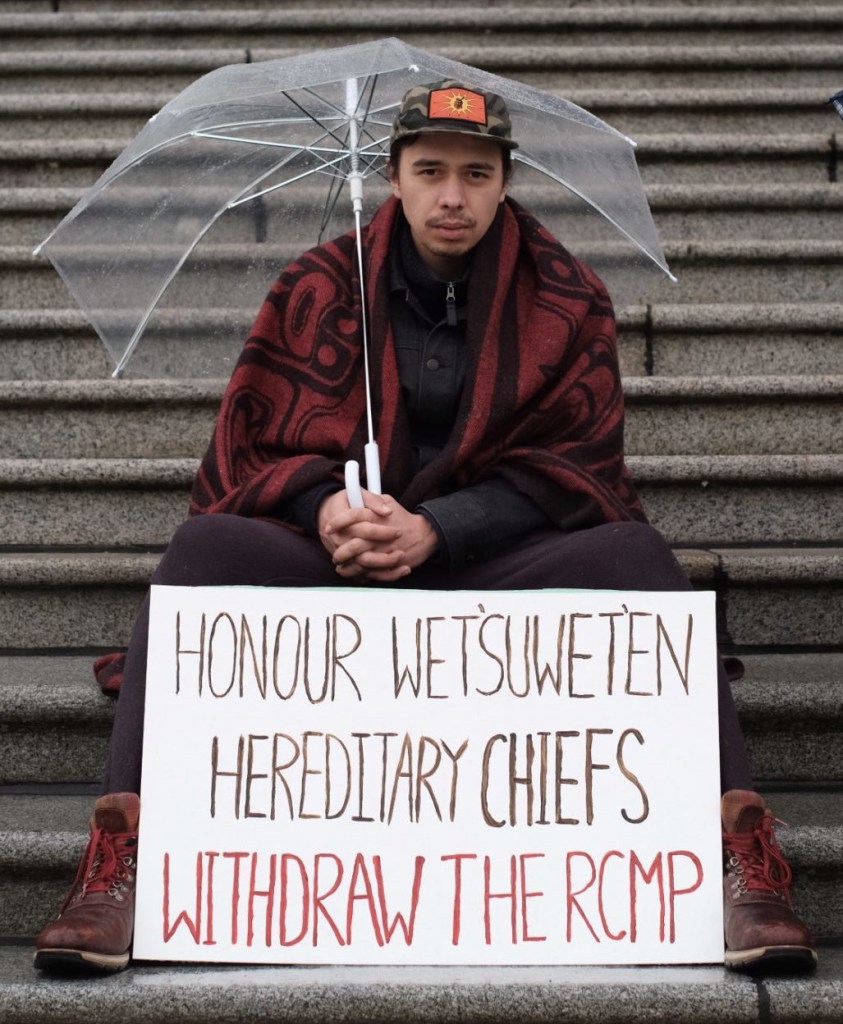
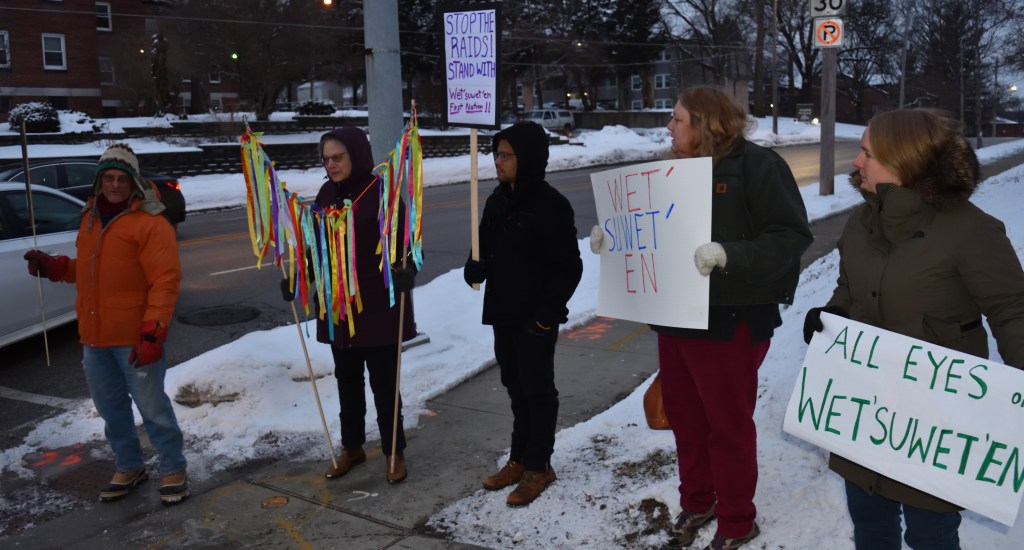
And this year as I studied about the Wet’suwet’en peoples and the rights of First Nations People in what is known as Canada, I learned about the trauma of residential schools there.

My friend Paula Palmer has been lead to make Quakers and others more aware of the boarding schools, and more broadly work “toward right relationship with Native peoples.” https://friendspeaceteams.org/trr/

The most recent article I’ve written summarizing some of what I’ve learned was March 19, 2020, Quaker Indian Residential/Boarding Schools.
https://kislingjeff.wordpress.com/2020/03/19/quaker-indian-residential-boarding-schools/


The following are from the webinar Series Episode 1, “Truth in History: Federal Indian Boarding Schools in the U.S.” by Executive Director, Christine Diindiisi McCleave, M.A. (2/7/2019). The webinars are on the Native American Boarding School Healing Coalition website.

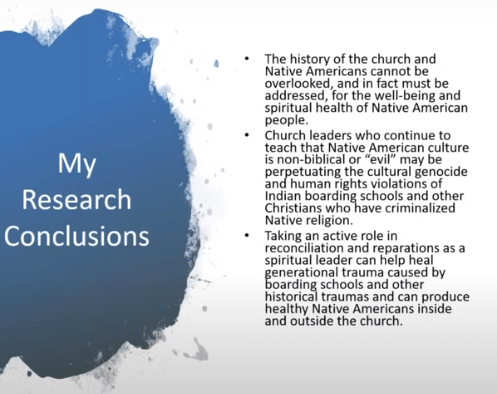
The history Of the church and
Native Americans cannot be
overlooked, and in fact must be
addressed, for the well-being and
spiritual health of Native American
people.

Church leaders who continue to
teach that Native American culture
is non-biblical or “evil” may be
perpetuating the cultural genocide
and human rights violations of
Indian boarding schools and other
Christians Who have criminalized
Native religion.

Taking an active role in
reconciliation and reparations as a
spiritual leader can help heal
generational trauma caused by
boarding schools and other
historical traumas and can produce
healthy Native Americans inside
and outside the church.


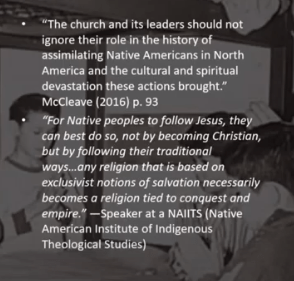
“The church and its leaders should not
ignore their role in the history of
assimilating Native Americans in North
America and the cultural and spiritual
devastation these actions brought.”
McCleave (2016) p. 93

“For Native peoples to follow Jesus, they
can best do so, not by becoming Christian,
but by following their traditional
ways—any religion that is based
exclusivist notions of salvation necessarily
becomes a religion tied to conquest and
empire.” —Speaker at a NAIITS (Native
American Institute of Indigenous
Theological Studies)

Posted in decolonize, Indigenous, Quaker, Toward Right Relationship with Native Peoples, Uncategorized, Wet’suwet’en | Leave a comment

State Violence

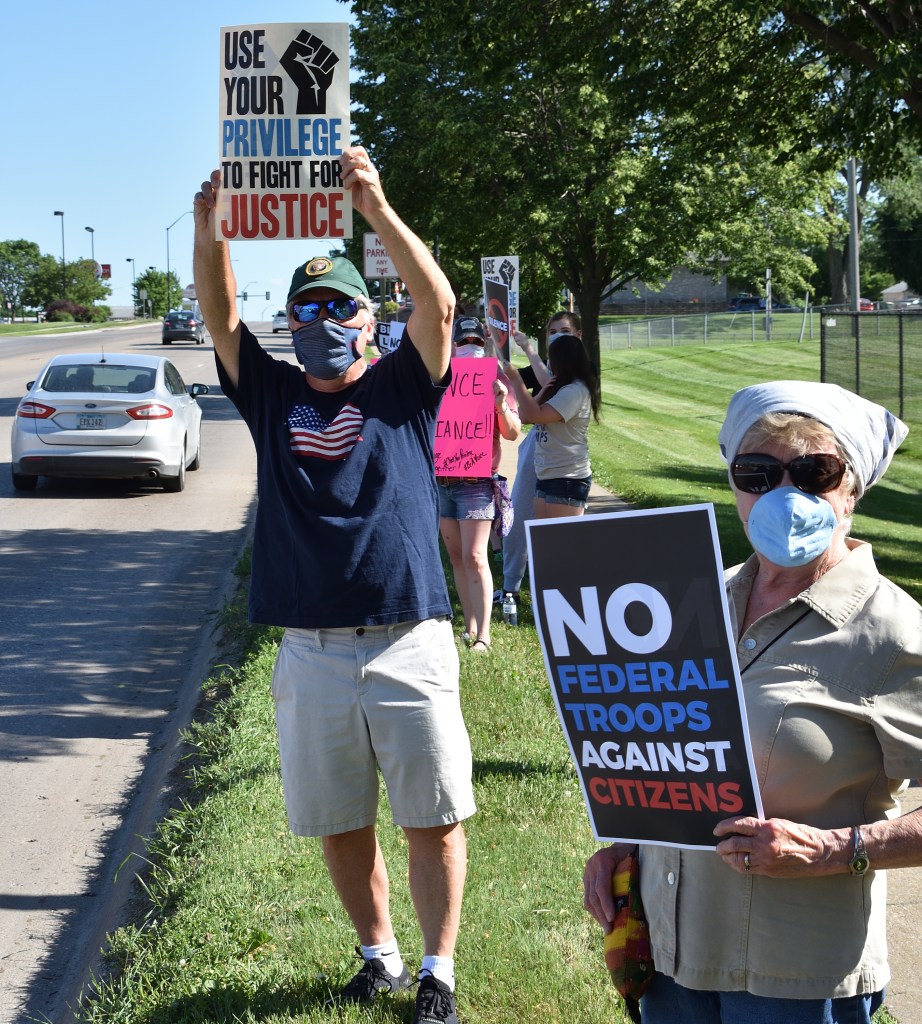
When I think of recent state violence I think of the killing of Michael Brown in Ferguson. I remember how shocked I was to see military equipment in the streets and pictures of police who looked like soldiers.

And the sustained military style actions against the peaceful, praying people at Standing Rock. Nahko’s “Love Letters to God” is full of disturbing images of that time. One of my most favorite lyrics in the song is:

And the silence, never been so loud in the violence
Never been so proud of a people
When we’re fighting for a change, not afraid to lose it all despite all the rage
.

I had forgotten the song also contains “Can’t breathe”

So we burn a little sage and write poetry
Wiser than the enemy will ever be
The minority
And authority
Are you here to protect or arrest me?
I can’t tolerate the hate, and I’m losing sleep
Can’t breathe, cause they’re choking out a war in me
Immorality


Global uprisings are demanding changes to policing and turning attention to the complex web of systemic racism. Following are four statements and resources related to state violence. My friend Christine Nobiss, Seeding Sovereignty, writes silence is violence. We can speak up and not be silent ourselves.

Following that there is a statement from the Kheprw Institute (KI) where I spent a lot of time when I lived in Indianapolis. Then a list of alternatives to policing from the American Friends Service Committee (AFSC). Also information related legislation and a tool to help you write a letter to Congress, from the Friends Committee on National Legislation (FCNL).

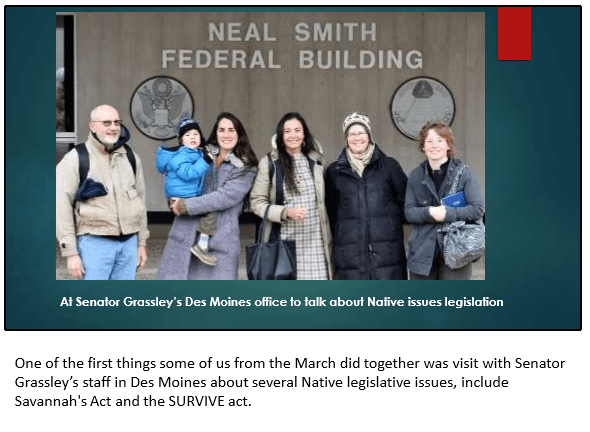
You can also contact your representatives’ offices and speak with the staff there about your concerns. In 2018 Christine and I, along with Shazi and Fox Knight, Shari Hridna, and Sid Barfoot met with Senator Chuck Grassley’s staff in Des Moines to talk about Savannah’s Act and the SURVIVE Act which are related to violence against women.


POLICE, GOVERNMENT AND MEDIA SILENCE IS VIOLENCE

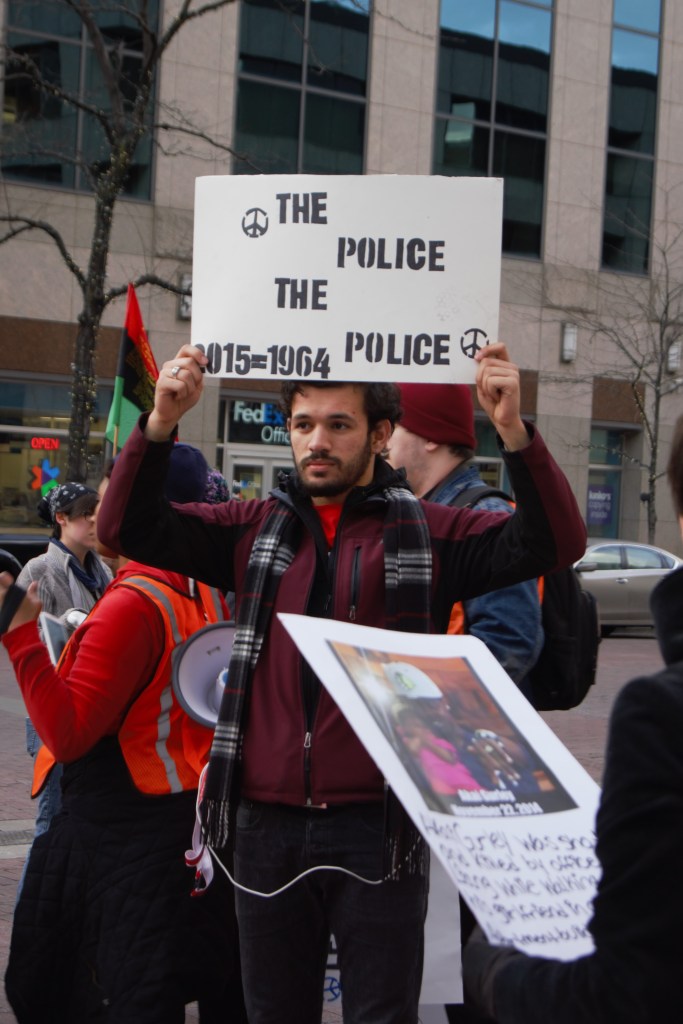
Police Brutality is not just physical violence. It’s also the absence of action. In this historic moment, White folx around the country are standing in solidarity with the Black community during the George Floyd uprisings with the slogan, “Silence is Violence”. The same can be said for cops that don’t act when they are required to serve and protect. Beyond the physical brutality they inflict, police instigate death through inaction and are complicit for the crime of murder without lifting a hand.

It’s a known fact in World Majority and LGBTQIA2S circles that cops are slower to respond to calls for help in these communities, neighborhoods, and reservations. The practice where cops drop “problem” persons off in the middle of nowhere, even in winter and in the middle of the night has deadly consequences. They also do not use their resources to look for missing World Majority and LGBTQIA2S folx as they do for White folx and they are quick to write off murders as anything but what they really are.

However, the police are not alone in this absence of action as the US colonial-capitalist regime and mainstream/white supremacist media outlets largely ignore the daily murder and abuse of World Majority and LGBTQIA2S folx.

Congress remains a majority heteropatriarchy that is engaged in a culture of misogyny, homo and transphobia, racism, xenophobia, environmental extraction, and the never-ending violence of Indigenous land theft and inner-city gentrification. The current administration is a prime example of the old, white, male guard having a fit about sharing power as is evident in the extreme measures that have been taken to dismantle human and environmental protections in order to maintain an outdated Imperial status quo.

Mainstream media is also complicit in the murders and disappearance of World Majority and LGBTQIA2S folx as they do little to cover our situations and when they do, they also provide excuses for the terrible acts that have been inflicted on us. According to the Pew Research Center, newsrooms are less diverse than other US industries as, “more than three-quarters (77%) of newsroom employees – those who work as reporters, editors, photographers, and videographers in the newspaper, broadcasting, and internet publishing industries – are non-Hispanic whites…” Beyond these numbers, there are also many openly right-wing news conglomerates that push a conservative and white supremacist agenda. 

There is no more tolerance for the white heteropatriarchy and this uprising, led by the Black community, is exactly what this country needs to overcome the double edged sword of brutality and silence that white-christian-supremacist institutions employ to keep so many down. As we move to defund the police let’s also remember to upend Congress and invest in honest World Majority and LGBTQIA2S led media.

POLICE, GOVERNMENT AND MEDIA SILENCE IS VIOLENCE by Christine Nobiss, Seeding Sovereignty, June 10, 2020


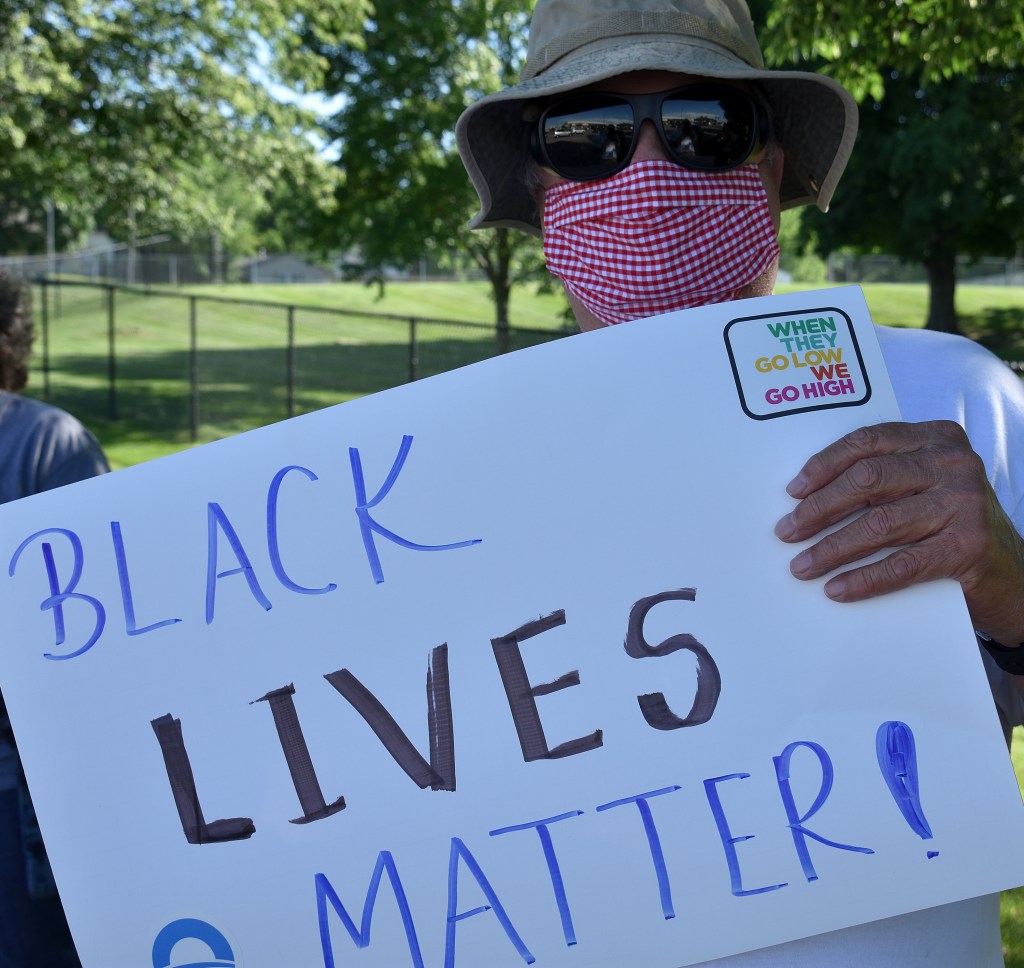
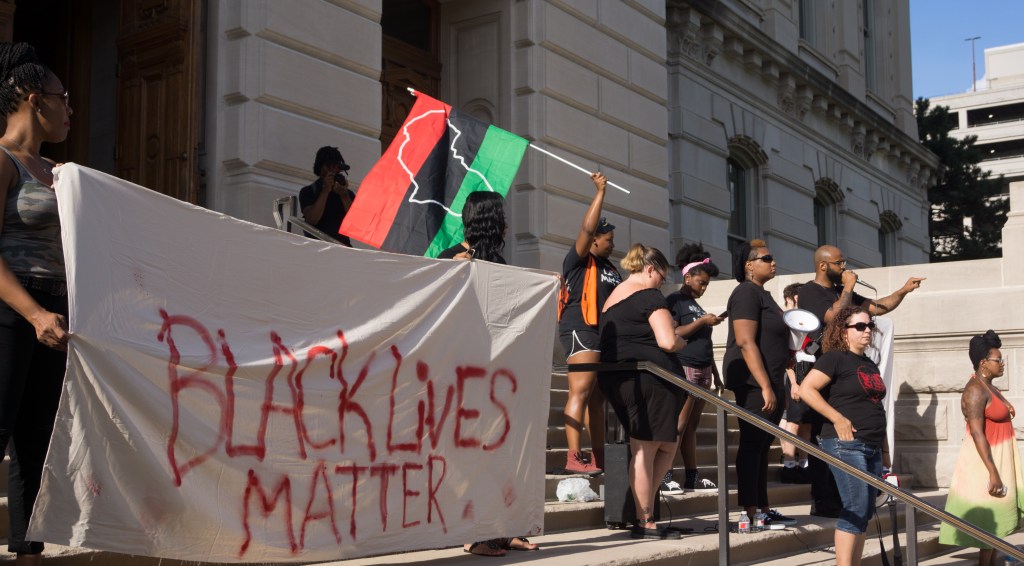
Dreasjon Reed was killed on Wednesday May 6th, his murder recorded on Facebook live. Over the course of 24 hours, 3 people were killed by IMPD. They were McHale Rose, Ashlynn Lisby and her unborn child in addition to Dreasjon. The Kheprw Institute grieves with the rest of the families and the community at large and remains steadfast in our belief that all Black lives matter. We support the protests and the efforts to make these atrocities more visible through these methods. As civil rights leader, Reverend Dr. Martin Luther King Jr said “A riot is the language of the unheard.” With the recent murder of George Floyd, we also stand in solidarity and support of Minneapolis residents and their efforts for justice and accountability.

However, the voices and cries of Black people and allies calling for accountability and justice have continued to be unheard by all parties and institutions responsible for state violence. With the murder of 16-year-old Michael Taylor in 1987  to Aaron Bailey’s murder in 2017, the officers responsible were not held accountable in criminal court despite the families being awarded damages in civil court. This is a pattern repeated, from Emmett Till to Sandra Bland. The deaths of Black people at the hand of the state is not a new story. It is a tiring, traumatic, and exhausting one but not one that is unfamiliar. We also recognize that state violence has existed in this country from enslavement of African peoples four hundred years ago to mass incarceration today. The challenge is not just limited to the police. Redliningfood apartheid, housing injusticeexploitation of labor, and environmental injustice are all examples of state-sanctioned` violence. This history of state violence, especially in Black, brown and Indigenous communities, are directly tied to how these communities are disproportionately affected by the COVID-19 Pandemic.

This fight is a long one. This is a moment where our movements are compromised by dissent, informants and infiltrators. We should not be distracted from the importance of leadership, particularly the emerging young leaders, many of the protesters are friends and peers of Dreasjon, stepping into calling for accountability and justice for their friend. It is also critical to take lessons from yesterday to protect their efforts to organize. Communities have consistently organized to address the issue of police brutality, through dedicated and relentless calls for accountability and justice. At Kheprw Institute, we seek to address the long history of state violence, in all of its forms, through our work in institution building, self-determination, relationship building especially for Black, Brown and underrepresented communities and support of the leadership efforts in our communities to address its injustices. We must stay steadfast in utilizing those tools to mitigate/reduce the impact of state violence in our communities but understand that a transformation in our society that centers the value of all Black lives is fundamental.

Further Readings/Resources

The Case for Reparations by Ta-Nehisi Coates
Indigenous People’s History of the United States
The New Jim Crow
Charleston Syllabus
#StandingRockSyllabus 
13TH (Netflix Link)
The Destruction of Black Wall Street: The Tulsa Riot | History Teaching Institute
I’m From Philly. 30 Years Later, I’m Still Trying To Make Sense Of The MOVE Bombing
The Assassination of Fred Hampton: How the FBI and Chicago Police Murdered a Black Panther
Reconstruction: America After the Civil War (Video)
The 1619 Project
###

For more information contact Kheprw Institute at info@kheprw.org or (317) 329-4803 ext. 775 https://kheprw.org/


What are some concrete alternatives to policing in our communities?

Police reforms are not working. Body cameras, trainings, and other reform measures have proven largely ineffective and will not solve this problem. We need new models for creating real public safety for all.

That includes moving money from police to fund unarmed non-police teams of first responders, city workers, and social service professionals  to assist community members and de-escalate violence when needed. Instead of relying on police, we could have:         

  • Urgent response teams that can respond to someone in a mental health crisis and connect them with services. 
  • Metro service patrol workers who could pull drivers over for things like broken tail lights or other potential hazards and help with simple repairs so everyone can get home safely.  
  • City employees who perform wellness checks on people sleeping in parks, connecting them to services or housing if needed.
  • Trauma-informed crisis intervention teams trained to disarm and de-escalate people doing harm and connect them to services.
  • Peacekeepers or school climate specialists—trained in culturally responsive de-escalation, working with students with disabilities, restorative justice, and more—who can intervene in physical altercations between students. 
  • Community organizations that are skilled in de-escalation and peacekeepers who have mechanisms in place to review emergencies, establish protocols, develop and maintain rapid response networks, and provide health care trainings to respond in an emergency without law enforcement. 
  • Community-based transformative and restorative justice processes that address the root causes of harm and violence.

Some of these ideas already have broad support. A recent Data for Progress poll found that 68% of voters support creating a new non-police first responder agency to respond to issues of mental illness or addiction.

Community groups, Indigenous communities, researchers, and policy makers have already implemented some of these ideas, and we can build upon them: 

  • Crisis Assistance Helping Out On The Streets (CAHOOTS) is a mobile mental health crisis intervention team in Eugene, Oregon formed in 1989. They handle 20% of emergency calls in their area, responding in suicide interventions and overdoses.   
  • Mothers Against Senseless Killings (MASK) is a group of mothers in Chicago who have transformed a troubled block into a community without police, which has led to a reduction in violence. The moms are present on the block every evening, barbecuing, feeding residents, and building relationships with the young people. They help diffuse tensions between young people and watch out for police, protecting young people who have been subject to stop and frisk.   
  • Portugal has decriminalized all drugs, largely removing police from the drug business, and it has been a success. Drug use now falls under public-health services, and HIV-infection rates and overdoses have fallen
  • In New York, Common Justice “gives those directly impacted by acts of violence the opportunity to shape what repair will look like, and, in the case of the responsible party, to carry out that repair instead of going to prison.”  Those who participate are survivors of serious felonies—such as being shot, stabbed, or robbed. Only seven percent of responsible parties have been terminated from the program for a new crime.
  • Restorative justice has a long history in Canada, particularly within Indigenous communities—and has led to a decrease in the number of Indigenous people in the criminal legal and prison systems. Other restorative justice models include Victim Offender Mediation programs, which originated in Ontario. 

Reimagining community safety. As Minneapolis and other U.S. cities take steps to defund the police, we look at how we can invest in creating more humane alternatives to truly keep our communities safe. By Mary Zerkel, American Friends Service Committee, Jun 11, 2020


Tell Congress: Enact Police Reforms

America needs police reform now! In partnership with the Leadership Conference on Civil and Human Rights and more than 400 organizations, we are calling on Congress to swiftly pass meaningful police reform legislation.

Act Now  ›

Write your member of congress and urge them to take swift action in response to ongoing fatal and racist police killings and other violence against Black people across our country. There are a number of bills before Congress right now that can begin to address the broken American policing system:

The End Racial and Religious Profiling Act (S. 2355): Bans federal, state, local, and tribal law enforcement agencies from using race or religion to influence police stops, searches, and immigration proceedings.

The PEACE Act (H.R. 4359): Establishes a national “necessary” use of force standard to prevent police officers from using lethal force unless all non-lethal methods have been exhausted.

The Eric Garner Excessive Force Prevention Act (H.R. 4408): Makes it illegal for police to use any hold or grip that blocks the throat or windpipe. The sort of choke holds that police used to kill Eric Garner and George Floyd.

The Stop Militarizing Law Enforcement Act (H.R. 1714): Would stop military hardware from flowing into the hands of civilian law enforcement agencies by ending the 1033 program.

Clicking on this link will help you write a letter about this, and send it to your US Congressperson and Senators.

Tell Congress: Enact Police Reforms by José Santos Woss, June 2, 2020, Friends Committee on National Legislation (FCNL)


Urge your member of congress to cosponsor these bills and be a champion for racial justice and equitable policing.

Clicking on that link will help you write the following letter (which you can modify) and send it to your US Congressperson and Senators.

I am deeply concerned by the deaths of George Floyd, Breonna Taylor, and so many other Black Americans at the hands of the police. Our country and our communities need police reform now.

The Justice in Policing Act, currently before the House and Senate, is a vital step. This bill would ban the use of choke holds, institute a national “necessary” use of force standard, end the militarization of civilian police departments, and implement other badly needed police reforms.

I urge you to co-sponsor this bill. It won’t fix policing or racism on its own, but it is a crucial and long overdue step forward. We must stand together against racial injustice and work at all levels of government to build systems that repair broken policies and chart a better future ahead.


Posted in #NDAPL, decolonize, Friends Committee on National Legislation, Indigenous, Kheprw Institute, Native Americans, Uncategorized | Leave a comment

What’s going on?

What’s going on? We had lockdown, we’ve got jailbreak.

But the prisoners aren’t running away; they’re marching, chanting, getting rearrested for the cause of justice. They’re risking infection, in fact, they’re embracing a new infection — people power. Their risk is not in trying to reopen an economy, but to rebirth social justice, racial justice, just economy. Any regime, even a corrupt one, can create a burgeoning economy; only a democracy can build social justice.

What’s going on? America has gagged on itself. Three more murders of innocent, unarmed Black people — Breonna Taylor, Ahmaud Arbery, and George Floyd. Too much to swallow. The right response? A great paroxysm, a struggling, heaving, effort to expel the gnarled mass of our indigestible hobgoblin history. Not easy. Every organ of the body politic is complicit, bound into systems of wealth and labor exploitation, racial oppression, environmental desecration, militarism, freedom of giant corporations to engineer a society for their own benefit. Time to regurgitate, turn ourselves inside out.

What’s going on? It’s not the coronavirus lockdown that’s being challenged now. It’s 400 years of lockdown in hypocrisy. No matter who you are, what color you are, what ethnicity, winners or losers, we all have been trapped in the same history — unable to fully admit it, unable to break free of it. The exalted claims of this history habitually insult its own reality. For native people, black people, all people of color, all the marginalized — finally a reckoning.

I was a young activist in the 1960s, marching, protesting, committing civil disobedience in the struggle for civil rights and ending the Vietnam War. But I’ve never seen the sudden vibrancy nor persistent urgency of this moment. A perfect storm: Trump, appalling racist murders, 110,000 Covid-19 deaths and all the inequalities the pandemic exposes, failure to act on climate change, Mitch McConnell, a handful of billionaires having more wealth than the rest of the country combined, the stock market rising while millions suffer and lose their jobs, a government refusing to solve problems so it can play off the divisions they cause. So what’s going on? Where there’s a vacuum of wisdom, compassion, decency, justice, equality, care and honesty, the people flood in.

AFTER THE LOCKDOWN, THE JAILBREAK. By Robert Shetterly, The Smirking Chimp. June 11, 2020

Our work is licensed under a Creative Commons Attribution-Share Alike 3.0 License. Feel free to republish and share widely.

Like the author above, “I was a young activist in the 1960s, marching, protesting, committing civil disobedience in the struggle for civil rights and ending the Vietnam War. But I’ve never seen the sudden vibrancy nor persistent urgency of this moment.” And I am finding “for native people, black people, all people of color, all the marginalized — finally a reckoning.”

Yesterday I listened to a fascinating conversation with Dr. Damita Brown in the latest episode of SHIFT the Narrative. A recording of that should be available soon. Some notes from the discussion:

The reason this murder sparked such a large reaction is evidence of how tired we are. Not just outrage at this incident, but because these things have been going on for so long.  People can’t take it anymore. Won’t compromise.  Work to defund police.  Respect autonomy of communities to decide what justice looks like.

We’re in a transitional moment.  We won’t bow down. We’re not going to quit, give up on each other. We’re not focusing on specific outcomes.  Warriorship is about bravery to touch your own heart and what it means to share that.

Notes from Dr. Damita Brown

Respect autonomy of communities to decide what justice looks like” is exactly what my friend Diop Adisa wrote recently in his article in the Indianapolis Monthly.

Liberation is the ability to have decision-making power and have those decisions drive the community that we live in. It means being able to feel that our culture is not always on trial or simply accepted as a commodity or convicted when it’s convenient. It’s having the resources we need under communal control. Education. Health. Energy. Housing. Economics. Art. Food. In order to do that, we have to have different (and varied) institutions, but it’s one of the things not talked about when it comes to combating racism/white supremacy.

Institution-Building Critical To True Change. Real justice begins with real liberation by Diop Adisa, Indianapolis Monthly, June 4, 2020

White people have a choice. We can try to hold onto the current system that we benefit from in so many ways. That can not be sustained. This system has been broken for a long time. Actually has been broken since the arrival of White settlers. “It’s 400 years of lockdown in hypocrisy” as Robert Shetterly wrote above.

Or we White people can work to rid ourselves of our privilege, our White supremacy. It might be easier for some of us to do if we think of what we will gain, rather than what we might lose. We know the White worldview is fundamentally unjust. Participating in it kills our humanity. Just as White corporate capitalism is destroying Mother Earth.

Reparations. The making of amends for a wrong one has done, by paying money to or otherwise helping those who have been wronged.

Many of us think of reparations in terms of money. I think the reparations this moment we are in requires us to help those who have been wronged, liberate them. As Diop wrote “liberation is the ability to have decision-making power and have those decisions drive the community that we live in.

One way we are beginning to see this in the voluntary resignations of White people from positions of power, in order for a person of color to move into that position.

How do we as White people learn how to rid ourselves of White supremacy, and help people of color become liberated, which will also liberate us? The only way this can be done is to begin with person to person dialog. As Diop’s father, Imhotep wrote:

How can we create some processes and procedures to mitigate inequity in our social, legal and economic structures? How can we begin some conversations about creating a system that is equitable? What can each of us do in the present to advance equity in our society? And how do we continue to fight for equity during these difficult times?

First and foremost, all of us, every last one of us, must engage others in our work, home and play spaces to have honest, open and authentic conversations around the issue of inequity. Some of us, particularly those in positions of power, must have the courage and strength to look more deeply at the inequitable structures that exist within their own organizations and institutions.

Is equity possible in a world after COVID-19? By IMHOTEP ADISA, Indianapolis Recorder, May 15, 2020
Posted in Black Lives, decolonize, Indigenous, Kheprw Institute, Native Americans, Uncategorized | Leave a comment

SHIFT the Narrative with Dr. Damita Brown

Dr. Damita Brown, a community-based educator specializing in racial justice work who has been teaching leadership, anti-racism, and allyship workshops for over 12 years. We will be discussing the George Floyd uprisings and the essential role of Black leadership during this time. We will also talk about how to work in solidarity to overcome systemic white supremacy within our government and all its institutions. Will these uprisings incite people to vote in November or are we ready for a much more radical shift?

Seeding Sovereignty

Today, June 11, 2020, was the fifth episode of Seeding Sovereignty’s SHIFT the Narrative. SA Lawrence-Welch and Christine Nobiss engaged in an online discussion with Dr. Damita Brown. Following are my notes from the discussion related to the opportunities for change stimulated by the public lynching of George Floyd in Minneapolis.

Dr. Brown spoke about how white supremacy is at the root of what needs to change. It’s time for change.  So many generations have suffered what George Floyd suffered. Lynching, which was always meant to terrorize black communities.

Communities need to find ways to reach across boundaries. Black lives and indigenous lives.

The reason this murder sparked such a large reaction is evidence of how tired we are. Not just outrage at this incident, but because these things have been going on for so long.  People can’t take it anymore. Won’t compromise.  Work to defund police.  Respect autonomy of communities to decide what justice looks like.

Many people need to understand how much of this comes from long history of oppression. This is a good time to educate and liberate at the same time.

The movement is many generations old. What started at Standing Rock is still happening. When Water Protectors said stop polluting, recognize our autonomy. When people in Iowa created the Little Creek Camp.

People in Flint are still drinking poisoned water.

Black and Native oppression so intertwined.  Apartheid.  Separating us.  How do we bridge the divisions? We are physically separated.  We need address consciousness divide.

Christine—We need to get over divide and conquer. I feel so lifted up spiritually and emotionally by the current movement.  Its like back in the day, the 1960’s, without the civil rights movement there would not have been the red power movement. This is a time for building bridges and identifying intersectionality.

Dr. Brown—when I was 13 mothers took kids out of public schools.  Went to Freedom School.  Consciousness.   Got involved in NAACP.  Anti-apartheid movement. Intersectionality-queer, African American women’s liberation.

If we are going to have sustainability of the movement in future, we need to find who has not been heard.  Restorative Justice.  Make radical democracy.  Restorative Justice real.  No one owns restorative justice.  Has to be defined by communities impacted.  Not defined by or coopted by White culture..

Replace police with community-based justice. Must be created by us. Trust us to love ourselves, our kids, our future.  Our self-determination and liberation.

What say to people who think of “my” fight? How can have our needs of human rights met and bridge gap between us? About inspiration and understanding now.

Dr. Brown-when I go to native lands I’m always struck by how little resources are there. People, despite community, have incredibly high rates of suicide, Missing and Murder Indigenous Women. White people have taken the resources out of communities black/red.

Each of us must ask, “is it just me?”  “Master” culture wants us to remain ignorant. When I look in the mirror I need to see ALL people.  What do I need to do to make these bonds to connect our communities?

Why not create Freedom Schools that educate all our communities. Need to learn what it means to be citizens of the world.  Native kids learn black culture. Black kids learn about natives. We need to break barriers that have kept us from talking with each other.

Christine-lately find myself without words. We’ve been talking for years. What do we do now?  Create Freedom Schools?

Dr, Brown—We’re making plans for a Freedom School (Madison). Our kids being forced to schools that don’t teach them what they need.

We need institutions to replace White supremacist culture. What would a school like this look like?  Not in building. Education international. What does it mean to live in Appalachian communities devastated, coal mining? Educate for citizens of the world.

We’re in a transitional moment.  We won’t bow down. We’re not going to quit, give up on each other.

We’re not focusing on specific outcomes.  Warriorship is about bravery to touch your own heart and what it means to share that. Conversation should always be open to all ideas.

Voting/political system.

Dr. Brown-I hope what happens now will get people to vote. Need to have conversations who think to vote is enough.  We must vote even though gerrymandering, suppress voting many ways.

To vote is one small piece to bring about change.  Radical democracy is about us deciding what we need. We’ll make vote count because it is one step in our total justice work.

We know the battle is in the streets as well.  Let’s get good candidates.  Let’s make democracy real, because it hasn’t been, yet.

Voting is about much more than voting for president.  Voting for all levels of community.

Our responsibility is to get people into these positions at all levels of government. Power move.  Let’s take that power back.

Christine—COVID could either deter people from voting, or get them to want to get out to vote. Discouraging because there has never been a president who was there for us–indigenous and black.

Haven’t used resources to help with things like MMIW. 

Colonial, capitalistic, Christian regime.

Invest in indigenous media.

Dr. Brown—Voting is a conundrum.   Correlation between concentration of wealth—and power in democratic process.

Whose votes really count?  We should vote. On the other hand we have to create ways to impact the corporate structure.  Privatization of every institution. Making money off our distress. Failed loans and schools. Every structure is reaping benefits from a non-democratic structure.  They find ways to make money off disasters.

Money is becoming obsolete.  What replace it with?  Where are our public banks, pooled resources?

Greed has destroyed.  Not about what you don’t want, but what you do want.

Land trust, community run banks, indigenous health care, midwives, wisdom from our traditions. Find hybrid use things from past to work today. Build what we want.

Christine: Vote, do that. Now the hard work has to start. We can be building and doing good work despite government.

SA Lawrence-Welch:   reiterate something said yesterday. We have less oppression than our White counterparts.

Brown—at base of all this work is our unshaken faith in human dignity. We know where wisdom comes from-our ancestors, lived experience, part of community. This is where our love, our beauty, our strength comes from.  Listening to the wind and the trees.

White supremacist culture-part of a culture of complicity that destroys their humanity. Their silence.

The awareness and decolonization of OUR minds, using on daily basis, is a privilege of a higher order.

Crimes against love.  If you can’t stand up against that, you are broken and dead.

This movement is about the deciding to stand up and become a community.

A divide. A hate. The real problem lies in the reality of structures of power. Complicity.

Everybody carrying some White supremacy

White folks might get into this work for the wrong reasons.  White people need to look to the truth, and find “what harm have I caused?”  Looking at White history and privilege is going to hurt. But you have to look inside yourself and teach your colleagues and spheres of influence. What can you teach to bring resources to black/native peoples?

It is vital for each of us to look at other communities. The problems and needs there.  How can we support? What more do I need to learn about the communities around me?

Christine: As we talk about black and indigenous solidarity I think of Land Back / reparations.

Dr. Brown: Land trusts. How talk about those things with both communities. Maybe create a council with people from black/indigenous communities to work together.  Have been in these struggles together for 500 years. How solve problems with people who have been enslaved and had land stolen.

Solidarity. Have been times when black/indigenous at odds with each other.

Now is a fertile time for these solidarity opportunities.

“What can you say to black POC individuals who say should not vote, no good choice.”

Brown—VOTE A lot of this nation is so ill-educated about how this government works. So many more options, levels of government.  Don’t let the vote be all that you do.  We need that vote. All the blood in the soil from what our ancestors did to get us our vote.


Posted in Black Lives, decolonize, enslavement, Indigenous, Native Americans, solidarity, Uncategorized | Leave a comment

Institution-Building Critical To True Change

I am very glad to see the two articles discussed below. I’ve known the authors, Diop Adisa and his father, Imhotep, for seven or eight years. As Diop writes below, he, his father, mother, Miss Fair and Alvin Sangsuwangul have been working for over a decade to build the Kheprw Institute (KI) community in Indianapolis. They eloquently express what needs to happen now, as people are demanding changes in policing and to address systemic racism in the wake of George Floyd’s murder.

I’ve experienced a lot of pain, anger, and frustration over the last few weeks especially. It’s good to see that people have had enough, that they really need and desire something different. And that they are at the place where they are going to publicize how they feel. When the awareness is made, when the struggle is publicized, there needs to be conversation among ourselves—as well as the culture at large—about how to empower our community and what that looks like. It’s one thing to demand justice, but true justice is being in a position of power to define what that is. That’s liberation.

Liberation is the ability to have decision-making power and have those decisions drive the community that we live in. It means being able to feel that our culture is not always on trial or simply accepted as a commodity or convicted when it’s convenient. It’s having the resources we need under communal control. Education. Health. Energy. Housing. Economics. Art. Food. In order to do that, we have to have different (and varied) institutions, but it’s one of the things not talked about when it comes to combating racism/white supremacy.

Institution-building is a form of resistance, a form of resilience. There are systems and processes designed to disenfranchise us, so we need our own institutions and organizations to represent our interests with those entities trying to keep us enslaved. Organizing is a form of institution-building since an institution is more than a person, but rather multiple people coming together to manifest an idea. A strategy. A form of organizing that tries to create change, building is a long-term solution, but one that can potentially survive long after us, with the contribution of its members being felt for decades.

Institution-Building Critical To True Change. Real justice begins with real liberation by Diop Adisa, Indianapolis Monthly, June 4, 2020

The Kheprw Institute has developed and modeled these ideas for over a decade and provide concrete examples that are so relevant today.

From the beginning, my time with the Kheprw Institute has been about institution-building. Its focus has always been about developing young black leaders with the skill set to interact with individuals, identify issues, and create businesses or organizations that try to address their concerns. All while trying to impact and shift culture. Our voice, controlling our narratives, and telling our stories.

Institution-Building Critical To True Change. Real justice begins with real liberation by Diop Adisa, Indianapolis Monthly, June 4, 2020

I’d like to share some of what I’ve learned from the Kheprw Institute (KI) community, from the perspective of a 68 year old White, Quaker male with a passion for working on environmental issues. I first went to KI, which I had not heard of, when I saw, on the Internet, they were holding an event related to their environmental work. At the time they used the name KI Eco Center. I arrived at their location, which looked like it had been convenience store, to find about a dozen kids in their early teens, who enthusiastically showed me their aquaponics system, and how they created rain barrels from 50 gallon plastic drums. If you bought a rain barrel, they would artistically decorate it for you.

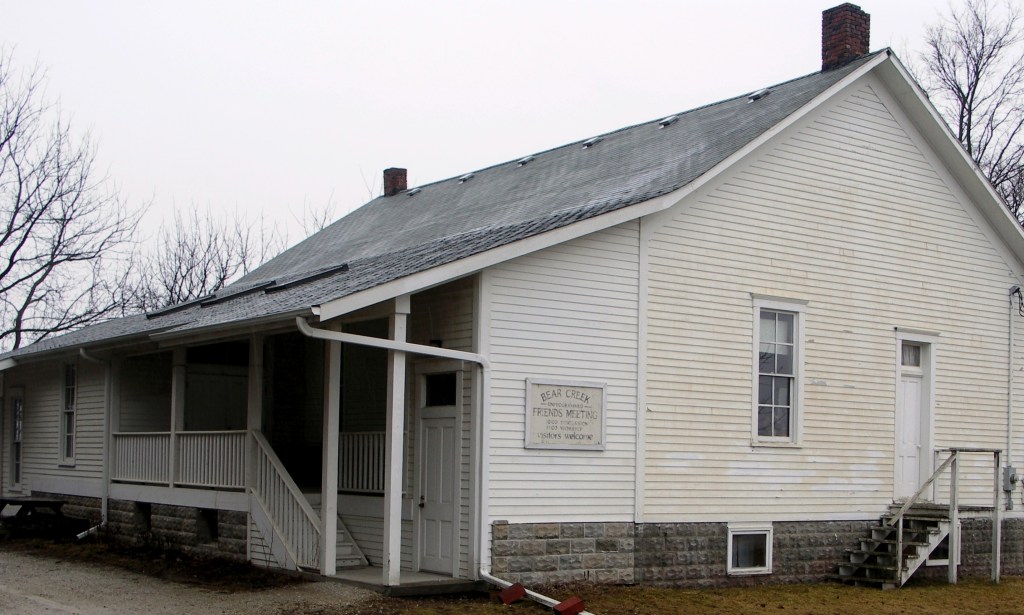
When I talked about KI at the Quaker meeting I attended, North Meadow Circle of Friends, I found there were others who knew Imhotep. JT had been in college with him. The meetinghouse was only 2 miles from KI. Some of us rode bicycles from the meetinghouse to KI to attend the monthly book discussions there.

Those book discussions provided the opportunity for our Quaker meeting to begin to be connected to KI. The books selected were related to justice issues, books like “The New Jim Crow” and “An Indigenous People’s History”. The youth at KI led these discussions, giving them experience in public speaking.

A fundamental concept of engaging with people or a culture different from your own is to never expect them to teach you about the oppression they experience. And to never make your connection a burden to them. These book discussions weren’t a burden because they were going to happen anyway. But they did provide an excellent way to learn about each other as we discussed the books. This was a great idea because it put the focus on the book, not ourselves. As we shared our ideas about the book, we began to get to know each other.

I was surprised when Imhotep said “having these discussions is revolutionary.” But recognized the truth in what he was saying. He wrote about that in the article quoted here:

Continue to push for something different

How can we create some processes and procedures to mitigate inequity in our social, legal and economic structures? How can we begin some conversations about creating a system that is equitable? What can each of us do in the present to advance equity in our society? And how do we continue to fight for equity during these difficult times?

First and foremost, all of us, every last one of us, must engage others in our work, home and play spaces to have honest, open and authentic conversations around the issue of inequity. Some of us, particularly those in positions of power, must have the courage and strength to look more deeply at the inequitable structures that exist within their own organizations and institutions.

Is equity possible in a world after COVID-19? By IMHOTEP ADISA, Indianapolis Recorder, May 15, 2020

Diop’s article continues:

Prior to Kheprw, my people ran a T-shirt business, but its focus was still human-centered leadership development, using a business model to do that. That business model was created to serve primarily the black community. The more we create entities that have our interests at heart, the more they can champion us by interfacing with systems that individuals can’t in order to take care of our own needs. We can create our own resources and develop our own solutions, that culturally reflect our interests by:

  • Research. See what’s being done (even the stuff that you don’t agree with) and, more importantly, what’s not being done in order to get a clear lay of the land. Focus on an area of interest, education, economics, etc., and hone in on what you are passionate about addressing. Figure out what is already going on, what they are doing, and look how they can be supported. If there are gaps, those are the opportunities for creation.
  • Relationships. It’s important to start any plan of action by building relationships. Institution-building is simply the collective gathering of people and the power that comes out of it. Learn each other and from each other. Have critical conversations that examine what’s going on, difficult conversations about what we are experiencing. Find out the different perspectives. From there, see what emerges and figure out how to form action. Strategize the best ways to do something and create actions that arise from their own momentum. Decide what their purpose is and how they are going to move on that purpose. Maybe it’s starting a business. Maybe it’s organizing a movement.
  • Repeat. New relationships, new models, new solutions can be arrived at. Continual creation of things that don’t exist yet to keep moving toward our desired future state.

We need to change the status quo on how we see one another, how we treat one another, how we uplift one another. The next steps involve what we do about getting there. There have to be conversations galvanizing what’s happening now and transferring that energy into the true change that is needed which is why institution-building is so critical. It’s long-term work that can lead to self-determination and impact the struggle well beyond the current generation. That’s the only way we will achieve true liberation.

Institution-Building Critical To True Change. Real justice begins with real liberation by Diop Adisa, Indianapolis Monthly, June 4, 2020

[NOTE: Our Quaker meeting benefited a great deal by using the Quaker Social Change Ministry Model (QSCM), a program provided by the American Friends Service Committee (AFSC). https://www.afsc.org/quakersocialchange. If you are considering doing this work, I recommend at least looking at QSCM whether you are a Quaker or not.]

Kheprw Institute https://kheprw.org/


Posted in American Friends Service Committee, Black Lives, Kheprw Institute, Quaker, Quaker Meetings, Quaker Social Change Ministry, race, Uncategorized | Leave a comment

Black and Indigenous Lives Matter

It is a challenge to learn about a culture different from your own. This is especially true knowing it is really wrong to expect people who are oppressed to teach you about their struggles. For the past several years I’ve been lead to learn about indigenous peoples. Initially that was because what little I did know was that they live in a way that protects Mother Earth by living within sustainable boundaries. I was also interested to learn about their spiritual lives, and that has become more meaningful than the environmental practices. Although they are both part of the same ways of living.

When I heard about the First Nation-Farmer Climate Unity March, I knew that was something I needed to be part of. The idea was for a group of native and nonnative people to walk and camp together along the path of the Dakota Access Pipeline. It turned out to be a small group which was great because it gave each of us a chance to share our stories and learn from each other. https://firstnationfarmer.com/

Since then there have been a number of occasions when some of us could work together. Ways to learn without actually expecting to be taught.

I’ve found a great way to learn more without imposing is to hear native women talk with each other. My friend Christine Nobiss and Seeding Sovereignty she helps lead have been having bi-weekly online discussions called SHIFT the Narrative. That is a live, online interview series that covers different aspects of Indigenous political engagement and current issues in Indian Country through interviews with expert guest speakers.


Above all else, we rally behind Indigenous-led environmental and climate justice movements as the fight for land sovereignty is at the center of every issue we face. Land defense is a force that has a long history of inciting political engagement–a force that Seeding Sovereignty believes catalyzes real, lasting change.

SHIFT the Narrative

The next episode is tomorrow, June 11th.

Thursday, June 11th, 2020 – Episode 005
4pm EST | 3pm CST | 1pm PST

Register here and join us as we interview Dr. Damita Brown, a community-based educator specializing in racial justice work who has been teaching leadership, anti-racism, and allyship workshops for over 12 years. We will be discussing the George Floyd uprisings and the essential role of Black leadership during this time. We will also talk about how to work in solidarity to overcome systemic white supremacy within our government and all its institutions. Will these uprisings incite people to vote in November or are we ready for a much more radical shift?

Dr. Brown holds a doctorate in History of Consciousness and has taught youth who are incarcerated as well as at the college level. Using contemplative practices, creative process work, and transformative justice, her approach addresses deep patterns of harm at the institutional, interpersonal, and personal levels. Currently Dr. Brown serves as the Restorative Justice Director at the Dane County TimeBank. She is the lead teacher for the Community Lab for Intentional Practice, a space where people interested in unlearning racism can connect with others for resources, practice space, and instruction in techniques for dismantling oppression in a supportive and compassionate environment.

Register here


Indigenous and Black people in Canada share in the experience of social exclusion and the deferral of the right to equitable health access, and this needs to change.

The COVID-19 pandemic has alerted us to the opportunities that beckon when we think about the collective. The collective is no longer an abstract thought.

We socially distance because we understand that our fates are connected, and that by tending to our most vulnerable, we can save many lives. A similar logic is now informing the collective outrage against anti-Black racism and police brutality that has spread across the United States and has reverberated around the globe.

“No one is free until we are all free.” Dr. Martin Luther King Jr.’s adage holds true for both human rights and public health.

Indigenous and Black people in Canada share social exclusion and collective outrage. By Sarah Adjekum, Canada’s National Observer,| June 10th 2020


Yesterday I wrote about common concerns of indigenous and Black peoples. https://atomic-temporary-82209146.wpcomstaging.com/2020/06/09/decolonize-all-the-things/


Posted in #NDAPL, climate change, Indigenous, solidarity, Toward Right Relationship with Native Peoples, Uncategorized | Leave a comment

Decolonize ALL The Things

It seems like a miracle to me, to witness millions of people around the world coming together to demand change, demand justice. To witness the sustained gatherings day after day.

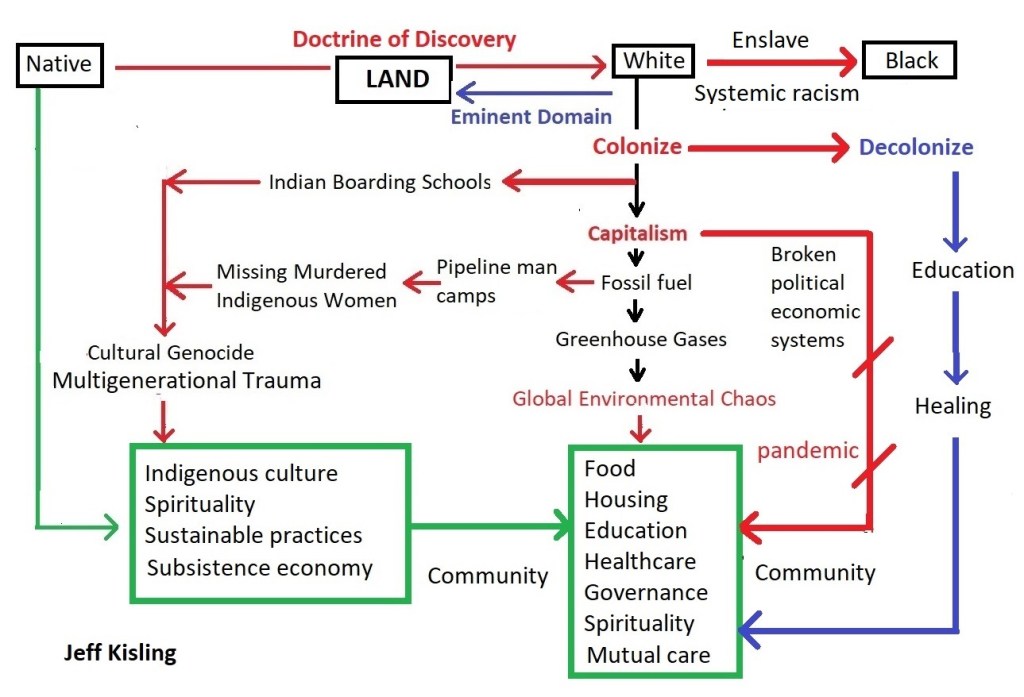
I have spent the past several years following leadings of the Spirit which have helped me learn about indigenous peoples. One way I try to organize things I’m learning is to create diagrams, such as the following.

The events of the past several weeks made me think how the treatment of black people fits into this diagram. This morning I added the block “Black” and how White people enslaved black people. And how White people intentionally built racism into our political, social and economic systems.

I had not thought about decolonization being related to people of color until I saw where systemic racism might fit into this diagram.

An Internet search for “black” and “decolonize” brought me to the website Decolonize ALL The Things, The UNsettling reflections of a Decolonial Scientist. (I really like the capitalization of UNsettling).

The description of the website indicates the goal is “the complete liberation of all peoples from white patriarchy, capitalism, oligarchy, colonialisms, settlement, as well as orientalism.” The same goals as my native friends.

As a Nkrumah Toureist, I am interested in seeing all of the continent of Africa and peoples of African descent united under scientific socialism.  I am also interested in the complete liberation of all peoples from white patriarchy, capitalism, oligarchy, colonialisms, settlement, as well as orientalism.  This aligns me with Indigenous peoples all over the world who have and continue to suffer injustices of dispossession, disconnection, and dehumanization.  And I am of course aligned with those who are victims of the ‘modernity’ that brought destruction to them, their homelands, bodies, & then stole them away for enslaved labor.  This website is called “Decolonize All The Things” and I stand by that political statement. I am interested in transforming the nature of the relationship with the self, others, resources, and all other forms of life.

Shay-Akil McLean (@Hood_Biologist

Shay-Akil McLean (@Hood_Biologist) is a Queer Trans man racialized as Black, on stolen Indigenous land, educator, writer, public intellectual, human biologist & sociologist.  Shay-Akil is an Ecology, Evolution, & Conservation Biology PhD student in studying Du Boisian sociology, STS/HASTS, race, human health demography, evolutionary genetics, & theoretical population genetics.  He holds degrees in biological anthropology (BA & MA) & sociology (BA & MA) which he uses to study STS/HASTS, bioethics, medical ethics, philosophy of biology, population genetics, evolutionary theory, health inequities, & knowledge production. As a developing scholar, Shay-Akil studies how systems of human practices result in the differential distribution of health, illness, quality of life, and death.

His Master’s work in biological anthropology looked at the impact of food insecurity, poverty, & racial residential segregation on the dental health of low-income Black people in the 4th poorest city in the United States.  It is through this work that Shay-Akil began developing community-based grassroots interventions that focus on changing marginalized’s people’s relationships to knowledge & power.

The goal of Shay-Akil’s work is to create spaces for strategic gains toward organizing communities against the structural violence that heavily effects disease risk & life determinants. 


So we are there, we need to be in solidarity. This country was built upon a premise that all people are equal and should have the right to liberty and should have the right to freedom. We understand that because we lived those ways prior to colonists coming to this continent, we need to bring that back. We are here, we are standing in solidarity with Black Lives Matter.”

Laura John (Blackfeet and Seneca)

Posted in decolonize, enslavement, Indigenous, Native Americans, Uncategorized | Leave a comment

Peace and Social Concerns

We are living in a time of great upheaval, related to the COVID-19 pandemic and the massive demonstrations demanding the eradication of systemic racism. And more generally to restore our social contract to serve everyone, to change an economic and political system that has been corrupted for corporate profit above all else.

I’d like to share two statements from Iowa Yearly Meeting (Conservative), an organization of Quaker meetings in the Midwest. The first is the Peace and Social Concerns Committee Report that was approved at our annual gathering last summer. The second is a Minute (statement) approved by the Yearly Meeting in 2016 about the interconnections between various concerns.


Peace and Social Concern Report 2018
Iowa Yearly Meeting (Conservative)

To this day we have not come to grips with fundamental injustices our country was built on, the cultural genocide and theft of land from Native Americans, the enslavement of African Americans and the legal justifications of bestowing rights and privileges on white land-owning men. The consequences of these injustices continue to plague our society today. And will continue to impact us until we do what is necessary to bring these injustices to light and find ways to heal these wounds.

Several Friends recently assisted Boulder Meeting Friend, Paula Palmer, to lead workshops and discussions as part of her ministry “toward right relationships with Native people.” Part of the tragedy of the theft of Native land is that some Native people don’t have the concept of land as property, belonging to a landowner. Rather they have a spiritual connection to Mother Earth, that the land is sacred and not something that can be claimed as property by anyone. Being forced to leave their land broke their spiritual bonds with the land.

Native people have asked us to begin work toward reconciliation and healing. The first step needed is truth telling, recognizing that injury or harm has taken place. One of the important parts of holding “right relationship” workshops is to determine which Native nations were on the land before white settlers arrived. We encourage Friends to read this acknowledgement statement when meetings take place on the land called Iowa.

IOWA ACKNOWLEDGEMENT STATEMENT

We begin by acknowledging that the Land between Two Rivers, where we sit and stand today, has been the traditional homeland for many independent nations. These include the Ioway and the Otoe, who were here since before recorded time. The Omaha and the Ponca were here, moving to new lands before white settlers arrived. The Pawnee used this land for hunting grounds. The Sioux, Sauk and Meskwaki were here long before European settlers came. Members of many different Indigenous nations have lived on these plains. Let us remember that we occupy their homeland and that this land was taken by force. Today, only the Meskwaki Nation, the Red Earth People, maintain their sovereignty on their land in the state of Iowa. They persevered and refused to be dispossessed of their home. Place names all over our state recognize famous Meskwaki chiefs of the 1800s like Poweshiek, Wapello, Appanoose, and Taiomah or Tama. We honor the Meskwaki Nation for their courage, and for maintaining their language, culture and spirituality. May our time together bring respectful new openings for right relationship to grow.

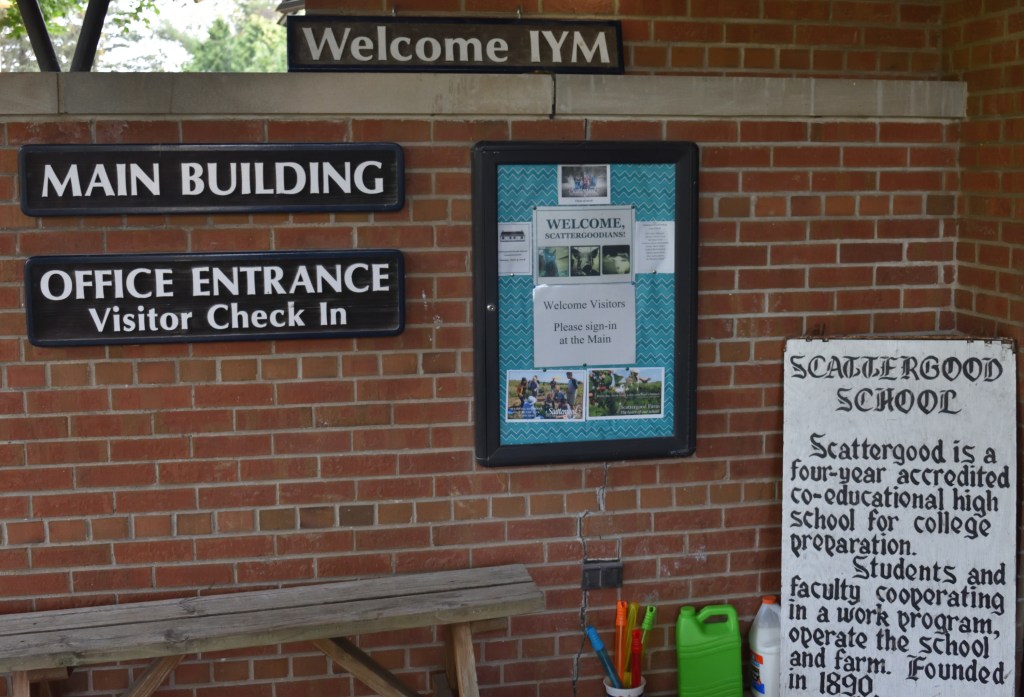
Part of the healing needed relates to the forced assimilation that was attempted, and often time occurred, by kidnapping Native children and taking them to Indian Boarding Schools. This was the topic of Paula’s presentation at Scattergood Friends School and Farm. Some may question why this needs to be discussed today. The reason is for the truth telling, and to name how whiteness historically ignores the multigenerational trauma imposed upon indigenous people. Healing begins when truth telling begins. Multi-generational trauma affects Native people today. One Friend shared with a Native friend that he knew about the Quaker Indian Boarding Schools, and he was sorry for what happened.  His friend then told about a phone call from his mother when he was at Standing Rock. She was very distraught because she recognized the rope used to tow a boat across a narrow channel of water, and it reminded her of the Indians using a similar boat and tow rope to help the Native children escape when white men came to take them to boarding schools.

Some Friends have been working to support the concept of an indigenous led Green New Deal. Iowa Citizens for Community Improvement (ICCI) is supporting the youth organization, the Sunrise Movement, that has been successful in moving toward a Green New Deal.

In dark times it is easy to feel discouraged and helpless. Sometimes it helps to step back to get a different perspective. The following statement was printed, but not approved, as a Minute in the 2006 Minutes of Iowa Yearly Meeting (Conservative).

There once was a frame of reference in this country that said, “Slavery is a reality.  The best we can do is hope to regulate it and work for the just treatment of slaves.”  John Woolman stepped out of that frame of reference and said, “Slavery is wrong.” His vision was to end slavery.

Today there is a frame of reference in this country that says, “Illegal immigration is a reality.  The best we can do is regulate immigration. We step out of that frame of reference to say, “All are worthy of a decent life.” Our vision is the recognition of migration as a human right.”  (We thank the American Friends Service Committee (AFSC) for their years of work on behalf of migrant people.)

This statement provoked us to consider how we might express such visionary statements today. Some examples of how that might look follow.

There once was a frame of reference in this country that said:

  • “Systemic racism is a reality. The best we can do is make people aware of this racism.” We want to step out of that frame of reference and say, “Racism is wrong.” We believe this vision will help create the Beloved Community Martin Luther King, Jr, spoke of. All of these visions contribute to that possibility.
  • “Theft of Native land is a reality. The best we can do is help Native people, especially children, assimilate into white culture.” We want to step out of that frame of reference and say, “The theft of Native land and culture is wrong.” We believe this vision will lead to reconciliation, healing and lifting up Native culture.
  • “War is a reality. The best we can do is limit conflict.” We want to step out of that frame of reference and say, “War is never the answer.” We believe this vision will lead to world peace.
  • “Those who do wrong must be incarcerated.” We want to step out of that frame of reference and say, “Abolish prisons.” We believe this vision can rehabilitate prisoners so they can re-enter their communities.
  •  “Some people must die for their crimes.” We want to step out of that frame of reference and say, “No one should be put to death.” We believe this vision will end this inhumane practice.
  • “Fossil fuel use is necessary for our economy and transportation”.  We want to step out of that frame and say, “Use of fossil fuels must end now.” We believe this vision can temper the environmental catastrophe we are moving more deeply into.
  • “Borders are a reality.” We want to step out of that frame of reference and say, “Borders are wrong.” We believe this vision will lead open borders which is becoming increasingly important as millions more become climate refugees.
  • “Health, including mental health is available to those who can pay.” We want to step out of that frame of reference and say, “Health, including mental health, is a human right.” We believe this vision will heal us.
  • “Violence against and sexual trafficking of women and children are a reality. The best we can do is incarcerate the perpetrators”. We want to step out of that frame of reference and say, “Women and children have a right to be free and safe, always and everywhere.” We believe this vision will help us all feel safe and protected.

We are joyful knowing the Spirit’s guidance will show us how to attain these visions.

“But the end is reconciliation; the end is redemption; the end is the creation of the beloved community. It is this type of spirit and this type of love that can transform opposers into friends. It is this type of understanding goodwill that will transform the deep gloom of the old age into the exuberant gladness of the new age. It is this love which will bring about miracles in the hearts of men.” Martin Luther King, Jr. from “Facing the Challenge of a New Age,” 1956


Minute approved 2016 Iowa Yearly Meeting (Conservative) of Friends (Quakers)
Interconnections Among Dilemmas

We as Quakers, experience the unifying core that animates all peoples and nature. This common experience compels us to work at resolving injustices that separate peoples and people from nature.

American society, in which we live and breathe, is today saturated by greed and violence to the extent that life as we know it veers toward extinction. Maladies that we experience as separate are in reality deeply interconnected.

Examples are legion:

  • Our imperialist foreign policy, which encompasses mass killings of people of color has the same roots as violence within our borders.
  • Gun violence parallels military violence and systemic racism.
  • Domestic violence, sexual assault, and child abuse are directly coupled with military violence and structural poverty.
  • Massive population displacement results from war, climate disruption and economic policy.
  • Climate disruption follows from the unquenchable greed and military dominance that alienates us from each other and the rest of the world.

Only radical turning will save the world. It is both frightening and challenging to consider that a great part of both the problem and the solution lies within U.S. society.

Our hope rests in the spirit of Christ moving within and among us and our attentiveness to its direction. Within Friends, different members bring different gifts of discernment and action.

Artistic creativity opens possibility and inspires broader participation. Those who faithfully lobby lawmakers and insert themselves in democratic processes move us forward. Those who engage in healing and rebuilding our communities provide the basis for peace and stability. Interrupting the racism woven into our culture opens untold possibilities. Alternatives to Violence workers dismantle roots of violence and build bridges. Those who aid in releasing us from the greed endemic to capitalism can do much to save the environment and interrupt rapacious resource exploitation. Spirit-grounded educators ease technological and intellectual barriers to the world we seek. Individuals nearing the end of their life may offer unique wisdom, love and support to those with the energy to continue life on earth.

Quaker Social Change Ministry of AFSC, Advocacy Teams of FCNL, Experiment with Light, and Clearness Committees are among the various Quaker techniques for moving us forward towards the Light and away from fear and despair. How we avail ourselves of them will rest on the particular resources of the communities in which we live and diverse gifts within our meetings.

We have one purpose; a spiritual awakening and creating a peaceful, loving, just and sustainable world. And there are diverse approaches to reach the goal. We act in harmony when we support, appreciate, and speak truth to those whose struggles intersect with ours, even when the paths seem to be different.


Posted in Arts, Native Americans, Quaker, Quaker Meetings, Uncategorized | Leave a comment

Environmental Responsibility

Many Quaker meetings have a practice of discussing a series of questions about their lives and what they are doing in the world. At the end of the discussion a summary of what had been said is written. This as one of the ways Quakerism encourages us to have an active, engaged approach to our spiritual lives.

There are twelve sets of queries on various topics, so one set of queries are discussed each month. This morning my Quaker meeting, will be discussing our environmental responsibility.


10.  ENVIRONMENTAL RESPONSIBILITY

ADVICE

All of creation is divine and interdependent: air, water, soil, and all that lives and grows. Since human beings are part of this fragile and mysterious web, whenever we pollute or neglect the earth we pollute and neglect our own wellsprings. Developing a keen awareness of our role in the universe is essential if we are to live peacefully within creation.

The way we choose to live each day‑‑as we manufacture, package, purchase and recycle goods, use resources, dispose of water, ‑design homes, plan families and travel‑affects the present and future of life on the planet. The thought and effort we give to replenishing what we receive from the earth, to keeping informed and promoting beneficial legislation on issues which affect the earth, to envisioning community with environmental conscience, are ways in which we contribute to the ongoing health of the planet we inhabit.

Preserving the quality of life on Earth calls forth all of our spiritual resources. Listening to and heeding the leadings of the Holy Spirit can help us develop qualities which enable us to become more sensitive to all life

QUERY

  • What are we doing about our disproportionate use of the world’s resources?
  • Do we see unreasonable exploitation in our relationship ‑with the rest of creation?
  • How can we nurture reverence and respect for life?  How I can we become more fully aware of our interdependent relationship with the rest of creation?
  • To what extent are we aware of all life and the role we play? What can we do in our own lives and communities to address environmental concerns?

Growing up on farms in Iowa, I had deep connections to the earth, many of which I wasn’t conscious of until later in life. I am grateful for those connections.

I was also blessed by the experiences of visiting and camping in parks. Some of my memories are of the group camping trips of Iowa Yearly Meeting (Conservative) Quakers. We looked forward to these weekends in Iowa state parks, where we could be with our friends. Many of us lived some distance from each other.

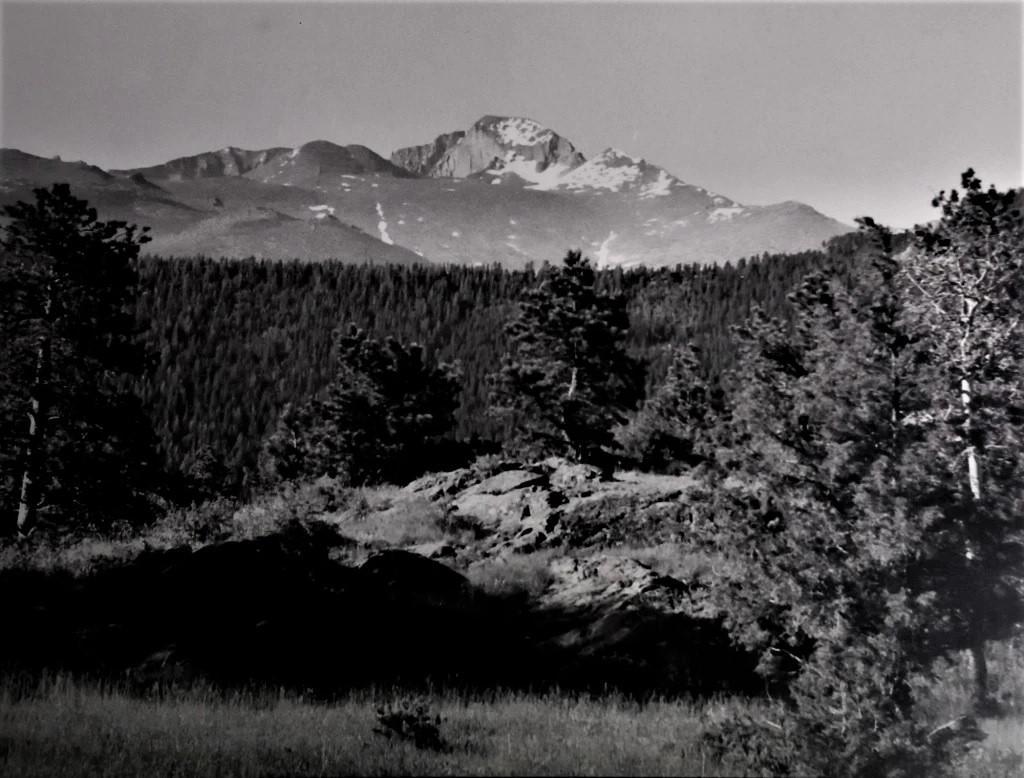
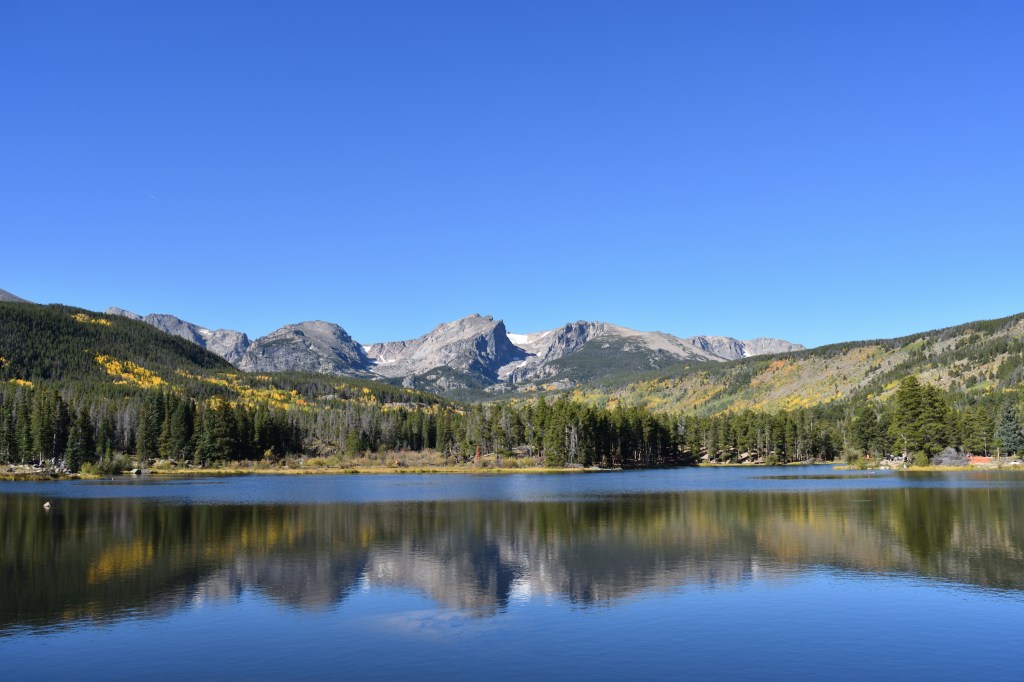
I was profoundly affected by our annual family camping trips to many different National Parks. Our favorite was Rocky Mountain National Park in Colorado, which we visited many times.

When I moved to Indianapolis in 1970 as a 20 year old, I was shocked by the filthy air (this was before catalytic converters). I had a terrible vision of my beloved mountains hidden behind clouds of smog. Although I did have a few cars, that terrible vision persisted, and led me to live without a car for the rest of my life.

But I knew, despite that, my carbon footprint was many times greater than those living in many other countries, many other cultures. It was knowing a little about the environmental integrity of indigenous cultures that led me to seek opportunities to learn more. Those prayers were answered and showed me how to make connections with Native Americans in the Midwest. I’ve been learning so much, especially expanding my spiritual understanding of Mother Earth and all our relations.

I made friends with a tree. I became more aware of the presence of the Spirit in all things, animate and inanimate. As I was writing this the three hawks that often accompany me on my nearly daily walks, flew close to my window, greeting me. Just now a young squirrel hopped toward me.

Tragically the assaults on Mother Earth around the world have expanded and continued. The vast destruction of the land and water in the Alberta tar sands fields, for example, are difficult to see. That is why the media doesn’t publish pictures of that.

Greenhouse gas emissions continue to rise, air and water temperatures are increasing, glaciers are melting causing water levels to rise, storms are more severe, areas of drought expanding.

The damage is becoming so widespread and severe that people can no longer avoid it. And still no real work is being done to help heal Mother Earth.

And then, a miracle occurred. The COVID-19 pandemic brought economies all over the world to a virtual standstill. Fossil fuel use and greenhouse gas emissions fell dramatically. Mount Everest, similar to my vision of the Rocky Mountains hidden in smog, could clearly be seen again from many miles away.

Then the self quarantine, staying away from work, families spending more time together in response to the pandemic created the space for so many people to see life in different ways. See they didn’t have to drive to an office, for example. Created the space to re-evaluate their priorities, wonder if there were new and better ways to spend their lives.

So many were home at the time the horrific execution of George Floyd occurred, seeing that happen in real time. A shock to the system. Centuries of police brutality hadn’t been part of the experience of many White people.

George Floyd’s murder occurred during this time when so many people were at home, reevaluating their lives. Better understanding how we are all connected. Wanting to improve their lives and those of their families. Re-learning how important the care and connection with their neighbors was an important part of that. People were radicalized.

Enough was enough.

So thousands and thousands of people of all races and ages and genders went into the street to stand with their friends and neighbors. To peacefully protest day after day. To insist that politicians at all levels of government fix these broken systems of criminal justice and policing. To fix the broken systems causing racial, environmental, political, and economic injustice.

Enough is enough.


Posted in Quaker, Uncategorized | Leave a comment