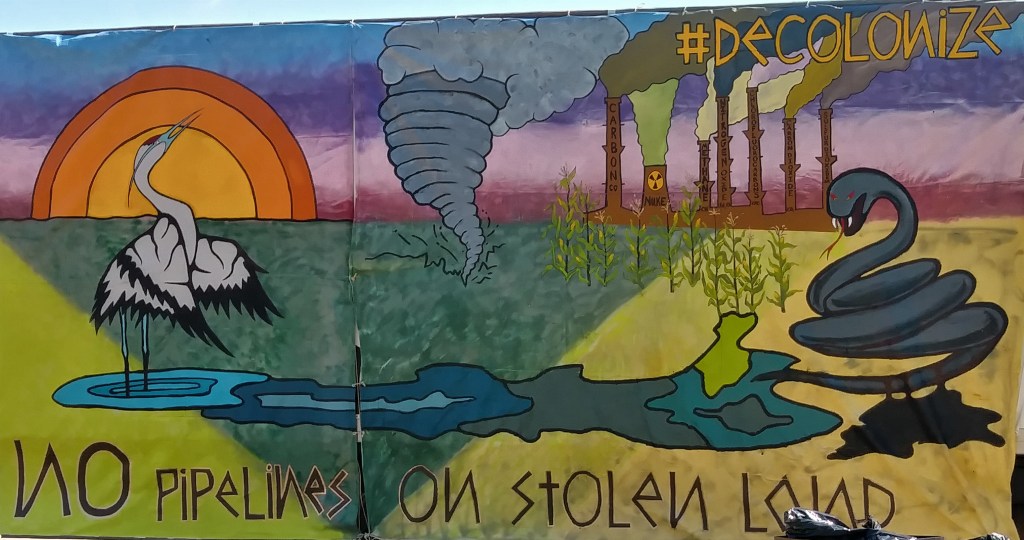
Urgent Call to Protect the Sacred

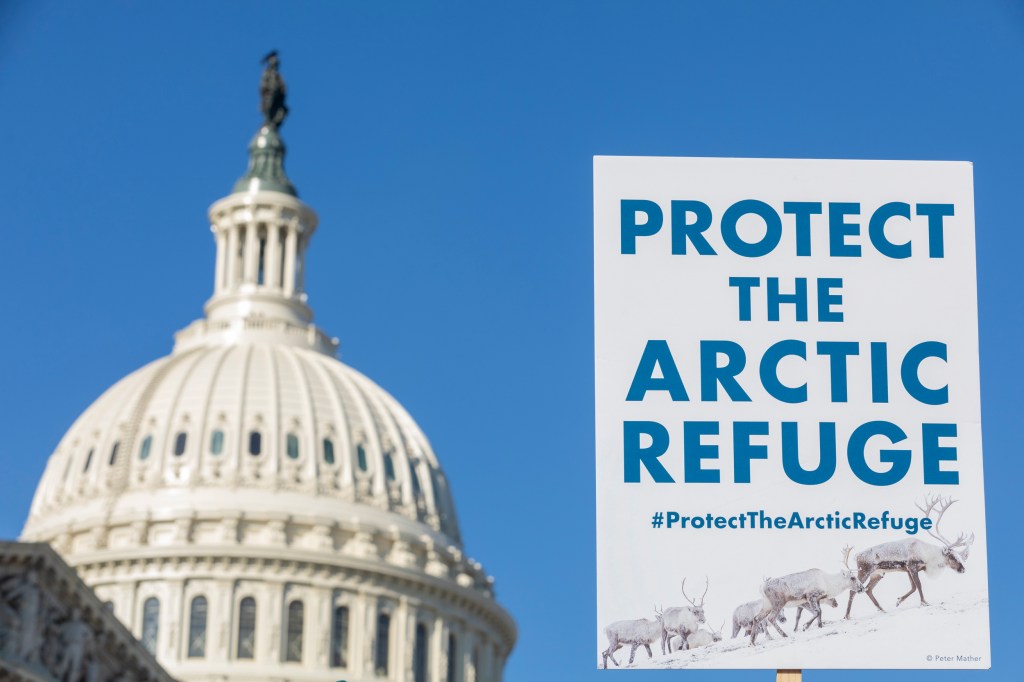
In a last-minute push, the Trump administration announced Thursday that it will auction off drilling rights in the Arctic National Wildlife Refuge in just over a month, setting up a final showdown with opponents before President-elect Joe Biden takes office.

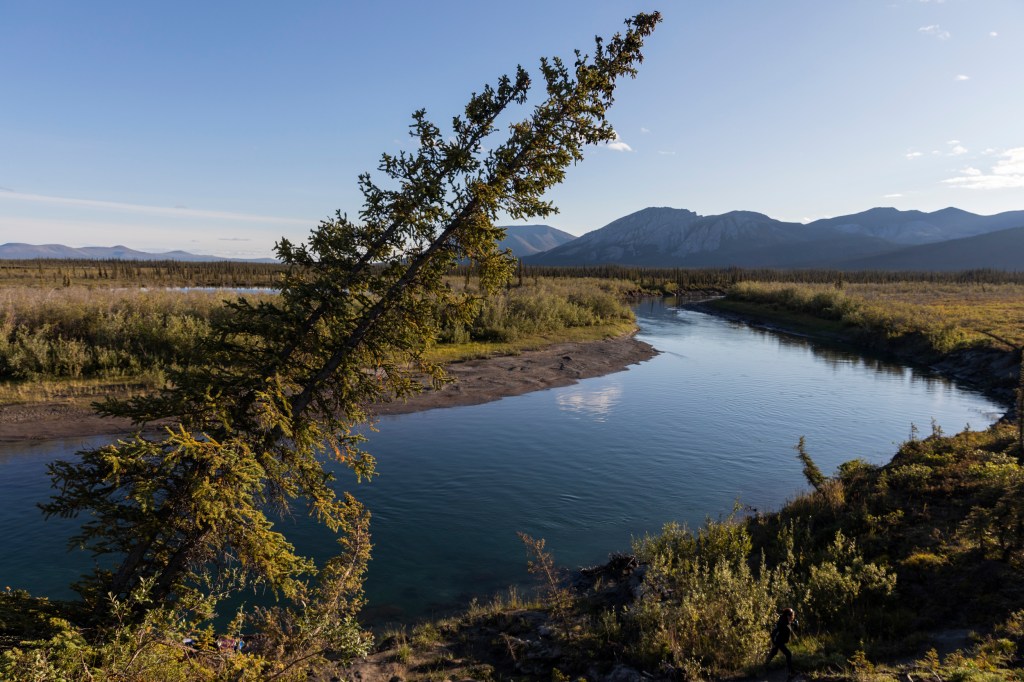
The sale, which is now set for Jan. 6, could cap a bitter, decades-long battle over whether to drill in the coastal plain, a pristine expanse that’s home to migrating caribou, polar bears and other wildlife. The Trump administration has made it a priority to open the land to development.

Trump Rushes To Lock In Oil Drilling In Arctic Wildlife Refuge Before Biden’s Term by Tegan Hanlon, NPR, Dec 3, 2020

11/27/17

“Let Love be the first motion.” – John Woolman

“It is essential to show special care for indigenous communities and their cultural traditions. They are not merely one minority among others, but should be the principal dialogue partners, especially when large projects affecting their land are proposed. For them, land is not a commodity but rather a gift from God and from their ancestors who rest there, a sacred space with which they need to interact if they are to maintain their identity and values. When they remain on their land, they themselves care for it best. Nevertheless, in various parts of the world, pressure is being put on them to abandon their homelands to make room for agricultural or mining projects which are undertaken without regard for the degradation of nature and culture.” – Pope Francis in his message from the Encyclical Laudato Si’ “On care for our common home,” #146

Urgent Greetings to Friends Everywhere,

In the spirit of love for this land called Alaska and sensitivity to the interconnected web of all life that live here, we of the Alaska Friends Conference (Quakers), invite you to stand with us in solidarity with the Gwich’in people (see http://ourarcticrefuge.org/take-action/,) the Episcopal Church  and other faith groups in opposition to proposed oil exploration and development in the Coastal Plain of the Arctic National Wildlife Refuge, a region known as the “1002 Area” in our nation’s current legislative discussions. Our call rises out of respect and deep concern:

–  For the Sacred and vital sources of life.

–  For traditional cultures and people who strive to live in harmony with their natural surroundings.

–  For the negative impacts that our continued dependency on fossil fuels is having on our climate, our peoples (and native cultures disproportionately,) our life forms and our lands.

We ask Friends around the world to join us in prayerful support and urgent acts of advocacy.

Unlike other areas of the North Slope currently developed for oil extraction, the Arctic National Wildlife Reserve (ANWR) lies within an area known as ““Iizhik Gwats’an Gwandaii Goodlit, “ (“The Sacred Place Where Life Begins”) to the Gwich’in People who have subsisted on the areas’ resources for thousands of years. The Porcupine Caribou Herd, the foundation of the Gwich’ins’ subsistence culture and way of life, uses this area for birthing and nursing their young. For the Gwich’in People, the Arctic National Wildlife Refuge was created in part because this area is Sacred.

We live in challenging times in Alaska; acutely aware of the devastating instability of our climate yet largely dependent on the fossil fuel development that drives it. In Alaska Friends Conference we see the injustice and unsustainability in this balance. We seek examples for living in harmony with our surroundings, to develop ties and traditions in keeping with this place.  We are moved by the deeply rooted knowledge, respect and reverence the Gwich’in people hold for the places where they strive to live. In keeping with Pope Francis’ message above, when Gwich’in people express grave concerns for human impacts on the sensitive ecosystem of the Arctic Refuge Coastal Plain, we receive their concerns with no less weight than we would hear Catholics speak of the Vatican, or Jews of Jerusalem, or Muslims of Mecca or any other people with regard to their sacred, tradition- and culture-bearing sites.  We are moved to accompany them.

We recognize that not all Alaska Native groups are of a single mind on this issue. In the absence of clear consensus, we are ultimately left to discern a path forward based on our own principles and understanding of Truth. In discouraging further oil extraction, in protecting the Arctic Coastal Plain and the Porcupine Caribou Herd that is dependent on this area, in standing with the Gwich’in Nation, which encompasses both Alaskan and Canadian villages and other Alaska Natives and residents who have deep spiritual and cultural ties to this same area, this call reflects our understanding of Love in the Greater Good.

Please, join us in prayer and advocacy. We would be happy to answer questions, or for further information, contact the Gwich’in Steering Committee directly at http://ourarcticrefuge.org/.

On behalf of Alaska Friends Conference (Quakers),

Taylor Brelsford (clerk)

brelsfot@alaska.net
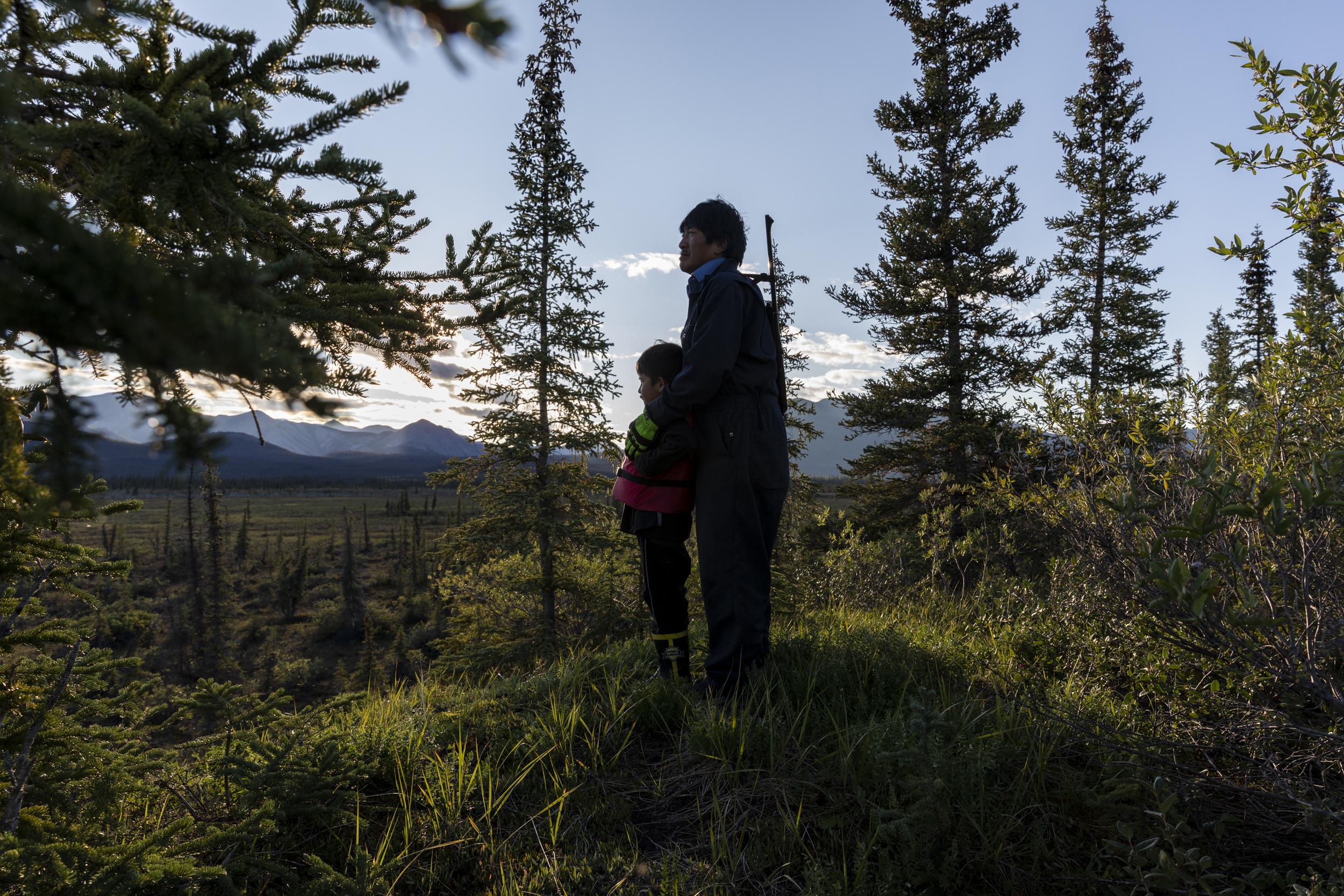
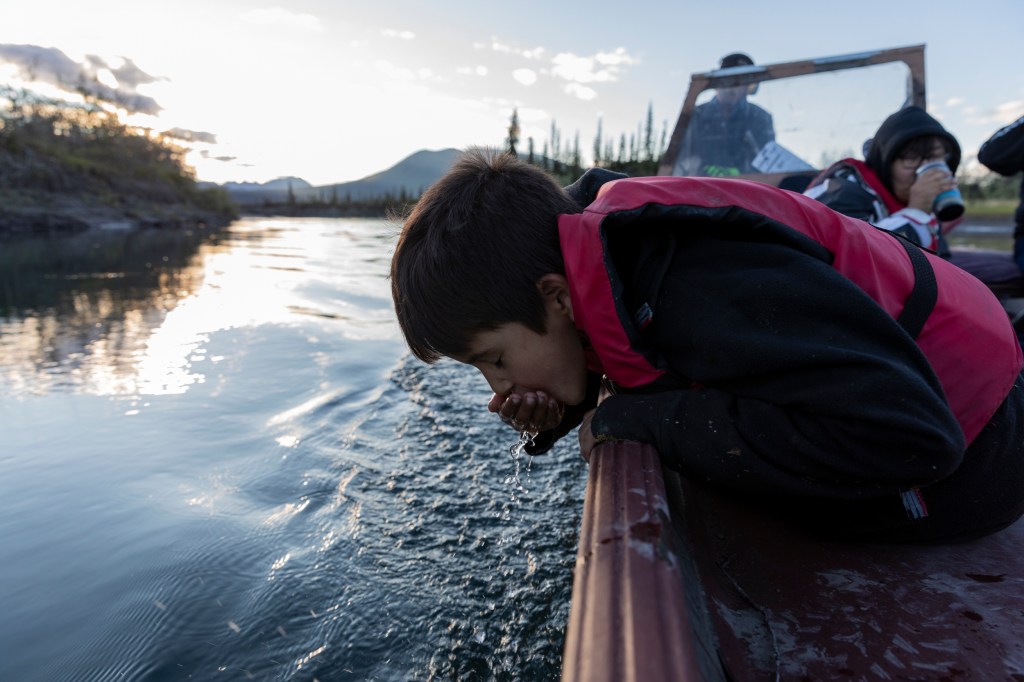
Bob Gilbert stands with his grandson, Victor, while looking for moose along the Junjik River outside Vashrąįį K’ǫǫ. The Gwich’in fear for the future of their children and grandchildren, if the Arctic National Wildlife Refuge is opened to oil and gas development, they believe it will threaten the very existence and identity of their people. To the Gwich’in, wilderness is not luxury; it is a way of life. Photo credit: Keri Oberly
30 Days of Action Official Toolkit (google.com)

Please follow our guidance and plan or join a solidarity action for these dates. Join Gwich’in and Iñupiat protectors against Arctic Refuge oil exploration and extraction in kicking off the 30 days of action with an Arctic Refuge International Banner Drop when the lease sale is announced (12/7/2020) and an Arctic Refuge International Day of Solidarity when the lease sale is held (1/6/21).

Use these hashtags:
#ProtectTheArctic
#StandWithTheGwichin
#InupiatGwichinSolidarity 
#DefendTheSacredAK
#NativeMovement


WEEK 1: PUBLIC COMMENT

December 7, 2020 – December 13, 2020

Help us raise awareness
and build a public record of opposition.

Write a Letter to the Editor to defend the Arctic Refuge!
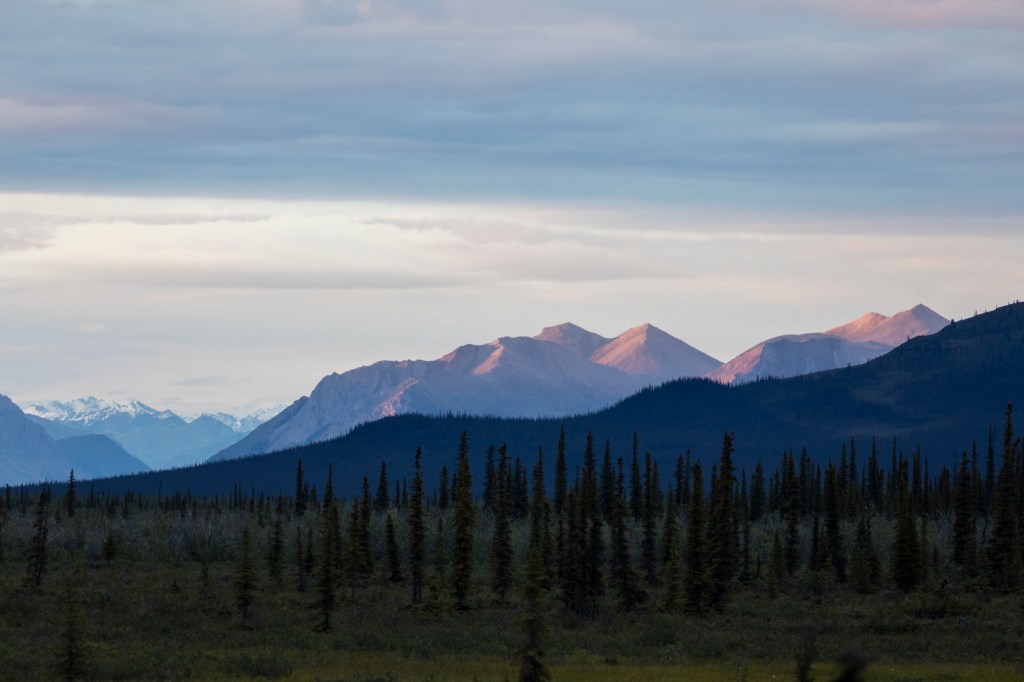

Photo credits: Keri Oberly @kerioberly

#ProtectTheArctic
#StandWithTheGwichin
#InupiatGwichinSolidarity 
#DefendTheSacredAK
#NativeMovement

Posted in Arctic National Wildlife Reserve (ANWR), climate change, First Nations, Indigenous, Quaker, solidarity, Uncategorized | Leave a comment

Envision that world our ancestors want for us

From my first contact with native peoples I felt a spiritual connection. That was the reason I embarked on the spiritual journey I’ve been on since. I wrote the following in October, 2016.

We Caucasian/European people don’t have a spiritual vocabulary, and maybe no one does, I couldn’t say.  I have always felt my spiritual experiences could not be confined by, or reduced to words.  They are so much deeper, higher, wider, more profound than that.  That is why my Quaker experience has been such a blessing to me.  To worship together in silence for an hour provides occasions to engage with that which is beyond words, beyond ourselves.

Central to this spiritual practice is that whatever you experience must be integrated into every moment of your life.  The spiritual guidance you receive is intended to guide how you live your life.  A large part of that is how you engage with others, and respond to their spirit.  We are all brothers and sisters.  All my relations.  Quakers have a saying, “there is that of God in everyone and everything.”

This is why I was so moved by the experience of being among Native Americans, because I immediately recognized this in them.  In how they treated each other, and those of us who they didn’t yet know, how they engage the spirit, and how they have always treated the Earth.

Initial Impressions, Oct. 19, 2016 Jeff Kisling

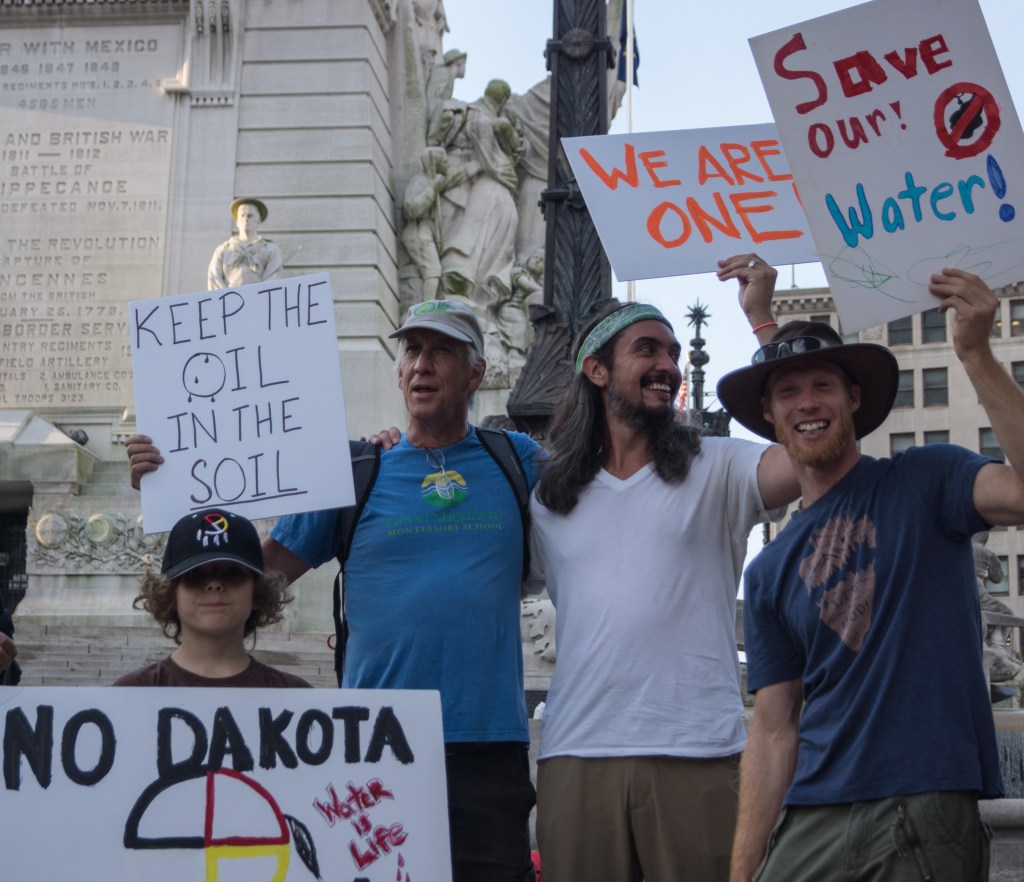
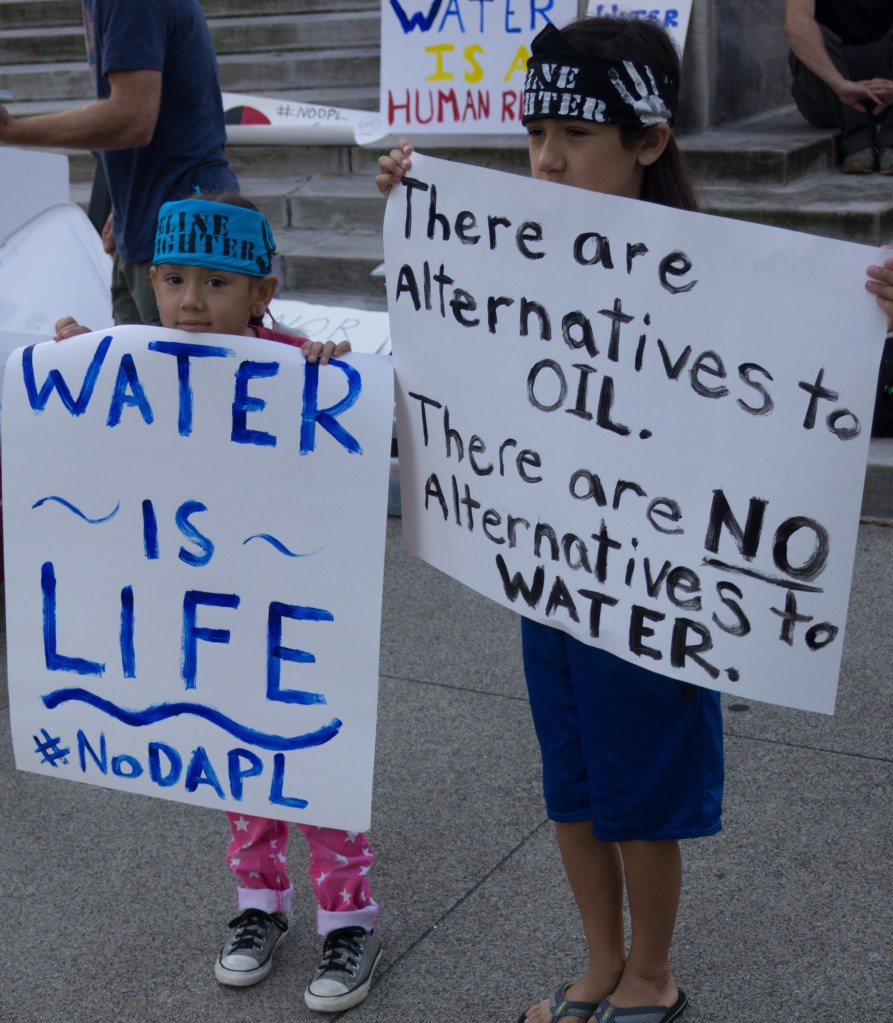
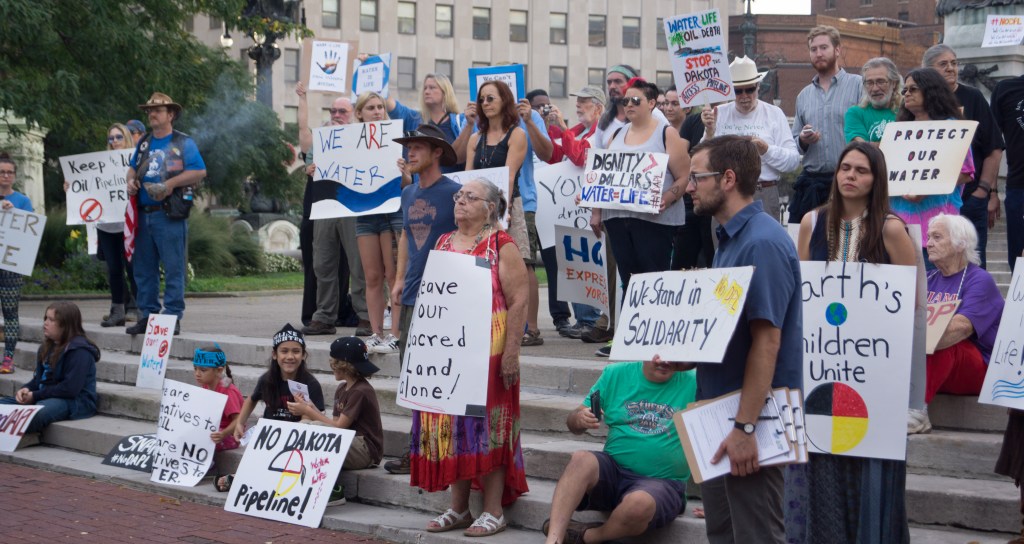
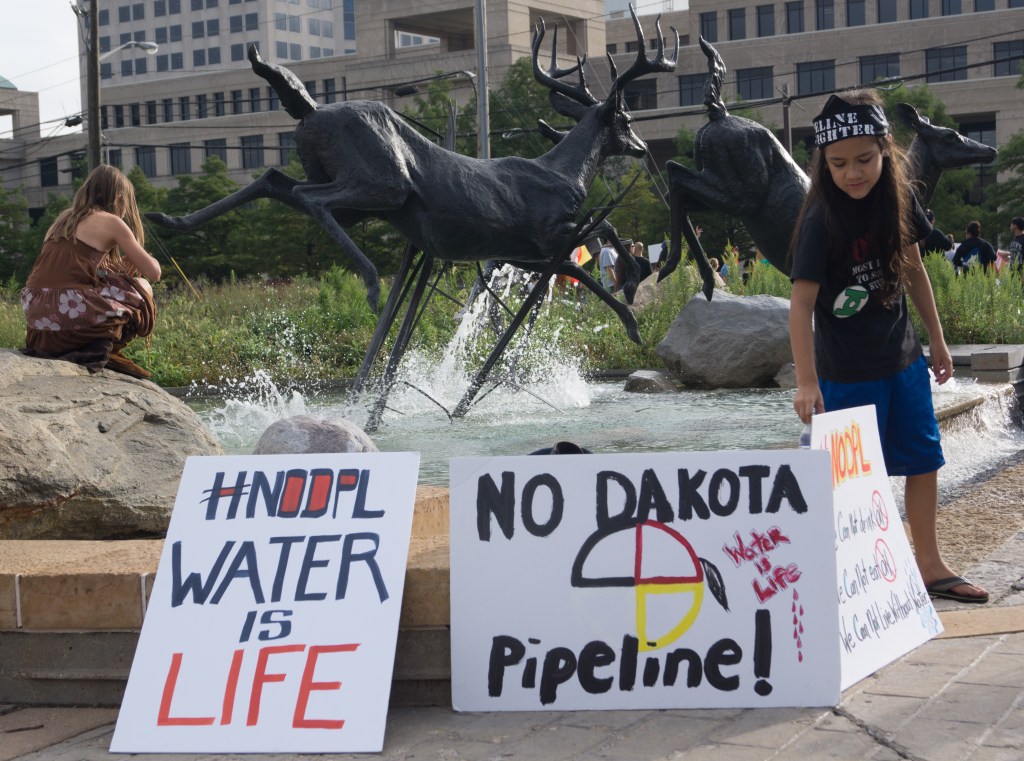
Photos from those early connections in Indianapolis.

“During this time of climate crisis, it is imperative that we transform the colonized mind of settler descendant society by pushing Indigenous ideologies onto the world stage. We need to convey the profound and sustainable perspectives of Indigenous communities, cultures, and relationships to the earth by giving Indigenous people the opportunity to investigate, speak, write, photograph, and so much more. In particular, we need to encourage Indigenous women on to the world stage and empower them to convey the sacred feminine that has been violently oppressed.” 

“For most First Nations, wealth was seen as an ability to give gifts and provide for the people. It was a completely different perspective that offended settlers to the point that, in Canada, the government banned potlatch ceremonies (giveaways) and the people were forced to carry out their ceremonies underground. This is an important part of North American Indigenous culture to know because it explains how an Indigenous-led regenerative economy can help us curb the onslaught of climate change and end social injustice caused by colonial-capitalism. This ideology can help us better understand how to interact with the land and fight corporate conglomerates that are destroying the earth on which they carry out their unhealthy and inhumane commercial farming practices.” 

Christine Nobiss

I wrote the following as I was reflecting on all that had happened as we walked and camped together on the First Nation-Farmer Climate Unity March in 2018.

I also wanted to show Indigenous people that there are non-natives who care for Mother Earth, and could both learn from Native Americans, and join in their efforts to change agricultural and social thinking and practices. Quaker worship is fairly unique in non-native culture in not having structured rituals and services. Rather, Quakers gather in silence in order to try to hear and obey what the Spirit is saying to them. And throughout the week try to be attentive to the Spirit at all times, though we often aren’t successful in doing so. This means we reflect on the current state of our lives, and try to be open to new ideas.

I am convinced a spiritual approach is the only way to begin to tackle the rapidly evolving environmental chaos. That it makes sense that the spiritual approach of Quakers can be in tune with the spiritual approach of Indigenous peoples. So beside wanting to hear the stories shared by Native Americans, I also looked for ways to share about Quakers as we walked together.

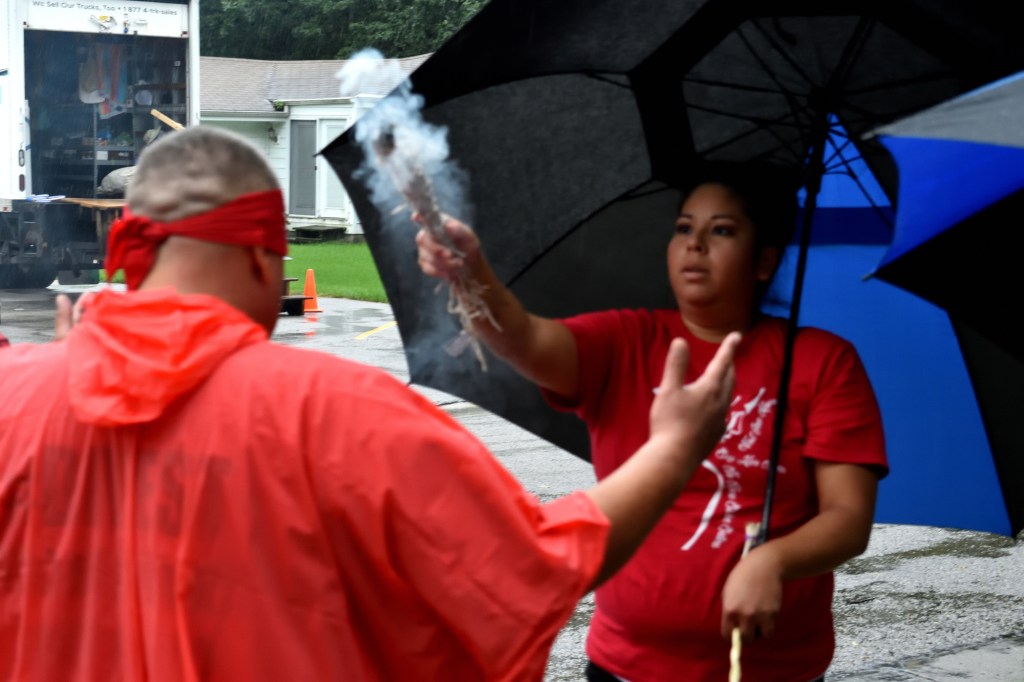
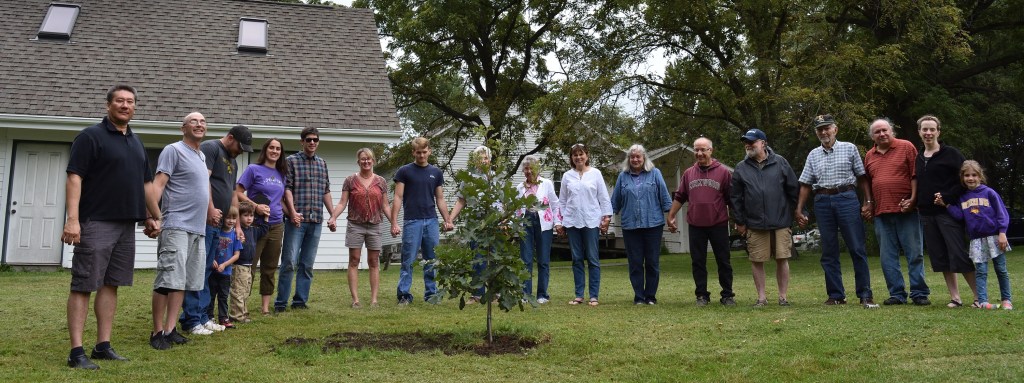
We gave prayers every time our path crossed the Dakota Access Pipeline. Most often Donnielle offered the prayers on behalf of all of us. One time I was honored to be asked to give the prayers at another pipeline crossing. I briefly explained about Quaker worship, then we stood in a circle, holding hands, and held a short Quaker meeting for worship. Afterward I was touched that several people thanked me and gave me hugs.

Reflections on the March, Jeff Kisling

What triggered these reflections were some things my friend Ronnie James said during a Teach In on 8/22/2020, for Des Moines Black Lives Matter. The Police State and Why We Must Resist. What struck me this morning is “once we envision that world our ancestors want for us, finding our role is natural”. That makes me feel I need to spend more time and prayer envisioning that. This also makes me realize my ancestors are not only Quakers, as I’ve been learning about the concept of all my relations.

Once we envision that world our ancestors want for us, finding our role is natural.

Ronnie James

We each have skills and resources we can utilize towards the abolition project. Some of us can use the halls of the system to make short term change there, others have skills that produce food, provide medical care, or care for our precious youth, some are skilled in the more confrontational tactics needed. Once we envision that world our ancestors want for us, finding our role is natural.
 
If we are to survive, and more importantly, thrive, we know what we will have to do.
 
All Power To The People.

Ronnie James
Posted in Black Lives, Des Moines Black Lives Matter, First Nation-Farmer Climate Unity March, Indigenous, Native Americans, Quaker, Uncategorized | Leave a comment

Study your assumptions

As I was praying to find another way to explain Mutual Aid to people this morning, I came upon this quotation by Idries Shah. “Study the assumptions behind your actions. Then study the assumptions behind your assumptions.”

The reason I was looking for another way is because it seems how I’ve tried to explain Mutual Aid so far hasn’t really worked.

That quotation brought about what you might call an “ah ha” moment. As a Quaker, I experience this moment to be a message from the Spirit, or Inner Light.

This teaches me I need to find another way to tell the story of Mutual Aid. A way that challenges people to recognize, and move beyond their assumptions.

But beyond that, I see so many things I’ve been led to work on involved challenging assumptions.

  • Being a draft resister challenged the assumption that there were “justifiable” wars.
  • Living without a car challenged the assumption that individual cars were required for many reasons. Such as getting groceries, going to meetings and events, or getting family members to the doctor in case of emergency.
  • Living in small apartments in downtown areas challenged the assumption of owning a home, especially those with luxuries and huge carbon footprints.
  • Living simply challenged the assumptions of a consumer society.
  • Being involved with Mutual Aid challenges the assumptions of white supremacy and capitalism.

What I am seeing is people have a difficult time understanding Mutual Aid because they make assumptions, unwittingly, that Mutual Aid occurs within the economic and political systems we have grown up in. And assume those systems will continue.

When you first begin to learn about Mutual Aid, you have to explicitly say, internally, “this is not about money and capitalism” and “this is nothing like our political system of white supremacy and vertical hierarchies of power”

Study the assumptions behind your actions. Then study the assumptions behind your assumptions.

– Idries Shah –

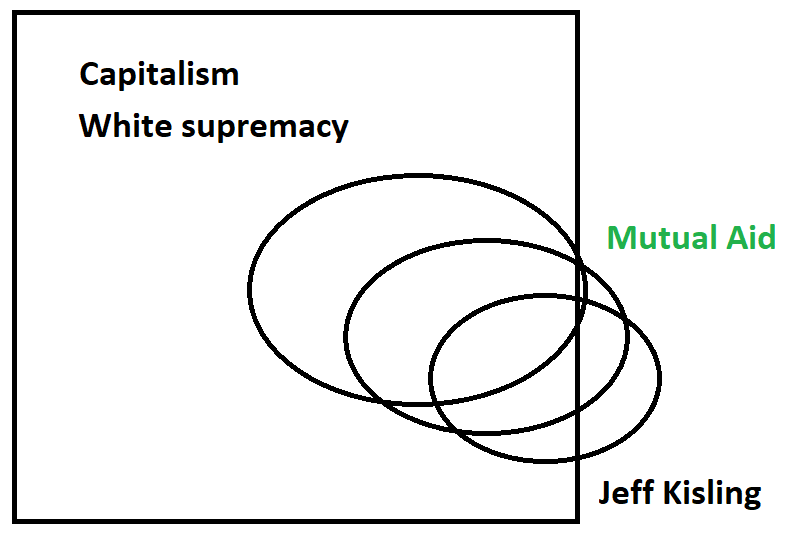
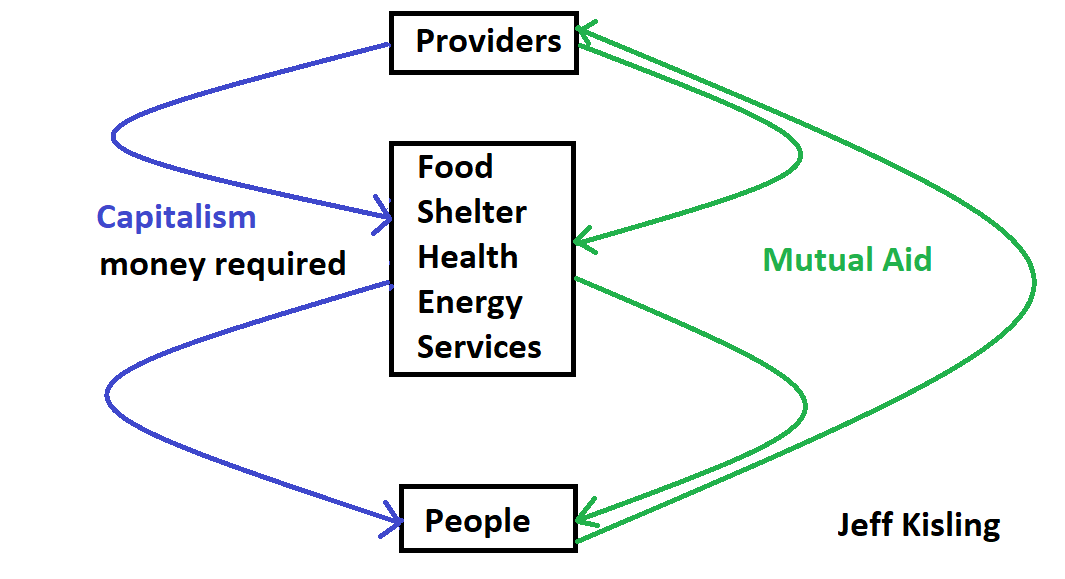
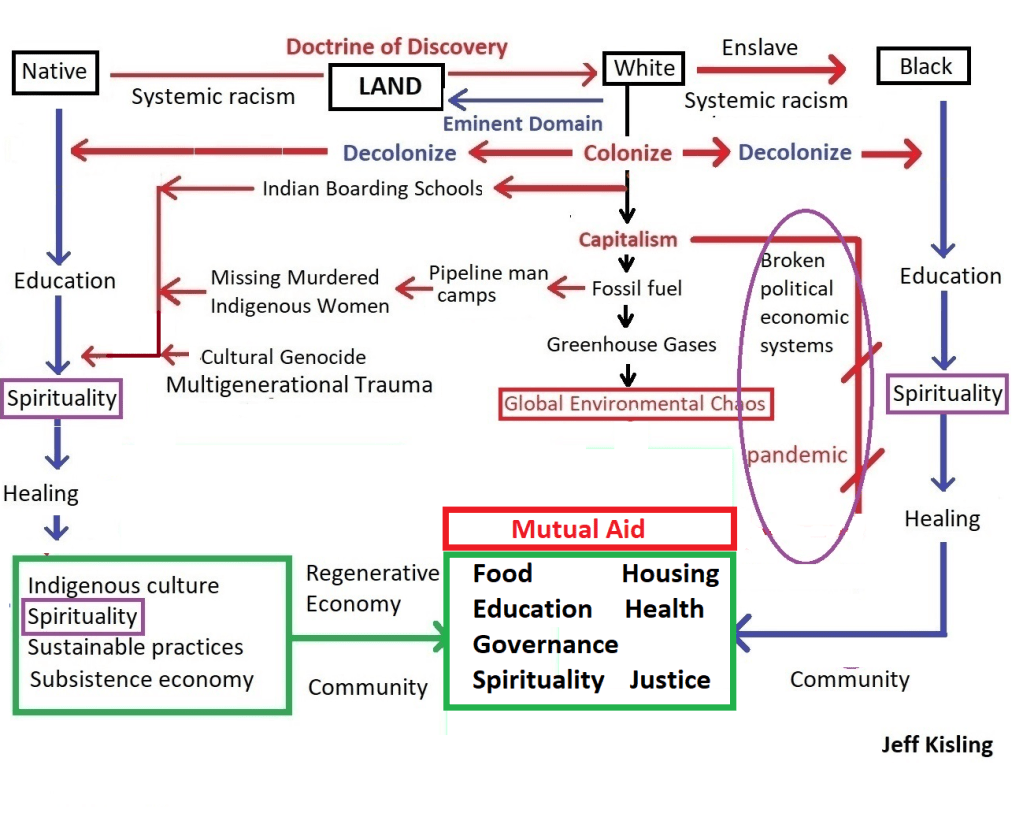
It complicates things a bit because we can’t flip a switch and go completely from capitalism to Mutual Aid. As I try to show in the following diagram, as our Mutual Aid efforts grow, we move further and further from capitalism and white supremacy. Until we reach the point where Mutual Aid is completely separate and free from capitalism and white supremacy.

mutual aid is not only a tool of survival, but also a tool of revolution. The more we take care of each other, the less they can fracture a community with their ways of war

Ronnie James

As my friend Ronnie James says

What we have is each other. We can and need to take care of each other. We may have limited power on the political stage, a stage they built, but we have the power of numbers.

Those numbers represent unlimited amounts of talents and skills each community can utilize to replace the systems that fail us.  The recent past shows us that mutual aid is not only a tool of survival, but also a tool of revolution. The more we take care of each other, the less they can fracture a community with their ways of war.

Ronnie James

mutual aid is the new economy. mutual aid is community. it is making sure your elderly neighbor down the street has a ride to their doctor’s appointment. mutual aid is making sure the children in your neighborhood have dinner, or a warm coat for the upcoming winter. mutual aid is planting community gardens.

capitalism has violated the communities of marginalized folks. capitalism is about the value of people, property and the people who own property. those who have wealth and property control the decisions that are made. the government comes second to capitalism when it comes to power.

in the name of liberation, capitalism must be reversed and dismantled. meaning that capitalistic practices must be reprogrammed with mutual aid practices.

Des Moines Black Lives Matter

Here are a number of blog posts I’ve written about Mutual Aid
https://atomic-temporary-82209146.wpcomstaging.com/?s=%22mutual+aid%22


This animation is a lesson about making assumptions.

Posted in Black Lives, Des Moines Black Lives Matter, Des Moines Mutual Aid, Mutual Aid, Uncategorized | Leave a comment

Climate activism and the fossil fuel industry’s financial crisis

For the past seven years climate activists have used every technique we could think of to stop fossil fuel mining and infrastructure construction.

We got another one. On Monday evening, Bank of America said that it will no longer finance fossil fuel exploration in the Arctic, joining Goldman Sachs, Morgan Stanley, Chase, Wells Fargo, and CitiBank, which all announced similar policies this year. That means no major U.S. bank will fund oil and gas production in the region anymore.

The news follows years of public pressure from climate organizers for companies to stop enabling Arctic drilling. The movement heated up since last fall when a coalition launched Stop the Money Pipeline, a campaign to call out Wall Street firms’ role in particular.

Bank of America’s decision came at a crucial moment. Just two weeks ago, the Bureau of Land Management announced plans to issue a request for nominations on the Arctic National Wildlife Refuge’s pristine 1.6 million acre coastal plain, letting energy companies suggest which pieces of the protected land should be auctioned off for extraction. This will be a big step toward solidifying leases before the end of Trump’s presidency. But those leases represent a major threat to threatened wildlife in the area, as well as local Indigenous people such as the Gwich’in Nation who have been instrumental in getting banks to turn against drilling. Financial firms’ ban on funding drilling there also shows that for oil companies, they may not be a worthwhile investment.

EVERY MAJOR BANK HAS NOW RULED OUT FUNDING ARCTIC DRILLING By Dharna Noor, GIZMODO, December 4, 2020

I was really discouraged with the recent announcement that the current administration was opening the Arctic National Wildlife Refuge for fossil fuel exploration. What a paradox to desecrate land identified as a refuge! So I am so thankful to read the news that funding is drying up for fossil fuel projects, and the ongoing delays as a result of climate activism are extremely costly for existing projects.

It’s unlikely Bank of America is doing this for purely altruistic reasons. Amid the covid-19 pandemic, oil and gas prices have fallen to historic lows, meaning banks aren’t expecting big returns on oil and gas. Climate organizers have also made it clear that they’ll give any energy company and any banks who finance them hell if they choose to buy coastal plain leases, which is a huge hassle. But whatever its reasons, Bank of America’s announcement is a good thing for the Arctic and for the climate.

EVERY MAJOR BANK HAS NOW RULED OUT FUNDING ARCTIC DRILLING By Dharna Noor, GIZMODO, December 4, 2020

The rapid expansion of renewable energy sources, with electricity prices from renewables becoming the least expensive source of energy meant it was only a matter of time before the demise of fossil fuels.

And years of climate activism have been a significant source of trouble for the fossil fuel industry. Often, intentionally, climate resistance was never reported. Although that also has been changing lately as multiple environmental disasters have forced the general public to become aware of the causes of environmental chaos.

Perhaps this is an occasion to describe some of the climate resistance my friends and I have been involved with.

1972 When I moved to Indianapolis I couldn’t believe the amount of smog. I couldn’t be part of that, and lived without a car since then. Tragically and unsurprisingly, recent studies have shown if we had chosen mass transportation instead of personal automobiles, we might have remained within safe ecological boundaries.

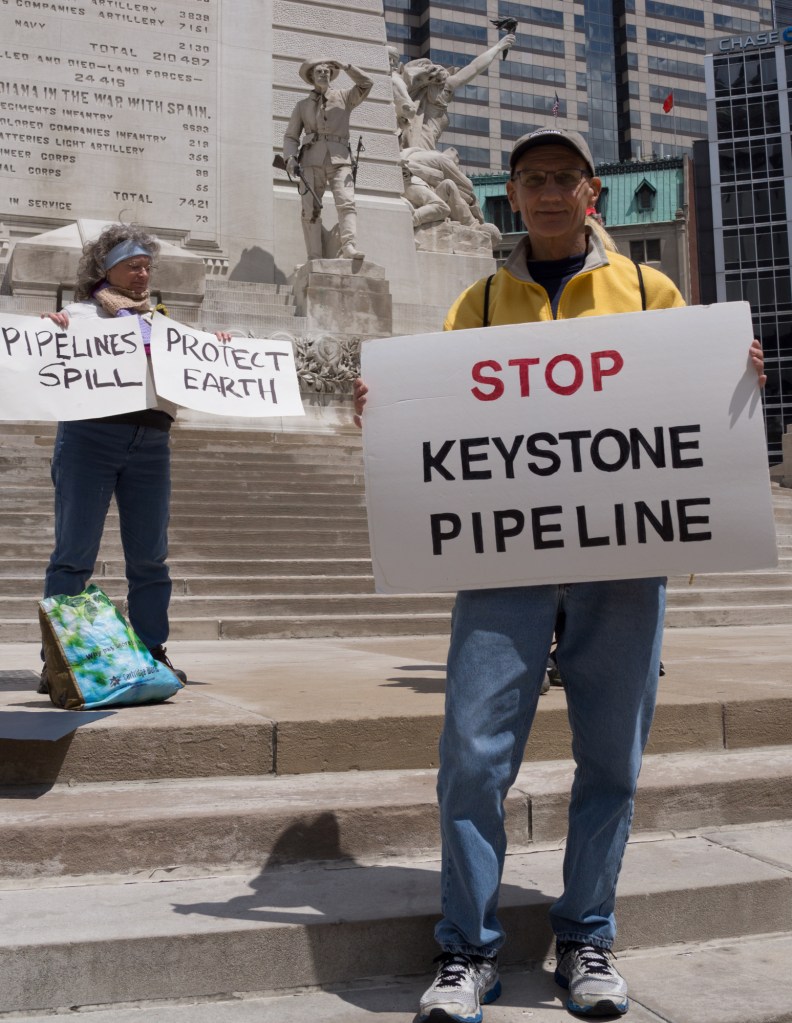
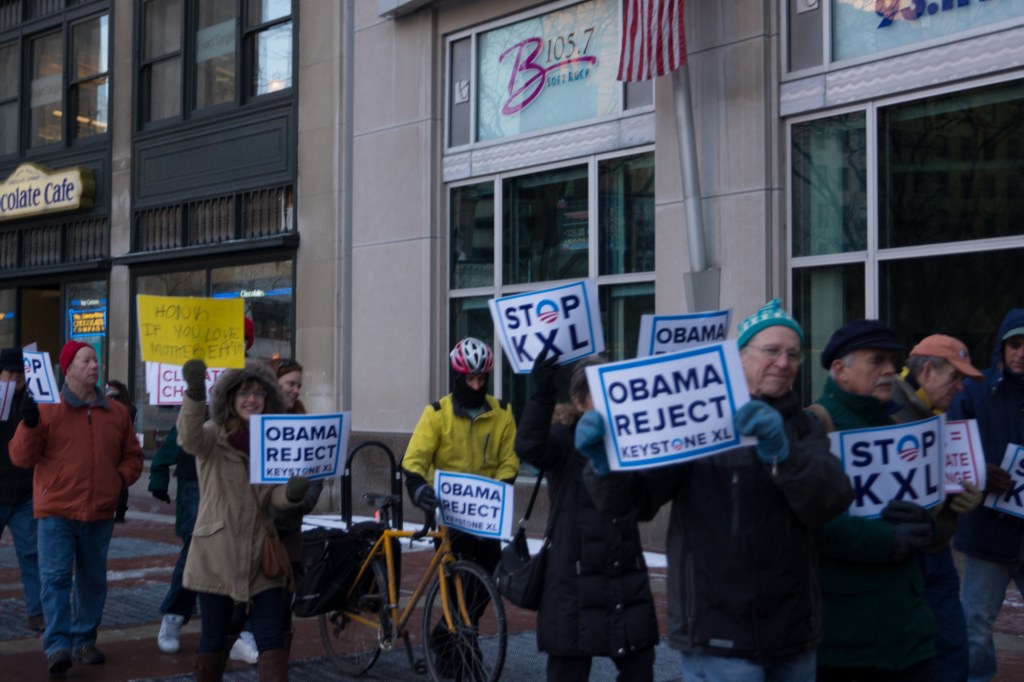
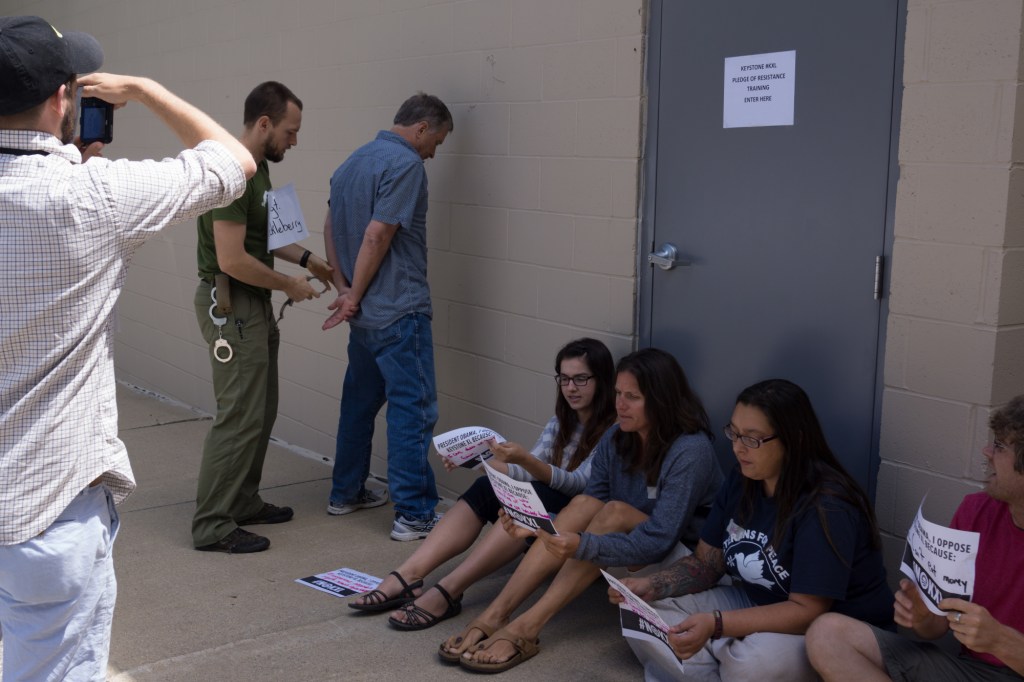
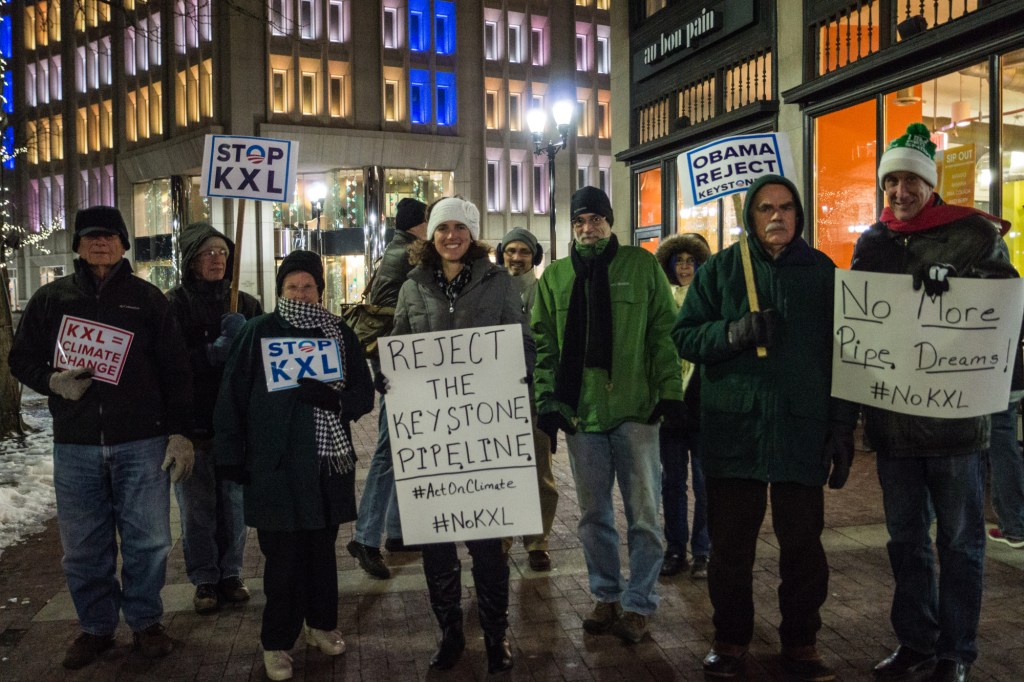
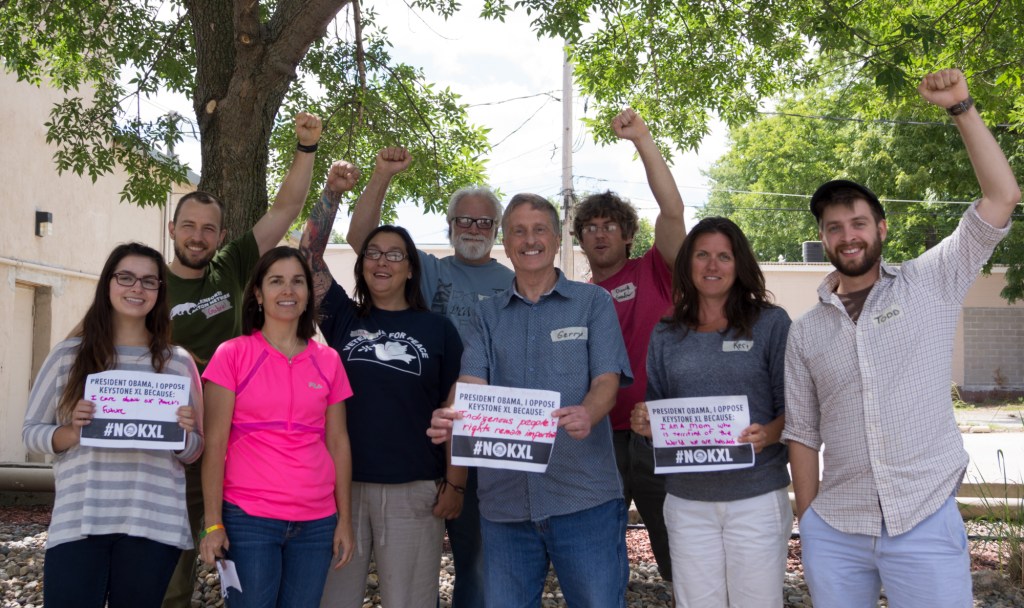
2013 The Rainforest Action Network trained about 400 activist to design and carry out acts of civil disobedience if the Obama administration was going to approve the Keystone XL pipeline permit to cross the US-Canada border. Although President Obama denied the permit, the current administration approved it.

2014 It was in 2014 I first became involved with the Kheprw Institute, originally called the KI Eco Center. The youth mentoring and empowerment community taught the young people how to make rain barrels and maintain an aquaponics system.

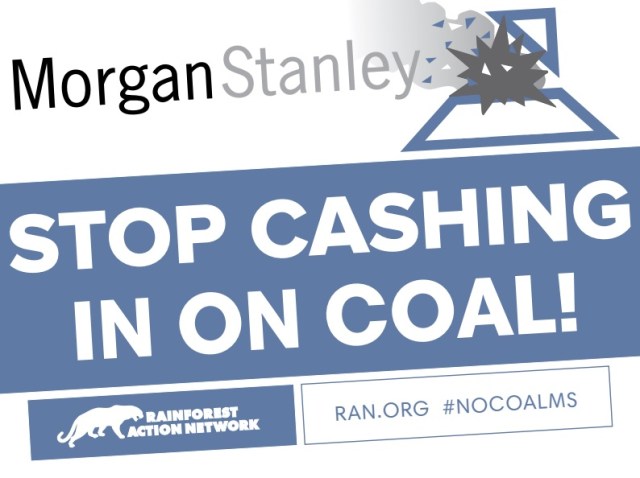
11/19/2015 In cities across the country, coordinated actions occurred as activists went to Morgan Stanley offices to deliver petitions asking the company to stop funding fossil fuel projects. At the shareholders meeting several days later, a decision was made to stop funding.

MorganStanleyCoal

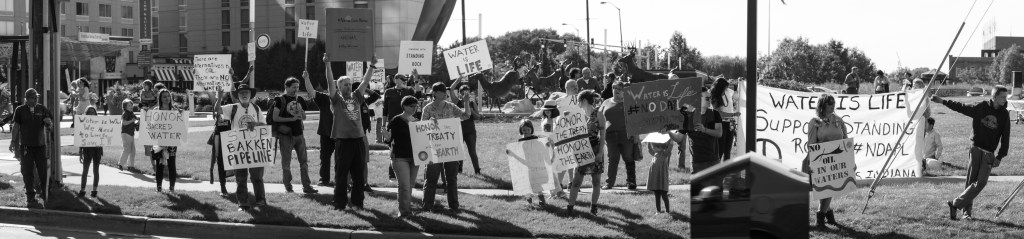
2016 – Present For the past four years the focus of climate activism has been trying to stop the construction and operation of the Dakota Access pipeline (DAPL).

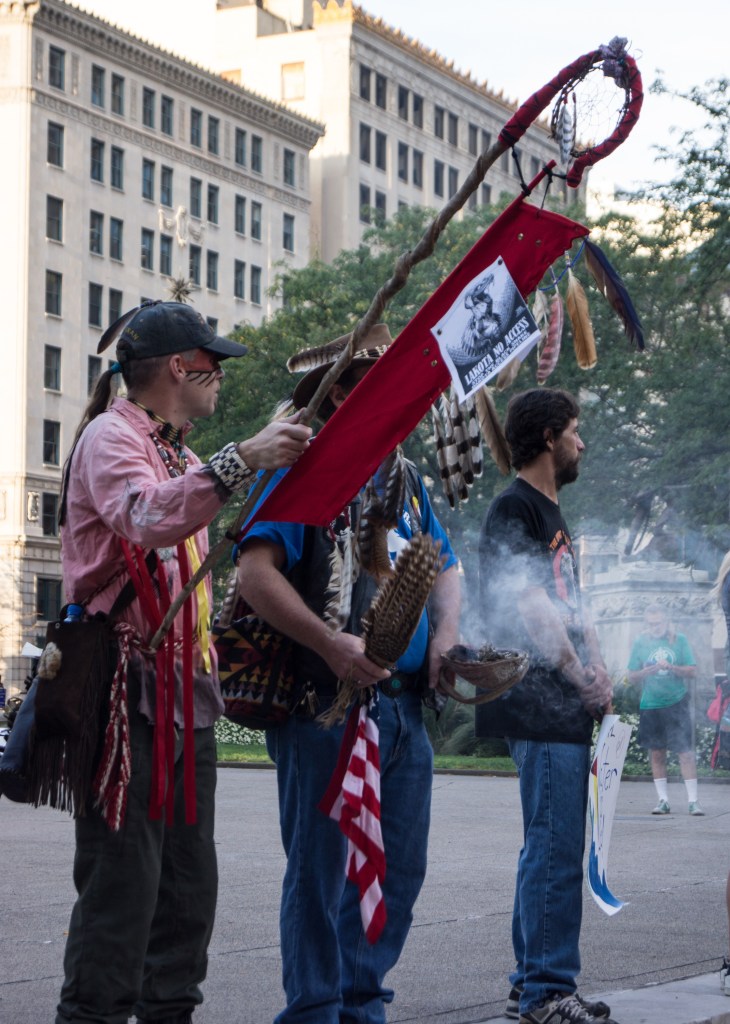
In Indianapolis we had numerous gatherings related to DAPL. These were my first experiences with Native Americans joining us. Sometimes we gathered at the downtown Circle. Other times at the Eiteljorg Museum of American Indians and Western Art which was also downtown. One of the most powerful occasions was when we gathered in a circle on the State Capitol grounds for prayer.

DIVESTMENT One of our efforts was to encourage people and organizations to divest their accounts in banks that funded fossil fuel projects. North Meadow Circle of Friends closed their Chase bank account.

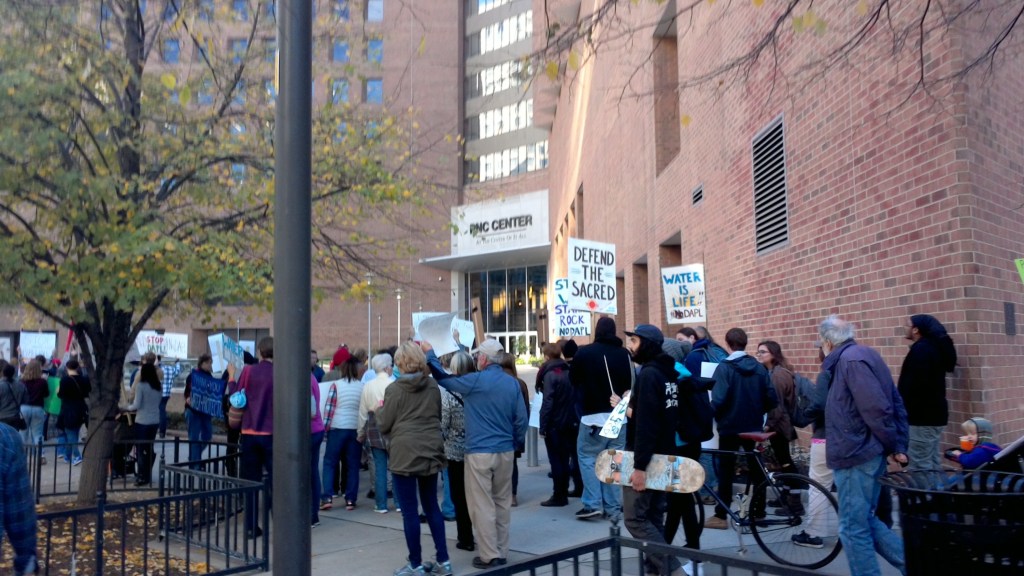
One day in Indianapolis we marched from the Eiteljorg museum to two of the banks funding DAPL, Chase and PNC. We stood outside each bank in silence, with our signs, as people with accounts went into the bank to close their accounts. $110,000 was withdrawn that day.

I hadn’t setup my accounts at a different bank at that time. But I did so, and shortly thereafter had my own experiences at the downtown Chase bank, where I closed my account. I returned to the bank for follow up with the bank officer who helped me close my account. Defunding Experience | Quakers, social justice and revolution (jeffkisling.com)

In 2017, I retired and moved to Iowa. I began to rebuild a network of activists to work with. February, 2018, a group of some of my new friends and I went to Minneapolis the weekend the Super Bowl was played there. USBank has its headquarter in Minneapolis, and the Super Bowl was going to be played in the USBank stadium. USBank funds DAPL. We had a good rally there. It was beautiful as snow fell on us.


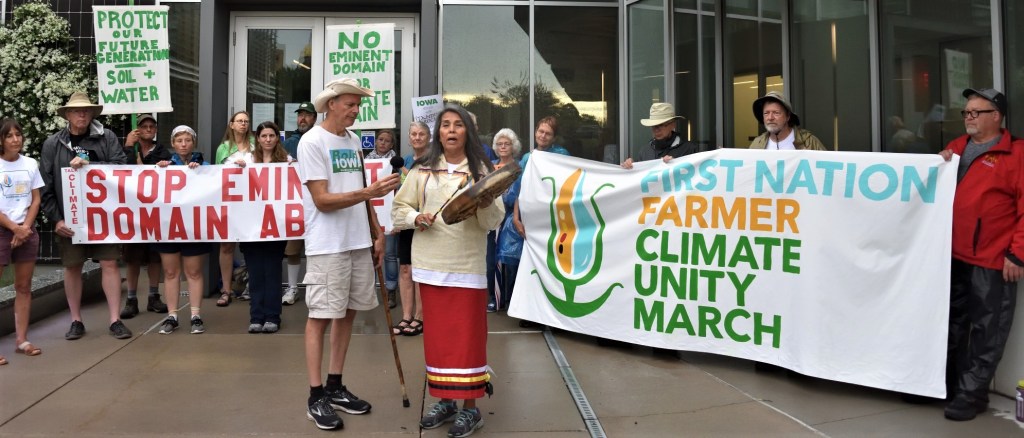
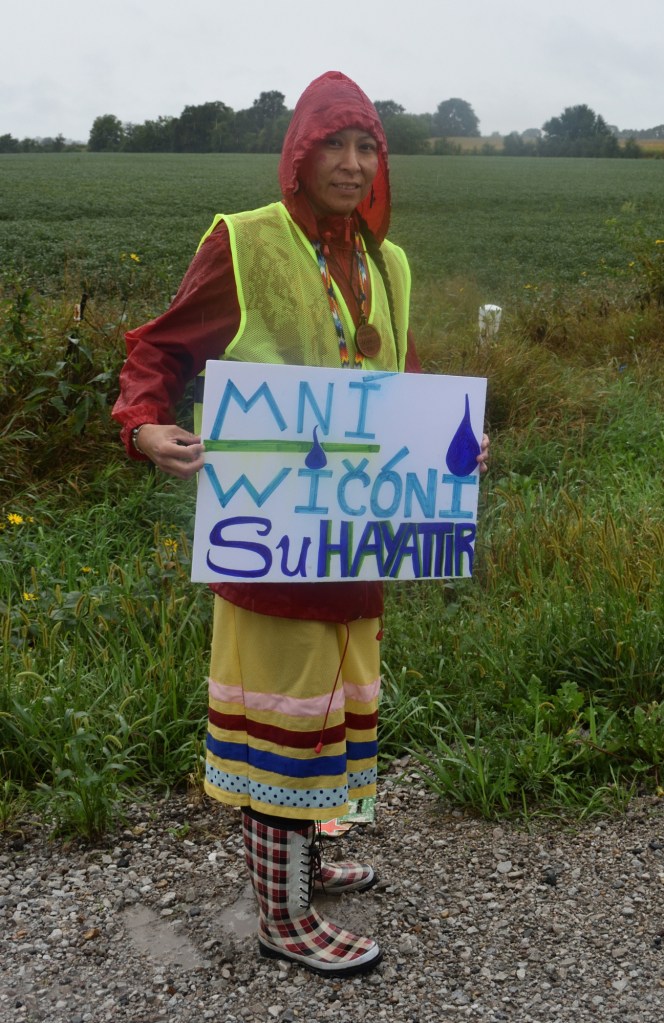
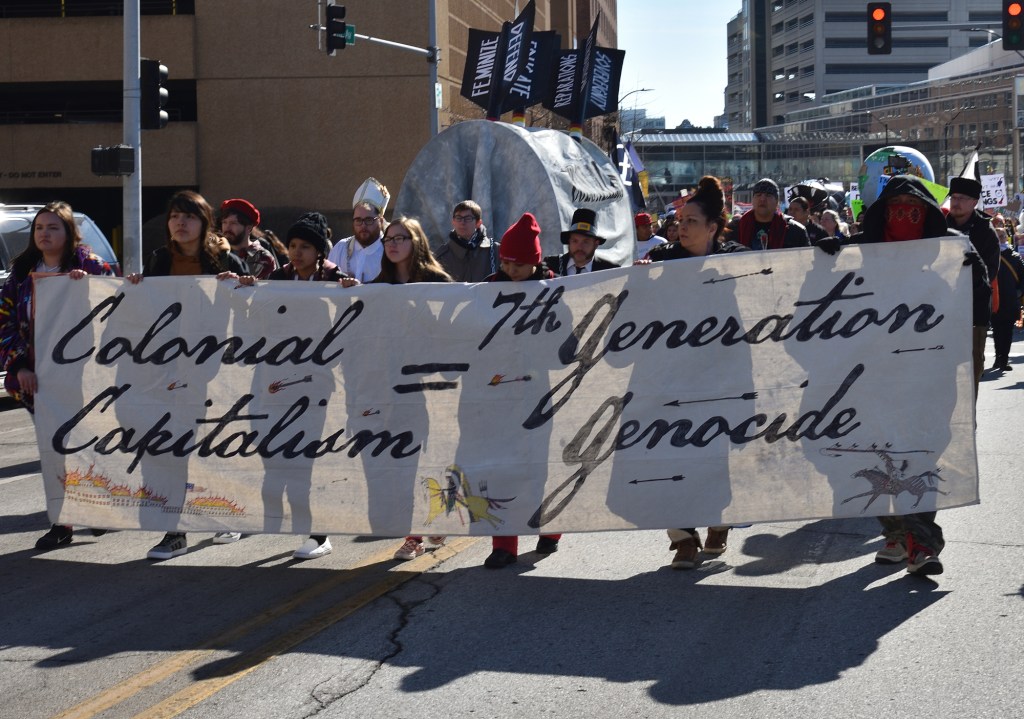
First Nation-Farmer Climate Unity March, September 1-8, 2018 Joining the First Nation-Farmer Climate Unity March was one of the most profound experiences in my life so far. The March involved walking and camping together along the route of the Dakota Access Pipeline (DAPL) from September 1-8, 2018. We walked from Des Moines to Fort Dodge, Iowa, a distance of 94 miles. Someone called this a Sacred Journey.

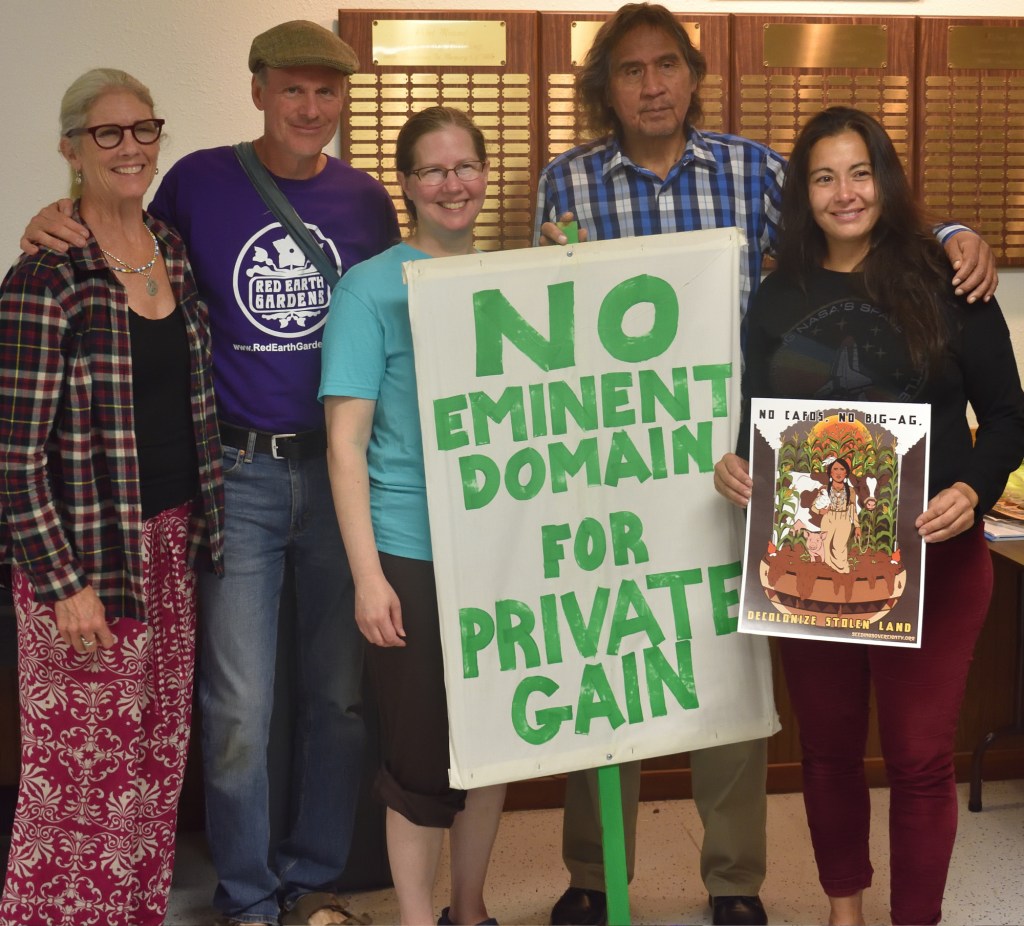
As the name suggests, the idea was for this small group of people, around a dozen native, and a dozen nonnative people, to get to know each other so we could begin to build trust with each other. And so we could work on things of common concern.  We formed a circle and held hands as prayers were given, every time we walked over the pipeline. The main message of the March was to call attention to the abuse of eminent domain to force landowners to allow construction of the pipeline on their land. Although oil was flowing through the pipeline, we hoped the landowner’s case in the Iowa Supreme Court would result in the pipeline being closed. As you might suspect, we lost the case.

This website is full of photographs, videos and stories related to the March. First Nation-Farmer Unity – First Nation peoples and farmers working together

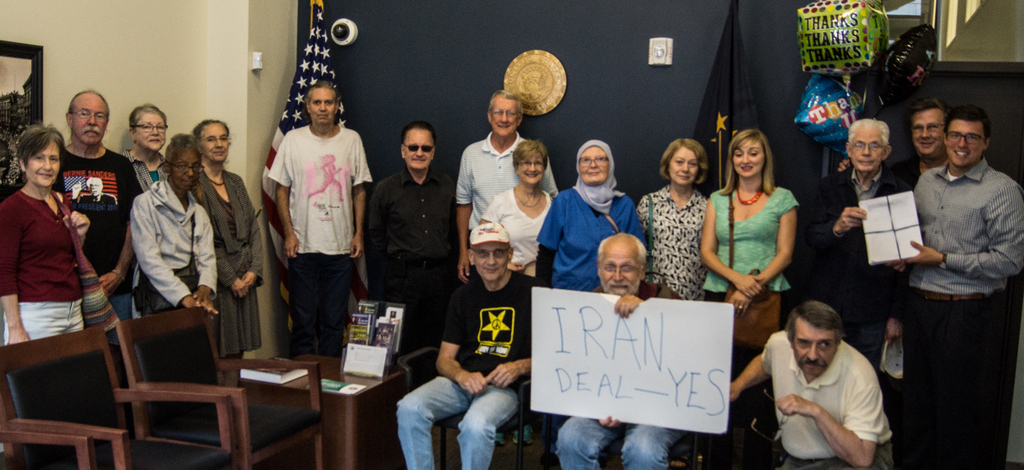
The community we built during the March began to work together, develop more trust each time. One of the first things we did, for example, was meet with Senator Grassley’s Des Moines staff about some legislation affecting Native Americans.

Meeting with Senator Grassley’s staff in 2018

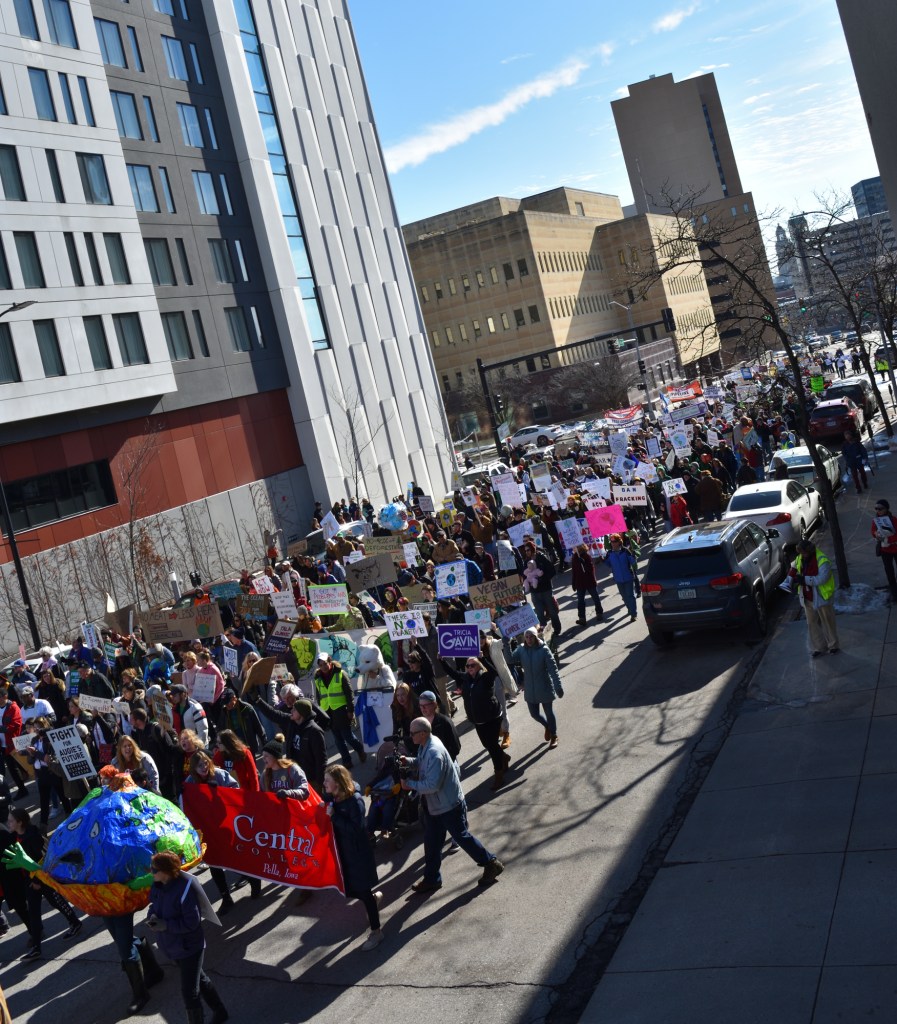
Earlier this year my friend Ed Fallon and others organized a Climate Crisis Parade in downtown Des Moines. Many of us from the First Nation-Farmer Climate Unity March were there. It is estimated that nearly 1,000 people participated.

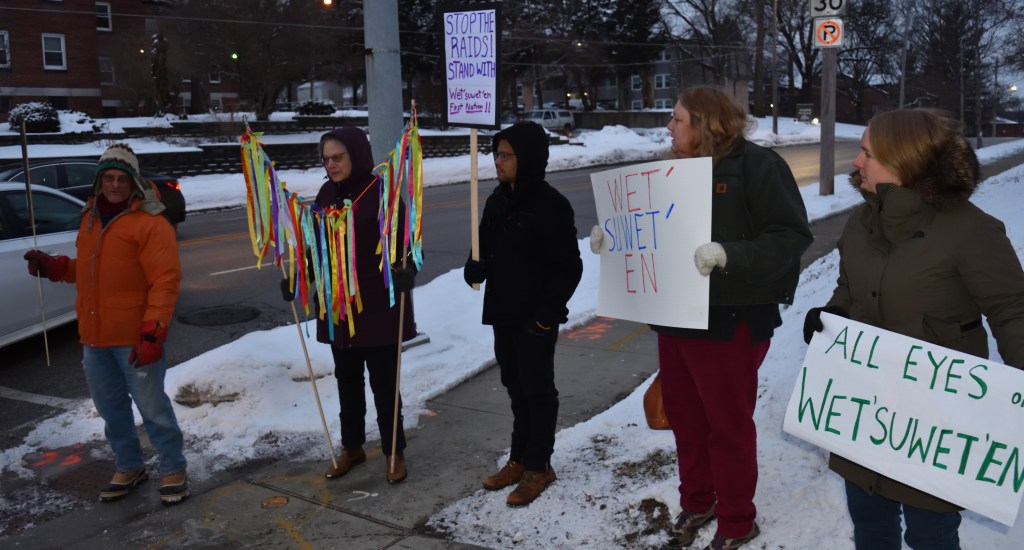
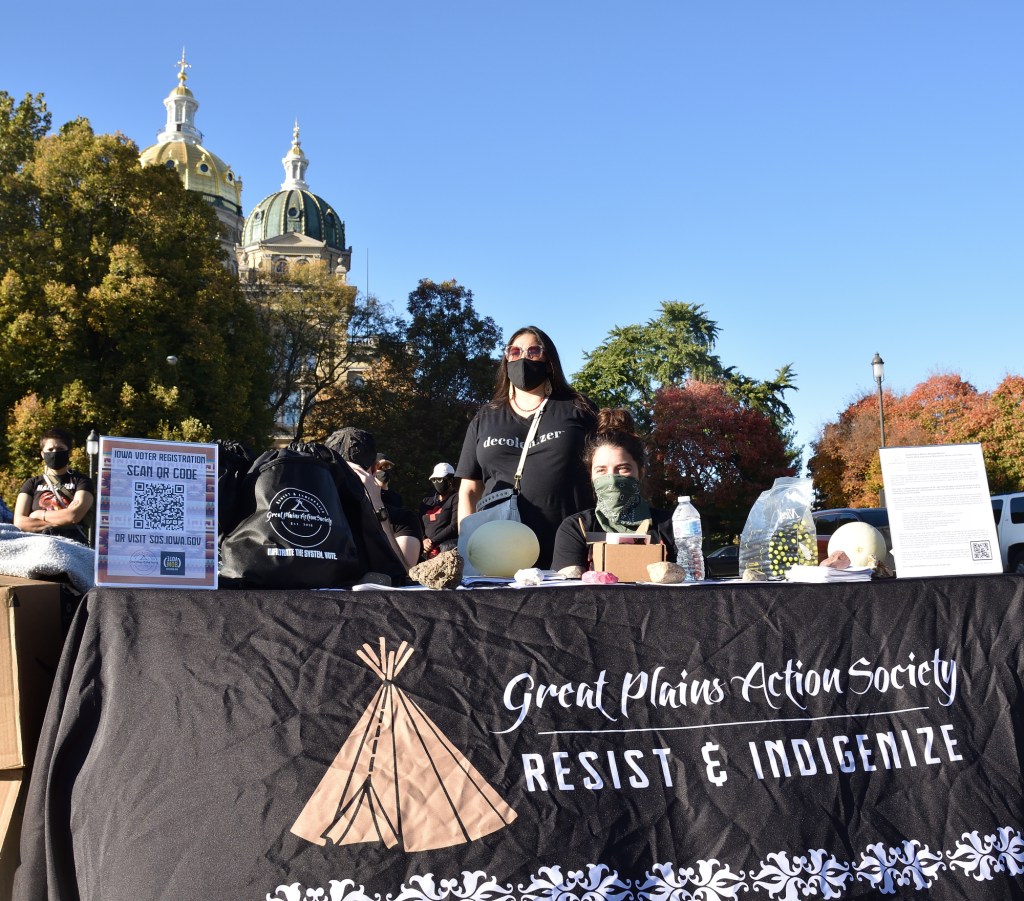
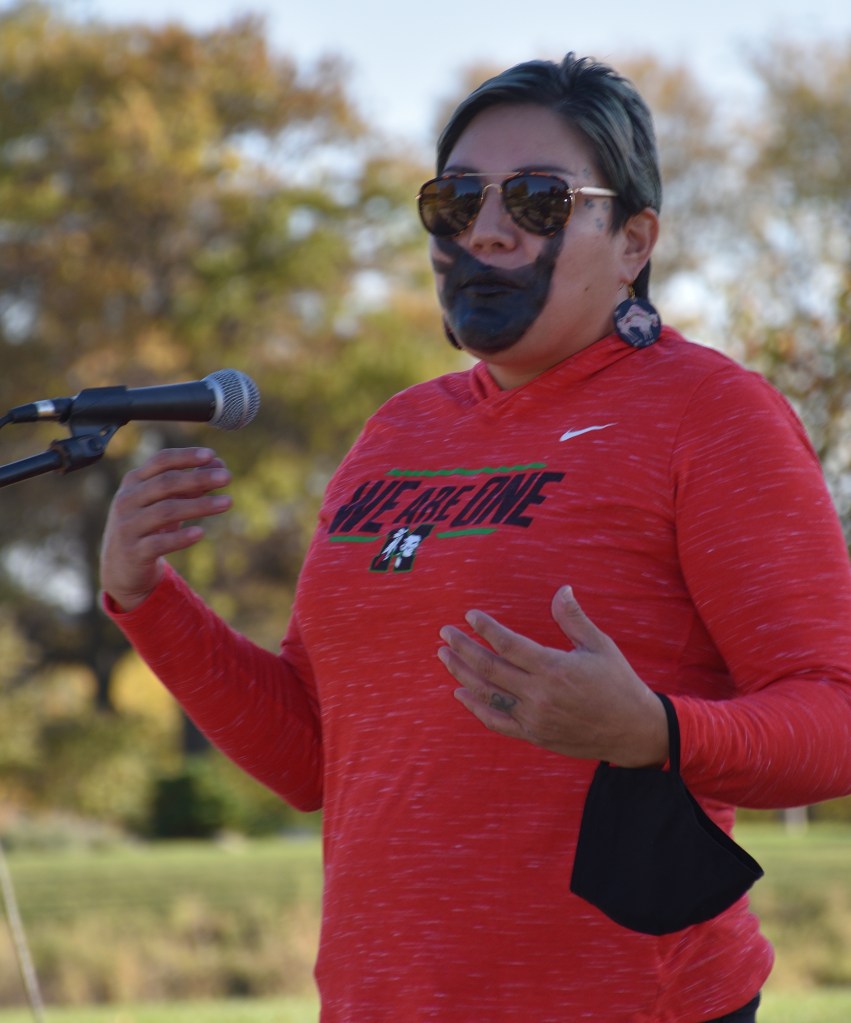
In February a few of us held a vigil in Des Moines in support of the Wet’suwet’en people in British Columbia, who are trying to prevent the construction of a pipeline through their pristine lands. That was a very fortuitous event, because Ronnie James attended, who has become a good friend since. Ronnie is involved with the Great Plains Action Society, as are several other friends from the First Nation-Farmer Climate Unity March. Ronnie has also been teaching me about Mutual Aid, which has been the focus of my work lately.

Posted in #NDAPL, climate change, decolonize, First Nation-Farmer Climate Unity March, Green New Deal, Indigenous, Keystone Pledge of Resistance, Keystone XL pipeline (KXL), Native Americans, Uncategorized | Leave a comment

Conscientiously Object to Capitalism

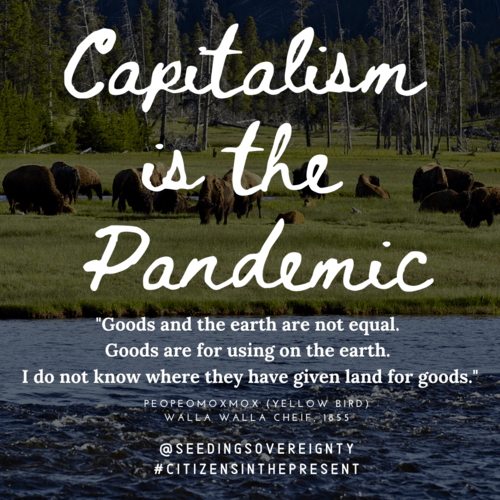
Capitalism is based upon white supremacy and structural racism. The capitalist system that supports our material lifestyle is built on stolen land and the labor of those who were enslaved in the past, or are forced to live on poverty wages today. Or meager funds from safety nets. Or nothing.

I’m having a very difficult time getting my white friends to see how terrible capitalism is. The best explanation I’ve been able to think of goes like this:

Early in our lifetimes, industry provided nearly full employment. Nearly every household had someone who was working, and bringing home a paycheck. All commerce was based on capitalism. Money was required for every transaction. Money was the only way to obtain goods and services.

Then with increasing automation, and moving jobs overseas for cheap labor, the unemployment rate began to increase. Soon millions of people no longer had the income needed to pay for goods and services. The numbers of those without jobs has increased dramatically from the economic impact of the COVID pandemic. Those without jobs have to rely on social safety nets, which often means people are living in poverty, at subsistent levels.

As a society we failed to address the loss of wages for millions of people who no longer had money, in a system that required money for everything–food, shelter, healthcare, etc.

It is clear to me that capitalism is an unjust, untenable system, when there is plenty of food in the grocery stores, but men, women and children are going hungry, living on the streets outside the store. There is no justification for this.


capitalism has violated the communities of marginalized folks. capitalism is about the value of people, property and the people who own property. those who have wealth and property control the decisions that are made. the government comes second to capitalism when it comes to power. 

in the name of liberation, capitalism must be reversed and dismantled. meaning that capitalistic practices must be reprogrammed with mutual aid practices

Des Moines Black Lives Matter

As my friend Ronnie James says, capitalism is not repairable.

I’m of the firm opinion that a system that was built by stolen bodies on stolen land for the benefit of a few is a system that is not repairable. It is operating as designed, and small changes (which are the result of huge efforts) to lessen the blow on those it was not designed for are merely half measures that can’t ever fully succeed.

So the question is now, where do we go from here? Do we continue to make incremental changes while the wealthy hoard more wealth and the climate crisis deepens, or do we do something drastic that has never been done before? Can we envision and create a world where a class war from above isn’t a reality anymore?”

Ronnie James

The class war from above is white supremacy and capitalism.

Or do we do something drastic that has never been done before?

Mutual Aid is the answer to that question. Ronnie and his accomplices, including a beginning engagement by me, are putting Mutual Aid into practice. Des Moines Mutual Aid. Mutual Aid is built on the idea that we all work on solutions to problems that affect us all, together. We are not abandoned if we have no money, as indicated by capitalism on the left side of this diagram. The right side of the diagram shows money is not a factor for mutual aid.

I’ve written a lot about mutual aid lately.
https://atomic-temporary-82209146.wpcomstaging.com/?s=%22mutual+aid%22


In the name of liberation, capitalism must be reversed and dismantled. meaning that capitalistic practices must be reprogrammed with mutual aid practices

Des Moines Black Lives Matter
No photo description available.

Posted in Des Moines Mutual Aid, Mutual Aid, Uncategorized | 2 Comments

Mutual aid will help us survive the Biden presidency

Today’s post is based on the article “Mutual aid will help us survive the Biden presidency. Biden and Harris are not going to stop the crises we are facing — mutual aid projects are essential to survive and build the world we want to live in.” by Dean Spade, ROAR Magazine, November 20, 2020.

This title is about the misconception so many have in the wake of the Biden election. Although things will get better in some small and incremental ways, the real change needed is to reject the capitalist economy.


Many people are feeling great relief that Trump has been voted out and are rightly celebrating the efforts so many people have undertaken to make that happen. But even as we celebrate, we must ensure we do not demobilize, hoping that the new administration will take care of our problems. Unfortunately, we can be certain that the Biden/Harris administration will not address the crises and disasters of climate change, worsening wealth concentration and poverty, a deadly for-profit health care system and racist law enforcement.

We must continue the momentum that Black Lives Matter, No DAPL, Not 1 More Deportation, Abolish ICE and other campaigns have built exposing the utter failures of the Democratic party to oppose racism, war, the oil and gas industry, criminalization and wealth consolidation, and the necessity for bold direct action in the face of mounting crises. More than ever before, we need to organize and sustain mutual aid efforts, both to survive the crises we are facing and to build our movements for change.

The west coast of the US saw record-breaking wildfires that destroyed millions of acres and kept people breathing smoke for months on end. Ice shelf collapses in the Arctic and Antarctic suggested alarming new impacts of climate change. A record-breaking hurricane season is battering the Atlantic. Everywhere we look, we see signs that the systems we have been living under are collapsing, and something new must emerge if we are to survive.

Mutual aid will help us survive the Biden presidency

Stop believing in authority and start believing in each other. We’re all we’ve got, we’re all we need.

People are scared and angry right now and trying to find ways to fight back and support each other. Building mutual aid projects is a way to plug people in to build shared understandings of current conditions, offer meaningful support to vulnerable people and prepare for the coming disasters.

Mutual aid work is not easy. It means forming lasting commitments to doing hard work collaborating with people even when we have conflict. And facing the heart-wrenching realities of the systems we live under.

It is also deeply satisfying work that transforms us from being exasperated passive observers of the shitstorm we’re living in to inspired builders of the new world we desperately crave.

Stop believing in authority and start believing in each other.

We’re all we’ve got, we’re all we need.

Transcript from the video below: We’re All We’ve Got, We’re All We Need: A Mutual Aid Explainer

It is also deeply satisfying work that transforms us from being exasperated passive observers of the shitstorm we’re living in to inspired builders of the new world we desperately crave.

As we move to a new presidential administration, the work of building mutual aid infrastructure in our communities remains as urgent as ever. There are no signs that Biden and Harris are going to stop the crises we are facing. There are abundant signs that we must be ready to support ourselves and each other, not only from the coming storms, floods, fires, evictions, power outages and austerity packages, but also from the cops and soldiers they will continue to send to put down our resistance.

We have no choice but to fight together for our shared survival in these dire times. Mutual aid projects are where we build that fight while building the world we want to live in, where everyone has everything they need. The only way to win is through collective action and massive participation and 2020 has given us many small glimmers of what that might look like. Now it is time to double down on caring for each other.

Mutual aid will help us survive the Biden presidency


Mutual aid projects depart from these norms of charity, social services and non-profitization in several key ways that often include:

  • An understanding that it is the system, not the people suffering under it, that creates poverty, crisis, and vulnerability
  • Governance/control by people who are most effected (can mean having a membership base of those most effected, or being formed in ways that ensure those providing the aid are from the same group as those giving the aid, or models that allow allies to participate but focus on accountability to those being served)
  • Transparency about how they work, any money they use or manage (many mutual aid projects are not funded and are all volunteer run)
  • Open meetings and pathways for new people to join and participate
  • Political education within the organization to help those working in the project to expand their awareness of experiences that are not their own, to build solidarity, and to make the project supportive and welcoming to marginalized people
  • Humility and willingness to accept feedback about how to make the project more useful to the people it serves
  • Long-term commitment to provide the aid the project works on
  • Connection to and solidarity with other mutual aid projects and other transformative work
  • Commitment to dignity and self-determination of people in need or crisis
  • Consensus-based decision making rather than majority rule

Big Door Brigade. What is Mutual Aid?

Dean Spade is the creator of the mutual aid toolkit at BigDoorBrigade.com. His latest book, Mutual Aid: Building Solidarity During This Crisis (and the Next), was published by Verso Books in October 2020. And he helped

https://youtu.be/OsoYeD6JGu0

Posted in Des Moines Mutual Aid, Mutual Aid, Uncategorized | 1 Comment

Mutual Aid Discourages Colonized Ideas

In the following I try to express why I believe Friends should do our justice work using the Mutual Aid concept.  Mutual Aid is far from a new idea, having been practiced globally for centuries. Christine Nobiss recently wrote truth telling and mutual aid discourage colonized ideas.

Quakers are known for our long deliberation. But we are rapidly moving deeper into environmental, political and social collapse.

There are two fundamental concepts we need to understand, for our own sake and so we can convince others to join in this emergency work.

The first is that capitalism is a system only of the rich, and oppresses the other 99% of us in so many ways. We have to understand so we don’t waste our time working within this system.

Secondly, the alternative to capitalism and structural racism is Mutual Aid.  We can and should begin our own work with Mutual Aid now.

We can’t look away from the millions who have just been added to the numbers of those who are food, health and housing insecure.

As capitalism continues to “fray around the edges” as Ronnie James puts it, we will continue to see greatly accelerating social collapse. I am convinced Mutual Aid is the way to respond.

I’ve been researching the concept of Mutual Aid for most of this year, beginning in February when Ronnie James came to Friends House to join Peter Clay, Linda Lemons and I for a vigil for the Wet’suwet’en peoples. Since then, Ronnie, of Des Moines Mutual Aid and the Great Plains Action Society has moved his office to Friends House. Des Moines Valley Friends Meeting, under the care of Peter Clay and Deborah Fisch, has graciously allowed Des Moines Mutual Aid (DMMA) to use their kitchen to prepare food that is then distributed to the houseless community.

Since that time Ronnie has graciously taken a lot of time to mentor me about Mutual Aid.  This education has been augmented by my participation in DMMA’s food giveaway program.

At the end of this is the biography about Ronnie that was used in advertising for yesterday’s #TRUTHSGIVING online meeting. This shows Ronnie is an Indigenous Organizer, and his main work is DMMA. It is also significant that Ronnie and Mutual Aid are fully supported by Christine Nobiss and Great Plains Action Society.

“Truthsgiving is an ideology that must be enacted through truth telling and mutual aid to discourage colonized ideas about the thanksgiving mythology”.
https://www.truthsgiving.org/about

You can view a video of yesterday’s TRUTHSGIVING event here, where Ronnie, Christine and Trisha Etringer discuss their decolonizing work.  https://fb.watch/2669vqdfrG/

It is also significant that Des Moines Black Lives Matter/Liberation embraces the concept of Mutual Aid. Which means there has been and will continue to be significant interaction between DMMA and Des Moines BLM.

From the Des Moines Black Lives Matter Facebook page:

mutual aid is the new economy. mutual aid is community. it is making sure your elderly neighbor down the street has a ride to their doctor’s appointment. mutual aid is making sure the children in your neighborhood have dinner, or a warm coat for the upcoming winter. mutual aid is planting community gardens.

capitalism has violated the communities of marginalized folks. capitalism is about the value of people, property and the people who own property. those who have wealth and property control the decisions that are made. the government comes second to capitalism when it comes to power.

in the name of liberation, capitalism must be reversed and dismantled. meaning that capitalistic practices must be reprogrammed with mutual aid practices.

Mutual Aid has become the focus of what I’ve been praying and writing about for some time now. I believe Friends should embrace the concept of Mutual Aid and that should be the focus of the work of our peace and social concerns committees.

In justice work it is essential to be responsive to what oppressed communities are asking of us.  Midwest Indigenous organizers and Des Moines BLM are embracing Mutual Aid. By inference, they are asking us to do so, also. One of the concepts of Mutual Aid is Mutual Aid communities will crop up all over.

Some of the more relevant articles are:

https://atomic-temporary-82209146.wpcomstaging.com/2020/10/20/quakers-and-mutual-aid/
https://atomic-temporary-82209146.wpcomstaging.com/2020/10/22/out-of-the-meetinghouse/
https://atomic-temporary-82209146.wpcomstaging.com/2020/10/24/mutual-aid-for-social-concerns/
https://atomic-temporary-82209146.wpcomstaging.com/2020/10/29/a-radical-act/
https://atomic-temporary-82209146.wpcomstaging.com/2020/11/02/working-with-joy/
https://atomic-temporary-82209146.wpcomstaging.com/2020/11/06/mutual-aid-101-wegotourblock/
https://atomic-temporary-82209146.wpcomstaging.com/2020/11/07/rural-mutual-aid/
https://atomic-temporary-82209146.wpcomstaging.com/2020/11/13/flat-or-hierarchical-world-view/
https://atomic-temporary-82209146.wpcomstaging.com/2020/11/22/truthsgiving-3/


Ronnie James, Indigenous Organizer
Law Student @Great Plains Action Society and Des Moines Mutual Aid
Ronnie James is an Indigenous activist and organizer in Des Moines, Iowa. He currently organizes with The Great Plains Action Society and Des Moines Mutual Aid, in addition to being a father and a pre-law student. He is involved in many Mutual Aid projects centered around food insecurity, racial and economic justice, and our houseless relatives. He has many years of boots on the ground grassroots organizing experience, all informed from an Indigenous and anti-capitalist perspective. Ronnie is pursuing a law degree to further these goals and believes that by having a law license he will be able to effectively protect the vulnerable and support the courageous.


Posted in Black Lives, Des Moines Black Lives Matter, Des Moines Mutual Aid, Great Plains Action Society, Indigenous, Mutual Aid, Uncategorized | Leave a comment

What are your answers?

I’ve been writing about the many ways “the contemporary political moment is defined by emergency.” Multiple global disasters means there isn’t anyone who doesn’t know this. In the face of these emergencies there is a growing feeling of hopelessness. But there is hope. That hope is Mutual Aid. https://kislingjeff.wordpress.com/?s=%22mutual+aid%22

The contemporary political moment is defined by emergency. Acute crises, like the COVID-19 pandemic and climate change– induced fires, floods, and storms, as well as the ongoing crises of racist criminalization, brutal immigration enforcement, endemic gender violence, and severe wealth inequality, threaten the survival of people around the globe. Government policies actively produce and exacerbate the harm, inadequately respond to crises, and ensure that certain populations bear the brunt of pollution, poverty, disease, and violence. In the face of this, more and more ordinary people are feeling called to respond in their communities, creating bold and innovative ways to share resources and support vulnerable neighbors. This survival work, when done in conjunction with social movements demanding transformative change, is called mutual aid.

Dean Spade. Mutual Aid: Building Solidarity During This Crisis (and the Next)

Quakers like to ask ourselves questions we refer to as queries. Rather than being ‘told’ to do something, the questions invite us to focus on what we are or are not doing. I would ask these questions. You might have others.

What are your answers?

  • What Mutual Aid groups are in your area?
  • What relationships do you see between your peace and justice work, and the concept of Mutual Aid?
  • What would your justice work look like if you adapted it to the Mutual Aid model?
  • How might faith integrate with Mutual Aid?
  • How could Mutual Aid expand who you do your justice work with? Bring in more Friends in your meeting, youth in your meeting, and other people in your wider community?
  • How can we create ways of meeting our needs, making decisions, and organizing ourselves and solving problems outside of the State structure and the capitalist system?

Locally, you can see what Mutual Aid looks like on the Des Moines Mutual Aid Facebook page: Des Moines Mutual Aid | Facebook

As it says below, you can take the initiative to create a new mutual-aid network. That is the beauty of Mutual Aid.


How can I get involved in mutual-aid efforts?

Unfortunately, there isn’t currently an extensive database that outlines all the mutual-aid efforts across the country. Instead, you’ll likely have to spend some time digging around on Google or social-media platforms to find local efforts. You could also reach out to local community organizers for guidance. It’s up to you how to support the efforts: You could give money, which is a great way to support national networks, or you could volunteer your time. Depending on your level of involvement, you might be instructed to attend a quick orientation or meeting. Crown Heights Mutual Aid, for example, offers twice-weekly trainings over Zoom, every week.

You could also take the initiative to create a new mutual-aid network to respond to an unmet need. In response to the pandemic, Representative Alexandria Ocasio-Cortez and Kaba compiled an incredibly useful, comprehensive guide to mutual aid, including information on how to start a network.

So You Want to Get Involved in Mutual Aid By Amanda Arnold, The Cut, September 30, 2020

Posted in Des Moines Mutual Aid, Mutual Aid, Uncategorized | Leave a comment

Urgency for Mutual Aid

My experience has always been how slowly justice related things change, even then the changes are incremental, often don’t persist. A lot of that is the disconnect between a committee (slowly) making decisions, which too often don’t have practical steps to implement the change. And often are really disconnected from those who the change was intended to benefit.

Even though the concept of Mutual Aid couldn’t be clearer, it marks a radical departure from the above. Getting away from the vertical hierarchy (above) has all kinds of benefits. Those interested in helping and those needing help are no longer separate, as in “us” versus “them”. Mutual means everyone involved working together to help solve a problem that is affecting everyone.

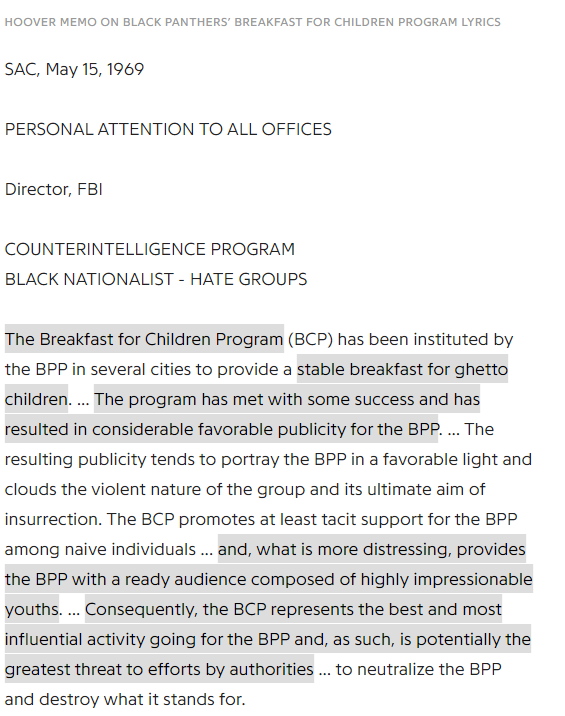
Mutual Aid always involves action. The Black Panther’s free breakfast program drew in large numbers of people to help and fed thousands of children. The photographs of this are remarkable, showing everyone clearly enjoying what they were doing. FBI Director J Edgar Hoover recognized how effective the Breakfast for Children Program was.

https://genius.com/Federal-bureau-of-investigation-hoover-memo-on-black-panthers-breakfast-for-children-program-annotated

In the span of just a few weeks, the coronavirus has completely changed life as we know it, while also exposing the vast array of contradictions firmly entrenched within capitalist society. America has been laid bare as to what it always has been, a settler-colonial project that is the sole property of those who own it, as John Jay, one of the ‘Founding Fathers’ once argued.

In this moment, everyday people have to seize the initiative and get organized; before a new normal takes hold and the State can re-solidify its authority. The Trump administration will try and do this through blunt violence and police orders, as already the national guard is streaming into various cities. Democrats and the neoliberal media on the other hand will push for the country to “come together” behind Joe Biden – assuming that the November 2020 elections even are held.

If poor and working people see within the coronavirus not only a pandemic that will possibly leave in its wake a massive death count, but also the very real crisis that is modern industrial capitalism, then we must mobilize for our own interests, push back, and actually fight. This means demanding not only bread and butter: free housing, access to food, an end to evictions, and clean water: but also building new human relationships, new forms of actual life. This means creating ways of meeting our needs, making decisions, and organizing ourselves and solving problems outside of the State structure and the capitalist system.

Towards this end, we are encouraged by the explosion of grassroots and autonomous mutual aid projects that are springing up across the US. Not since the early stages of the Occupy Movement have we seen this growth of spontaneous mobilization in the face of a crisis. These efforts must continue to organize themselves, grow, network, and deepen their connections within working-class and poor neighborhoods.
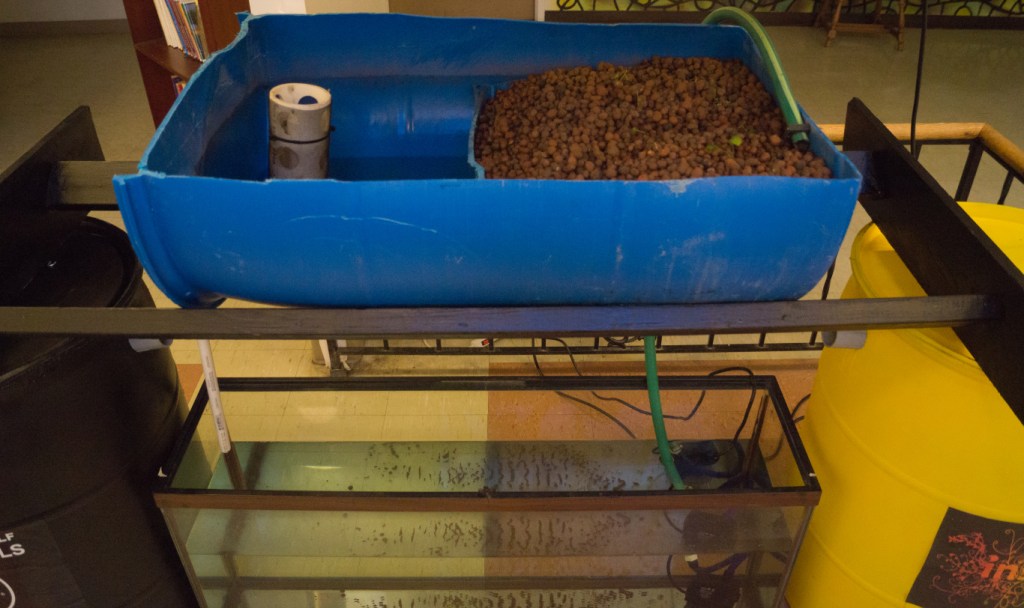
Autonomous Groups Are Mobilizing Mutual Aid Initiatives to Combat the Coronavirus – It’s Going Down


As it says above, “In this moment, everyday people have to seize the initiative and get organized; before a new normal takes hold.”

Des Moines Mutual Aid (DMMA) is seizing the initiative now, providing food for those in need, and supporting those who are houseless. DMMA is working with Des Moines Black Lives Matter to collect winter clothing.

I’ve been working on this diagram for some time now. Capitalism has created all kinds of problems, and is not sustainable. In the latest iteration, Mutual Aid is where we need to be now.

Posted in Black Lives, decolonize, Des Moines Mutual Aid, Mutual Aid, Uncategorized | Leave a comment

Meet my friends

I realize I often preface a reference to someone by saying “my friend…”. Sometimes a bit too often. There are several reasons I do that. The main reason is to indicate that I respect this person, and believe what they are saying. We are all flooded with seemingly endless information and know we need to be careful to trust the source of what we are sharing with others.

Another reason is I feel honored to be considered a friend by this person.

And for a long time now I’ve realized the goal of my justice work is to build relationships with other activists, whether they consider themselves activists or not. There are risks in doing justice work, so that requires trust with each other. I like the term my friend (there I go) Ronnie James uses, accomplice.

Randomly passing an accomplice on the street and throwing up a fist at each other as we go our separate ways to destroy all that is rotten in this world will never fail to give me extra energy and a single tear of gratitude for what this city is creating.

Ronnie James

The name for Quakers is the Religious Society of Friends. Other Quakers may question this, but I also think of my native friends in terms of a society of friends in the spiritual sense. From my first connections with Native peoples I felt a strong spiritual bond. The more I learn, the more I see spirituality is the foundation for every part of their lives. The main reason I joined the First Nation-Farmer Climate Unity March was to learn about Native Americans’ lives, especially their spirituality. I was also hoping to bring up the horrors of the forced assimilation of native children, both to see if there were opportunities for truth telling, and then perhaps the beginnings of healing. Occasions occurred on the March and since for this work to begin. Those occasions involved my sharing through my Quaker spirituality, and my friends responding through their spirituality.

And then there is the uncomfortable case of when and how to tell someone you consider them your friend. I’ve noticed this more often these days when so much justice work is organized via social media, instead of the face to face meetings we used to have. Especially in these times of the pandemic. It’s not unusual to meet someone, and then not see them again for months. But during that time to exchange many messages via one social media platform or another, or several. You are definitely building a relationship that deepens over time. But there isn’t the body language, shared food, touch as there is when we are physically present with each other. Since building friendships is one of the goals of building a justice network, how do you let someone you rarely see know you think of them as a friend? As I’m writing this I guess the most direct route would be to call or message someone to tell them you consider them a friend. In a way that puts pressure on them to respond. That’s my justification, anyway, for the indirect route. Which is, when I feel I’ve gotten to know someone well enough, I say “my friend…” in something they will likely read themselves. So far I’m glad to have responses like “thank you for referring to me as your friend.”

At this time of year, my friends have worked a lot on TruthsGiving, bringing attention to the many dangerous myths of this colonial holiday. https://www.truthsgiving.org/

One way you can meet my friends is by reading this great Zine they put together related to TruthsGiving and their work. TRUTHSGIVING 2020

I often wish my ‘old’ friends could meet my new friends. Yesterday there was an opportunity for that to happen. You can see and hear my friends Sikowis (Christine Nobiss), Ronnie James and Trisha Entringer talk about the work they are doing at this video link: https://fb.watch/1-Qvi73NDk/

In the video you will hear Ronnie talk about the Des Moines Mutual Aid work he is involved with. Mutual Aid is a radically different approach to justice work. Instead of the old, ineffective model of “us” helping “them”, as the name says, mutual aid is about all of us working together to help each other.
Those of us who are white colonists should do our part in TruthsGiving. One of the best ways is to join or start a Mutual Aid group ourselves. I’ve written a lot about this: https://kislingjeff.wordpress.com/?s=%22mutual+aid%22


Posted in decolonize, Des Moines Mutual Aid, Indigenous, Native Americans, Quaker, Uncategorized | 2 Comments