Christian Socialist

Yesterday I wrote about Religious Socialism an idea my friend Fran Quigley told me about. He wrote in response to a blog post I had recently written, The Evil of Capitalism, a conclusion he has come to as well. He and Maxine Phillips, coauthors of the article discussed below, are active with the Religion and Socialism Working Group of Democratic Socialists of America.

Beginning to look into alternatives to capitalism, I’m now learning about socialism, Karl Marx, the Black Panthers, Mutual Aid, and anarchists. I just joined the Democratic Socialists of America (DSA).


The Acts of the Apostles describes the first Christian communities as being profoundly socialist. For example, from Acts, chapter 2, verses 44-45: “All the believers were together and had everything in common. They sold property and possessions to give to anyone in need.” Later, in chapter 4: “No one claimed that any of their possessions was their own, but they shared everything they had. … From time to time those who owned land or houses sold them, brought the money from the sales and put it at the apostles’ feet, and it was distributed to anyone who had need.”

This system was a fresh response to Jesus’ teaching that we should love our neighbors as ourselves and see Christ embodied in the poor and the sick. The early Christians were also deeply familiar with the Hebrew Bible’s many mandates to redistribute wealth. Consider Deuteronomy 24:19-22’s call to leave a portion of harvests available for the sojourner, the fatherless, and the widow, and Isaiah 10:1-2’s emphasis that the poor are not to be pitied and given alms – they have rights to be honored.

The scripture reflected the law of the Hebrew communities, carried out in the Sabbath and Jubilee years of debt forgiveness and free access to harvests (Leviticus 25:10 and Deuteronomy 15:2). And they lined up with the consistent obligation tzedakah imposes for Jews of means to give their surplus to the poor – which Jewish scholars insist is more akin to a tax than to charity.

Christian Socialist. Before Karl Marx, there was Jesus Christ. And before secular socialism, there was Christian socialism by MAXINE PHILLIPS and FRAN QUIGLEY, Democratic Socialists of America, McGahan Publishing House.

I have heard “the bread in your hoard belongs to the hungry; the cloak in your wardrobe belongs to the naked.” Basil, the fourth-century Bishop of Caesarea.

Eugene V. Debs, concluded that “Socialism is Christianity in action.”

I didn’t know Quaker leader, Bayard Rustin, was a socialist.

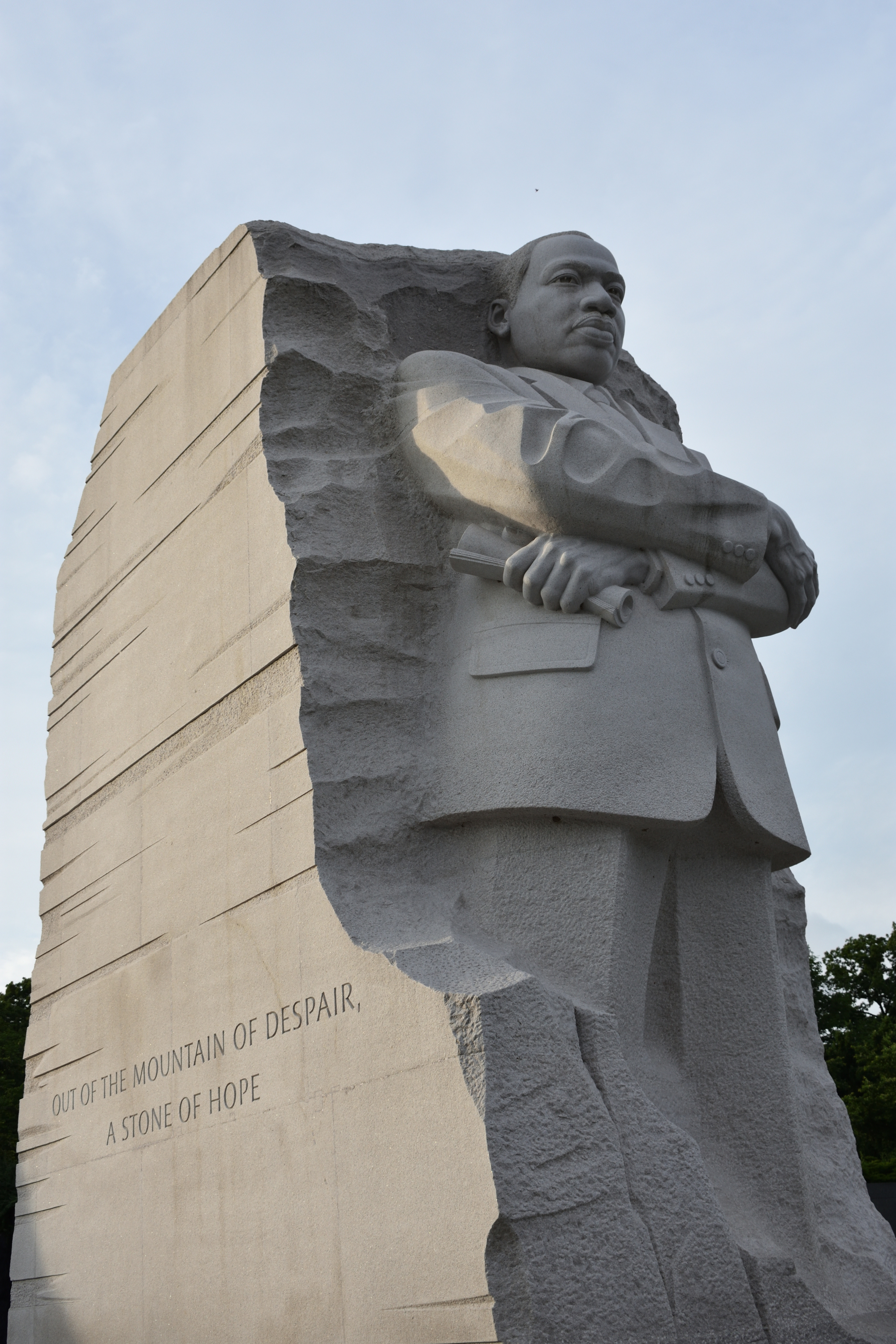
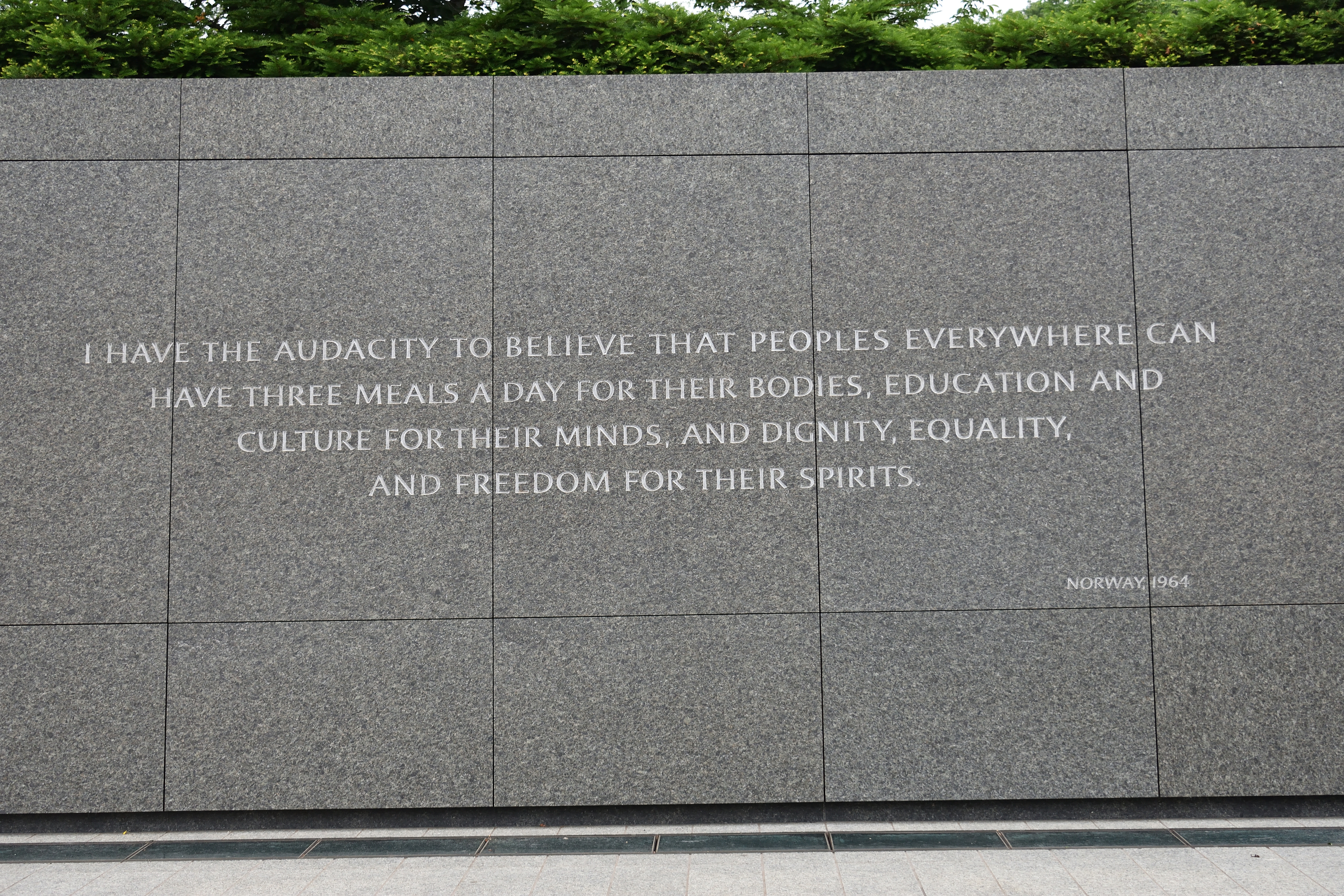
In one of our nation’s best moments, the civil rights movement of the mid-20th century, Christian socialists played major roles. A. Philip Randolph and Bayard Rustin were very open about their socialism, and Dr. Martin Luther King Jr., who praised democratic socialism both publicly and privately, stood on the shoulders of previous generations of socialist African American social gospel leaders.

These Christian socialists agreed with Karl Marx’s ground-breaking analysis of the devastating impact capitalism wreaks on working people. But they parted ways when it came to Marx’s antipathy to religion, and they rejected Marx’s exhortations to revolution by any means. For religious socialists, the instrument of revolutionary reform is a political one at the ballot box and nonviolently in the streets. That approach works. Consider the many nations comparable to the United States, particularly in western and northern Europe, where socialist advocacy within the democratic process has led to universal healthcare, progressive taxation, and comprehensive social services that assure safe housing and a minimum income. Compared to the United States, life there is far closer to the kingdom of God on earth.

Christian Socialist. Before Karl Marx, there was Jesus Christ. And before secular socialism, there was Christian socialism by MAXINE PHILLIPS and FRAN QUIGLEY, Democratic Socialists of America, McGahan Publishing House.

They conclude, “we are members of the Democratic Socialists of America, whose membership has swelled from 5,000 members in 2105 to more than 70,000 today. That growth reflects the fact that a majority of Americans between the ages of 18 and 24, and a majority of U.S. women aged 18 to 54, prefer socialism over capitalism. Our Religion and Socialism Working Group within DSA publishes weekly articles and produces monthly podcasts, now supplemented with a series of webinars


At the moment, our primary activities are the website (religioussocialism.org), a Facebook page https://www.facebook.com/religioussocialism/) as well as a Twitter feed https://twitter.com/religsocialism ,  a podcast series https://soundcloud.com/religioussocialism and a Twitter page for the podcast at https://twitter.com/religsocialpod 

Email, Maxine Phillips
Religious Socialism

Posted in Democratic Socialists of America, Religious socialism, socialism, Uncategorized | 1 Comment

Religious Socialism – Introduction

Much of my work and writing last year related to Mutual Aid. This has solidified my conclusions that our hope now is to continue and expand Mutual Aid projects across the county and world.

The greatest driver to build mutual aid groups is we will soon have no choice. It is increasingly clear our political system has failed us. Capitalism has failed us. Our healthcare industry is failing despite the valiant efforts of front line health workers. And most of all, environmental chaos will rapidly worsen.

There are times when I wonder if our faith bodies are failing us, too. Where is the church in general, to help us through these increasingly trying times? I’ve worked for my entire adult life to convince Quakers to stop owning personal automobiles. And failed to do so.

So I’ve been discouraged, but not surprised, at the lack of response I’ve been getting when trying to convince people of the evils and failure of capitalism. (see Evils of Capitalism). Discouraged to the extent that I didn’t have any more hope of convincing Friends about the need to dismantle capitalism than I did in convincing anyone to give up having a car. This is all the more discouraging because I know it will require spiritual power to help us through the coming times.

So I am intrigued by the idea of Religious Socialism that my friend Fran Quigley recently told me about. (Fran is director of the Health and Human Rights Clinic at Indiana University McKinney School of Law and a religioussocialism.org editorial team member. )

ABOUT US

The DSA Religion and Socialism Commission is pleased to announce the re-launch of its publication Religious Socialism.

If you’ve wondered what religion and socialism have to do with each other, we hope this site will be useful to you. It is dedicated to people of faith and socialism. As our community grows, we will use it to connect DSA members and to reach out to the larger group of faith-based social justice activists and thinkers. 

HISTORY

The original Religious Socialism was founded by John Cort, a long time Christian Socialist writer and activist as well as co-chair of the Religion and Socialism Commission of Democratic Socialists of America (DSA). The publication was originally structured as a printed newsletter in 1977 and was in circulation for more than thirty years.


I’m in the process of collecting information about Mutual Aid in an online booklet you can find here: 

Mutual Aid in the Midwest (designrr.co)

Posted in Religious socialism, socialism, Uncategorized | 2 Comments

Working Towards Right Relationships with Indigenous Peoples

I’ve written a great deal about my journey to make connections with Indigenous peoples (Quakers, social justice and revolution | Jeff Kisling). One part of this journey involved helping Paula Palmer hold workshops and presentations related to her ministry, Toward Right Relationship with Native Peoples

Toward Right Relationships with Indigenous Peoples

I was also honored to be asked to join the Decolonizing Quakers steering committee that Paula is also a member of. And my friend Ruth Flower. This letter explains what Decolonizing Quakers is about and is an invitation to you to join with those of us who have concerns about the wrongs against Indigenous peoples. I hope you’ll join with others who share this concern. You will be connected to participate in this work if you do one of the following:


Decolonizing Quakers Invites You
“Working Towards Right Relationships with Indigenous Peoples”
December 30, 2020

Dear Friends,

You may have heard of the Pendle Hill webinar series “Working Towards Right Relationships with Indigenous Peoples”.  Some of you may have attended this webinar series and have recently joined the Friends for Right Relationship Google group because you received a letter similar to this one.  Many Friends found the webinar series informative, inspiring, and useful in taking your next steps in the ongoing work of building right relationships between non-Indigenous and  Indigenous Peoples, within and beyond our Quaker communities. (If you missed any of the presentations, the recordings of each webinar are now available for public viewing on Pendle Hill’s YouTube channel, Pendle Hill USA.) 

The group Decolonizing Quakers was one of the sponsors of this webinar series.  It is currently organized as a steering committee comprised of concerned Friends. It formed in the summer of 2018 following the first Pendle Hill conference on this topic, “Truth and Healing: Quakers Seeking Right Relationships with Indigenous Peoples.” It was established to help support Quakers in that ongoing work. (Our full statement of purpose is on our website, Decolonizing Quakers.)

We have found that efforts towards building right relationships are enhanced if Friends are connected with others in their local or regional areas in a community of mutual interest and support.  We have also discerned that a starting point for building and strengthening relationships between Indigenous and non-Indigenous Peoples is the land where we live, work, and worship. We are committed to building a network of concerned Friends across what is now Canada and the United States, growing and connecting local and regional groups of Friends, and helping to provide resources for groups and individuals.

An Invitation to You

Many Friends share a concern to recognize and act to repair the massive injustices committed against Indigenous Peoples. One way for Friends to stay in touch with each other is to join the Friends for Right Relationship Google Group.  Please feel free to share news, resources, and relevant activities of their Quaker communities and organizations on Indigenous matters. You may also invite others to join.  Guide them to visit https://groups.google.com/g/FriendsRR and complete the Join Request Form at the top of the page.  

The group Decolonizing Quakers also has a Facebook page that you can like or follow.

In addition, to help webinar participants connect with others nearby or in neighboring communities, Decolonizing Quakers is creating a directory of Friends doing this work. We invite you to subscribe to the directory by providing your name, email address and your city and state/province and send it to John Meyer at john.decolonizingquakers@gmail.com. This geographic information will facilitate connecting with others in your area for joint action and mutual support. The directory will be shared only with other participants who have shared their information; it will not be posted publicly. 

The Next Steps for Us

Early in 2021, we plan to host one or more “Mingles” via Zoom. We will invite members of the Friends for Right Relationships group and all webinar participants to a Zoom meeting.  Then, using the breakout room feature, we will separate participants into a series of short small group meetings to help them get to know a bit about each other. We hope that the directory we create and the Mingles will help to facilitate the growth of small study and action groups on the local and regional levels.

Pendle Hill, Canadian Friends Service Committee, and Toward Right Relationship with Native Peoples/Friends Peace Teams will be hosting webinars and virtual workshops in the winter and spring of 2021, and you will be invited to participate in them if you respond to this email or join the Friends for Right Relationship Google Group https://groups.google.com/g/FriendsRR and complete the Join Request Form at the top of the page.  

We look forward to getting to know you as we contribute to a greater connection among Friends in the ongoing work of building and strengthening relationships:  to learn and act upon the truth of Quaker history with Indigenous Peoples,  to acknowledge the wounds resulting from this history for all peoples impacted, and to engage in actions that move toward justice and recognize the dignity of all those concerned.

With gratitude,

On behalf of the Decolonizing Quakers Steering Committee

John J. Meyer
Formerly of Pendle Hill, currently sojourning in Eugene, Oregon
On Kalupaya Land

Judith Brown
Ottawa Monthly Meeting, Canadian Yearly Meeting
on Algonquin Territory

Ruth Flower
Adelphi Monthly Meeting, Baltimore Yearly Meeting
on Piscataway Land

Alyssa Nelson
Davis Monthly Meeting, Pacific Yearly Meeting
on Patwin Land

Jeff Kisling
Bear Creek meeting, Iowa Yearly Meeting (Conservative)
Ioway and Meskwaki lands

Paula Palmer
Toward Right Relationship with Native Peoples
Boulder Monthly Meeting, Intermountain Yearly Meeting
On Arapaho Land

Cathy Walling
Chena Ridge Friends Meeting, Alaska Friends Conference


Posted in Canadian Friends Service Committee, decolonize, Indigenous, Uncategorized | Leave a comment

This is a time of transformation

This is not a time of mere change. This is a time of transformation, and transformation comes not out of scarcity but out of the context of possibility, responsibility, and sufficiency. 

~ Lynne Twist

I feel blessed the Spirit led me to this quote today, the first day of a new year. One thing I hope to do is more often speak in language that reflects spirituality. One of my purposes for starting this blog six years ago was to share about spirituality in a public place. Even after all this time, I still feel a little uncomfortable writing things like ‘feel blessed the Spirit led me to…’ But I don’t think it was random chance that I read the quote above.

If I want to be led by the Spirit, I need to create conditions for being able to hear what the Spirit is saying. I have to find the quiet that will create peace for listening. As a Quaker I am blessed to belong to a spiritual community which worships in silence together. This usually adds a depth to spiritual experience that is more than individual meditation or prayer.

I believe we are living in a time of spiritual poverty. At a time when spiritual guidance is what needed more than ever. To help us find a way through the chaos surrounding us.

What gives me hope for this new year is what I’ve been learning for the past year about Mutual Aid. I have been transformed. And I see how my accomplices have been transformed.

I have been discouraged by my inability to convince people of the evils of capitalism. Of course we in this country are immersed in a capitalist economy. Mutual Aid is the transformation needed now. With this new year, I pray to leave my discouragement, and listen to how the Spirit will guide us into this transformation.

This is a time of transformation, and transformation comes not out of scarcity but out of the context of possibility, responsibility, and sufficiency. 

~ Lynne Twist

The Greatfulness Team provides the following questions related to transformation. “May this collection of resources help to support you in welcoming the New Year with curiosity, humility, wholehearted courage, and a deepening appreciation of the transformative potential of these times.”

  • What does transformation mean to you? What motivates you to learn, to grow, to continue deepening and expanding your experience of life and the world?
  • What hopes and longings do you have for the coming year?
  • Who do you want to be? How might gratefulness inform and support the ways in which you move into the year ahead?
  • What visions do you have for the world? How might you take steps to realize these visions?
  • How can we boldly step across the threshold of the unknown amidst the ongoing personal and collective challenges we face?
  • What possibilities emerge when you open to transformation with a grateful heart?


Posted in Mutual Aid, Quaker, Uncategorized | Leave a comment

The Evil of Capitalism

As we begin a new year, we reflect upon what happened during the past year. Our thoughts turn to what we would like to do differently in the coming year.

When I step back to look at what needs to be addressed, I always return to Martin Luther King’s three evils of society, racism, excessive materialism and militarism.

This past year was amazing for me. Early in the year I learned of the concept of Mutual Aid. I learned, through experience, this simple idea was radical. The key concept of Mutual Aid is that we are all in these various problems together. Instead of “us” helping “them”, it is we are all in this together, doing what needs to be done together. This almost magically transforms us. Artificial boundaries, such as class, race, identity don’t matter when we are all working together to solve our common problems. Artificial vertical hierarchies like bosses or supervisors or superiors (White supremacy) do not exist when we see each other contributing to the work.

I know that sounds like some sort of ideal, but I know from my own experience that is what actually happens.

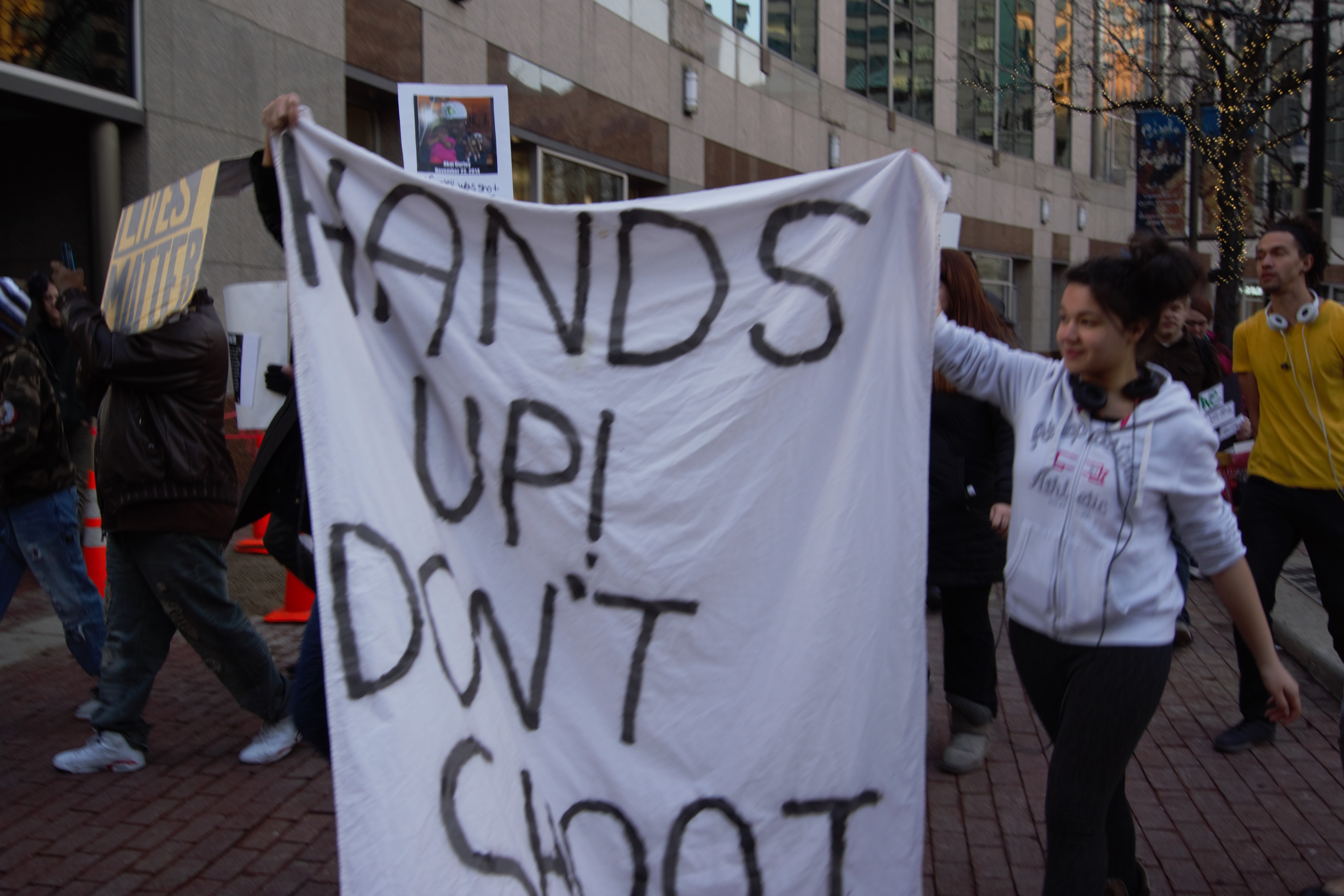
From my perspective as a white person, regarding Martin Luther King’s evil of racism, I feel Mutual Aid can lead to breaking down barriers. Of course I can’t speak to how a person of color sees Mutual Aid in this regard. But what I have seen is the support of Des Moines Mutual Aid for Des Moines Black Lives Matter/Liberation. And BLM advocates for Mutual Aid. I have seen people I know who are involved in Des Moines BLM come to our Mutual Aid food giveaway project. And Des Moines Mutual Aid has been very successful with a bail fund, which has provided bail for every activist arrested for agitating for change. Most, if not all of those arrests were from BLM protests. There doesn’t seem to be a boundary between these two groups.

What I do know is Black Lives Matter and Des Moines Mutual Aid see excessive materialism expressed as capitalism, as a fundamental problem.

capitalism has violated the communities of marginalized folks. capitalism is about the value of people, property and the people who own property. those who have wealth and property control the decisions that are made. the government comes second to capitalism when it comes to power. 

in the name of liberation, capitalism must be reversed and dismantled. meaning that capitalistic practices must be reprogrammed with mutual aid practices

Des Moines Black Lives Matter

I’m of the firm opinion that a system that was built by stolen bodies on stolen land for the benefit of a few is a system that is not repairable. It is operating as designed, and small changes (which are the result of huge efforts) to lessen the blow on those it was not designed for are merely half measures that can’t ever fully succeed.

So the question is now, where do we go from here? Do we continue to make incremental changes while the wealthy hoard more wealth and the climate crisis deepens, or do we do something drastic that has never been done before? Can we envision and create a world where a class war from above isn’t a reality anymore?”

Ronnie James, Des Moines Mutual Aid

Again we have deluded ourselves into believing the myth that Capitalism grew and prospered out of the protestant ethic of hard word and sacrifice, the fact is that Capitalism was build on the exploitation and suffering of black slaves and continues to thrive on the exploitation of the poor both black and white, both here and abroad.

The Three Evils of Society – Delivered at the National Conference on New Politics August 31, 1967,  Chicago, Ill

But as I think about the coming year, I know I will face great resistance for advocating for the demise of capitalism. I already have. I’m reminded of forty years of trying to get people to stop having personal automobiles. Obviously that didn’t happen.

Now, whenever I try to talk about the necessity of rejecting capitalism, people don’t seem to even comprehend what that means. Why it must happen. When I asked Ronnie, my Mutual Aid mentor about this, he said he’s been having that experience for the twenty years he’s been an activist. He said that was because people hadn’t experienced the collapse of capitalism in their lives, yet. I believe he’s right.

We are living through the collapse of capitalism now. Then Mutual Aid will be the best choice. The sooner we can get people to change, the better off we’ll all be. Other possibilities are chaos and violence.

So let us stand in this convention knowing that on some positions; cowardice asks the questions, is it safe; expediency asks the question, is it politic; vanity asks the question, is it popular, but conscience asks the question, is it right.

The Three Evils of Society – Delivered at the National Conference on New Politics August 31, 1967,  Chicago, Ill

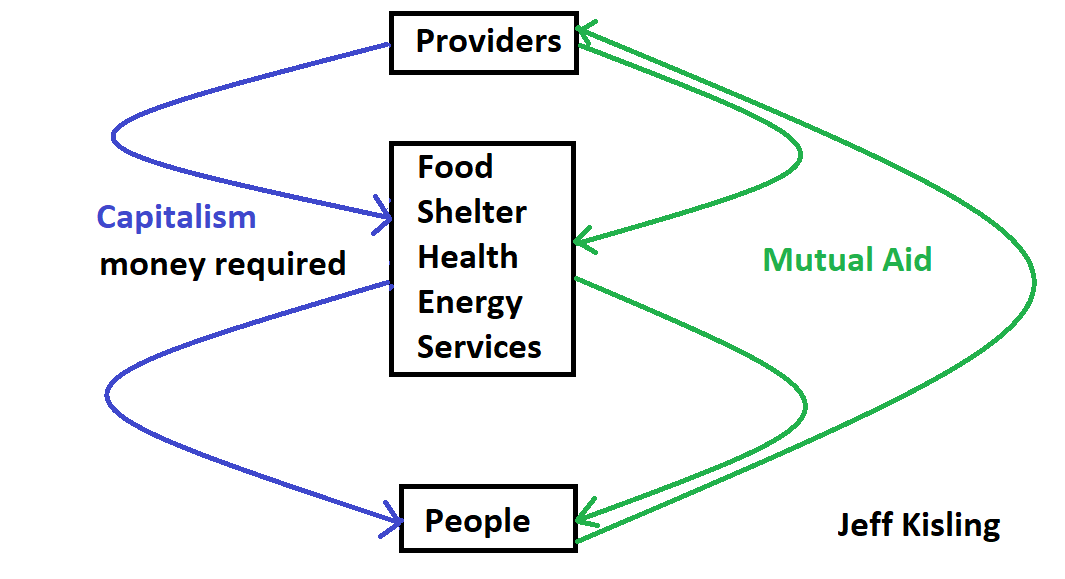
Early in our lifetimes, industry provided nearly full employment. Nearly every household had someone who was working, and bringing home a paycheck. All commerce was based on capitalism. Money was required for every transaction. Money was the only way to obtain goods and services.

Then with increasing automation, and moving jobs overseas for cheap labor, the unemployment rate began to increase. Soon millions of people no longer had the income needed to pay for goods and services. The numbers of those without jobs has increased dramatically from the economic impact of the COVID pandemic. Those without jobs have to rely on social safety nets, which often means people are living in poverty, at subsistent levels.

As a society we failed to address the loss of wages for millions of people who no longer had money, in a system that required money for everything–food, shelter, healthcare, etc.

It is clear to me that capitalism is an unjust, untenable system, when there is plenty of food in the grocery stores, but men, women and children are going hungry, living on the streets outside the store. There is no justification for this.

My blog post, Conscientiously Object to Capitalism


Following are excerpts from Martin Luther King, Jr.’s speech The Three Evils of Society delivered at the National Conference on New Politics August 31, 1967,  Chicago, Ill


Again we have deluded ourselves into believing the myth that Capitalism grew and prospered out of the protestant ethic of hard word and sacrifice, the fact is that Capitalism was build on the exploitation and suffering of black slaves and continues to thrive on the exploitation of the poor both black and white, both here and abroad. If Negroes and poor whites do not participate in the free flow of wealth within our economy, they will forever be poor, giving their energies, their talents and their limited funds to the consumer market but reaping few benefits and services in return.”

I wish that I could say that this is just a passing phase in the cycles of our nation’s life; certainly times of war, times of reaction throughout the society but I suspect that we are now experiencing the coming to the surface of a triple prong sickness that has been lurking within our body politic from its very beginning. That is the sickness of racism, excessive materialism and militarism

The Three Evils of Society – Delivered at the National Conference on New Politics August 31, 1967,  Chicago, Ill

Posted in Black Lives, decolonize, Des Moines Black Lives Matter, Des Moines Mutual Aid, Mutual Aid, Uncategorized | Leave a comment

Blame private capitalism for social problems

Mutual Aid is getting a lot of attention because numerous Mutual Aid efforts have been successful in responding to survival needs, when the political system failed spectacularly.

As Richard Wolff writes below, “neither (political party) dares blame private capitalism for social problems like unemployment and pandemic casualties. A solution would be a genuinely level political playing field. It would include a new political party that criticizes and opposes the capitalist system because of its responsibility for critical social problems.”

Locally, Des Moines Mutual Aid works in the areas mentioned below–free food distribution, shelter, bail and support for those arrested advocating for change, and providing personal protective equipment.


Popular anger finally exploded in 2020 in the form of widespread and sustained protests for racial justice, forcing white Americans to reckon with their privilege and the face of stark inequality.

Indeed, 2020 must be remembered for Black Lives Matter: for the neighbors who put on their masks and showed up for one another, for the revolts against state violence, and the mutual aid that blossomed even in an era of social distancing. We will soon put 2020 behind us, but the power built by our movements this year will continue to grow. There was far too much organizing in 2020 to fit into one article, but here’s a snapshot of activism that defined a year when everything changed.

Mutual Aid

While the mainstream media focused much of its attention on property destruction and clashes with police during the revolts of 2020, activists everywhere harnessed the collective power of the protest movement to better their communities. Mutual aid flourished during the uprising in Minneapolis, for example, where Truthout reported on street corners and empty shops that transformed into free markets, and a hotel taken over by houseless activists and their allies.

Rooted in anarchist thinking and a longtime practice among leftists of all stripes, mutual aid became a household term in 2020 as the capitalist system proved incapable of responding to the COVID-19 crisis. Across the country, people organized mutual aid groups to deliver food and supplies to people who could not leave their homes during the pandemic. As historic wildfires threatened communities across the U.S. West, Black Lives Matter activists in Portland shifted gears, temporarily halting protests to focus on mutual aid. As the pandemic hit new peaks this month, Brant Rosen explored mutual aid within the Hannukah tradition, urging readers to resist COVID by caring for each other. As Noam Chomsky pointed out in an interview with Chris Steele, there is a long history of mutual aid in the U.S. and across the world — and it is key to our survival.

Politicians Failed Us in 2020. Our Movements Built Lasting Power, by Mike Ludwig, Truthout, December 26, 2020

A basic social reality of the United States is its capitalist economic system that organizes enterprises internally into a small minority (employers) dominating the majority (employees), with markets to distribute resources and products. Like capitalisms everywhere, the U.S. version crashes recurringly. Variously called crises, recessions, or depressions, they have happened, on average, every four to seven years throughout capitalism’s history. The 2020 crash is second only to the Great Depression of the 1930s in its social impact. That fact alone demands major policy interventions on the scale, at least, of what was done then (including the creation of Social Security, federal unemployment insurance, the first minimum wage, and the creation of millions of federal jobs). Moreover, the 1930s were not simultaneously a time of deadly viral pandemic. Given the uniquely immense challenge of 2020’s two crises, no remotely adequate policies were undertaken nor even contemplated by Trump, Biden, Republican or Democratic establishments. They just don’t get it.

For both Republican and Democratic establishments, political strategies are similar. Each endorses, privileges, and supports private capitalism. Each blames the other party for negative results that flow from the social dominance of private capitalism. Neither dares blame private capitalism for social problems like unemployment and pandemic casualties. Instead, each has its preferred set of scapegoats to blame. Republicans blame immigrants, foreign trading partners (especially China), non-whites, pro-abortion rights activists, mainstream media, liberals, and socialists. Democrats blame Russia and Russians, China, gun enthusiasts, white supremacists and racists, Fox News, and Trump and his supporters.

A solution would be a genuinely level political playing field. It would include a new political party that criticizes and opposes the capitalist system because of its responsibility for critical social problems. It would break the political monopoly run by Republicans and Democrats just as many economic monopolies have ended in the nation’s past. Today’s crises, inequalities, divisions, and the sufferings of so many deserve no less. Yet the political monopolists want to keep their control.

THE DC POLITICAL MONOPOLY JUST DOESN’T GET IT By Richard D. Wolff, Counterpunch, December 26, 2020

Mutual aid is not only about addressing the crisis at hand but also about undoing the injustices of colonialism and imperialism and, using an intersectional framework, working to ensure racial, gender, economic, health, and environmental justice.

After Hurricane Katrina hit in 2005, while federal, state, and local agencies left people stranded without shelter or food, groups including the Common Ground Collective worked to provide housing, clothing, health care, and legal services to those in need. The organization was cofounded by former Black Panther Malik Rahim, drawing in part on the Black Panthers ten-point program, which offered free breakfast programs and free health care and legal clinics, and advocated principles of mutual aid.

Amid the pandemic, communities have sprung into action. With the economic fallout and lack of federal “survival checks” (as U.S. Representative-Elect Cori Bush, Democrat of Missouri, refers to them instead of “stimulus checks”), people are not only calling for an extension to the federal eviction moratorium, which expires at the end of 2020, but also taking action to keep people housed. In NYC, Mutual Aid NYC sprung into action. A multi-racial network of people and groups, it aims to share food, material and other resources “to support each other interdependently.”

COVID-19, the Climate Crisis, and Mutual Aid. Mutual aid is not only about addressing the crisis at hand but also about undoing the injustices of colonialism and imperialism, by Tina Gerhardt. Progressive, December 19, 2020

Posted in decolonize, Des Moines Mutual Aid, Indigenous, Mutual Aid, revolution, solidarity, Uncategorized | Leave a comment

New Year’s Revolution

When I started this blog exactly six years ago, I didn’t know why the Spirit led me to name it Quakers, social justice and revolution. It was the revolution part I’ve been patiently waiting to understand. I wondered if that related to my quixotic quest to get people to stop using cars. But I don’t think you can call one person’s actions a revolution, can you?

Anyway, now I know.

As each new year begins, many reflect on the past year. Some make resolutions to do something different, something better, in the new year. A fresh start.

But now, rather than making simple resolutions that are rarely kept, we are at a time to commit to joining a revolution this new year. The revolution I’ve been learning and writing about, and have joined, is Mutual Aid.


What do you see when you look back over the year 2020? When you step out of the daily struggles just to survive, literally in this time of COVID? And figuratively? What I see is:

  • The failure of an economic system built on capitalism
  • Suddenly millions of people have lost access to food, water, healthcare, education and shelter
  • Collapse of our healthcare system
  • The success of a political establishment designed to transfer massive amounts of wealth to those who are already wealthy
  • The destruction of a social contract that used to allow us to operate from norms of truth, logic, science and care for one another
  • The many consequences of rapidly evolving environmental disasters
  • The ongoing destruction of infrastructure from neglect and environmental destruction
  • Out of control spending for and utilization of the military and police
  • The rise of a militarized police state that instills fear, suppresses dissent, and incarcerates those who do dissent
  • The continuation of white supremacy and systemic racism
  • The rise of authoritarianism
  • Spiritual poverty

The capitalist economic system once worked fairly well for white people when there was nearly full employment. This transactional system required money to obtain all goods and services. Over the past several decades unemployment increased. Social safety nets helped somewhat. Then this year millions have lost their income, or their businesses forced to close. We’ve watched the political establishment totally disregard these crises.

For many years charities offered help. They would have rules about who qualified for help. Those needing help were stigmatized. At times the help offered wasn’t what was really needed. And the help was rarely sustained.

We are in crisis and need fundamental change right now. My whole life I’ve said we have to stop using fossil fuels now. And that, of course, didn’t happen. Now we wish we had done that. The consequences were a long time coming, but are here now.

But the crises we face now don’t have a long timeline until their consequences materialize. Every minute millions of men, women and children are hungry, many with no shelter.

The revolution we need is Mutual Aid. Mutual Aid projects work to meet survival needs. Mutual Aid is built on the idea of us all working together on problems that affect us all. This is radically different from “us” helping “them”, which is the view of charities and social safety nets.

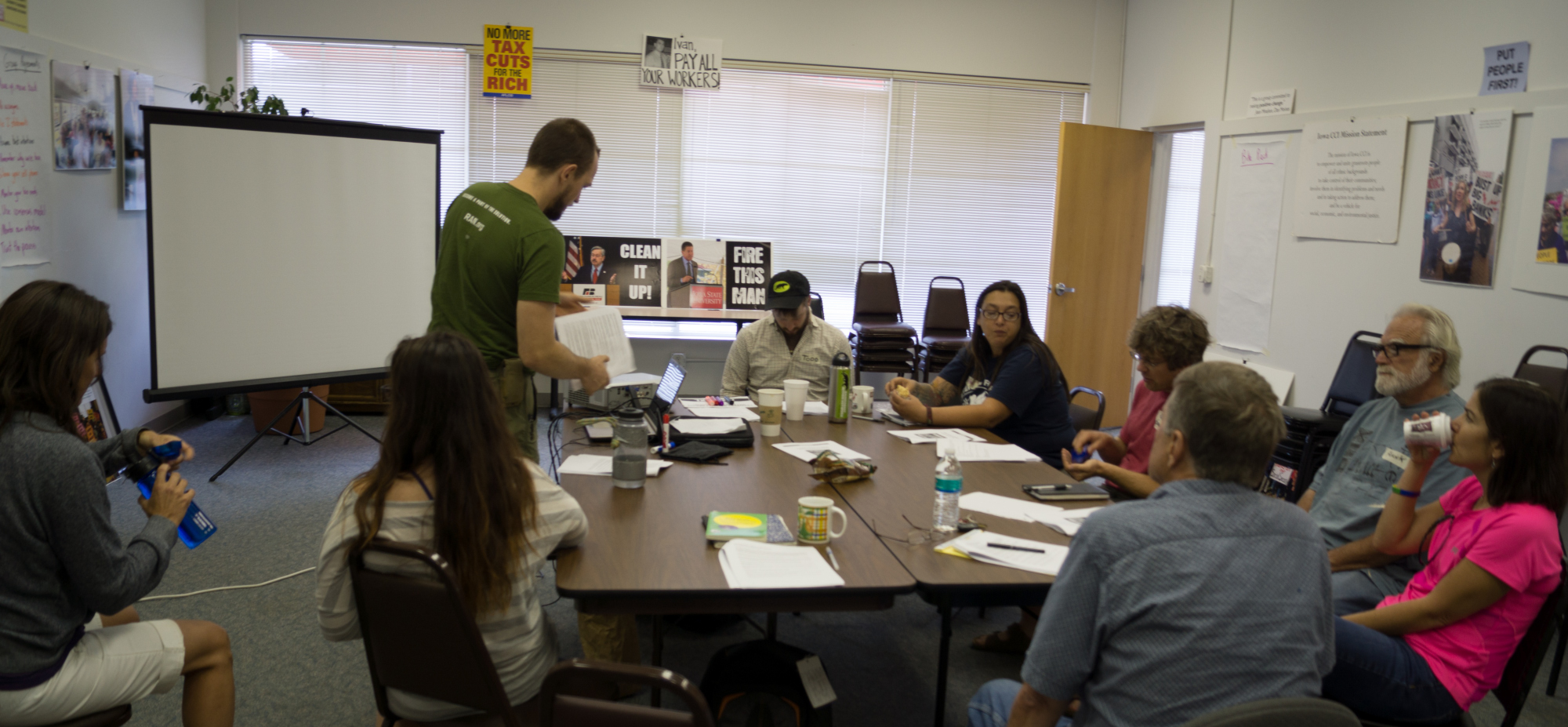
To illustrate how Mutual Aid works, this is an example based upon some of my experiences. I’m fortunate to have met and become friends with Ronnie James, an indigenous organizer with over twenty years of experience. He has been mentoring me regarding Mutual Aid. For the past three months I’ve been participating in one of the projects he is involved with. Which is the weekly food giveaway of Des Moines Mutual Aid (DMMA). This is a continuation of the Black Panthers’ free school breakfast program from the 1960’s.

My first time at the food giveaway, Patrick told me this was a Mutual Aid project, which meant any of us helping out were welcome to take food. A very diverse group of my new friends distribute food (often past freshness date food from local grocery stores) among fifty or so boxes. The food is then taken to tables set up outside the church. Then one of us directs traffic, and the boxes of food are put into each car. Every one of us is very friendly toward those in each car. No one tells us to be polite. It’s just naturally how we feel when we really see we are all in this together. We know people don’t have enough food through no fault of their own.

Several times I’ve heard people say these Saturday mornings are the highlight of their week. And of mine, too. As Ronnie explained before I got started, you work frantically for an hour and a half, after which you are sweaty, tired, and feeling good. This good feeling is why Mutual Aid projects mobilize people and expand solidarity.

From this example, you can see what Dean Spade is talking about in his book, Mutual Aid: Building Solidarity During This Crisis (and the Next). There are three key elements of mutual aid.

  1. Mutual aid projects work to meet survival needs and build shared understanding about why people do not have what they need.
  2. Mutual aid projects mobilize people, expand solidarity, and build movements.
  3. Mutual aid projects are participatory, solving problems through collective action rather than waiting for saviors.

A Mutual Aid project must be participatory. You have to be physically present in the community you are working with. That is necessary in order for you to really understand the situation and the people you are working with. It is necessary so those you work with can get to know and trust you.

And an important part of the Mutual Aid experience is how you are changed as you learn how to be with people in new ways. Much of that is related to learning how to leave vertical hierarchies behind. Basic to Mutual Aid is the idea there are no vertical hierarchies, no superiors. We are all in this together.

Seriously, this is the time for all of us to join the Mutual Aid revolution.

If there isn’t a Mutual Aid group near you, start one of your own. There are many resources on the Internet to help you do that.

Seriously, this is the time for all of us to join the Mutual Aid revolution.

I’ve been compiling a booklet of information about Mutual Aid. This is a link to a flip book version. Click on the right or left arrows to move through the book.

Mutual Aid writings


Posted in Black Lives, decolonize, Des Moines Mutual Aid, Mutual Aid, Uncategorized | Leave a comment

US Political Meltdown and Mutual Aid

Much has been written about the collapse of our political systems and the capitalist economy. This past year has seen the utter inability of Federal and state governments to even begin to adequately respond to the COVID-19 pandemic. Some of the consequences of which are 18,973,520 confirmed cases and 333,957 deaths as of today in the US.

The capitalist system that requires money for every transaction leaves behind all who don’t have access to money. Millions of people who once had jobs no longer do, through no fault of their own. Suddenly millions of people are hungry and find themselves dependent on food banks. Millions face the threat of eviction when they can no longer afford the rent, or to pay their mortgage.

And yet, knowing all this, the US Congress and administration refuse to provide even a modicum of financial relief. At the same time the military is given billions of dollars.

Mutual Aid has become ever more important as a way to address these survival needs. I don’t know why I only discovered the concept of Mutual Aid about a year ago. Fortunately there is a well organized group nearby, Des Moines Mutual Aid (DMMA) that has been active for years. Providing food, help for the houseless or those facing evictions, and providing bail for those arrested for agitating for change.

US Congress and administration refuse to provide even a modicum of financial relief

I went to Des Moines again yesterday to help with the DMMA food giveaway. Where I see first hand what food insecurity and hunger look like. Where I am with my friends joyfully doing this work together. Those are the two reasons I hope more people become involved with Mutual Aid in their communities. Fulfilling survival needs, and experiencing working with, belonging to a community working on helping us all, together.

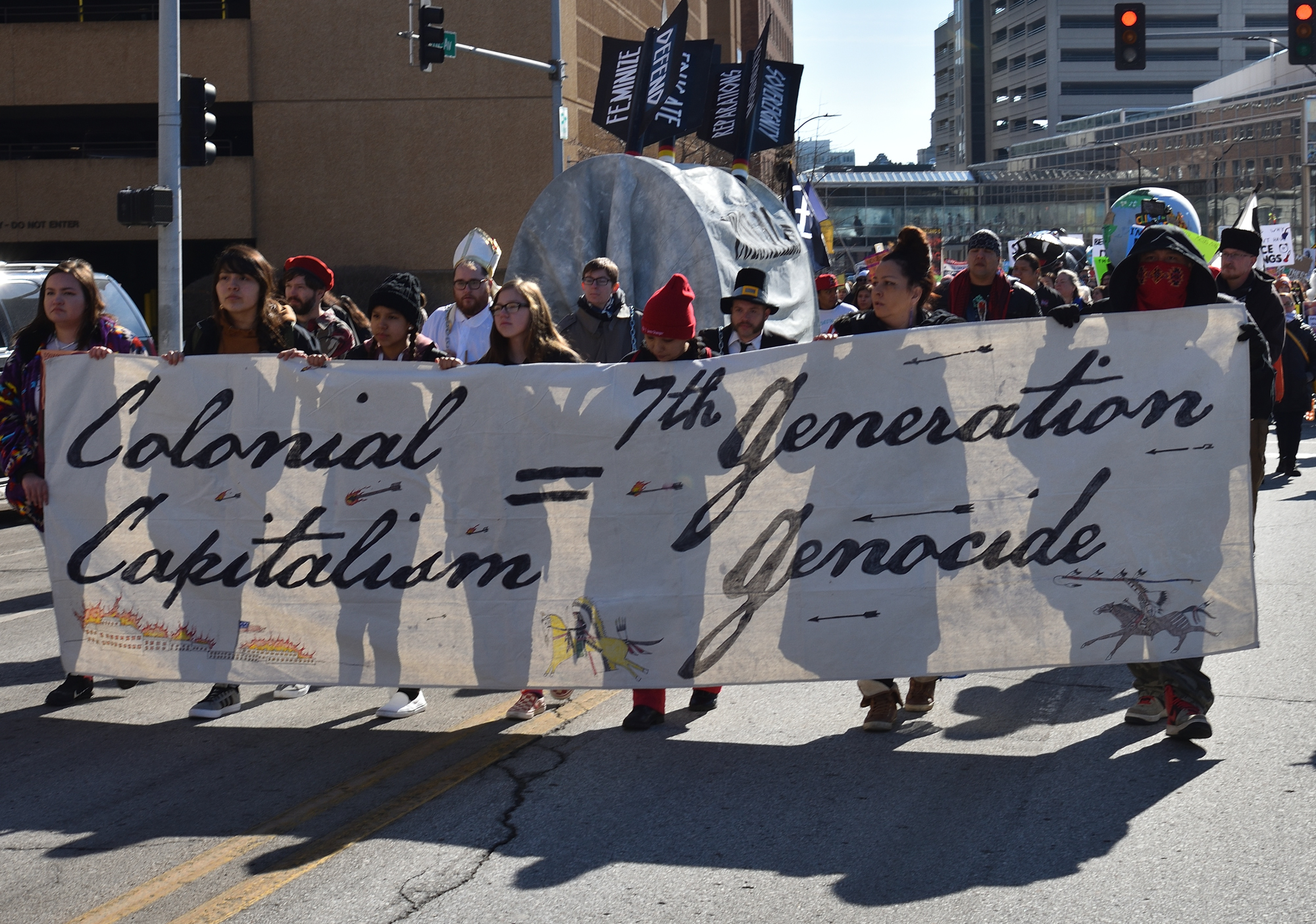
I came across this article recently, “COVID-19, the Climate Crisis, and Mutual Aid. Mutual aid is not only about addressing the crisis at hand but also about undoing the injustices of colonialism and imperialism”, by Tina Gerhardt. I’ve had a great deal of trouble convincing white friends that capitalism is the root of much that is wrong today. In this country colonialism has been based upon capitalism.

Climate March, Des Moines, Iowa

“Mutual aid,” a concept coined by the Russian naturalist and anarchist Peter Kropotkin in his 1902 Mutual Aid: A Factor of Evolution, refers to the principles of cooperation, and of people joining together to help each other. It ran counter to the then-hegemonic Darwinian theories emphasizing competition and survival of the fittest. Kropotkin did not deny the role of competition, but he argued that the cooperative spirit has gone under-examined.

Kropotkin traced the role of mutual aid in various communities over stretches of history and geography, including among Indigenous communities, so-called free cities in Europe, guilds, labor unions and poor people, and he flagged one key factor that undermined these relationships: privatization.

Reciprocity forms the bedrock of Indigenous worldviews. Robin Wall Kimmerer, in Braiding Sweetgrass: Indigenous Wisdom, Scientific Knowledge and the Teachings of Plants, writes of the “web of reciprocity, of giving and taking. . . . Through unity, survival. All flourishing is mutual.

COVID-19, the Climate Crisis, and Mutual Aid. Mutual aid is not only about addressing the crisis at hand but also about undoing the injustices of colonialism and imperialism, by Tina Gerhardt. Progressive, December 19, 2020

I’ve been working on this diagram for over a year, trying to show the interrelationships among capitalism, climate chaos, and the subjugation of black, indigenous and other people of color (BIOPC) in this country.

When my friend Ronnie James began to teach me about Mutual Aid, that concept fit into this diagram as the goal we should be working toward.

Mutual aid manifests itself most intensely during crises. “This is when the structures of the state and of capitalist markets not only fail to address the emergency situation but they often show their complicity in making it worse,” writes Massimo de Angelis, in the introduction to Pandemic Solidarity: Mutual Aid during the COVID-19 Crisis. He says it amounts to a collective cry from society that “I want to evolve but my evolution depends on you.”

Amid the pandemic, communities have sprung into action. With the economic fallout and lack of federal “survival checks” (as U.S. Representative-Elect Cori Bush, Democrat of Missouri, refers to them instead of “stimulus checks”), people are not only calling for an extension to the federal eviction moratorium, which expires at the end of 2020, but also taking action to keep people housed. In NYC, Mutual Aid NYC sprung into action. A multi-racial network of people and groups, it aims to share food, material and other resources “to support each other interdependently.” 

COVID-19, the Climate Crisis, and Mutual Aid. Mutual aid is not only about addressing the crisis at hand but also about undoing the injustices of colonialism and imperialism, by Tina Gerhardt. Progressive, December 19, 2020

I’m of the firm opinion that a system that was built by stolen bodies on stolen land for the benefit of a few is a system that is not repairable. It is operating as designed, and small changes (which are the result of huge efforts) to lessen the blow on those it was not designed for are merely half measures that can’t ever fully succeed.

So the question is now, where do we go from here? Do we continue to make incremental changes while the wealthy hoard more wealth and the climate crisis deepens, or do we do something drastic that has never been done before? Can we envision and create a world where a class war from above isn’t a reality anymore?”

Ronnie James

45 percent uptick in hunger from 2019 to 2020

Given the 45 percent uptick in hunger from 2019 to 2020, people are also working to self-organize food distribution. Together with other organizations, Fire Igniting the Spirit works to ensure food security for Indigenous communities, distributing food and supplies among five tribes in Oregon and Washington. Just last weekend, the effort reached more than one thousand families. The fact that COVID-19 relief funds from the Department of Treasury to tribes expire at the end of the year has intensified mutual aid.

During emergencies, disaster capitalism, whereby neoliberalism swoops in to privatize and profit precisely at moments of crisis, well-delineated in Naomi Klein’s Shock Doctrine (2007), is the flip side of the coin to mutual aid, well-argued in Solnit’s A Paradise Built in Hell or Hope in the Dark (2004).

In light of COVID-19, we are all facing unique challenges, but each one of us has different resources and skills we can contribute. What this moment offers, as any crisis does, is an opportunity to engage the needs of our neighbors and communities.

After all, a society will be measured by how it treats its most vulnerable members.

COVID-19, the Climate Crisis, and Mutual Aid. Mutual aid is not only about addressing the crisis at hand but also about undoing the injustices of colonialism and imperialism, by Tina Gerhardt. Progressive, December 19, 2020

I’m in the process of collecting information about Mutual Aid in an online booklet you can find here: Mutual Aid in the Midwest (designrr.co) This is a flip book so you click on the arrows at the right and left edges to move from page to page.

Posted in climate change, decolonize, Des Moines Mutual Aid, Great Plains Action Society, Indigenous, Mutual Aid, Uncategorized | Leave a comment

DAKOTA 38 + 2

The day after Christmas, Dec. 26, 1862, President Abraham Lincoln ordered the largest execution in United States history — the hanging of 38 Dakota (Sioux) men. At the heart of this is the genocide and land theft of the tribal nations by the white settler-colonialists.

“Today, all the people of the region continue to be affected by this traumatic event. We take the youth on the ride, so that they may connect with their culture in a more physical way. By being apart of the ride they are connecting themselves with their ancestors and their horse relatives. It is through the ride that they are able to see the beauty in the history and their culture.” SUNKTANKA


The Dakota 38 Plus 2 Memorial Ride is a ride that honors the 38 Dakota men who were hung in Mankato in December of 1862. The ride began from the vision of a Dakota elder and warrior. In this vision riders would ride from Crow Creek, SD to Mankato, MN. Ever since then the ride has continued to happen annually from the beginning year December 2005 to present collecting supporters and new riders along the way.

My name is Winona Goodthunder. My Dakota name is Wambde Ho Waste Win, Eagle Woman with a Good Voice. I have ridden in this ride since 2006, the second year. I was in eighth grade when I started. As the years have gone by the riders that we’ve met every year have become a part of a new kind of family. We are all different even though we are all somehow related. Those of us who are from the Lower Sioux region are used to different types of living than those who come from Canada, Nebraska, South Dakota, and other parts of the world. The differences that we have are forgotten when we come to this ride. We get up early in the morning to get our horses ready together. We ride all day together, and we eat together at night. It is then that our differences merge and we teach each other. The thing that seems to bind us the most is the fact that we can laugh. Humor may not be what is expected on a memorial ride, but it is encouraged for it is stressed that this ride is for forgiveness. Although our group goes only for the last four days it is enough to establish that sense of family amongst each other. It is from these riders that I’ve learned most about my culture. I have read books, but they cannot foster the feeling that one gets when they are living in an experience such as the ride.

Winona Goodthunder

In the spring of 2005, Jim Miller, a Native spiritual leader and Vietnam veteran, found himself in a dream riding on horseback across the great plains of South Dakota. Just before he awoke, he arrived at a riverbank in Minnesota and saw 38 of his Dakota ancestors hanged. At the time, Jim knew nothing of the largest mass execution in United States history, ordered by Abraham Lincoln on December 26, 1862. “When you have dreams, you know when they come from the creator… As any recovered alcoholic, I made believe that I didn’t get it. I tried to put it out of my mind, yet it’s one of those dreams that bothers you night and day.”

Now, four years later, embracing the message of the dream, Jim and a group of riders retrace the 330-mile route of his dream on horseback from Lower Brule, South Dakota to Mankato, Minnesota to arrive at the hanging site on the anniversary of the execution. “We can’t blame the wasichus anymore. We’re doing it to ourselves. We’re selling drugs. We’re killing our own people. That’s what this ride is about, is healing.” This is the story of their journey- the blizzards they endure, the Native and Non-Native communities that house and feed them along the way, and the dark history they are beginning to wipe away.

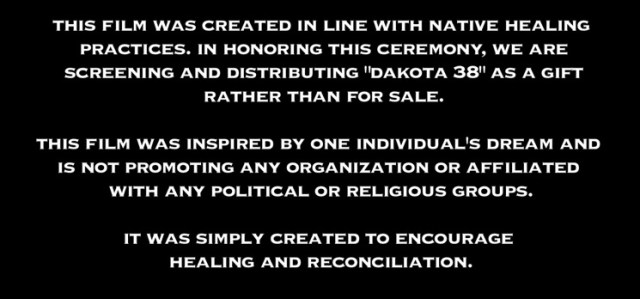
This film was created in line with Native healing practices. In honoring this ceremony, we are screening and distributing “Dakota 38″ as a gift rather than for sale. This film was inspired by one individual’s dream and is not promoting any organization or affiliated with any political or religious groups. It was simply created to encourage healing and reconciliation.

Smooth Feather

My friends Foxy and Alton Onefeather live near Lower Brule, where the ride begins.

Detailed stories and resources are available for this history, sometimes referred to as the Dakota War of 1862 here: http://www.usdakotawar.org/

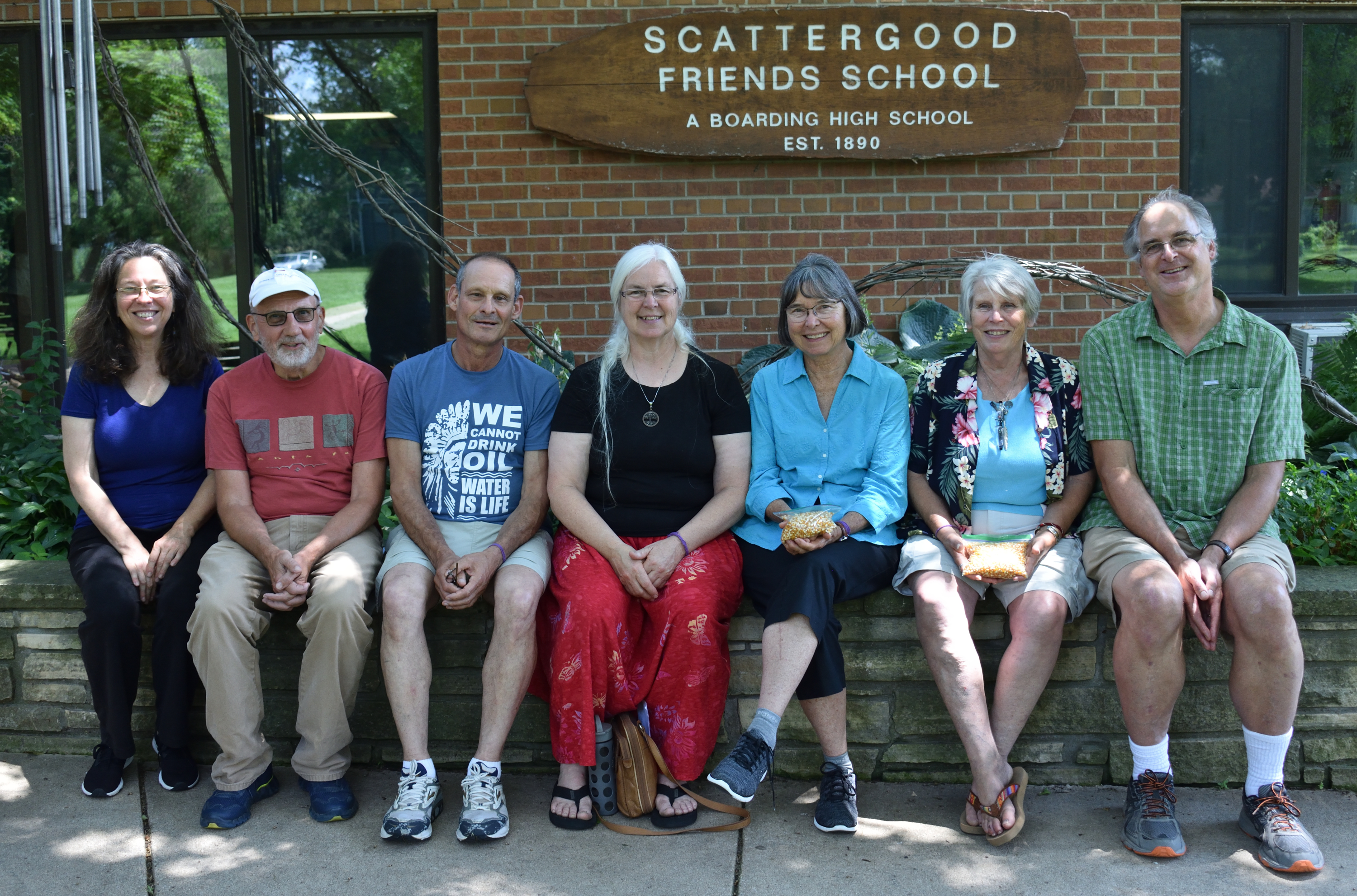
I have watched this video, “Dakota 38”, many times. My friend and former roommate from Scattergood Friends School, Lee Tesdell, teaches in Mankato, and has spoken about this history with me.

The photography and, especially the story, are just excellent and very moving. I’ve been learning how trauma is passed from generation to generation. The events shown in the film “Dakota 38” occurred in 1862. “Today, all the people of the region continue to be affected by this traumatic event.” SUNKTANKA

Please note the video is age-restricted and only available on YouTube. Search for Dakota 38.

Composers Jay McKay and Jay Parrotta spent three years fusing sound and visuals into a cinematic experience that takes the viewer onto the Northern Plains and through a relentless pounding blizzard. Sound has the ability to transport, and the mix of chants, drums and melody is spellbinding.


Forgive Everyone Everything

FORGIVE EVERYONE EVERYTHING is inscribed on a bench in Reconciliation Park, Mankato, Minnesota, where the ride ends. The photo of the memorial shows a list of the names of the 38 Dakota men who were all hanged at the same time in what is now Mankato, Minnesota. A raised wooden platform, with 38 nooses along the sides, was constructed. It is said nearly 4,000 people witnessed this, the largest execution in U.S. history, on December 26, 1862. As to who needs to be forgiven, there are many answers to that. At the heart of this is the genocide and land theft of the tribal nations by the white settler-colonialists. More specifically this history came about as the Dakota were forced into smaller and smaller areas of land, to the point they could not sustain themselves.

https://foursquare.com/v/reconciliation-park/4d86396a509137040938a75b

NAMES OF THE EXECUTED INDIANS.
#1 was to be TA-TAY-ME-MA but he was reprieved because of his age and questions related to his innocence

  1. Plan-doo-ta, (Red Otter.)
  2. Wy-a-tah-ta-wa, (His People.)
  3. Hin-hau-shoon-ko-yag-ma-ne, (One who walks clothed in an Owl’s Tail.)
  4. Ma-za-bom-doo, (Iron Blower.)
  5. Wak-pa-doo-ta, (Red Leaf.)
  6. Wa-he-hua, _.
  7. Sua-ma-ne, (Tinkling Walker.)
  8. Ta-tay-me-ma, (Round Wind) — respited.
  9. Rda-in-yan-ka, (Rattling Runner.)
  10. Doo-wau-sa, (The Singer.)
  11. Ha-pau, (Second child of a son.)
  12. Shoon-ka-ska, (White Dog.)
  13. Toon-kau-e-cha-tag-ma-ne, (One who walks by his Grandfather.)
  14. E-tay-doo-tay, (Red Face.)
  15. Am-da-cha, (Broken to Pieces.)
  16. Hay-pe-pau, (Third child of a son.)
  17. Mah-pe-o-ke-na-jui, (Who stands on the Clouds.)
  18. Harry Milord, (Half Breed.)
  19. Chas-kay-dau, (First born of a son.)
  20. Baptiste Campbell, _.
  21. Ta-ta-ka-gay, (Wind Maker.)
  22. Hay-pin-kpa, (The Tips of the Horn.)
  23. Hypolite Auge, (Half-breed.)
  24. Ka-pay-shue, (One who does not Flee.)
  25. Wa-kau-tau-ka, (Great Spirit.)
  26. Toon-kau-ko-yag-e-na-jui, (One who stands clothed with his Grandfather.)
  27. Wa-ka-ta-e-na-jui, (One who stands on the earth.)
  28. Pa-za-koo-tay-ma-ne, (One who walks prepared to shoot.)
  29. Ta-tay-hde-dau, (Wind comes home.)
  30. Wa-she-choon, (Frenchman.)
  31. A-c-cha-ga, (To grow upon.)
  32. Ho-tan-in-koo, (Voice that appears coming.)
  33. Khay-tan-hoon-ka, (The Parent Hawk.)
  34. Chau-ka-hda, (Near the Wood.)
  35. Hda-hin-hday, (To make a rattling voice.)
  36. O-ya-tay-a-kee, (The Coming People.)
  37. Ma-hoo-way-ma, (He comes for me.)
  38. Wa-kin-yan-wa, (Little Thunder.)
Posted in Arts, decolonize, Indigenous, Native Americans, Uncategorized | Leave a comment

Indigenous Resistance and Decolonization

It is sad during this season that is supposed to be about peace on earth, to know state sanctioned violence continues in the lands called Canada and the United States.

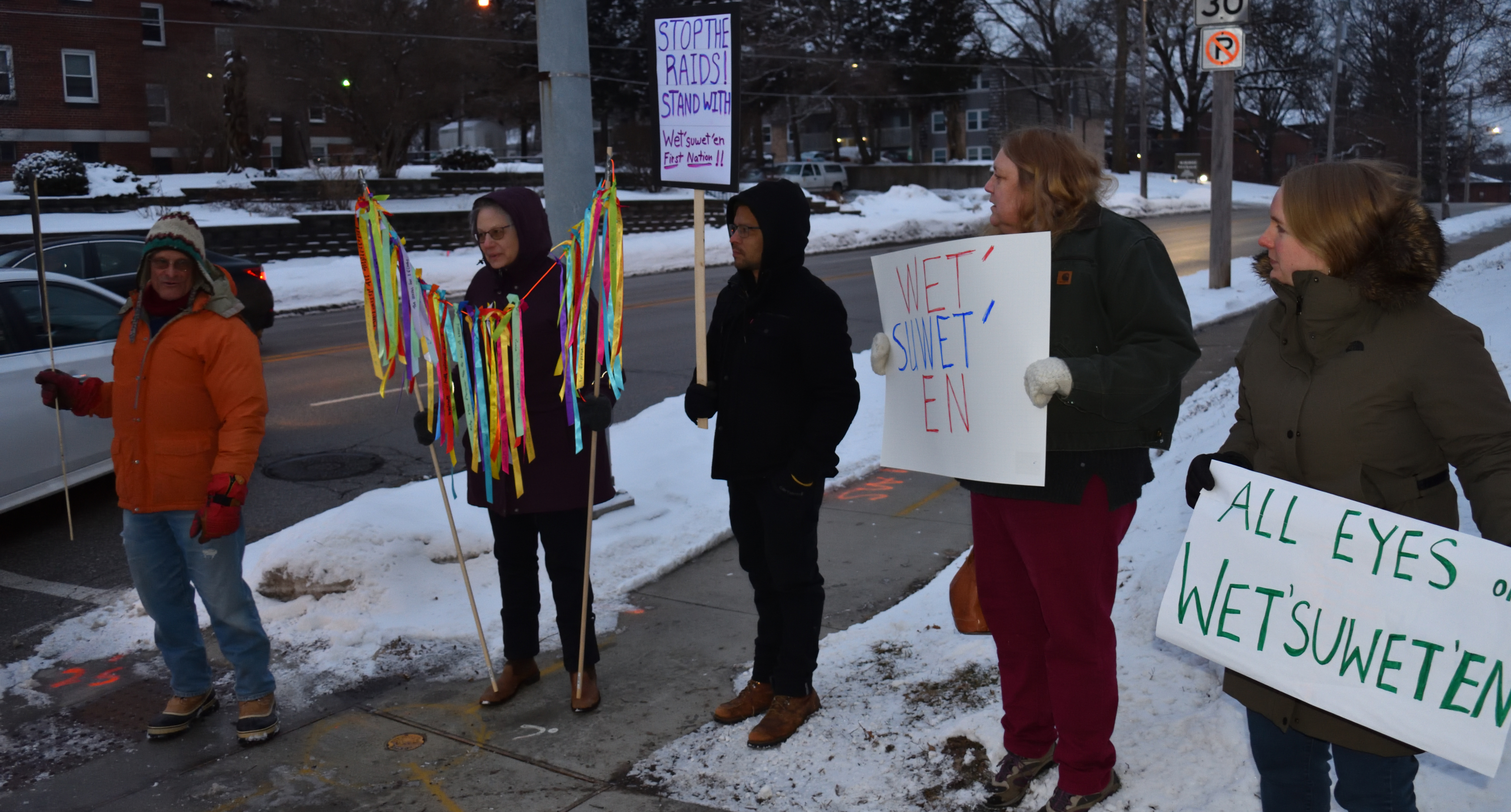
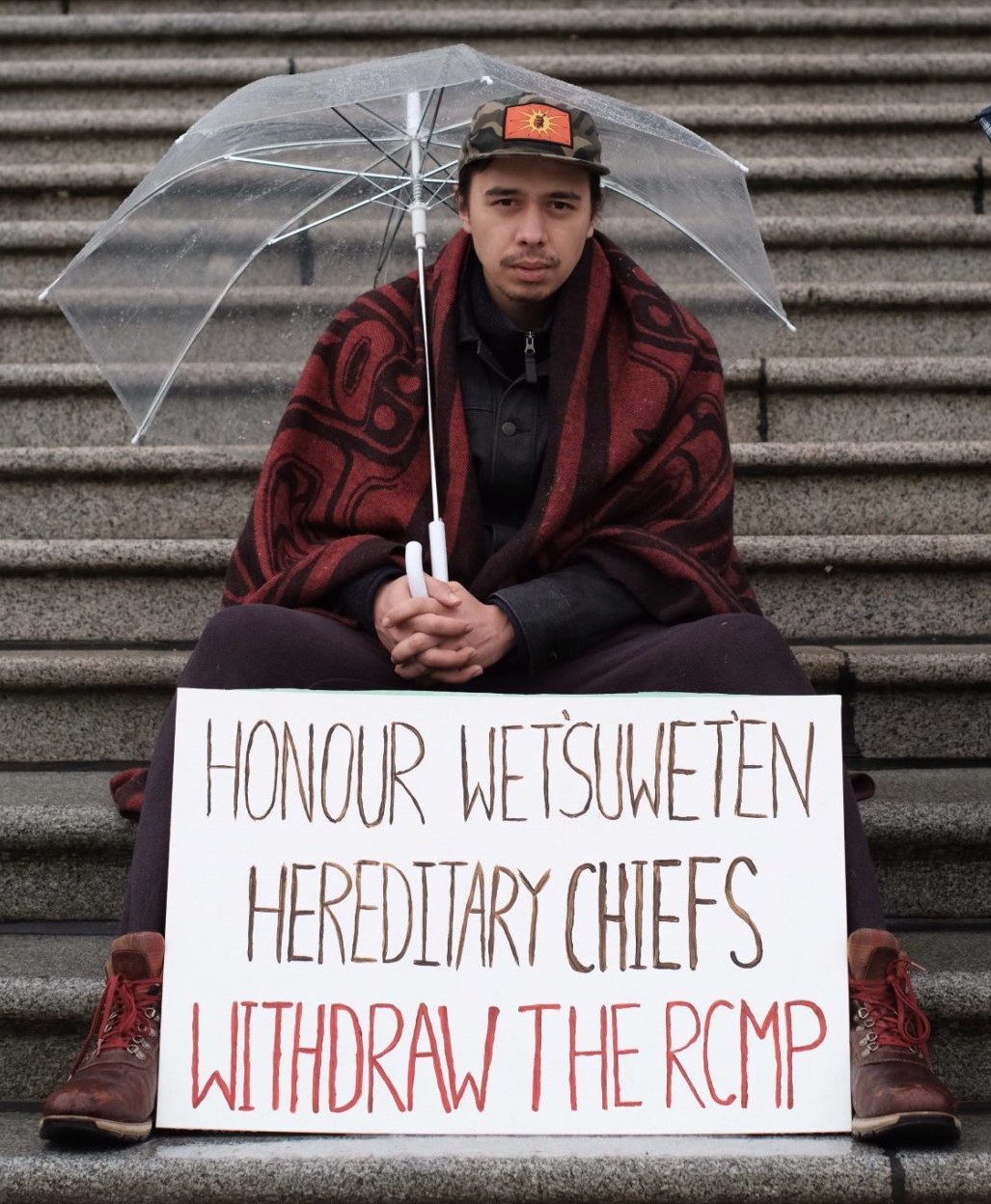
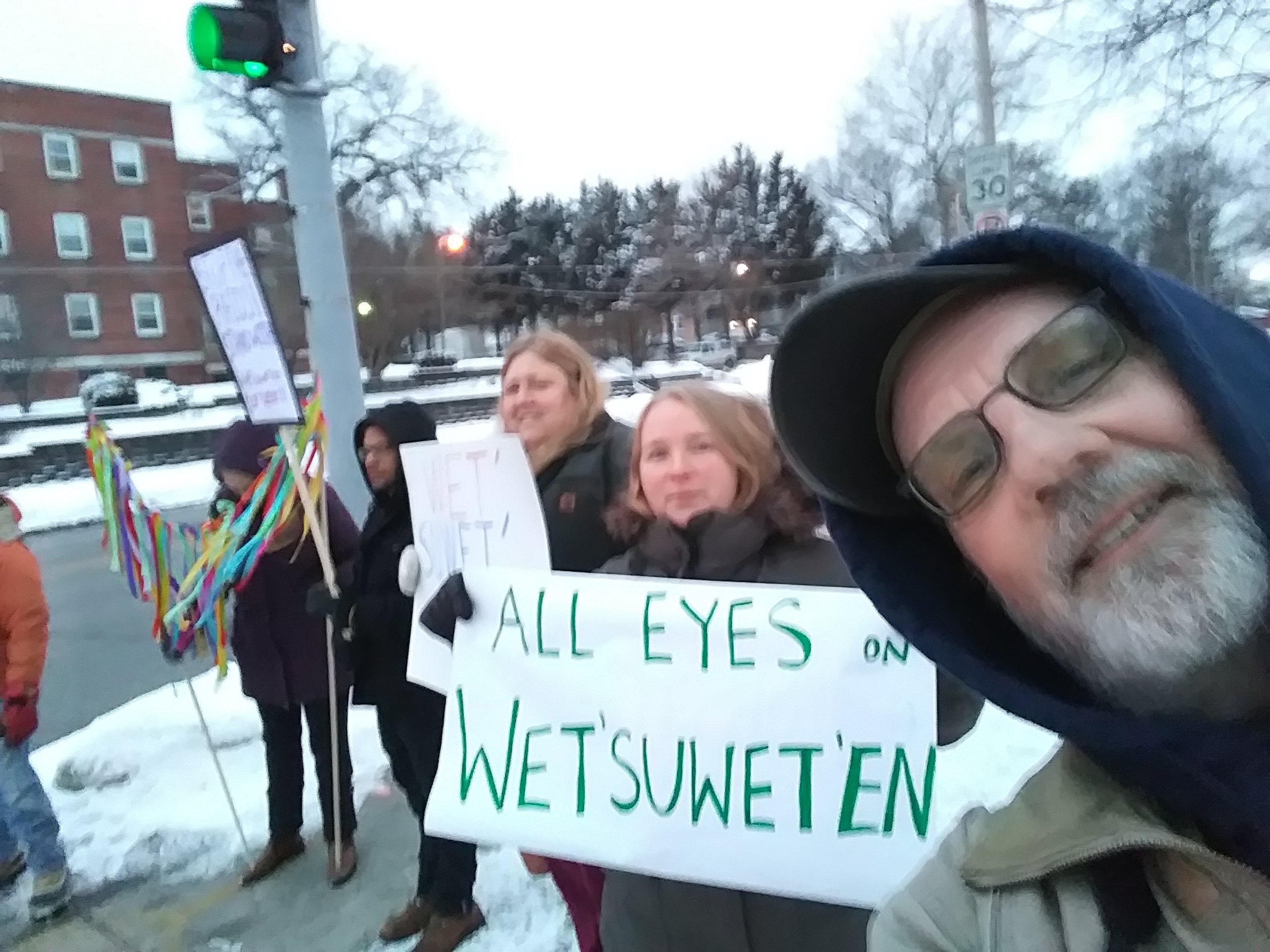
I was alarmed early this year when I began to learn about the violence of the Royal Canadian Mounted Police (RCMP) against the Wet’suwet’en peoples. The reason I became aware of the Wet’suwet’en was because of their struggles to stop the Coastal GasLink natural gas pipeline from being built through their territory in British Columbia. Much of my life work has been to reduce fossil fuel use. For the past eight years that has been related to trying to stop pipeline construction.

I’ve studied and written a lot about the Wet’suwet’en. (see https://kislingjeff.wordpress.com/?s=wetsuweten)

It was at a vigil last February, supporting the Wet’suwet’en peoples (referred to in the statement below) that I met Ronnie James, who works at the Great Plains Action Society and Des Moines Mutual Aid. That meeting changed my life since as I began to learn about Mutual Aid. And participate in Des Moines Mutual Aid’s food giveaway.

So I was already familiar with some of the violent oppression mentioned in the statement and video below. And one of things that results from Mutual Aid is building solidarity with other justice efforts.

As a white person, I need to be working on decolonizing myself. Decolonization involves education and healing. Education is problematic because one piece of white supremacy is controlling the narrative. We have to work to discover the truth. Also problematic when there is so much deliberate misinformation and suppression of truth. We have to find sources we trust to tell the truth.

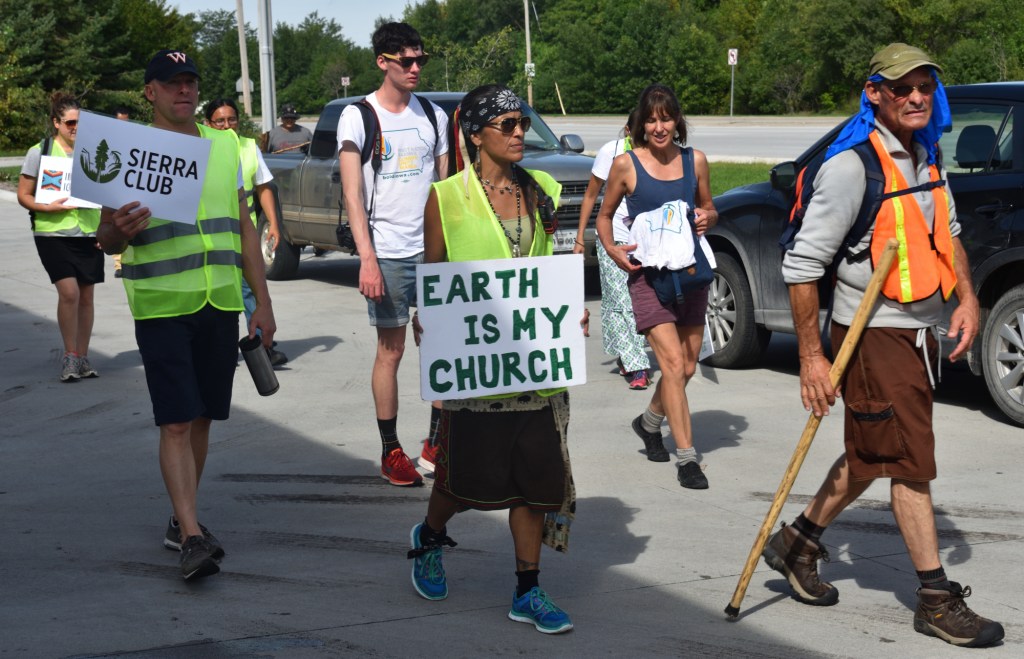
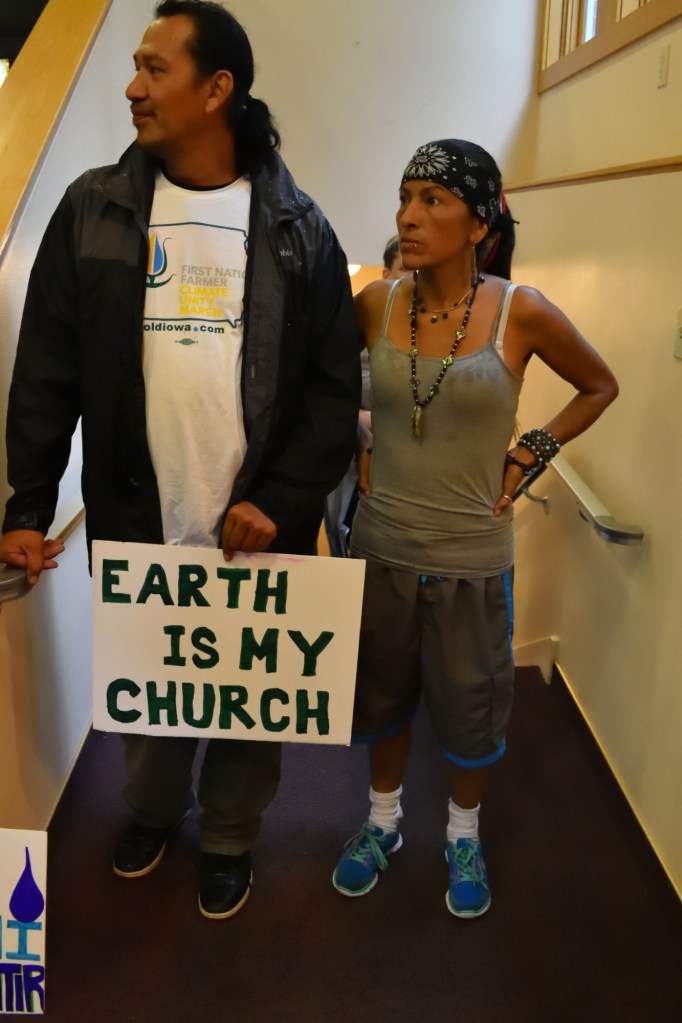
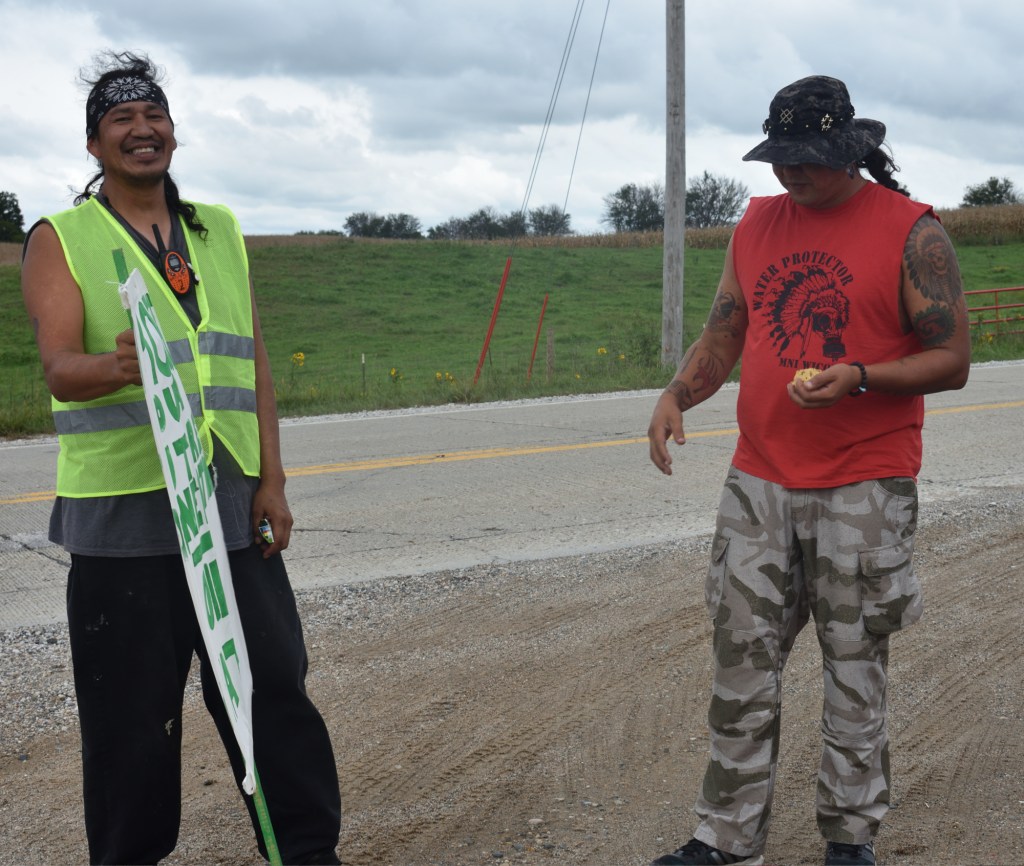
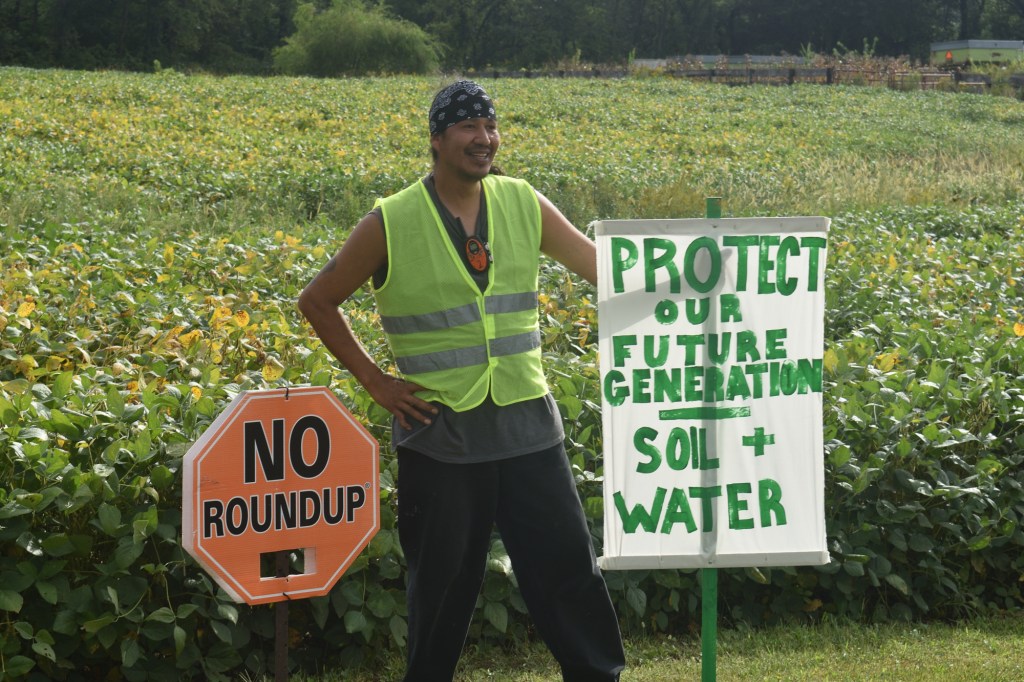
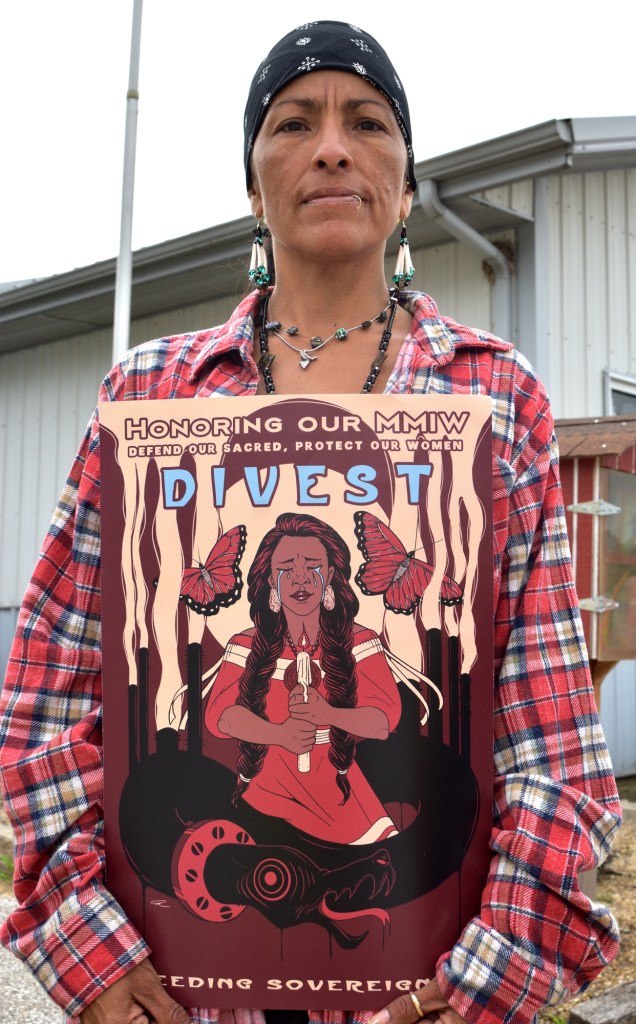
I trust and support my friends at Great Plains Action Society, including Sikowis (Christine Nobiss), Trisha Cax-Sep-Gu-Wiga Etringer, and Alton and Foxy One Feather. We began to get to know one another during the eight days of the First Nation-Farmer Climate Unity March in 2018. The purpose of the March was to begin building a community of native and nonnative people who would be able to work together. I’m glad to say that has been happening.

The other part of decolonization is healing. I’m not aware of clear guidelines for how we go about that. I believe this should involve those who have been wronged and the perpetrators of those wrongs. Care must be taken not to try to force when, how, or even if those wronged participate in the healing. Some parts of the healing may need to be done by each group separately.

For all of these reasons, I’m sharing this statement and video. We have been asked to “please share this powerful video made by a collective of Indigenous organizers in KKKanada and see how hard Natives can go when pushed.” This is an opportunity for white people to do some work to decolonize ourselves, to be educated. And beyond that, search for a way for healing. Finding or starting a Mutual Aid group could be one way.

We aren’t asking for a lot, just to ensure that these acts of violence do not go unnoticed, and are not forgotten. We must stand together, and together we will be stronger.


Great Plains Action Society
12/23/202

Great Plains Action Society supports our relatives up north. Please share this powerful video made by a collective of Indigenous organizers in KKKanada and see how hard Natives can go when pushed.

For the past 370 years, colonial policing has been present on stolen lands, known as “canada”. Although they have been present under the guise of being here to “protect & serve”, Indigenous people know this is not the case.

We have been subjected to consistent attacks, forcible confinement, and violent oppression at the hands of colonial police forces. Things have not changed.

Many have seen, what appears to be, an escalation of violent attacks by entities such as the police and/or military. “Appears to be” is the key phrase though. From coast-to-coast, we still have always witnessed the colonial state’s reaction to Indigenous resistance and existence. Wet’suwet’en & Secwepemc people are STILL heavily monitored by the rcmp. The rcmp stood by and allowed for violence to occur in Mi’kma’ki (at the hands of non-Indigenous fishermen). Haudenosaunee peoples currently face the threat of attack by the Ontario Provincial police.

In the past we have seen the Kahnasatake Resistance (Oka), Ipperwash, Burnt Church, Gustafson Lake, Kahnastaton, Elsipogtog, and many more. We have witnessed the violence enacted at the hands of the state, and how far they are willing to go to suppress and oppress Indigenous peoples.

We can not sit by in silence, and choose to ignore the facts… the Canadian government does not give a fuck about Indigenous peoples. If they did, all nations would be able to have clean water – versus the overpolicing & violent tactics used on Indigenous peoples… people who just want our basic rights, as sovereign peoples, protected.

We aren’t asking for a lot, just to ensure that these acts of violence do not go unnoticed, and are not forgotten.

We must stand together, and together we will be stronger.

Music by Lucifena

#StrongerTogether
#IndigenousSolidarity
#IndigenousResistance

View video Great Plains Action Society


#StrongerTogether
#IndigenousSolidarity
#IndigenousResistance

Posted in Des Moines Mutual Aid, First Nation-Farmer Climate Unity March, Great Plains Action Society, Indigenous, Mutual Aid, Uncategorized, Wet’suwet’en | Leave a comment